news
stories from the front lines of discovery
From scientific breakthroughs to new open‑source tools, the Allen Institute’s work is reshaping how science is done—and who it’s for. Explore the latest news, stories, and highlights from across our research, partnerships, and open science efforts.


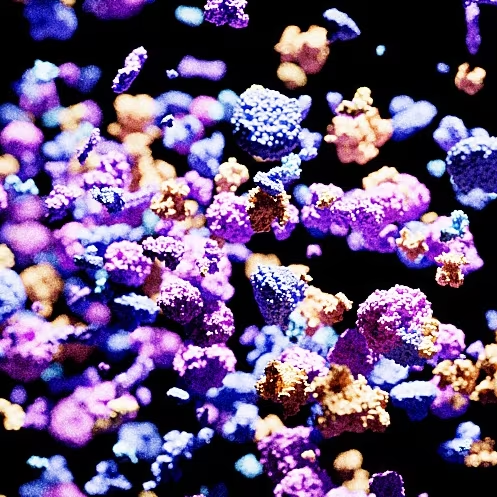
AI BioDesign accelerator combines experimental biology and artificial intelligence to learn nature’s design rules
Researchers from the Allen Institute, University of Washington, and Fred Hutch Cancer Center, supported by Fund for Science and Technology, will build open AI models, datasets, and tools to accelerate biological design for health, sustainability, and other global challenges
Thank you! Your submission has been received!
Oops! Something went wrong while submitting the form.
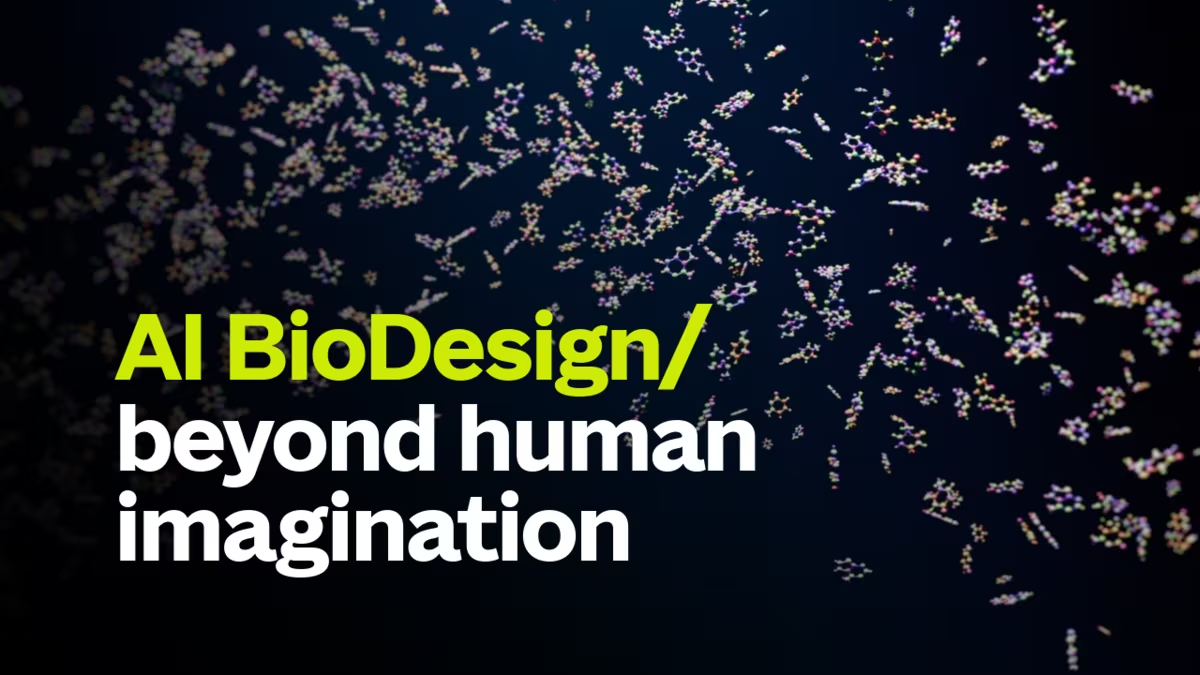

AI BioDesign: advancing biology and accelerating evolution
A bold and innovative collaboration between the Allen Institute, Fred Hutch Cancer Center, and the University of Washington, AI BioDesign will engineer and build new biomolecules that don’t exist in nature to help find new treatments for disease.
ai biodesign
video

AI BioDesign accelerator combines experimental biology and artificial intelligence to learn nature’s design rules
Researchers from the Allen Institute, University of Washington, and Fred Hutch Cancer Center, supported by Fund for Science and Technology, will build open AI models, datasets, and tools to accelerate biological design for health, sustainability, and other global challenges
No items found.
news
.avif)
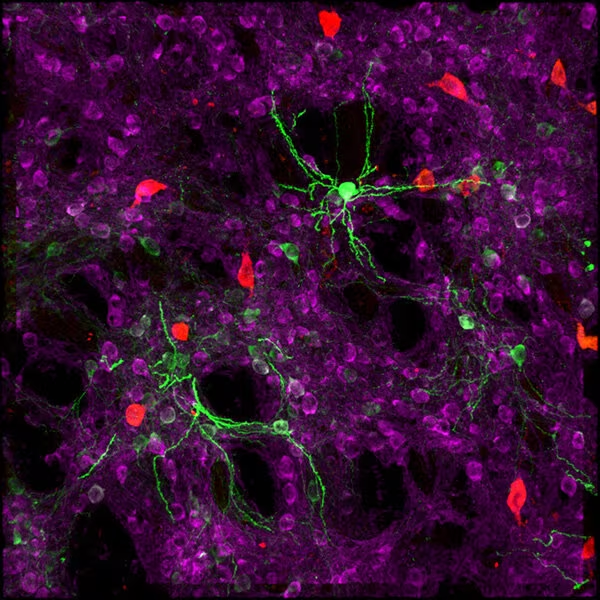
genetics and wiring play a role in Alzheimer’s disease
UC San Francisco study that used Allen Institute’s Human Brain Atlas could lead to better treatments and therapies
No items found.
news
.avif)

the battle within
A scientist’s mission to conquer the disease that may one day conquer him
No items found.
multimedia
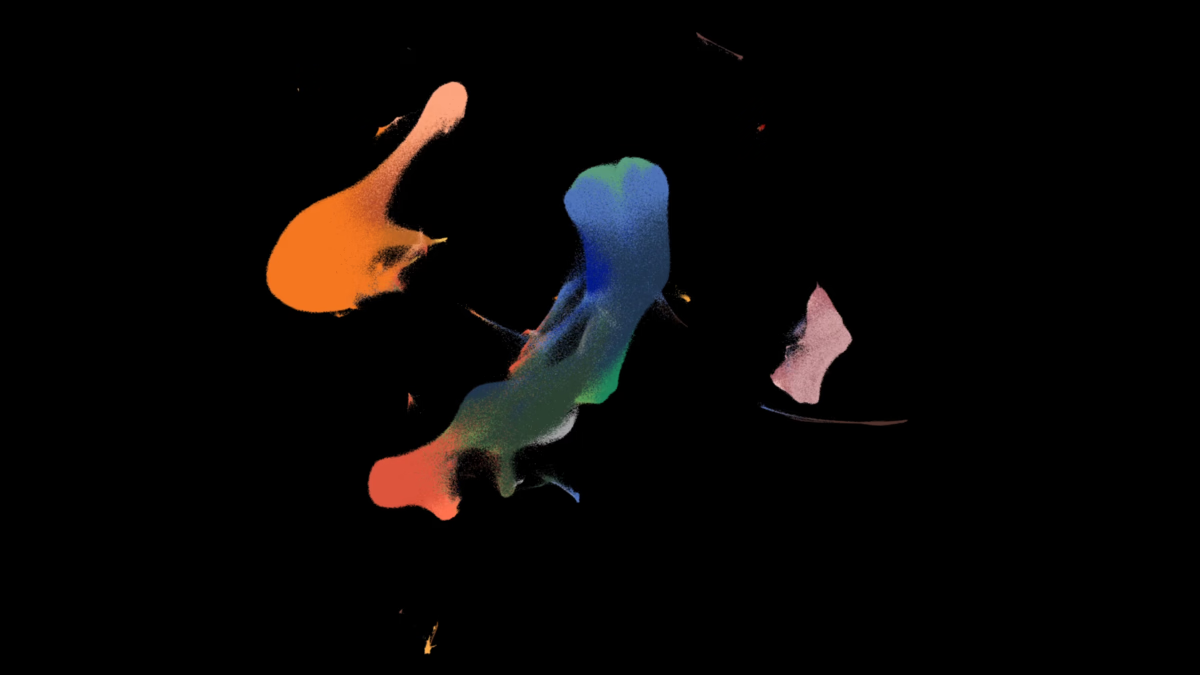
cancer research opens new window into battle against viruses
Scientists discover why multiple myeloma patients remain vulnerable to infection even after beating the cancer, and the findings could help develop better vaccines
immunology
news
finding Alzheimer's targets, one cell type at a time
How Shanahan Fellow Iris Stone used her Alzheimer's research and business savvy to chart a path into biotech
No items found.
news
ketamine increases neuroplasticity in female mice but not in males
The surprising finding could help scientists develop better treatments for depression
brain science
news
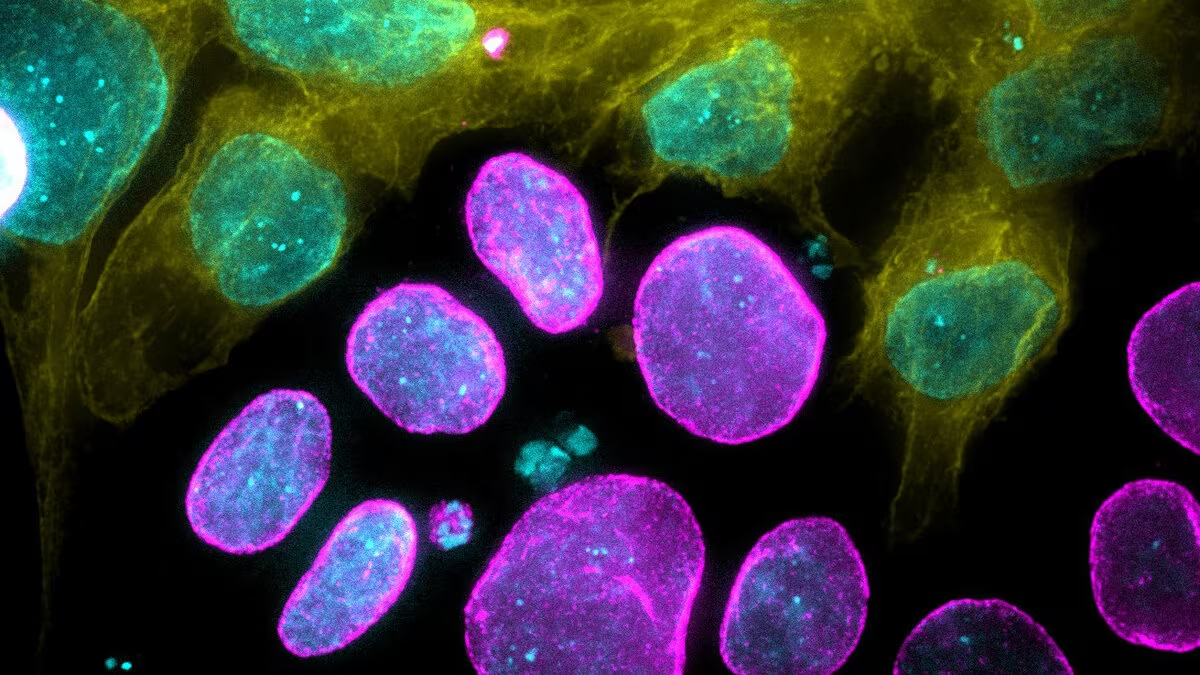
rogue DNA can move from cell to cell and change how they function
Scientists used Allen Institute cell lines to discover an important new way that cells trade genetic material
cell science
news
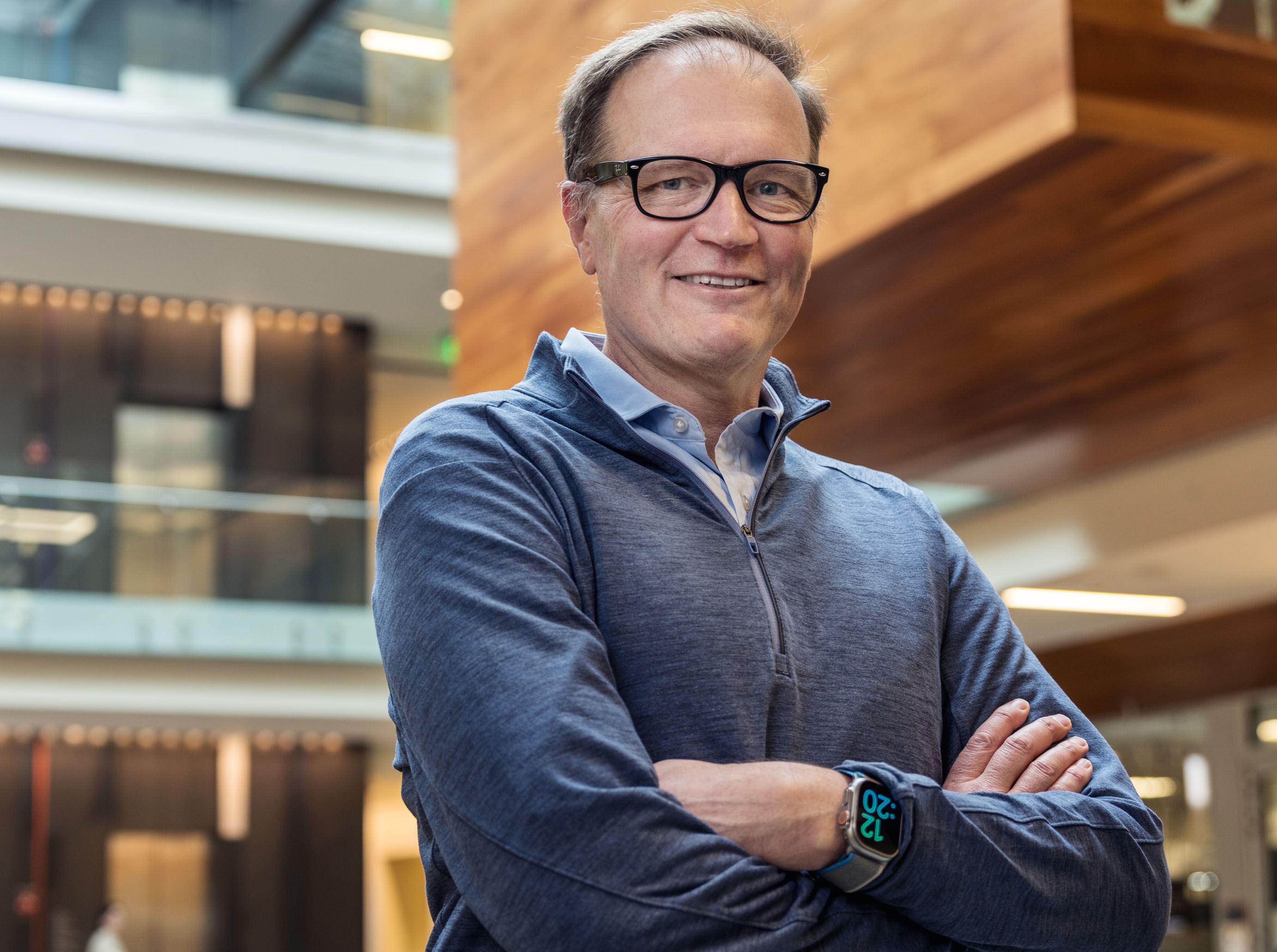
Karel Svoboda elected to the Washington State Academy of Sciences
Svoboda’s work has advanced our understanding of the neural mechanisms of learning, movement, and complex brain behavior
neural dynamics
news



SciShots: amber waves of brain
New video illustrates how neural activity in a mouse brain travels in aesthetically pleasing waves and spirals
brain science
science images

load more stories
1 / 37
No results found, try reducing your search parameters.
press & media contact
Get in touch for media inquiries and resources for covering science at the scale of greatest impact.
Thank you! Your submission has been received!
Oops! Something went wrong while submitting the form.


Scientific American: First Atlas of Every Mouse Brain Cell Could Improve Neuro Disease Treatments
Neuroscientists have unveiled their most comprehensive and detailed map of cell types across the entire mouse brain, delivering the latest results of a six-year-long scientific effort in which Seattle’s Allen Institute has played a leading role.

Quanta Magazine: New Cell Atlases Reveal Untold Variety in the Brain and Beyond
(Photo credit: Peter Greenwood for Quanta Magazine.) Recent efforts to map every cell in the human body have researchers floored by unfathomable diversity, with many thousands of subtly different types of cells in the human brain alone.

Seattle Times: Research that brings AI into human cells will soon expand in Seattle
The Seattle Hub for Synthetic Biology, set to open in January, is a result of collaboration between the Allen Institute, the Chan Zuckerberg Initiative and the University of Washington that aims to build new technologies to record the history of our bodies’ cells.


Yahoo News: Allen Frontiers Group awards $10M to set up research center for neuroimmunology
The neuroimmunology research center will be led by Brian Kim of Mount Sinai and David Artis of Weill Cornell Medicine. They’ll bring together a multidisciplinary team to trace interactions between the nervous system and the immune system that occur at sites distant from the brain.




No results found, try reducing your search parameters.