impact
about
our story
explore our impact
careers and opportunities
join us
open science
sharing science to speed discovery
open science week
celebrating open science
team science
people & teams
discovery is a team effort
allenites
the people who make our work possible
advisors
their input shapes our science
board of directors
they help us fulfill our mission
shanahan foundation fellowship
at the interface of data and neuroscience
next generation leaders
fostering emerging leaders in bioscience
research
overview
our approach
science at the scale of greatest impact
publications
explore our publications
open science
sharing science to speed discovery
science accelerators
brain science
building a blueprint of the brain
cell science
understanding how cells become organs
neural dynamics
revealing the brain’s hidden algorithms
immunology
creating the ultimate immune system reference
synthetic biology
seattle hub for synthetic biology
brain health
accelerating human brain research and disease therapeutics
education
overview
science education
science is for everyone
open science
sharing science speeds discovery
engagement
education resources
real science. real skills.
field trips
experience science where it happens
educator development
empowering educators
news
overview
all news
explore the latest news
podcast
the human stories behind discovery
sign up for our newsletter
stay connected to our science
events
overview
all events
public engagement, workshops, seminars and more
conferences
connect with us
science resources
science resources
allencell.org
allenimmunology.org
allenneuraldynamics.org
brain-bican.org
brain-map.org
microns-explorer.org
impact
back to menu
team science
our story
explore our impact
careers and opportunities
join us
open science
sharing science to speed discovery
open science week
celebrating open science
team science
people & teams
discovery is a team effort
allenites
the people who make our work possible
advisors
their input shapes our science
board of directors
they help us fulfill our mission
shanahan foundation fellowship
at the interface of data and neuroscience
next generation leaders
fostering emerging leaders in bioscience
research
back to menu
overview
our approach
science at the scale of greatest impact
publications
explore our publications
open science
sharing science to speed discovery
science accelerators
brain science
building a blueprint of the brain
cell science
understanding how cells become organs
neural dynamics
revealing the brain’s hidden algorithms
immunology
creating the ultimate immune system reference
synthetic biology
seattle hub for synthetic biology
brain health
accelerating human brain research and disease therapeutics
education
back to menu
overview
science education
science is for everyone
open science
sharing science speeds discovery
engagement
education resources
real science. real skills.
field trips
experience science where it happens
educator development
empowering educators
news
back to menu
overview
all news
explore the latest news
podcast
the human stories behind discovery
newsletter
stay connected to our science
events
back to menu
overview
all events
public engagement, workshops, seminars and more
conferences
connect with us
science resources
back to menu
science resources
allencell.org
allenimmunology.org
allenneuraldynamics.org
brain-bican.org
brain-map.org
microns-explorer.org
Heading
search
news

cancer research opens new window into battle against viruses

Scientists discover why multiple myeloma patients remain vulnerable to infection even after beating the cancer, and the findings could help develop better vaccines

August 14, 2026
0 min read
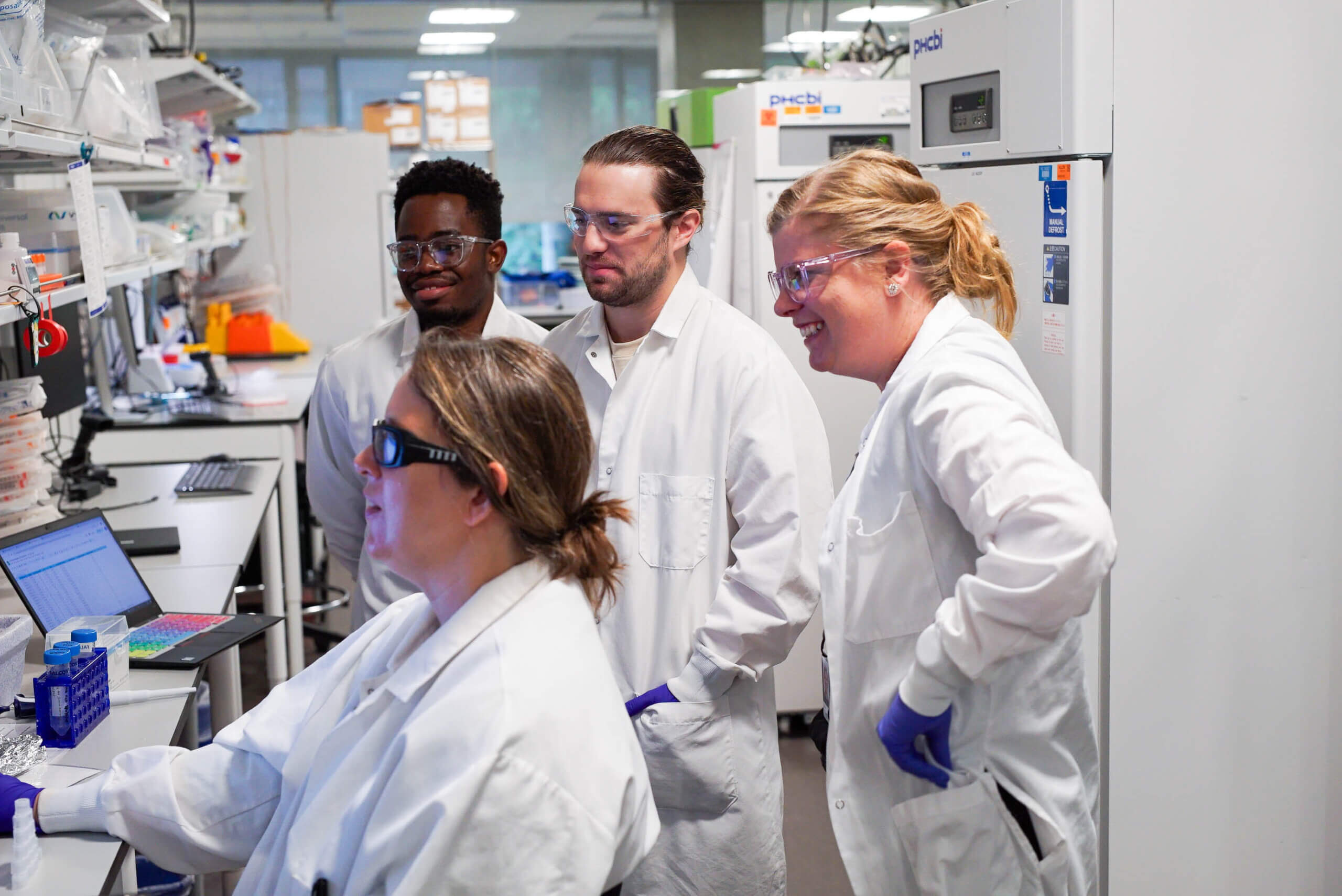
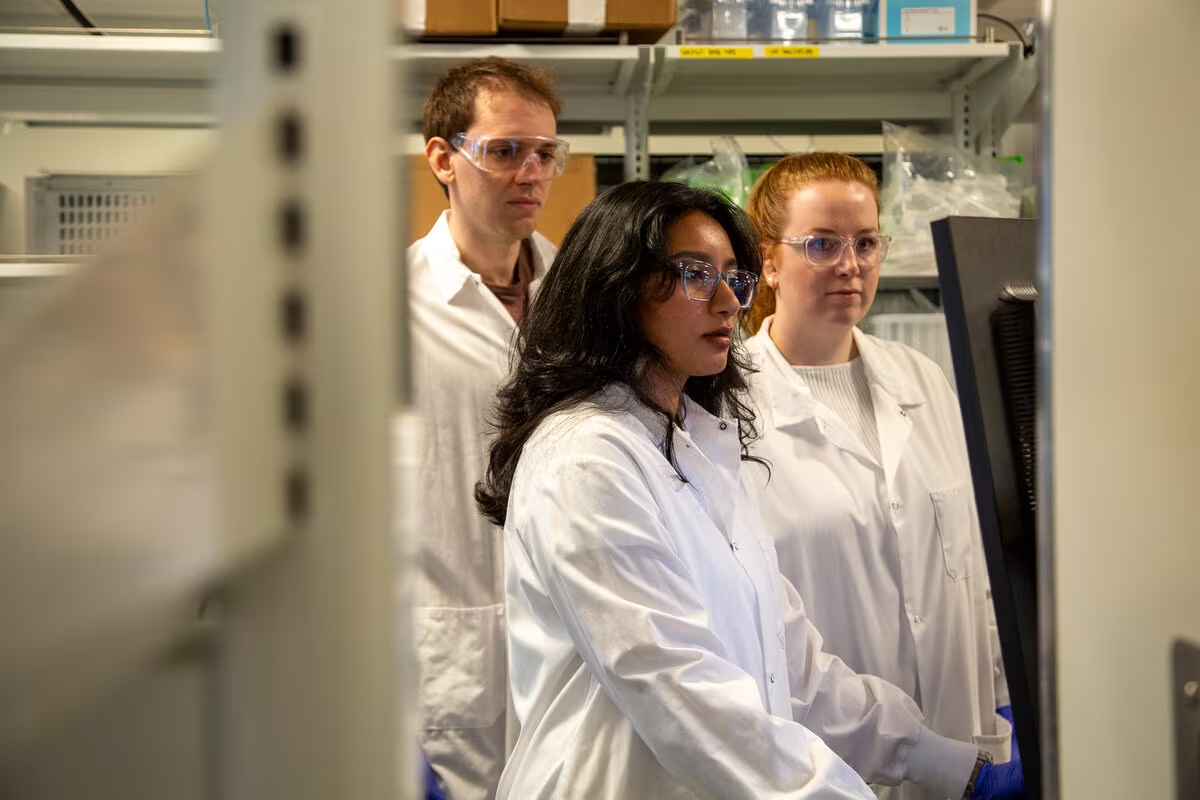
3 scientists in lab viewing results
share/
Nicholas Moss, Aishwarya Chander, and Medbh Dillon work in an immunology lab at the Allen Institute (credit: Jenny Burns)
Scientists discover why multiple myeloma patients remain vulnerable to infection even after beating the cancer, and the findings could help develop better vaccines.

in this article

table of contents will display on published page only
set h2 to populate the table of contents here

authors

Ed Muir
Sr. Communications Specialist

Multiple myeloma is an aggressive blood cancer that attacks bone marrow, the soft tissue inside your bones that makes blood and immune cells, your body’s defense system. While doctors have found better ways of treating this cancer and pushing it into remission, a persistent problem remains: patients’ immune systems remain crippled, and they are vulnerable to serious infections even years after bone marrow transplants. For myeloma patients, infections are the leading cause of death, and researchers weren't entirely sure why.  

In a new study in Cell Press Blue scientists from the Allen Institute and Fred Hutch Cancer Center have helped answer that question. They discovered that inflammatory signals stayed suppressed specifically in bone marrow, even as therapy continued. This is significant because inflammation acts like the body's alarm system: when immune cells sense a threat, they release these signals to recruit and activate other immune cells to fight it. But with that alarm muted in the marrow, immune cells stay less active.

“Since bone marrow is where new immune cells are created, this suppressed environment could indicate why the immune system didn’t fully recover even years after treatment. A regular blood test would not catch this,” said Aishwarya Chander, a computational biologist at the Allen Institute and co-author of the study.  

Samir Rachid Zaim, Melinda Angus-Hill and Aishwarya Chander gather at the Allen Institute (Credit: Jenny Burns)

‍

blood and bone marrow tell different stories
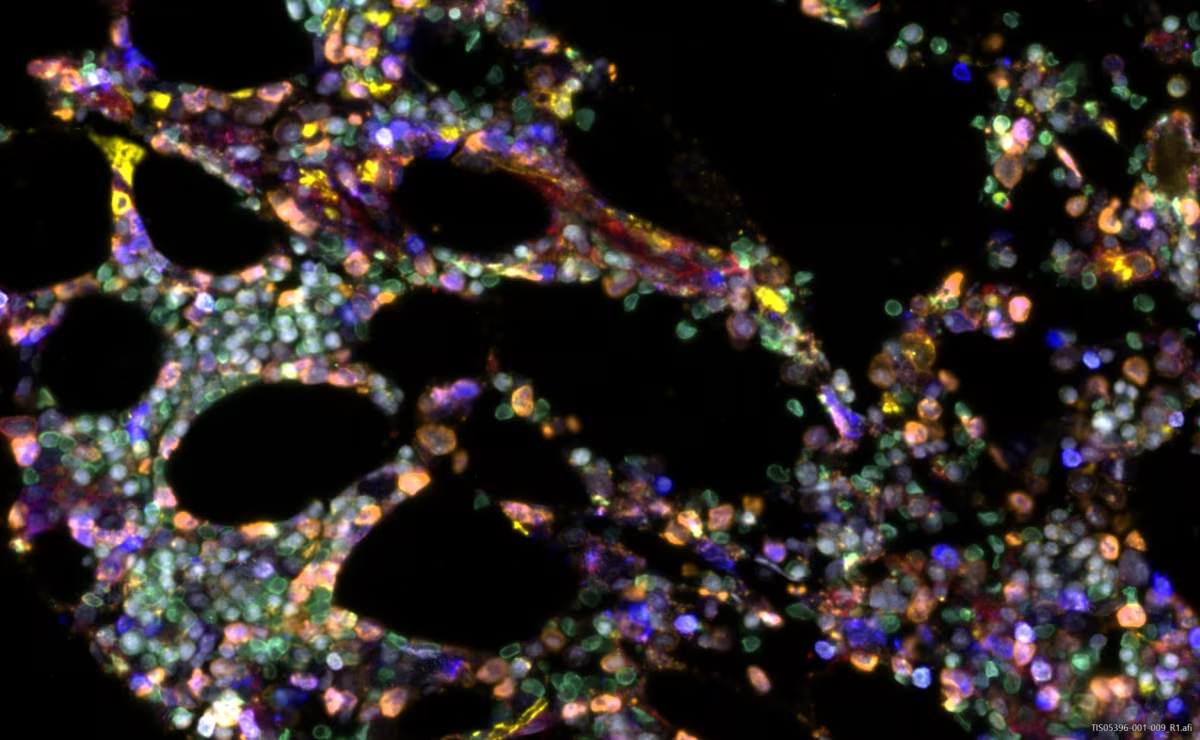

A microscopic image of healthy bone marrow.

Researchers tracked patients for two years after they were diagnosed with myeloma to observe how their immune systems changed over time and during cancer therapy. In the study, not only did blood and bone marrow tests reveal different results, they also showed almost opposite outcomes. In contrast to those in bone marrow, signs of inflammation in the blood were high.

“The field has largely treated blood and bone marrow as interchangeable windows into immune health in disease. Our study demonstrates they are not,” said Melinda Angus-Hill, lead scientist and corresponding author of the study. “We found inflammatory and metabolic programs are inverted between the two compartments.”

‍

building better vaccines

Another important finding could help reduce infection risk in patients who undergo chemotherapy and bone marrow transplants and could lead to the development of better vaccines. People who receive these procedures have their stem cells extracted, preserved, and then reinjected back into the body after chemotherapy kills the cancerous cells in their blood. The reinjected stem cells migrate back into the bone marrow where they begin to rebuild the immune system. But in patients with multiple myeloma, the bone marrow wasn't able to fully rebuild. Scientists discovered that they ended up with fewer memory B cells and T follicular helper cells, which help the body remember pathogens and fight infections.

Given the increased risk of infection for these patients, they receive vaccines to help their immune systems regain strength. This study found that half of patients didn’t respond to the high-dose flu vaccine, which meant they were still vulnerable to the flu. However, the COVID-19 mRNA vaccine was still effective in these same individuals. The COVID vaccine uses a special delivery method – tiny fat bubbles called lipid nanoparticles – that gives the immune system an extra push, which the high-dose flu vaccine doesn't have. Researchers call this pattern "adjuvant dependence," meaning some patients may need that extra boost to respond at all.
“What this tells us is that all multiple myeloma patients can make antibodies, but suggests that there is a barrier for some patients requiring a stronger initial signal to generate a robust response. The adjuvant-like activity of lipid nanoparticles or other adjuvants may provide that signal to restore immunity in these patients,” said Angus-Hill. “This result highlights a potential improvement to the current standard of care for patients post-transplant that could be immediately tested. The goal is to reduce infection risk in patients by increasing the protection that flu vaccination provides, hopefully improving immune responses in all multiple myeloma patients.”

takeaways from the research

Scientists believe there are a few important takeaways from this research. For one, recovery from myeloma isn't just about cancer cell counts; it's about whether the bone marrow, which is the immune system's factory, has truly healed. They hope this research will highlight the importance and accuracy of bone marrow tests (as opposed to just blood tests) in gauging the immune system’s response to myeloma therapy.  

The researchers also believe doctors should consider testing newer flu vaccines, built more like the COVID vaccine, in patients recovering from myeloma and its therapy. Given the success of mRNA vaccines in myeloma patients, they encourage clinical trials to confirm this. That change could potentially lower infection risk for this vulnerable group.
Citations
No items found.

about the allen institute

Allen Institute is a 501(c)(3) nonprofit medical research organization dedicated to accelerating science for a healthier world. Through large-scale, multidisciplinary research initiatives, the Institute generates foundational knowledge, data, tools, and models that are shared openly with the world to advance our understanding of life and health. Founded by Jody Allen and the late Paul G. Allen, Allen Institute is supported primarily by the Fund for Science and Technology.

related news

all news
news
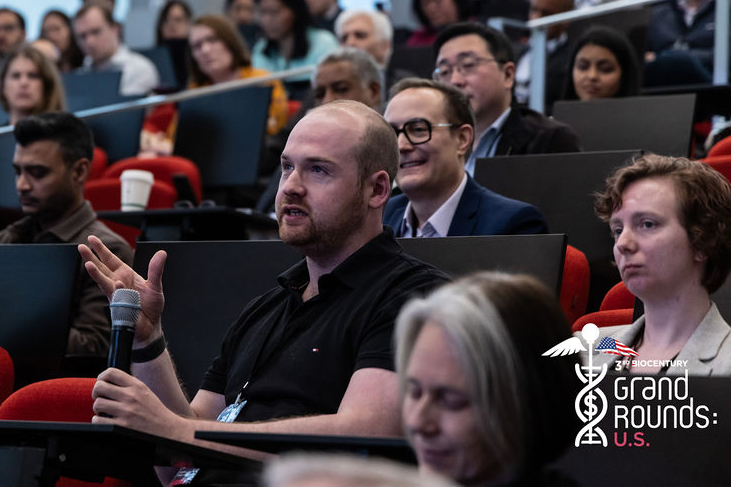
BioCentury Grand Rounds conference highlights importance of big data
The conference hosted Nobel Laureates, researchers, and biotech leaders in Seattle looking to advance better treatments in medicine
science images
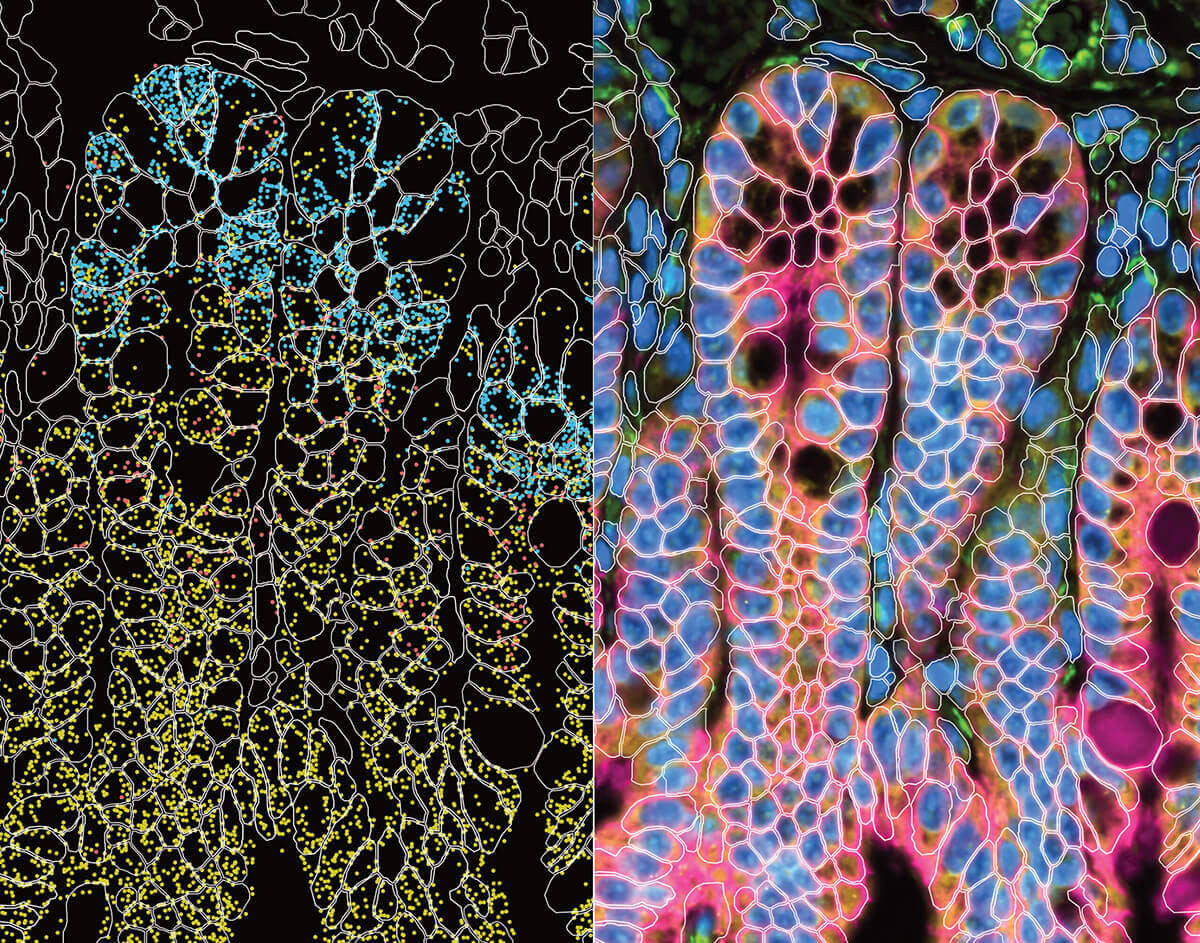
SciShots: a burst of color shows where cells live and what they do
Spatial transcriptomics gives immunologists a fuller picture of one of life’s building blocks
news
designing better weapons to fight prostate cancer
New study unlocks key insights that could help develop next-generation immunotherapies
news
SciShots: nervous and immune systems team up to take on parasites
Pain-sensing neurons in the intestine give marching orders to the immune system to kick off an attack against parasites
news
how age affects vaccine responses and how to make them better
Age-related shifts in T cells weaken vaccine response in older adults, but new findings pave the way for next generation of vaccines.
news
Susan Kaech, Ph.D., named next leader of Allen Institute’s Immunology accelerator
Leader in immunology to advance the Institute’s next frontier in understanding the immune system’s role across health and disease
we acceleratedevelopcatalyzeimpact

science done differently. shared openly.

explore our accelerators

brain science

Mapping every cell, connection, and circuit in the brain—openly shared with the world.

cell science

Decoding how cells become tissues, then programming that knowledge into powerful new research tools.

neural dynamics

Revealing the brain's hidden algorithms that transform neural activity into real-world behavior.

immunology

Creating the deepest open reference for the healthy human immune system ever built.

synthetic biology

Engineering cells to record their own histories, transforming how we understand disease over time.

Brain Health

Accelerating human brain research and new therapeutic strategies for neurological conditions

research

Big questions, open answers, and science built to be shared.

education

Inspiring the next generation of scientists through open science resources.

impact

Our science is empowering researchers and advancing health worldwide.
advancing science through open, collaborative research
Get the allen institute newsletter
Stay informed on the latest breakthroughs in neuroscience, bioscience, and AI-driven research.
allen institute
impactpeople & teamscareers & opportunitiesalumnihistory & founder
science resources
allencell.orgallenimmunology.orgallenneuraldynamics.orgbrain-bican.orgbrain-map.orgmicrons-explorer.org
research
brain sciencecell scienceneural dynamicsimmunologysynthetic biologybrain healthpublications
education
science educationfield tripsprofessional developmenteducation resources
quick links
newseventsopen sciencepodcastscience resourceshuman brain donationvisit uscontact
follow us/

allen institute, 615 Westlake Ave North, Seattle, WA 98109 +12065487055

© 0000 allen institute. all rights reserved.
privacy policyterms of usecitation policyemployee portalpolicy & compliancecookie settings