impact
about
our story
explore our impact
careers and opportunities
join us
open science
sharing science to speed discovery
open science week
celebrating open science
team science
people & teams
discovery is a team effort
advisors
their input shapes our science
board of directors
they help us fulfill our mission
shanahan foundation fellowship
at the interface of data and neuroscience
next generation leaders
fostering emerging leaders in bioscience
research
overview
our approach
science at the scale of greatest impact
additional programs
neurobiology of action
revealing the mechanisms behind movement and learning
science accelerators
brain science
building a blueprint of the brain
cell science
understanding how cells become organs
neural dynamics
revealing the brain’s hidden algorithms
immunology
mapping the immune system
synthetic biology
designing biology to advance health
brain health
accelerating human brain research
education
overview
science education
science is for everyone
open science
sharing science speeds discovery
engagement
education resources
real science. real skills.
field trips
experience science where it happens
educator development
empowering educators
news
overview
all news
explore the latest news
podcast
the human stories behind discovery
sign up for our newsletter
stay connected to our science
events
overview
all events
public engagement, workshops, seminars and more
conferences
connect with us
science resources
explore
publications
explore our publications
open science
sharing science to speed discovery
science resources
allencell.org
allenimmunology.org
allenneuraldynamics.org
brain-bican.org
brain-map.org
microns-explorer.org
impact
back to menu
overview
our story
explore our impact
careers and opportunities
join us
open science
sharing science to speed discovery
open science week
celebrating open science
team science
people & teams
discovery is a team effort
advisors
their input shapes our science
board of directors
they help us fulfill our mission
shanahan foundation fellowship
at the interface of data and neuroscience
next generation leaders
fostering emerging leaders in bioscience
research
back to menu
overview
our approach
science at the scale of greatest impact
publications
explore our publications
open science
sharing science to speed discovery
science accelerators
brain science
building a blueprint of the brain
cell science
understanding how cells become organs
neural dynamics
revealing the brain’s hidden algorithms
immunology
creating the ultimate immune system reference
synthetic biology
seattle hub for synthetic biology
brain health
accelerating human brain research and disease therapeutics
additional programs
neurobiology of action
revealing the mechanisms behind movement and learning
education
back to menu
overview
science education
science is for everyone
open science
sharing science speeds discovery
engagement
education resources
real science. real skills.
field trips
experience science where it happens
educator development
empowering educators
news
back to menu
overview
all news
explore the latest news
podcast
the human stories behind discovery
newsletter
stay connected to our science
events
back to menu
overview
all events
public engagement, workshops, seminars and more
conferences
connect with us
science resources
back to menu
science resources
allencell.org
allenimmunology.org
allenneuraldynamics.org
brain-bican.org
brain-map.org
microns-explorer.org
explore
publications
explore our publications
open science
sharing science to speed discovery
search
impact
careers & opportunities

studio d3 fellowship

Apply math, computation, and data science to complex biological questions in a collaborative, open science environment.
application details

accelerating discovery: decoding complex biology with math

The Allen Institute is a leader in performing large-scale, standardized biological science, from cellular structure to the human immune system, working since 2003 to generate foundational knowledge and tools. Biology’s toughest questions require not only new ways to observe the complex systems of life, but new mathematical, computational, and theoretical approaches to living systems. The next stage of discovery depends on novel connections, novel tools, and a novel way of approaching science.

Studio D3 (data-driven discovery) was created to attract a new generation of scientists from diverse quantitative and mathematical backgrounds, both those experienced in biology and those new to the field, bringing fresh perspectives to some of the field’s most complex challenges. As a Fellow, you’ll step into a highly collaborative, studio-style environment where data, theory, and cutting-edge computation converge—working alongside Institute scientists and a global network of Affiliates to turn complex datasets into new biological insight. Reaching across various biological domains, with the freedom to pursue creative, high-impact ideas and the support of a deeply integrated scientific community, Studio D3 Fellows are empowered to push boundaries, integrate bold ideas, and redefine how discovery happens.
‍

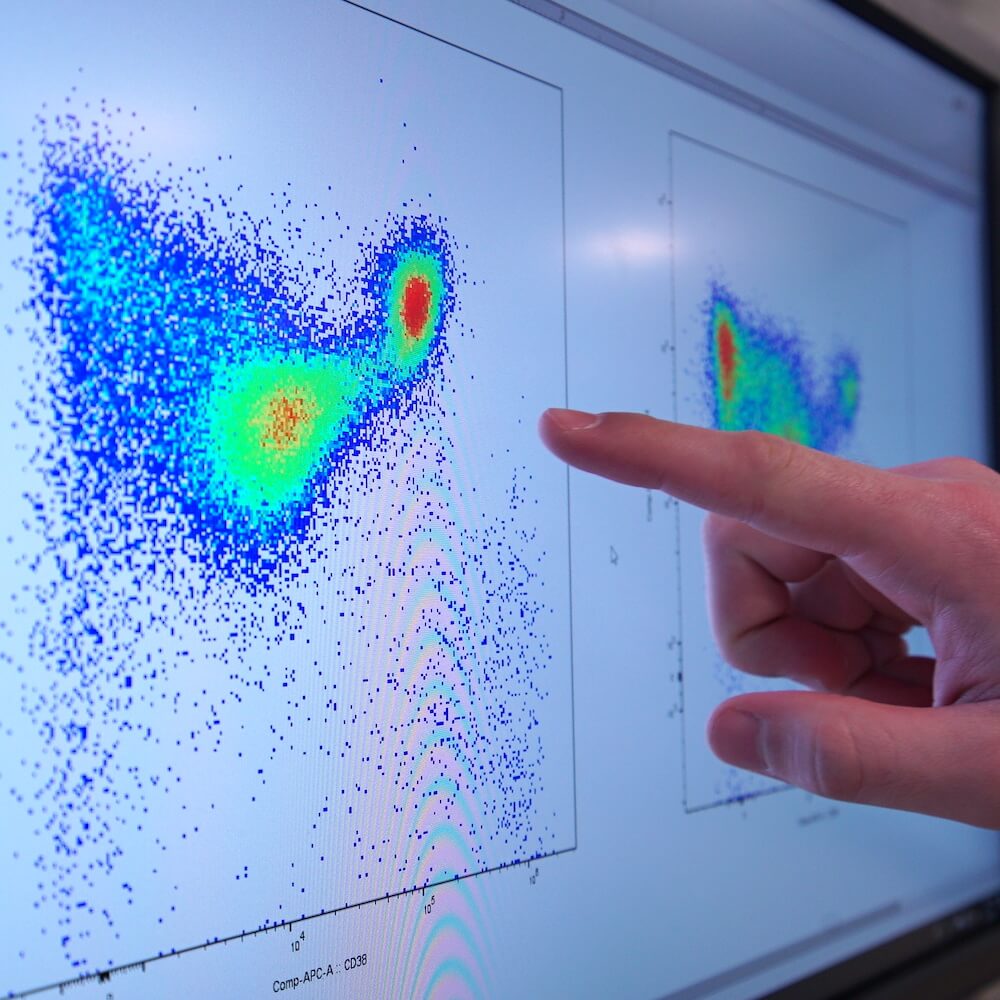
Hand pointing at thermal imaging display showing colorful heat signature map

studio D3 fellowship applications

Applications for Fall 2027 will open September 15th and close December 1st, 2026.

Selected candidates will be invited to give virtual talks on February 8th and 9th, 2027. A subset of those candidates will then be invited for in-person interviews on March 8th and 9th.

fellowship details

  • 3-year program for recent Ph.D.s to explore complex biological questions at the Allen Institute to drive discovery
  • Designed to provide freedom to explore novel computational research areas of interest to enhance the mission Allen Institute’s accelerators.
  • ‍Mentorship from leading Allen Institute scientists and Affiliates. Fellows are hired as an Allen Institute employee with a starting salary of $111,100 annually, immigration support and benefits package.
  • ‍Biology experience helpful but not necessary—we're seeking applicants with expertise in computer science, statistics, engineering, mathematics, physics, and other quantitative fields, both those experienced in biology as well as those new to the study of living systems..

eligibility and application materials

You do not need experience in biology to apply. Applicants must be scientists with a Ph.D. (or equivalent) or who will have completed their Ph.D. by the start of the fellowship. The Ph.D. should have been awarded in the last 3 years. The fellowship is appropriate for Ph.D.s in a quantitative field such as computer science, electrical engineering, physics, mathematics, or statistics. Up to three fellows will be selected each year. International applicants are eligible to apply and we provide immigration support.

learn more

application guidelines

  • A curriculum vitae (CV) from the applicant
  • Two (2) Letters of support from your mentor and other professors and scientists with whom you have worked
  • A one-page personal statement from the applicant describing their history, activities, and interests as an individual (especially those outside of science) which may give the committee a greater sense of you as a person and your ability to simultaneously interact with and challenge traditional scientific fields.
  • A two page research statement from the applicant describing their prior research, potential research interests (including tools they are familiar with), and how this fellowship aligns with their career goals.
  • A one page mock research proposal on a biological question that interests you and how you would approach it with your skill set. You will not be held to this proposal should you be accepted nor (for those new to biology) will you be judged on biological knowledge you are not yet expected to have.

‍

studio d3 stories

news
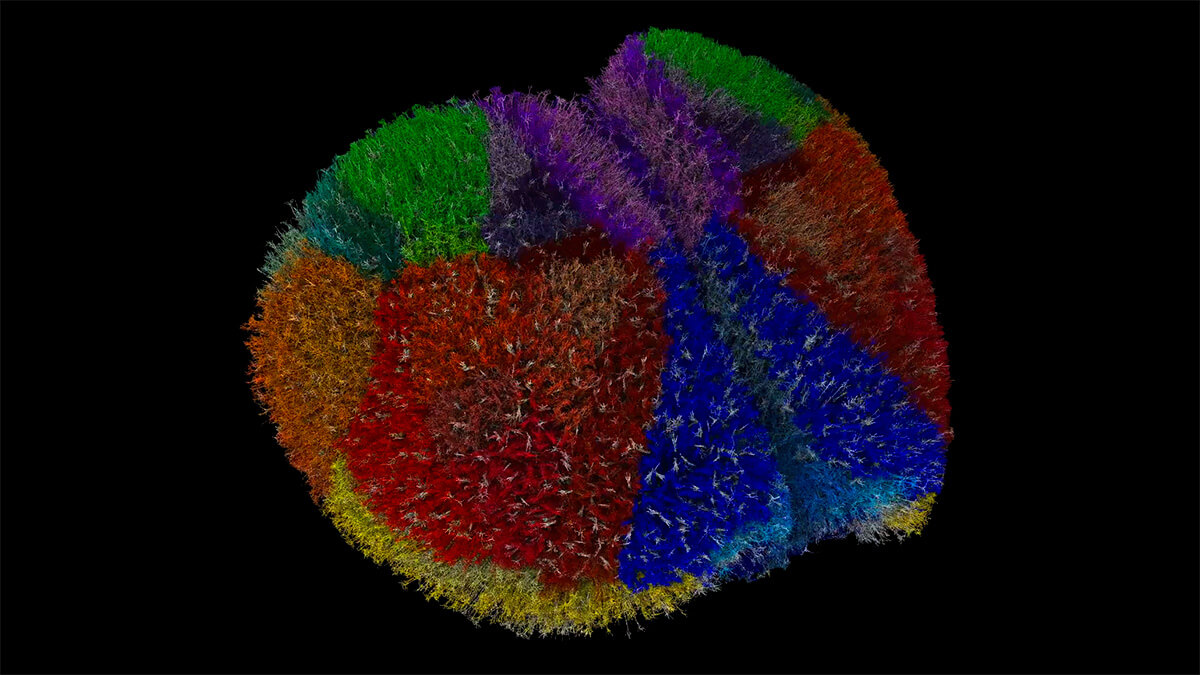
one of world’s most detailed virtual brain simulations is changing how we study the brain
Scientists use supercomputer that can process quadrillions of calculations per second to simulate mouse cortex for “virtual experiments”
news
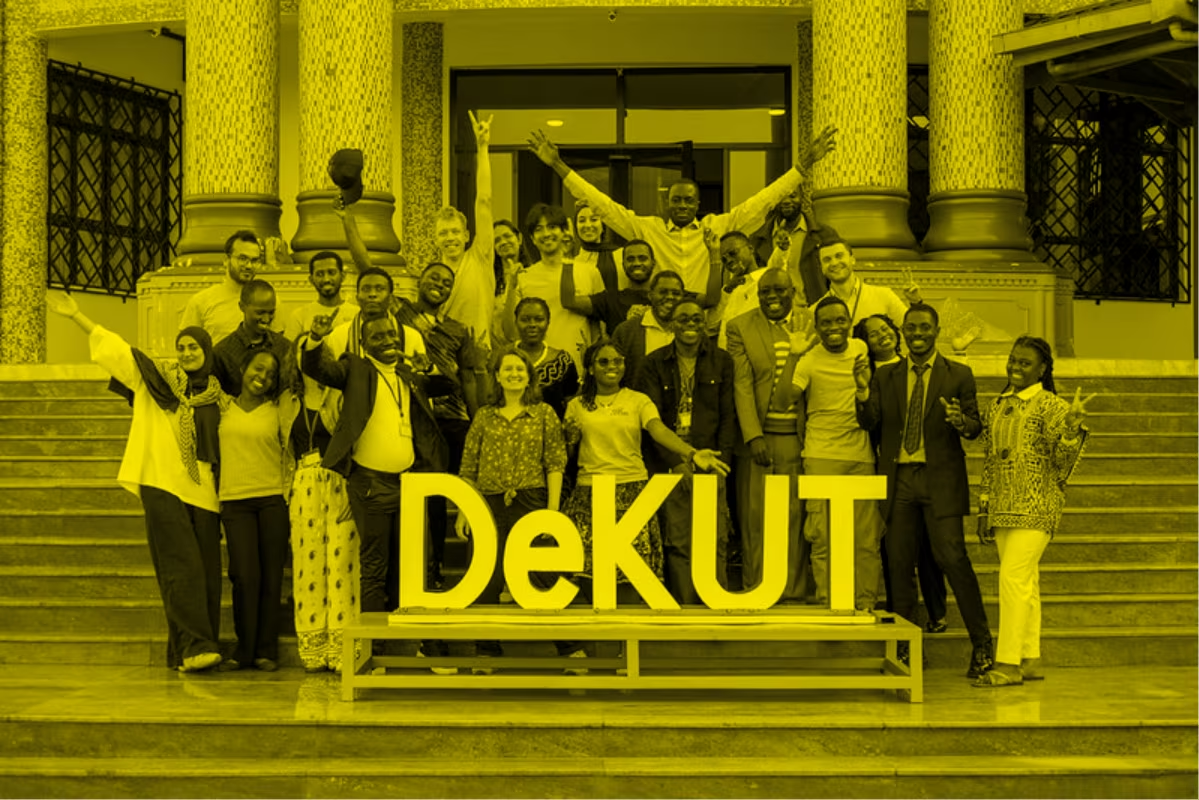
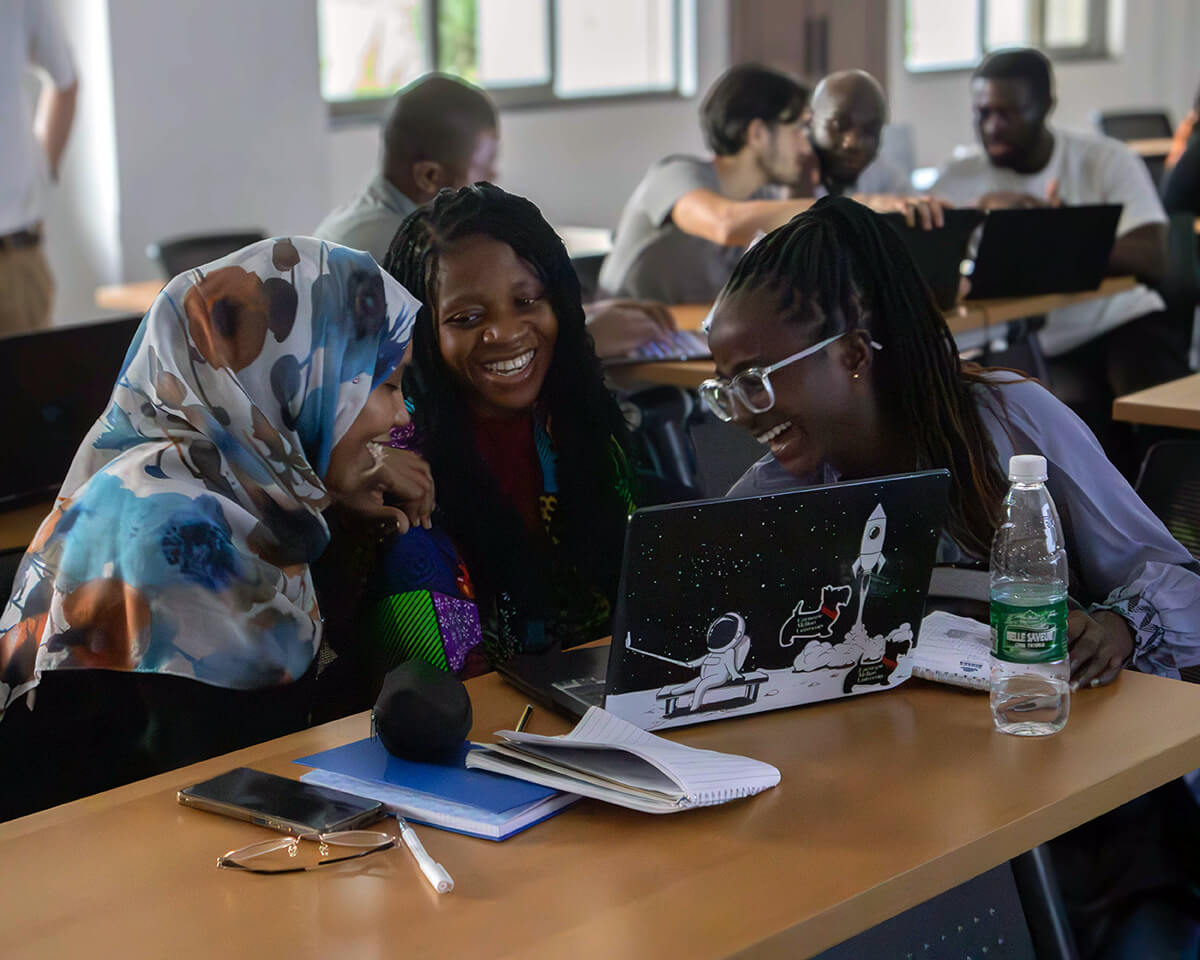
Allen Institute partners to bring open science to Africa
Computational neuroscience course, built on Allen Institute tools and data, aimed to empower next-gen researchers in Africa.
we acceleratedevelopcatalyzeimpact

science done differently. shared openly.

explore our accelerators

brain science

Mapping every cell, connection, and circuit in the brain—openly shared with the world.

cell science

Decoding how cells become tissues, then programming that knowledge into powerful new research tools.

neural dynamics

Revealing the brain's hidden algorithms that transform neural activity into real-world behavior.

immunology

Creating the deepest open reference for the healthy human immune system ever built.

synthetic biology

Engineering cells to record their own histories, transforming how we understand disease over time.

Brain Health

Accelerating human brain research and new therapeutic strategies for neurological conditions

research

Big questions, open answers, and science built to be shared.

education

Inspiring the next generation of scientists through open science resources.

impact

Our science is empowering researchers and advancing health worldwide.
advancing science through open, collaborative research
Get the allen institute newsletter
Stay informed on the latest breakthroughs in neuroscience, bioscience, and AI-driven research.
allen institute
impactpeople & teamscareers & opportunitiesalumnihistory & founder
science resources
allencell.orgallenimmunology.orgallenneuraldynamics.orgbrain-bican.orgbrain-map.orgmicrons-explorer.org
research
brain sciencecell scienceneural dynamicsimmunologysynthetic biologybrain healthpublications
education
science educationfield tripsprofessional developmenteducation resources
quick links
newseventsopen sciencepodcastscience resourceshuman brain donationvisit uscontact
follow us/

allen institute, 615 Westlake Ave North, Seattle, WA 98109 +12065487055

© 0000 allen institute. all rights reserved.
privacy policyterms of usecitation policyemployee portalpolicy & compliancecookie settings