ai biodesign
.jpeg)
Uncovering nature’s design principles
AI BioDesign harnesses the power of artificial intelligence and experimental biology to design, engineer, and build novel biological molecules to solve challenges in human health and society
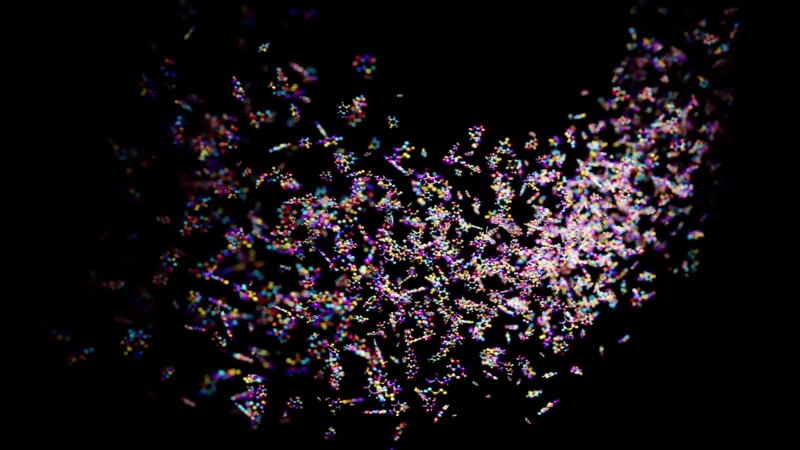
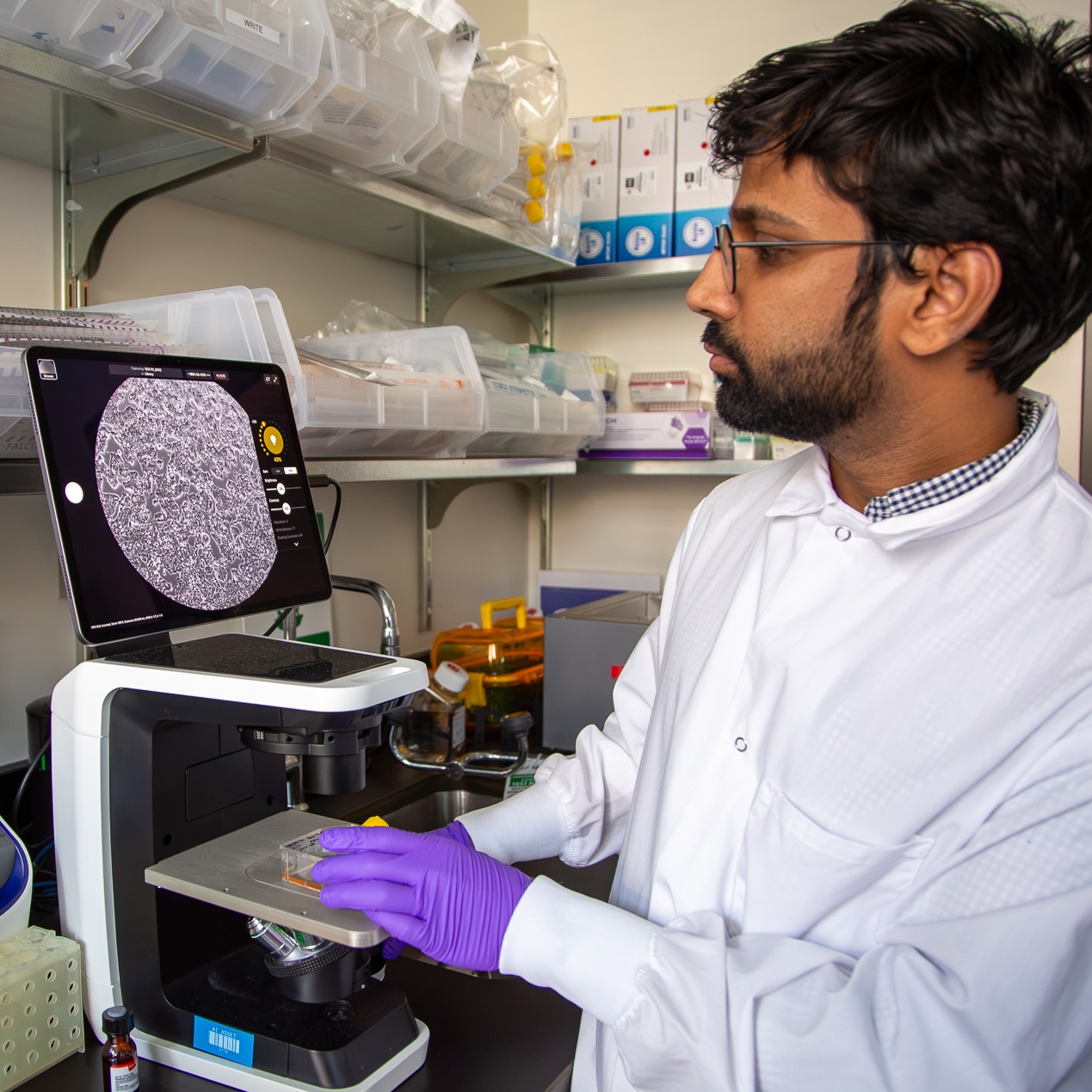
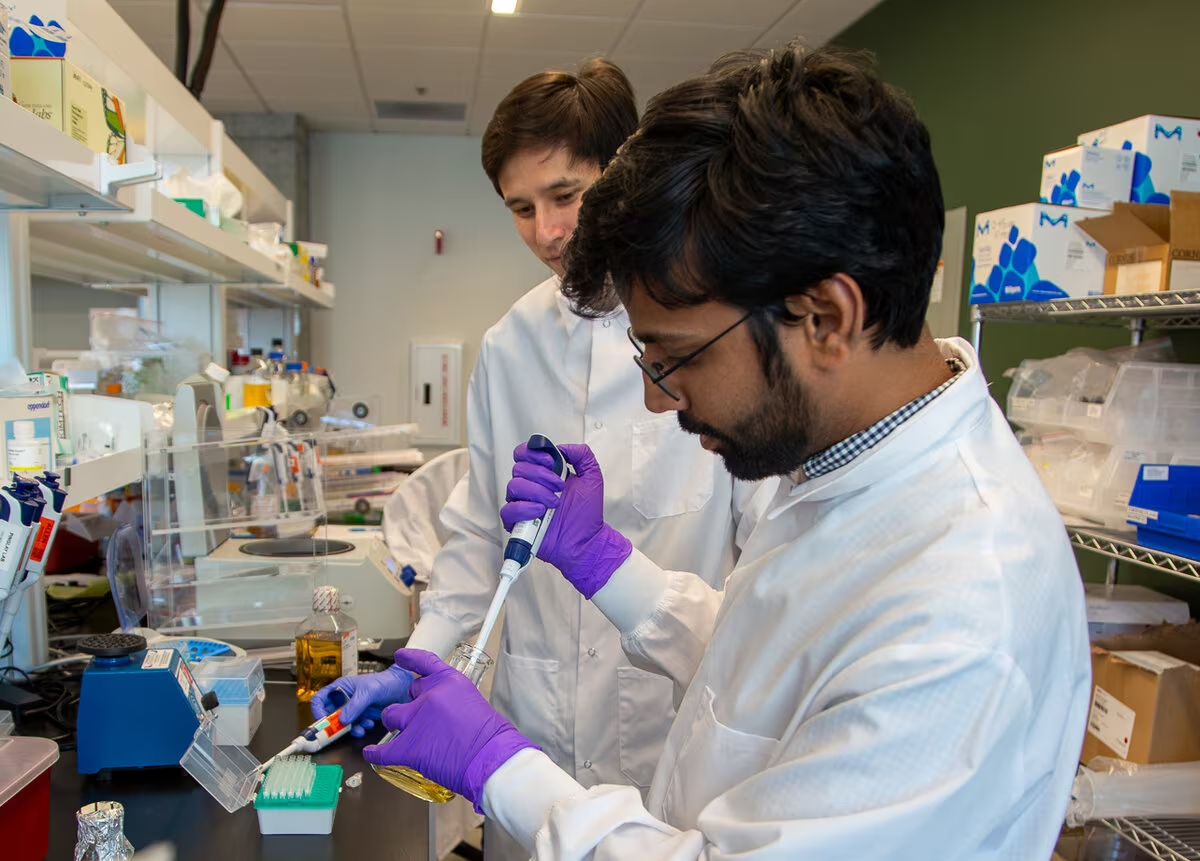
video credit/ Sanjay Srivatsan, Fred Hutch Cancer Center
building beyond evolution/
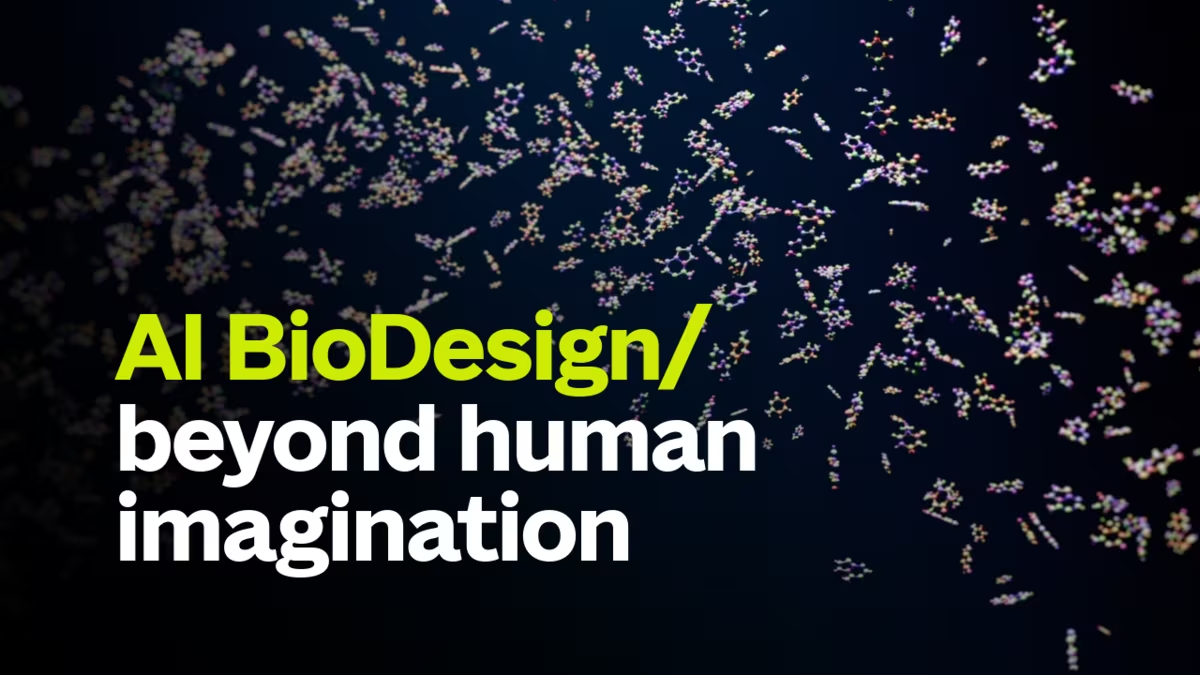
Evolution and natural selection have created the world we see today, but it represents only a fraction of what could have existed given the trillions of DNA sequences available to Nature to design and create life. But what if scientists harnessed the power of AI to model and create synthetic data that explores and expands biology's full design capabilities?
AI BioDesign will explore that uncharted design space to propose—and learn from—biology that doesn’t exist, to surface new insights and “laws of life” that can allow science to engineer solutions to address the world's most pressing and urgent challenges.
Supported by Fund for Science and Technology (FFST), a private foundation in the Paul G. Allen philanthropic ecosystem, AI BioDesign brings together complementary strengths across Seattle’s scientific ecosystem: the Allen Institute’s experience building large-scale, open-science platforms; the University of Washington’s expertise in synthetic biology and genome science, such as the Institute for Protein Design and UW Medicine Brotman Baty Institute for Precision Medicine; and Fred Hutch’s depth in cellular systems, genomics, and translational medicine.
ai biodesign leadership


_Inna%20Dashevsky.jpg)

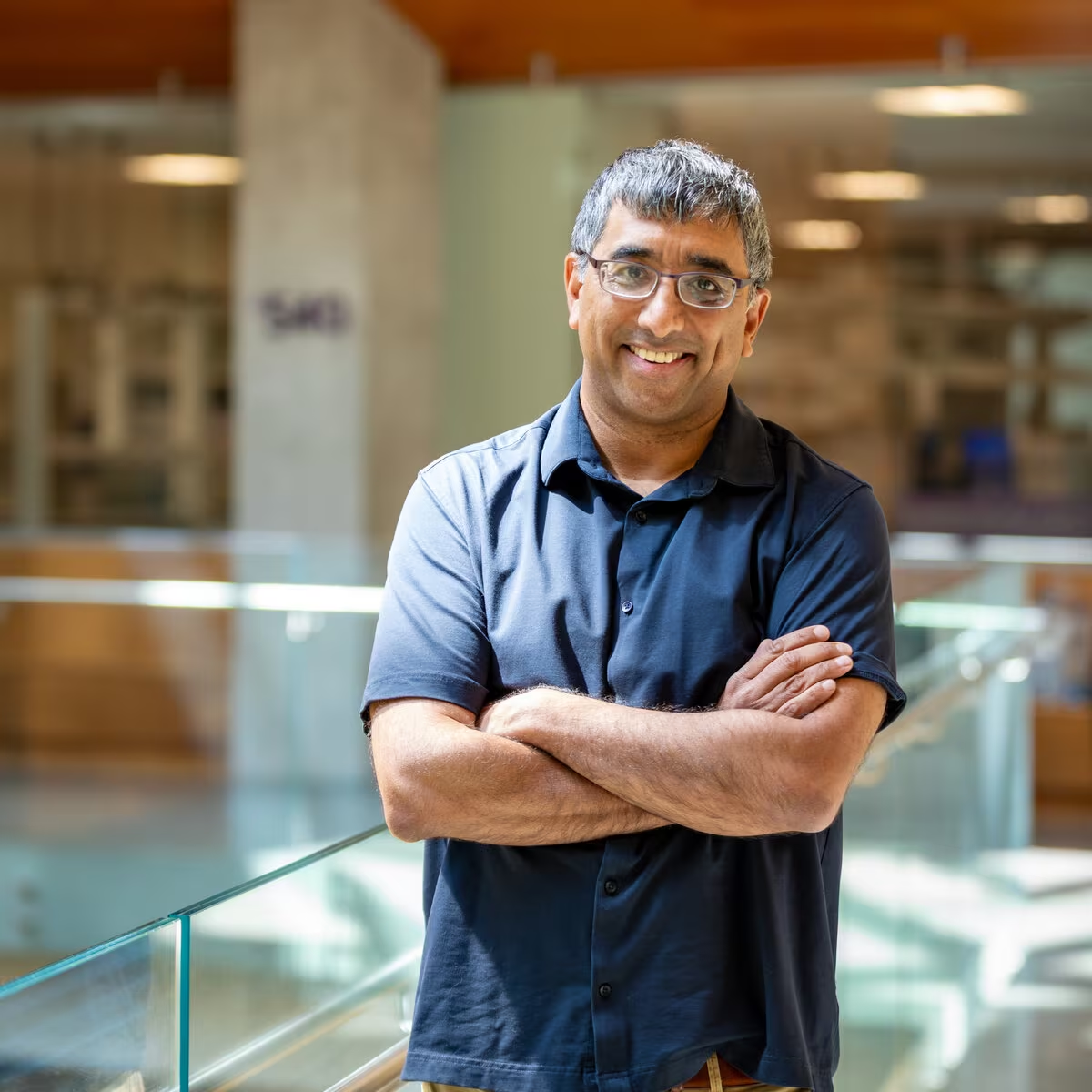
We want to engineer biological systems with similar reliability to mechanical, electrical, or software engineering.
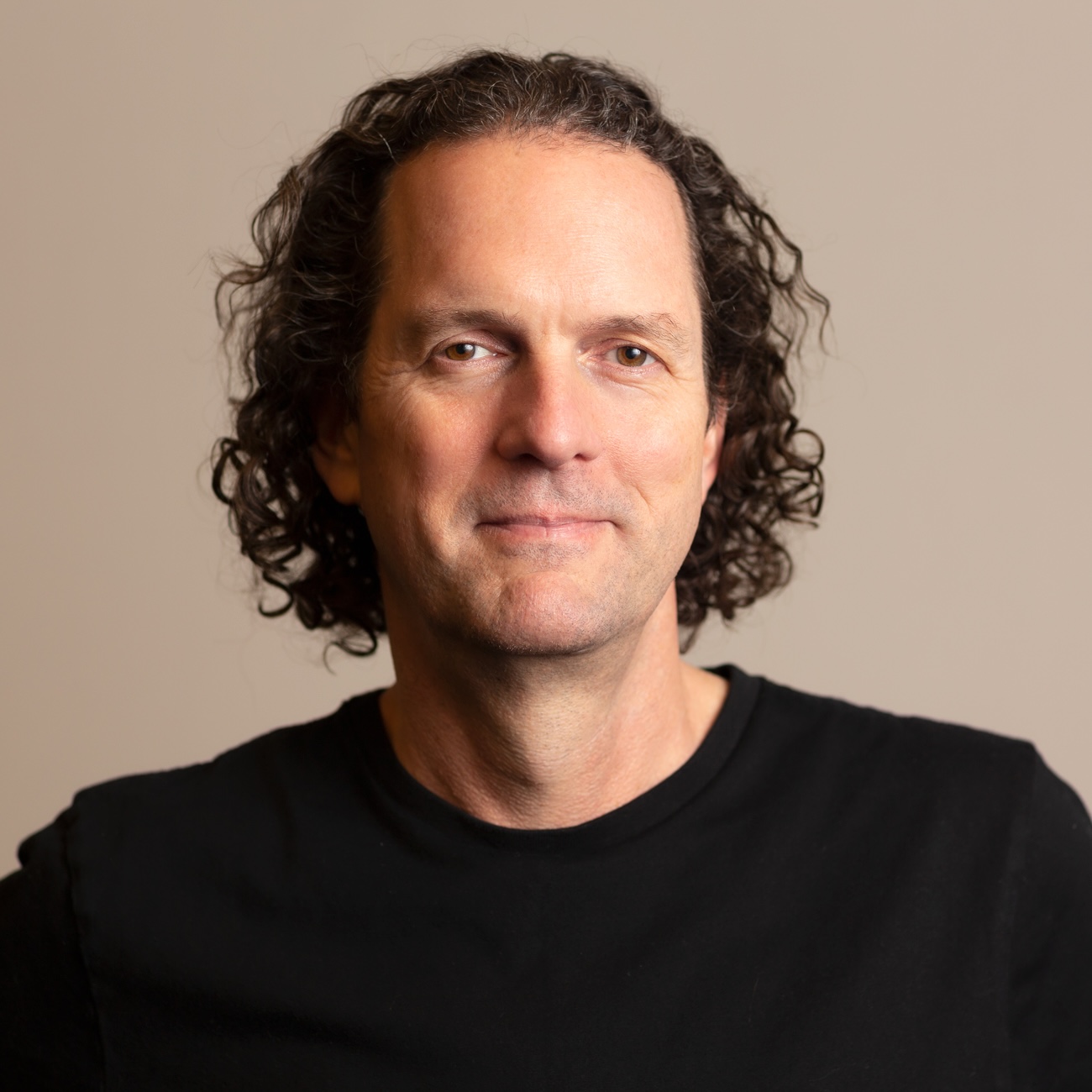
We have new tools and technology to understand and treat brain disease. Massive advances in AI, and groundbreaking tools to develop targeted therapies are opening up a whole new chapter of human neuroscience and medicine.
ai biodesign news


featured publications


collaborators



.jpeg)
explore open positions at the allen institute