impact
about
our story
explore our impact
careers and opportunities
join us
open science
sharing science to speed discovery
open science week
celebrating open science
team science
people & teams
discovery is a team effort
advisors
their input shapes our science
board of directors
they help us fulfill our mission
shanahan foundation fellowship
at the interface of data and neuroscience
studio d3 fellowship
contribute bold ideas to redefine discovery
next generation leaders
fostering emerging leaders in bioscience
research
overview
our approach
science at the scale of greatest impact
additional programs
studio d3
data driven discovery
neurobiology of action
revealing the mechanisms behind movement and learning
science accelerators
brain science
building a blueprint of the brain
cell science
understanding how cells become organs
neural dynamics
revealing the brain’s hidden algorithms
immunology
mapping the immune system
synthetic biology
designing biology to advance health
brain health
accelerating human brain research
ai biodesign
unlocking new frontiers of bioscience
education
overview
science education
science is for everyone
open science
sharing science speeds discovery
engagement
education resources
real science. real skills.
field trips
experience science where it happens
educator development
empowering educators
news
overview
all news
explore the latest news
podcast
the human stories behind discovery
sign up for our newsletter
stay connected to our science
events
overview
all events
public engagement, workshops, seminars and more
conferences
connect with us
science resources
explore
publications
explore our publications
open science
sharing science to speed discovery
science resources
allencell.org
allenimmunology.org
allenneuraldynamics.org
brain-bican.org
brain-map.org
microns-explorer.org
impact
back to menu
overview
our story
explore our impact
careers and opportunities
join us
open science
sharing science to speed discovery
open science week
celebrating open science
team science
people & teams
discovery is a team effort
advisors
their input shapes our science
board of directors
they help us fulfill our mission
shanahan foundation fellowship
at the interface of data and neuroscience
studio d3 fellowship
contributing bold ideas to redefine discovery
next generation leaders
fostering emerging leaders in bioscience
research
back to menu
overview
our approach
science at the scale of greatest impact
publications
explore our publications
open science
sharing science to speed discovery
science accelerators
brain science
building a blueprint of the brain
cell science
understanding how cells become organs
neural dynamics
revealing the brain’s hidden algorithms
immunology
creating the ultimate immune system reference
synthetic biology
seattle hub for synthetic biology
brain health
accelerating human brain research and disease therapeutics
ai biodesign
unlocking new frontiers of bioscience
additional programs
studio d3
data driven discovery
neurobiology of action
revealing the mechanisms behind movement and learning
education
back to menu
overview
science education
science is for everyone
open science
sharing science speeds discovery
engagement
education resources
real science. real skills.
field trips
experience science where it happens
educator development
empowering educators
news
back to menu
overview
all news
explore the latest news
podcast
the human stories behind discovery
newsletter
stay connected to our science
events
back to menu
overview
all events
public engagement, workshops, seminars and more
conferences
connect with us
science resources
back to menu
science resources
allencell.org
allenimmunology.org
allenneuraldynamics.org
brain-bican.org
brain-map.org
microns-explorer.org
explore
publications
explore our publications
open science
sharing science to speed discovery
search
news

AI BioDesign accelerator combines experimental biology and artificial intelligence to learn nature’s design rules

Researchers from the Allen Institute, University of Washington, and Fred Hutch Cancer Center, supported by Fund for Science and Technology, will build open AI models, datasets, and tools to accelerate biological design for health, sustainability, and other global challenges

September 3, 2026
0 min read
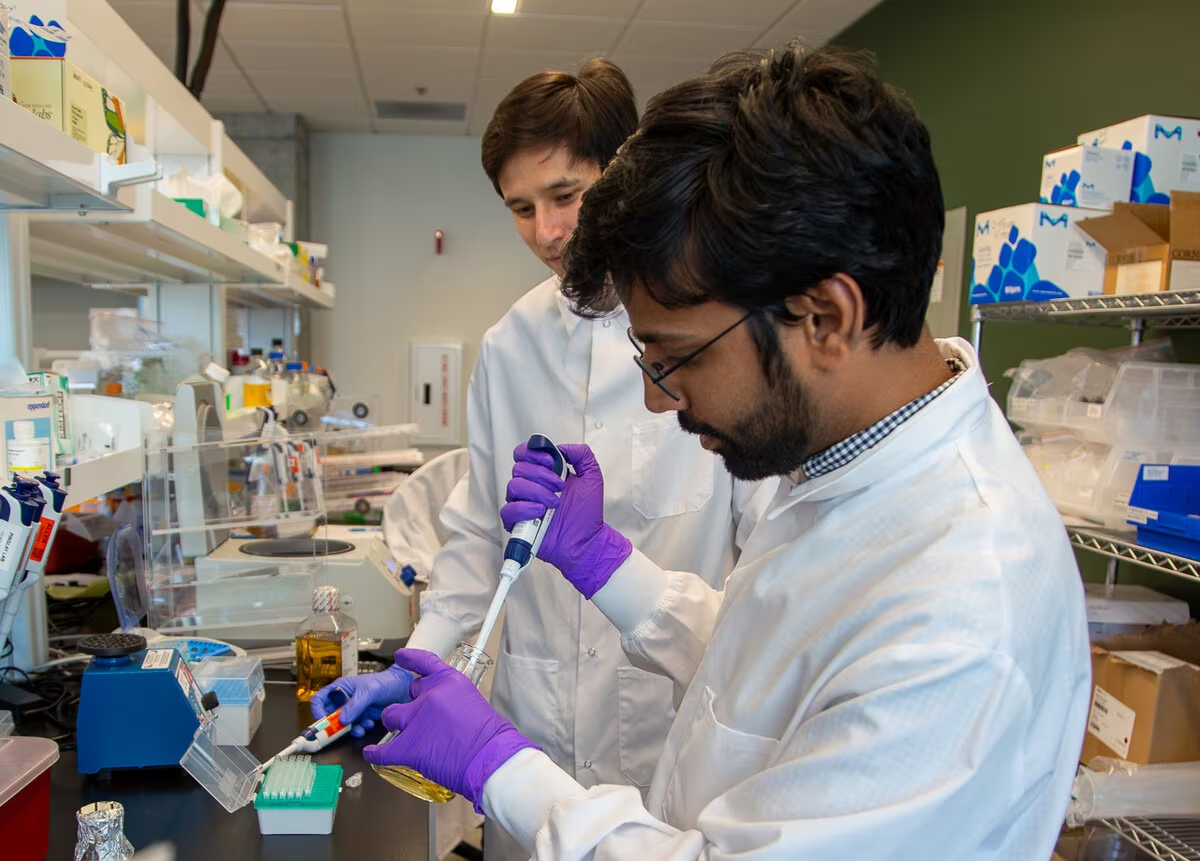
One scientist pipetting while another looks on
share/
Sud Pinglay, principal investigator with AI BioDesign
Researchers from the Allen Institute, the University of Washington, and Fred Hutch Cancer Center, supported by Fund for Science and Technology, will build open AI models, datasets, and tools to accelerate biological design for health, sustainability, and other global challenges

in this article

table of contents will display on published page only
set h2 to populate the table of contents here

authors

Rob Piercy
Vice President, Communications & Impact
Peter Kim
Associate Director, Communications & Media Relations

“Endless forms most beautiful” was how Charles Darwin described the spectacular diversity of nature from which our current understanding of life emerged. But that diversity, which evolved over billions of years, is only a fraction of what could exist given the trillions of DNA sequences available in nature, suggesting that our natural world represents only a small slice of what could have been.

Today, AI BioDesign—a bold new collaborative accelerator that will use artificial intelligence, large-scale experiments, and open science to explore that uncharted design space—was announced. It is a collaboration between Allen Institute, University of Washington and Fred Hutch Cancer Center.
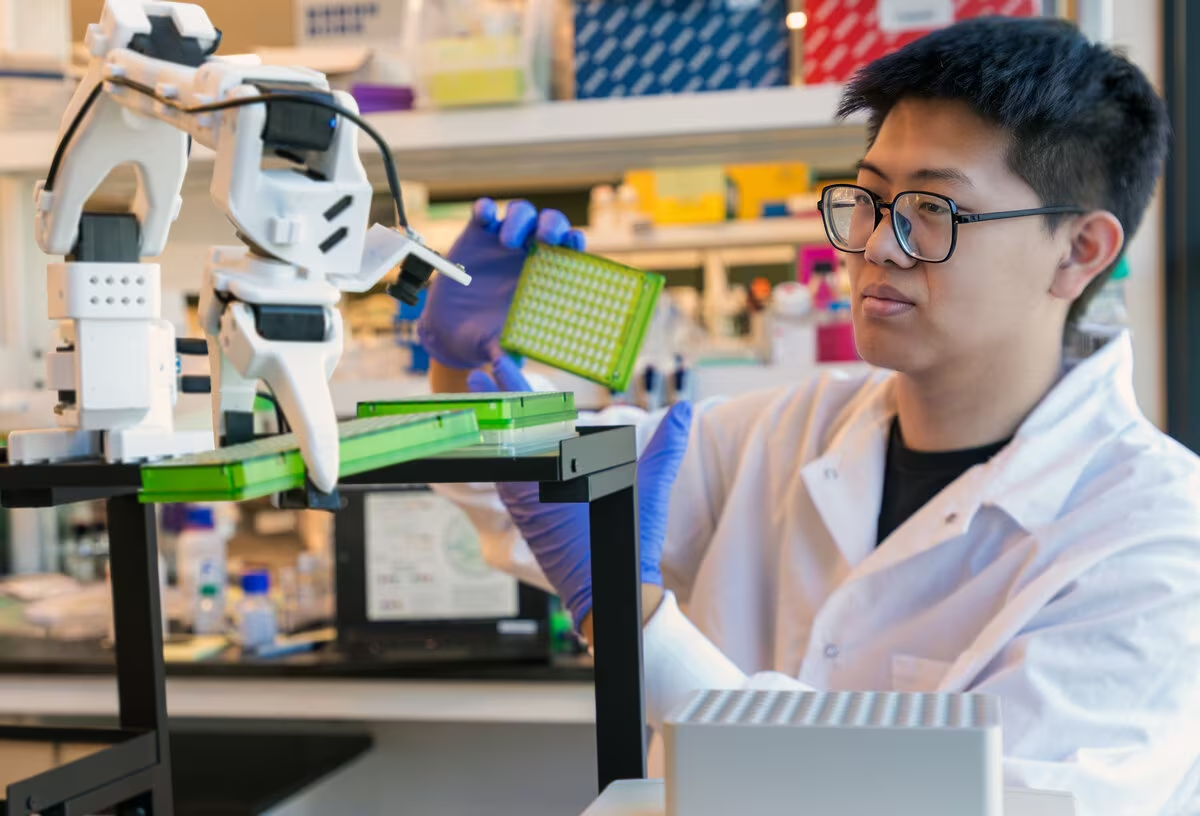
Zihao Song, researcher with AI BioDesign

Working together, the AI BioDesign team will generate open models, datasets, assays, and tools that scientists can use to create new biological solutions to improve human health, address environmental challenges, and spur advanced technologies. The goal is to learn and model the rules biology uses to build life, enabling the potential development of everything from new drugs to treat cancer and neurodegeneration, to enzymes that can break down plastics in the ocean, to biological computers that use vastly less power than current silicon chips.

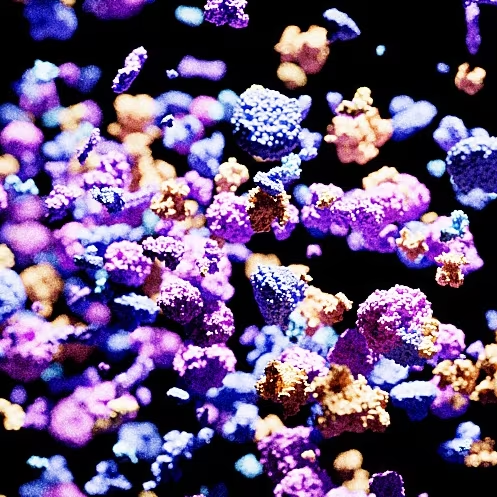
Diffusion trajectory of a protein binder to amylin (credit: Ian C. Haydon; formerly UW Medicine Institute for Protein Design, currently at RAND)

“For the first time, the speed of AI is beginning to match the experimental power of synthetic biology,” said Nobel laureate David Baker, lead scientific director of AI BioDesign, director of the UW Medicine Institute for Protein Design, and a Howard Hughes Medical Institute investigator. “That changes the question from ‘what has nature already made?’ to ‘what else is possible, and how can we test it?’ AI BioDesign can help turn that vast unknown into models that can help us solve some of humanity’s hardest problems.”  

Supported by Fund for Science and Technology (FFST), a private foundation in the Paul G. Allen philanthropic ecosystem, AI BioDesign brings together complementary strengths across Seattle’s scientific ecosystem: the Allen Institute’s experience building large-scale, open-science platforms; the University of Washington’s expertise in synthetic biology and genome science, such as the Institute for Protein Design and UW Medicine Brotman Baty Institute for Precision Medicine; and Fred Hutch’s depth in cellular systems, genomics, and translational medicine.

“What excites me about AI BioDesign is that it brings together the right people and the right institutions at the right time to advance biological design with AI in the loop,” said Rui Costa, president and CEO of the Allen Institute. “The Allen Institute was built for this kind of work: big science, team science, and open science that creates resources entire fields can use. AI BioDesign combines this approach with AI models to guide which data we generate next, so experiments and models improve together in a continuous cycle of learning and testing. Ultimately, that can help us design new biological functions with greater precision.”
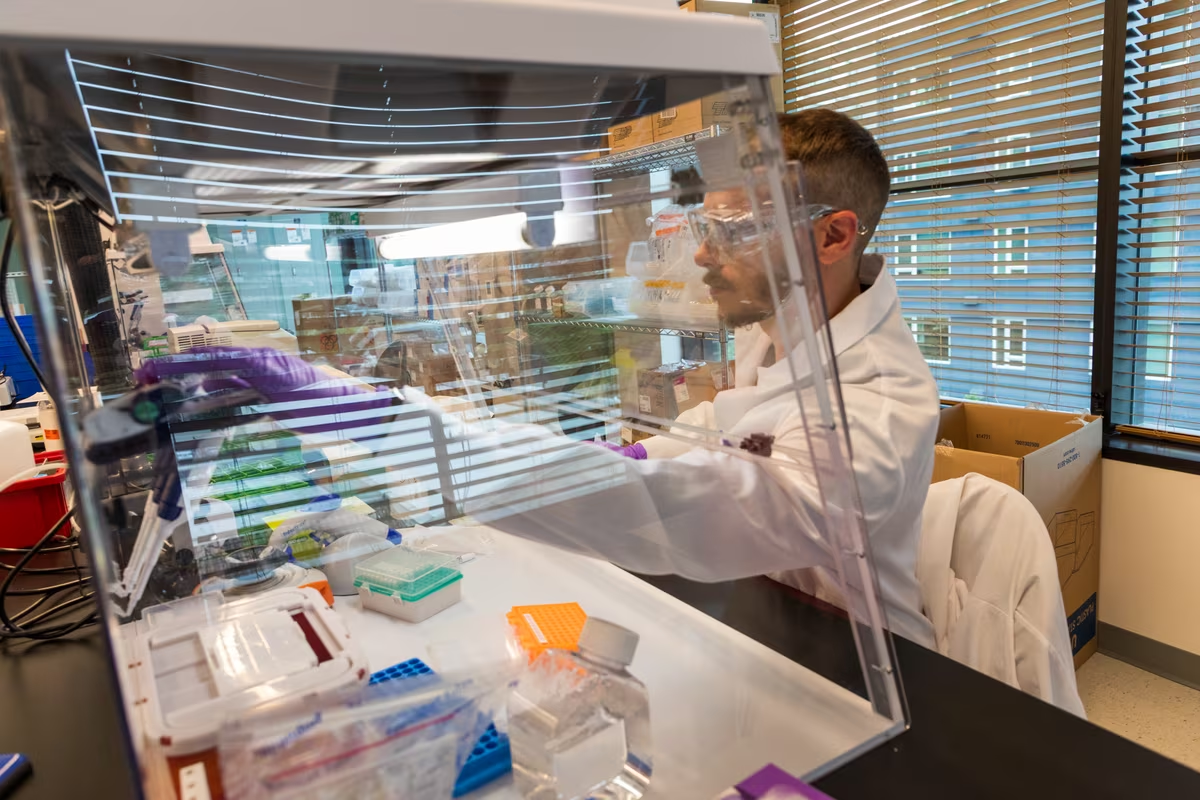
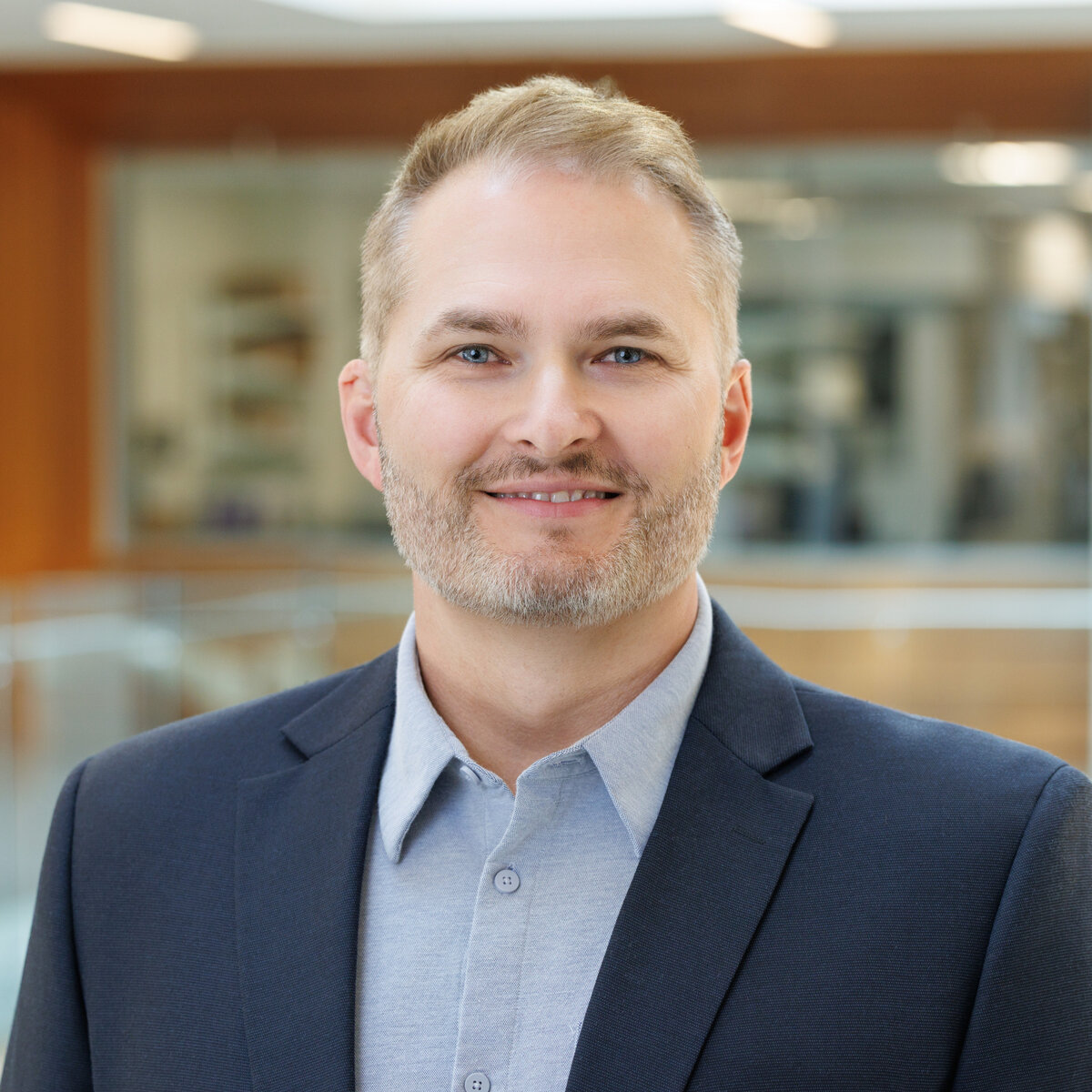
Jack Boylan, research associate with AI BioDesign 

“AI BioDesign is exactly the kind of ambitious, collaborative science FFST was created to support,” said Marc Malandro, chief programs officer and co-lead at Fund for Science and Technology. “As a foundation, we’re looking for projects and to create environments of not just a single discovery but for multiple discoveries and platforms of knowledge that we can share openly.”

How AI BioDesign will work: designing new building blocks of life

AI BioDesign will create a continuous learning platform for biological design. AI models will propose new biological designs, scientists will build and test those designs at scale, and the results will feed back into the models such that each round becomes more accurate and informative. Over time, this design-build-measure-learn cycle will help researchers move from trial and error toward more predictable biological engineering.
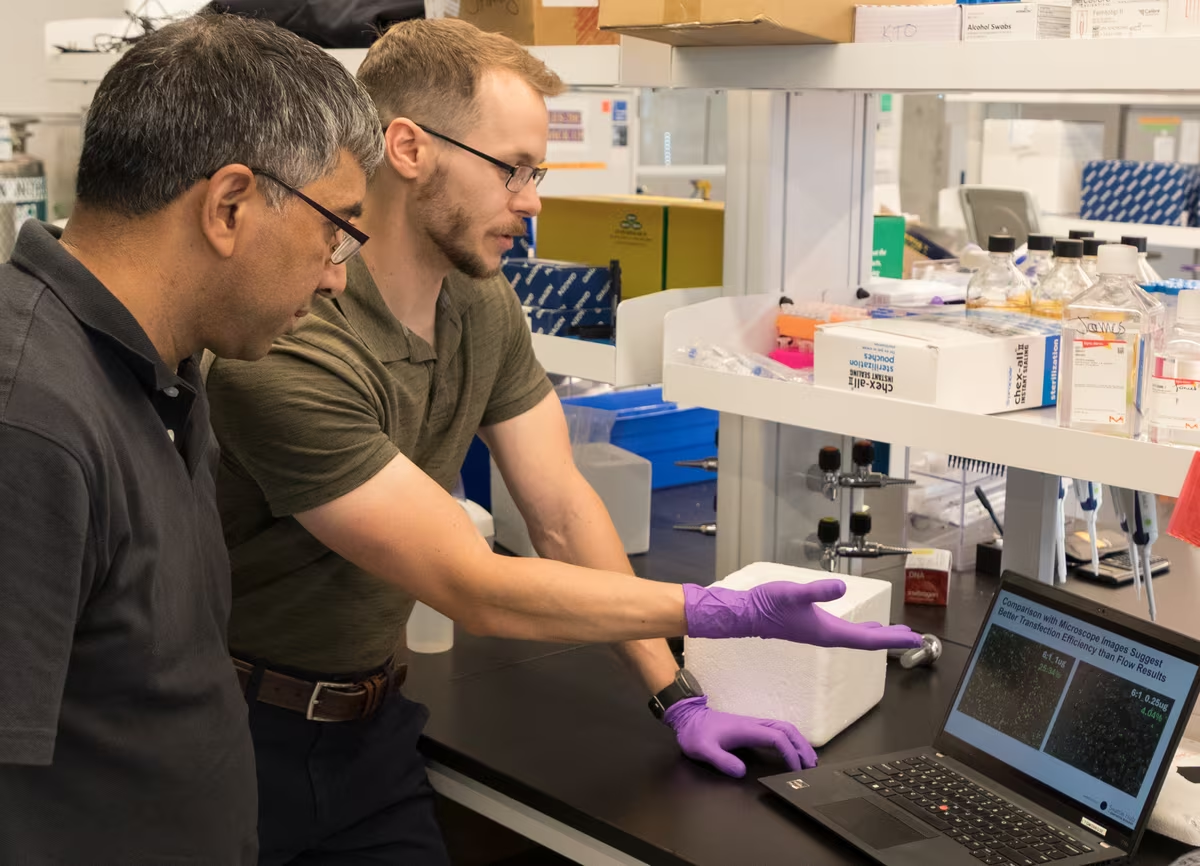
Jay Shendure, lead scientific director of AI BioDesign; scientific director of the UW Medicine Brotman Baty Institute for Precision Medicine; scientific director of the Seattle Hub for Synthetic Biology; and a Howard Hughes Medical Institute investigator with Jack Boylan, research associate

“Over the last two centuries, engineering has transformed the world at least three times: the Industrial Revolution, electrification and mechanization, and the digital revolution,” said Jay Shendure, lead scientific director of AI BioDesign, scientific director of the UW Medicine Brotman Baty Institute for Precision Medicine, scientific director of the Seattle Hub for Synthetic Biology, and a Howard Hughes Medical Institute investigator. “We believe engineering’s fourth act lies at the intersection of AI and biology. Biology is code that builds: DNA carries digital instructions, and cells turn those instructions into physical systems with extraordinary precision. AI BioDesign gives us a way to learn that instruction set more systematically, test it at scale, and begin designing new biological functions.”

A distinct yet complementary approach to AI-powered biology

AI BioDesign joins a fast-moving field. Around the world, teams are building foundation models, virtual-cell systems, lab-in-the-loop platforms, and AI-enabled discovery pipelines. AI BioDesign is designed to complement those efforts by creating an open, experimentally grounded research accelerator that produces reusable resources for the broader scientific community.

Its distinction lies in the combination of multiple modular models built from tractable biological problems; new data generated from designed biological sequences and perturbations; multiplex experiments that test many designs at once; and the open sharing of models, datasets, assays, reagents, and benchmarks.  
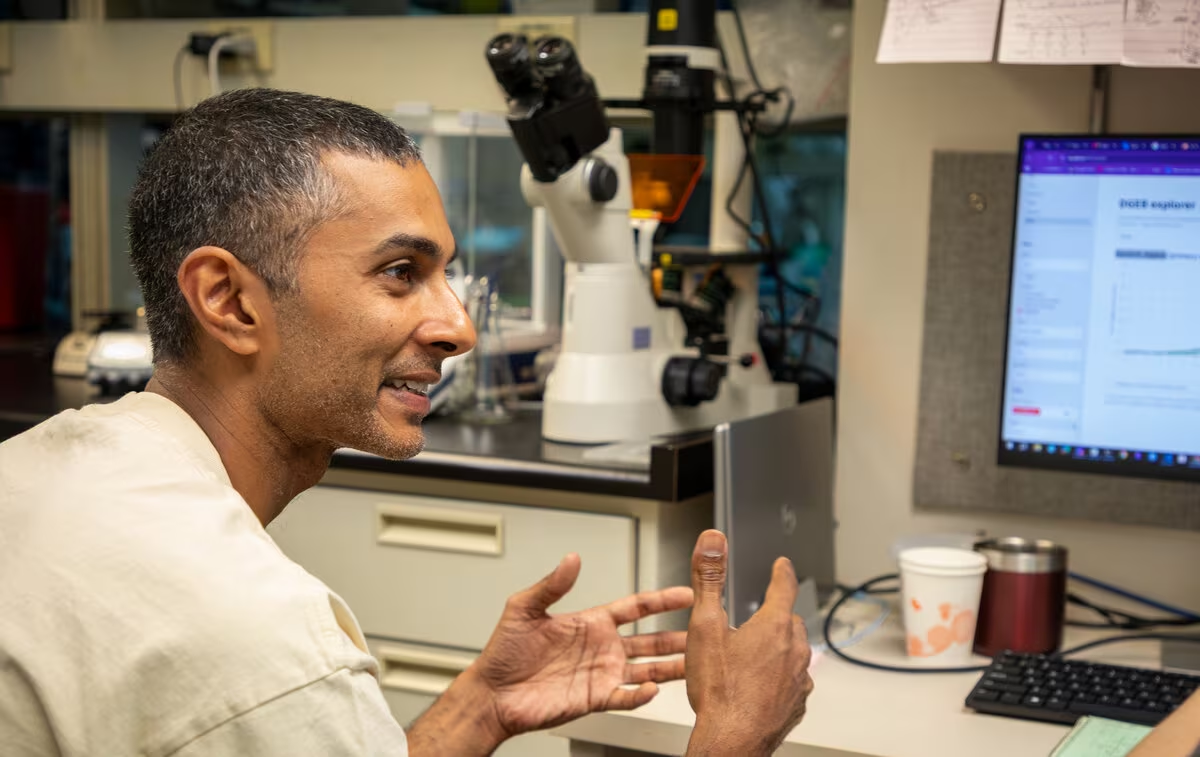
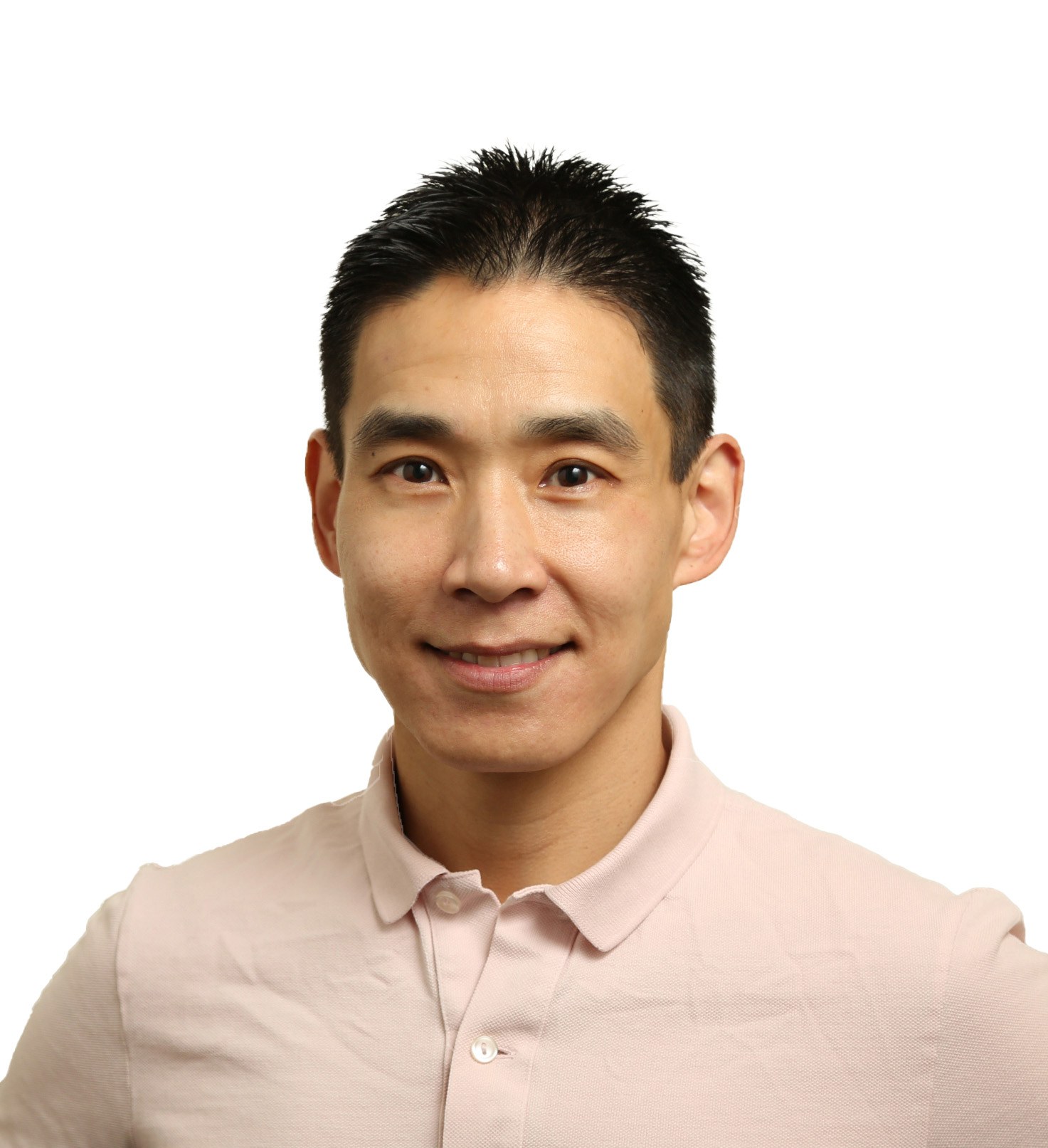
Sanjay Srivatsan, principal investigator at AI BioDesign

“For me, biology is ultimately a design challenge,” said Sanjay Srivatsan, an AI BioDesign principal investigator and assistant professor at the Fred Hutch Cancer Center. “As part of AI BioDesign, our team plans to vastly scale up the number of genomic datasets available to researchers. We can then use AI to understand biological patterns in those datasets and use those patterns to inspire solutions to biological problems, such as designing cells that can remove cancer from the body.”

‍

Citations
No items found.

about the allen institute

Allen Institute is a 501(c)(3) tax exempt organization dedicated to accelerating science for a healthier world. Through large-scale, multidisciplinary research initiatives, the Institute generates foundational knowledge, data, tools, and models that are shared openly with the world to advance our understanding of life and health. Founded by Jody Allen and the late Paul G. Allen, Allen Institute is supported primarily by Fund for Science and Technology.
related news

all news
video
AI BioDesign: advancing biology and accelerating evolution
A bold and innovative collaboration between the Allen Institute, Fred Hutch Cancer Center, and the University of Washington, AI BioDesign will engineer and build new biomolecules that don’t exist in nature to help find new treatments for disease.
we acceleratedevelopcatalyzeimpact

science done differently. shared openly.

explore our accelerators

brain science

Mapping every cell, connection, and circuit in the brain—openly shared with the world.

cell science

Decoding how cells become tissues, then programming that knowledge into powerful new research tools.

neural dynamics

Revealing the brain's hidden algorithms that transform neural activity into real-world behavior.

immunology

Creating the deepest open reference for the healthy human immune system ever built.

synthetic biology

Engineering cells to record their own histories, transforming how we understand disease over time.

ai biodesign

Advancing evolution to explore biology’s full design space and advance human health

Brain Health

Accelerating human brain research and new therapeutic strategies for neurological conditions

research

Big questions, open answers, and science built to be shared.

education

Inspiring the next generation of scientists through open science resources.

impact

Our science is empowering researchers and advancing health worldwide.
advancing science through open, collaborative research
Get the allen institute newsletter
Stay informed on the latest breakthroughs in neuroscience, bioscience, and AI-driven research.
allen institute
impactpeople & teamscareers & opportunitiesalumnihistory & founder
science resources
allencell.orgallenimmunology.orgallenneuraldynamics.orgbrain-bican.orgbrain-map.orgmicrons-explorer.org
research
brain sciencecell scienceneural dynamicsimmunologysynthetic biologyai biodesignbrain healthpublicationsscience resources
quick links
newseventsopen sciencepodcasthuman brain donationvisit uscontact
education
science educationfield tripsprofessional developmenteducation resources
follow us/

allen institute, 615 Westlake Ave North, Seattle, WA 98109 +12065487055

© 0000 allen institute. all rights reserved.
privacy policyterms of usecitation policyemployee portalpolicy & compliancecookie settings