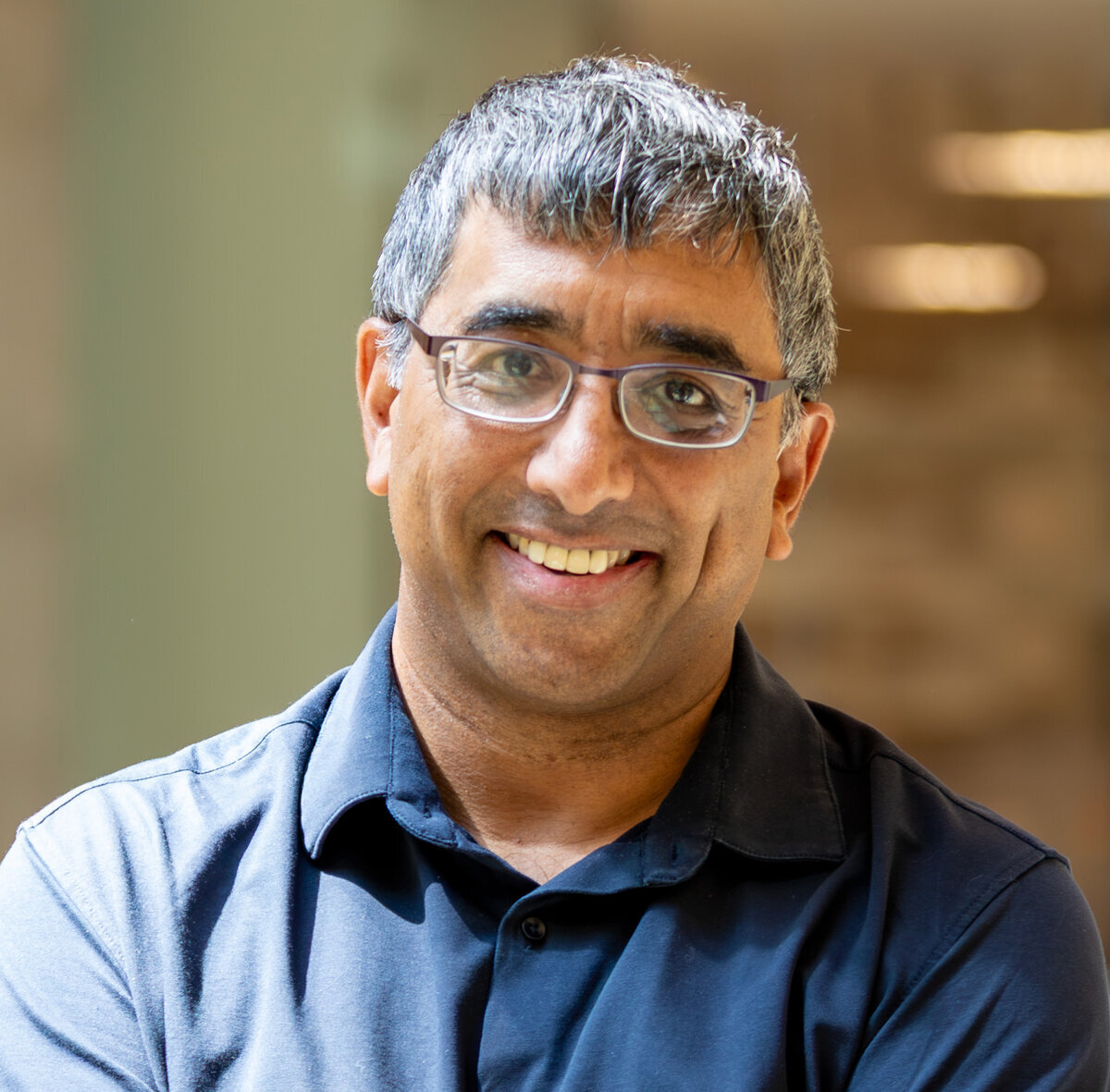
Jay Shendure
lead scientific director of AI BioDesign, scientific director of the UW Medicine Brotman Baty Institute for Precision Medicine, scientific director of the Seattle Hub for Synthetic Biology, and a Howard Hughes Medical Institute investigator

biography
Jay Shendure is an Investigator of the Howard Hughes Medical Institute, professor of genome sciences at the University of Washington, and Scientific Director of the Seattle Hub for Synthetic Biology and Brotman Baty Institute for Precision Medicine. His 2005 doctoral thesis with George Church included one of the first successful reductions to practice of next-generation DNA sequencing. Jay's laboratory at the University of Washington pioneered exome sequencing and its earliest applications to gene discovery for Mendelian disorders and autism; cell-free DNA diagnostics for cancer and reproductive medicine; massively parallel reporter assays, saturation genome editing; combinatorial single-cell molecular technologies; and genome editing-based molecular recording technologies. Jay is an elected member of the National Academy of Sciences, National Academy of Medicine, and the American Association for the Advancement of Science. He is also the recipient of the Curt Stern Award from the American Society of Human Genetics (2012), the Richard Lounsbery Award from the National Academy of Sciences (2019), and the Mendel Award from the European Society of Human Genetics (2022). Jay serves or previously served as a scientific advisor to the NIH Director (ACD), US Precision Medicine Initiative, National Human Genome Research Institute, Chan Zuckerberg Initiative, Gladstone Institutes, New York Genome Center, Allen Institute, openRxiv, and is on the board of directors of the Hypothesis Fund. He received his BA from Princeton University (1996) and his MD and PhD degrees from Harvard Medical School (2007)