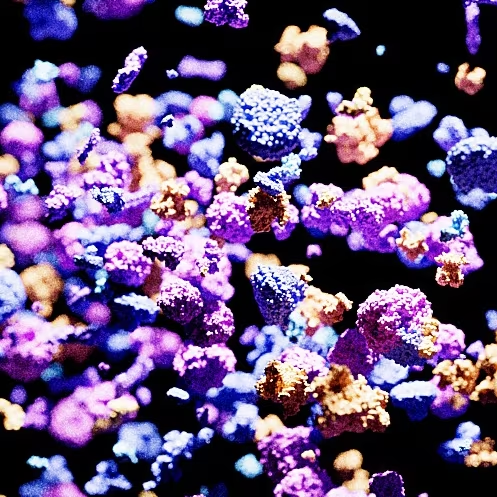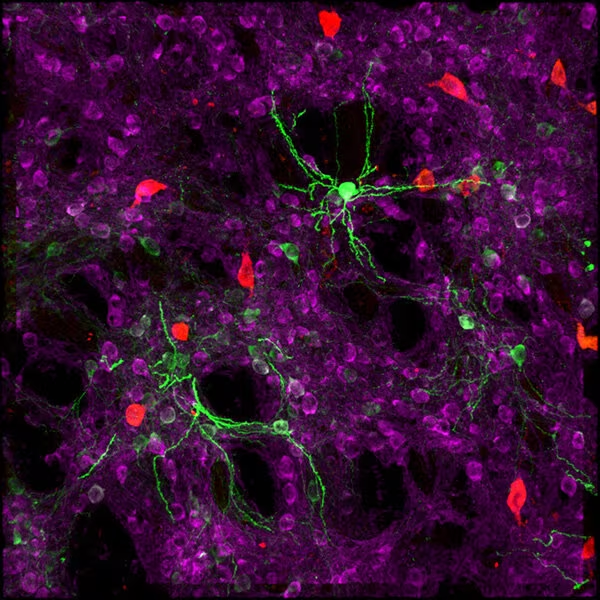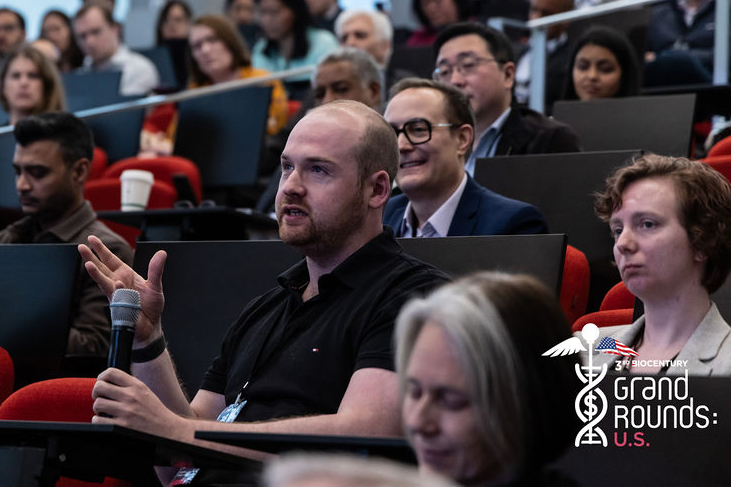

In the halls and meeting rooms of Seattle’s Hyatt Regency and the Allen Institute, one word was on almost everyone’s lips: data. How to get it, harness it, share it, monetize it. Research data, patient data, financial data—it’s all crucial for the scientists, biotech executives, and venture capitalists who attended this year’s BioCentury Grand Rounds conference.
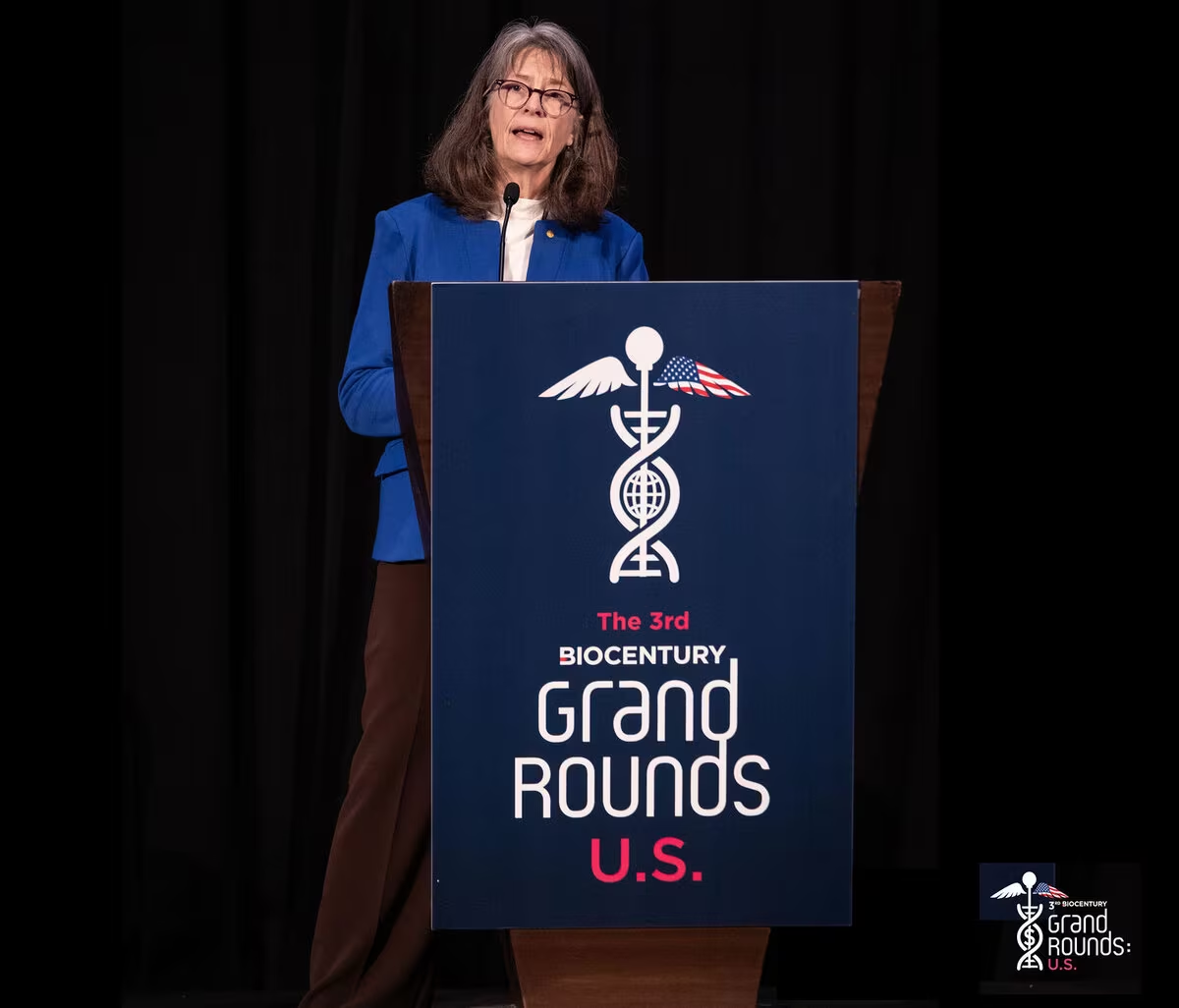
The event also featured two Nobel Laureates: David Baker, who won a Nobel Prize for computational protein design, and Mary Brunkow, who discovered why the body’s immune system doesn’t attack its own tissues.
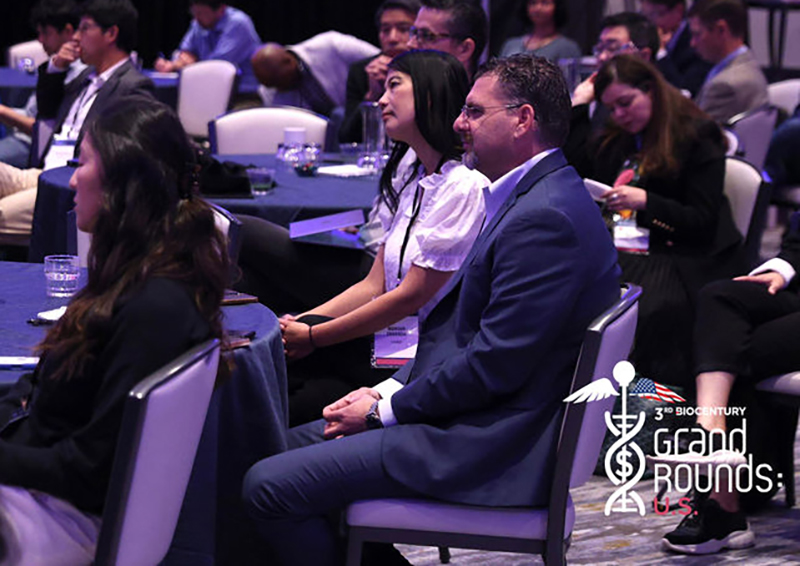
One of the event’s goals was to accelerate medical breakthroughs by eliminating barriers and bottlenecks between academia (universities) and industry (biotech companies). Access to data is one of those bottlenecks—an area where the Allen Institute shines, not just in sheer volume of data, but in its quality and accessibility.
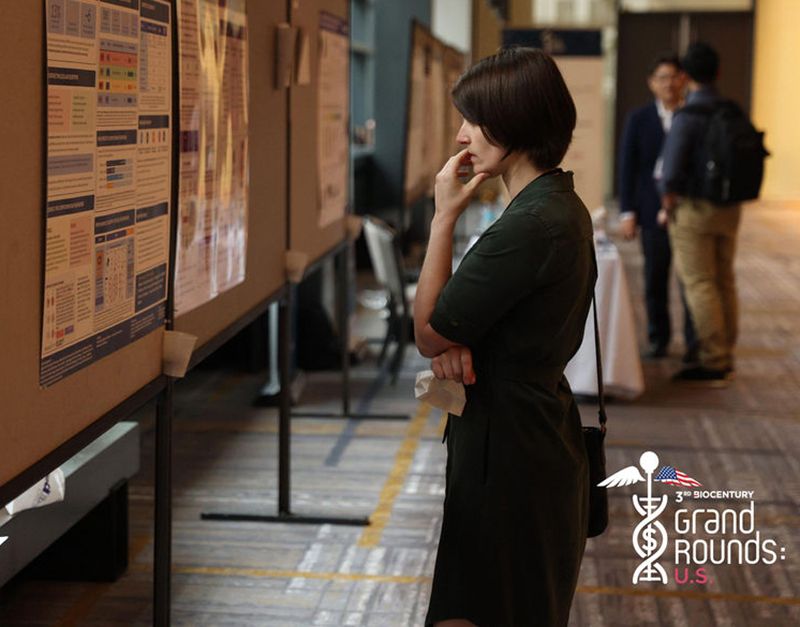
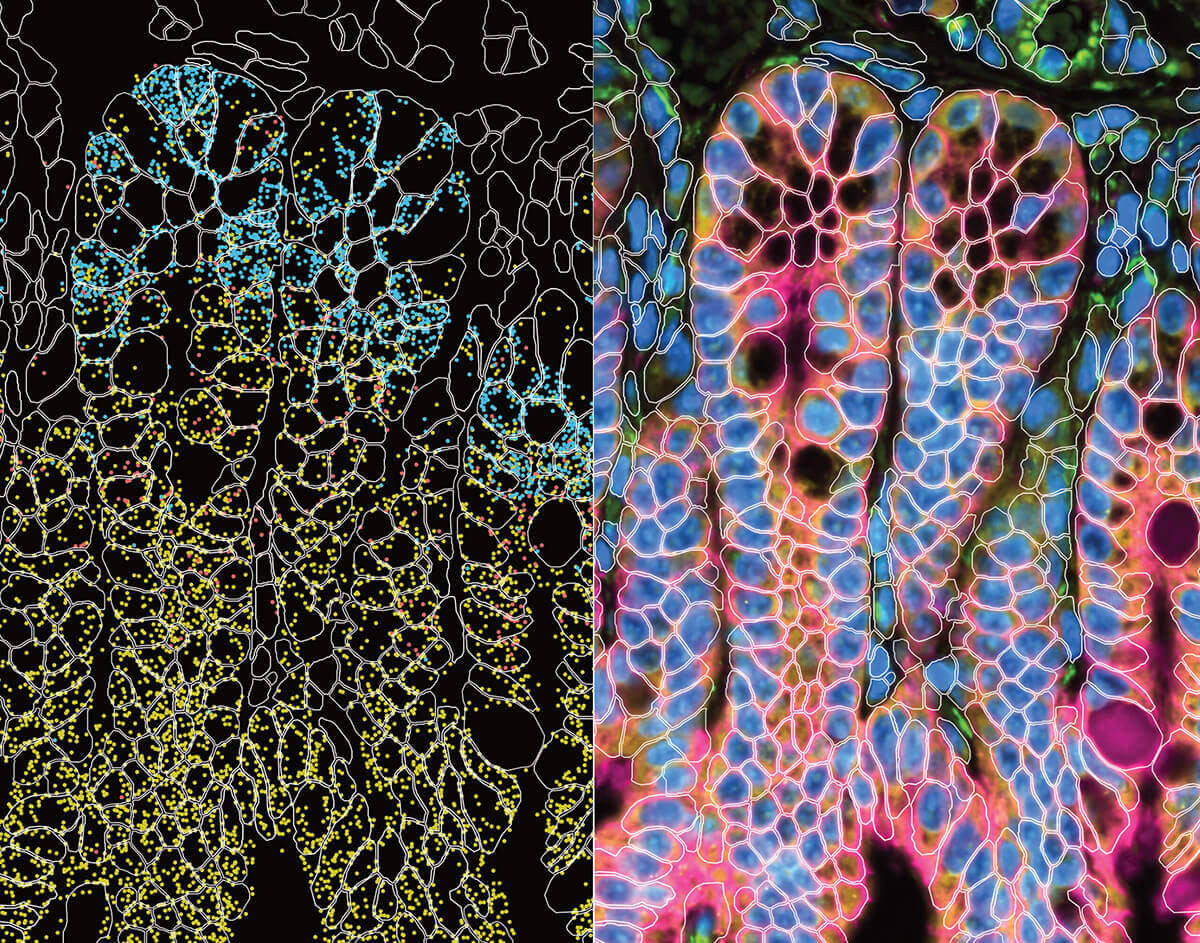
This year, the Allen Institute was the regional host committee chair and welcomed attendees on the first day of the conference. BioCentury Grand Rounds provided a valuable platform for the recently announced Brain Health accelerator (Brain Health), which expands the Institute’s commitment to open, accessible data. It will generate and analyze petabytes of multidimensional data on the human brain and integrate these data into a rich, cohesive resource to model neurodegenerative disease in search of new treatments and therapies. This data will be openly available to the global scientific community to catalyze new discoveries and advance brain health.
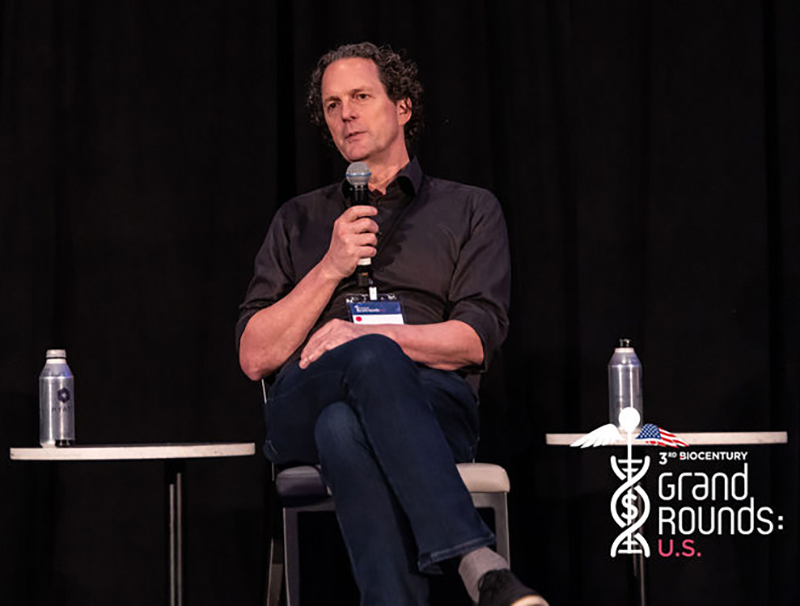

At one of the conference's many panels, Brain Health’s Executive Vice President and Director Ed Lein and Allen Institute associate investigator Trygve Bakken shed light on cell type specificity in the brain and how increasingly granular and detailed views of neural circuits could lead to better central nervous system medicines.
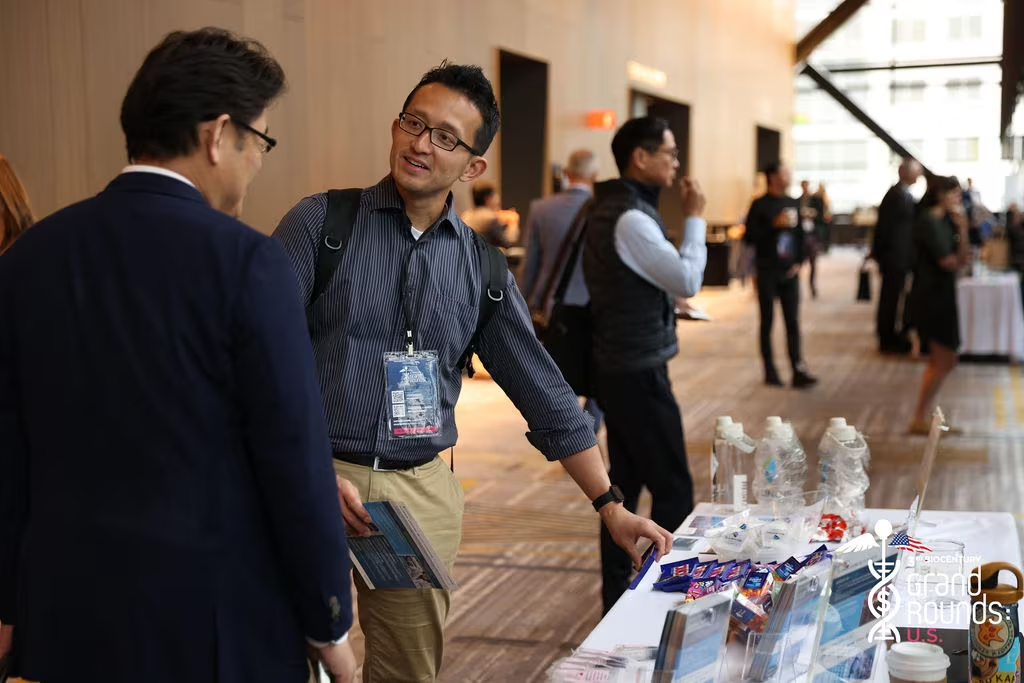
They were among several Institute researchers who offered their insight to members from the biotech world and venture capitalists. This annual gathering is meant to build bridges between promising scientific discoveries at the academia-industry interface, connecting the ideas, people and capital required to turn that research into life-saving medical breakthroughs. The event opened with a keynote address from Nobel Laureate David Baker, who presented on the future of protein design.
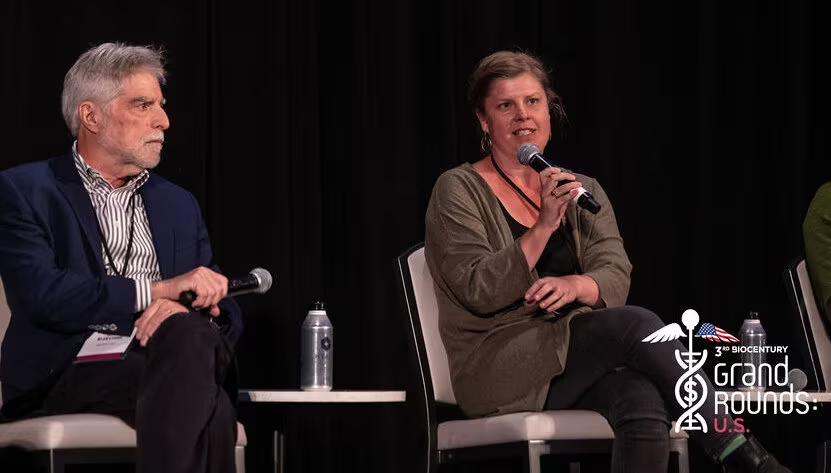
Assistant investigator Claire Gustafson sat on a panel with Nobel Laureate Mary Brunkow on how immunity changes with age. “The Allen Institute has so much rich research data that we freely share, and biotech and pharmaceutical companies need this data to advance development of new drugs and treatments,” said Gustafson “We can help them fill those data gaps to help improve patient outcomes.”
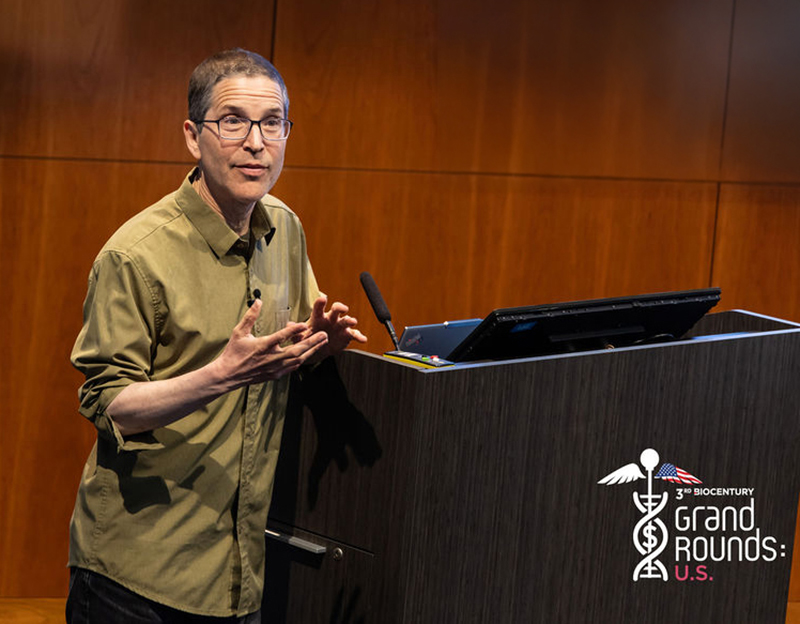
Jay Shendure, Lead Scientific Director of the Seattle Hub for Synthetic Biology, gave a presentation on DNA Typewriters, a CRISPR genome-editing method. “For biological data, we’re often constrained by what's available in nature,” he said. “Perturbations, synthetic enhancers, and synthetic circuits—which are core parts of synthetic biology—are all ways of pushing biological systems outside their natural trajectories as a means of probing and understanding their natural behavior.”
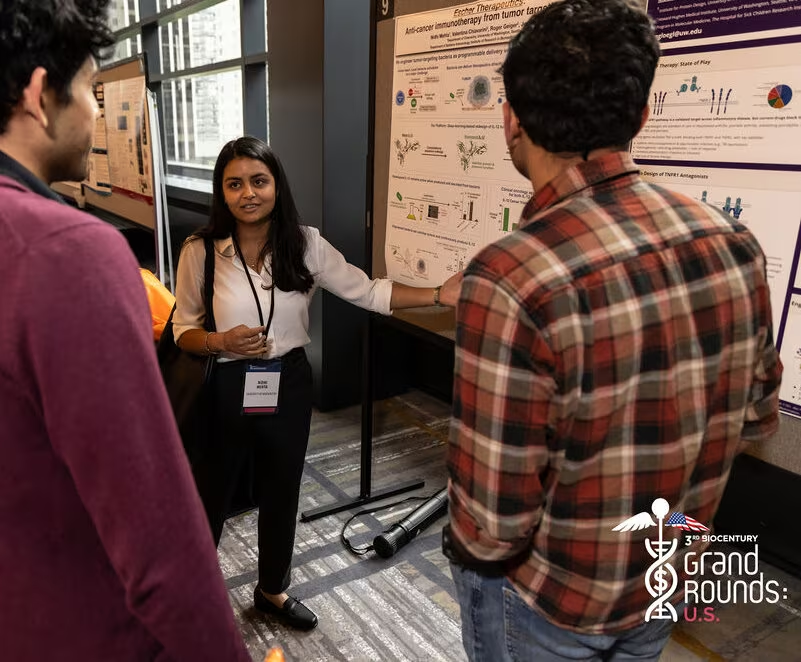
The growing impact of artificial intelligence and its ability to analyze and model massive datasets with unprecedented speed underscores the important contributions the Allen Institute and its data initiatives play in global bioscience. Panelists stressed the role that AI will play in harnessing data in a way that could not have been envisioned just a few years ago. “We’re at a point where big data can turn into knowledge,” said Jeff Bluestone, Managing Director of Vie Ventures.
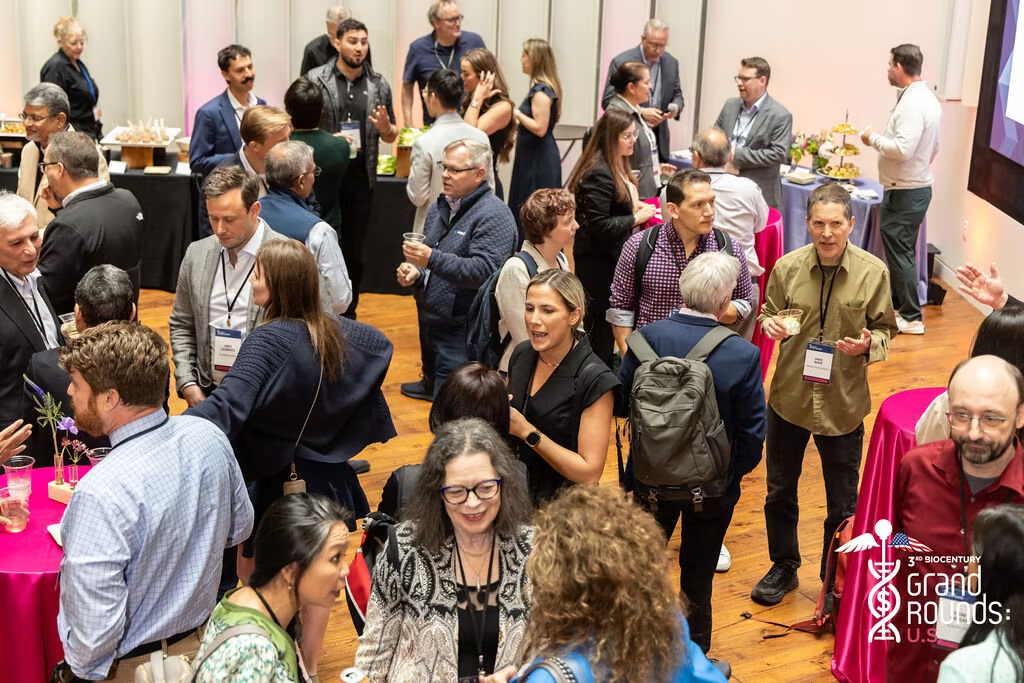
Attendees noted that it was no coincidence this year’s conference was in Seattle. With institutions like the Allen Institute, University of Washington, and Fred Hutchinson Cancer Center, the city is well positioned to bring nonprofit and academic researchers together with biotech and pharmaceutical companies.
“Seattle is absolutely at the frontier of this biotechnology space,” said Shendure. “I think it’s undersaturated compared to Boston and San Francisco and is very well poised to be its leader.”
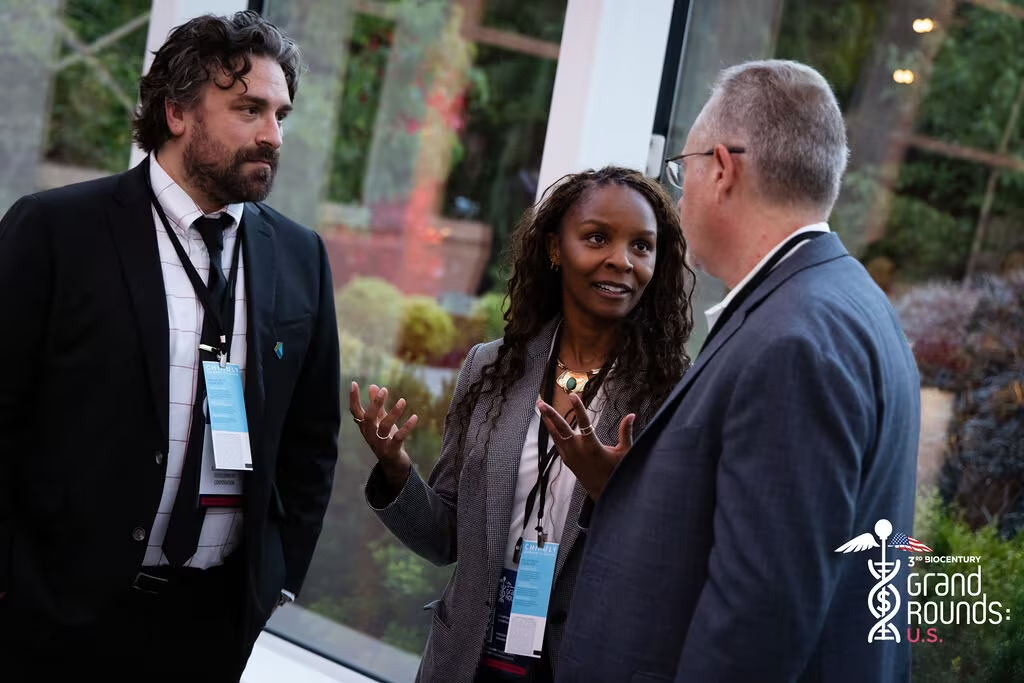
“The BioCentury Grand Rounds conference did a great job of shining a light on the scientific productivity of the region,” said Arden Yang, Vice President of Innovation at the Allen Institute. “We are so thrilled to be able to sponsor this conference, host the first day’s activities, and see robust debates and new relationships forming. There’s great excitement for the future and we’re proud to be a part of that.”
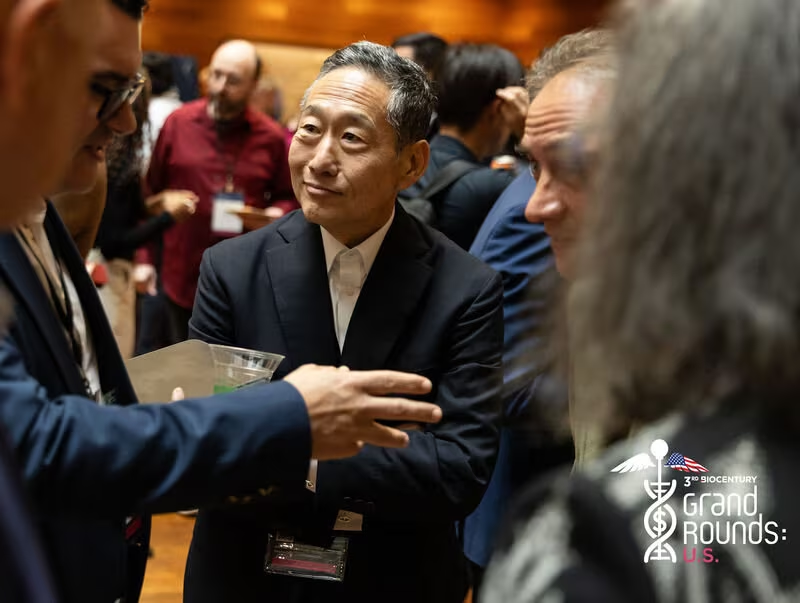
Gatherings like this are critical for building bridges that catalyze ideas into action and fuel the innovations that save lives and advance human health. Next year’s conference will be in Houston, Texas.
Citations
about the allen institute
Allen Institute is a 501(c)(3) tax exempt organization dedicated to accelerating science for a healthier world. Through large-scale, multidisciplinary research initiatives, the Institute generates foundational knowledge, data, tools, and models that are shared openly with the world to advance our understanding of life and health. Founded by Jody Allen and the late Paul G. Allen, Allen Institute is supported primarily by Fund for Science and Technology.



.avif)