When Andrea Hauserova saw her first mouse embryos in a lab at her university in the Czech Republic, she knew she wanted to become a scientist. Now pursuing her PhD at the University of South Bohemia, Hauserova recently found herself halfway around the world in Seattle, learning from and building community with other young researchers and scientists.
“I’m not great at networking because I’m a shy person,” she said. “But getting out of my comfort zone to meet new people and learn from established scientists has been a great experience for me.”
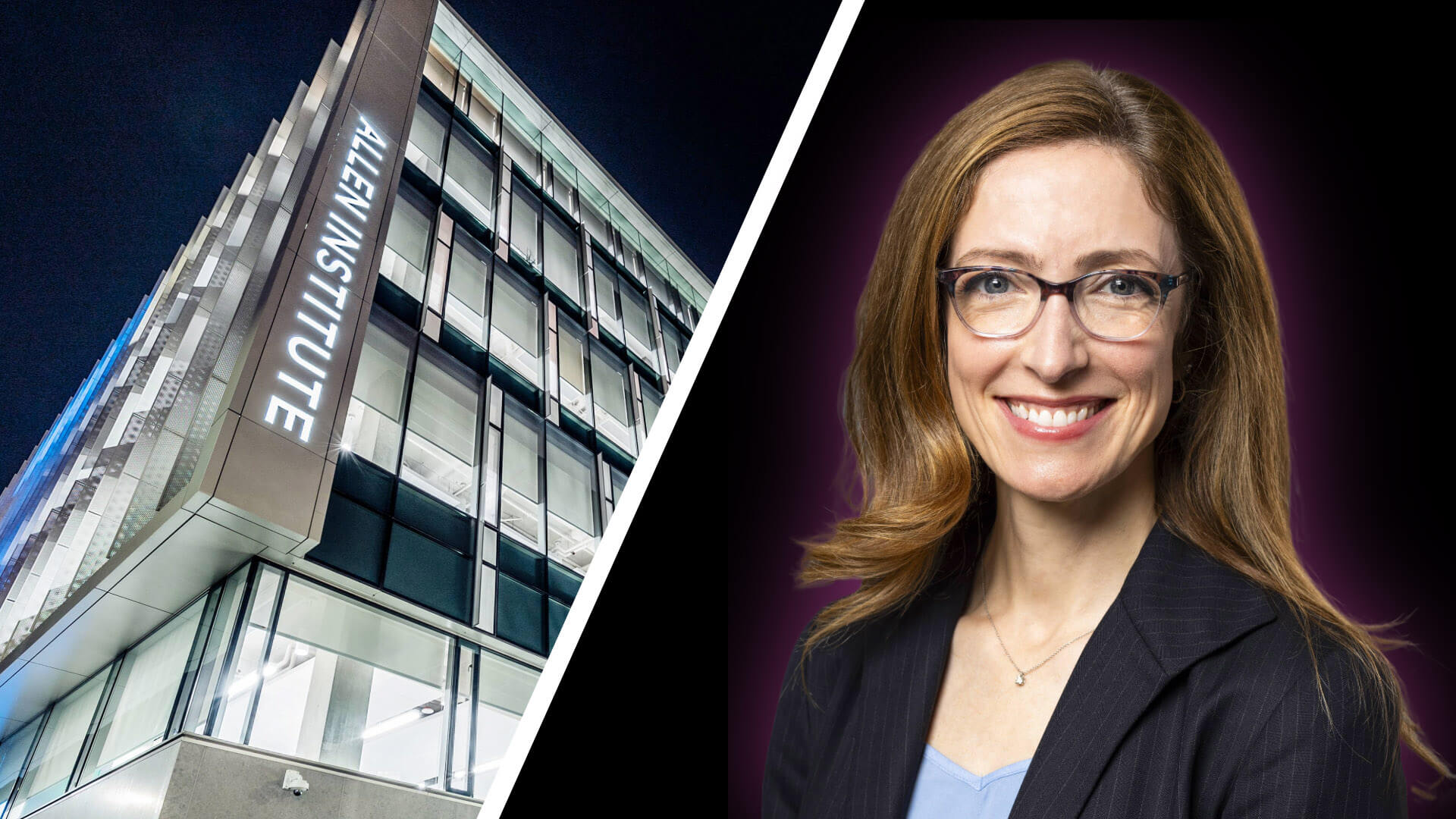
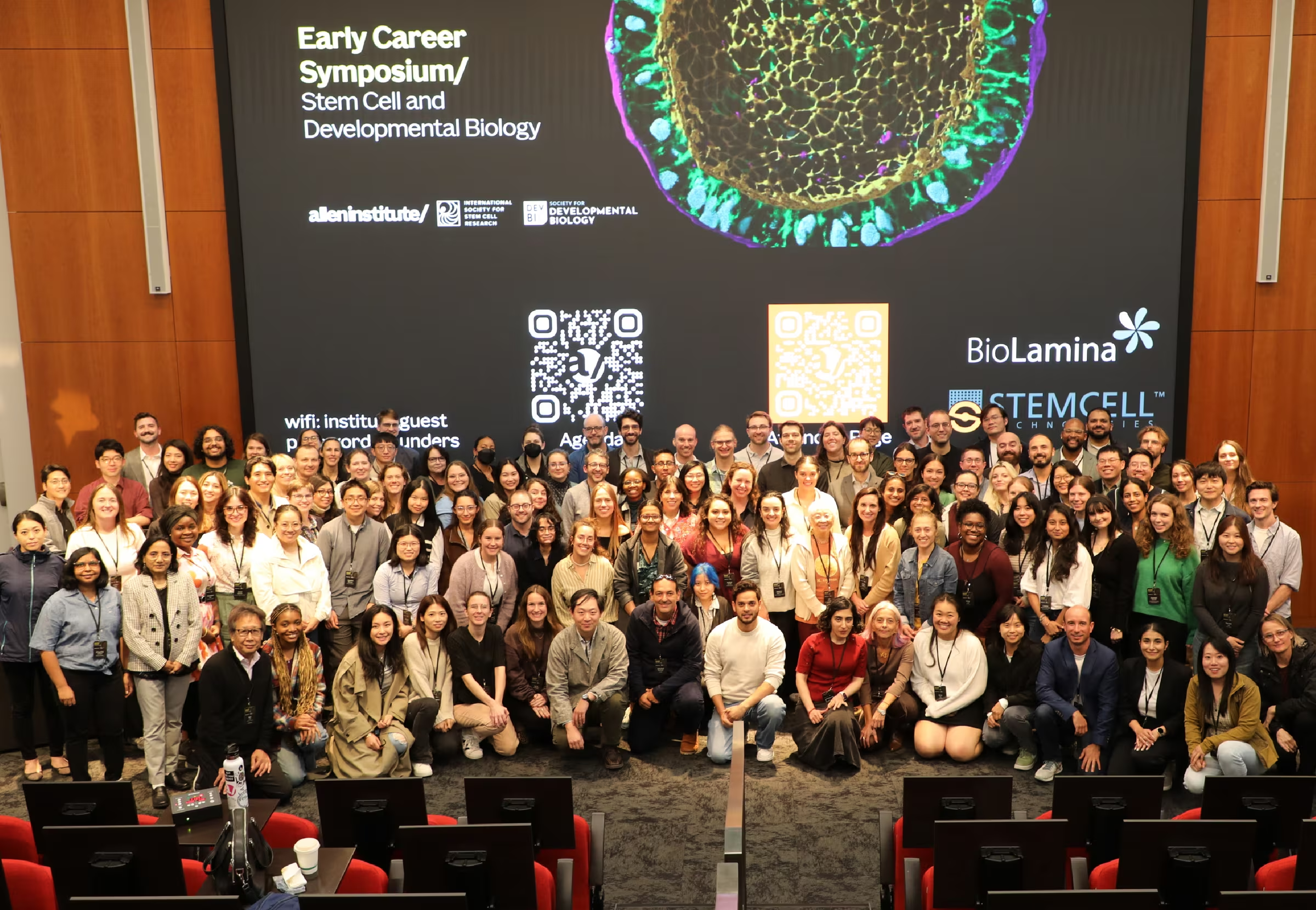
Hauserova joined about 160 attendees for the first-ever Stem Cell & Developmental Biology Early Career Symposium hosted by the Allen Institute’s Cell Science group. Through months of planning, Cell Science partnered with the International Society for Stem Cell Research (ISSCR) and the Society for Developmental Biology (SDB) for the three-day symposium led by and aimed at early-career scientists.
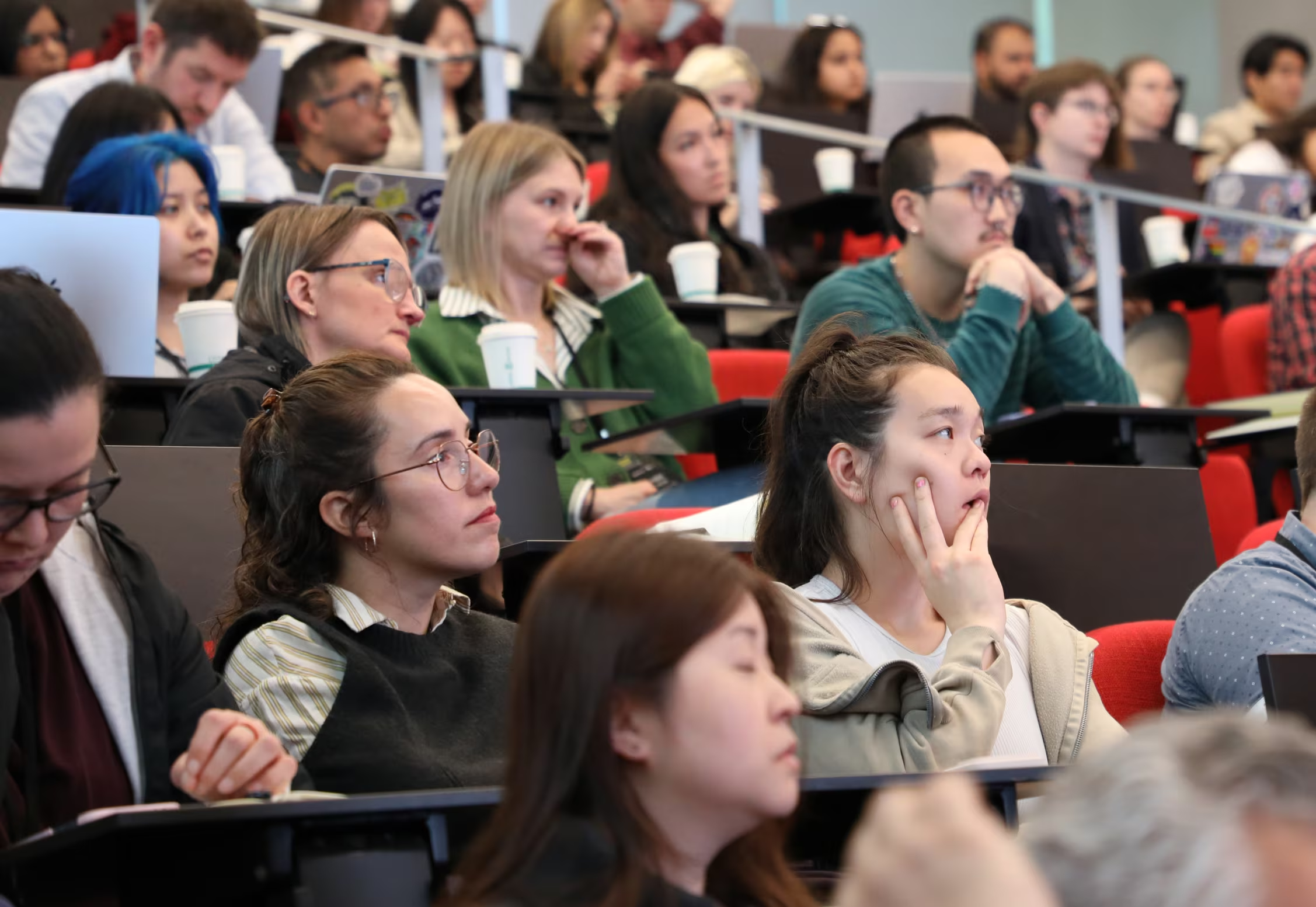
“We wanted to talk about power structures during this meeting, and how they shouldn’t always be hierarchical,” said Alessandro Bertero, a professor at the University of Turin, Italy, and co-organizer of the event. “We want to provide examples where people contribute based on their skills, not just on their job title and experience.”
The symposium was about giving the next generation of scientists a voice, a sense of agency, and a feeling of community that would fuel and propel them into the next phase of their careers. These are the researchers who may one day discover the next breakthroughs that could help cure disease and advance human health.
Cell Science helped bring ISSCR and SDB together for their first joint event. The 16 invited speakers were primarily early career scientists from all over the globe, spanning industry and academia. While individual talks reflected the diversity of the science from each of the organizing groups (developmental biology, stem cell research, and foundational cell biology), sessions were intentionally organized to highlight the ways that these fields overlap. From using model systems to understand 3D morphogenesis, to cutting edge modeling approaches to investigate single-cell and tissue dynamics, it was clear how much these communities had to offer one another.
“One of the inspirations for this meeting was the idea that some of the biggest questions in biology lie at the intersections of our fields. In Cell Science at the Allen Institute, we’re asking how cells work together to build tissues—questions that draw on cell biology, stem cell biology, developmental biology, and new technologies,” said Ru Gunawardane, executive vice president and director of Cell Science at the Allen Institute. “Bringing our three organizations and communities together created an opportunity to learn from and inspire each other to discover something that none of us could do alone. It was especially important that early-career scientists helped shape and organize this meeting. They brought fresh perspectives, new questions, and the energy that will drive where these fields go next.”
In addition to the packed agenda of research presentations, attendees also learned about “soft skills” that ranged from how to establish a social media presence to applying for grants, which is especially crucial at a time when scientific funding is in flux.
The event also included a live taping of The Stem Cell Podcast, with special guest Crystal Rogers, who runs a developmental and cell biology lab at the University of California, Davis, School of Veterinary Medicine. Rogers’ insight was especially useful to the audience of young and aspiring scientists hoping to make their own discoveries in the lab: the challenges of obtaining funding to keep research going.
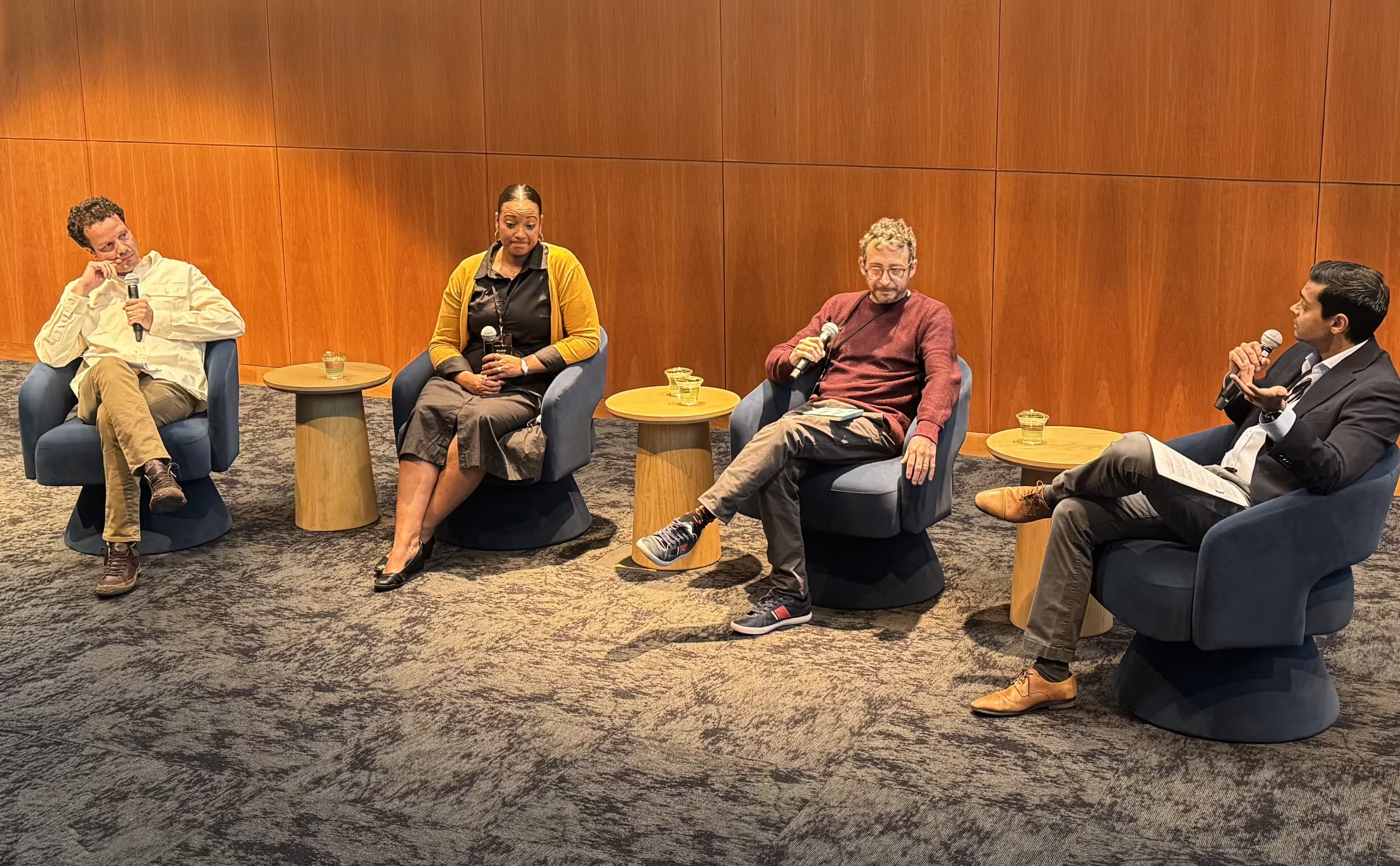
“When I was a postdoc, the money situation was opaque because my mentor shielded it from me,” Rogers said. “But even now that I’m more established, funding is still an issue. If I won the lottery, I would donate to my own lab and never apply for another grant.”
But organizers and attendees also stressed the positives of navigating the scientific landscape through the themes of the conference: abundance mindset, community, and resilience. Attendees said they found the presentations and advice from their peers helpful and inspiring. They appreciated the collaboration at the intersection of developmental biology and stem cell science and hope Cell Science, ISSCR and SDB would partner together again in the future.
Citations
about the allen institute
Allen Institute is a 501(c)(3) tax exempt organization dedicated to accelerating science for a healthier world. Through large-scale, multidisciplinary research initiatives, the Institute generates foundational knowledge, data, tools, and models that are shared openly with the world to advance our understanding of life and health. Founded by Jody Allen and the late Paul G. Allen, Allen Institute is supported primarily by Fund for Science and Technology.