the battle within
A scientist’s mission to conquer the disease that may one day conquer him

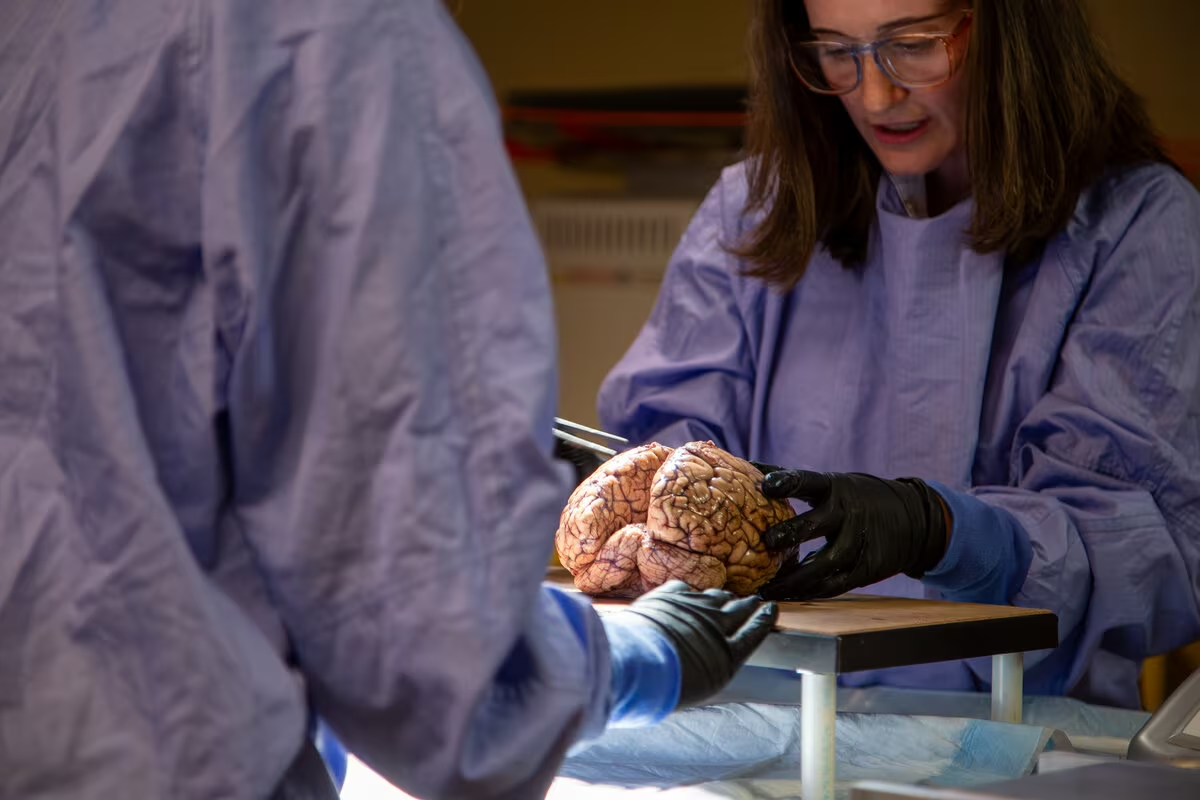
Researchers from UW Medicine gently handle a donated brain destined for critical research on neurodegenerative disease.
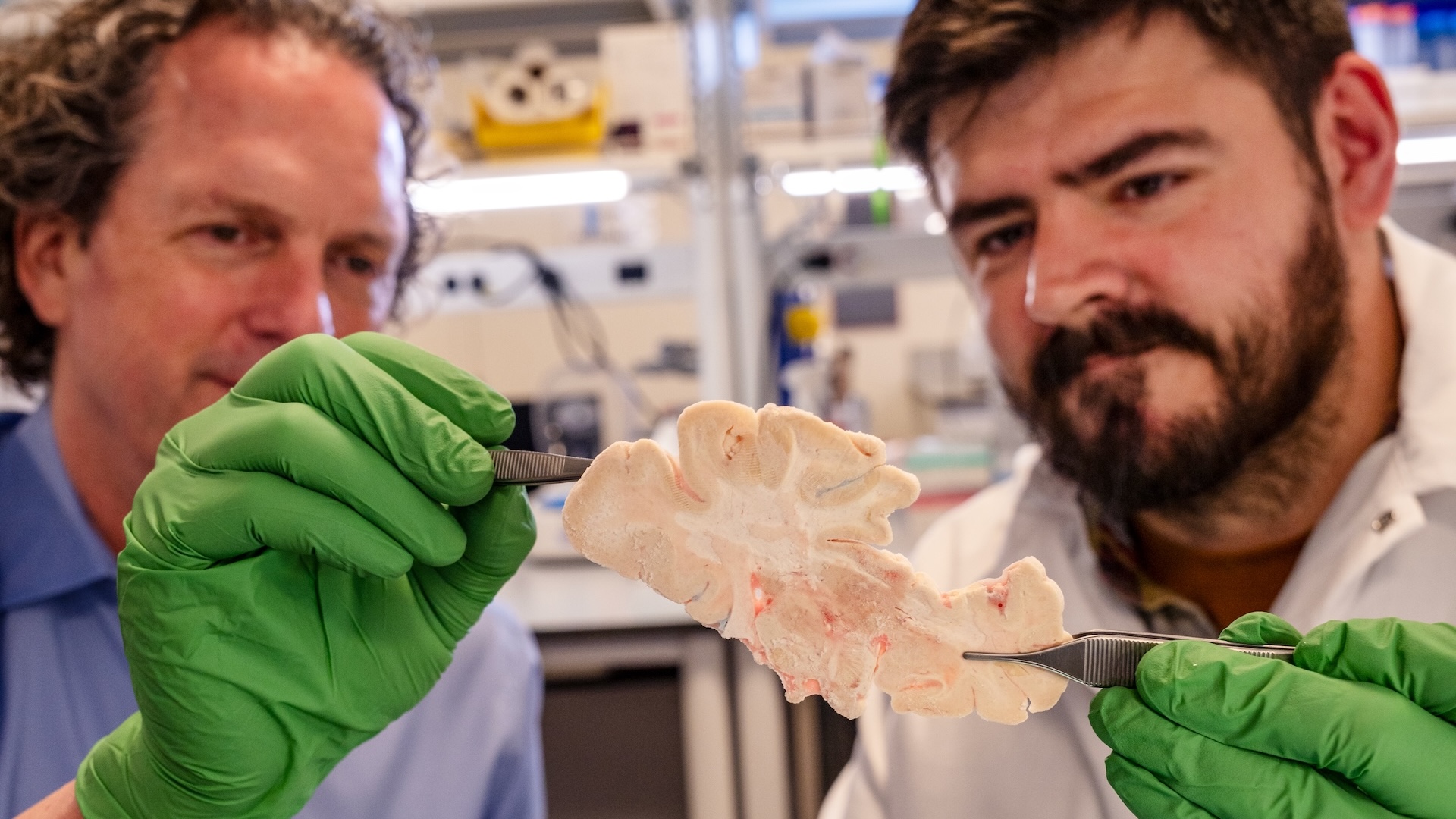
These precious brain samples hide a wealth of data that are unlocking insights and helping scientists understand how diseases like Alzheimer’s and Parkinson’s take hold and cripple the brain.
The work is part of the Brain Health accelerator (Brain Health), a massive, global, collaborative research initiative announced in June at the Allen Institute in Seattle, Washington.
Brain Health aims to identify the exact cells and brain circuits involved in brain disease in order to develop precision gene therapies to treat them.
Brain disease affects 57 million people worldwide.
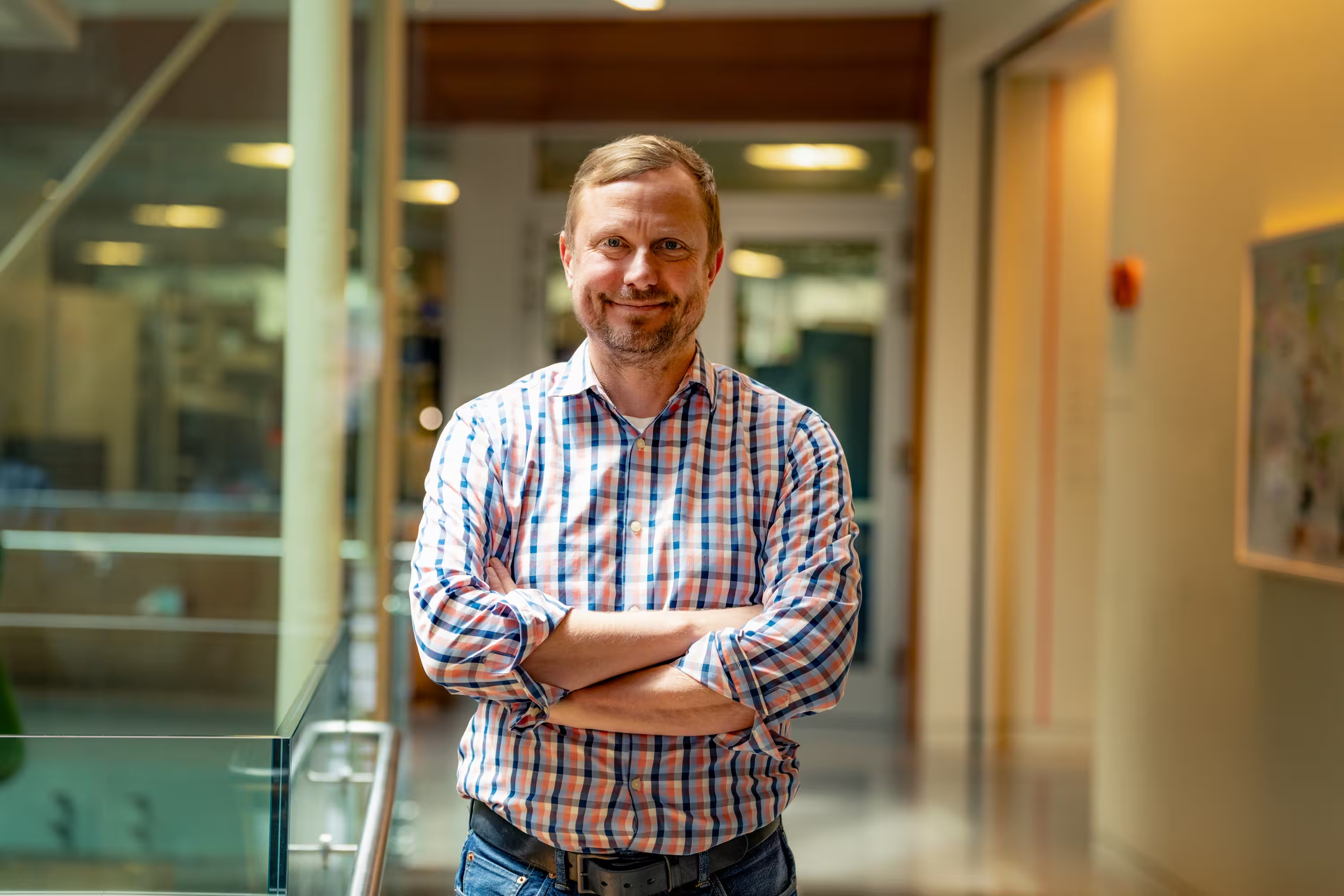
Jeff Carroll is one of them. He’s a scientist at the Allen Institute and will lead Brain Health’s Huntington’s disease research.
He carries the gene for this disease, and he will one day get it—and may die from it—unless he can stop it first.
"There's a sense of urgency."
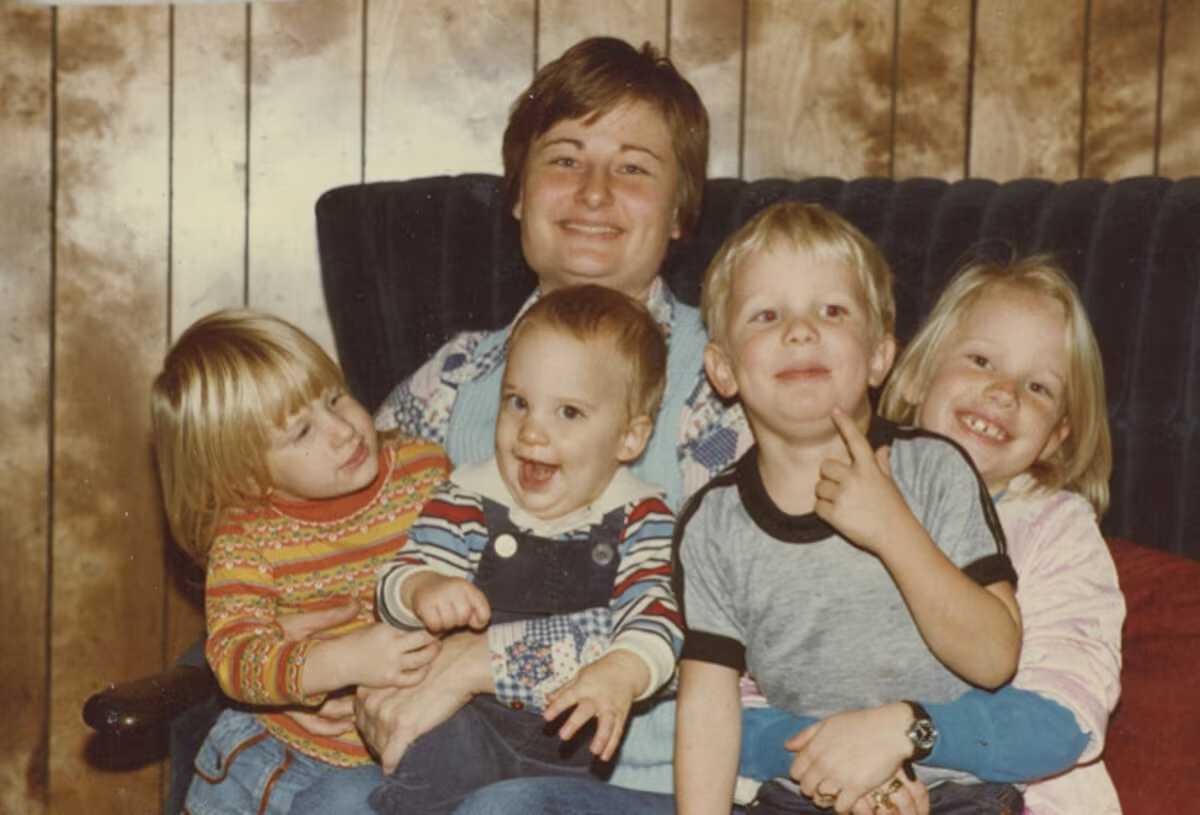
Jeff’s mother has Huntington’s disease. He’s witnessed the toll it takes on families.

While serving in the military he learned of his mother's diagnosis. Knowing that it was genetic, Jeff decided to get tested for the gene linked to the disease.
The test came back positive.
Jeff decided to dedicate his life to researching Huntington’s to help find new therapies and treatments—not just for him and his family, but for the thousands of people affected worldwide.
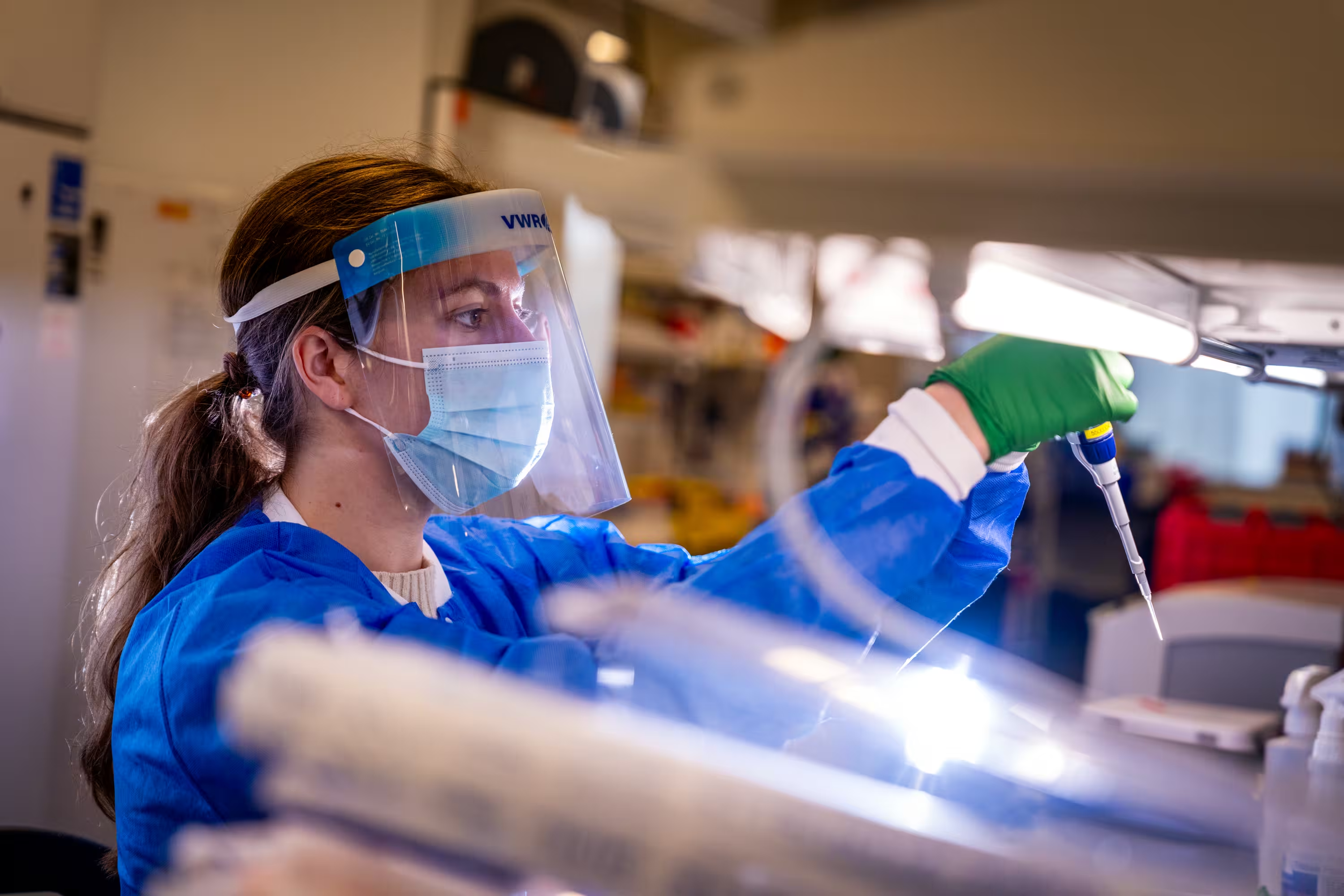
brain health
Brain Health accelerator—the project Jeff is a part of—will initially focus research on five major neurodegenerative diseases: Alzheimer’s, Huntington’s, Parkinson’s, amyotrophic lateral sclerosis (ALS), and Lewy body dementia.
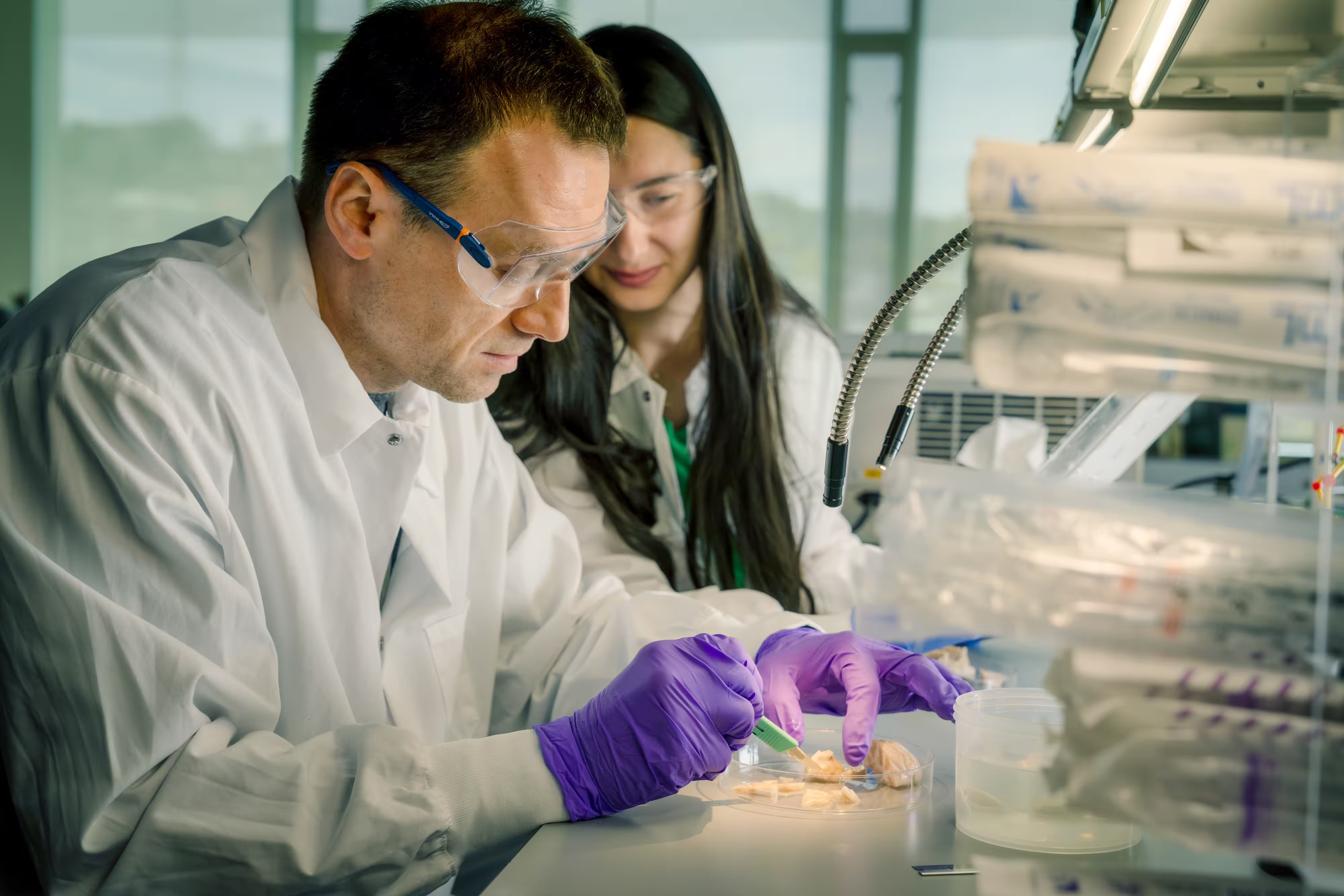
a new approach
Scientists will use cutting-edge, single-cell genomic tools and artificial intelligence to identify, target, and rescue the specific cell types that die with these diseases, including cells like these, spinal motor neurons (lit up in green), that die during ALS.
Right now, there is little hope for those who have this disease, along with diseases like Huntington’s, which affects movement, cognition, and mood.
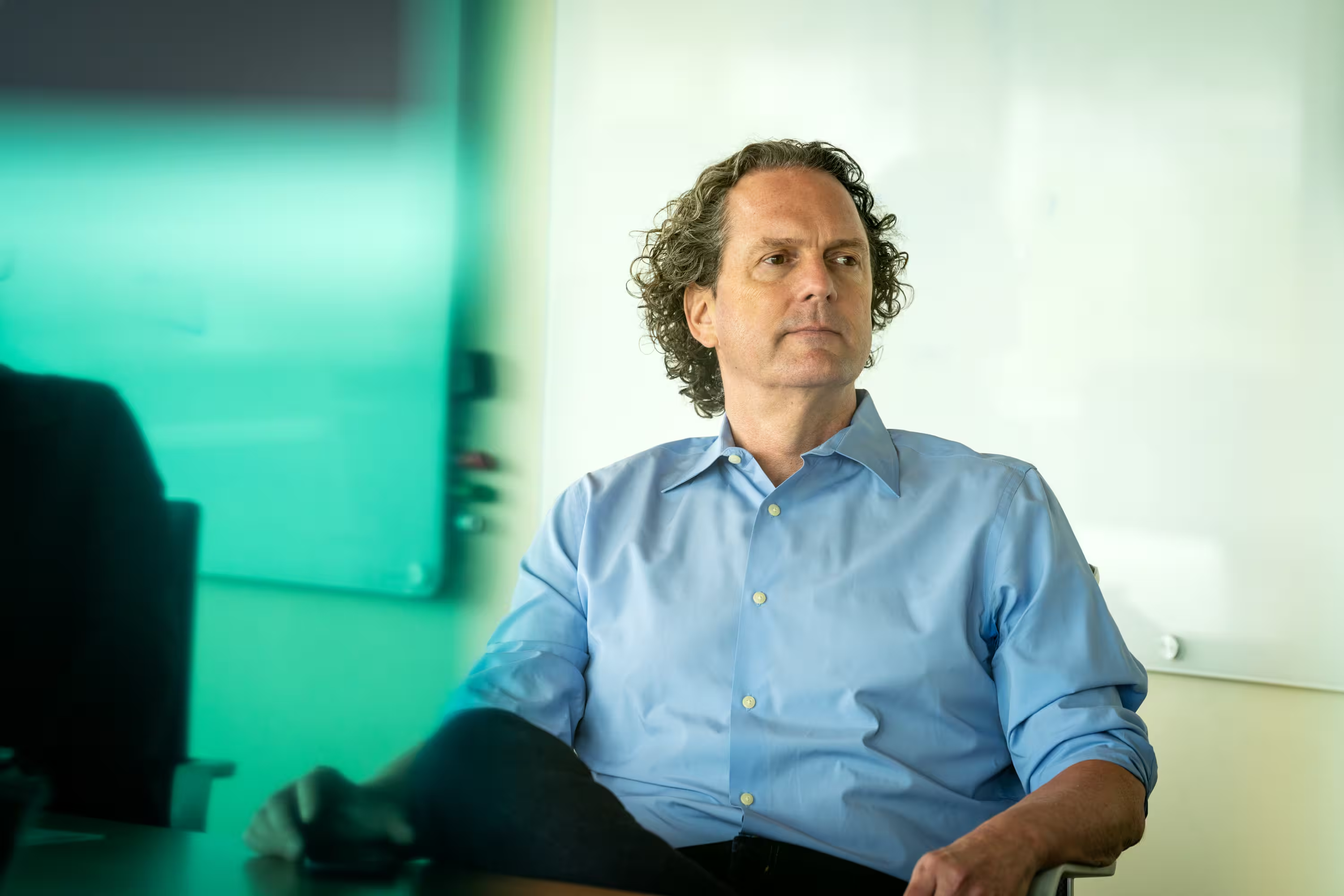
"Hope comes from understanding."
"To try and tackle neurodegenerative diseases as a broad category—this is really critical because in many cases you can have pathology that overlaps between diseases, you can have symptoms that overlap between diseases. And we don’t fully understand the overlap and how these might represent different patient trajectories."
— Ed Lein, executive vice president and director, Brain Health
Dirk Keene is a professor of pathology at the University of California San Diego School of Medicine. He leads Brain Health’s tissue coordinating center responsible for sourcing human brain samples crucial to the research.
Brain Health is a massive, global, collaborative effort supported by academic, industry, and NGO partners, including the Bezos family and Amazon Web Services.
It began with years of sustained investment from the NIH’s BRAIN Initiative, which helped develop the advanced single-cell molecular technologies scientists in Brain Health will use.
Collaboration and community have been critical to advancing science for human health. It’s that same community that has helped drive Jeff and his work forward.
“Advances in Huntington’s disease have always been driven by a deeply integrated effort between impacted families, their physicians, and researchers. We all feel a lot of pressure to maximize the impact of the selfless contributions made by research participants and tissue donors ...
... in a similar way, Brain Health is building a global community around a shared goal of finding new treatments and novel treatments for devastating brain diseases. I’m confident we’ll find answers—together.”
.avif)