
Lisa Volenec was gardening in her yard near Phoenix when she began to notice changes in her movements. “My hand would shake, but I just thought it was the Arizona heat,” she said. The tremors progressed and gradually Volenec couldn’t swing her arm when she walked. She visited a neurologist and, at age 47, received the diagnosis: early onset Parkinson’s disease.
“I refused to accept it, but I also think in my heart of hearts I knew and accepted it. I could tell things felt different, but I couldn’t explain it,” she said. “I was absolutely scared because if this was true, I knew it was going to change my life.”

Volenec eventually founded a nonprofit called This is Parkinson’s, which provides support and resources to those suffering from the disease. But it took her a long time to get there; she tried to hide her symptoms and waited ten years before finally sharing the diagnosis with people outside her family.
“You’re only as sick as your secrets,” she said. “I carried around a lot of shame for Parkinson’s.”
attacking a global health crisis
Volenec is one of 57 million people living with a neurodegenerative disease. For many of them, there’s little hope. Effective treatments remain elusive because of the sheer complexity of the human brain and an inability to deeply and effectively study it at scale.
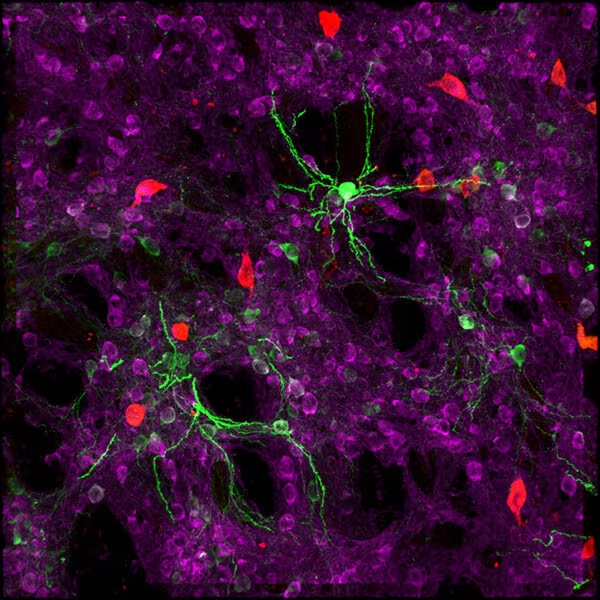
To solve this, the Allen Institute has launched a major global scientific research initiative, the Brain Health accelerator (Brain Health)—in collaboration with some 30 organizations and institutions—to understand the drivers of brain disease at the level of cells and the circuits they form. Its goal is to identify the precise cell types and circuits that are affected by disease and better understand how these diseases progress in the human brain, and with that knowledge, accelerate the development of genetic therapies that home in on their targets with molecular precision and rescue and protect cells that are vulnerable.
Brain Health is a bold foray into human brain disease research that will provide the most comprehensive ground truth analysis of neurodegeneration to date. It is launching with collaboration and partnership from many organizations across science, technology, philanthropy, and disease advocacy. The total commitment to-date is $400M. This includes $200M from the Allen Institute, whose primary supporter is the Fund for Science and Technology; $100M from the Bezos family; and an additional $100M from Amazon Web Services (AWS), NIH, and EverythingALS.
“Brain disease represents one of the great health challenges of our time,” said Mike Bezos, Co-Founder and Chair of The Bezos Family Foundation, leading this philanthropic effort through a personal gift from the family. “The Allen Institute’s Brain Health accelerator brings together the scale, scientific ambition, and global collaboration needed to advance our understanding of neurodegeneration. We are excited to support this effort designed to generate, and share, foundational knowledge that can help scientists pursue new answers—and, ultimately, new approaches to care and potential cures for people and families affected by Lewy body, Alzheimer’s, Parkinson’s, Huntington’s, ALS, and other brain diseases.”
The initiative builds on foundational investments from the National Institutes of Health (NIH) BRAIN Initiative and the National Institute on Aging (NIA) to support vital brain research and develop cutting-edge technologies and data resources.
“Understanding brings hope,” said Ed Lein, Executive Vice President and Director of Brain Health. “We now have the tools to understand these diseases at a whole different level and enter an accelerated path toward new types of treatment.”
For Volenec and her family, Brain Health is a welcome path to progress. “I'm in awe of the scientists and the people that dedicate their lives helping people like my daughter and many others living with diseases,” said Carol Padon, Volenec’s mother.

what makes Brain Health different
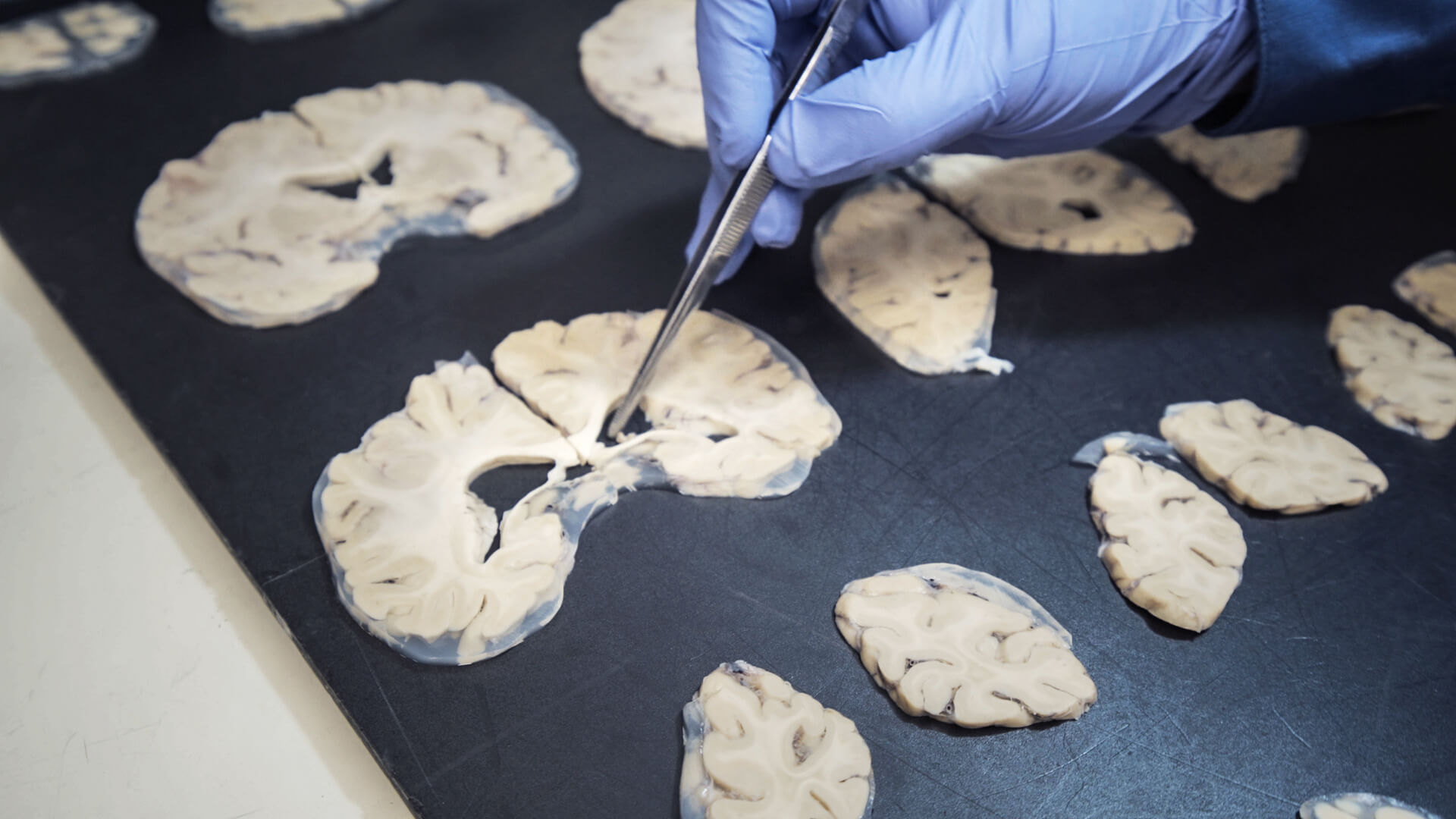
Right now, most brain disease research focuses on targeting molecules and proteins linked to disease. Brain Health will instead focus on studying the brain’s cells and functional circuits to understand the drivers of disease. The goal is to identify the precise circuits and cell types that are vulnerable in order to find new ways to target and rescue them.
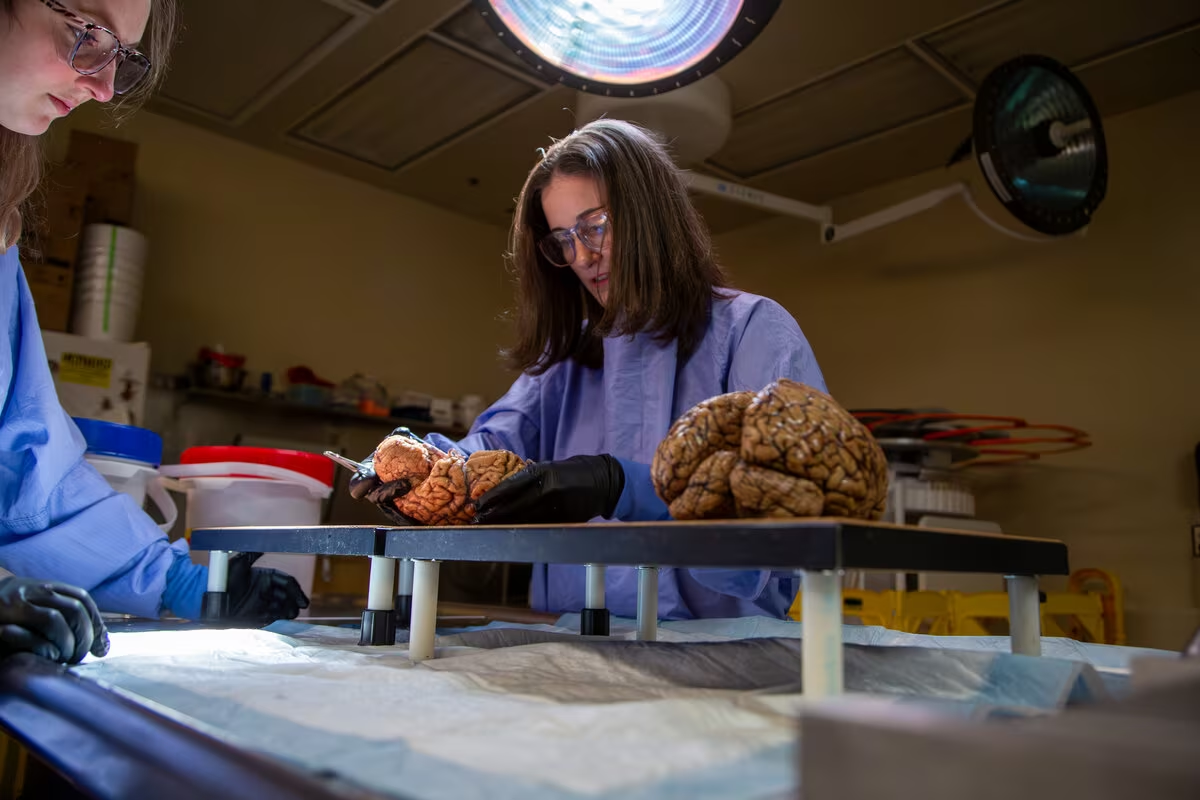
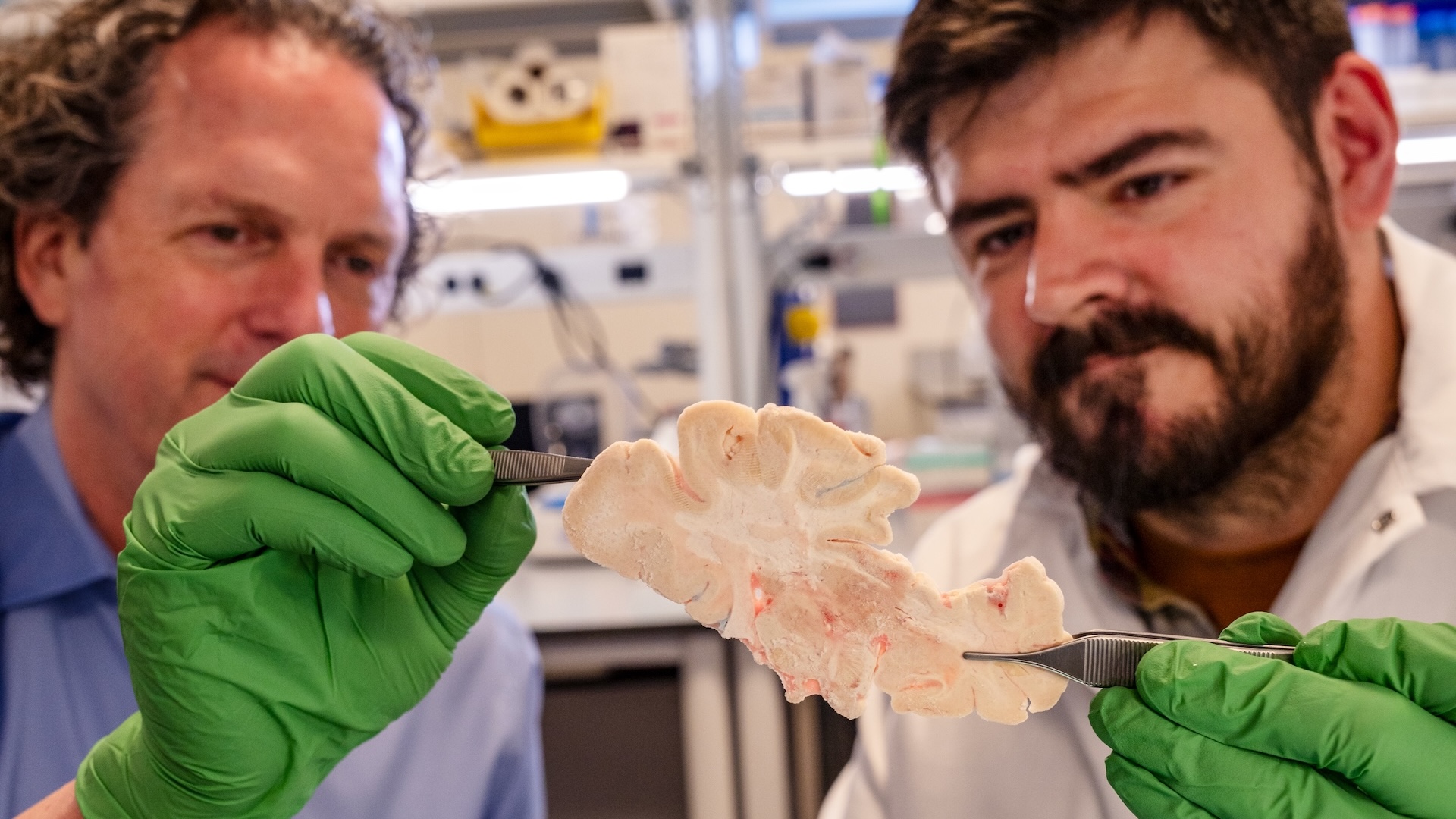
“We need to understand the cells and circuits in order to map the human brain and how it’s built,” said Dirk Keene, professor of pathology at the University of California San Diego School of Medicine who leads Brain Health’s tissue coordinating center responsible for sourcing human brain samples crucial to the research. “The only way we can ever really understand how the brain functions is to understand how it’s connected and how those networks are disrupted by disease.”
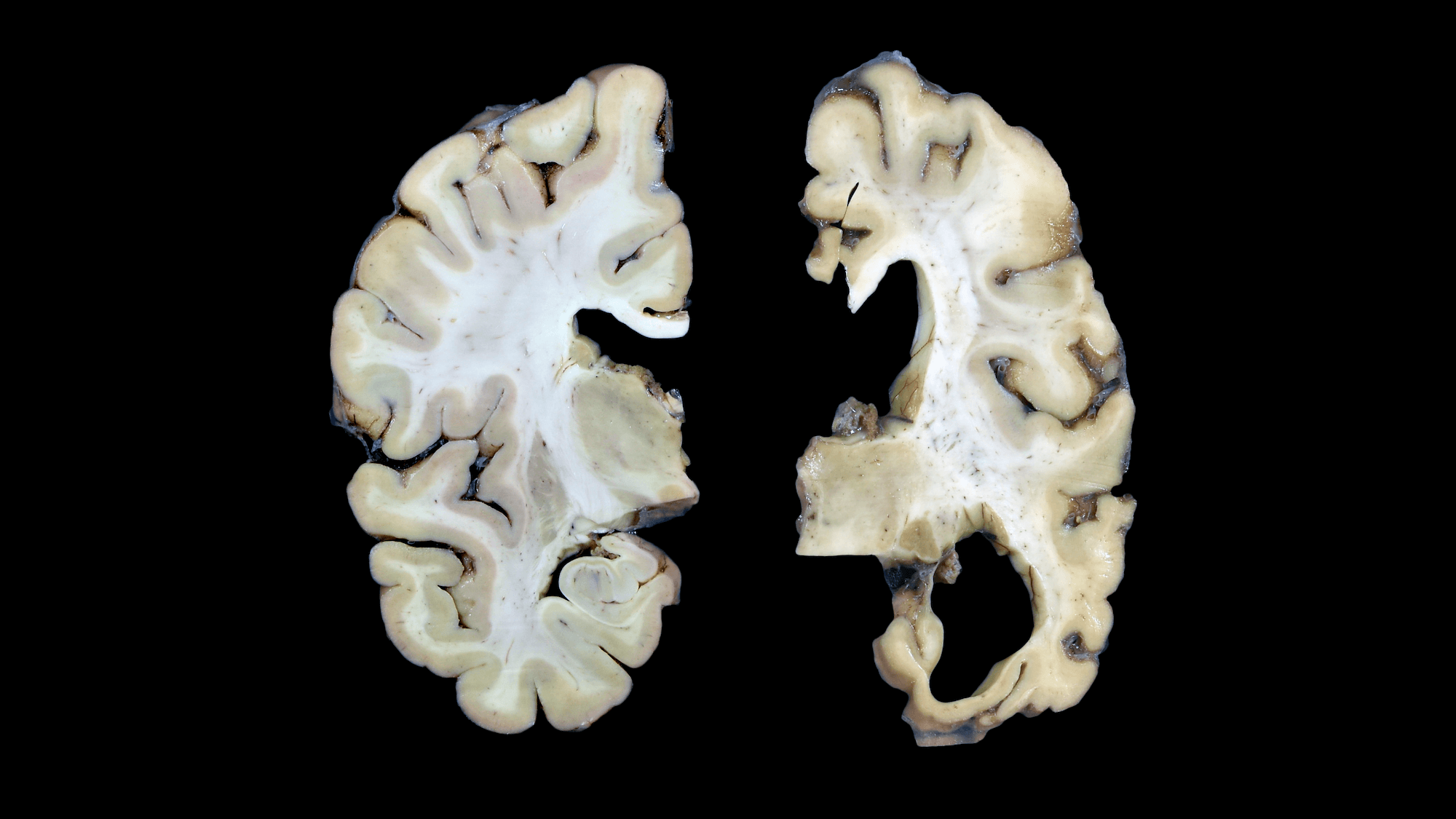
This global collaboration will prioritize research using healthy and diseased human brain tissue from the outset. This human-first strategy aims to generate findings that are more directly relevant to human disease and more rapidly translatable into therapies.
"Brain Health accelerator is a bold and exciting global research initiative to accelerate our understanding and development of therapies for the most pressing brain diseases,” said Rui Costa, President and CEO of the Allen Institute. “It builds on two decades of foundational discoveries at the Allen Institute and brings together academia, industry, nonprofit, and technology partners around the shared goal of tackling one of the greatest public health challenges of our time. I am incredibly excited by the potential of Brain Health to transform neuroscience and advance human health for all."
reshaping a field: strength through collaboration
For more than 20 years, the Allen Institute has championed open science by sharing data, tools, and discoveries openly with the global scientific community. Brain Health extends that commitment with a radically open and collaborative approach that will accelerate research efforts and fuel the scale needed to tackle such a complex challenge—driving science further and faster than any one institution could alone.
Brain Health will unite researchers across disease areas to study both similarities and differences between neurodegenerative conditions. “By studying multiple diseases together, researchers can find both distinct and shared cellular, molecular and circuit level mechanisms,” said Lein. Research will initially focus on Alzheimer’s, Parkinson’s, Huntington’s disease, Lewy body dementia, and amyotrophic lateral sclerosis (ALS).
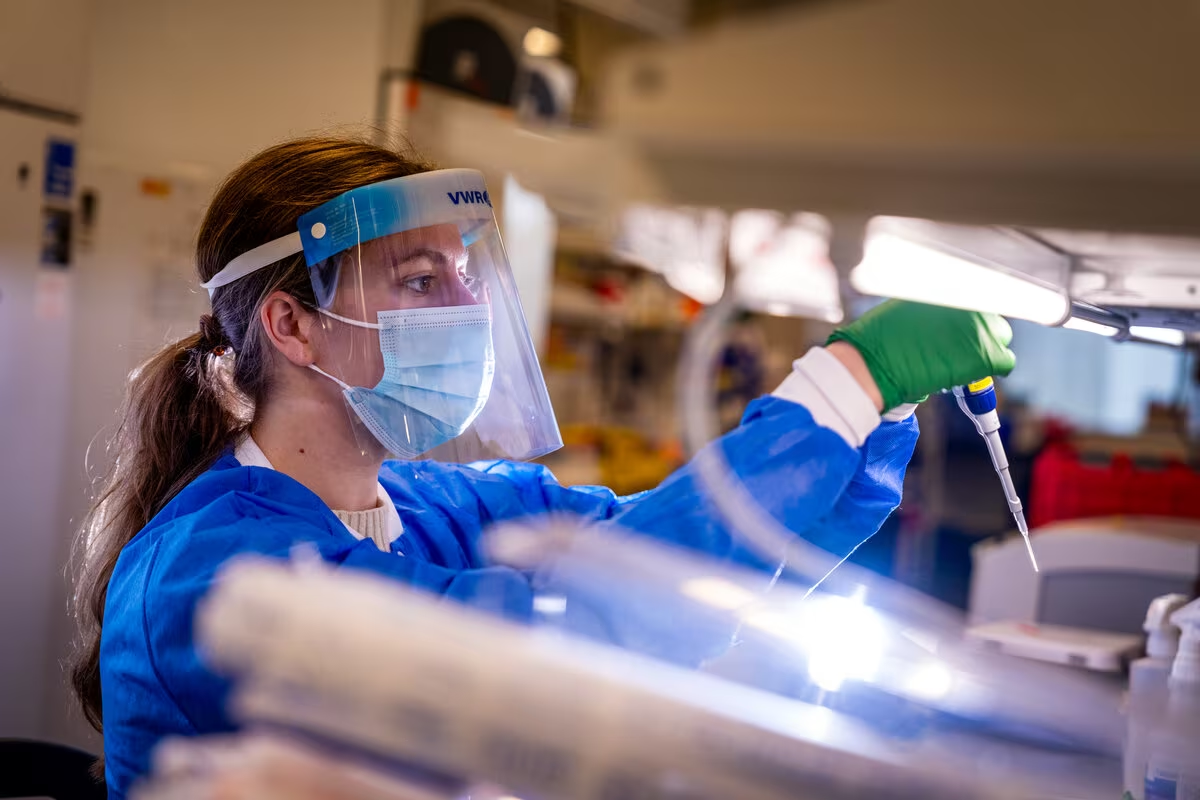
“Brain Health accelerator is an important milestone for neurodegenerative disease. Many neurodegenerative diseases share similar biology, and research on ALS may unlock important discoveries for Alzheimer's, Parkinson's, and frontotemporal dementia,” said Indu Navar, Founder and CEO of EverythingALS.
In the future, Brain Health may expand its scope to include epilepsies, brain tumors, and neurodevelopmental and neuropsychiatric disorders. “The way I’m fighting Parkinson’s today looks different than someone’s grandfather who fought it ten years ago,” said Volenec. “With Brain Health, I want the next person who comes after me in ten years to have a better opportunity than I have.”
why now? a technological tipping point
Advances in technology through work at the Allen Institute and efforts supported by the NIH BRAIN Initiative have allowed scientists to understand the brain in unprecedented detail thanks to technologies such as single-cell genomics and spatial transcriptomics. These cutting-edge technologies have produced massive amounts of multidimensional data on the brain that is ripe for analysis and rich with insight.
The development of powerful AI systems has made that analysis more accessible and faster than ever. Brain Health will be built for AI from the outset and use artificial intelligence to analyze massive troves of data, surface new hypotheses and insights, and help scientists model neurodegenerative disorders to reveal the underlying “grammar of disease."
AWS is a leading technology partner and supports Brain Health through cloud infrastructure, machine learning, and advanced AI capabilities. "For nearly a decade, AWS and the Allen Institute have worked together to expand data in open science on brain diseases, making world-class neuroscience accessible to researchers everywhere, said Rick Buettner, Managing Director of Global Nonprofits at AWS. “The Brain Health accelerator is the next chapter: translating years of discovery into a cellular-level understanding of diseases like Alzheimer's, Parkinson's, and ALS. We believe this research deserves the same urgency and bold commitment we bring to any grand challenge in science."
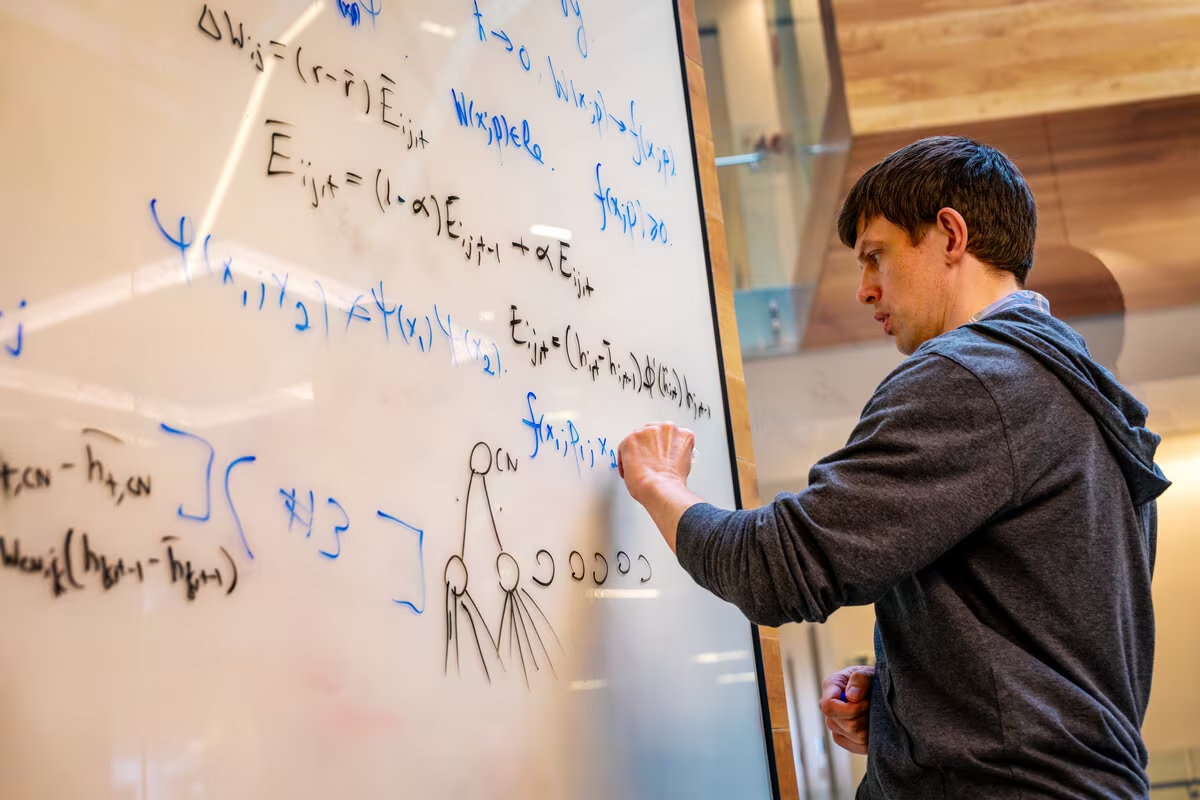
"It is the perfect time for the Brain Health accelerator to bring the necessary innovation, scale, and open science collaborative model to advance our understanding of these cruel disorders, which affect nearly half of the population worldwide, and to develop new approaches to prevention, treatment and repair," said Stephen L. Hauser, Director of the Weill Institute for Neurosciences and neurology professor at the University of California, San Francisco .
Since 2003, the Allen Institute has pioneered a gold-standard model for multidisciplinary, collaborative, big, team, and open science that has made Brain Health accelerator a possibility. From mouse to man, it is the culmination of over two decades of work now poised to advance human health for all.
Citations
about the allen institute
Allen Institute is a 501(c)(3) tax exempt organization dedicated to accelerating science for a healthier world. Through large-scale, multidisciplinary research initiatives, the Institute generates foundational knowledge, data, tools, and models that are shared openly with the world to advance our understanding of life and health. Founded by Jody Allen and the late Paul G. Allen, Allen Institute is supported primarily by Fund for Science and Technology.
.avif)