news
stories from the front lines of discovery
From scientific breakthroughs to new open‑source tools, the Allen Institute’s work is reshaping how science is done—and who it’s for. Explore the latest news, stories, and highlights from across our research, partnerships, and open science efforts.


AI BioDesign accelerator combines experimental biology and artificial intelligence to learn nature’s design rules
Researchers from the Allen Institute, University of Washington, and Fred Hutch Cancer Center, supported by Fund for Science and Technology, will build open AI models, datasets, and tools to accelerate biological design for health, sustainability, and other global challenges
Thank you! Your submission has been received!
Oops! Something went wrong while submitting the form.
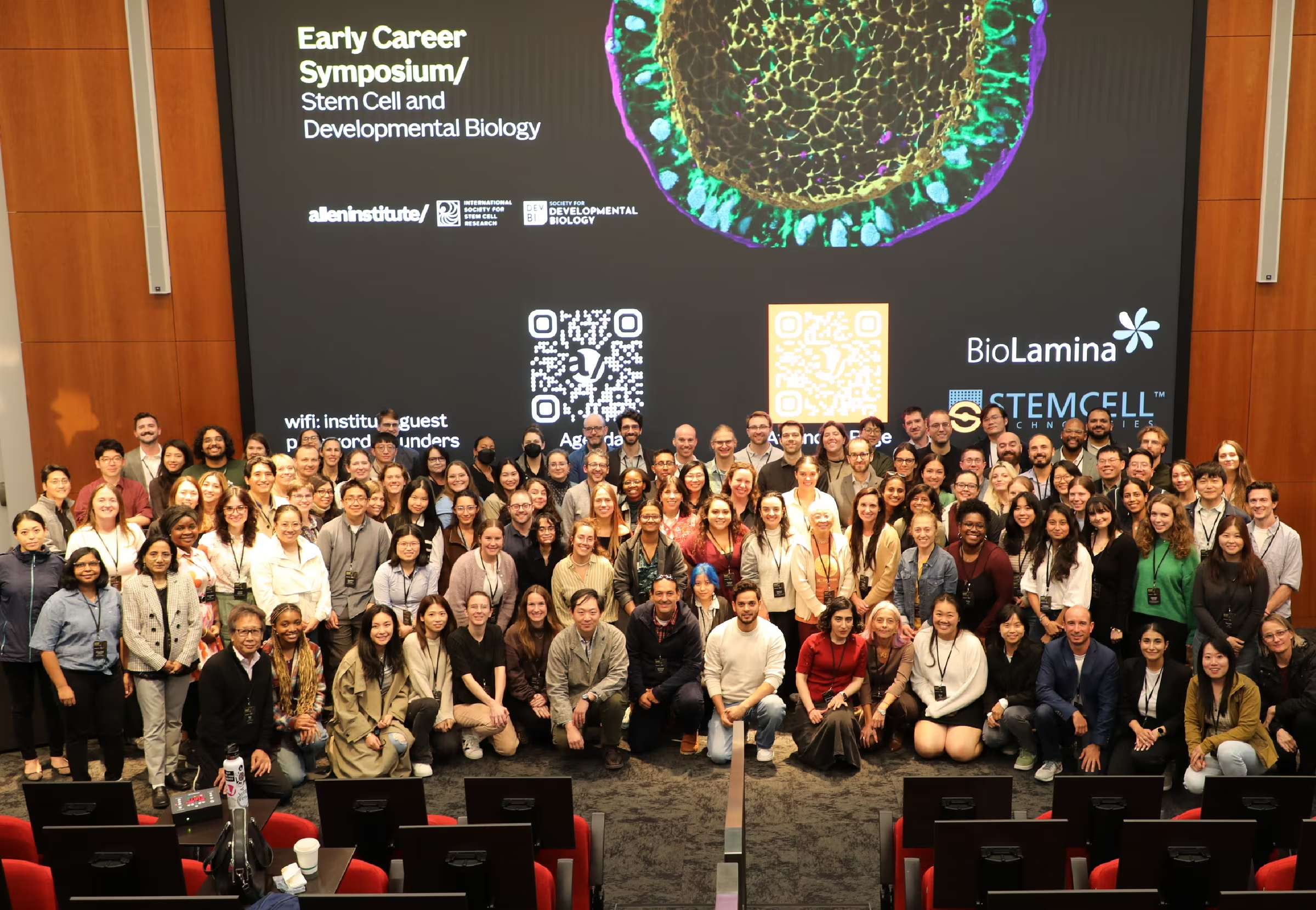

first-of-its-kind stem cell and developmental biology symposium brought more than just science
Aspiring researchers learned that what happens outside the lab can be just as important as what happens within it
cell science
news
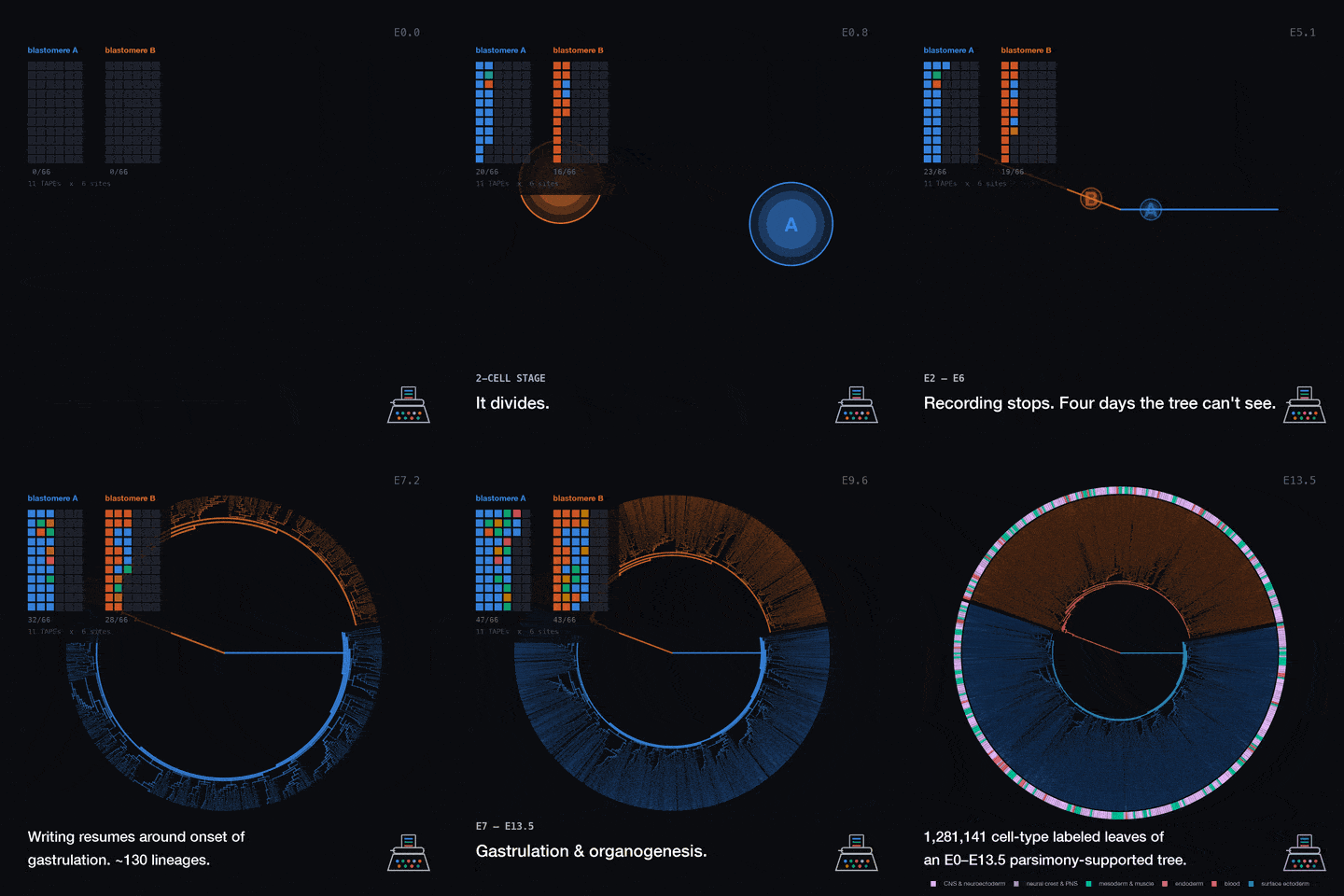
from a single cell to 1.2 million: scientists successfully create the largest cellular "family tree" for a mammal
The new findings could provide valuable insights into birth defects and cancer
No items found.
news
.gif)
mapping the motor cortex – where movement begins
New study provides the most detailed look at the brain region that controls movement and could help fight diseases like ALS and dementia
No items found.
news
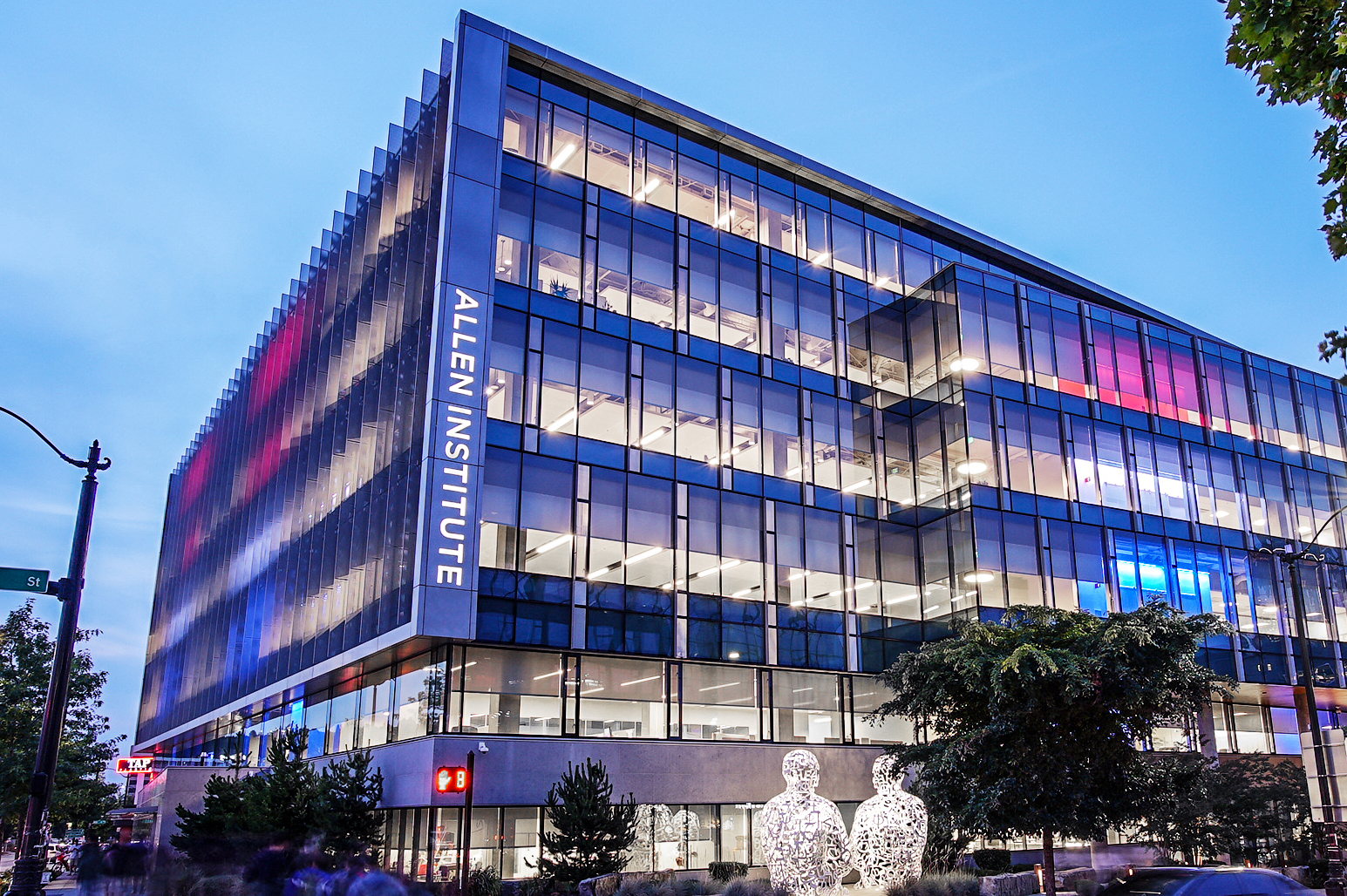
Allen Institute announces 2026 Next Generation Leaders
This year’s researchers bring expertise in computational biology, immunology, neuroscience, and cellular engineering.
No items found.
news
.avif)
out of the blue – and into the rest of the brain
While probing the mysterious “blue place,” scientists discover the longest neuron ever measured in a mouse and new insights into how the brain learns
neural dynamics
news
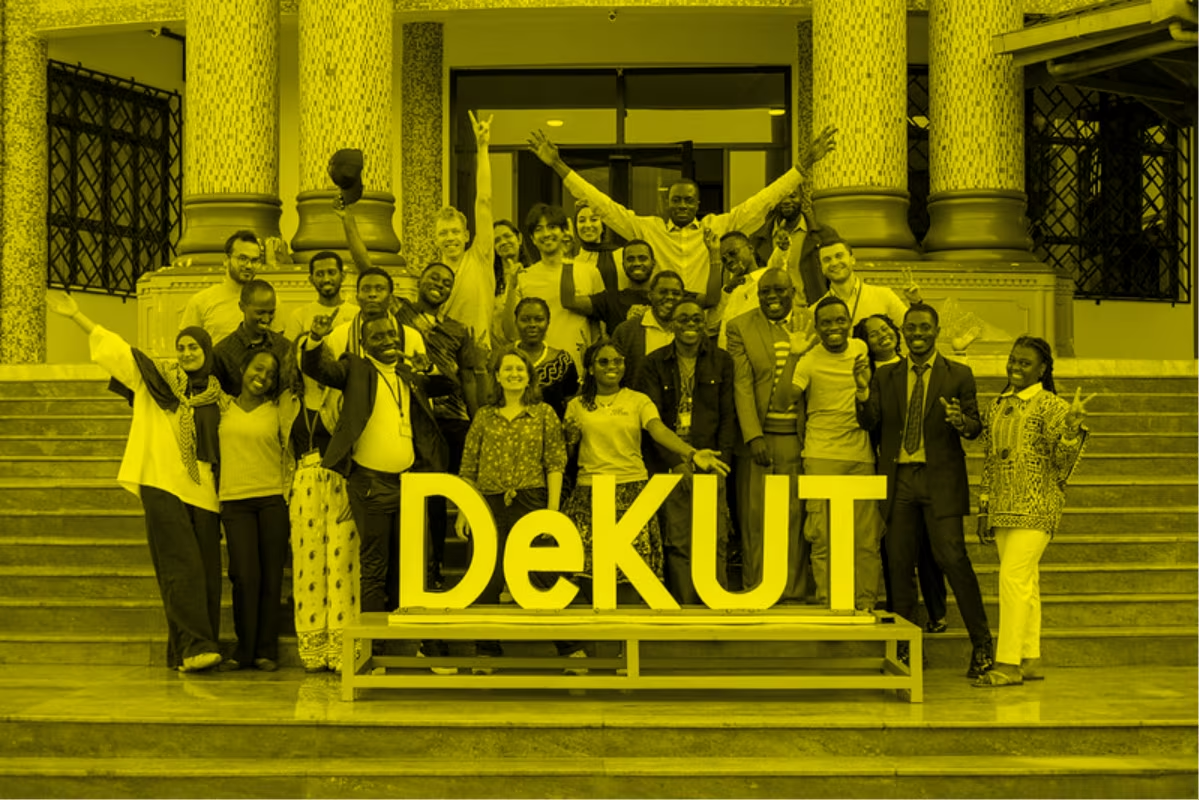
paying it forward: spreading science throughout Africa
A program supported by the Allen Institute is catalyzing learning, community, and helping to nurture the next generation of scientists
No items found.
news
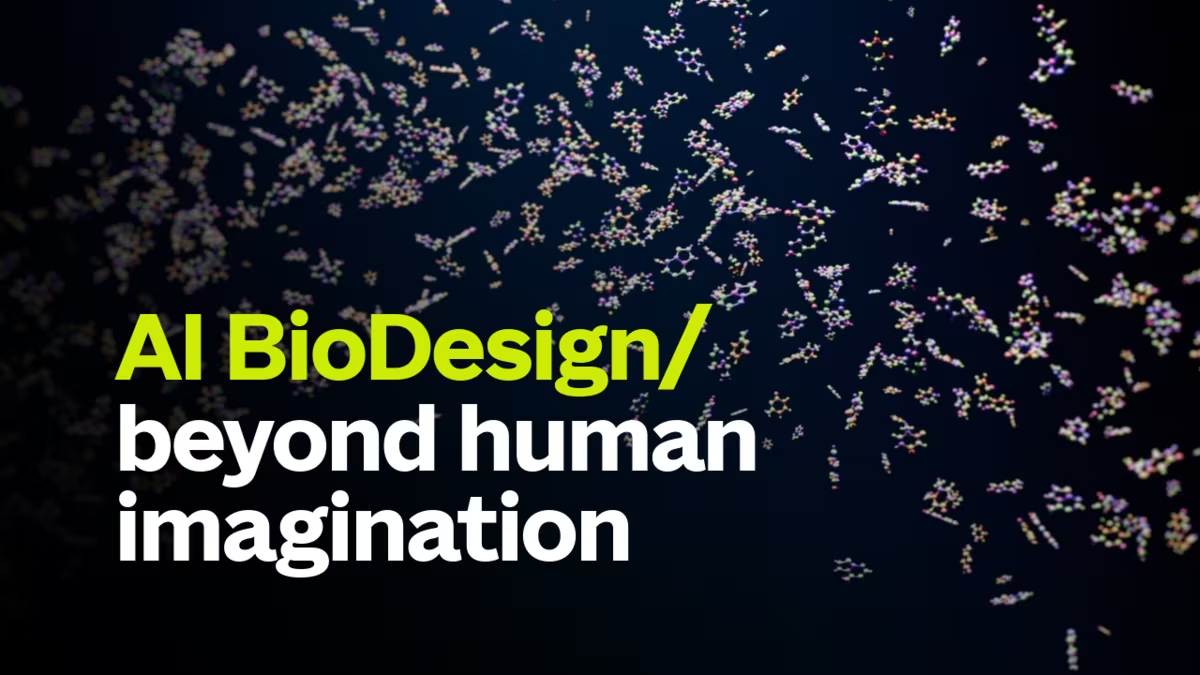

AI BioDesign: advancing biology and accelerating evolution
A bold and innovative collaboration between the Allen Institute, Fred Hutch Cancer Center, and the University of Washington, AI BioDesign will engineer and build new biomolecules that don’t exist in nature to help find new treatments for disease.
ai biodesign
video
AI BioDesign accelerator combines experimental biology and artificial intelligence to learn nature’s design rules
Researchers from the Allen Institute, University of Washington, and Fred Hutch Cancer Center, supported by Fund for Science and Technology, will build open AI models, datasets, and tools to accelerate biological design for health, sustainability, and other global challenges
No items found.
news
.avif)
genetics and wiring play a role in Alzheimer’s disease
UC San Francisco study that used Allen Institute’s Human Brain Atlas could lead to better treatments and therapies
No items found.
news
.avif)

the battle within
A scientist’s mission to conquer the disease that may one day conquer him
No items found.
multimedia

load more stories
1 / 38
No results found, try reducing your search parameters.
press & media contact
Get in touch for media inquiries and resources for covering science at the scale of greatest impact.
Thank you! Your submission has been received!
Oops! Something went wrong while submitting the form.




70cm axon, 35,000 neurons, 400,000 cells: Researchers map brain’s ‘blue place'
Scientists have mapped the locus coeruleus in unprecedented detail, revealing that it operates like a targeted postal network rather than a loudspeaker, sending norepinephrine to specific brain regions.


.png)


Seattle scientists launch $95 million AI biology effort
The Allen Institute, University of Washington, and Fred Hutch Cancer Center are launching a $95 million effort to use AI to design biology that doesn’t exist in nature. Called AI BioDesign and led scientifically by Nobel laureate David Baker and genome scientist Jay Shendure, the initiative will use AI models to propose new DNA sequences and biological molecules.

AI learns nature’s code: Allen Institute, UW and Fred Hutch launch $95M open science initiative
Three of Seattle’s top scientific institutions are launching a nearly $95 million research initiative that will generate data and train AI models to design proteins and genes that don’t exist in nature — sharing the results freely to help others develop new medicines and materials.
load more press & media
1 / 46
No results found, try reducing your search parameters.