impact
about
our story
explore our impact
careers and opportunities
join us
open science
sharing science to speed discovery
open science week
celebrating open science
team science
people & teams
discovery is a team effort
allenites
the people who make our work possible
advisors
their input shapes our science
board of directors
they help us fulfill our mission
shanahan foundation fellowship
at the interface of data and neuroscience
next generation leaders
fostering emerging leaders in bioscience
research
overview
our approach
science at the scale of greatest impact
publications
explore our publications
open science
sharing science to speed discovery
science accelerators
brain science
building a blueprint of the brain
cell science
understanding how cells become organs
neural dynamics
revealing the brain’s hidden algorithms
immunology
creating the ultimate immune system reference
synthetic biology
seattle hub for synthetic biology
brain health
accelerating human brain research and disease therapeutics
education
overview
science education
science is for everyone
open science
sharing science speeds discovery
engagement
education resources
real science. real skills.
field trips
experience science where it happens
educator development
empowering educators
news
overview
all news
explore the latest news
podcast
the human stories behind discovery
sign up for our newsletter
stay connected to our science
events
overview
all events
public engagement, workshops, seminars and more
conferences
connect with us
science resources
science resources
allencell.org
allenimmunology.org
allenneuraldynamics.org
brain-bican.org
brain-map.org
microns-explorer.org
impact
back to menu
team science
our story
explore our impact
careers and opportunities
join us
open science
sharing science to speed discovery
open science week
celebrating open science
team science
people & teams
discovery is a team effort
allenites
the people who make our work possible
advisors
their input shapes our science
board of directors
they help us fulfill our mission
shanahan foundation fellowship
at the interface of data and neuroscience
next generation leaders
fostering emerging leaders in bioscience
research
back to menu
overview
our approach
science at the scale of greatest impact
publications
explore our publications
open science
sharing science to speed discovery
science accelerators
brain science
building a blueprint of the brain
cell science
understanding how cells become organs
neural dynamics
revealing the brain’s hidden algorithms
immunology
creating the ultimate immune system reference
synthetic biology
seattle hub for synthetic biology
brain health
accelerating human brain research and disease therapeutics
education
back to menu
overview
science education
science is for everyone
open science
sharing science speeds discovery
engagement
education resources
real science. real skills.
field trips
experience science where it happens
educator development
empowering educators
news
back to menu
overview
all news
explore the latest news
podcast
the human stories behind discovery
newsletter
stay connected to our science
events
back to menu
overview
all events
public engagement, workshops, seminars and more
conferences
connect with us
science resources
back to menu
science resources
allencell.org
allenimmunology.org
allenneuraldynamics.org
brain-bican.org
brain-map.org
microns-explorer.org
Heading
search
news

finding Alzheimer's targets, one cell type at a time

How Shanahan Fellow Iris Stone used her Alzheimer's research and business savvy to chart a path into biotech

August 6, 2026
0 min read
share/
How Shanahan Fellow Iris Stone used her Alzheimer's research and business savvy to chart a path into biotechHow Shanahan Fellow Iris Stone used her Alzheimer's research and business savvy to chart a path into biotech

in this article

table of contents will display on published page only
set h2 to populate the table of contents here

authors

Ed Muir
Sr. Communications Specialist
Amity Addrisi
Senior Communications and Media Relations Specialist

Growing up near Washington, DC, Iris Stone thought she might be a writer or a lawyer and entered college as a government major. But a pivot to physics — which she'd heard described as "a major in problem solving" — set her on a different path, one that eventually led to a PhD in computational neuroscience. That shift, nearly a decade ago, was driven by a deep desire to positively impact human health, a throughline that has guided her path ever since.

"I learned science was more likely to be grounded in facts and truth-seeking," said Stone.

I love research: the continual learning, the meticulous nature of the work, and the opportunity to push the boundaries of what we know. At my core, I'm a very analytical person.‍

What helps set Stone apart is that her drive for solutions has always been matched by an entrepreneurial instinct.  While a full-time student working in a lab, she ran her own writing and research business with up to a dozen subcontractors, producing white papers, blog posts, and proposals on everything from healthcare to the tourism industry in Macau, China. That combination of scientific rigor and business instinct has defined her career ever since.

Stone brought both skills to the Allen Institute as a Shanahan Fellow, a position she learned about from former fellow Ryan Raut. She liked the fellowship's mix of structure and freedom, which was well-suited to her range of interests.

bringing new perspectives to science

"I think it's critical to take your own ideas and bring those to the investigators who are already doing work that they've scoped out over a five- to 10-year period and find alignment between those things," Stone said.

Over three years, she pursued that alignment across several projects. In her first year, she collaborated with scientists in the Allen Institute’s Neural Dynamics accelerator and gene therapy researchers to study the role of neuromodulators during learning in mice that have a genetic similarity to humans with intellectual disabilities like autism. In addition, she and a research assistant developed a tool for tracking and modifying mouse behavior during decision-making tasks.  
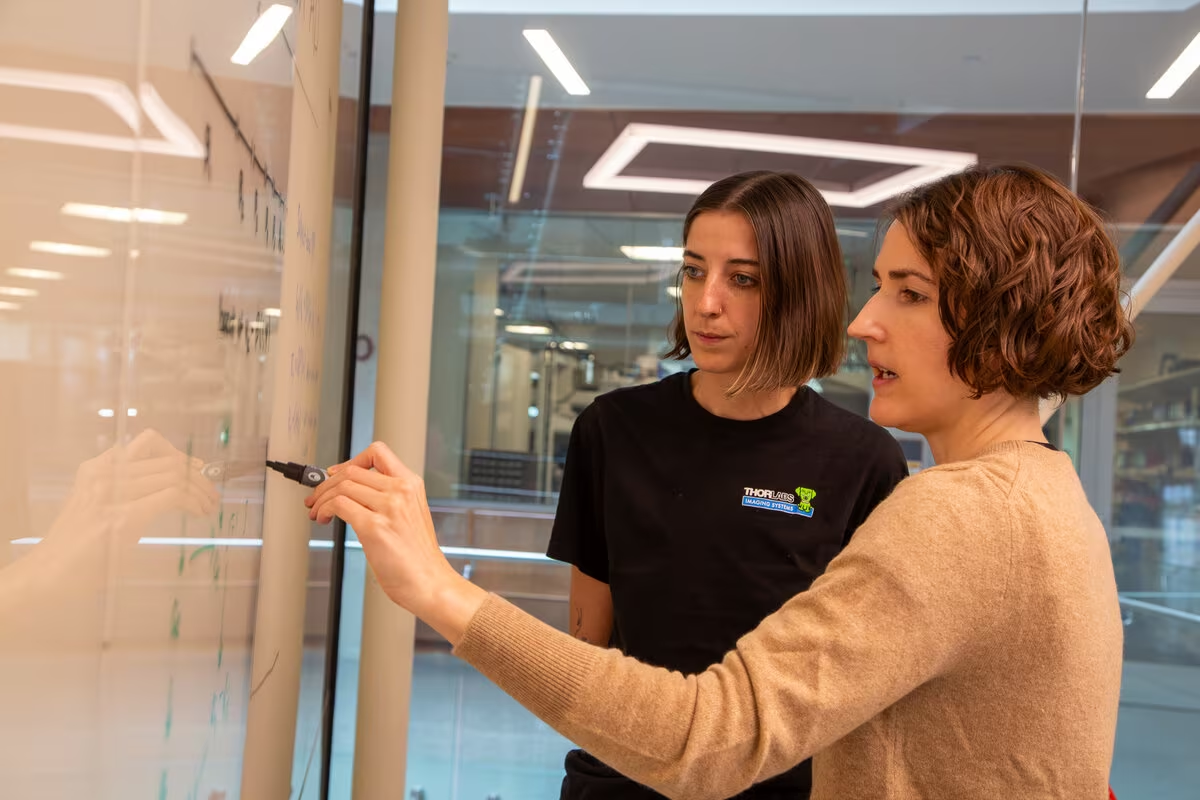
Shanahan Fellow Iris Stone (right) collaborates with scientist Emmie Banks at the Allen Institute. (Credit: Jenny Burns)

More recently, she joined the Seattle Alzheimer's Disease (SEA-AD) Brain Cell Atlas consortium, where she helped develop a deep machine learning method to understand how gene expression changes at the level of specific cell types as Alzheimer's disease progresses.

using neuroscience data to support disease research

"We’re trying to understand the genetic underpinnings of those changes," Stone said. "This type of work is useful for target identification. The process of finding specific genetic and/or cellular targets for disease-modifying therapies is generally considered the first step in the long pipeline of drug development to get new medicines to patients."

She hopes to publish their findings as an open-source method that researchers can use to identify and validate targets for Alzheimer's and other neurological conditions.

Outside the Institute, Stone continues to bridge science and industry. She has worked as a contract science writer for the Washington Research Foundation, which helps local research institutions license their technologies. Stone also volunteers with Nucleate, a nonprofit that guides early-stage biotech startups emerging from Seattle academic institutions.

At the conclusion of her fellowship, Stone joined Beacon Biosignals, as a Neuroscientist III in External Scientific Programs. The neurotechnology startup develops EEG technology and AI-driven analytics to track changes in brain activity. The company says this precision-medicine work is aimed at transforming how neurological and psychiatric diseases are diagnosed and treated in response to drugs being tested in clinical trials. For Stone, the move also brings her closer to the patients her research aims to help.

"My position is a blend of science, business development, communication, and strategy, a great place for me to be in my career right now." She adds that her work is at the intersection of the fields she cares about most: computational neuroscience, translational medicine, and business development and partnering.

Stone is grateful for the breadth of experience the Shanahan Fellowship gave her, along with a clear philosophy about how to make the most of a nonlinear career path. When she recently shared her new role publicly, she credited the friends and colleagues across the Institute who supported her along the way: “Thanks to many of my friends and colleagues across the institute for your support.”

Looking back, she sees the fellowship not just as a research opportunity, but as a place where she could test ideas, build relationships, and clarify what kind of career she wanted to pursue.

"If you have a flexible mindset and can find pockets of opportunities to discover something worthwhile, then there are a lot of advantages to that."

‍

Citations
No items found.

about the allen institute

Allen Institute is a 501(c)(3) nonprofit medical research organization dedicated to accelerating science for a healthier world. Through large-scale, multidisciplinary research initiatives, the Institute generates foundational knowledge, data, tools, and models that are shared openly with the world to advance our understanding of life and health. Founded by Jody Allen and the late Paul G. Allen, Allen Institute is supported primarily by the Fund for Science and Technology.

related news

all news
news
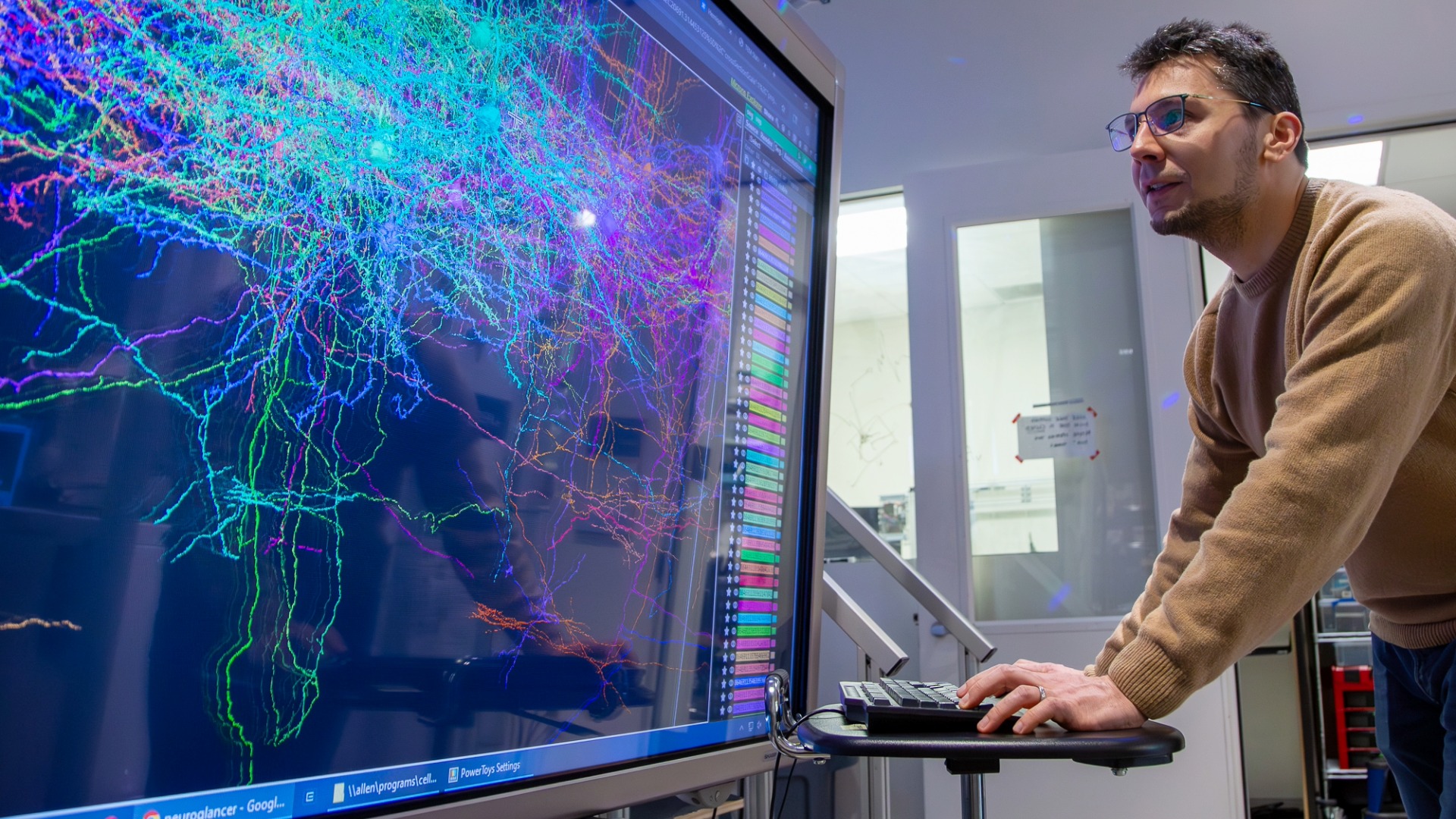
developing AI models that learn like a real brain
Shanahan Fellow Denis Turcu is using the world's most detailed brain map to rewrite how machines learn
news
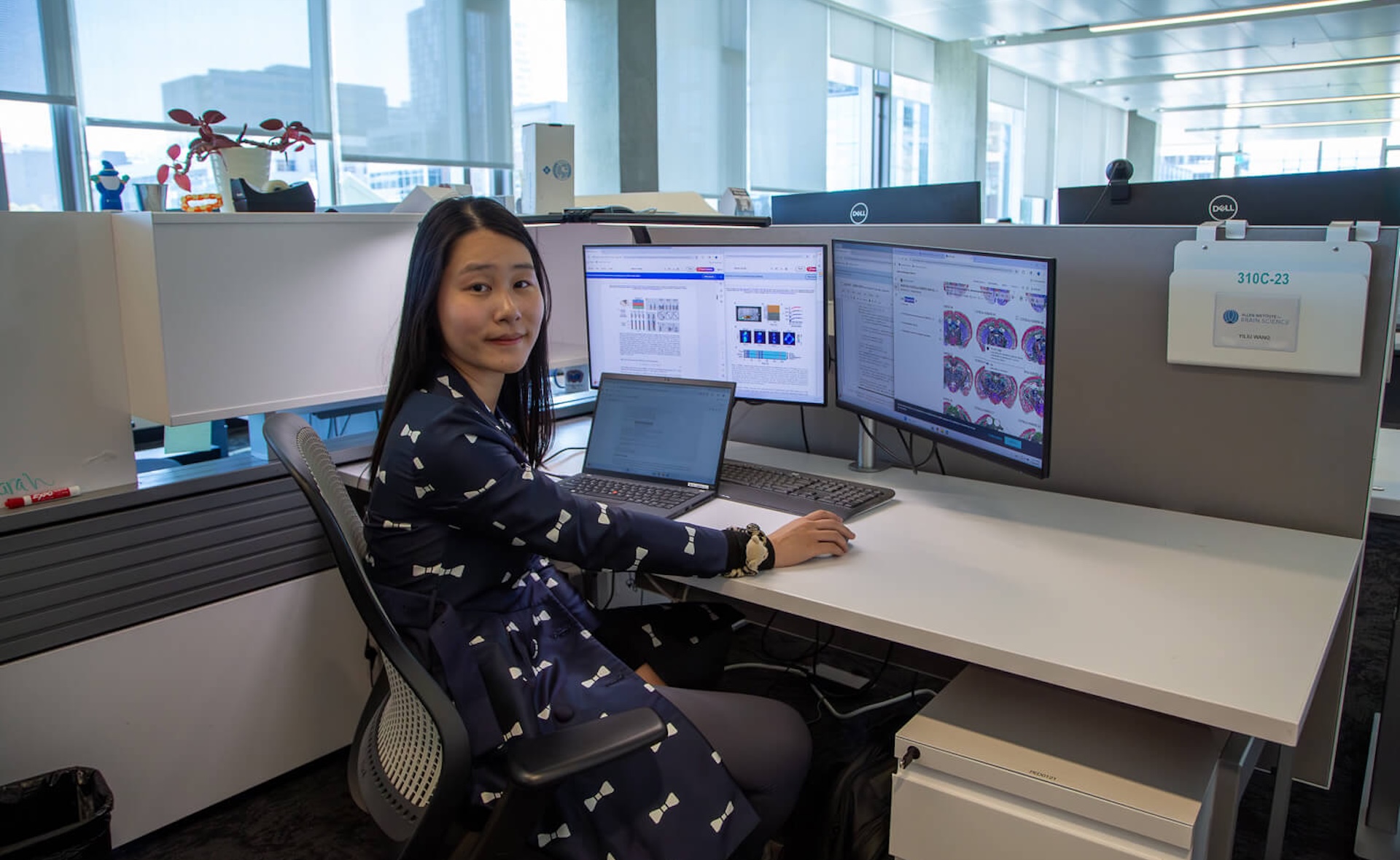
making connections
How Yiliu Wang's found her place in neuroscience during the Shanahan Fellowship.
news
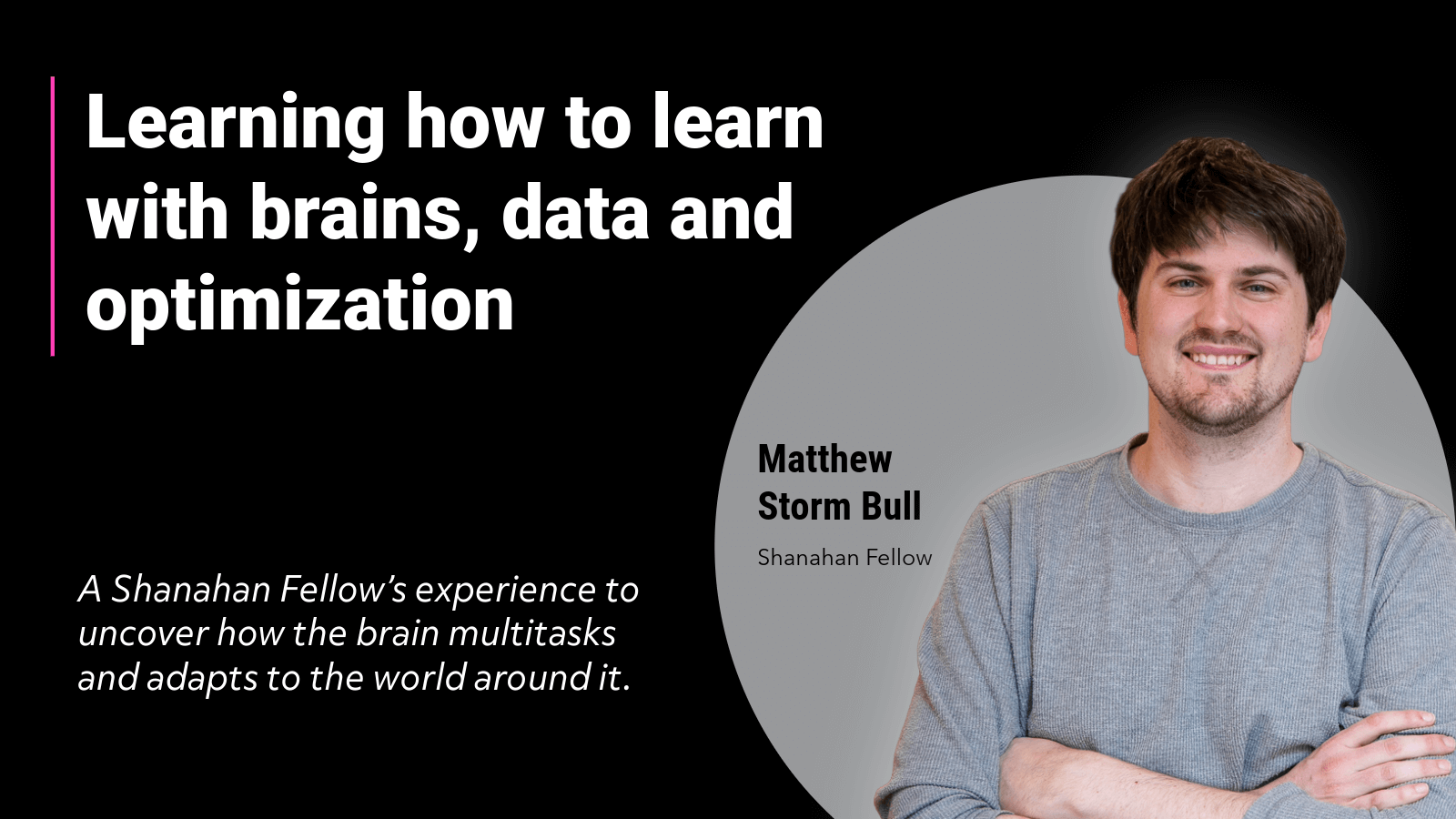
learning how to learn with brains, data and optimization
A Shanahan Fellow’s experience to uncover how the brain multitasks and adapts to the world around it.
news
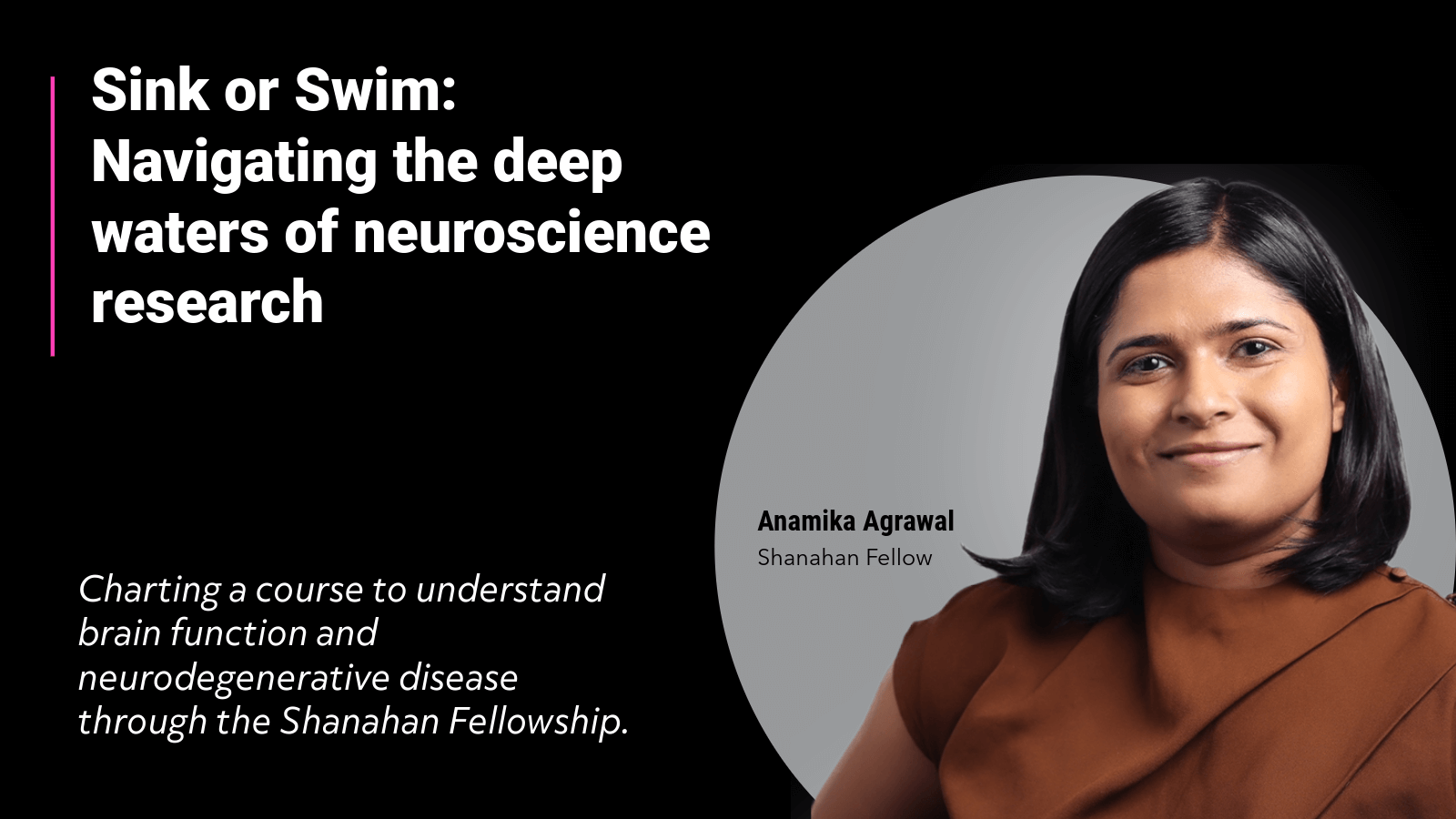
Sink or Swim: Navigating the deep waters of neuroscience research
Charting a course to understand brain function and neurodegenerative disease through the Shanahan Fellowship.
news
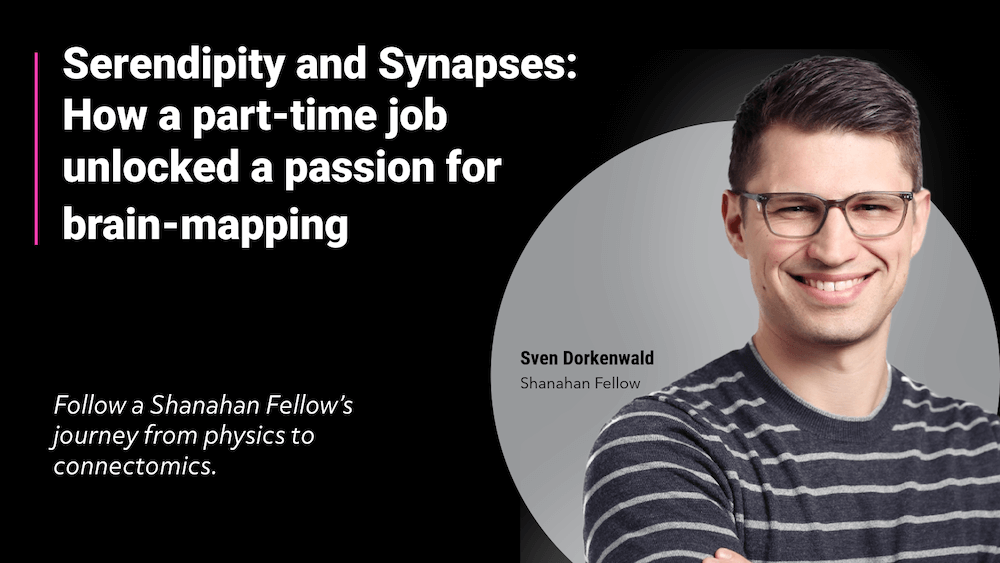
Serendipity and Synapses: How a part-time job unlocked a passion for brain-mapping
For Sven Dorkenwald, Ph.D., mapping the brain's connections was more than a job; it became a passion sparked by a simple twist of fate.
news
From Midwest to Mentorship: A Scientist’s Full-Circle Journey in Neuroscience
At the Allen Institute, Raut took full advantage of the opportunities and independence provided by the three-year-long Shanahan Foundation Fellowship...
we acceleratedevelopcatalyzeimpact

science done differently. shared openly.

explore our accelerators

brain science

Mapping every cell, connection, and circuit in the brain—openly shared with the world.

cell science

Decoding how cells become tissues, then programming that knowledge into powerful new research tools.

neural dynamics

Revealing the brain's hidden algorithms that transform neural activity into real-world behavior.

immunology

Creating the deepest open reference for the healthy human immune system ever built.

synthetic biology

Engineering cells to record their own histories, transforming how we understand disease over time.

Brain Health

Accelerating human brain research and new therapeutic strategies for neurological conditions

research

Big questions, open answers, and science built to be shared.

education

Inspiring the next generation of scientists through open science resources.

impact

Our science is empowering researchers and advancing health worldwide.
advancing science through open, collaborative research
Get the allen institute newsletter
Stay informed on the latest breakthroughs in neuroscience, bioscience, and AI-driven research.
allen institute
impactpeople & teamscareers & opportunitiesalumnihistory & founder
science resources
allencell.orgallenimmunology.orgallenneuraldynamics.orgbrain-bican.orgbrain-map.orgmicrons-explorer.org
research
brain sciencecell scienceneural dynamicsimmunologysynthetic biologybrain healthpublications
education
science educationfield tripsprofessional developmenteducation resources
quick links
newseventsopen sciencepodcastscience resourceshuman brain donationvisit uscontact
follow us/

allen institute, 615 Westlake Ave North, Seattle, WA 98109 +12065487055

© 0000 allen institute. all rights reserved.
privacy policyterms of usecitation policyemployee portalpolicy & compliancecookie settings