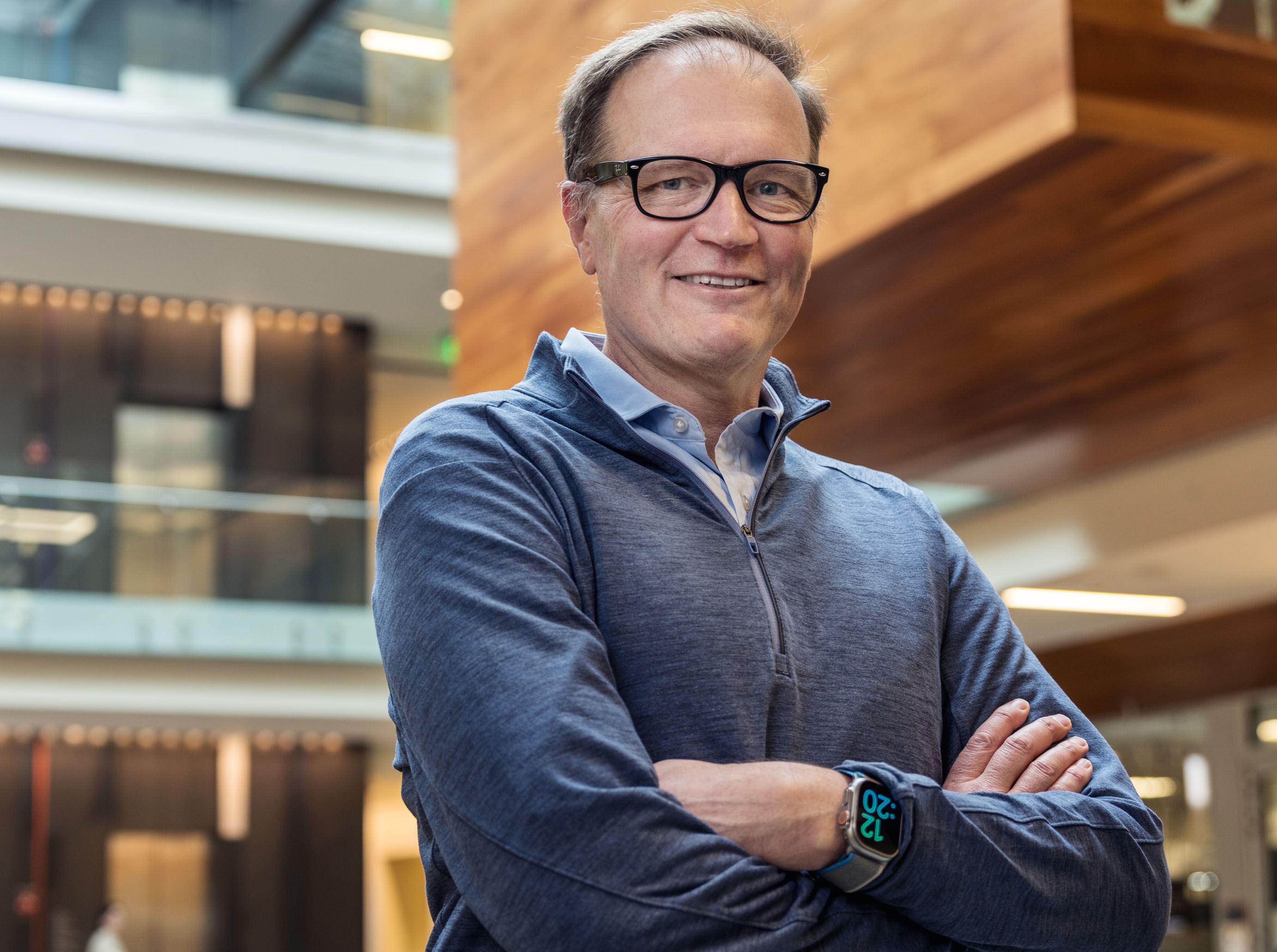

The Washington State Academy of Sciences (WSAS) has recognized Karel Svoboda, Executive Vice President and Director of Neural Dynamics, for his outstanding record of scientific and technical achievements in the field of neuroscience.
Karel is one of 30 scientists and researchers that the Academy honored this month. He is recognized for leading the discovery of how neuronal connections between brain cells and the labyrinth of circuits they form drive complex brain functions like planning and movement. The Society also highlighted Svoboda’s work developing widely used microscopes, molecular tools, and software for cellular imaging in the intact brain
"I am honored to be recognized by the Washington State Academy of Sciences,” Svoboda said. “Washington remains a rare state where science and domain expertise drive critical legislation and policy—for example, in the energy sector. That context makes this recognition that much more meaningful.”
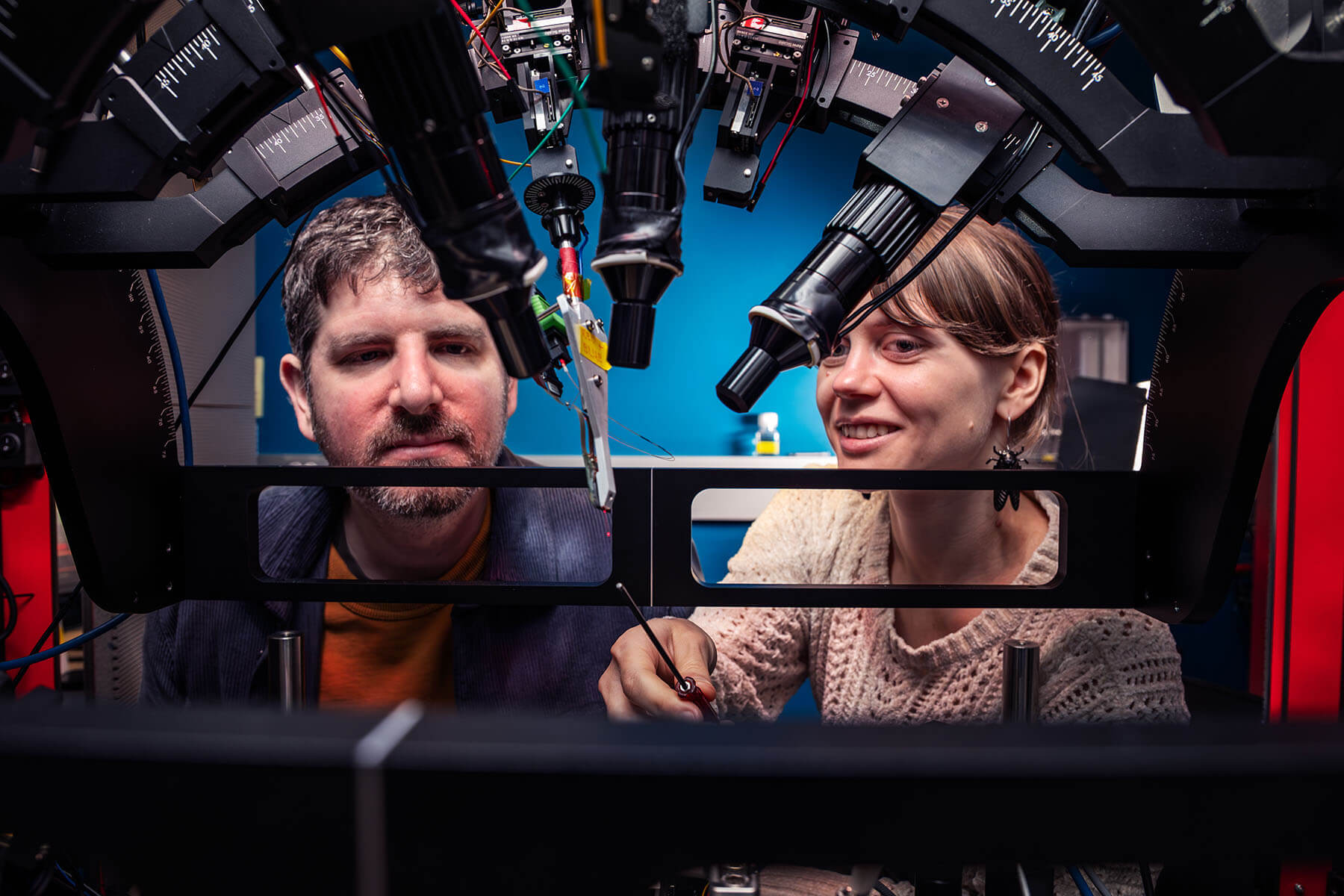
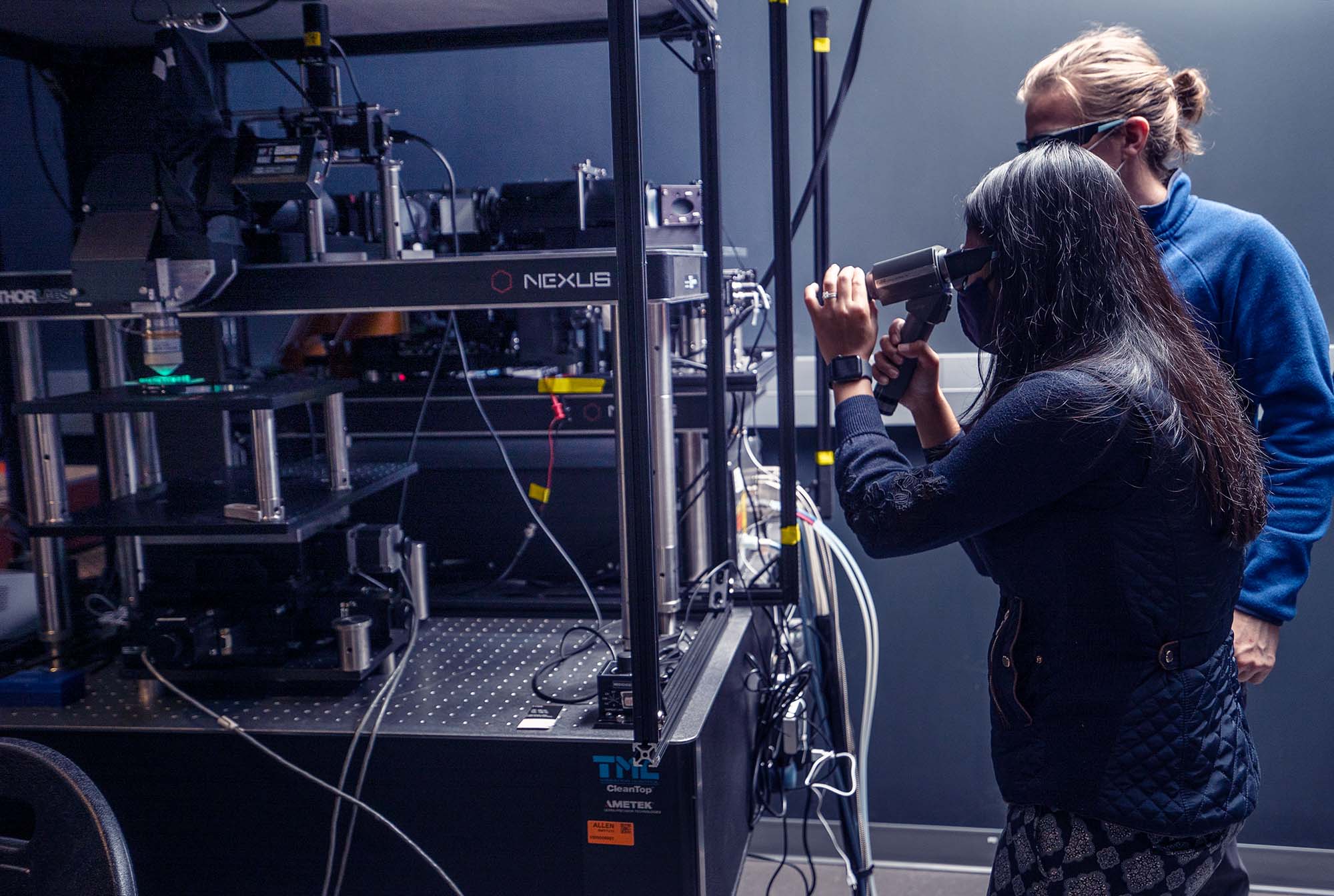

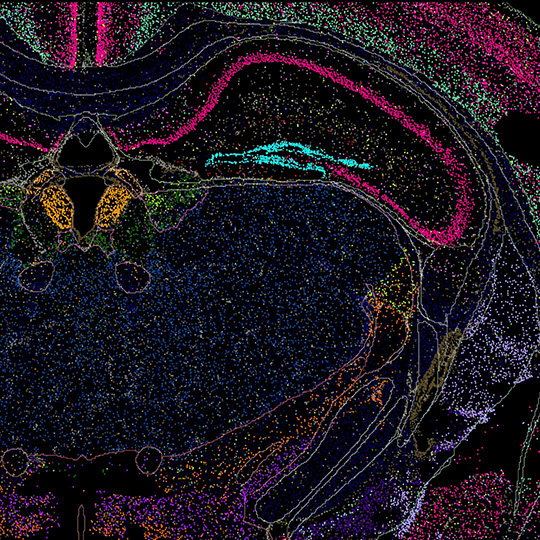
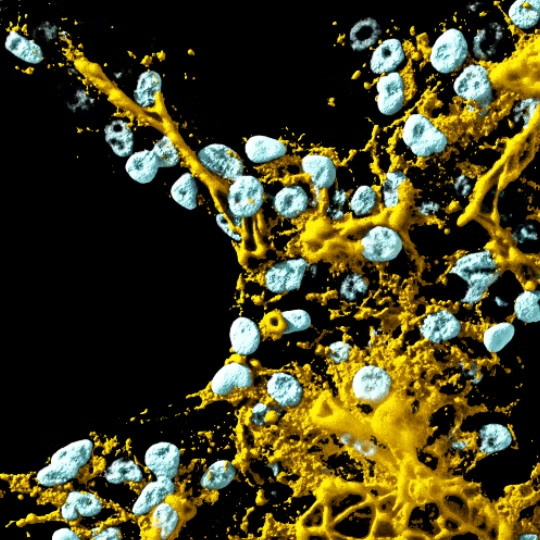
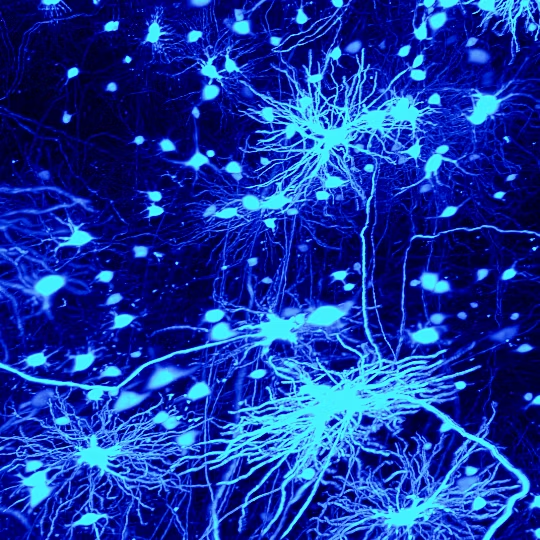
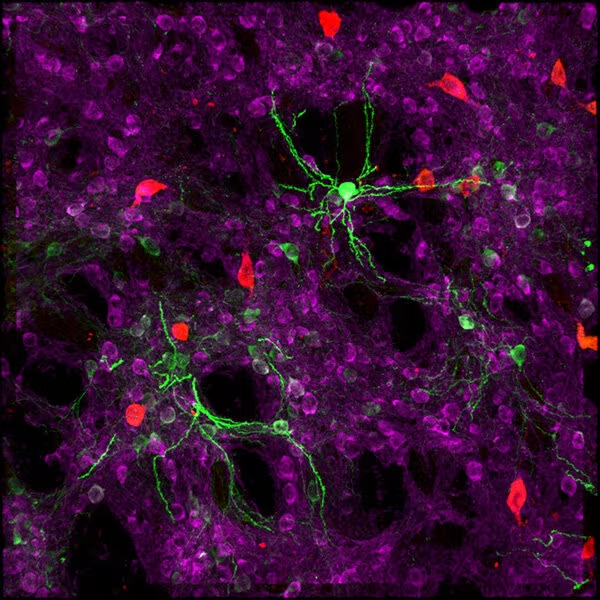
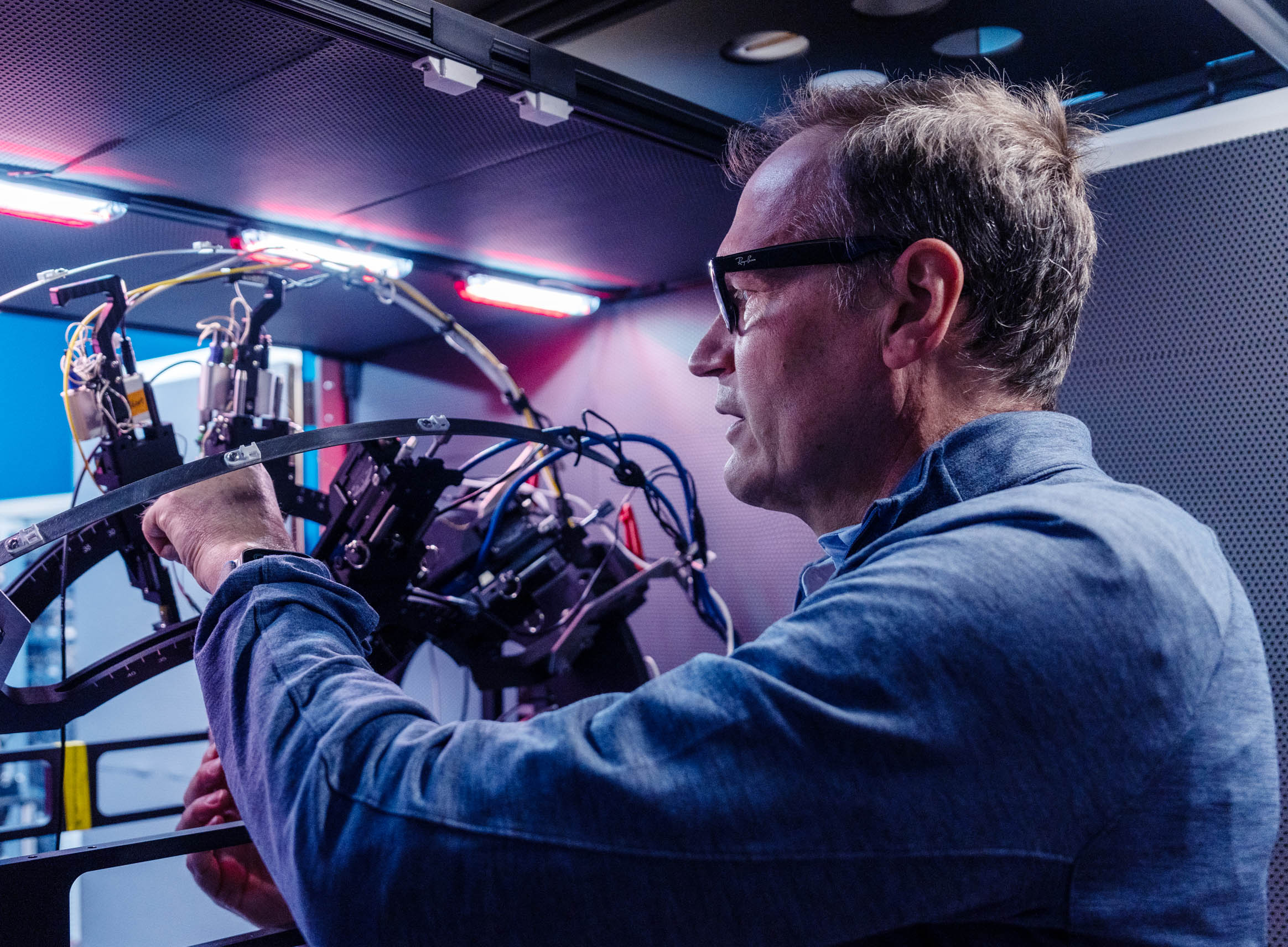
Svoboda’s research lies at the intersection of neuronal biophysics and cognition. His goal is to identify core principles driving information processing in the mammalian brain, and he has developed several widely used methods to analyze neural structure and function in intact brains. Notable contributions include microscopy methods to image synapses during learning, engineered sensitive fluorescent protein sensors for noninvasive imaging of brain activity, and microscopes with very large fields of view that allow scientist to image multiple brain regions in stunning detail (single neuron resolution). Svoboda is also a founder of the Neurodata Without Borders and ScanImage projects.

New members will be inducted at WSAS’s Annual Induction Ceremony and Innovation Showcase at Bell Harbor Conference Center in Seattle on October 8, 2026.
Citations
about the allen institute
Allen Institute is a 501(c)(3) tax exempt organization dedicated to accelerating science for a healthier world. Through large-scale, multidisciplinary research initiatives, the Institute generates foundational knowledge, data, tools, and models that are shared openly with the world to advance our understanding of life and health. Founded by Jody Allen and the late Paul G. Allen, Allen Institute is supported primarily by Fund for Science and Technology.
.avif)