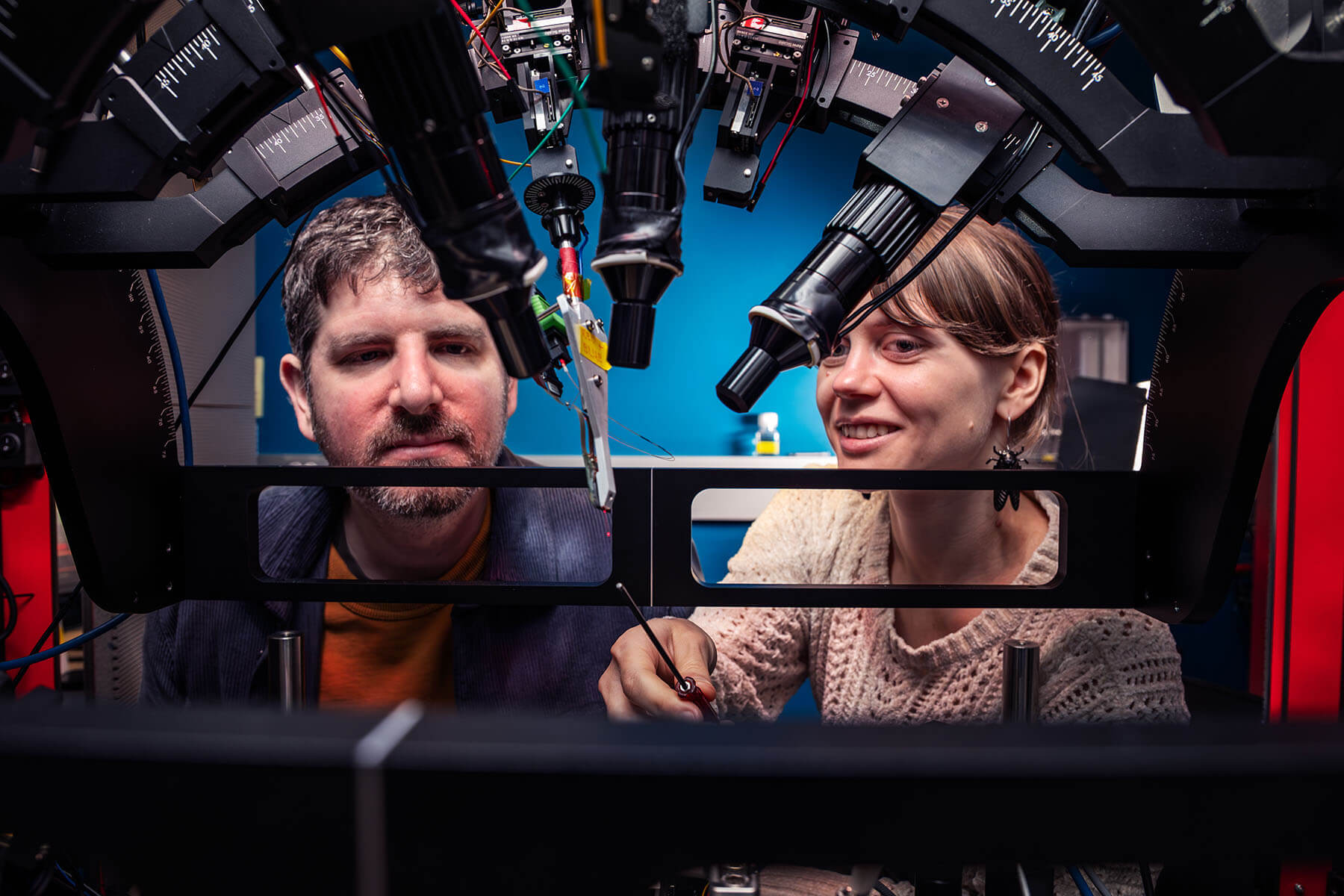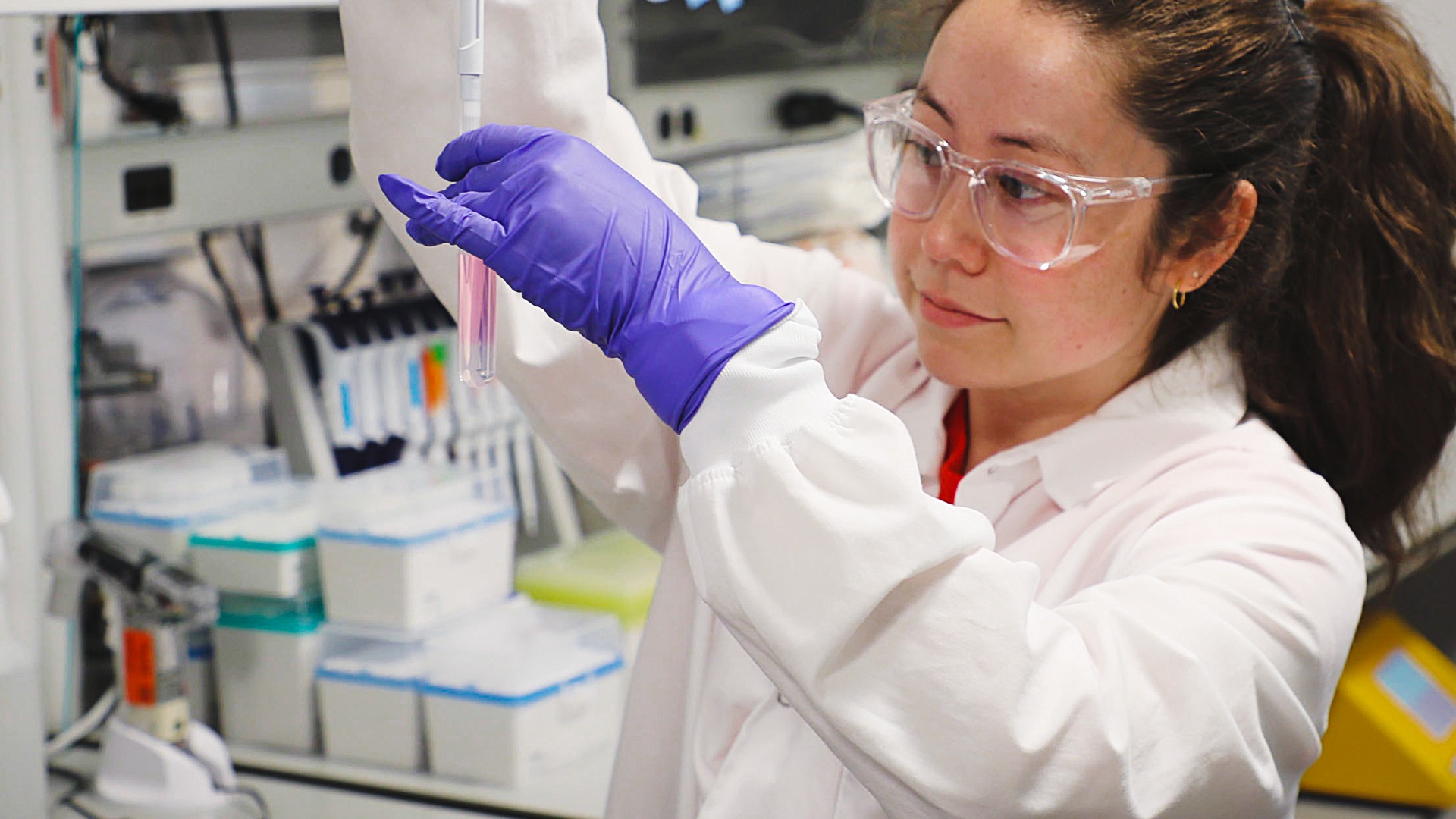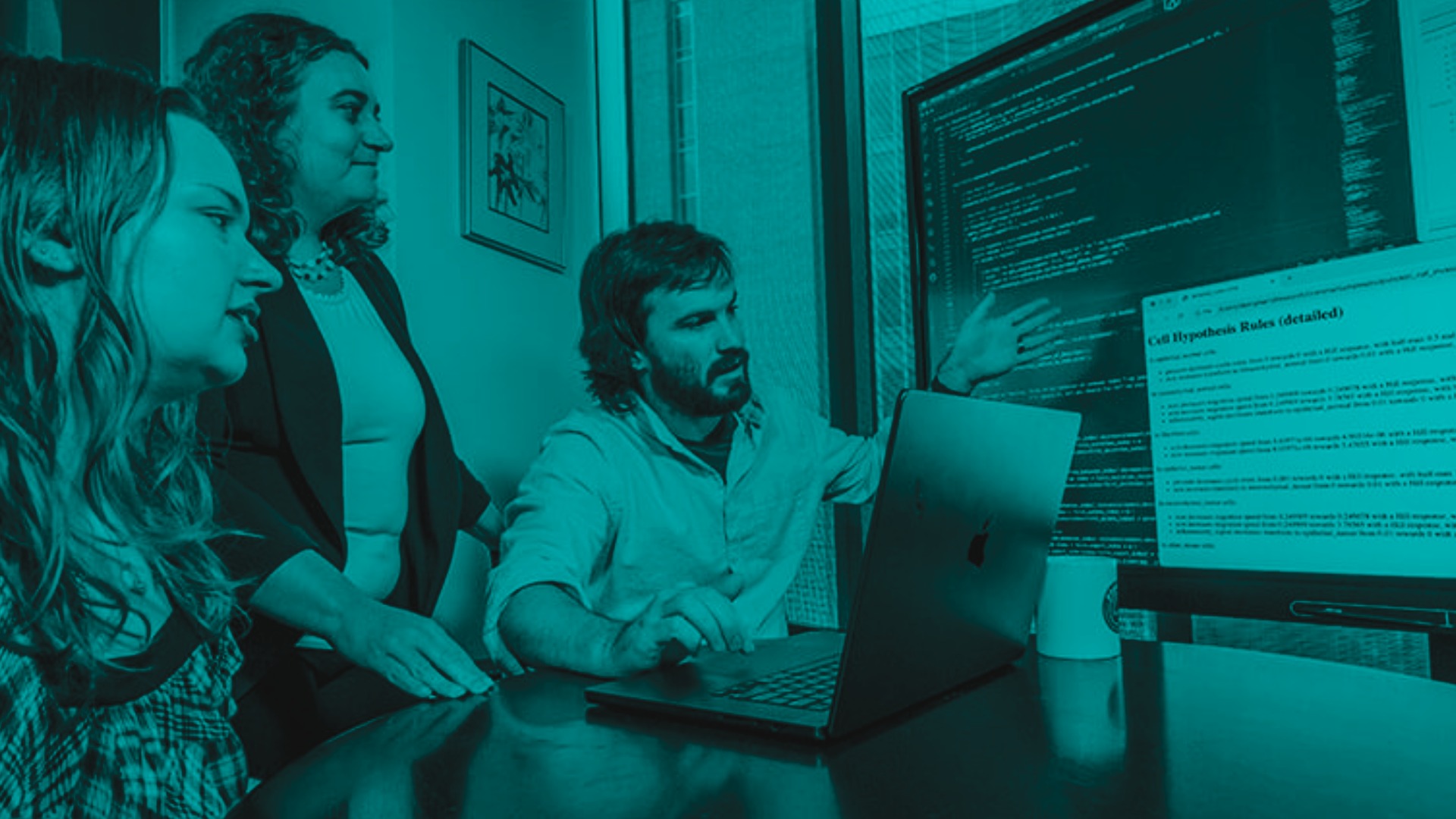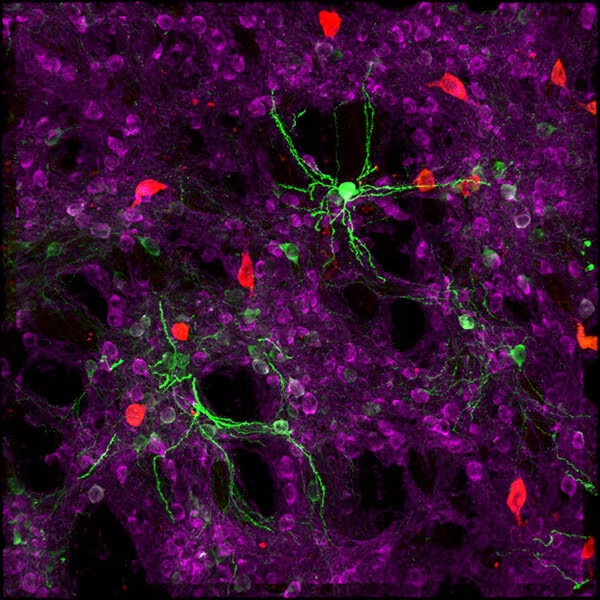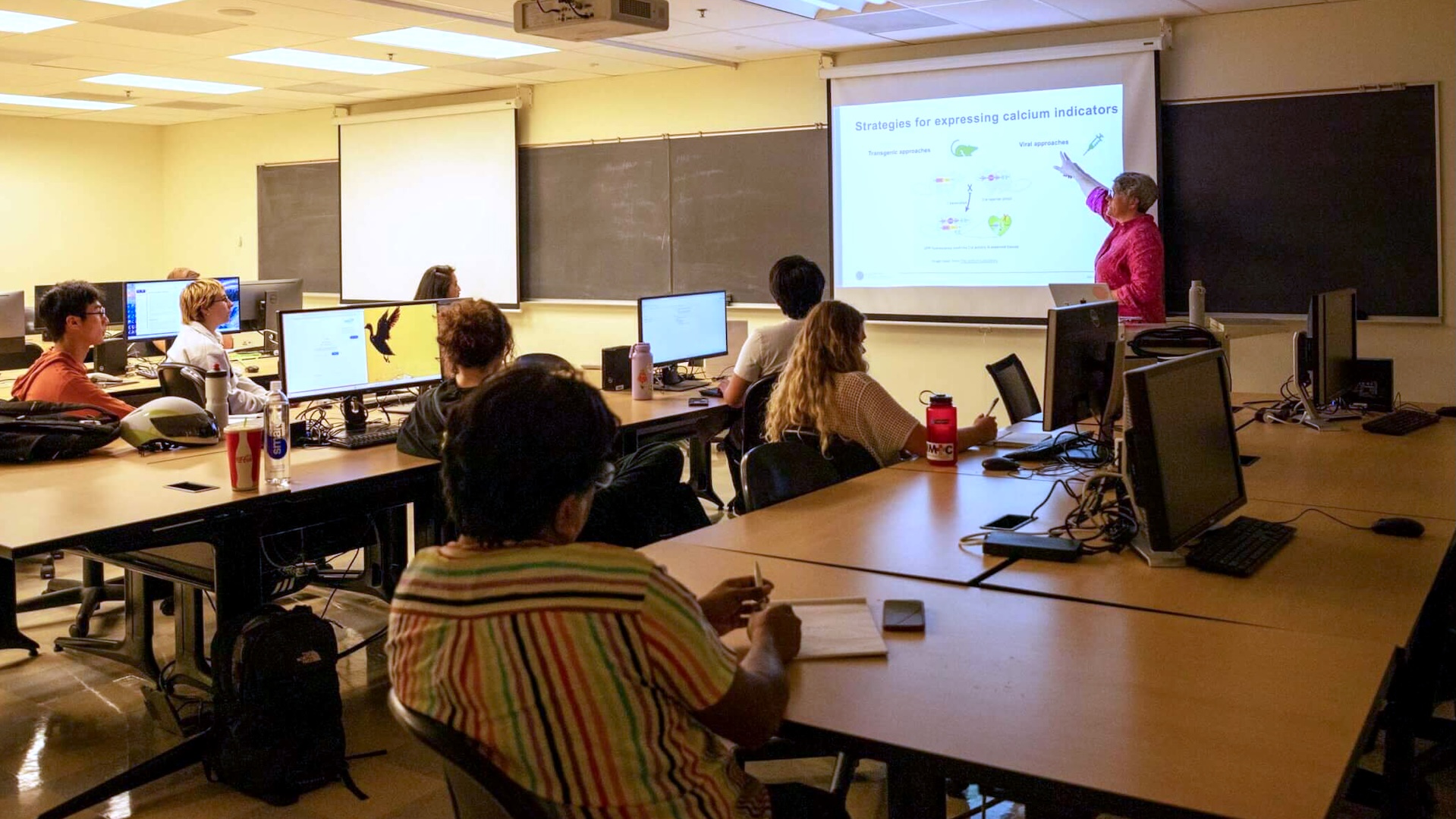

Three weeks of intensive, hands-on neuroscience training by Allen Institute scientists gave students at the University of Puget Sound a glimpse into the future. “We are getting to learn the science that will be in textbooks in a few years,” said Dominique Langevin, a senior at the university. They are part of an advanced neuroscience class being taught, in part, by scientists from the Allen Institute.
The researchers used the Institute’s real-world data and technology to train students on computational neuroscience and data analysis techniques that will be vital for careers in the field. “Research positions are increasingly looking for these skills, and I’m grateful that this course is providing me with the experience that will be relevant to my future career,” said Langevin, who plans on pursuing a Ph.D. in neuroscience and a career in research.
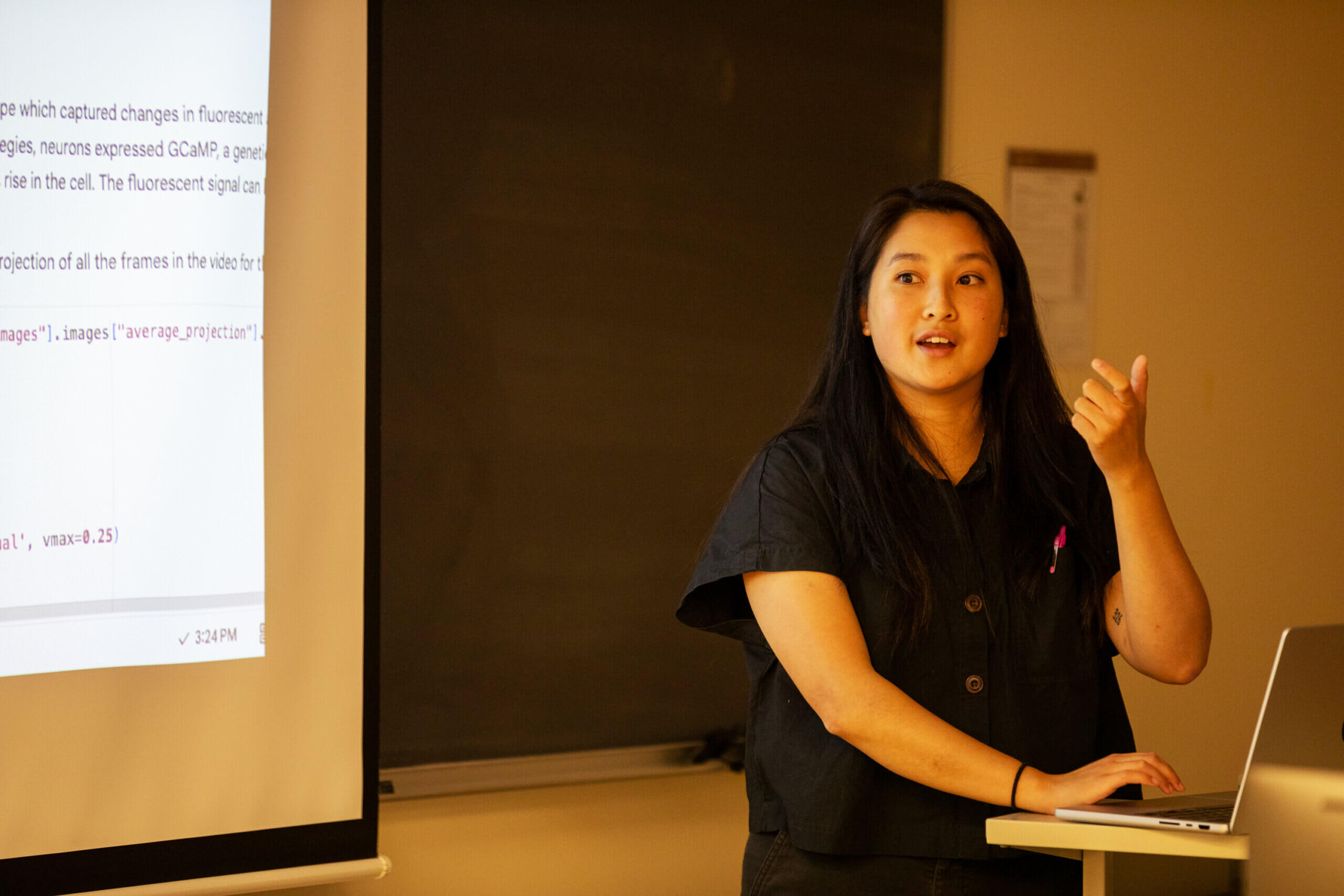
Su-Yee Lee, Ph.D., a scientist at the Allen Institute, demonstrated the versatility and utility of python, an industry-standard coding language, using optical physiology and behavior datasets from the Allen Institute. Students learned how to access and analyze these massive datasets while trying to quantify how correlations in neural activity change before and after a mouse learns a task—advanced concepts and techniques that are preparing students for life in the real scientific world. “Students aren’t just working on a classroom exercise with neat and tidy answers. They’re analyzing data that’s part of ongoing research and that process can be challenging and messy, but adventurous,” said Lee.
Madison Hening is one of the students who rose to that challenge. “My background in research has solely been in a wet lab setting, and I have had minimal experience with coding. This class has inspired me to fill my knowledge gap in computer science. I plan on taking a computer science class in the Spring so that I can better prepare to possibly work at a research institute after graduating.”
For Hening, this goal is personal: Her father was diagnosed with early onset Alzheimer’s and Lewy body dementia (LBD) about a year and a half ago. “As my family has been navigating this new diagnosis, my curiosity towards the biological functioning of the disease and ongoing Alzheimer’s and LBD research has increased greatly,” she said.
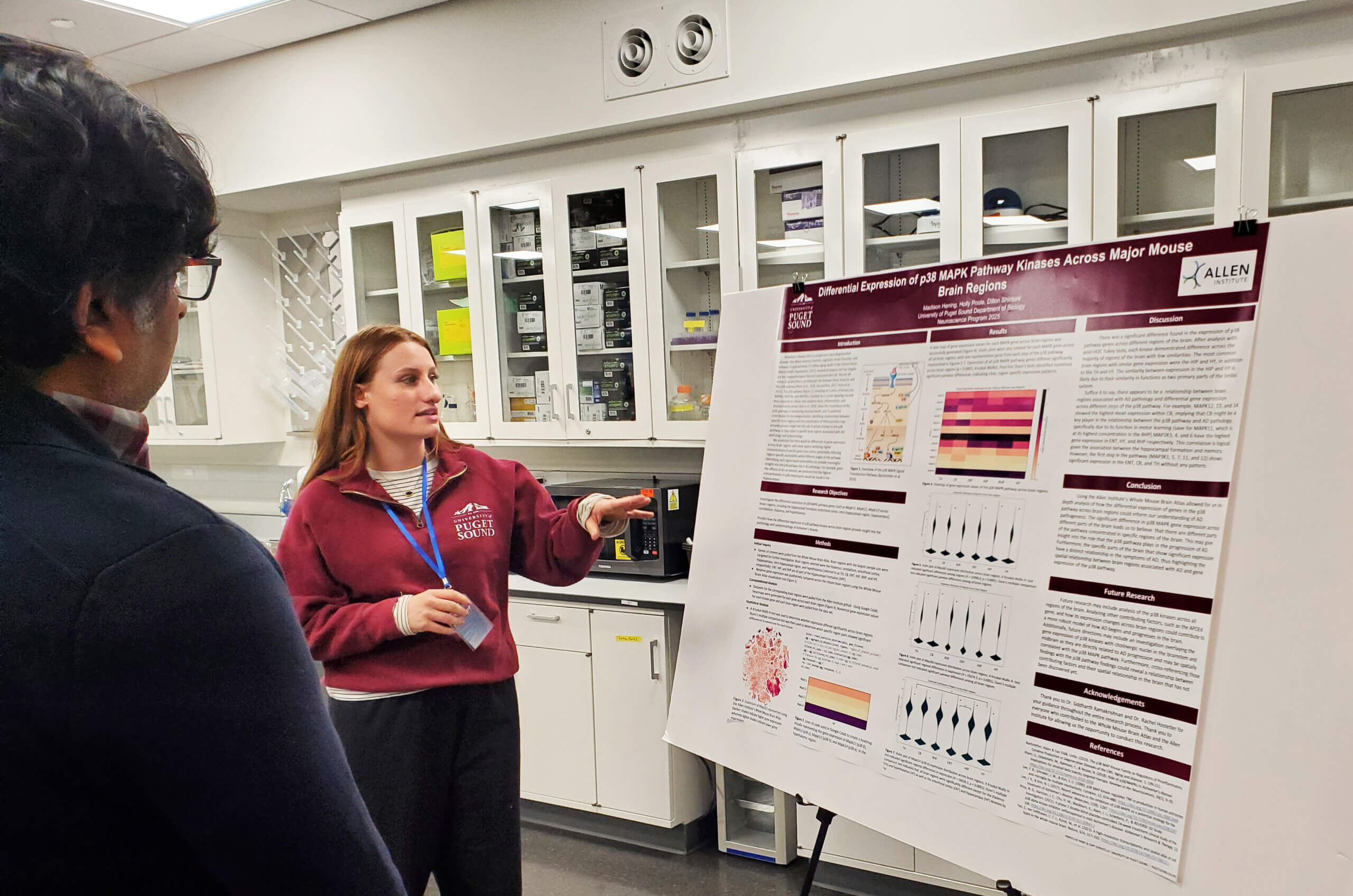
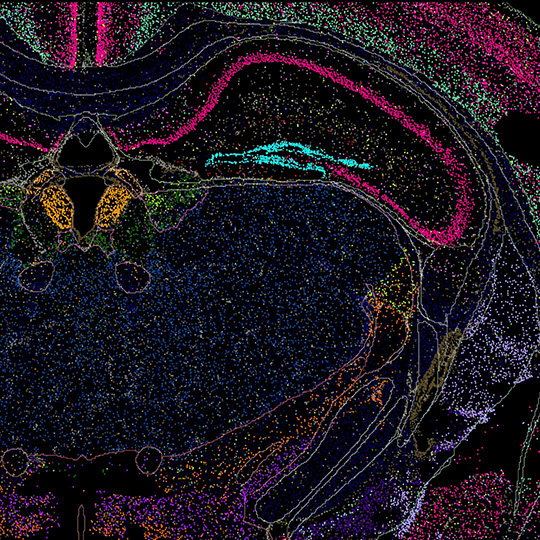
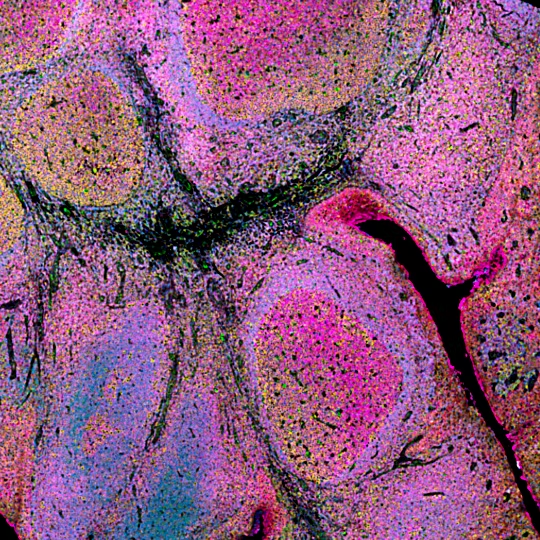
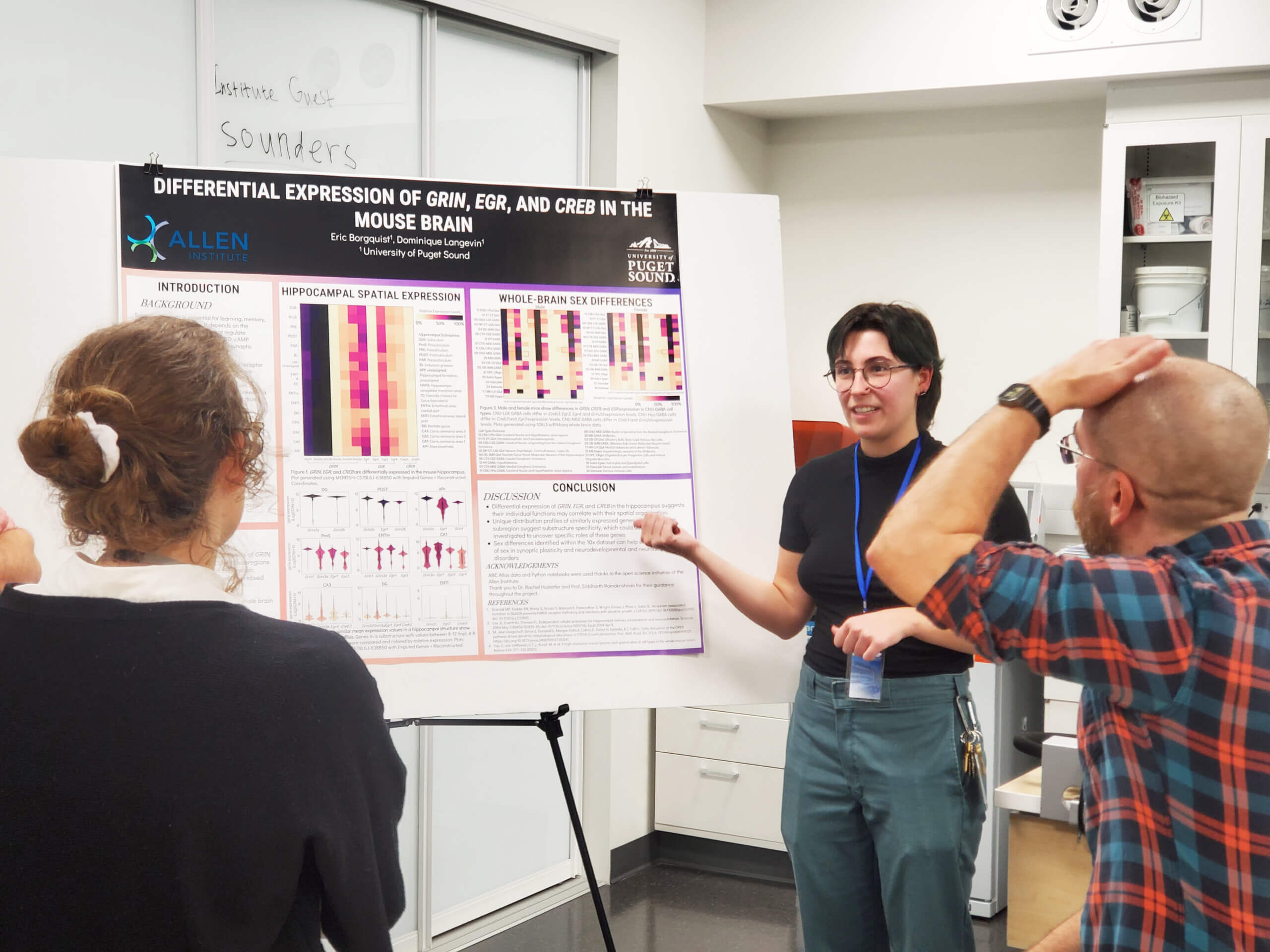
At the end of the 16-week course—three of which involved instruction by Allen Institute scientists—students worked on a final capstone project that they presented at a scientific poster session. Hening’s probed the spatial arrangement of the p38 MAP kinase pathway using the Allen Institute’s Mouse Brain Atlas. “The p38 pathway is linked to Alzheimer’s disease because it is associated with oxidative stress and p38 has been linked to the phosphorylation of tau, one of the mechanisms that contributes to the pathogenesis of Alzheimer’s disease. I chose this topic because my dad, and I feel very passionate about contributing to and investigating research related to the disease and neurodegeneration in general,” said Hening.
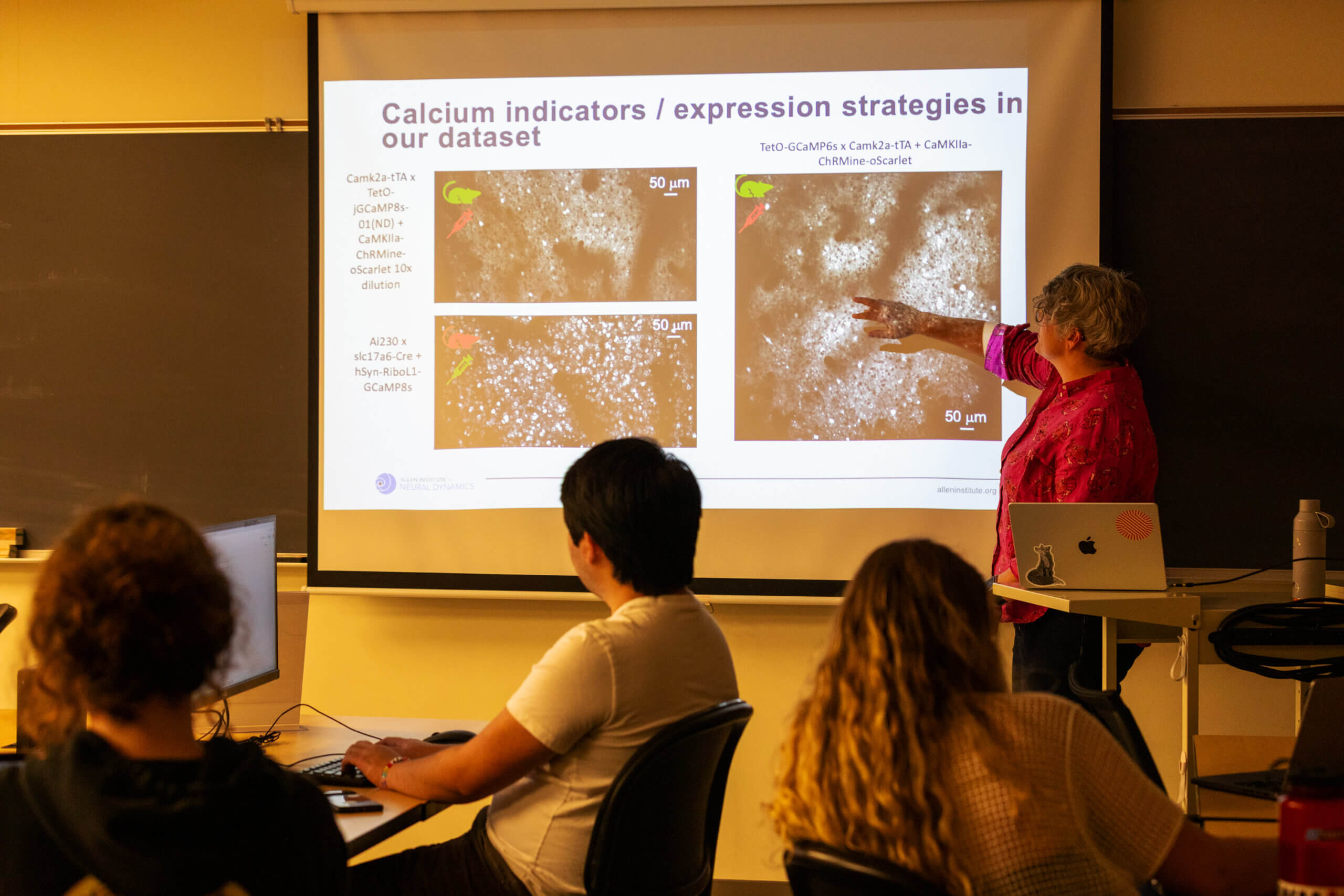
At a time when science is rapidly evolving because of innovations in artificial intelligence and technological advances, learning from working scientists living the current reality is extremely valuable. “Neuroscience is a very broad research field, containing molecular, behavioral, and computational work. I think it’s important to show that there is no ‘one way’ to be a neuroscientist, and that many of us have a variety of interests and skillsets,” said Rachel Hostetler, Ph.D, a scientist at the Allen Institute who also taught part of the course. “I think it’s important for students to be able to ask questions directly to people working in the field and to learn about the day-to-day life of a scientist, and for them to see that scientists work in many environments beyond academia.”
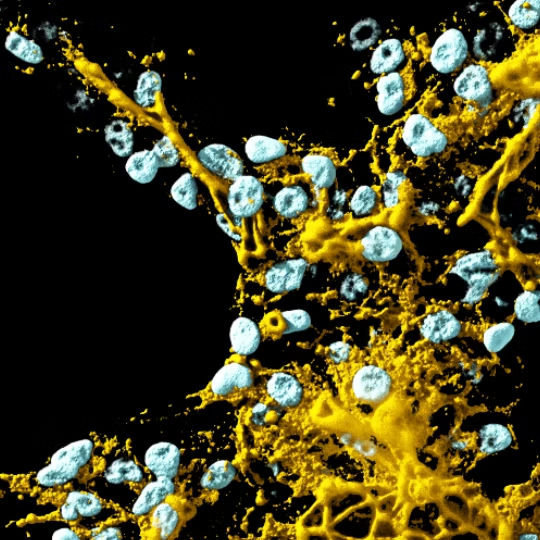
Learning about the brain through cutting-edge tools, techniques, and datasets is also imparting more philosophical lessons that shape views beyond the lab. “I cannot stop telling people about the ‘functional twin’ that was made using the calcium imaging data from the MICrONS dataset. I think it raises interesting questions about mindedness, perception, and artificial phenomenal experiences; and I can’t wait to see how the dataset is expanded,” said Langevin. “I think that studying the cellular and molecular processes of the brain is the best way to bring us closer to understanding our own nature and makes me feel more connected to myself and the world.”
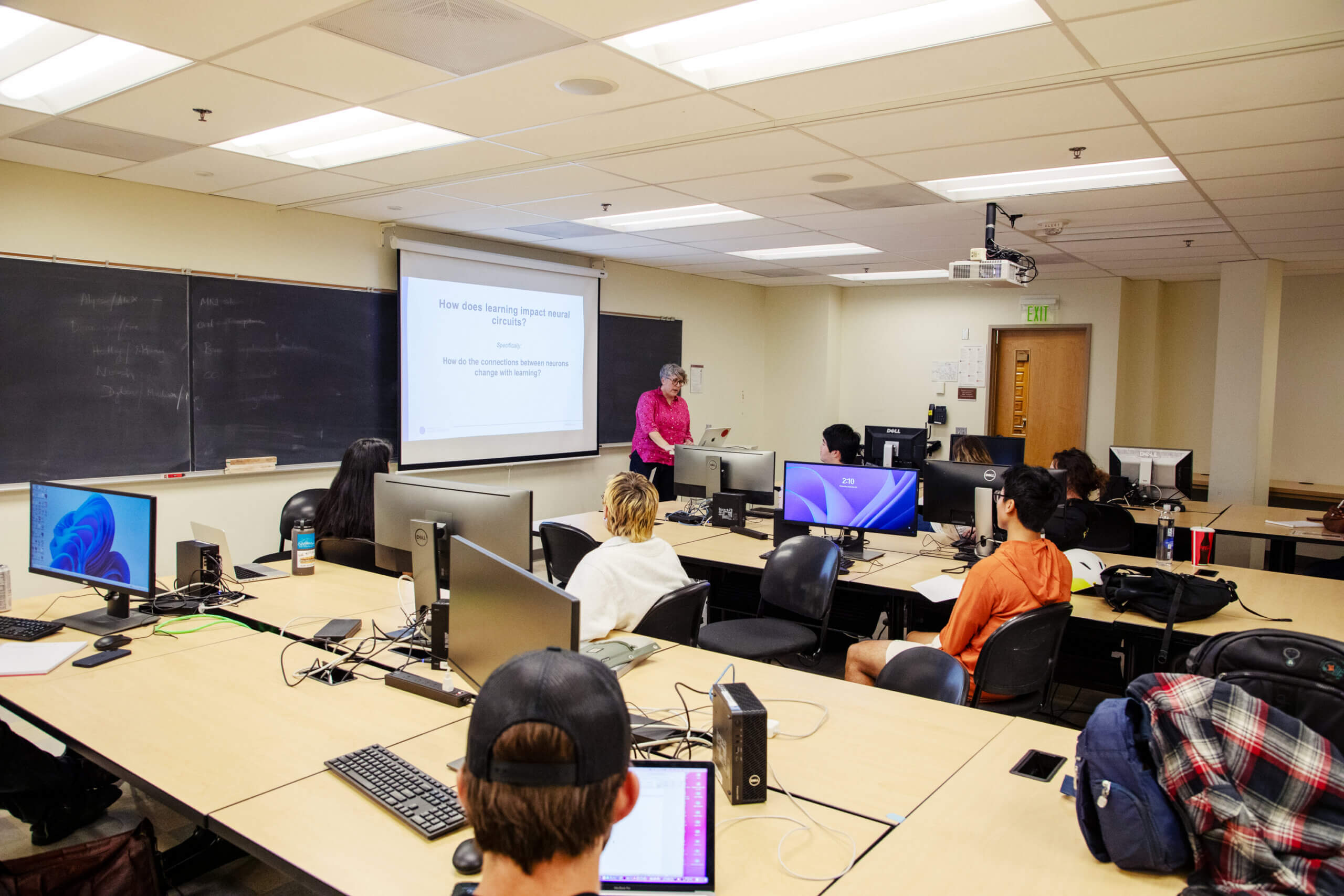
Siddharth Ramakrishnan, Ph.D., neuroscience professor at the University of Puget Sound says the experience also helped students recognize the bigger picture beyond the books and experiments in a way that will advance science for all. “One of the big foresights of the Allen Institute is the open science model and that the data should be open to everybody and everyone should have access to it, which I think is a really big ethical ethos to take actually,” said Ramakrishnan.
“These students will go on to become researchers or medical professionals or scientists and will take that with them that when they design experiments, when they produce things, it should be accessible, it should be open, and they should be sharing it with everyone. Working with this data and working with these researchers will help them realize that yes, it is possible. I don’t have to sit behind a paywall. I don’t have to be constantly competing with everybody. I can actually be collaborating and be open with all the things that I do.”
Citations
about the allen institute
Allen Institute is a 501(c)(3) tax exempt organization dedicated to accelerating science for a healthier world. Through large-scale, multidisciplinary research initiatives, the Institute generates foundational knowledge, data, tools, and models that are shared openly with the world to advance our understanding of life and health. Founded by Jody Allen and the late Paul G. Allen, Allen Institute is supported primarily by Fund for Science and Technology.
.avif)