news
stories from the front lines of discovery
From scientific breakthroughs to new open‑source tools, the Allen Institute’s work is reshaping how science is done—and who it’s for. Explore the latest news, stories, and highlights from across our research, partnerships, and open science efforts.


AI BioDesign accelerator combines experimental biology and artificial intelligence to learn nature’s design rules
Researchers from the Allen Institute, University of Washington, and Fred Hutch Cancer Center, supported by Fund for Science and Technology, will build open AI models, datasets, and tools to accelerate biological design for health, sustainability, and other global challenges
Thank you! Your submission has been received!
Oops! Something went wrong while submitting the form.

finding Alzheimer's targets, one cell type at a time
How Shanahan Fellow Iris Stone used her Alzheimer's research and business savvy to chart a path into biotech
No items found.
news
ketamine increases neuroplasticity in female mice but not in males
The surprising finding could help scientists develop better treatments for depression
brain science
news
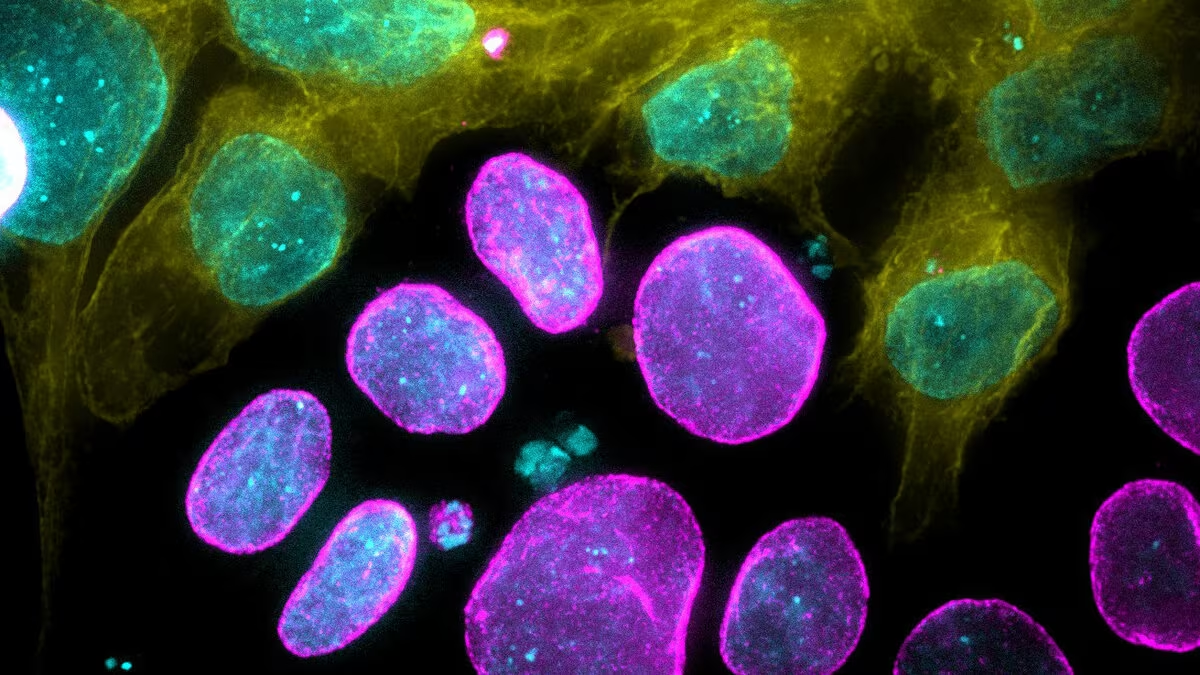
rogue DNA can move from cell to cell and change how they function
Scientists used Allen Institute cell lines to discover an important new way that cells trade genetic material
cell science
news
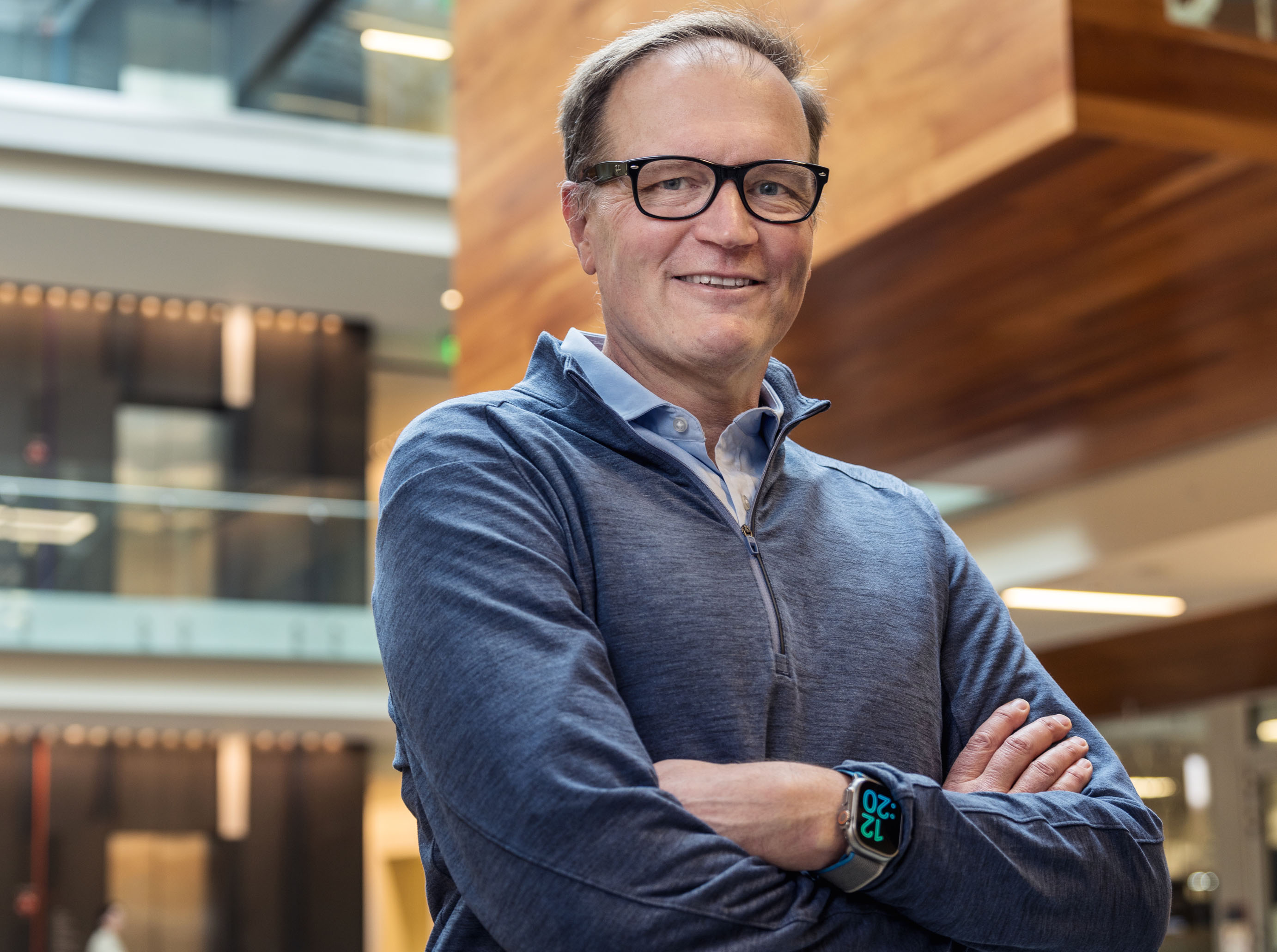
Karel Svoboda elected to the Washington State Academy of Sciences
Svoboda’s work has advanced our understanding of the neural mechanisms of learning, movement, and complex brain behavior
neural dynamics
news


SciShots: amber waves of brain
New video illustrates how neural activity in a mouse brain travels in aesthetically pleasing waves and spirals
brain science
science images
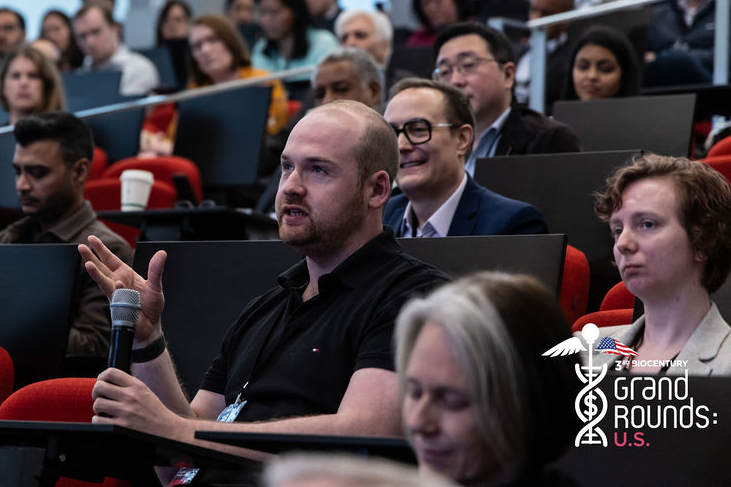
BioCentury Grand Rounds conference highlights importance of big data
The conference hosted Nobel Laureates, researchers, and biotech leaders in Seattle looking to advance better treatments in medicine
synthetic biology
immunology
news
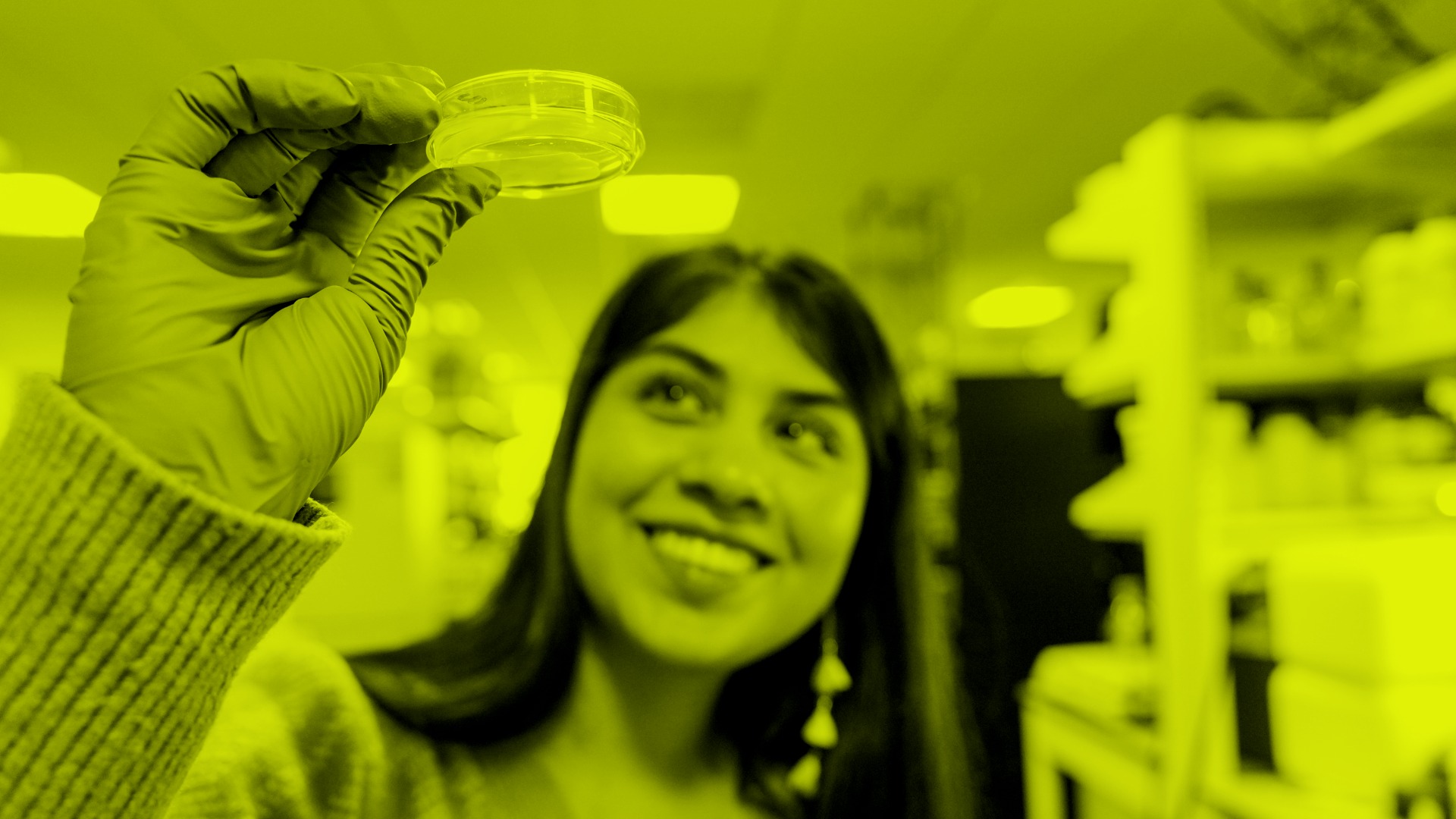
science unites us – come see how
Visit the Allen Institute in south Lake Union for hands-on activities for the whole family
No items found.
news
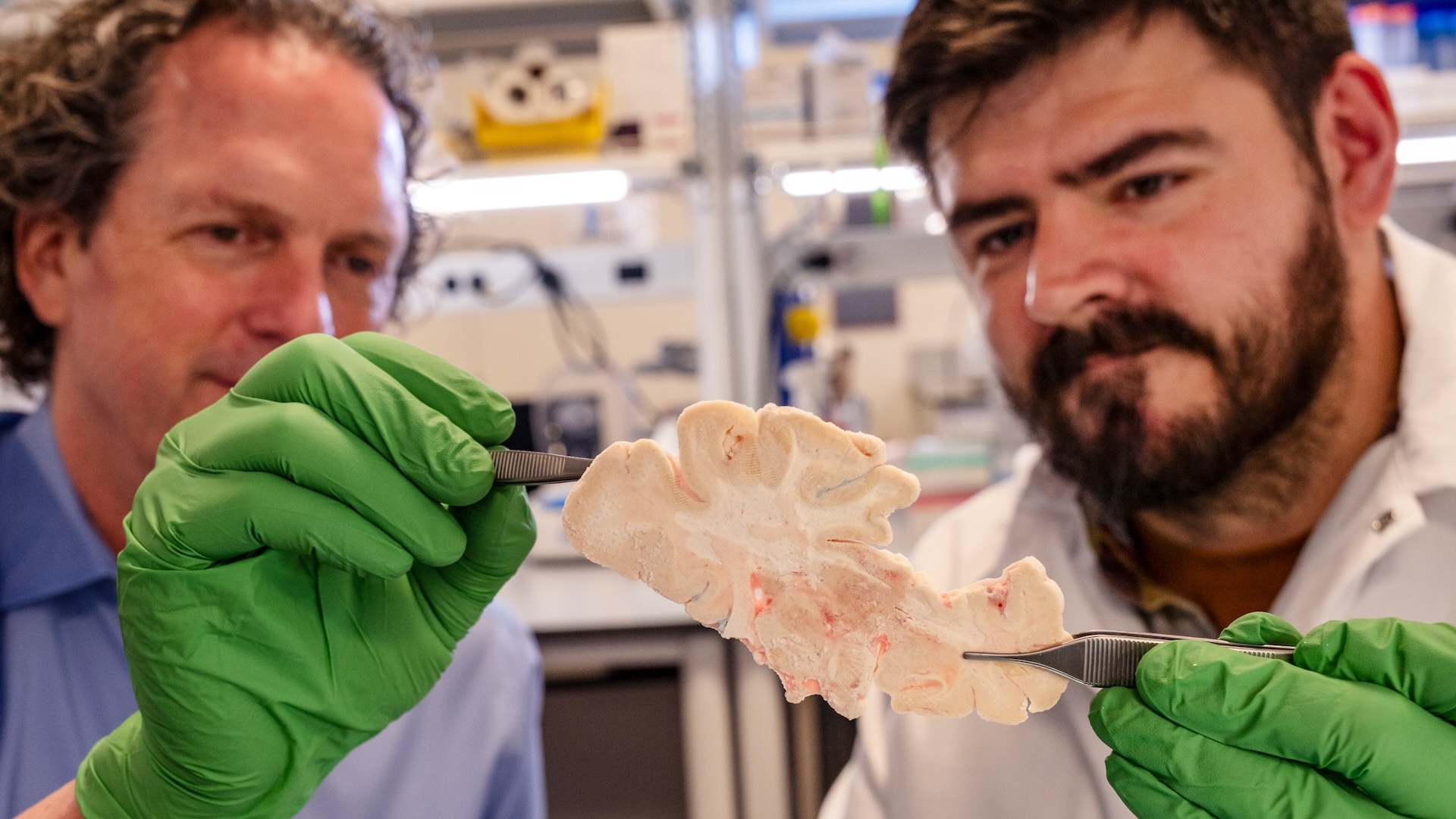
Brain Health accelerator to transform our understanding of brain disorders and develop new treatments
The global collaborative research initiative will initially target Alzheimer’s, Parkinson’s, Huntington’s disease, ALS, and Lewy body dementia
Brain Health
news

Brain Health accelerator: a new way to study brain disease to find new treatments for it
Understanding brings hope—a new global research initiative to understanding the cells and circuits that drive brain disease so researchers can find new ways to rescue them.
Brain Health
video
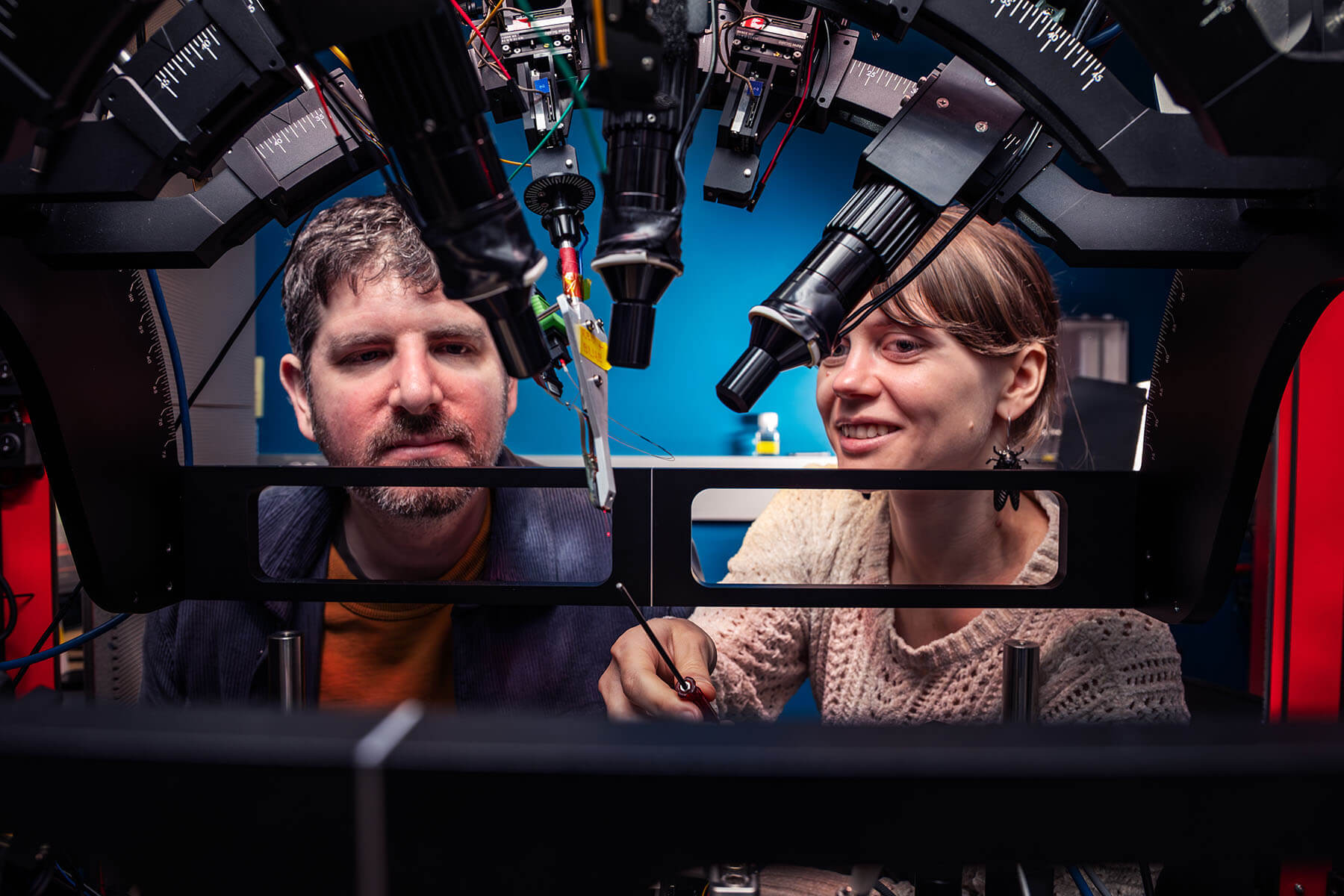
Neuropixels Opto sheds new light into deepest regions of the brain
A single tool measures and manipulates brain cell communication and democratizes advanced neuroscience
neural dynamics
news


No results found, try reducing your search parameters.
press & media contact
Get in touch for media inquiries and resources for covering science at the scale of greatest impact.
Thank you! Your submission has been received!
Oops! Something went wrong while submitting the form.


Seattle researchers lead ambitious project to map the human brain
We could be on the cusp of breakthrough treatments for brain diseases, from Alzheimer's Disease to depression and ADHD. Local scientists from the Allen Institute for Brain Science are spearheading a five-year project to map the human brain.

NIH launches the next stage of its ‘human genome project’ for the brain
The National Institutes of Health on Thursday announced more than $600 million in fresh funding for an expansive and ongoing push to unravel the mysteries of the human brain, bankrolling efforts to create a detailed map of the whole brain, and devise new ways to target therapeutics and other molecules to specific brain cell populations.




Data Trove Released by Seattle Alzheimer’s Disease Brain Cell Atlas
Neuroscientists at the Allen Institute for Brain Science and their collaborators have released their first research data set on Alzheimer’s disease, in which they categorized cell types based on gene activity. The team hope this approach could ultimately identify new targets for better therapies.



No results found, try reducing your search parameters.