news
stories from the front lines of discovery
From scientific breakthroughs to new open‑source tools, the Allen Institute’s work is reshaping how science is done—and who it’s for. Explore the latest news, stories, and highlights from across our research, partnerships, and open science efforts.


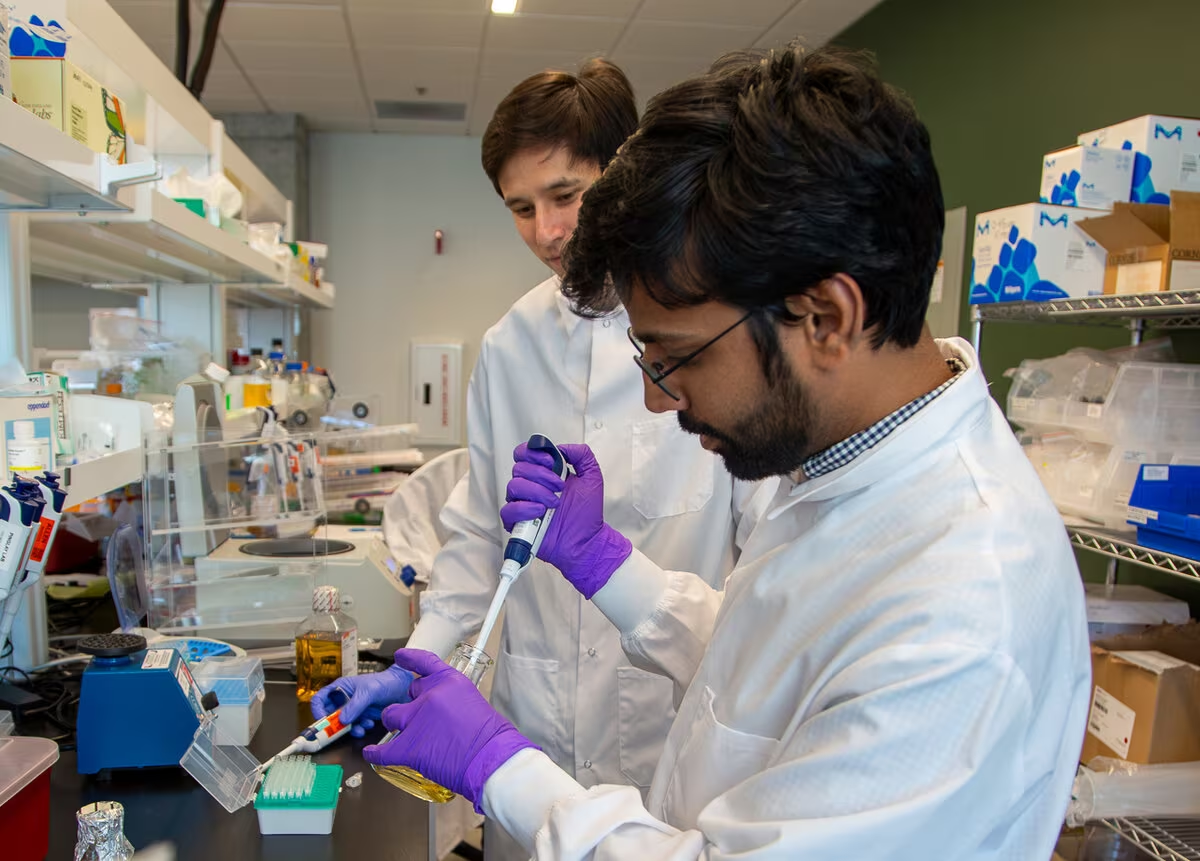
AI BioDesign accelerator combines experimental biology and artificial intelligence to learn nature’s design rules
Researchers from the Allen Institute, University of Washington, and Fred Hutch Cancer Center, supported by Fund for Science and Technology, will build open AI models, datasets, and tools to accelerate biological design for health, sustainability, and other global challenges
Thank you! Your submission has been received!
Oops! Something went wrong while submitting the form.

science unites us – come see how
Visit the Allen Institute in south Lake Union for hands-on activities for the whole family
No items found.
news
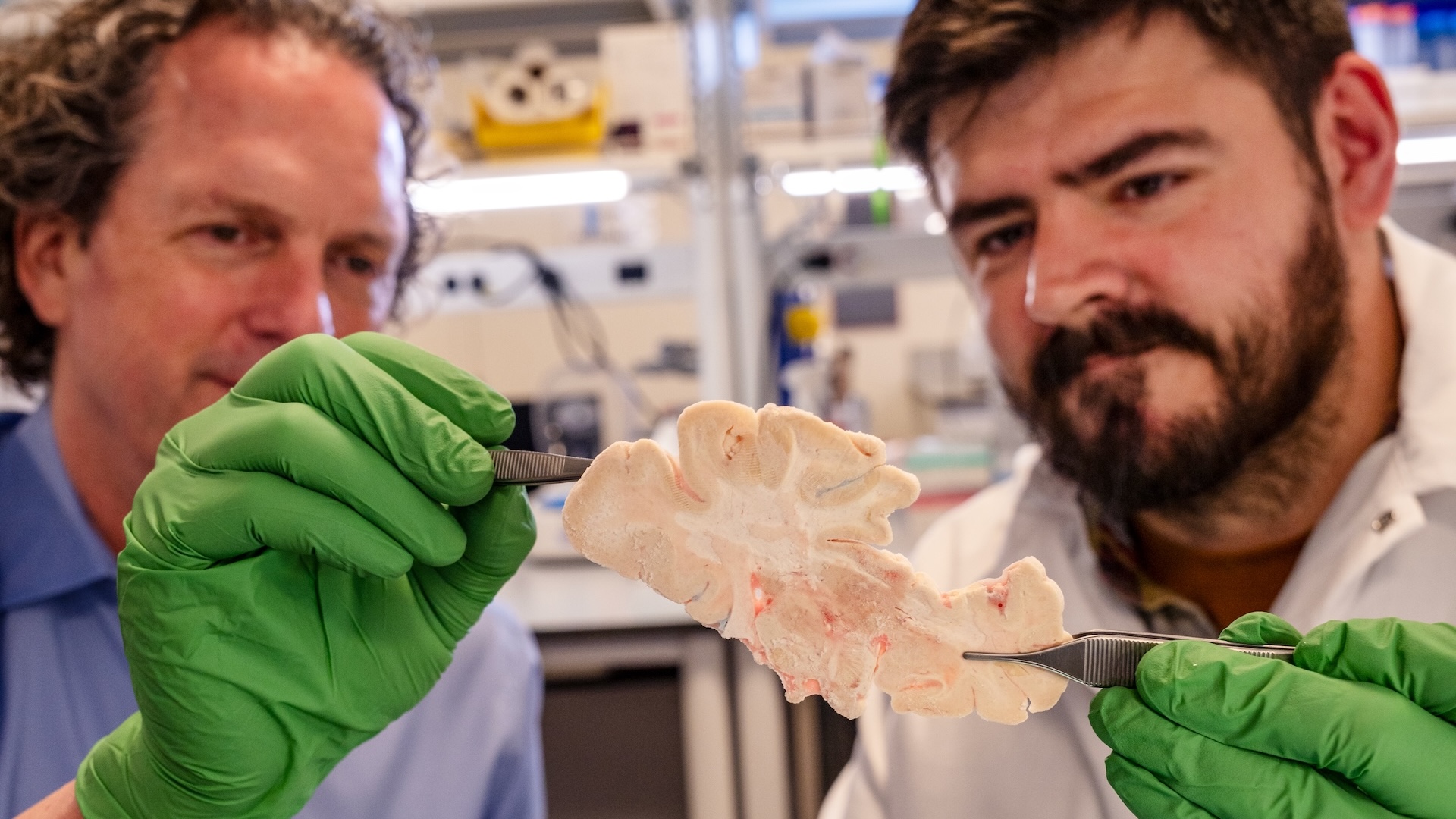
Brain Health accelerator to transform our understanding of brain disorders and develop new treatments
The global collaborative research initiative will initially target Alzheimer’s, Parkinson’s, Huntington’s disease, ALS, and Lewy body dementia
Brain Health
news

Brain Health accelerator: a new way to study brain disease to find new treatments for it
Understanding brings hope—a new global research initiative to understanding the cells and circuits that drive brain disease so researchers can find new ways to rescue them.
Brain Health
video
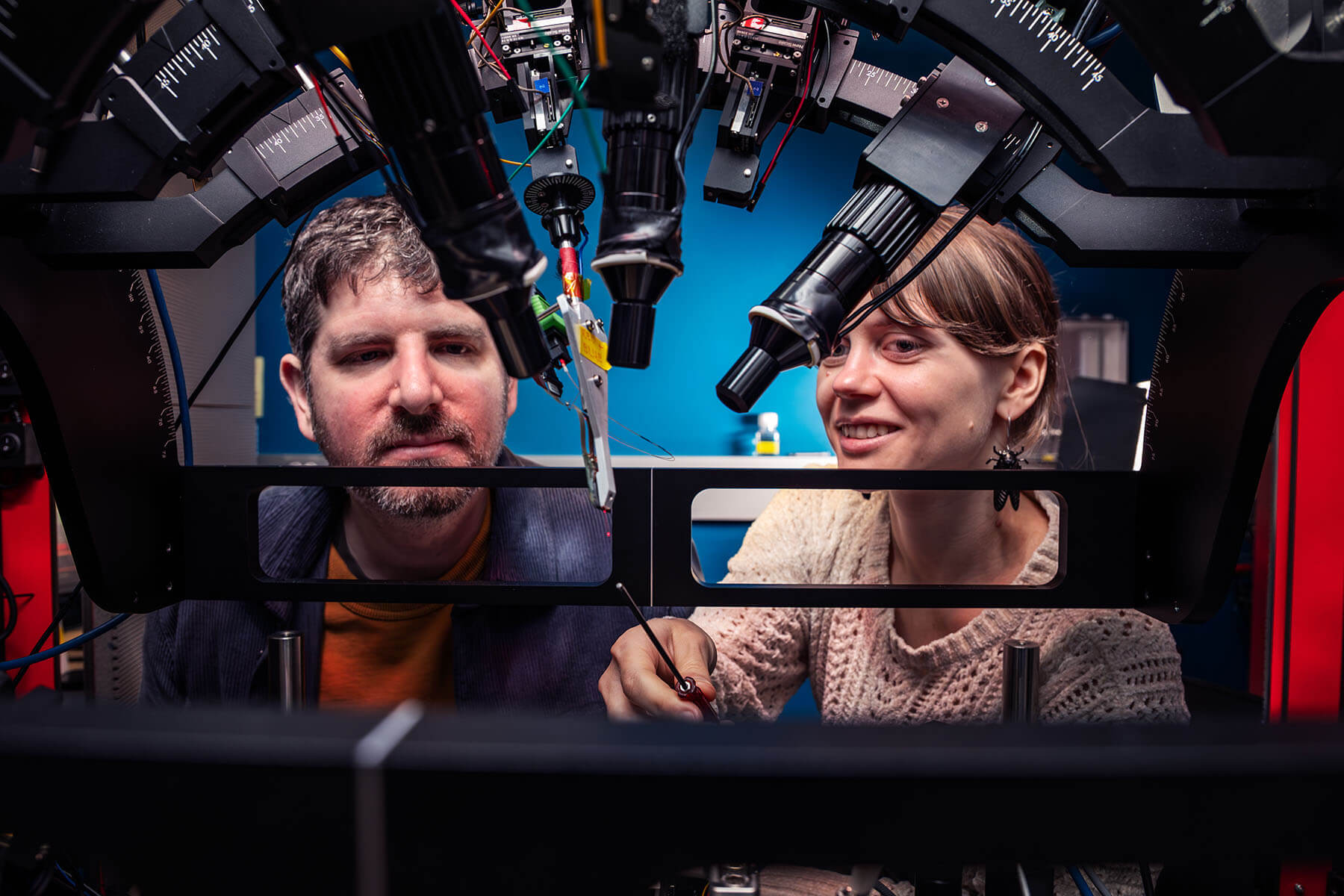
Neuropixels Opto sheds new light into deepest regions of the brain
A single tool measures and manipulates brain cell communication and democratizes advanced neuroscience
neural dynamics
news
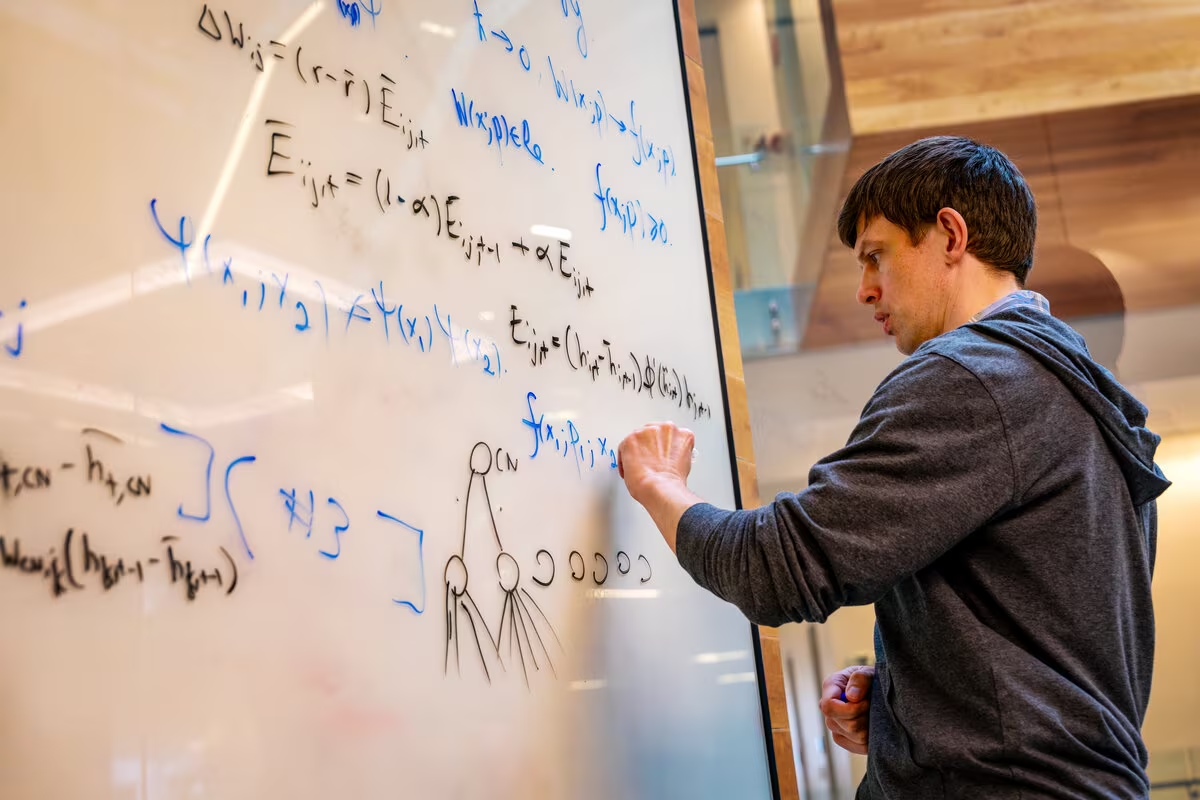
how far are we from human brain simulation and what will it mean for science?
Scientists could re-create the brain function of a small animal in the next several years, and human brain emulation might happen in our lifetime
No items found.
news
.avif)

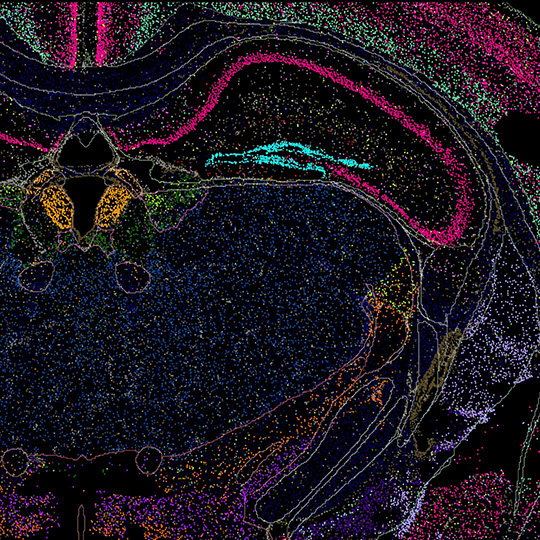
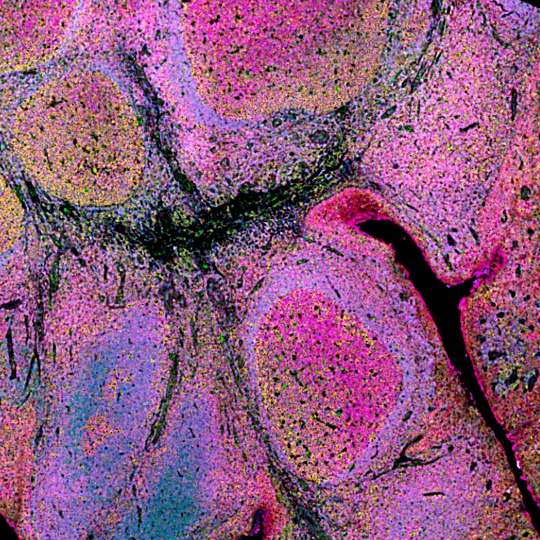
SciShots: a burst of color shows where cells live and what they do
Spatial transcriptomics gives immunologists a fuller picture of one of life’s building blocks
immunology
science images
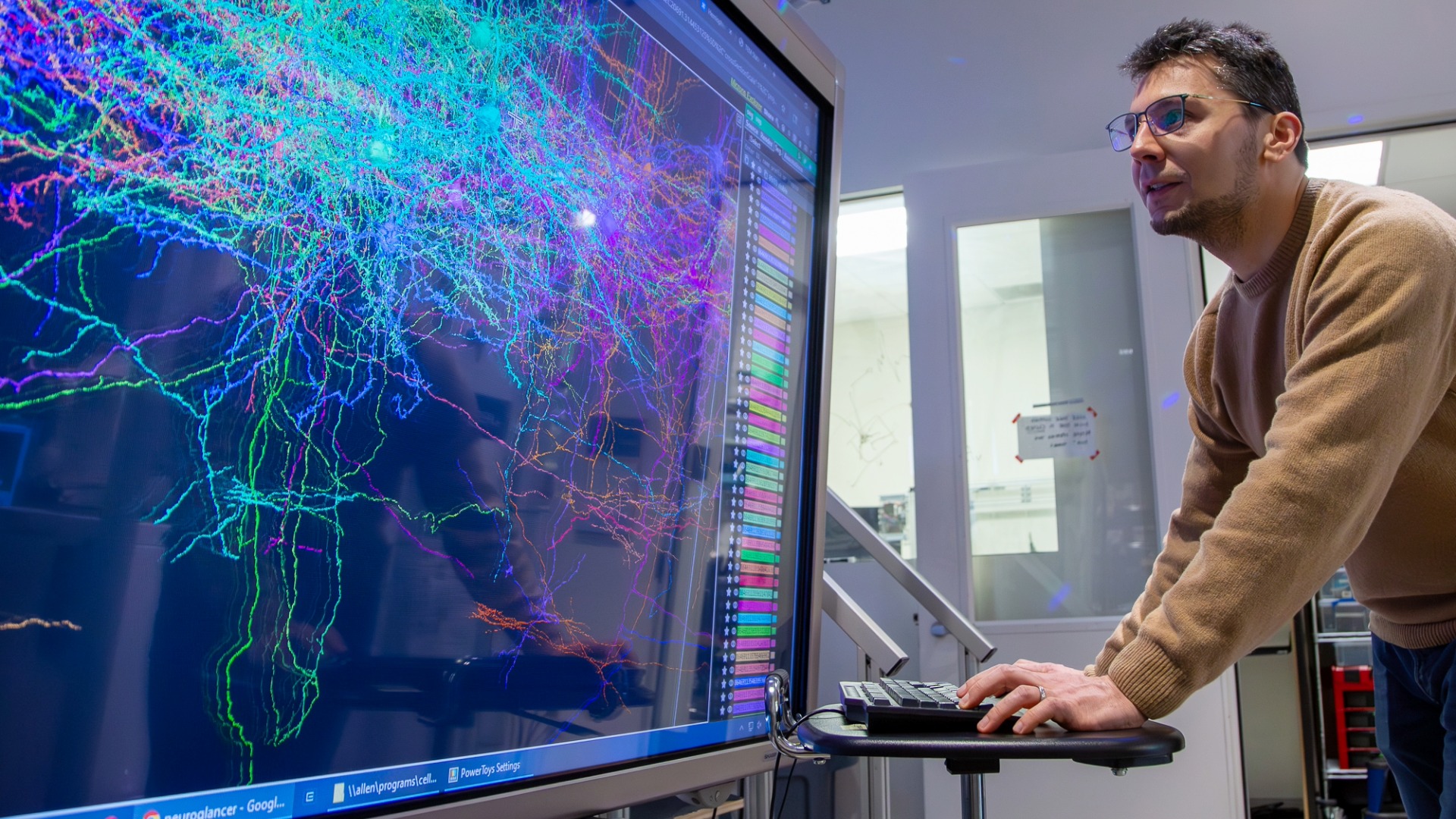
developing AI models that learn like a real brain
Shanahan Fellow Denis Turcu is using the world's most detailed brain map to rewrite how machines learn
brain science
news
welcome to our brand revolution
Our new brand is rooted in our science, inspired by our impact, and built to scale with our ambitions.
brain science
cell science
neural dynamics
immunology
synthetic biology
news

the genetic defect in cancer that turns cells into “rule breakers”
Scientists use Allen Institute cell lines to learn how the genetic defect spreads in stem cells
cell science
news
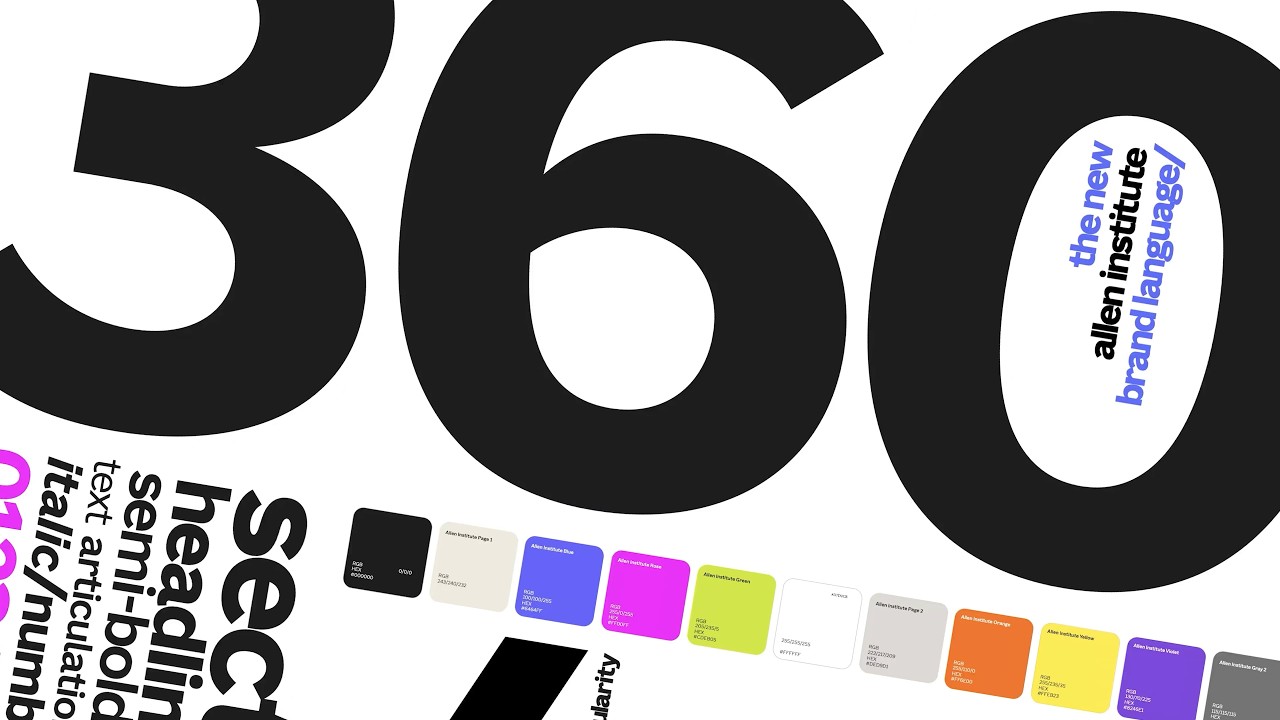
charting a brand revolution
Our new brand is rooted in our science, inspired by our impact, and built to scale with our ambitions.
brain science
cell science
immunology
neural dynamics
synthetic biology
video

No results found, try reducing your search parameters.
press & media contact
Get in touch for media inquiries and resources for covering science at the scale of greatest impact.
Thank you! Your submission has been received!
Oops! Something went wrong while submitting the form.






What Causes Alzheimer’s? Scientists Are Rethinking the Answer
Scientists have long held onto the idea that sticky blobs of proteins sitting between brain cells are the cause of Alzheimer’s disease. Now, however, many are turning their attention to deeper dysfunctions happening within cells.
No results found, try reducing your search parameters.