impact
about
our story
explore our impact
careers and opportunities
join us
open science
sharing science to speed discovery
open science week
celebrating open science
team science
people & teams
discovery is a team effort
advisors
their input shapes our science
board of directors
they help us fulfill our mission
shanahan foundation fellowship
at the interface of data and neuroscience
studio d3 fellowship
contribute bold ideas to redefine discovery
next generation leaders
fostering emerging leaders in bioscience
research
overview
our approach
science at the scale of greatest impact
additional programs
studio d3
data driven discovery
neurobiology of action
revealing the mechanisms behind movement and learning
science accelerators
brain science
building a blueprint of the brain
cell science
understanding how cells become organs
neural dynamics
revealing the brain’s hidden algorithms
immunology
mapping the immune system
synthetic biology
designing biology to advance health
brain health
accelerating human brain research
ai biodesign
unlocking new frontiers of bioscience
education
overview
science education
science is for everyone
open science
sharing science speeds discovery
engagement
education resources
real science. real skills.
field trips
experience science where it happens
educator development
empowering educators
news
overview
all news
explore the latest news
podcast
the human stories behind discovery
sign up for our newsletter
stay connected to our science
events
overview
all events
public engagement, workshops, seminars and more
conferences
connect with us
science resources
explore
publications
explore our publications
open science
sharing science to speed discovery
science resources
allencell.org
allenimmunology.org
allenneuraldynamics.org
brain-bican.org
brain-map.org
microns-explorer.org
impact
back to menu
overview
our story
explore our impact
careers and opportunities
join us
open science
sharing science to speed discovery
open science week
celebrating open science
team science
people & teams
discovery is a team effort
advisors
their input shapes our science
board of directors
they help us fulfill our mission
shanahan foundation fellowship
at the interface of data and neuroscience
studio d3 fellowship
contributing bold ideas to redefine discovery
next generation leaders
fostering emerging leaders in bioscience
research
back to menu
overview
our approach
science at the scale of greatest impact
publications
explore our publications
open science
sharing science to speed discovery
science accelerators
brain science
building a blueprint of the brain
cell science
understanding how cells become organs
neural dynamics
revealing the brain’s hidden algorithms
immunology
creating the ultimate immune system reference
synthetic biology
seattle hub for synthetic biology
brain health
accelerating human brain research and disease therapeutics
ai biodesign
unlocking new frontiers of bioscience
additional programs
studio d3
data driven discovery
neurobiology of action
revealing the mechanisms behind movement and learning
education
back to menu
overview
science education
science is for everyone
open science
sharing science speeds discovery
engagement
education resources
real science. real skills.
field trips
experience science where it happens
educator development
empowering educators
news
back to menu
overview
all news
explore the latest news
podcast
the human stories behind discovery
newsletter
stay connected to our science
events
back to menu
overview
all events
public engagement, workshops, seminars and more
conferences
connect with us
science resources
back to menu
science resources
allencell.org
allenimmunology.org
allenneuraldynamics.org
brain-bican.org
brain-map.org
microns-explorer.org
explore
publications
explore our publications
open science
sharing science to speed discovery
search
news

Scientists create landmark cellular atlas of one of the brain’s most important regions

Global consortium of more than 50 institutions and hundreds of scientists unveils the most detailed cellular atlas of the basal ganglia, the most disease-relevant region of the brain. All data is openly available for the global scientific community.

November 12, 2026
0 min read
Artistic rendering of a human brain with neurons shown throughout
share/
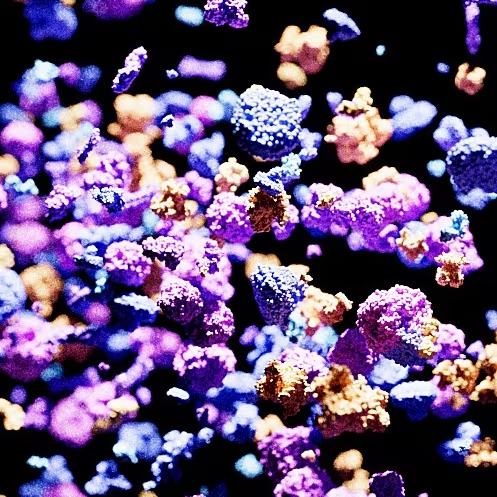
Artistic representation of the basal ganglia surrounded by a variety of brain cell types (credit: Amy Cao, Salk Institute; Gabriel Rodriguez, Allen Institute)
Global consortium of more than 50 institutions and hundreds of scientists unveils the most detailed cellular atlas of the most disease-relevant region of the brain: the basal ganglia. All data is openly available for the global scientific community.

in this article

table of contents will display on published page only
set h2 to populate the table of contents here

authors

Peter Kim
Associate Director, Communications & Media Relations
Ed Muir
Sr. Communications Specialist

contributors

Ed Lein
Executive Vice President and Director, Brain Health
Hongkui Zeng
Executive Vice President and Director, Brain Science
Song-Lin Ding
Principal Scientist

Parkinson’s disease, Huntington’s disease, schizophrenia, bipolar disorder, and addiction are all crippling conditions with genetic and molecular ties to the basal ganglia, an interconnected set of structures deep within the brain that are critical for movement, habit formation, decision making, and emotion.  

Today, in a massive, collaborative effort, dozens of labs and hundreds of scientists working together across nine countries and more than 50 institutions have unveiled a major advance in global neuroscience: the most detailed and comprehensive multi-species cellular atlas of the basal ganglia to date—an expansive library of brain cell types and datasets across human, macaque, marmoset, and mouse that serves as a powerful tool for understanding brain cells and what they do.

Using advanced single-cell molecular profiling technologies that measure the genetic expression of individual cells, researchers profiled 25.5 million of them from the brains of humans (21.0 million cells), rhesus and cynomolgus macaques (3.0 million cells), and marmosets (1.5 million cells). Their findings were published today in a package of 26 studies in the Cell Press family of journals. The massive body of work represents the first major working model of a standardized, cross-species brain cell reference atlas.  

“I’m very excited about the package because it’s a demonstration of the power of team science and open science, people working together and creating a common standard for the field and using that to amplify the impact that we can make,” said Hongkui Zeng, executive vice president and director of Brain Science at the Allen Institute. “Disease conditions are always cell-type-specific, so in order to understand what’s really going on in the brain, you have to have an accurate cell-type list and examine individual gene expression in each cell type.”
‍

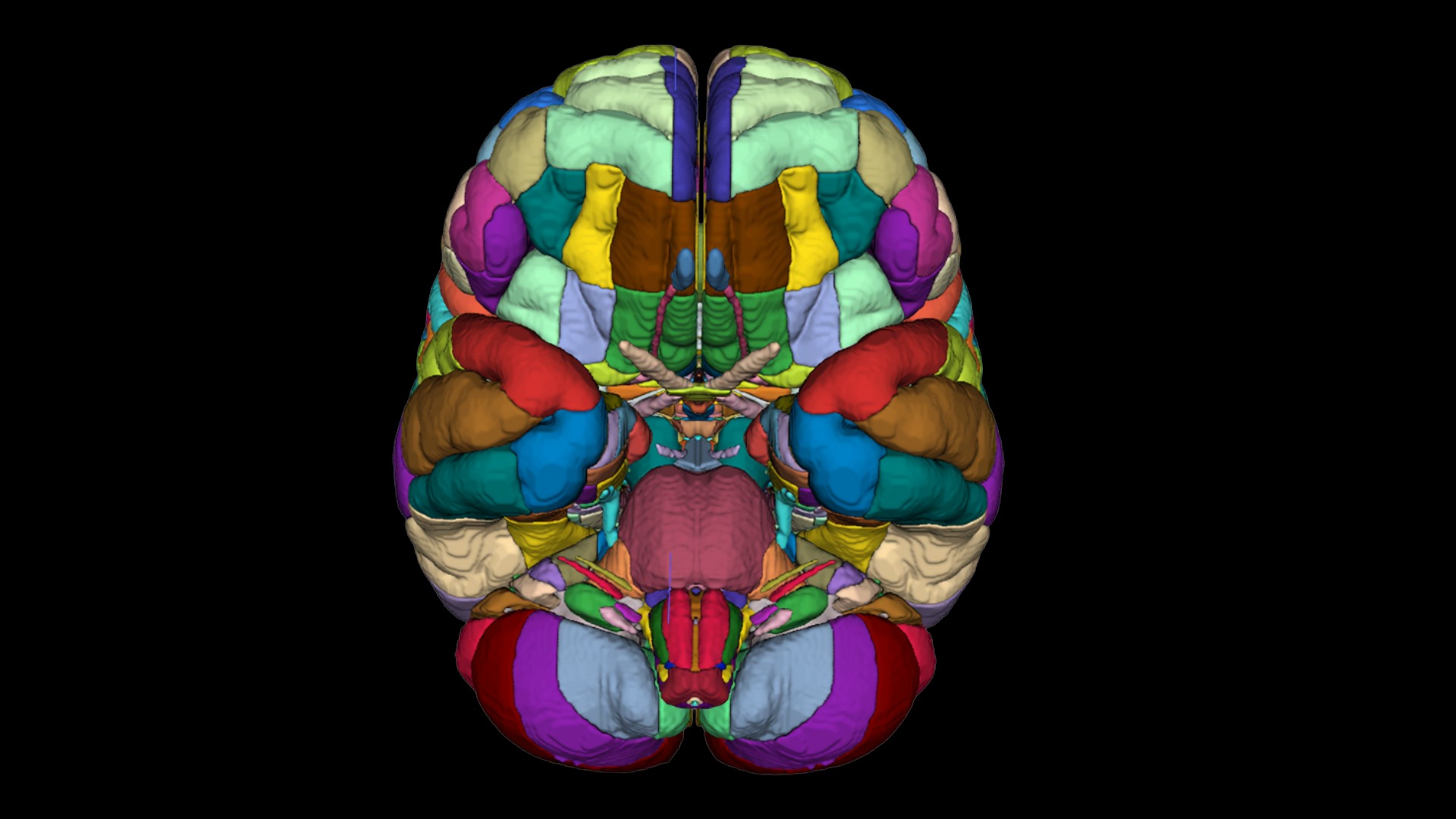
A ventral aspect view of 3Dreconstructed and HOMBA-annotated adult human brain reference atlas (credit: Allen Institute/Song-Lin Ding)

“I’m very excited about the package because it’s a demonstration of the power of team science and open science, people working together and creating a common standard for the field and using that to amplify the impact that we can make,” said Hongkui Zeng, executive vice president and director of Brain Science at the Allen Institute. “Disease conditions are always cell-type-specific, so in order to understand what’s really going on in the brain, you have to have an accurate cell-type list and examine individual gene expression in each cell type.”
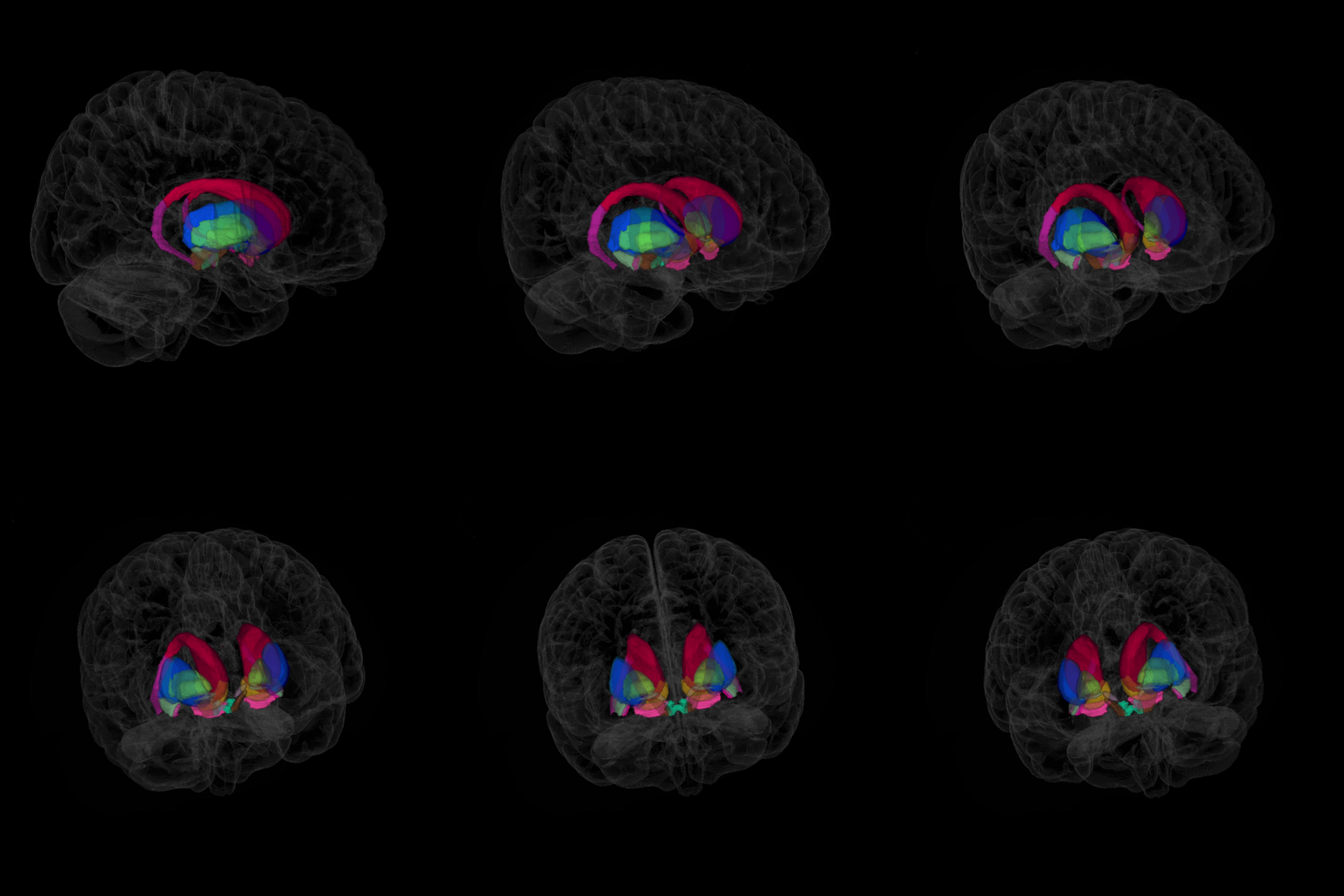
Rotating 3D structures of the human basal ganglia (credit: Allen Institute/Ashwin Bhandiwad)

The atlas is also the first major output in the ongoing work of the BRAIN Initiative Cell Atlas Network (BICAN), which is working to produce a complete parts list—an atlas of all the cell types in the entire human brain—something that is within reach thanks to this first major milestone.

“It’s the sum output that really differentiates this set of studies. We have coordinated studies looking at cellular organization from the perspective of gene expression, that is, transcriptomics. We have studies looking from the perspective of epigenetic regulation, spatial analyses, analyses of morphological and physiological properties of cells,” said Ed Lein, executive vice president and director of Brain Health at the Allen Institute. “All of them largely agree with one another. This molecular classification works across different data types and labs. That really gives us confidence that this gets to the ground truth of the organization of the brain. This was designed as the template for the whole brain, and it has set the paradigm for doing the entire brain.”
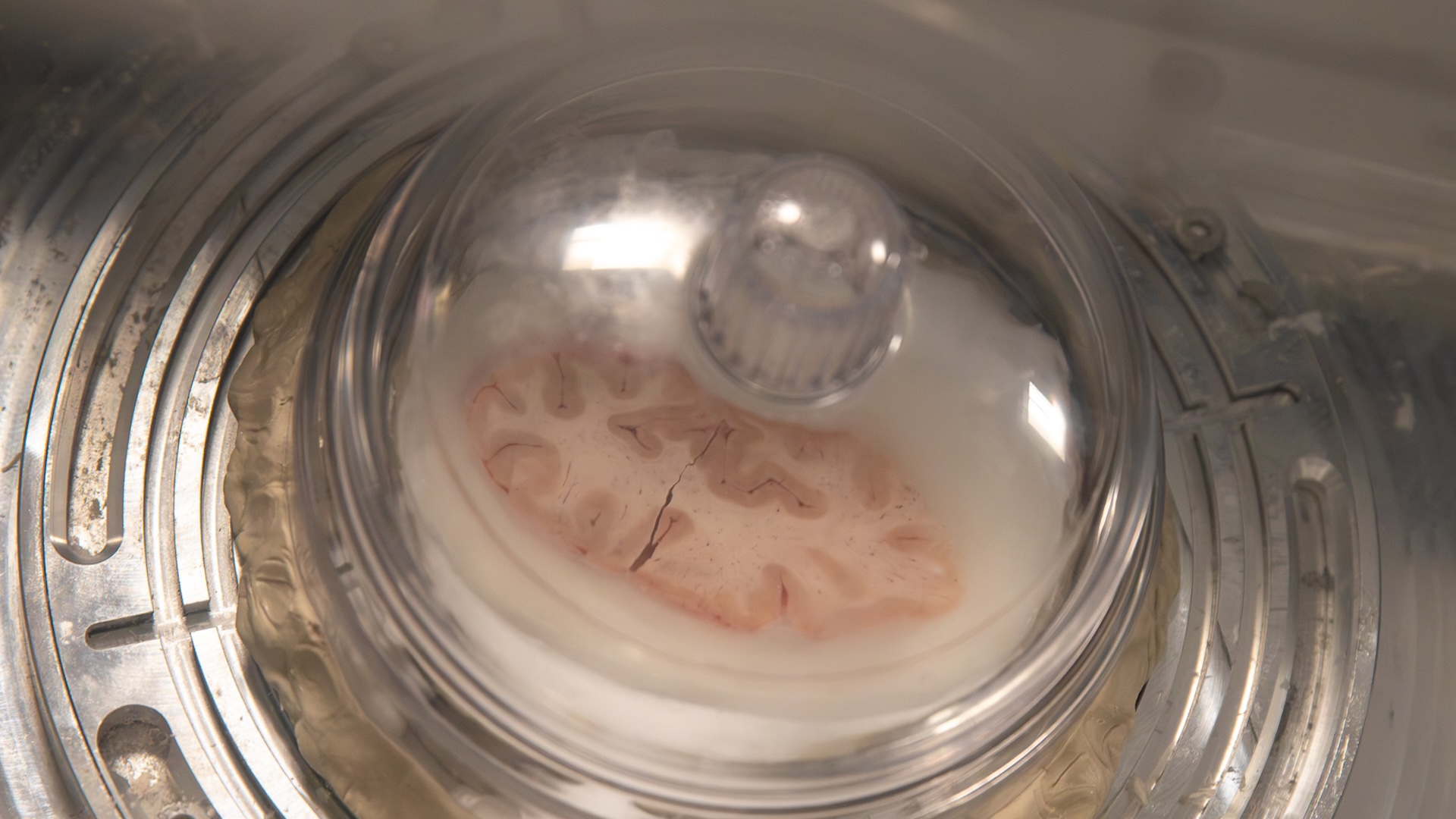
Human brain tissue that was donated postmortem to support neuroscience research (credit: Allen Institute/Jenny Burns)

key findings/

Among the 26 studies that are part of the package, several key findings stand out:

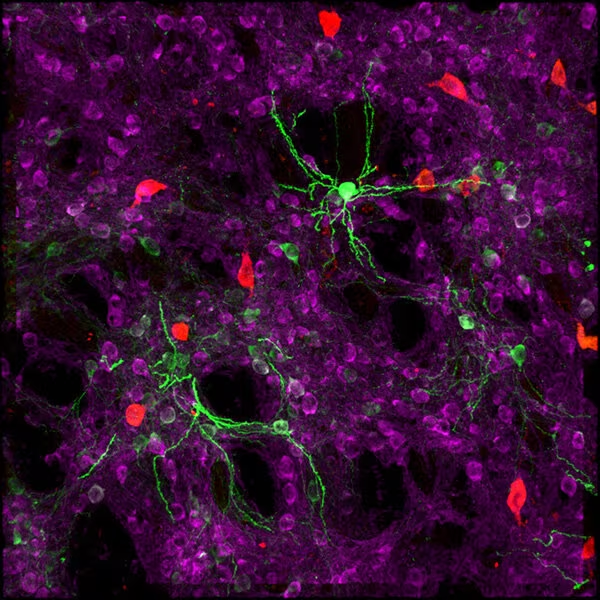
  • In one study, researchers discovered a new type of brain cell, STR D2 SMYD2-HTR7, that is tied to schizophrenia and bipolar disorder. "Schizophrenia has been associated with the striatum, but it has been difficult to define which neurons are vulnerable,” said Nelson Johansen, study author and assistant investigator at the Allen Institute. “Our study revealed a rare neuron type expressing the serotonin receptor HTR7 that was not found in previous studies, which carries elevated schizophrenia risk. This atlas narrows the genetic disease signal down to a specific population that researchers can now explore.”
  • In another study, scientists successfully developed a new, “smarter” version of an existing gene therapy that reduces the hallmark tremors associated with Parkinson’s disease. The new approach was both more effective in animal models and less invasive (therefore more scalable) than current treatment approaches given to humans.
  • A study led by researchers at the University of California, San Francisco revealed key genetic changes in specific cell types of the basal ganglia that could play a role in autism. This new insight has the potential to lead to new treatments and a deeper understanding of this neurological condition.
  • Scientists at the Broad Institute discovered widespread, cell-type-specific changes in gene expression associated with aging. Remarkably, an individual's age can be predicted from gene expression patterns across multiple cell types—a potential foundation for biological aging clocks based on brain cells.
Allen Institute scientist Quan Zhu prepares research equipment for brain tissue imaging (credit: Allen Institute/Jenny Burns)

The work is funded by the National Institutes of Health’s Brain Research Through Advancing Innovative Neurotechnologies® Initiative, the BRAIN Initiative®, as part of its mission to unravel and understand the functional and cellular complexity of the human brain in service of human health.

“The BICAN basal ganglia atlas will have enormous impact on the way we understand basic brain function and the cellular underpinnings of devastating neurologic, neuropsychiatric, and substance use disorders—a major goal of the NIH BRAIN Initiative,” said John Ngai, director of the BRAIN Initiative. “This monumental achievement is a testament to the power of team science and the determination of the hundreds of dedicated researchers comprising the BICAN consortium.”

developing a common language for neuroscience/

Notably, this was the first time a common reference system was used to classify and analyze the brain’s incredible complexity, allowing for deeper insights. “This community worked together to develop a common description of cell populations, and then everybody used it. We hope this will be a framework for the entire field,” said Lein. “Here for the first time, all the studies in the package used the same cellular framework. That’s what we’re now trying to expand to the whole brain, making a reference in the spirit of the human genome that can unify the community and accelerate progress.”
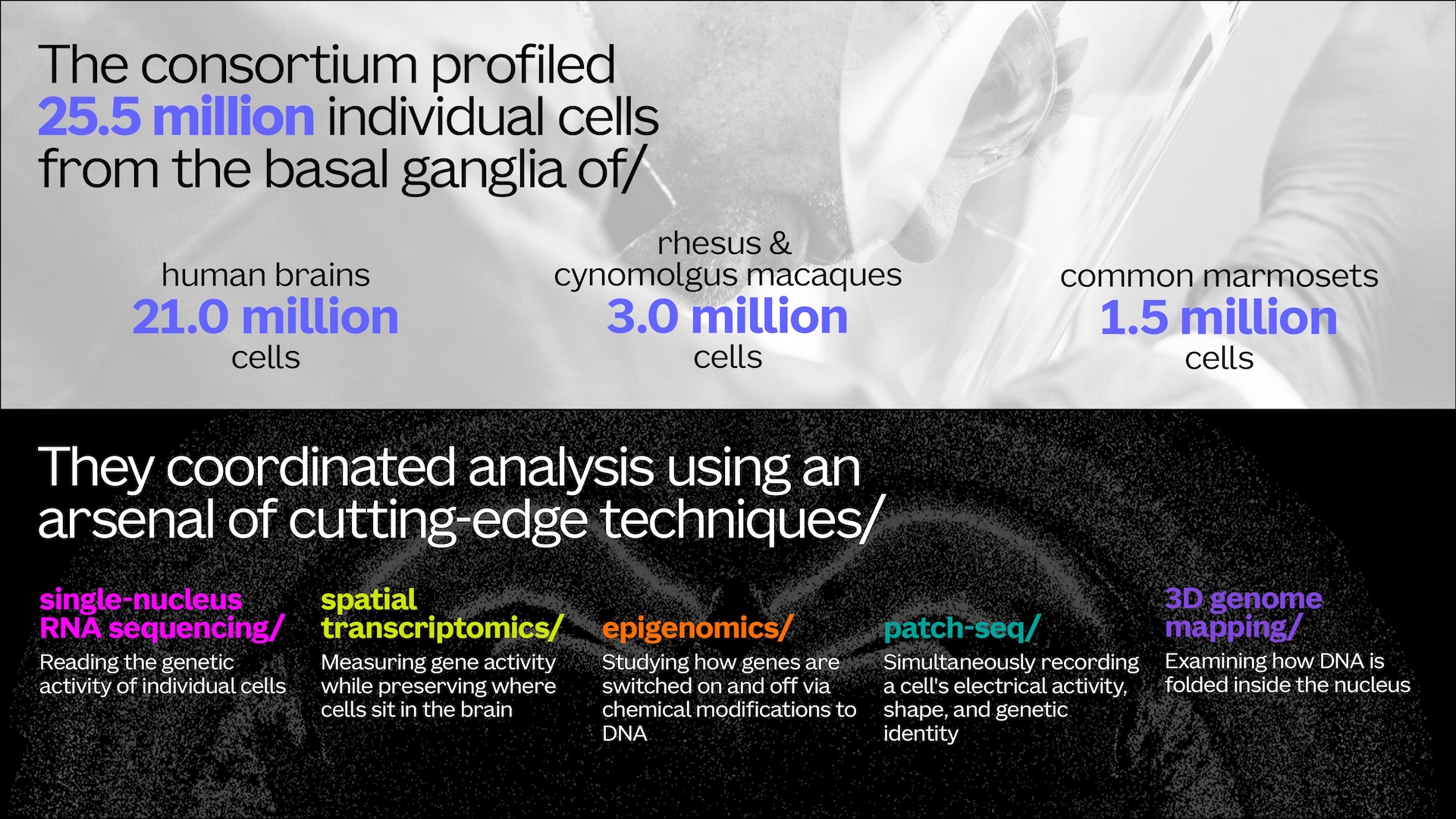
Basal ganglia atlas by the numbers. Credit: Allen Institute/Gabriel Rodriguez

“Despite how much progress medical science has made in so many different domains of human health—cancer, cardiovascular disease—we’ve really been stumped by brain disease. It continues to be the case that a diagnosis of schizophrenia or bipolar disorder is often a devastating, lifelong affliction. And similarly, people who have neurodegenerative disease often suffer enormously and unfortunately die early due to those diseases,” said Evan Macosko, associate professor of psychiatry and neurobiology at Harvard Medical School, core member of the Broad Institute of MIT and Harvard, and study author. “This area of the brain is the ‘grand central’ for disease in both of those different domains. And we really need to have a clear understanding of how these different brain areas function if we’re going to try and fix them. Our hope is that this basic map that we’ve laid out will be that template that many neuroscientists can build on to help them understand this complex and important structure.”
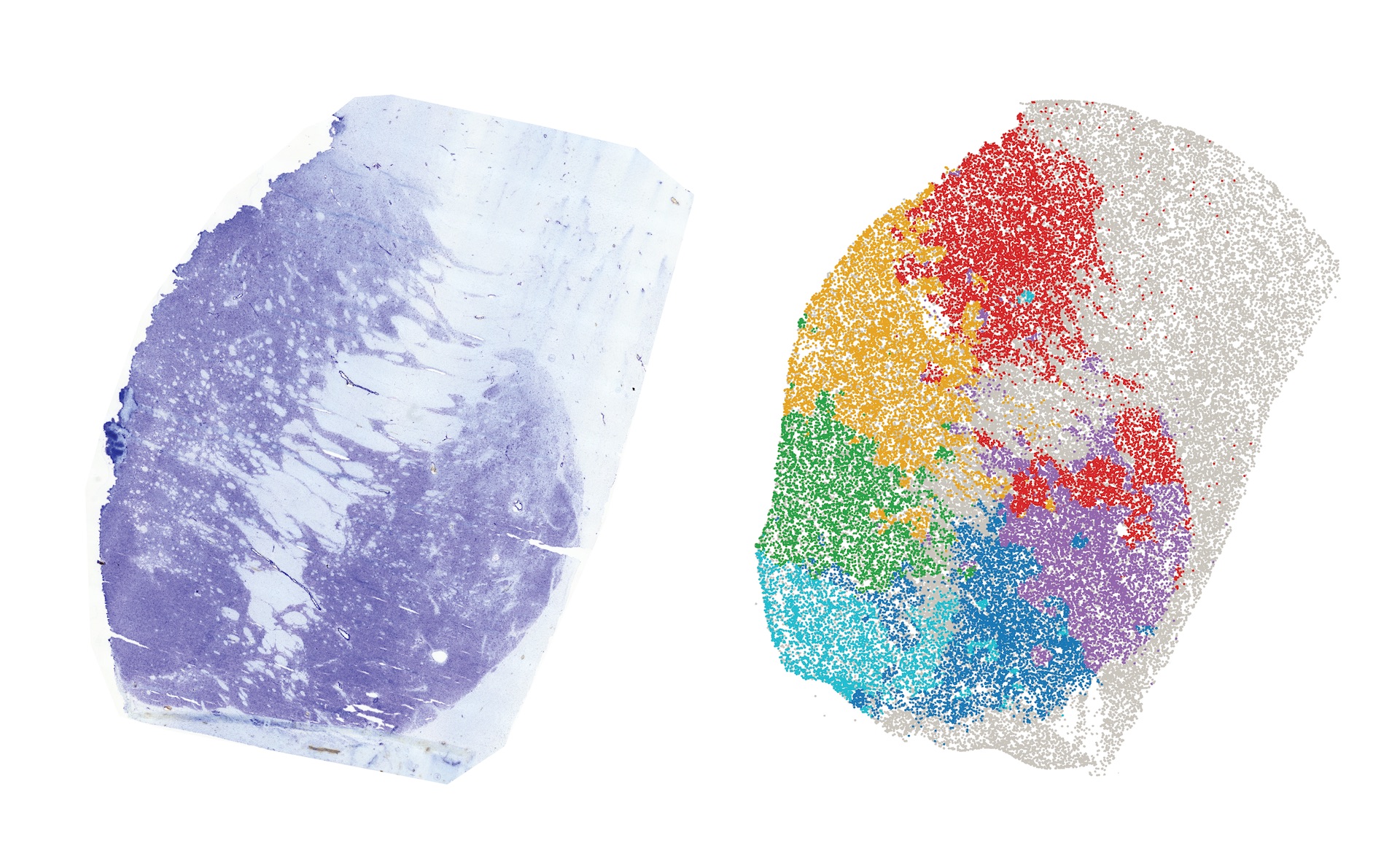
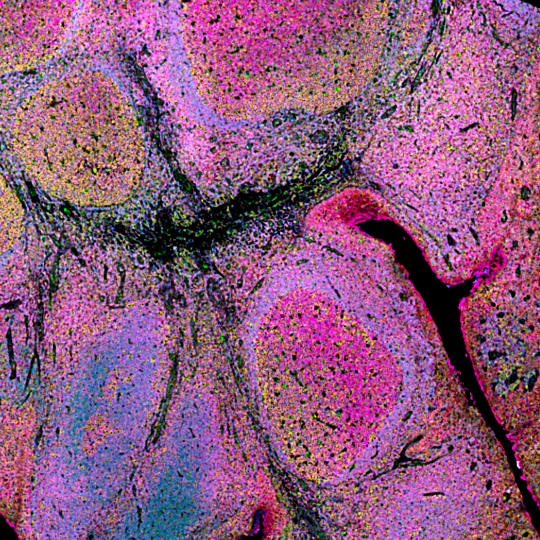
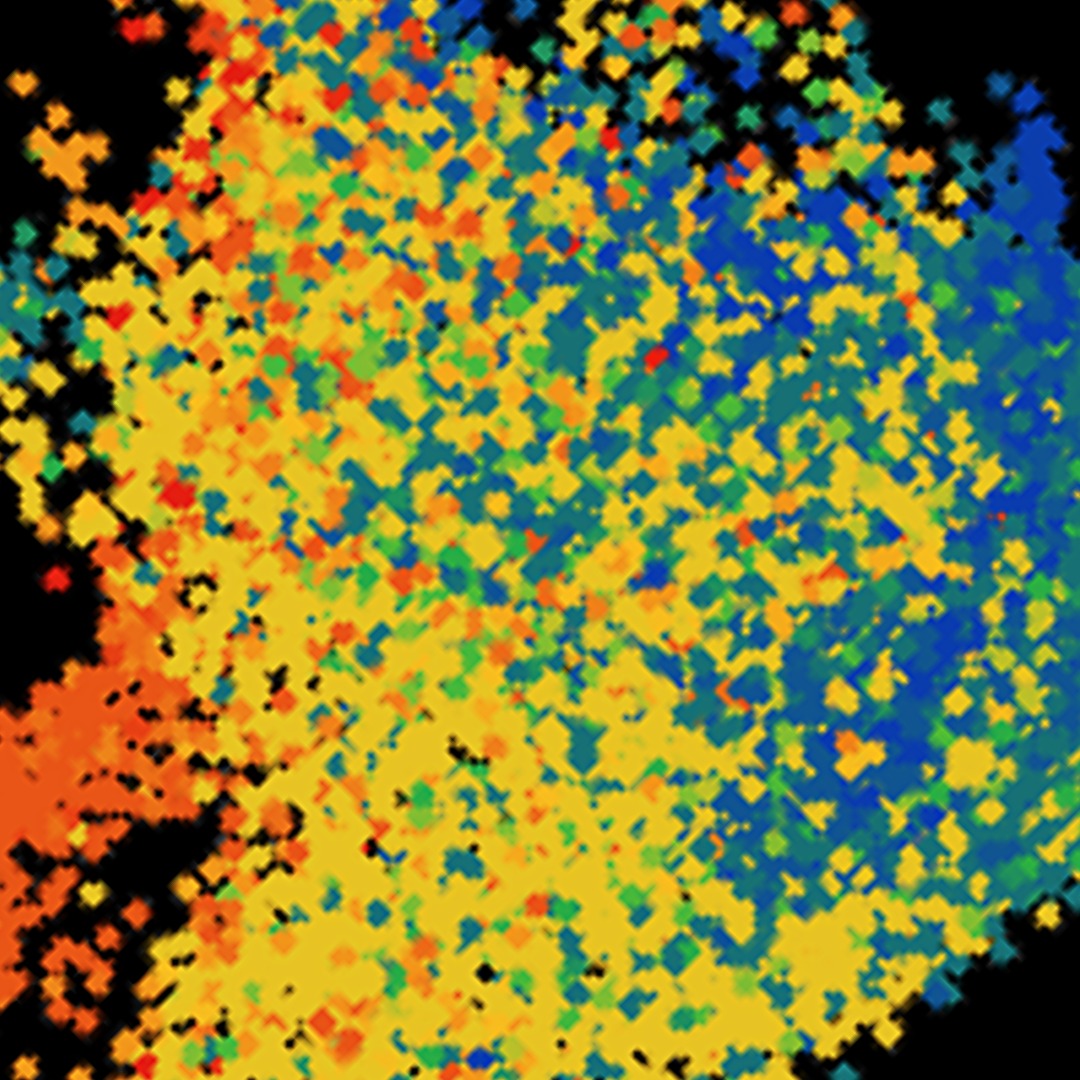
Adjacent post-mortem tissue sections of the human striatum stained with cresyl violet (left) and processed with Slide-tags (right). In the Slide-tags map, each of the 92,100 dots is one cell, placed at its original position, with genome-wide gene expression measured in every cell. Colors mark the six molecular zones identified in the study; gray marks the surrounding white matter (credit: Broad Institute/Andrew Kraft)

“The creation of the basal ganglia atlas is a great social engineering experiment. We have dozens of labs and hundreds of scientists working together from different angles, using different techniques. But ultimately, it's critical to integrate all the data together in a meaningful way,” said Zeng. “That integration requires scientists, engineers, and technicians to develop platforms. It requires people with different expertise from different disciplines working together to make this huge effort successful.”
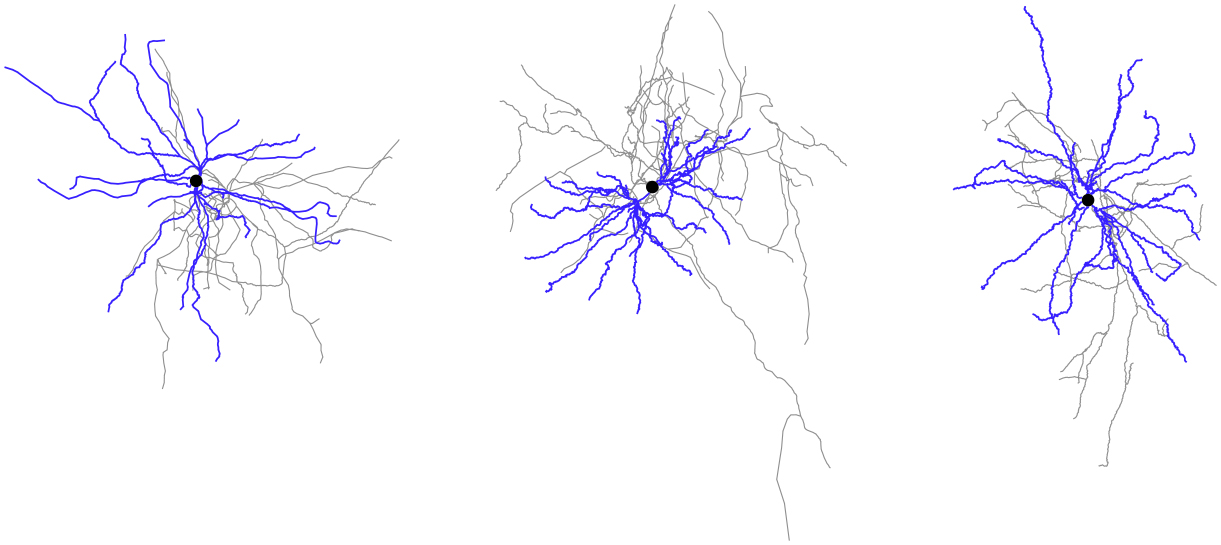
STR D2 SMYD2-HTR7, newly discovered spiny projection neurons tied to schizophrenia and bipolar disorder

All data and findings will be openly shared with the global scientific community to catalyze more research and discoveries that could advance human health beyond the basal ganglia.

“We’ve created a suite of tools for people to access this data, visualize the data, mine the data, and then map their own data onto that. As soon as you map into that system, you also take advantage of all the knowledge that we’ve aggregated about these cell types,” said Lein.

It is that open philosophy rooted in a collaborative, unified scientific framework that researchers hope will lead to further insights that will advance human health and our understanding and treatment of brain disease.

‍

explore the research
Citations
Joseph Ecker; Satrajit Ghosh; Michael Hawrylycz; Kiku Ichihara; Arnold Kriegstein; Ed Lein; Chongyuan Luo; Evan Macosko; Shoaib Mufti; Bing Ren; Carol Thompson; Tim Tickle; Andreas Tolias; David Van Essen; Owen White; Xiangmin Xu; Hongkui Zeng; Guo-Qiang Zhang;. "From the human genome to the human brain cell atlasFrom the human genome to the human brain cell atlas". Cell, November 12, 2026. Accessed: .
The BRAIN Initiative Cell Atlas Network (BICAN). "Toward an integrated framework for a human and mammalian brain cell atlasToward an integrated framework for a human and mammalian brain cell atlas". Cell, November 12, 2026. Accessed: .

about the allen institute

Allen Institute is a 501(c)(3) tax exempt organization dedicated to accelerating science for a healthier world. Through large-scale, multidisciplinary research initiatives, the Institute generates foundational knowledge, data, tools, and models that are shared openly with the world to advance our understanding of life and health. Founded by Jody Allen and the late Paul G. Allen, Allen Institute is supported primarily by Fund for Science and Technology.
related news

all news
news
mapping the motor cortex – where movement begins
New study provides the most detailed look at the brain region that controls movement and could help fight diseases like ALS and dementia
news
genetics and wiring play a role in Alzheimer’s disease
UC San Francisco study that used Allen Institute’s Human Brain Atlas could lead to better treatments and therapies
science images
SciShots: amber waves of brain
New video illustrates how neural activity in a mouse brain travels in aesthetically pleasing waves and spirals
news
developing AI models that learn like a real brain
Shanahan Fellow Denis Turcu is using the world's most detailed brain map to rewrite how machines learn
news
“computational crystal ball” helps predict cell behavior
New technology could lead to better treatments for cancer by allowing scientists to perform virtual experiments
news
mind trip: how psilocybin changes the brain
New research may help improve psychedelic therapy for neuropsychiatric disorders
we acceleratedevelopcatalyzeimpact

science done differently. shared openly.

explore our accelerators

brain science

Mapping every cell, connection, and circuit in the brain—openly shared with the world.

cell science

Decoding how cells become tissues, then programming that knowledge into powerful new research tools.

neural dynamics

Revealing the brain's hidden algorithms that transform neural activity into real-world behavior.

immunology

Creating the deepest open reference for the healthy human immune system ever built.

synthetic biology

Engineering cells to record their own histories, transforming how we understand disease over time.

ai biodesign

Advancing evolution to explore biology’s full design space and advance human health

Brain Health

Accelerating human brain research and new therapeutic strategies for neurological conditions

research

Big questions, open answers, and science built to be shared.

education

Inspiring the next generation of scientists through open science resources.

impact

Our science is empowering researchers and advancing health worldwide.
advancing science through open, collaborative research
Get the allen institute newsletter
Stay informed on the latest breakthroughs in neuroscience, bioscience, and AI-driven research.
allen institute
impactpeople & teamscareers & opportunitiesalumnihistory & founder
science resources
allencell.orgallenimmunology.orgallenneuraldynamics.orgbrain-bican.orgbrain-map.orgmicrons-explorer.org
research
brain sciencecell scienceneural dynamicsimmunologysynthetic biologyai biodesignbrain healthpublicationsscience resources
quick links
newseventsopen sciencepodcasthuman brain donationvisit uscontact
education
science educationfield tripsprofessional developmenteducation resources
follow us/

allen institute, 615 Westlake Ave North, Seattle, WA 98109 +12065487055

© 0000 allen institute. all rights reserved.
privacy policyterms of usedmca policycitation policyemployee portalpolicy & compliancecookie settings