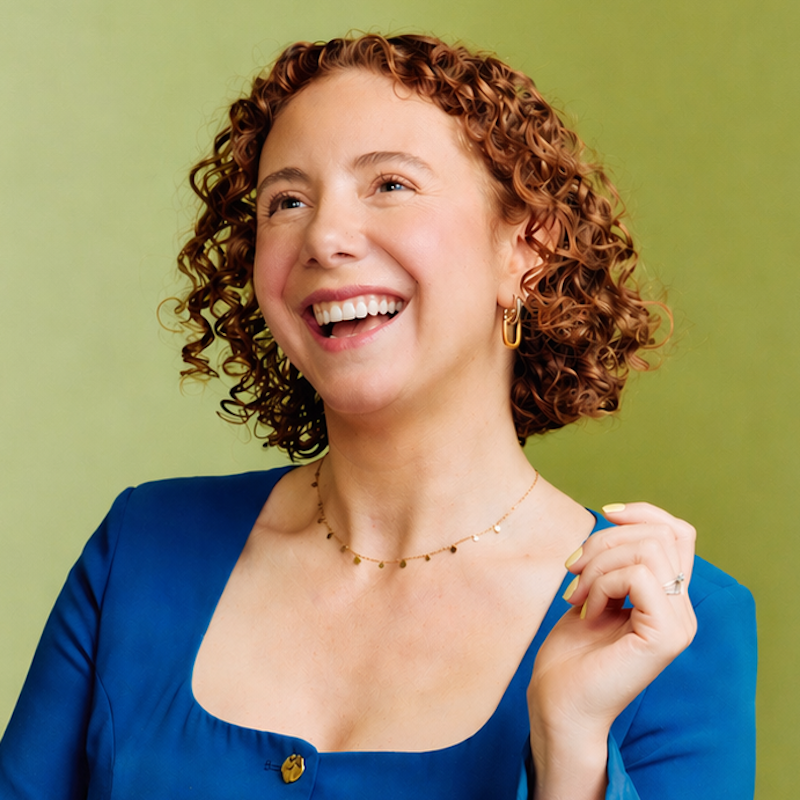
Ben Rein: "We have these sort of evolutionary systems that are meant to reward us for connecting with others…"
Amity Addrisi: More than two thousand years ago, Aristotle argued that people are meant to live together. Our connections with others, he believed, are part of what makes us human. Today, scientists are finding clues to why those connections feel so good.
Ben Rein: "We have brain systems that basically reward us and reinforce socializing the same way that they reinforce, you know, having a sip of water when you're thirsty or having a delicious meal."
Amity Addrisi: Maybe that helps explain why we love spending time with friends. Even when those friends are on TV.
Ed Muir: The TV show Friends has crossed generations, becoming a library of cultural references… and some of its biggest fans weren't even born when the last episode was filmed. So what is it about the show that refuses to let go?
Amity Addrisi: The answer is simple: it highlights one of the most fundamental human needs… friendship. So, is our brain really wired to reward friendship the same way it rewards basic survival? I'm Amity Addrisi…
Ed Muir: And I'm Ed Muir… and in this episode of Lab Notes, we discuss the science behind friendship, the importance of community and if things like social media or even pets can replicate human contact.
Amity Addrisi: Loneliness has gotten so bad that in 2023, the U.S. Surgeon General called it a public health crisis. Part of the blame: the pandemic, which left many of us more isolated than ever. But the truth is, we were lonely long before COVID. About half of American adults reported feeling alone, and scientists say that's something our brains simply aren't built for…
Ben Rein: "And there's a trifecta of neurotransmitters involved there, by the way, for the neurocurious. Oxytocin, dopamine and serotonin. That combination seems to be kind of responsible for this social reward, but it shows up in our daily lives."
Ed Muir: That's Ben Rein, a neuroscientist and author of Why Brains Need Friends… a neurobiological look under the hood at how our brains respond to human contact. The neurotransmitters he's describing are like chemical messengers that allow brain cells to communicate. When you finish a task or a workout, your brain releases dopamine to make you feel good… It's also released after meeting up with an old friend, and similarly provides a sense of reward.
Amity Addrisi: So it's not just about having a good time – there's a biological reward to positive human interaction. But social interaction isn't one-size-fits-all.
Ben Rein: "The key is basically finding your right dose and understanding like where do you stand on this continuum from introversion to extroversion and also most importantly making sure you're not underwatering yourself."
Amity Addrisi: Rein compares extroverts to plants that need to be watered more often – where water equates to socializing – while introverts are like desert succulents – they don't need much water. And he says research indicates there might be a genetic predisposition toward extroversion or introversion involving dopamine genes.
Ben Rein: "The research shows on this topic is that if you take someone who's very introverted, even like the most extreme level of introversion you can imagine, and you ask them to go into a group setting and pretend to be extroverted for like 10 minutes, just have a conversation, just be outgoing, they will surprisingly come out of that interaction feeling better. They actually enjoy it."
Ed Muir: Given the health benefits of personal contact, it's no surprise that nationwide efforts have emerged to increase opportunities for more group interaction.
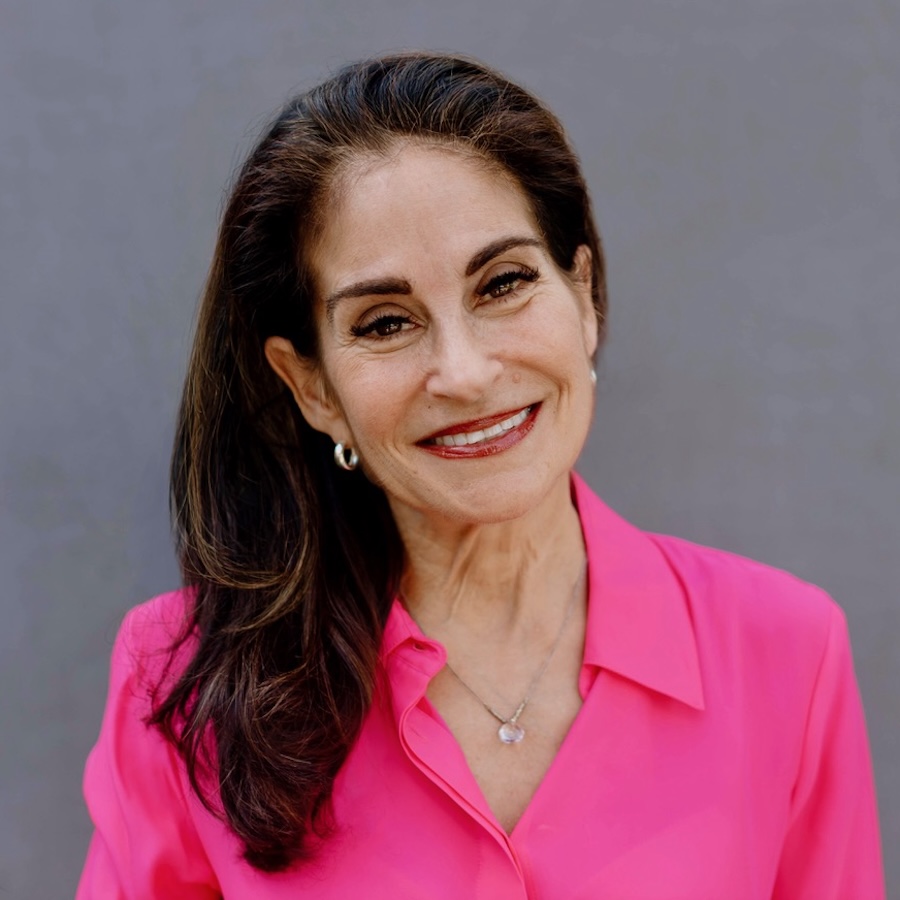
Charlotte Massey: "At a neighborhood level, people feel less connection to the places they live if they don't know the people around them."
Amity Addrisi: That's Charlotte Massey from the U.S. Chamber of Connection, a national nonprofit with chapters in several cities, including Seattle. They promote face-to-face interaction in various ways… like group gatherings and volunteer opportunities. They lobby local governments and businesses to extend hours at "third places" like libraries and coffee shops. Recently the Chamber released a report on the state of connection in this country, and it contains some sobering statistics.
Charlotte Massey: "And what we found, which is similar to other research, is that over half of Americans are at a vulnerable or high-risk level for social disconnection. They also report lower openness to connecting across difference and lower life satisfaction. And this is in addition to what we know from deeper research about how loneliness and isolation is equivalent to smoking 15 cigarettes a day as far as its health impacts."
Amity Addrisi: According to the U.S. Surgeon General, social isolation and loneliness can increase your risk of heart disease by 29% and risk of stroke by 32%. And on the flip side, social support from friends and family is associated with improved hypertension and diabetes management.
Ed Muir: The report by the Chamber of Connection detailed six "points of connection" — everyday behaviors that boost personal and societal health. First, neighborhood contact — a neighbor you could call on in an emergency. Second, community of identity — people who share your values and experiences. Third, one-on-one relationships — the friends and family you see weekly.
Amity Addrisi: Fourth is what's called third places — spots outside home and work where you gather with friends. Fifth, community of play — your tennis partners or golf buddies. And sixth, community service — connections through shared causes or volunteering.
Charlotte Massey: "We want to be living our lives together. And so anything that you can do to turn the things you're already doing and you're already spending your time on into social activities, that is going to deepen your ability to have those strong relationships and also make it more feasible to fit all six points into your life."
Ed Muir: So what is the cost of the loneliness epidemic? It might be hard to quantify on a human scale, but we know there's a huge economic cost.
Charlotte Massey: "Employers lose an average of $154 billion annually due to productivity loss that's tied to disconnection. And then the declining trust rates in the U.S. are linked to an estimated 1 to 2 percent loss of GDP annually, also due to friction and inefficiency… And unfortunately, a lot of governments and also a lot of major companies are seeing those harms directly."
Amity Addrisi: Meanwhile, young people who have grown up communicating more on their phones than face-to-face are increasingly relying on technology for friendship.
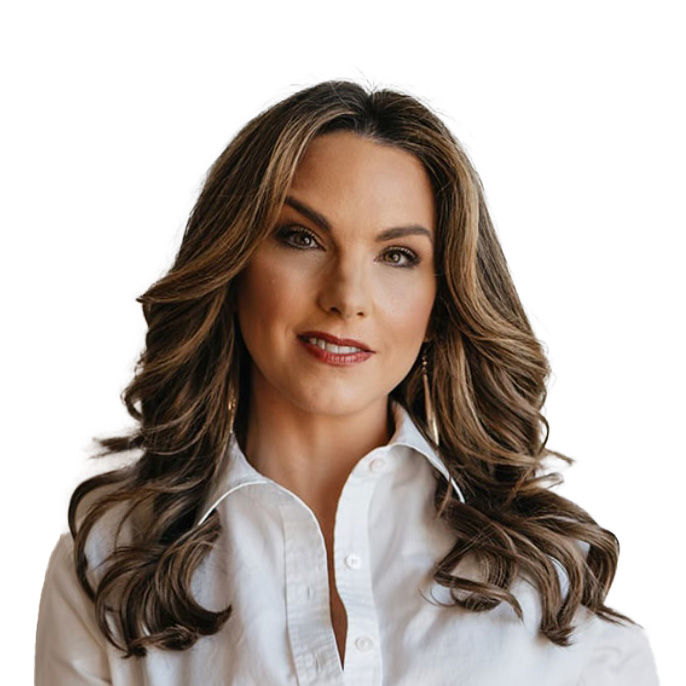
Susan McPherson: "We know why we've gotten here. We've seen, you know, the proverbial horror show out on the political stage, the fact that people aren't talking to each other, the fact that 72% of teens are regularly communicating with chatbots for the validation that they provide, and then think about it. They don't want to go and have a conversation with somebody else because they might push back, they might disagree with them. So I think it's really important to address the why and then be able to clearly show the benefits."
Ed Muir: That's Susan McPherson. She's a Chamber of Connection board member and author of the book The Lost Art of Connecting: The Gather, Ask, Do Method of Building Meaningful Business Relationships. She believes that face-to-face interaction helps both our work and personal lives, and that parents need to set a better example for their kids.
Susan McPherson: "You know, when we're telling kids to get off their phones and we're on our phones, right? We're not modeling the behavior. Two, we're just like, go see your friends. We don't, we need to explain to them what they're missing out on by not doing so, right? … I like to bring in the fact that we've done away with friction in our lives. And I guess I'm kind of hitting a cultural moment because we are starting to see friction-maxxing everywhere."
Amity Addrisi: That's right: she said… friction-maxxing. A writer coined the term for people who go out of their way to make life a little harder — on purpose — just to get more face time with other people. Think going to the mall instead of shopping online, meeting a friend instead of texting them, or introducing yourself to someone new at work or a conference.
Susan McPherson: "We have made things so damn easy that we don't put thought, we don't put intention, and that messiness has disappeared. And the messiness is what allows us to build deeper, more meaningful connection, kind of like vulnerability."
Ed Muir: Vulnerability is a good trait to have for people trying to make connections, according to Ben Rein. He says being vulnerable and transparent are attractive qualities to other people. For young people, that vulnerability can manifest in worrying about being popular – and who didn't worry about being popular in high school?
Ben Rein: "One way is people who are more emotionally expressive tend to be more likeable, which makes sense because understanding what someone is thinking and meaning is difficult."
Amity Addrisi: And if imitation is the sincerest form of flattery, it can also help you be more likeable.
Ben Rein: "The more you imitate someone else's body language or even the way they speak, that has been associated with higher ratings of likeability. … It's like a way of showing we're on the same team. We are alike."
Amity Addrisi: Add in eye contact and also some physical touch and you have a recipe for likeability. Rein also says we're bad judges of how we come across to people and we underestimate our potential likeability.
Ben Rein: "We're very pessimistic. We have really negative predictions and we think they're not gonna like us and that they're gonna say no to us and that it's not gonna be that pleasant interacting with them. But it turns out, all those predictions are wrong, that people are really friendly and they're accepting and they're interested in us and they are like welcoming for us and for them and my gosh for us into their lives."
Ed Muir: There are even notable benefits to minor, incidental human interactions. Of course it's good to spend time with friends, but research shows that just saying "hi" to someone on the street or a casual conversation with a stranger has brain benefits.
Ben Rein: "I like to think about like connection as a pool. And like, yes, you can dive in the deep end and you can swim with the best friend and like really have a good heart to heart. But you can also just thank the bus driver or you can also just have a chat with someone, you know, in line. And so friendships can happen anywhere."
Amity Addrisi: But what if face-to-face isn't an option? Is it still worth phoning a friend? And what about texting? Rein says the benefits shrink the further you get from actual human contact.
Ben Rein: "My belief is that as we strip away that texture, those brain areas don't engage as much, right, because those are the signals that for hundreds of thousands if not millions of years have told us what someone else is feeling and told our brain, this is a human being you're interacting with and not a screen or a mannequin or a plant."
Amity Addrisi: But if texting is your only option, add an emoji!
Ben Rein: "I think emojis are important because there is evidence that if you look at people's brain responses to emojis, they're very similar to the brain responses of human faces, which makes sense, right? It kind of resembles a human face. And so if we can add that texture, right, just a little bit of that texture back with some facial expressions to frame our text messages, I think we may be able to make our virtual interactions just a little bit more rich."
Ed Muir: Rein also says that video calls or FaceTime are not as beneficial as a face-to-face meeting for a variety of reasons.
Ben Rein: "The reason is this: when you interact in person, there's a ton of information that your brain just sponges up to help you understand what someone's thinking."
Charlotte Massey: "And when you're living in a situation where maybe you're working from home, maybe you can order all of your groceries and you don't actually ever need to leave the house, you can end up only spending time with people who are very similar to you, who you have handpicked. And that is not positive for overall social health and certainly not for the health of our society and our democracy."
Ed Muir: With electronic contact you lose eye contact, you can't pick up social signals like body language, and you even miss things you wouldn't think of, like "social smells." This is part of what Rein calls the "virtual disengagement hypothesis."
Ben Rein: "And the idea is that when we interact virtually, the brain areas that are typically very engaged and helping us understand someone else's emotions and specifically responsible for empathy, that those areas will disengage."
Amity Addrisi: So empathy can come and go depending on how we connect. But let's talk about where it starts: why do some people have it and some don't? Here too there's a genetic component at work; some are born to be more empathetic than others.
Ben Rein: "So hypothetically, if a person were never exposed to the emotions of others in childhood during this kind of sensitive period where your brain is forming these understanding of other people's emotions, that may also result in an absence of empathy."
Ed Muir: People also experience considerable changes in empathy levels when they're under the influence of alcohol or drugs. For instance, alcohol lowers our inhibitions but also reduces our ability to empathize. But did you know that acetaminophen – the active ingredient in common pain relievers – can also affect empathy?
Ben Rein: "What acetaminophen does or is thought to do is kind of turn down the activity in those areas that sense pain in the brain, and so not only does it block our ability to sense our own pain but it blocks our ability to sense other people's pain, and that is just like wild."
Amity Addrisi: If external forces can change our level of empathy, what about social media? And for people who find comfort in social media, can that replicate face-to-face interactions?
Ed Muir: Good news and bad news. The good: a like on your post gives you a real neurological boost — especially if you deal with anxiety or loneliness. The bad: Rein says social media's facelessness makes people more callous — no surprise, since over 40% of Americans have experienced online harassment.
Ben Rein: "We don't care about each other's emotions as much online because we don't have the brain information to do so."
Amity Addrisi: OK, what if you have trouble making friends and social media doesn't provide the boost you hoped for? Get a pet! Research reveals that dogs and cats help lower blood pressure and even the risk of heart disease. Our furry companions also provide real neurobiological benefits.
Ben Rein: "Looking at your dog, petting your dog, playing with your dog, activates oxytocin release and triggers the same brain systems as human connection does."
Ed Muir: We know that many modern conveniences have reduced the need for human contact: supermarket self-checkout, self-serve gas stations, online shopping and, in the future, self-driving cars. So at a time when more people are experiencing loneliness, there are fewer organic opportunities to interact with other people. That's why organizations like the Chamber of Connection encourage people to volunteer and take any opportunity they can get to put themselves out there.
Amity Addrisi: Then there's AI — already working its way into our lives, with some people even turning to chatbots as friends. But Rein's verdict is clear: nothing beats a real human friend, and science backs him up. So pick up the phone, grab some coffee or chat up your grocery checker — your brain will thank you. I'm Amity Addrisi…
Ed Muir: And I'm Ed Muir… Thank you to Dr. Ben Rein, Susan McPherson and Charlotte Massey for their research and insight.
Amity Addrisi: This episode of Lab Notes was produced by Ed Muir, Peter Kim, Amity Addrisi and Rob Piercy. For more episodes and science research news, visit our website: alleninstitute.org.
Ed Muir: Thanks for listening — and hey, go call a friend!