news
stories from the front lines of discovery
From scientific breakthroughs to new open‑source tools, the Allen Institute’s work is reshaping how science is done—and who it’s for. Explore the latest news, stories, and highlights from across our research, partnerships, and open science efforts.


AI BioDesign accelerator combines experimental biology and artificial intelligence to learn nature’s design rules
Researchers from the Allen Institute, University of Washington, and Fred Hutch Cancer Center, supported by Fund for Science and Technology, will build open AI models, datasets, and tools to accelerate biological design for health, sustainability, and other global challenges
Thank you! Your submission has been received!
Oops! Something went wrong while submitting the form.
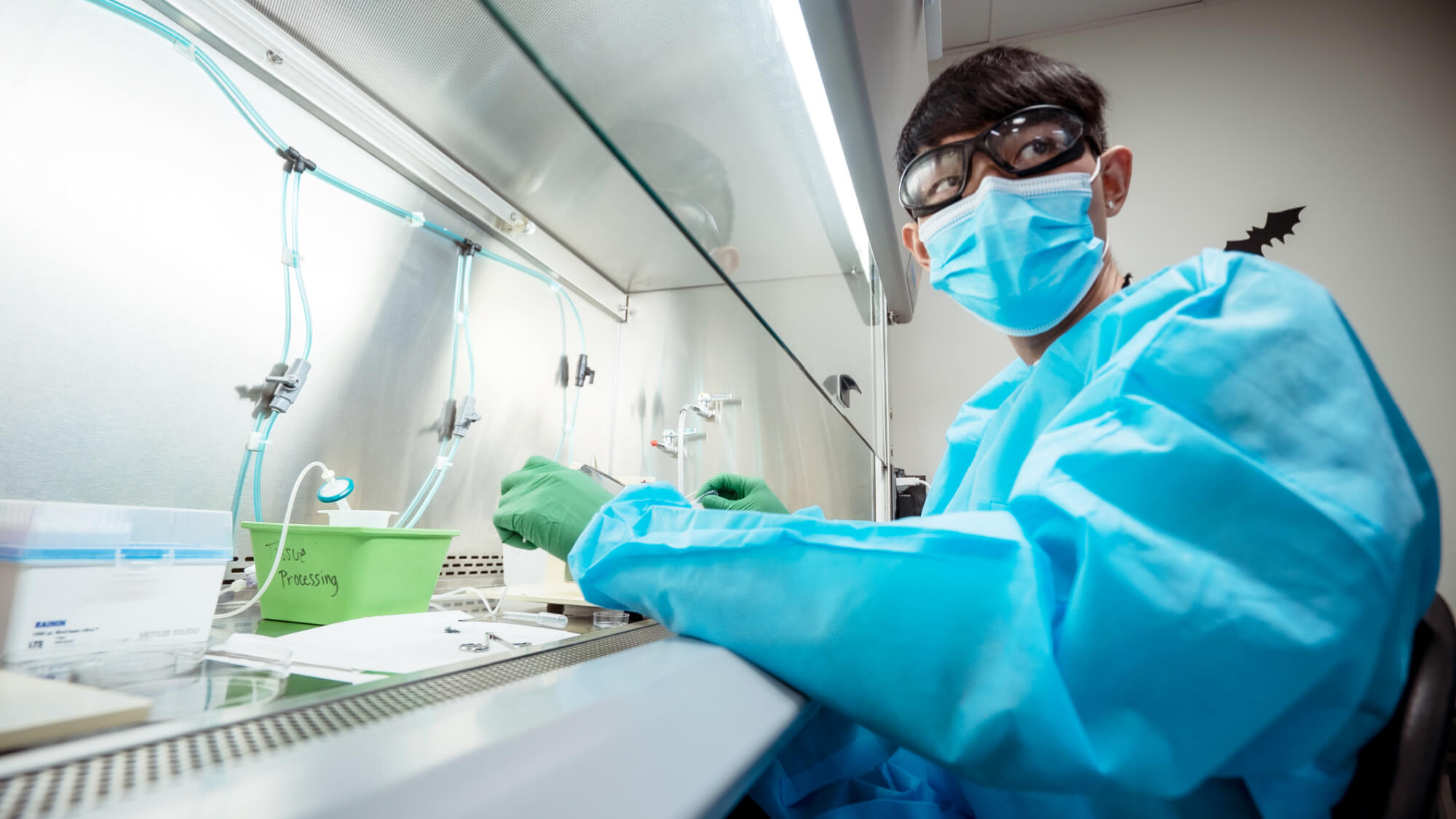

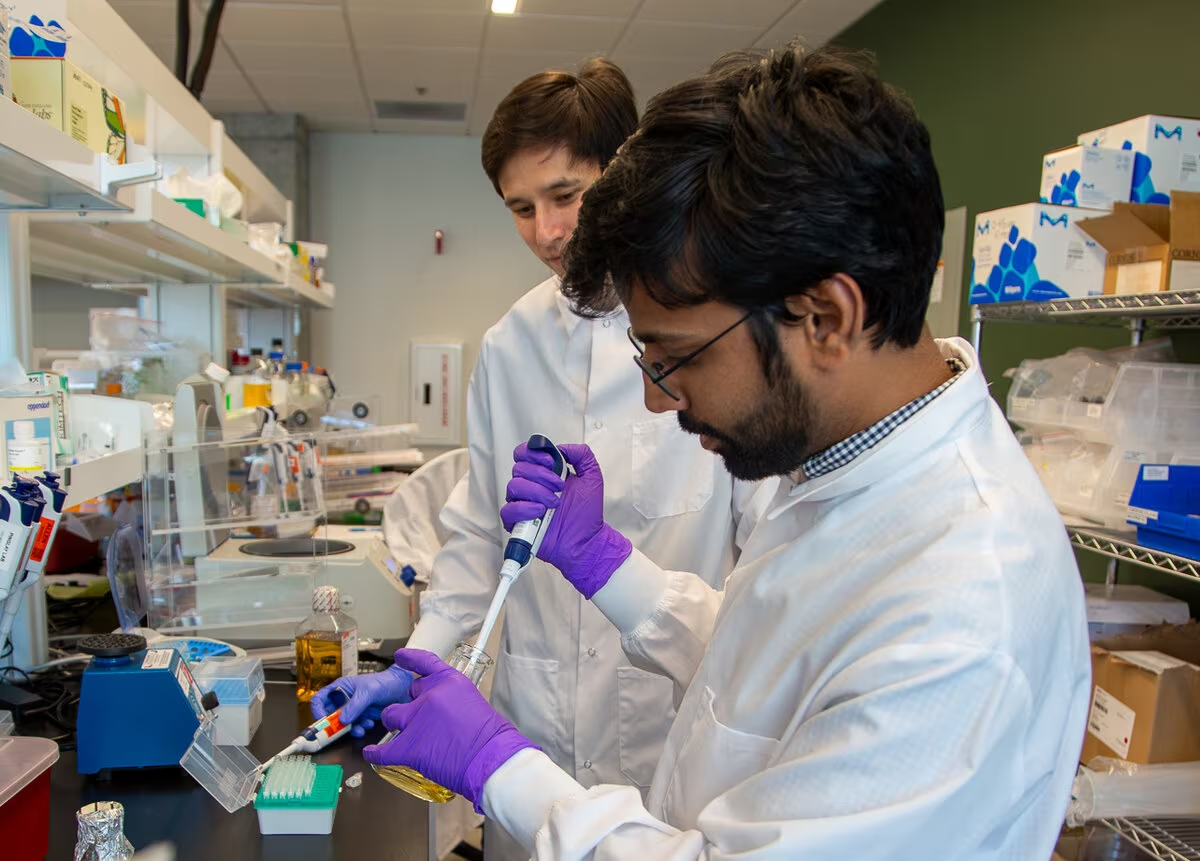
A day in the (neuroscience) life: Tissue Processing
The researchers in this lab prepare brain tissue for several other teams at the Allen Institute
brain science
news
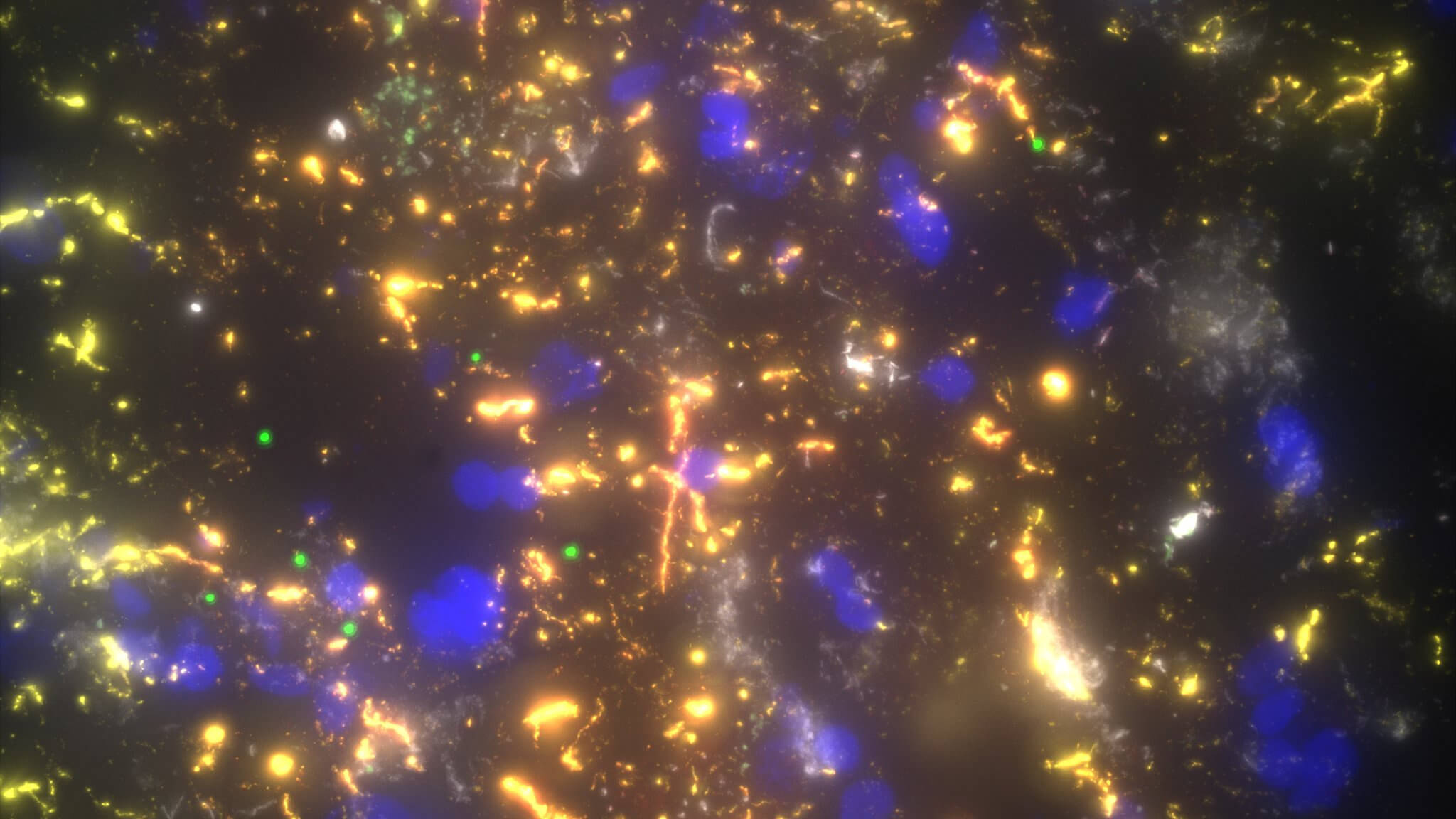

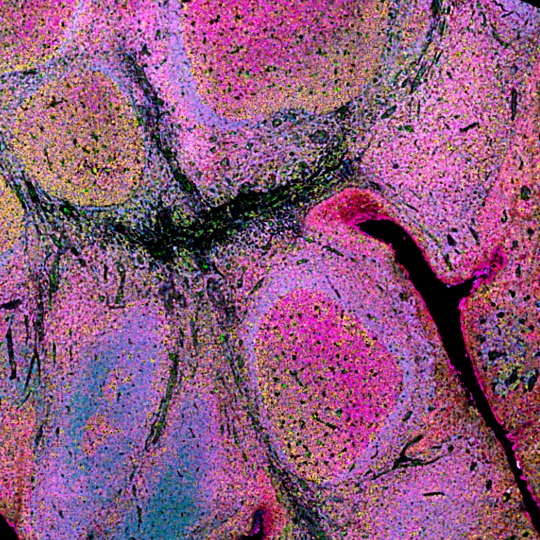
SciShots: a sneak peek of a new Alzheimer’s disease project
Researchers are in the early stages of investigating the brain cells most vulnerable to this devastating form of dementia
No items found.
science images
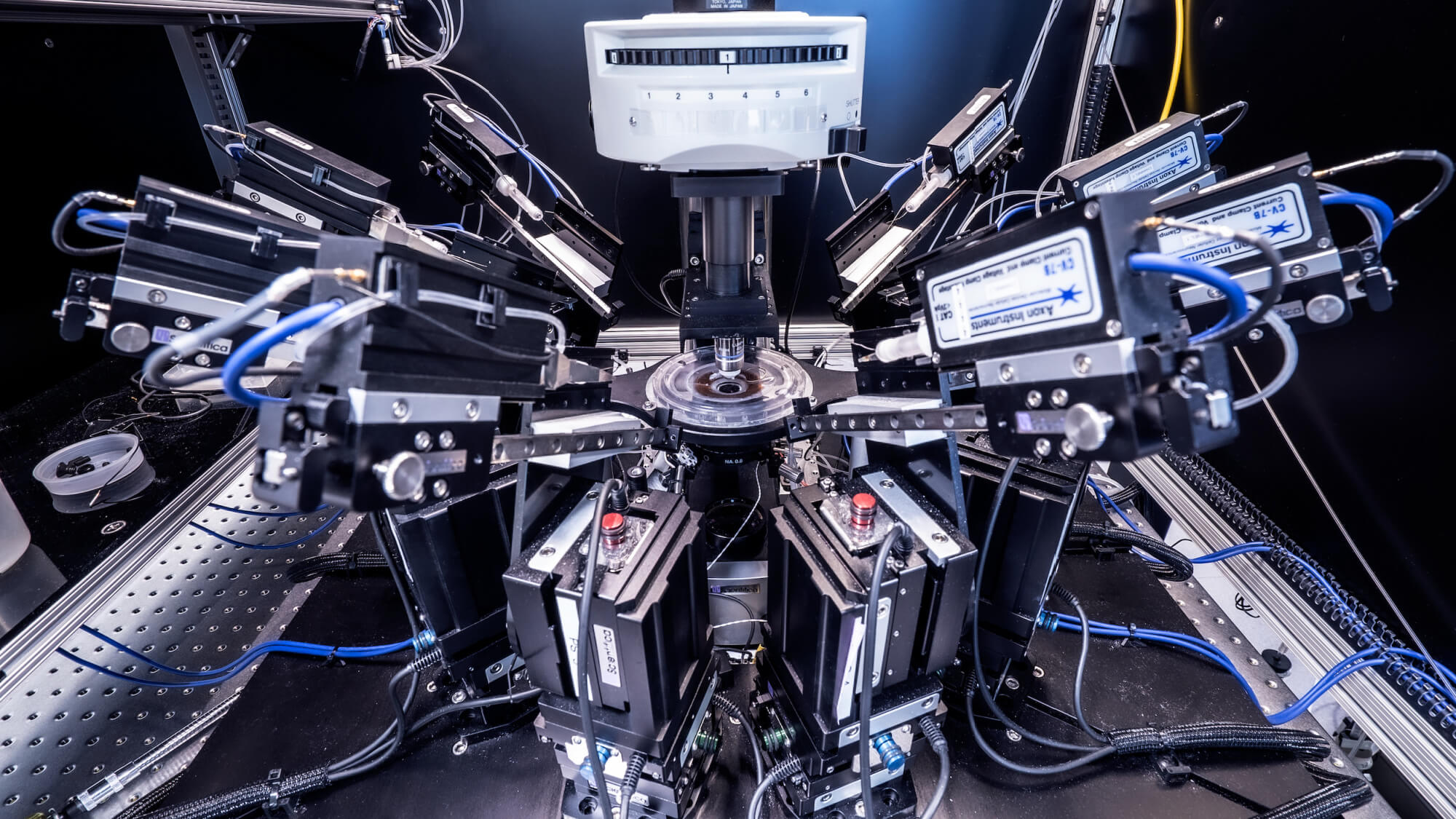
How do our neurons connect? New study probes the details of human and mouse synapses
‘Multipatch’ technique catalogs more than 1700 connections between neurons in publicly released dataset
brain science
news
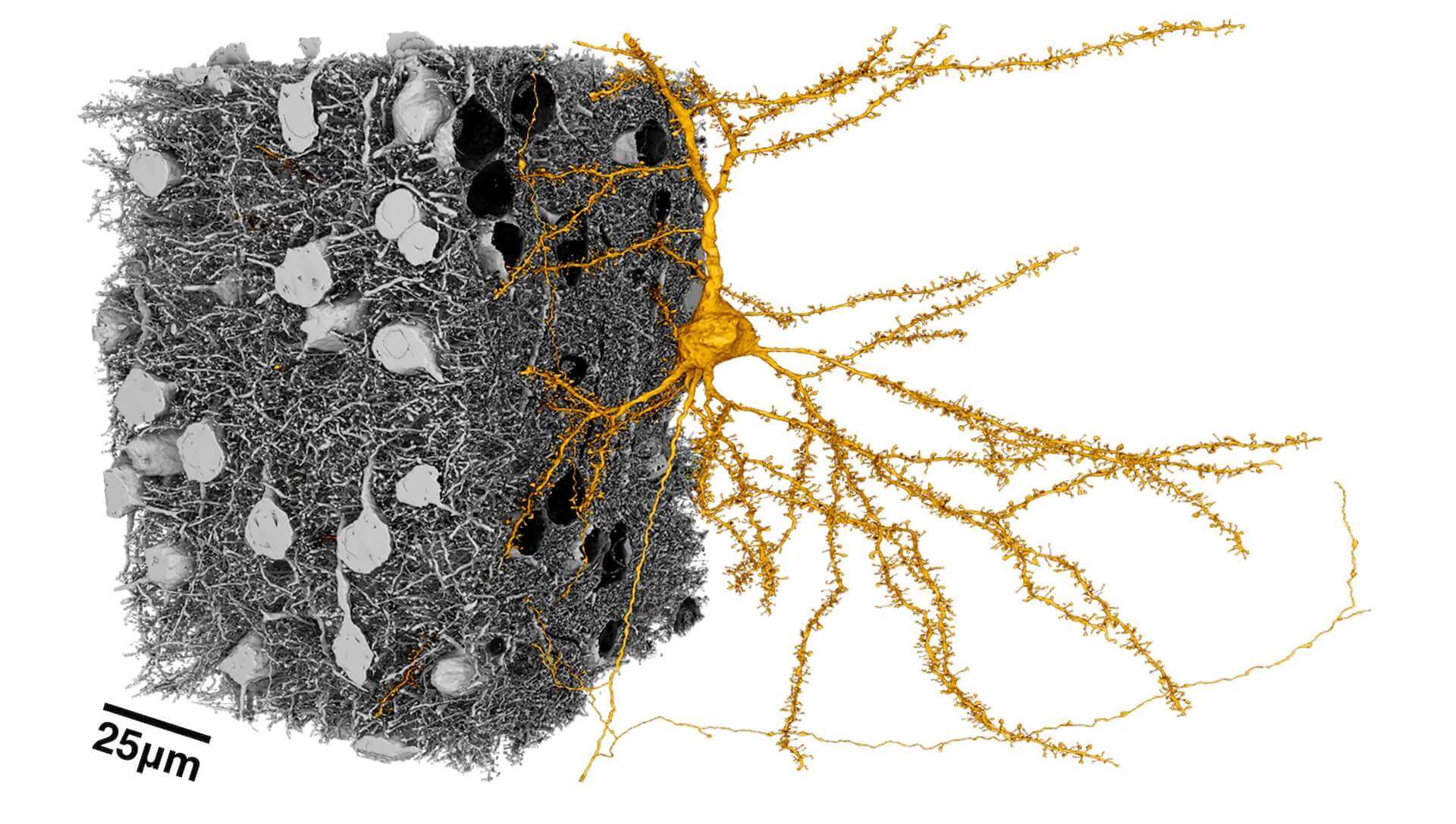
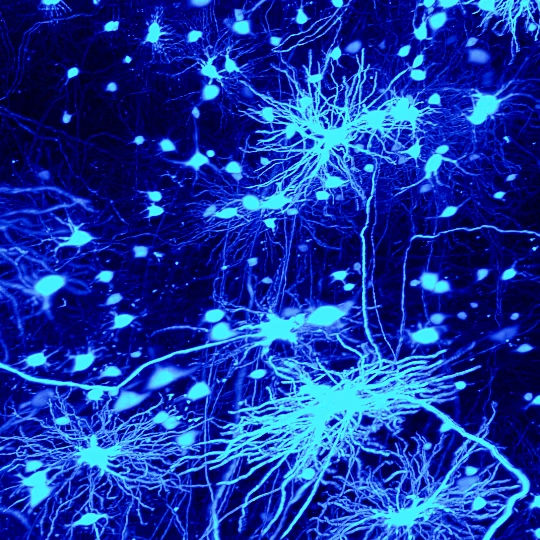
SciShots: neurons in crisp, clear detail
Electron microscopy reveals the stunning 3D shapes of mouse visual neurons
brain science
science images
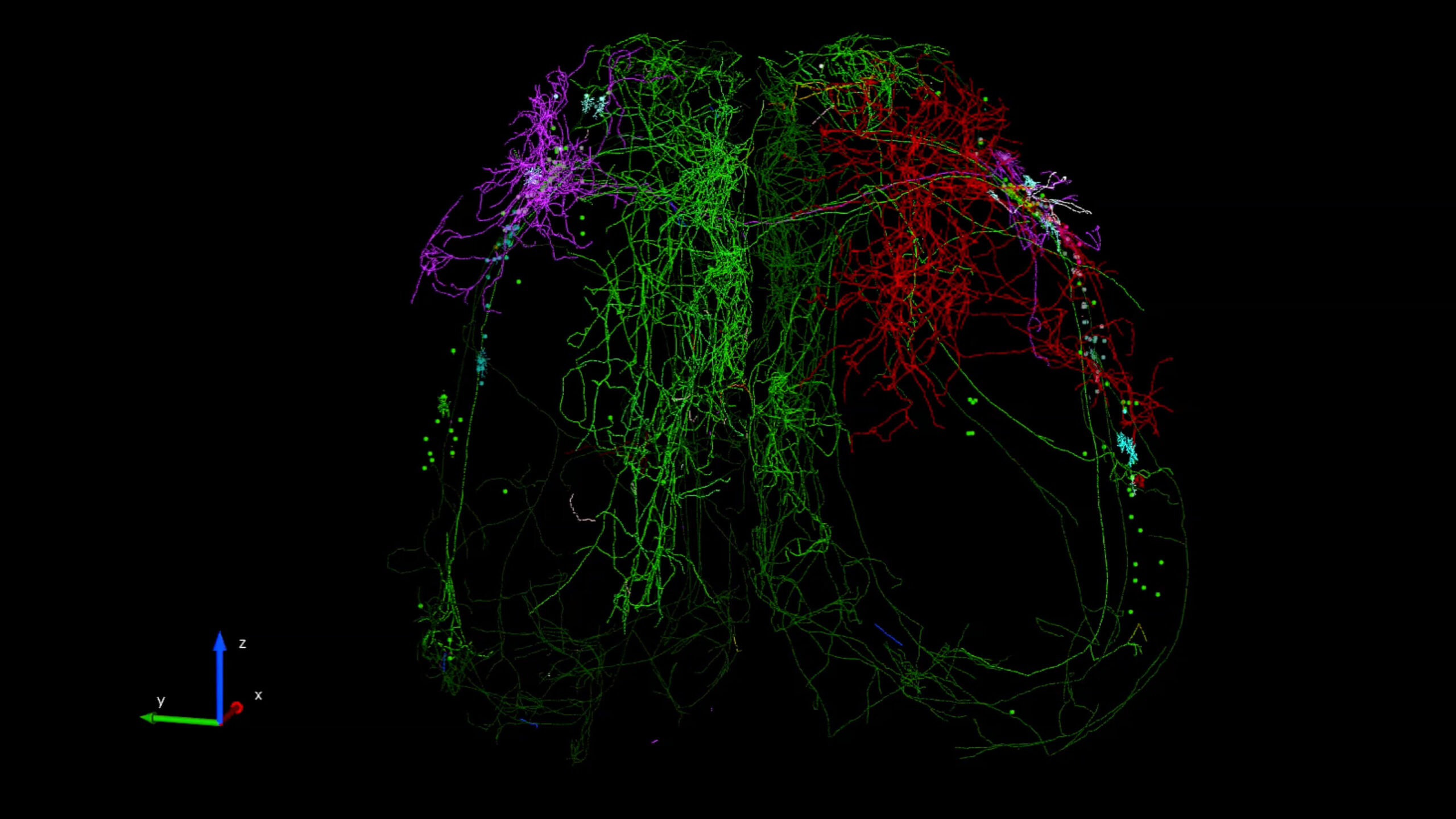
SciShots: a crown of neurons
Brain-wide neuron tracing of cells in the mouse claustrum, a mysterious structure that’s highly connected to the rest of the brain
No items found.
science images
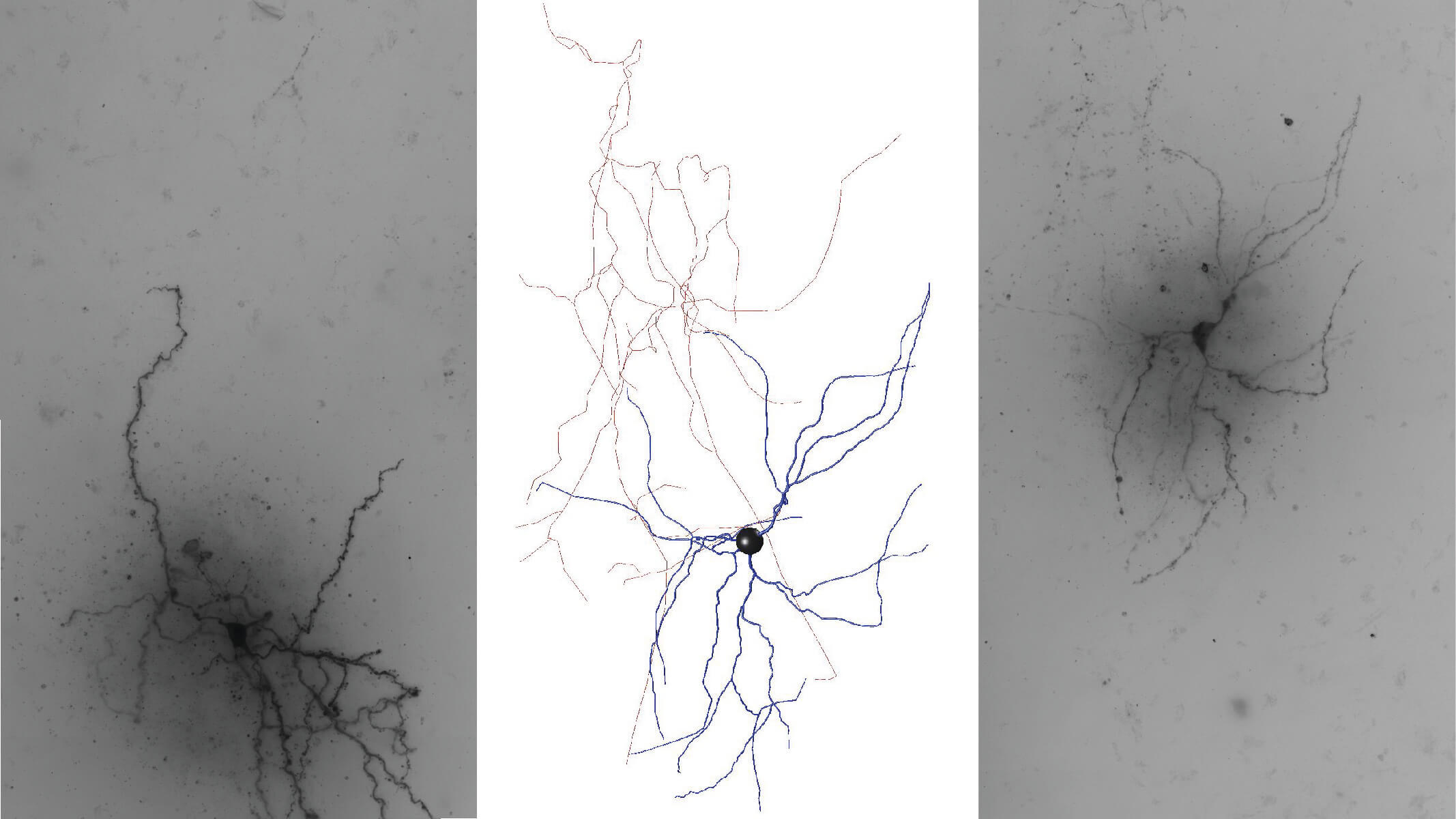
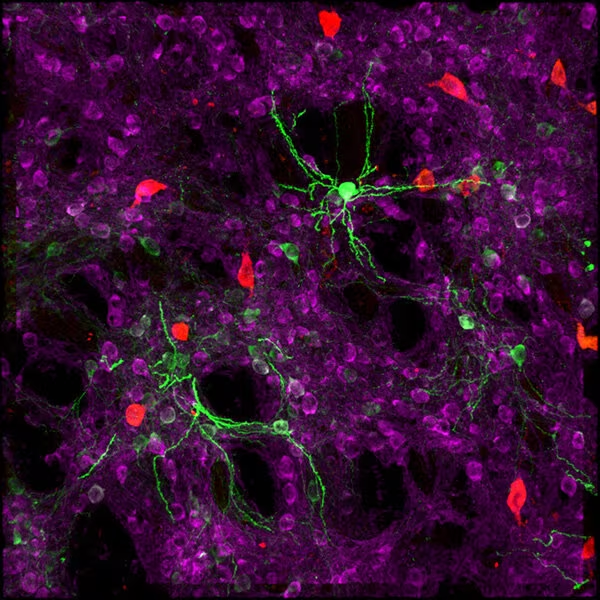
SciShots: a neuron’s love connection
A specialized team of neuroscientists at the Allen Institute spend their days painstakingly tracing neurons’ complex branching structures
No items found.
science images
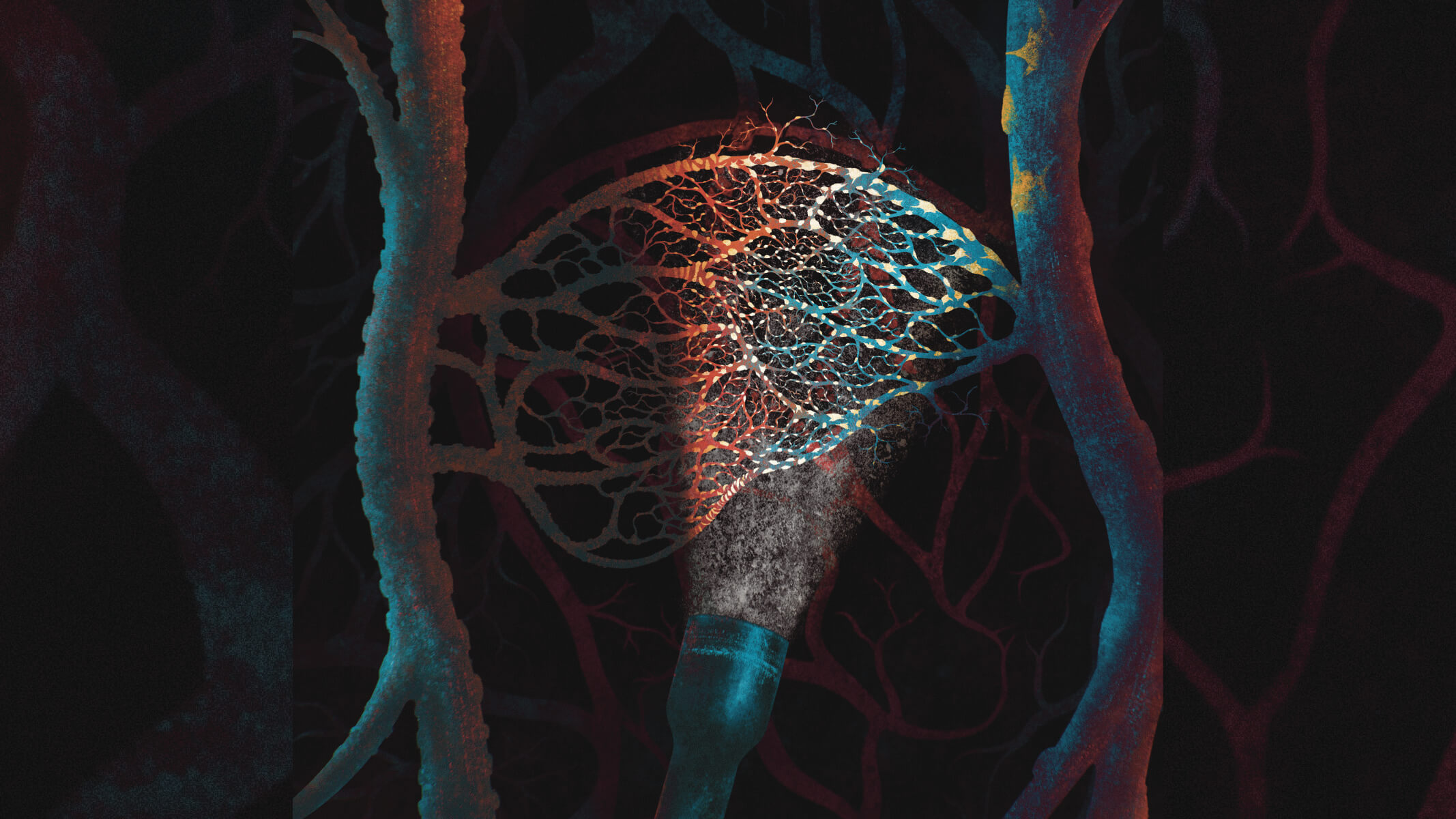
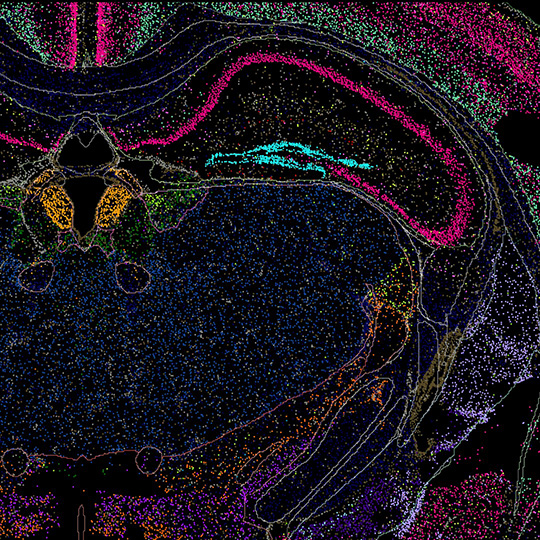
A map of all our brains’ blood vessel cells finds new clues to Alzheimer’s disease
Scientists release the first cell-by-cell atlas of the human blood-brain barrier.
No items found.
news
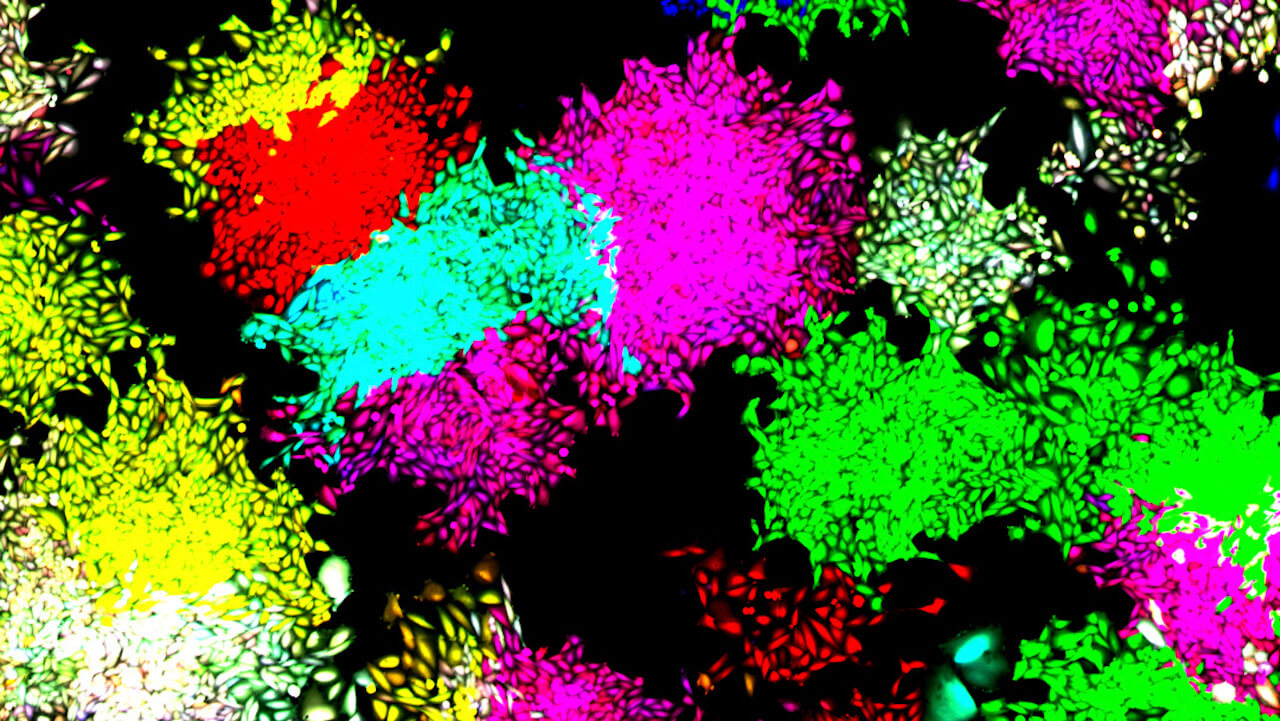
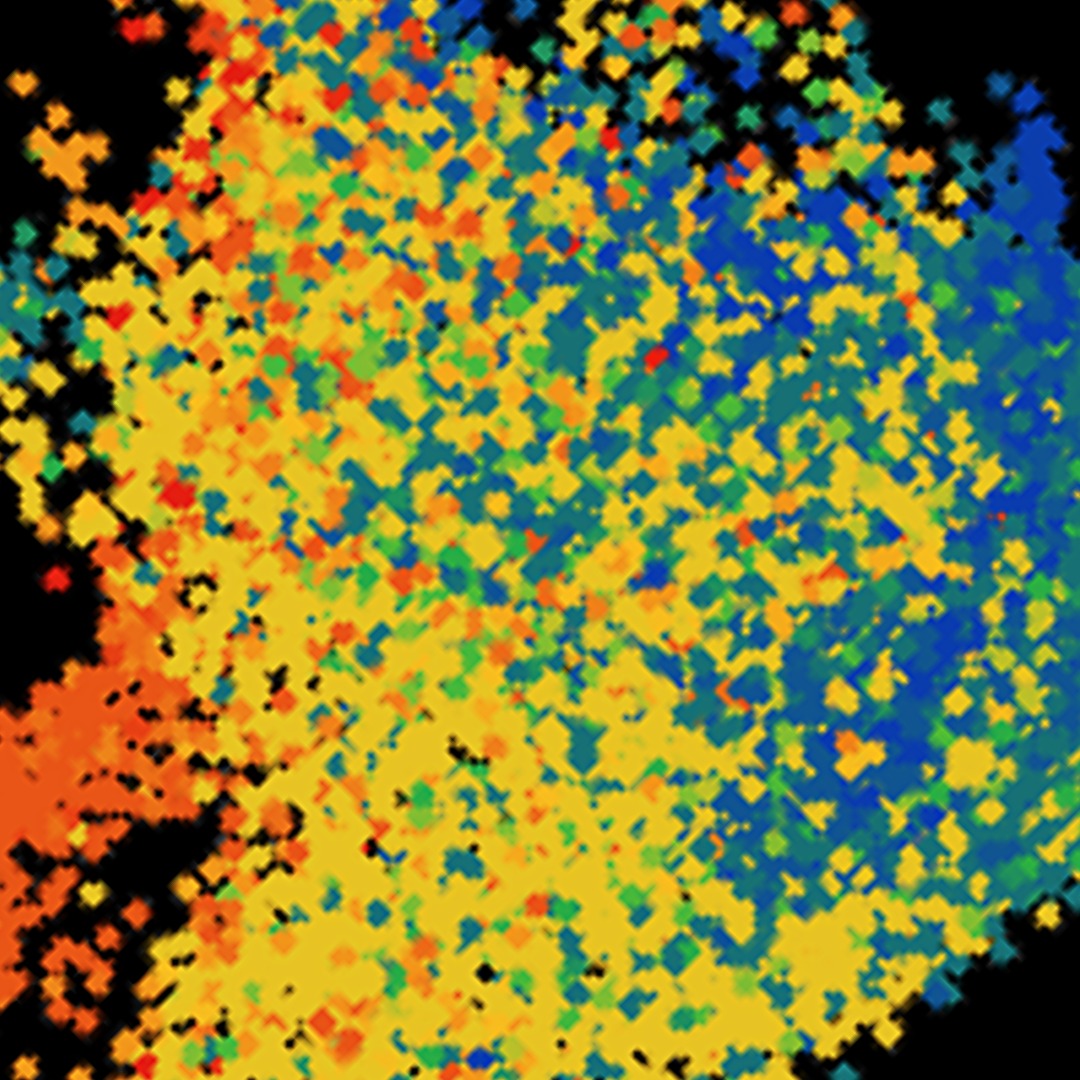
SciShots: a cell’s fate
Synthetic biology is helping scientists understand development
No items found.
science images
The Paul G. Allen Frontiers Group announces 23 new Allen Distinguished Investigators
$15.5M in research funding will support cutting-edge projects in mammalian synthetic biology, the neuroscience of under-studied animals, and tiny...
No items found.
news
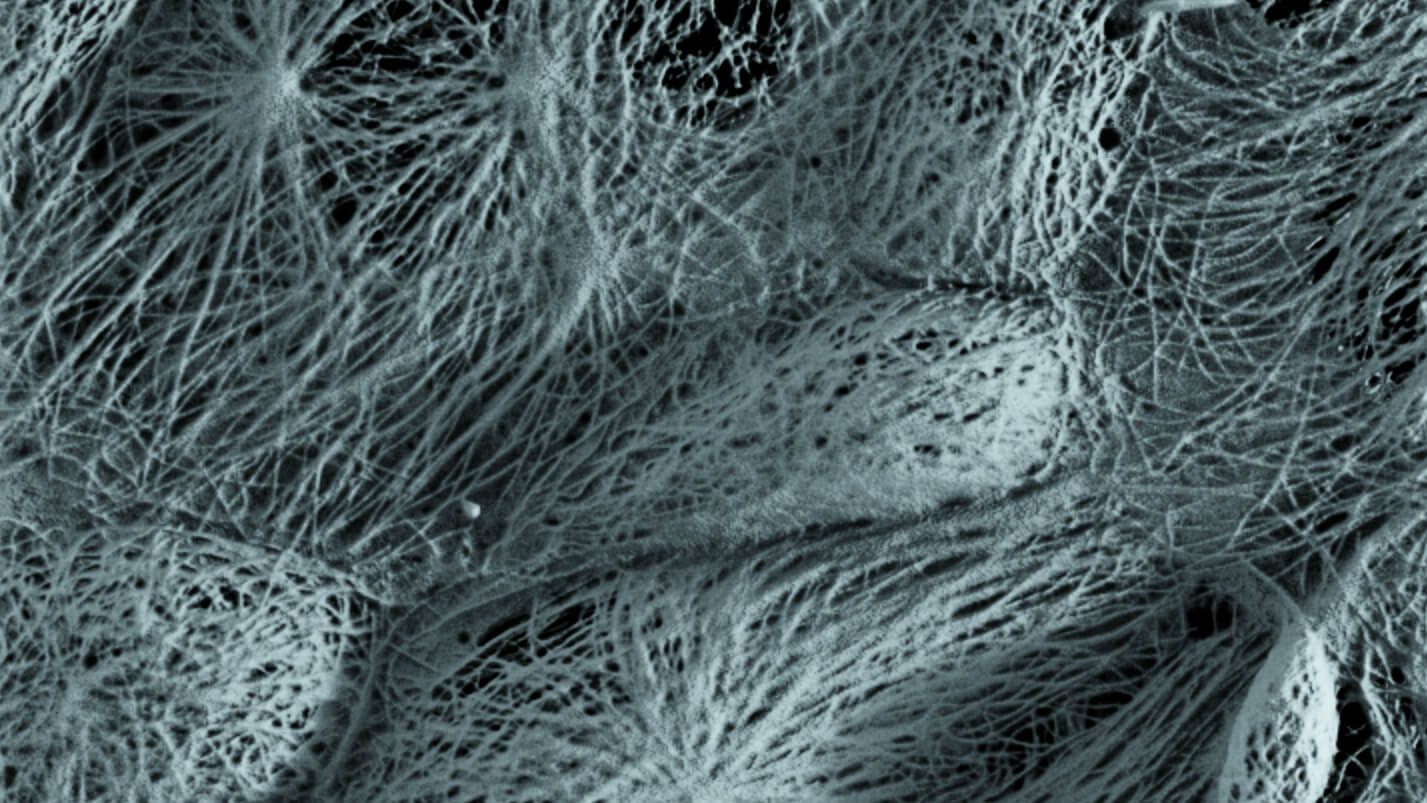
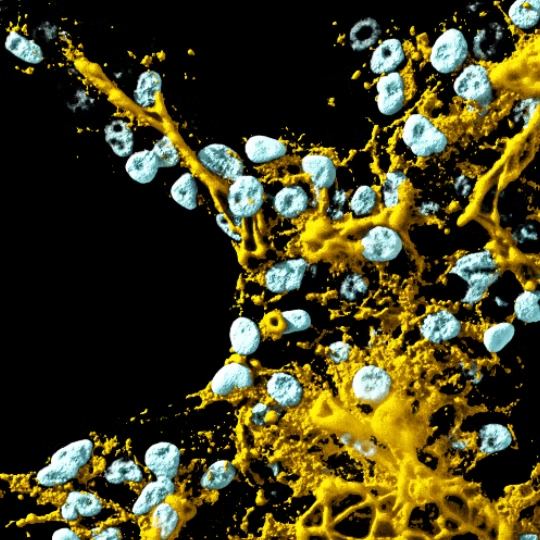
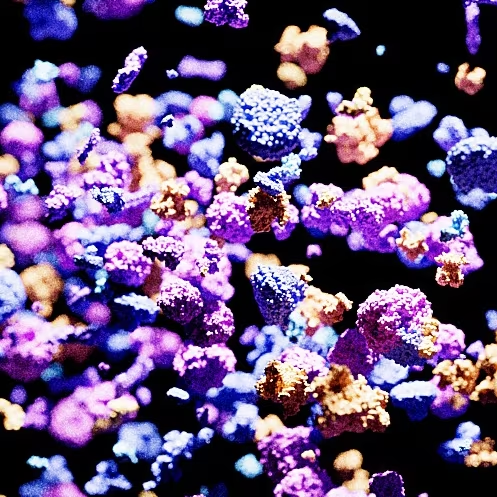
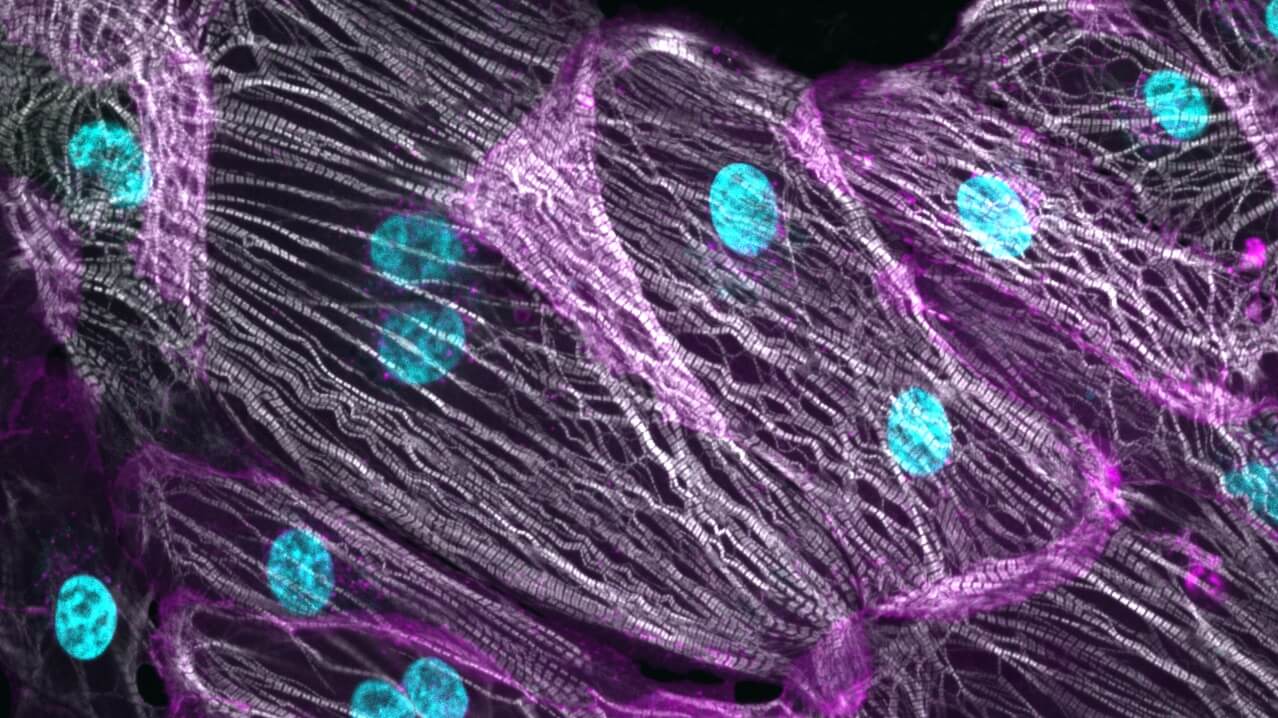
SciShots: cellular scaffolding
Computer animation techniques light up cells’ inner workings
No items found.
science images

No results found, try reducing your search parameters.
press & media contact
Get in touch for media inquiries and resources for covering science at the scale of greatest impact.
Thank you! Your submission has been received!
Oops! Something went wrong while submitting the form.

Quanta Magazine: New Cell Atlases Reveal Untold Variety in the Brain and Beyond
(Photo credit: Peter Greenwood for Quanta Magazine.) Recent efforts to map every cell in the human body have researchers floored by unfathomable diversity, with many thousands of subtly different types of cells in the human brain alone.

Seattle Times: Research that brings AI into human cells will soon expand in Seattle
The Seattle Hub for Synthetic Biology, set to open in January, is a result of collaboration between the Allen Institute, the Chan Zuckerberg Initiative and the University of Washington that aims to build new technologies to record the history of our bodies’ cells.

Yahoo News: Allen Frontiers Group awards $10M to set up research center for neuroimmunology
The neuroimmunology research center will be led by Brian Kim of Mount Sinai and David Artis of Weill Cornell Medicine. They’ll bring together a multidisciplinary team to trace interactions between the nervous system and the immune system that occur at sites distant from the brain.




FOX 13: 'Open Science Day' to honor the Allen Institute
You're invited to celebrate 'Open Science Day' Saturday in Seattle in honor of the Allen Institute's 20th Anniversary. This morning, we're looking at its role in scientific breakthroughs, and how it helped shape the city as we know it.
No results found, try reducing your search parameters.