news
stories from the front lines of discovery
From scientific breakthroughs to new open‑source tools, the Allen Institute’s work is reshaping how science is done—and who it’s for. Explore the latest news, stories, and highlights from across our research, partnerships, and open science efforts.


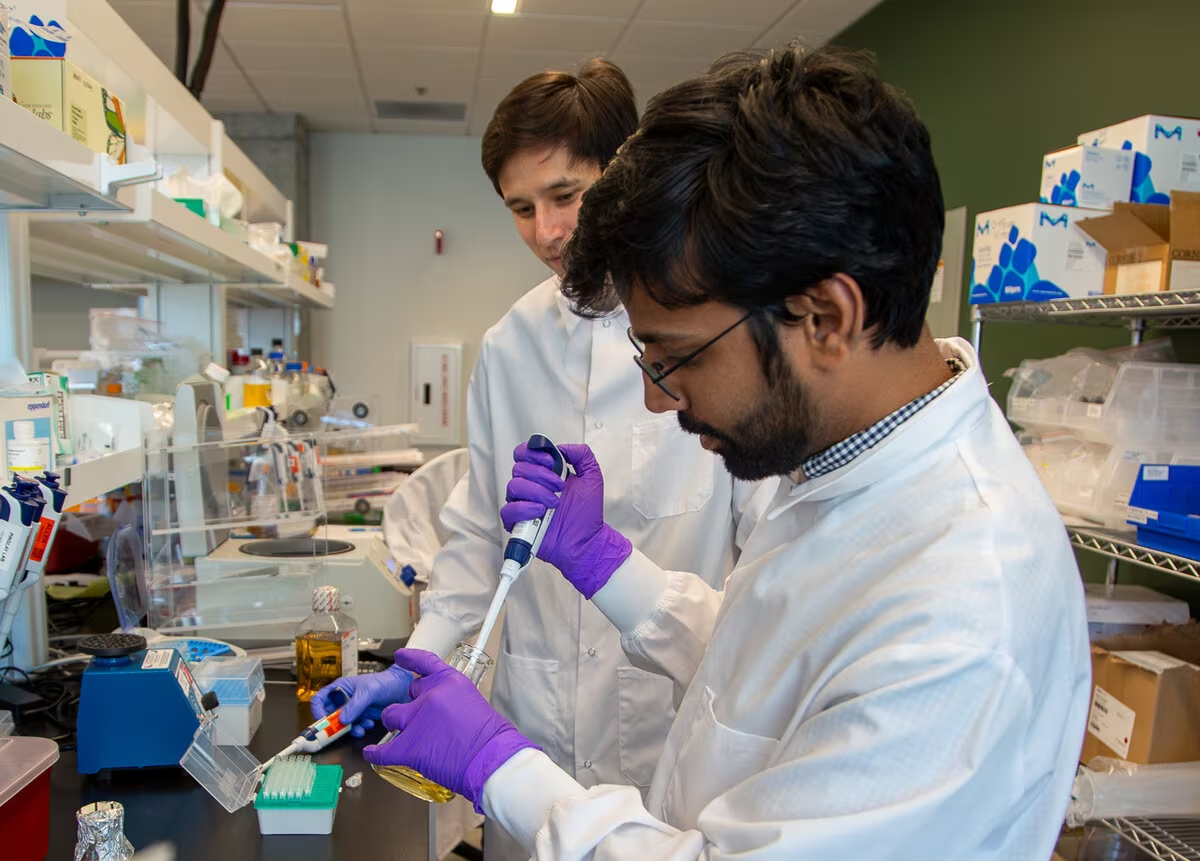
AI BioDesign accelerator combines experimental biology and artificial intelligence to learn nature’s design rules
Researchers from the Allen Institute, University of Washington, and Fred Hutch Cancer Center, supported by Fund for Science and Technology, will build open AI models, datasets, and tools to accelerate biological design for health, sustainability, and other global challenges
Thank you! Your submission has been received!
Oops! Something went wrong while submitting the form.


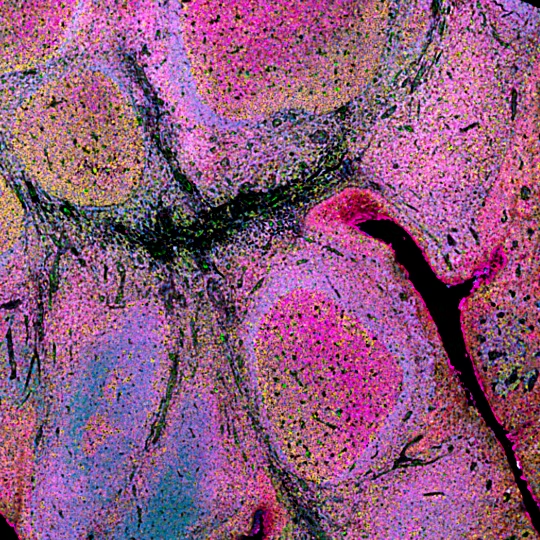
SciShots: exploring cellular variability
Scientists are studying the wide range of “normal” within human cells
cell science
science images
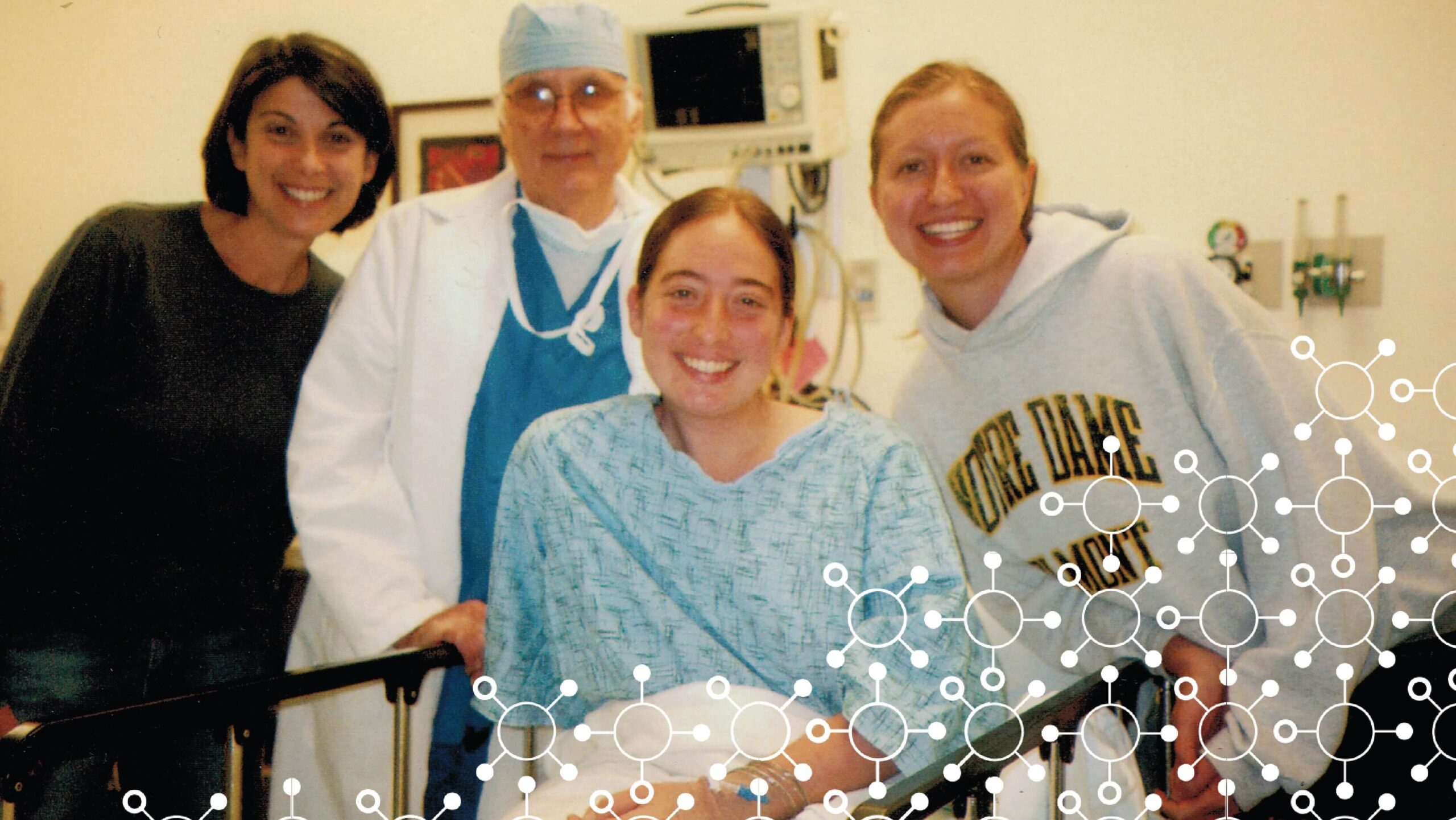

Out of Balance | Sarah’s experience with multiple myeloma
Sarah Kaufmann-Fink was diagnosed with cancer as a college student. 17 years and one relapse later, she’s pushing for more research.
immunology
news
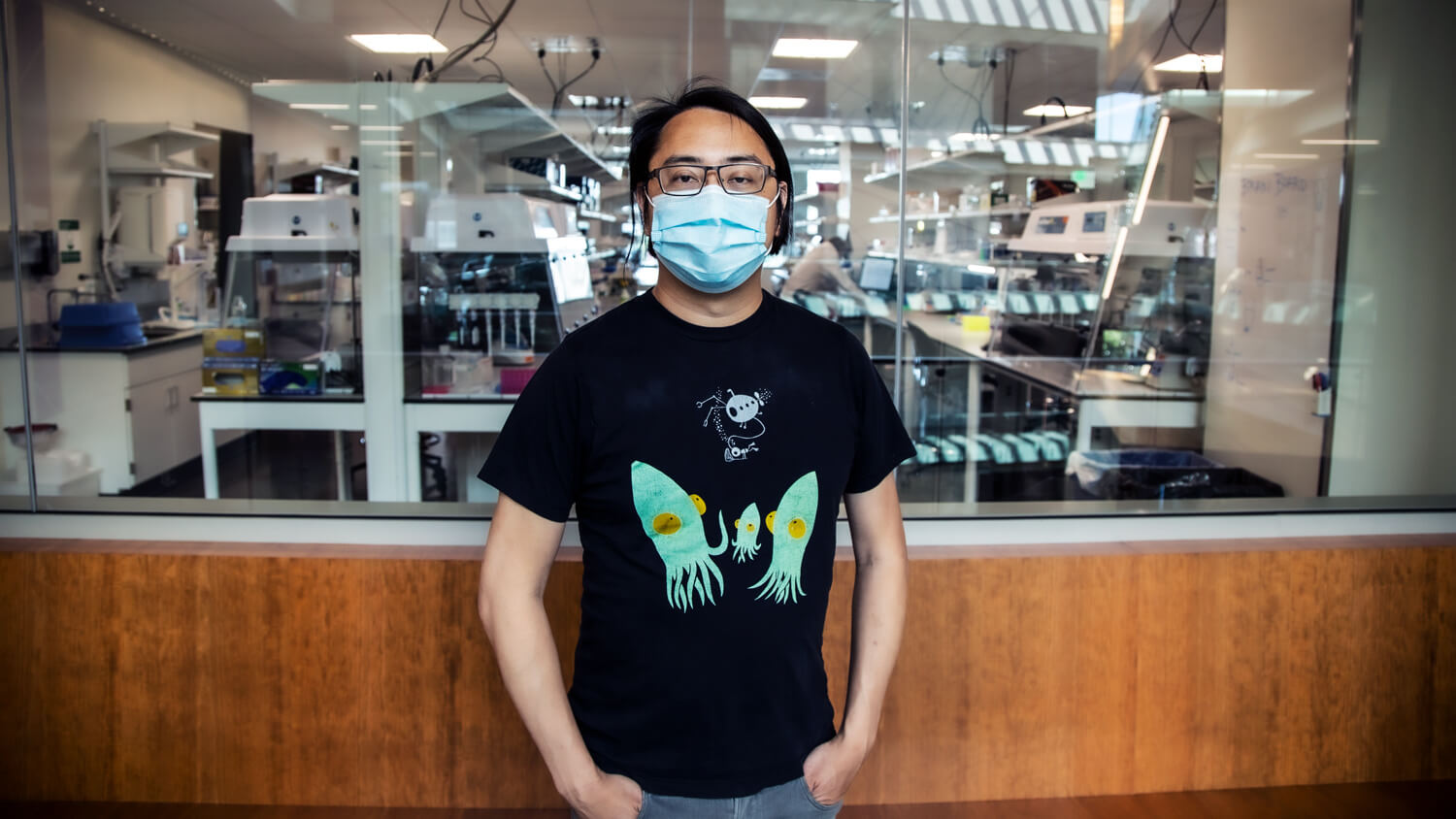

Science in Sixty | Greg Szeto
Greg Szeto Ph.D., Associate Investigator at The Allen Institute for Immunology, has a passion for immunology, virology, bioengineering, computer science…and photographing live music! Check out our latest Science In Sixty feature.
No items found.
video
A new open-access portal for human immunology data and tools
The Human Immune System Explorer offers an inside view into ongoing research on human health and disease
No items found.
news
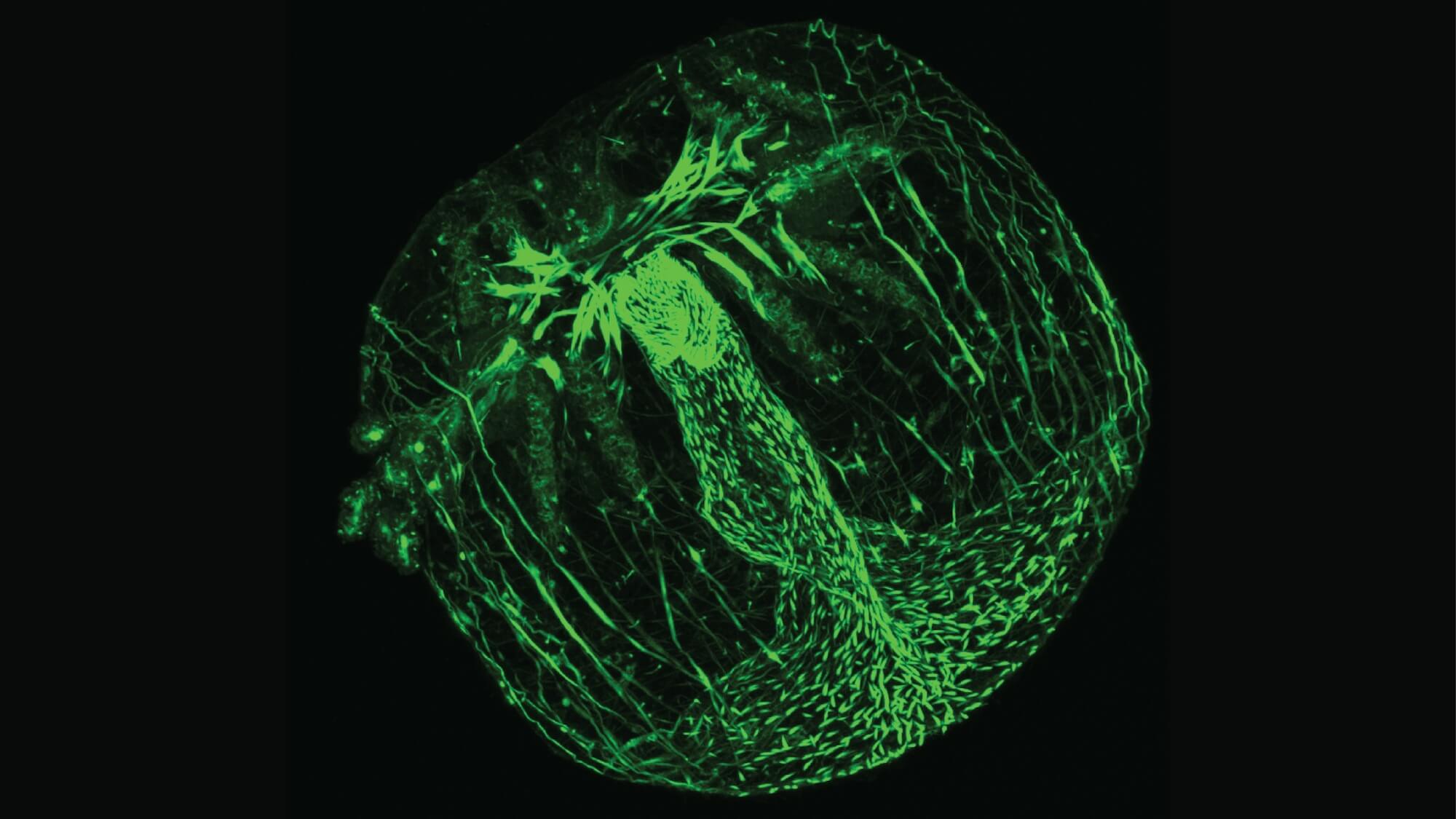
SciShots: glowing muscles of the comb jelly
Biologists are studying the neurons and muscle cells of the ctenophore, a type of sea jelly that is the sister group to all other animals
No items found.
science images

Science in Sixty | Irina Mueller
A recipe for success - Scientific Program Manager, Irina Mueller, supports interdisciplinary teams working together to understand the human cell.
No items found.
video
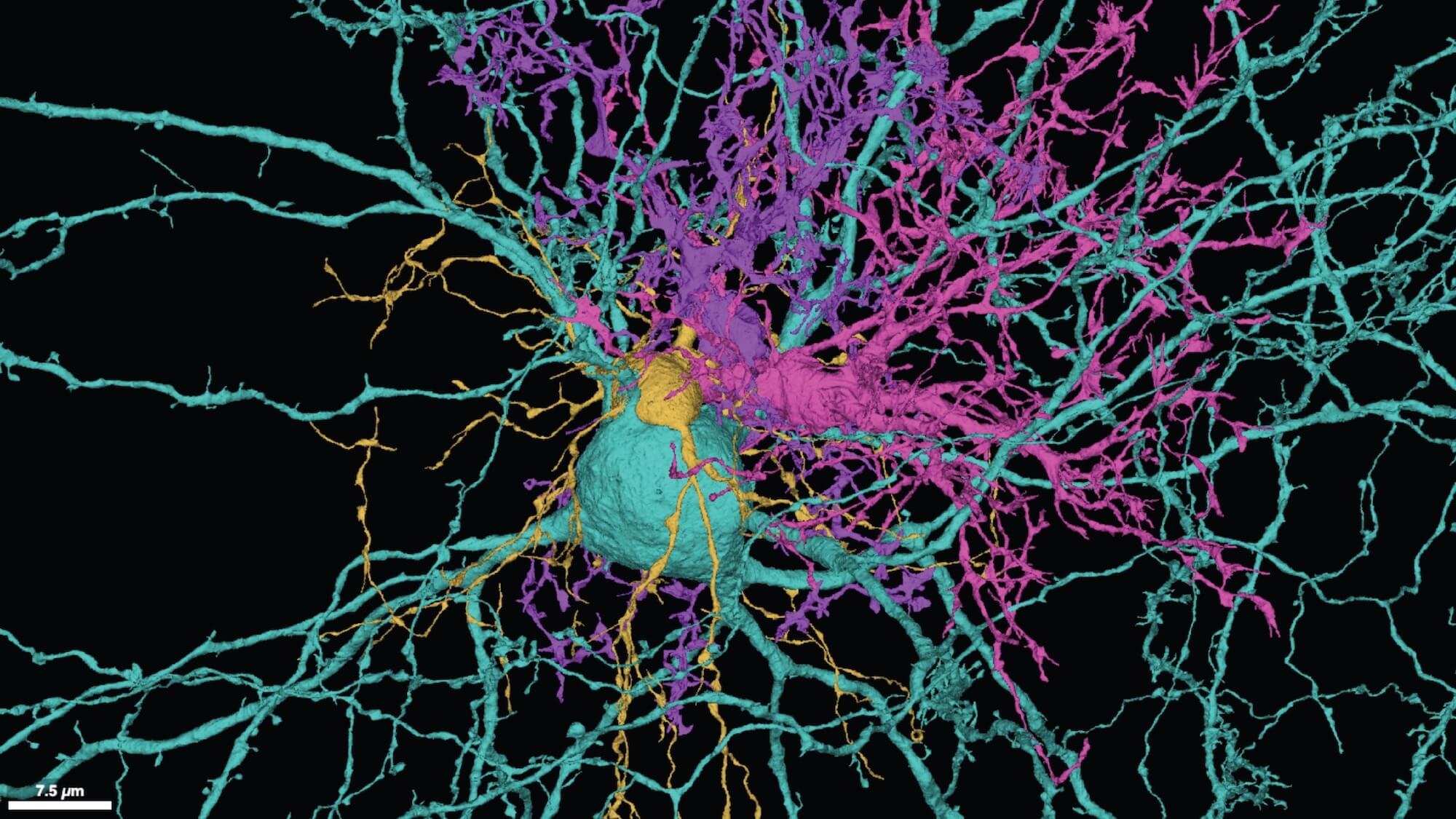
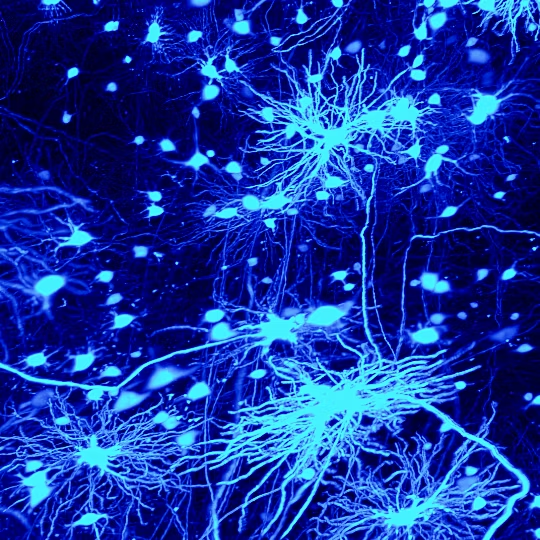
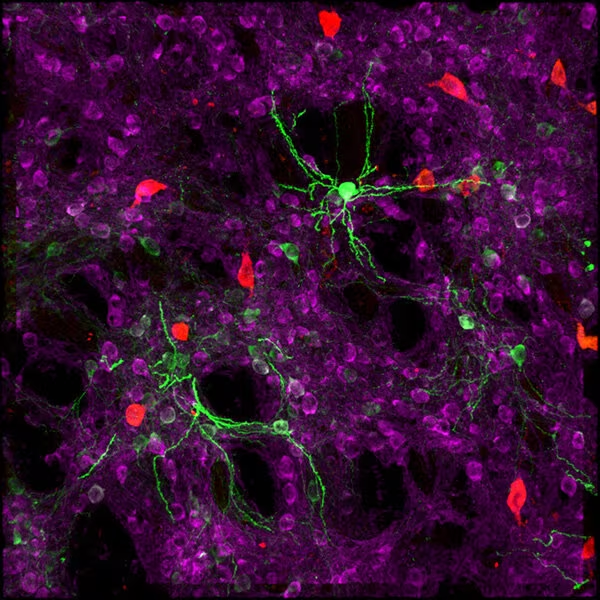
SciShots: a quartet of brain cells
Scientists are sifting through the hundreds of thousands of brain cells present in a cubic millimeter of mouse brain
No items found.
science images
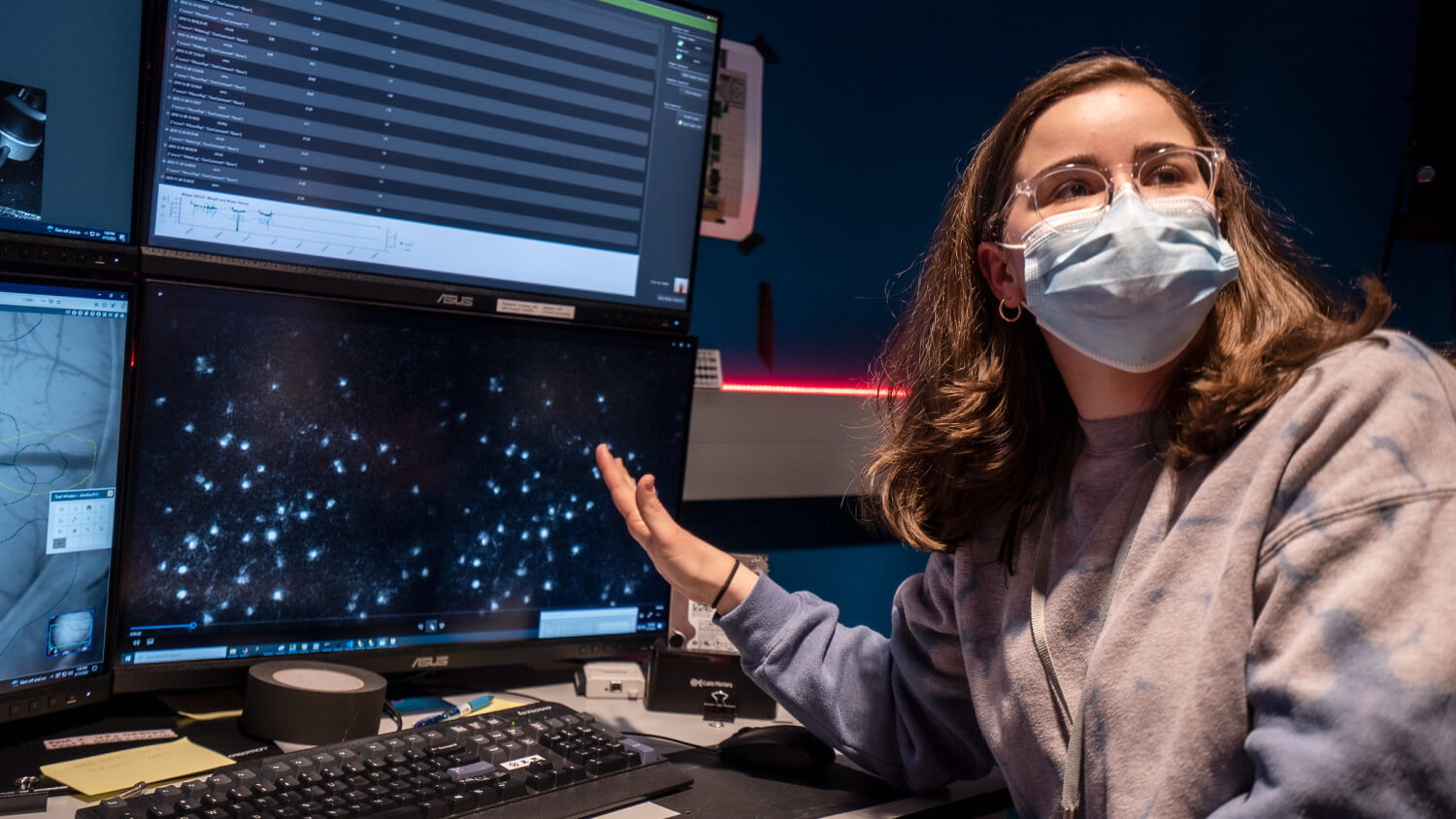
New research to understand how the brain handles optical illusions and makes predictions
3 new projects launch on OpenScope, a shared neuroscience observatory at the Allen Institute
No items found.
news
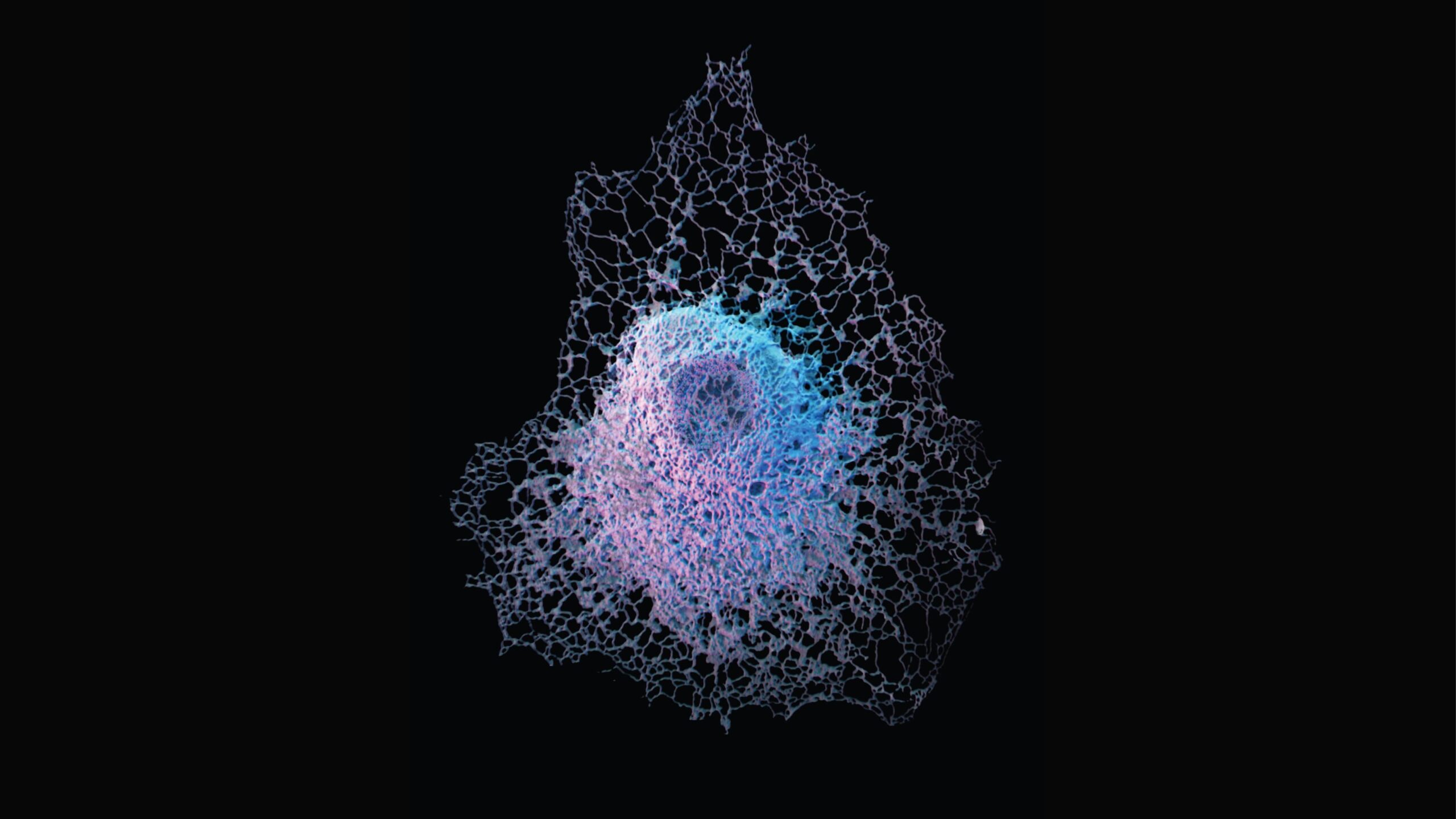

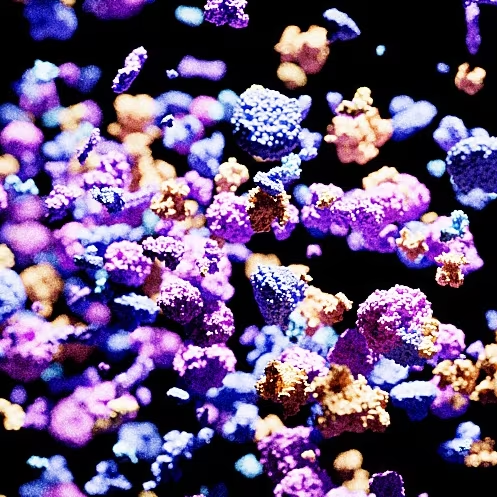
SciShots: the labyrinthian protein factory of the cell
Graphics software for microscope imagery lights up the endoplasmic reticulum
No items found.
science images
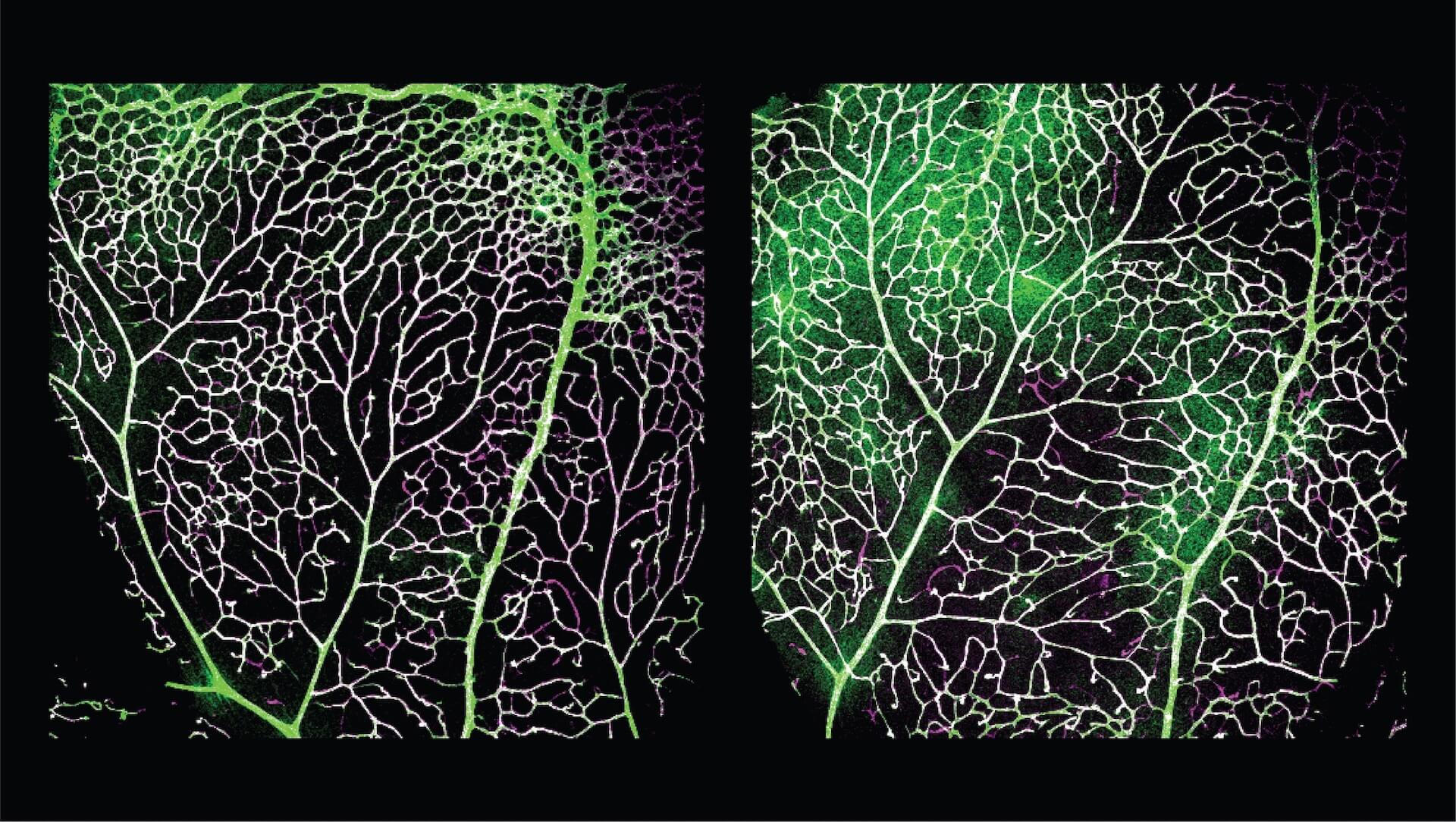
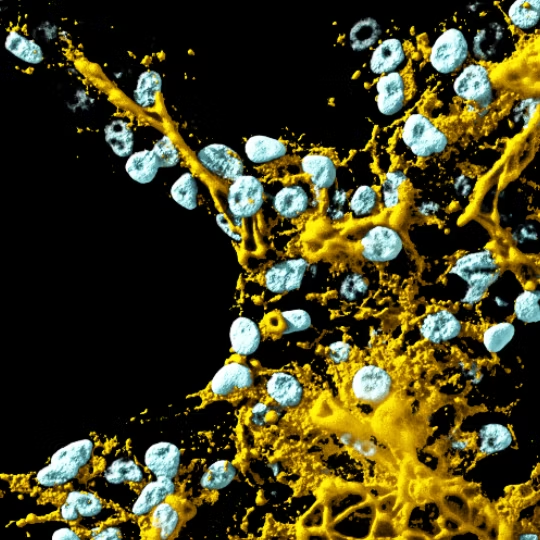
SciShots: how the brain plugs leaks
A delicate molecular dance maintains the blood-brain barrier, protecting the brain while allowing transport of necessary resources
No items found.
science images


No results found, try reducing your search parameters.
press & media contact
Get in touch for media inquiries and resources for covering science at the scale of greatest impact.
Thank you! Your submission has been received!
Oops! Something went wrong while submitting the form.


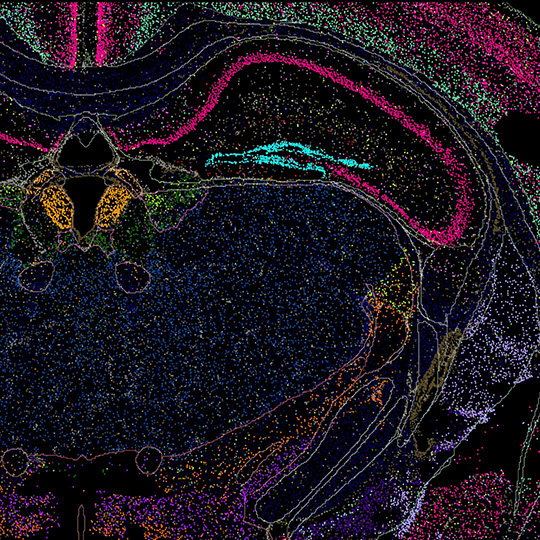
Scientific American: First Atlas of Every Mouse Brain Cell Could Improve Neuro Disease Treatments
Neuroscientists have unveiled their most comprehensive and detailed map of cell types across the entire mouse brain, delivering the latest results of a six-year-long scientific effort in which Seattle’s Allen Institute has played a leading role.

Quanta Magazine: New Cell Atlases Reveal Untold Variety in the Brain and Beyond
(Photo credit: Peter Greenwood for Quanta Magazine.) Recent efforts to map every cell in the human body have researchers floored by unfathomable diversity, with many thousands of subtly different types of cells in the human brain alone.

Seattle Times: Research that brings AI into human cells will soon expand in Seattle
The Seattle Hub for Synthetic Biology, set to open in January, is a result of collaboration between the Allen Institute, the Chan Zuckerberg Initiative and the University of Washington that aims to build new technologies to record the history of our bodies’ cells.


Yahoo News: Allen Frontiers Group awards $10M to set up research center for neuroimmunology
The neuroimmunology research center will be led by Brian Kim of Mount Sinai and David Artis of Weill Cornell Medicine. They’ll bring together a multidisciplinary team to trace interactions between the nervous system and the immune system that occur at sites distant from the brain.




No results found, try reducing your search parameters.