news
stories from the front lines of discovery
From scientific breakthroughs to new open‑source tools, the Allen Institute’s work is reshaping how science is done—and who it’s for. Explore the latest news, stories, and highlights from across our research, partnerships, and open science efforts.


AI BioDesign accelerator combines experimental biology and artificial intelligence to learn nature’s design rules
Researchers from the Allen Institute, University of Washington, and Fred Hutch Cancer Center, supported by Fund for Science and Technology, will build open AI models, datasets, and tools to accelerate biological design for health, sustainability, and other global challenges
Thank you! Your submission has been received!
Oops! Something went wrong while submitting the form.
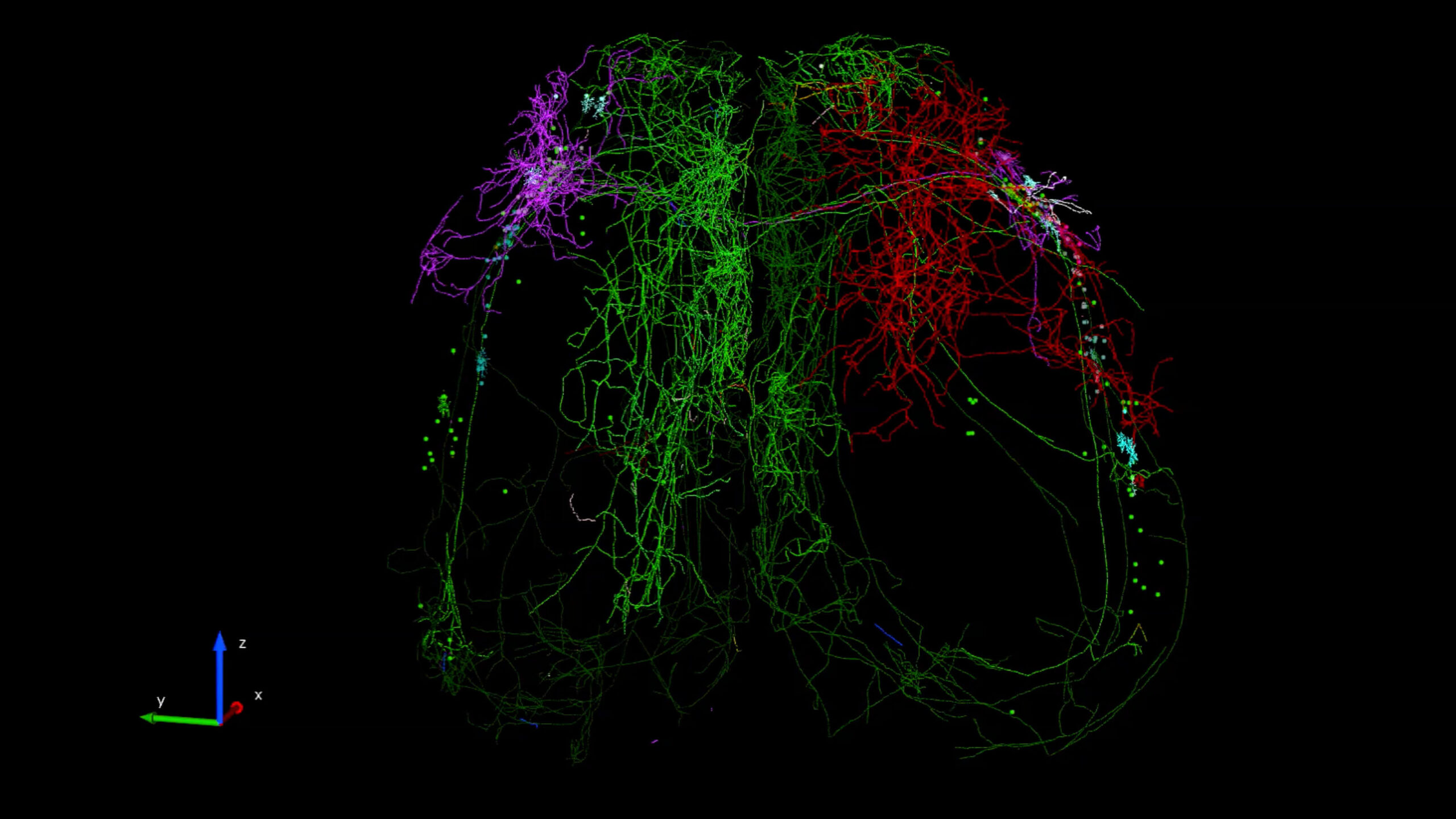


SciShots: a crown of neurons
Brain-wide neuron tracing of cells in the mouse claustrum, a mysterious structure that’s highly connected to the rest of the brain
No items found.
science images
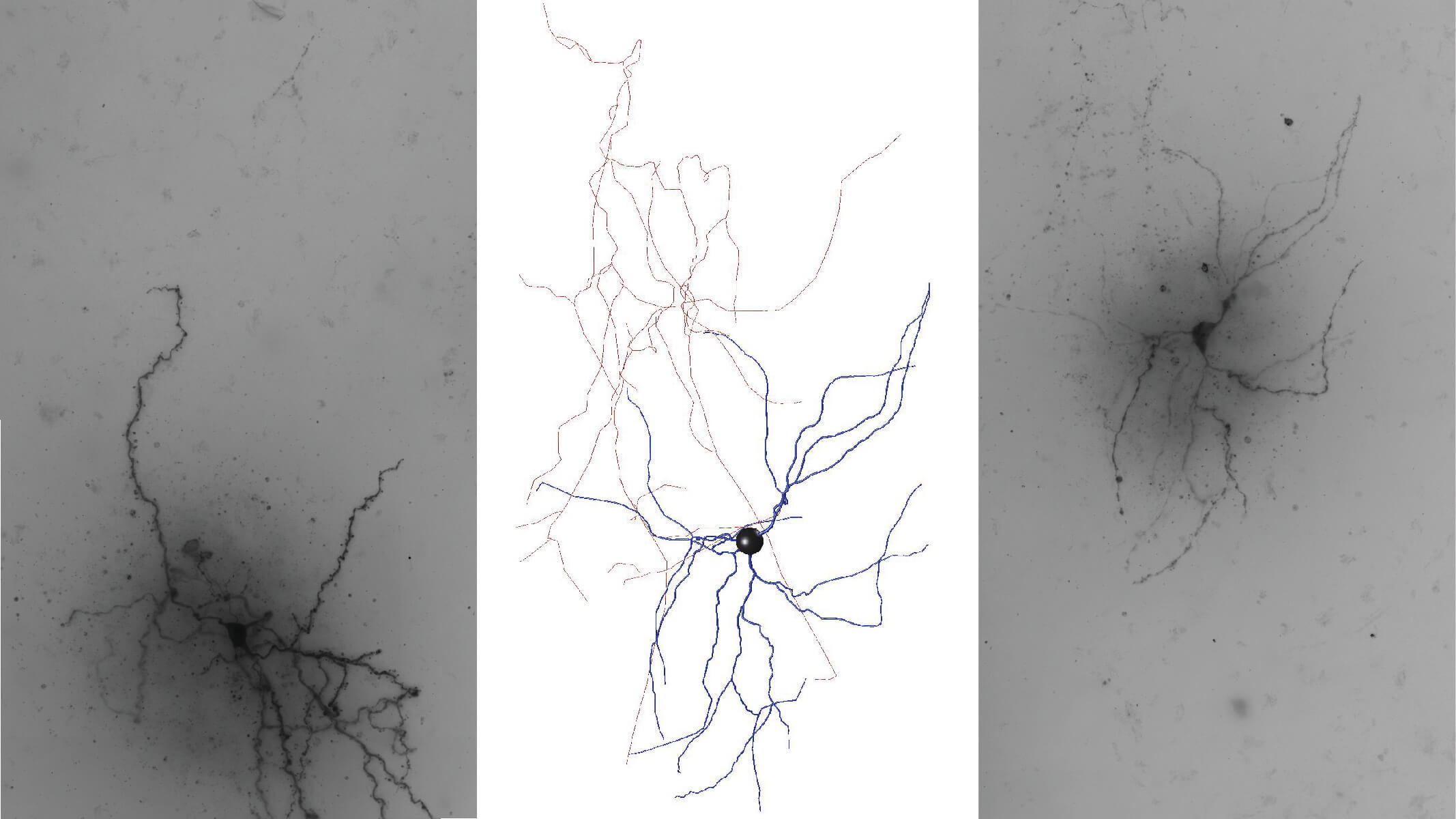
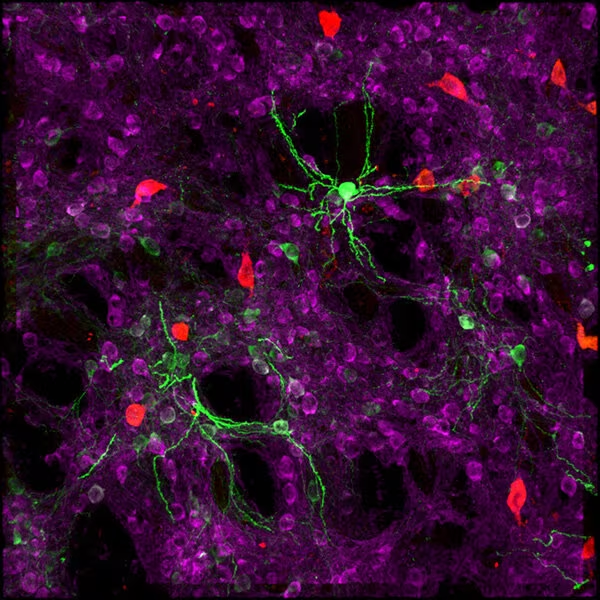
SciShots: a neuron’s love connection
A specialized team of neuroscientists at the Allen Institute spend their days painstakingly tracing neurons’ complex branching structures
No items found.
science images
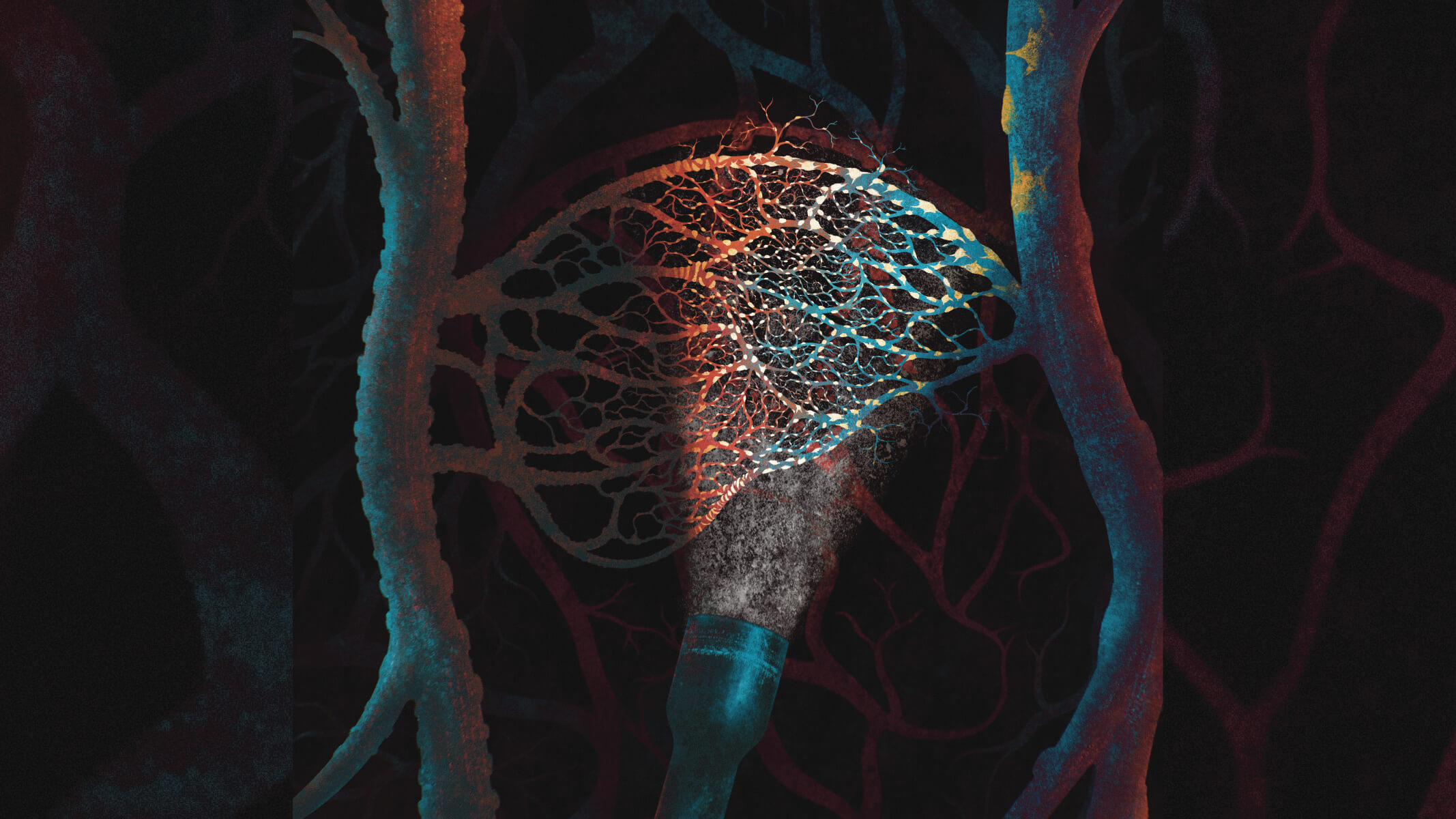

A map of all our brains’ blood vessel cells finds new clues to Alzheimer’s disease
Scientists release the first cell-by-cell atlas of the human blood-brain barrier.
No items found.
news
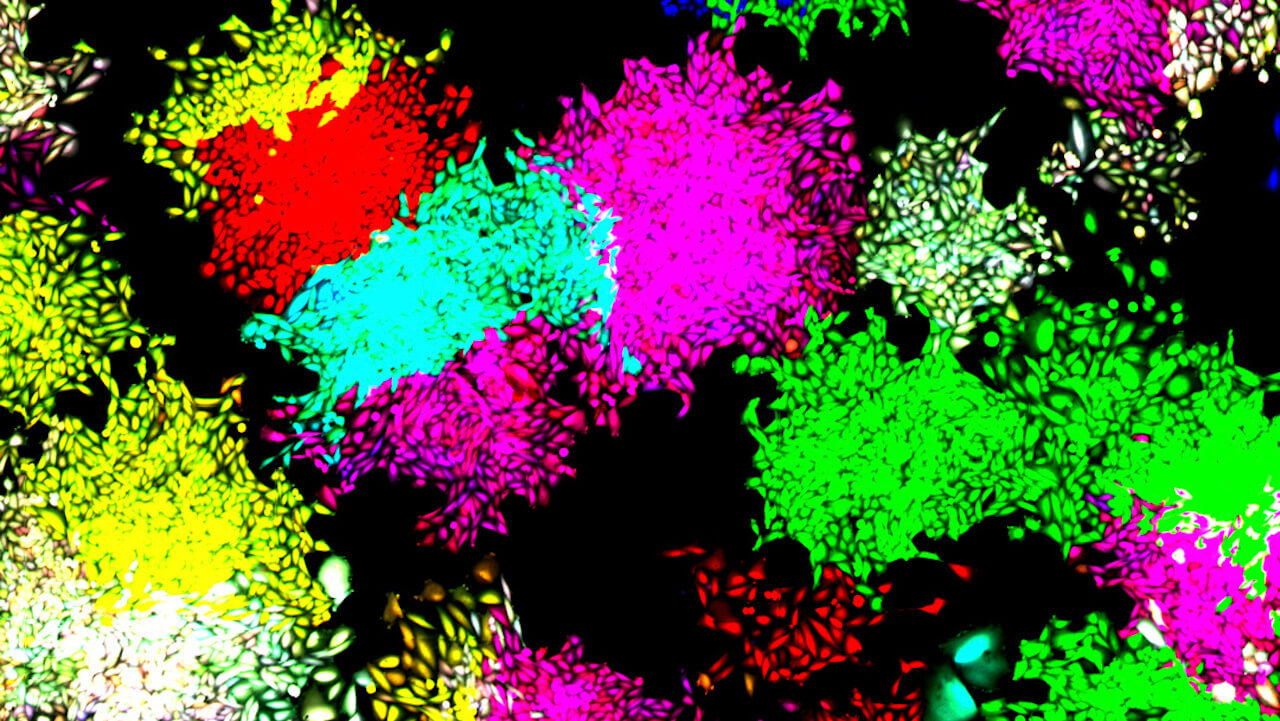
SciShots: a cell’s fate
Synthetic biology is helping scientists understand development
No items found.
science images
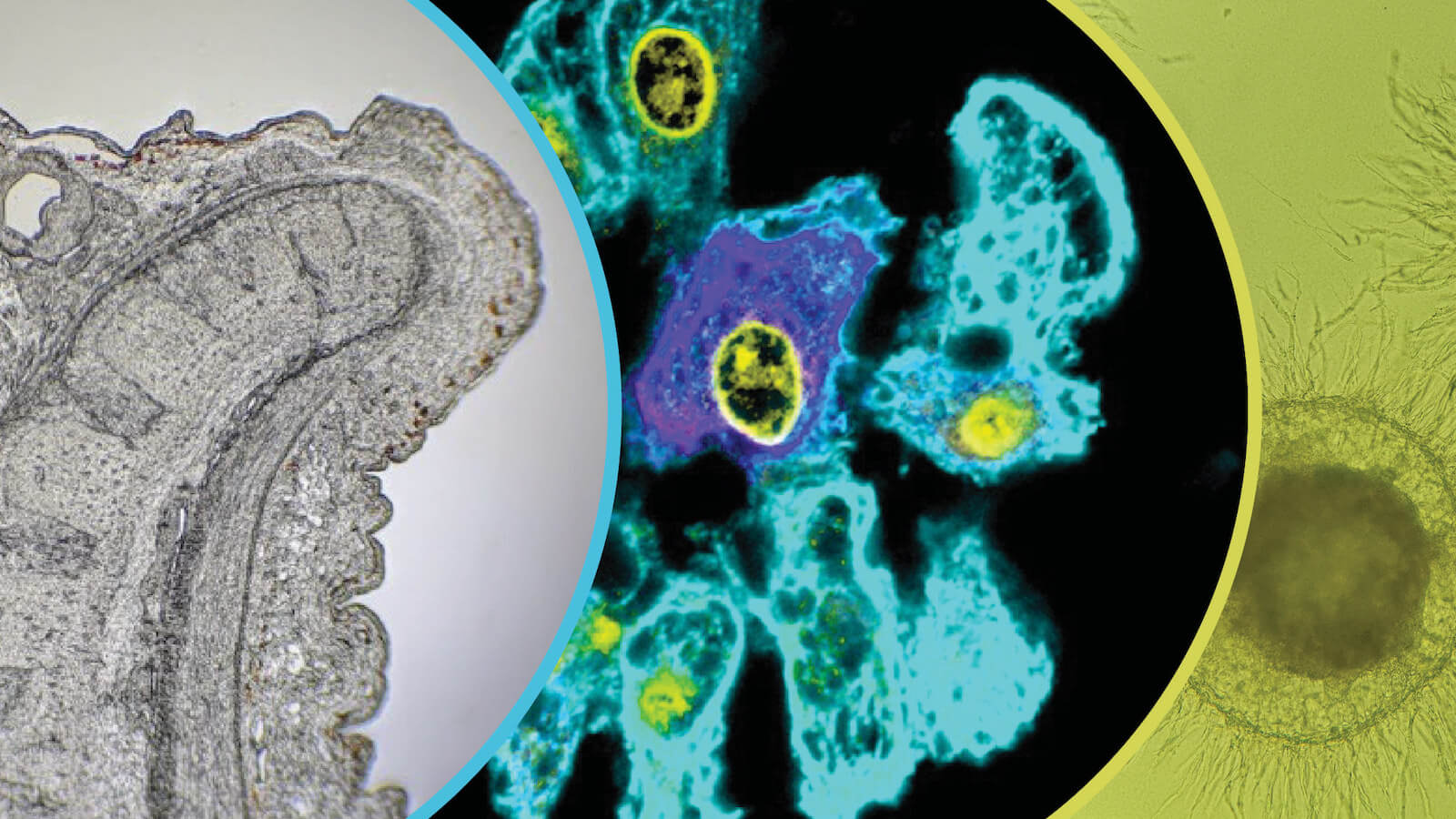
The Paul G. Allen Frontiers Group announces 23 new Allen Distinguished Investigators
$15.5M in research funding will support cutting-edge projects in mammalian synthetic biology, the neuroscience of under-studied animals, and tiny...
No items found.
news
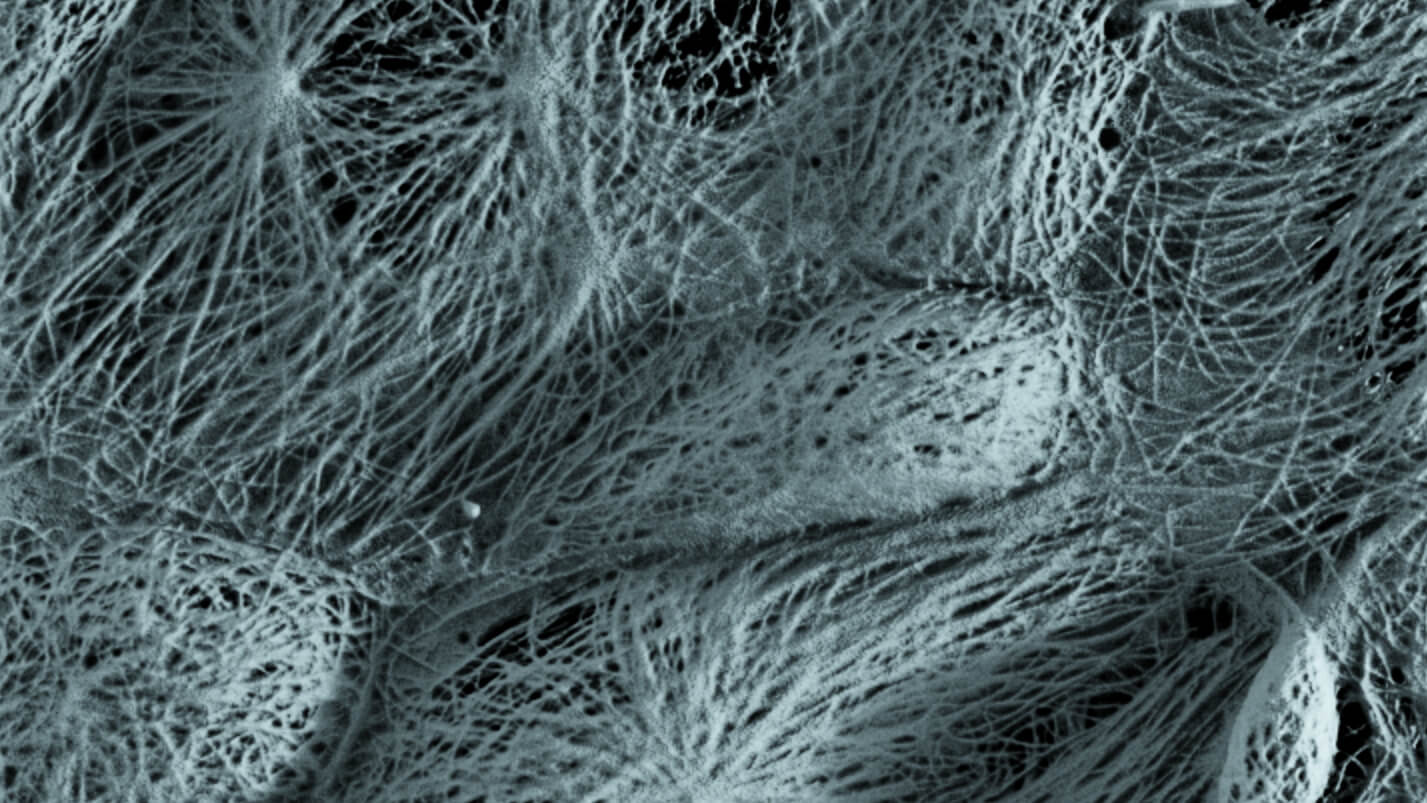
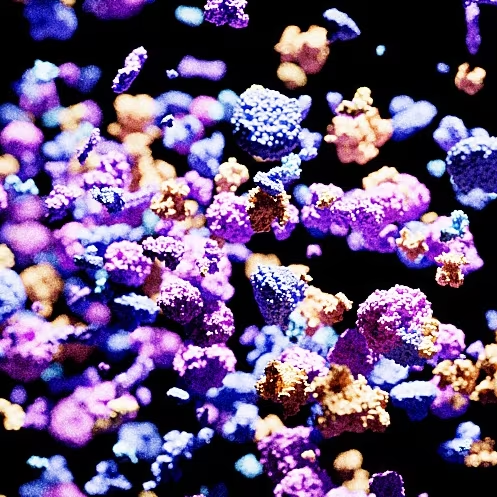
SciShots: cellular scaffolding
Computer animation techniques light up cells’ inner workings
No items found.
science images
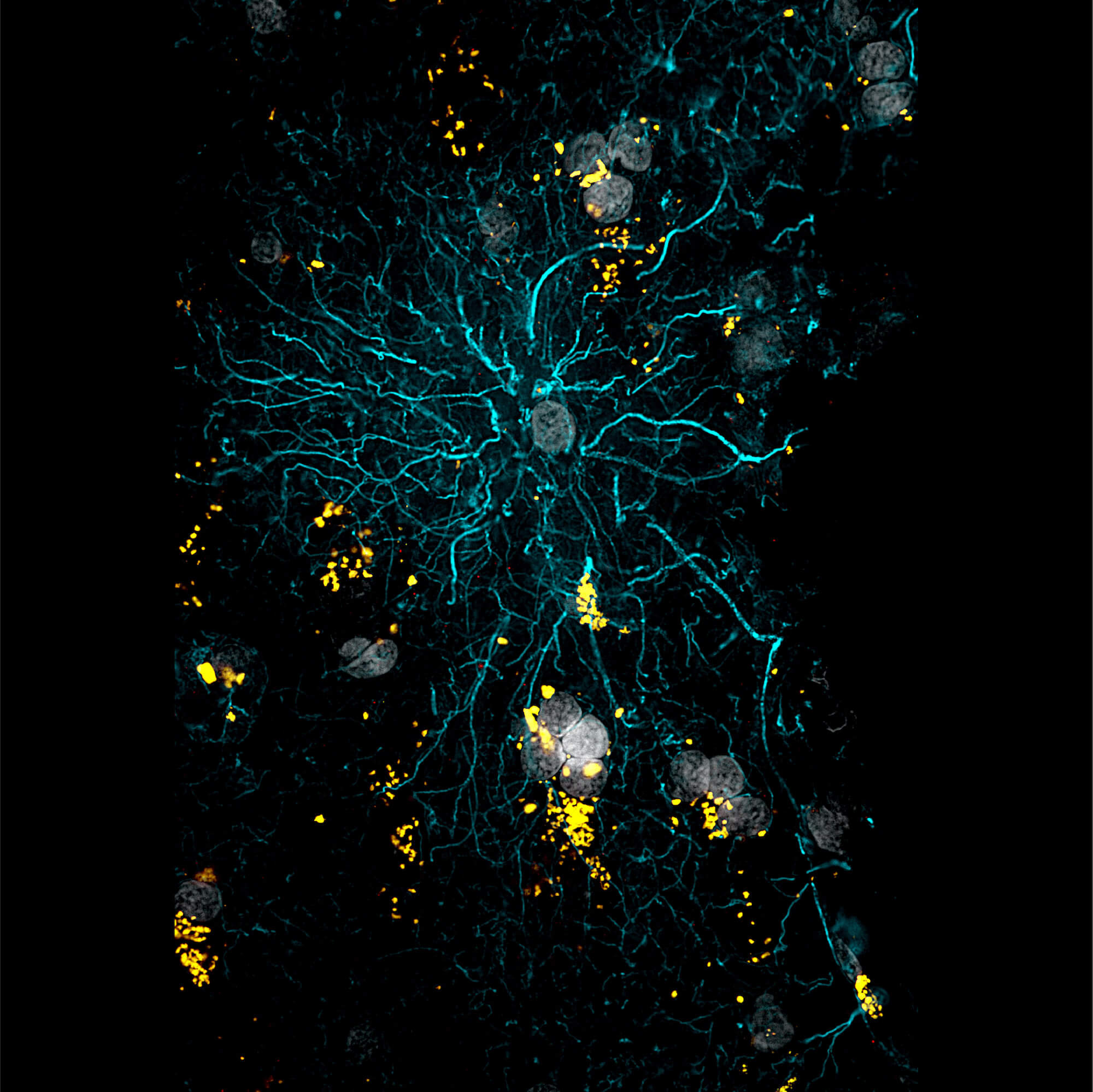
SciShots: a star-shaped human brain cell
Scientists catch a glimpse of a rare kind of human astrocyte
No items found.
science images
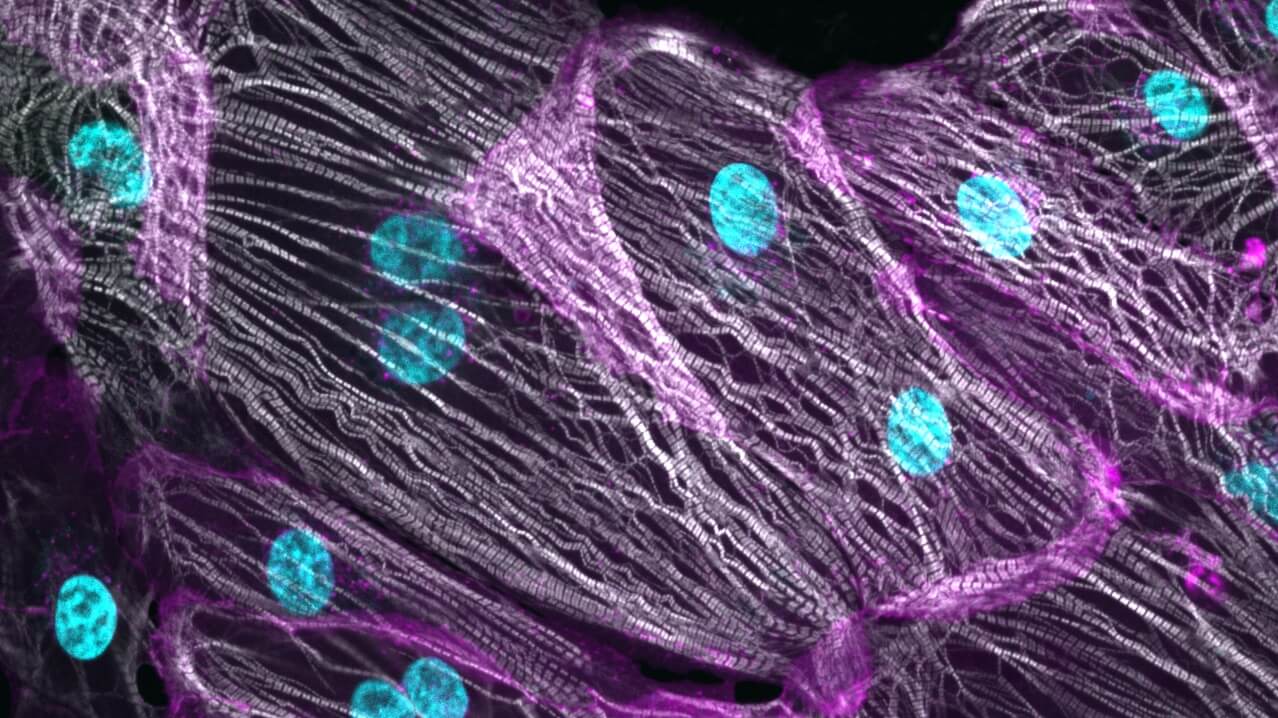
SciShots: an assortment of heart cells
Scientists are capturing the wide visual diversity of human cells
No items found.
science images
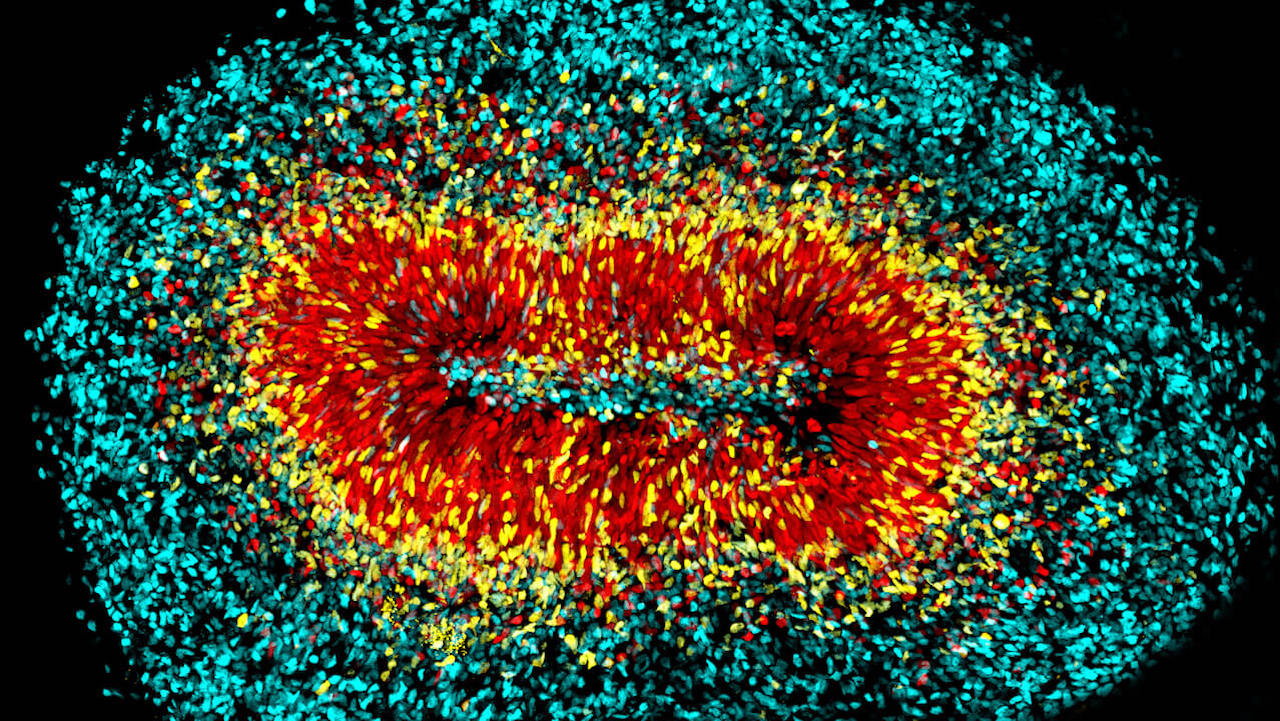
SciShots: mini-brains
Organoids are miniature versions of organs grown in the lab from stem cells - in many cases, from human stem cells.
No items found.
science images
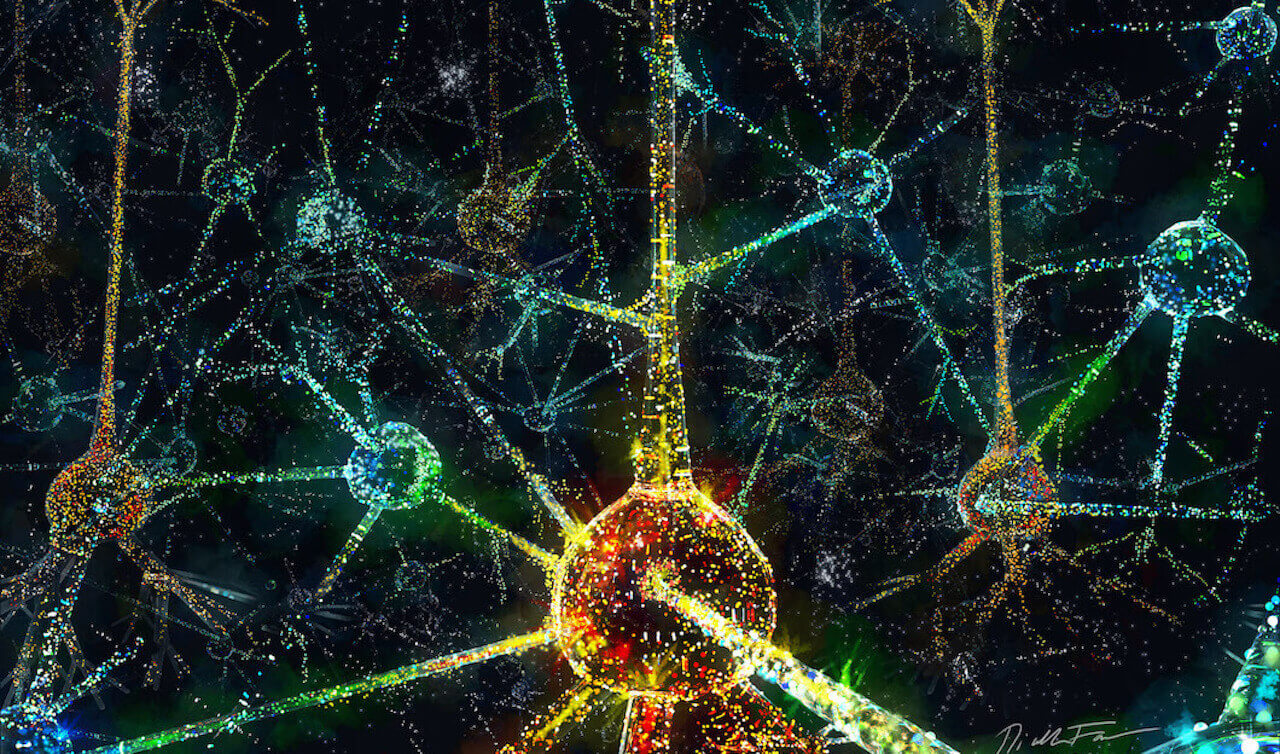
New technique sorts out what different kinds of neurons do in the brain
Study pinpoints a mouse neuron’s role in sensing touch
No items found.
news
No results found, try reducing your search parameters.
press & media contact
Get in touch for media inquiries and resources for covering science at the scale of greatest impact.
Thank you! Your submission has been received!
Oops! Something went wrong while submitting the form.
.png)



Seattle scientists launch $95 million AI biology effort
The Allen Institute, University of Washington, and Fred Hutch Cancer Center are launching a $95 million effort to use AI to design biology that doesn’t exist in nature. Called AI BioDesign and led scientifically by Nobel laureate David Baker and genome scientist Jay Shendure, the initiative will use AI models to propose new DNA sequences and biological molecules.

AI learns nature’s code: Allen Institute, UW and Fred Hutch launch $95M open science initiative
Three of Seattle’s top scientific institutions are launching a nearly $95 million research initiative that will generate data and train AI models to design proteins and genes that don’t exist in nature — sharing the results freely to help others develop new medicines and materials.



‘It’s going to come quicker than we think’: Parkinson’s advocate shares hope for treatment as Allen Institute launches AI-powered initiative
The institute has launched the Brain Health Accelerator, an international collaboration involving about 30 research organizations that will use artificial intelligence, human brain tissue and advanced cellular mapping to better understand diseases including Parkinson’s, Alzheimer’s disease, ALS, Huntington’s disease and Lewy body dementia.



load more press & media
1 / 46
No results found, try reducing your search parameters.