impact
about
our story
explore our impact
careers and opportunities
join us
open science
sharing science to speed discovery
open science week
celebrating open science
team science
people & teams
discovery is a team effort
advisors
their input shapes our science
board of directors
they help us fulfill our mission
shanahan foundation fellowship
at the interface of data and neuroscience
studio d3 fellowship
contribute bold ideas to redefine discovery
next generation leaders
fostering emerging leaders in bioscience
research
overview
our approach
science at the scale of greatest impact
additional programs
studio d3
data driven discovery
neurobiology of action
revealing the mechanisms behind movement and learning
science accelerators
brain science
building a blueprint of the brain
cell science
understanding how cells become organs
neural dynamics
revealing the brain’s hidden algorithms
immunology
mapping the immune system
synthetic biology
designing biology to advance health
brain health
accelerating human brain research
ai biodesign
unlocking new frontiers of bioscience
education
overview
science education
science is for everyone
open science
sharing science speeds discovery
engagement
education resources
real science. real skills.
field trips
experience science where it happens
educator development
empowering educators
news
overview
all news
explore the latest news
podcast
the human stories behind discovery
sign up for our newsletter
stay connected to our science
events
overview
all events
public engagement, workshops, seminars and more
conferences
connect with us
science resources
explore
publications
explore our publications
open science
sharing science to speed discovery
science resources
allencell.org
allenimmunology.org
allenneuraldynamics.org
brain-bican.org
brain-map.org
microns-explorer.org
impact
back to menu
overview
our story
explore our impact
careers and opportunities
join us
open science
sharing science to speed discovery
open science week
celebrating open science
team science
people & teams
discovery is a team effort
advisors
their input shapes our science
board of directors
they help us fulfill our mission
shanahan foundation fellowship
at the interface of data and neuroscience
studio d3 fellowship
contributing bold ideas to redefine discovery
next generation leaders
fostering emerging leaders in bioscience
research
back to menu
overview
our approach
science at the scale of greatest impact
publications
explore our publications
open science
sharing science to speed discovery
science accelerators
brain science
building a blueprint of the brain
cell science
understanding how cells become organs
neural dynamics
revealing the brain’s hidden algorithms
immunology
creating the ultimate immune system reference
synthetic biology
seattle hub for synthetic biology
brain health
accelerating human brain research and disease therapeutics
ai biodesign
unlocking new frontiers of bioscience
additional programs
studio d3
data driven discovery
neurobiology of action
revealing the mechanisms behind movement and learning
education
back to menu
overview
science education
science is for everyone
open science
sharing science speeds discovery
engagement
education resources
real science. real skills.
field trips
experience science where it happens
educator development
empowering educators
news
back to menu
overview
all news
explore the latest news
podcast
the human stories behind discovery
newsletter
stay connected to our science
events
back to menu
overview
all events
public engagement, workshops, seminars and more
conferences
connect with us
science resources
back to menu
science resources
allencell.org
allenimmunology.org
allenneuraldynamics.org
brain-bican.org
brain-map.org
microns-explorer.org
explore
publications
explore our publications
open science
sharing science to speed discovery
search
impact
people

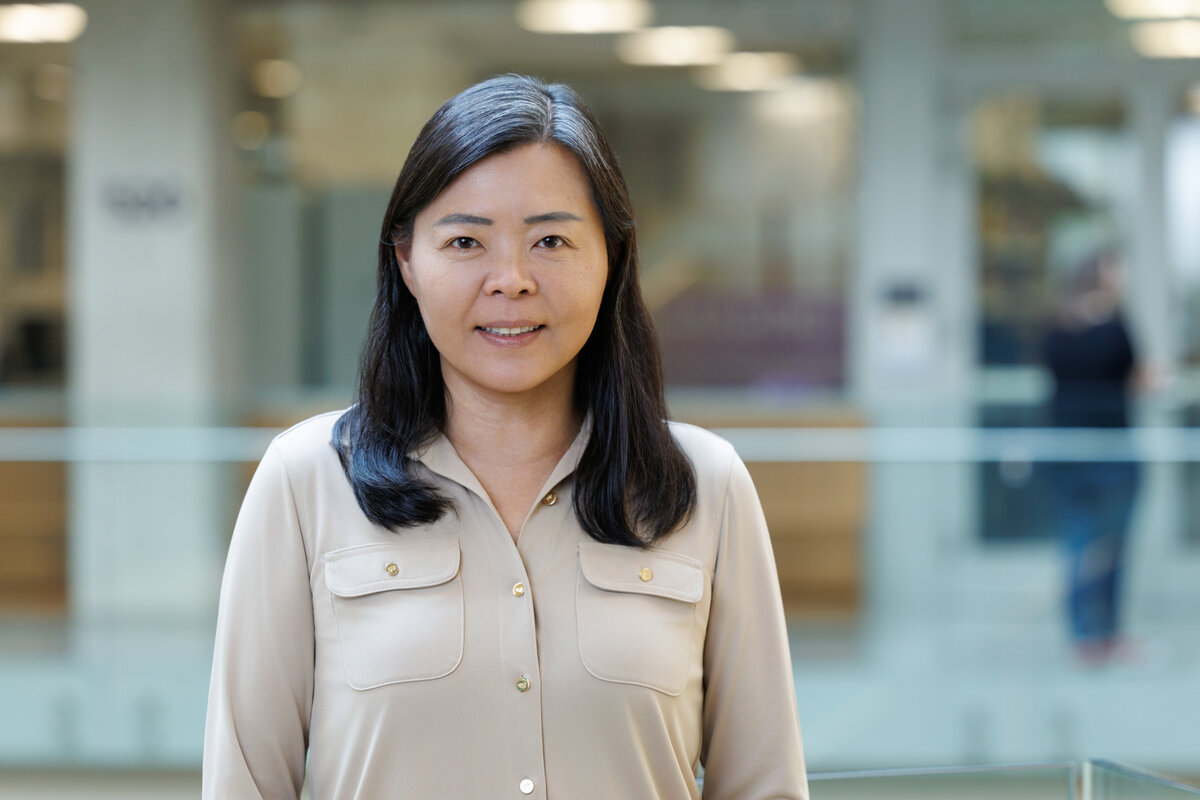
Hongkui Zeng

Executive Vice President and Director, Brain Science

Leadership
Allenite
/
Brain Science

biography

Hongkui Zeng joined the Allen Institute in 2006 and became Executive Vice President, Director for the Brain Science group in 2020. From 2016 to 2020, she led the Structured Science Division to develop and operate high-throughput pipelines to generate large-scale datasets and tools to accelerate neuroscience discovery. Since joining the Allen Institute, she has led several research programs, including the Transgenic Technology program, the Human Cortex Gene Survey project, the Allen Mouse Brain Connectivity Atlas project, the Cell Types and Connectivity program, the Human and Mammalian Brain Cell Atlas project, and the Developmental Mouse Brain Cell Atlas project.

Zeng studies neuronal diversity and connectivity in the mammalian brain-wide circuits in the context of development, function and disease. Through her leadership of multidisciplinary teams, she has built research programs using transcriptomic, connectomic and multimodal approaches to characterize and classify the wide variety of cell types in the brain, laying the foundation for unraveling the cell type basis of brain function. Her work has led to many large-scale, open-access datasets and tools that have become widely adopted community resources and standards, including transgenic mouse lines, Allen Mouse Brain Connectivity Atlas, the Common Coordinate Framework (CCF), and the brain-wide transcriptomic cell type taxonomy and atlas.

Zeng received her Ph.D. in molecular and cell biology from Brandeis University, where she studied the molecular mechanisms of the circadian clock in fruit flies. As a postdoctoral fellow at Massachusetts Institute of Technology, she studied the molecular and synaptic mechanisms underlying hippocampus-dependent plasticity and learning. She has served on multiple advisory boards and councils, including the advisory board of journals Cell and Neuron and as a member of the National Advisory Mental Health Council. She has received many honors, including the 2016 AWIS Award for Scientific Advancement, the 2018 Gill Transformative Investigator Award, the 2023 Pradel Research Award from the National Academy of Sciences, and the 2024 Asian American Engineer of the Year (AAEOY) Award. She is an elected member of the National Academy of Sciences and the National Academy of Medicine.

research focus

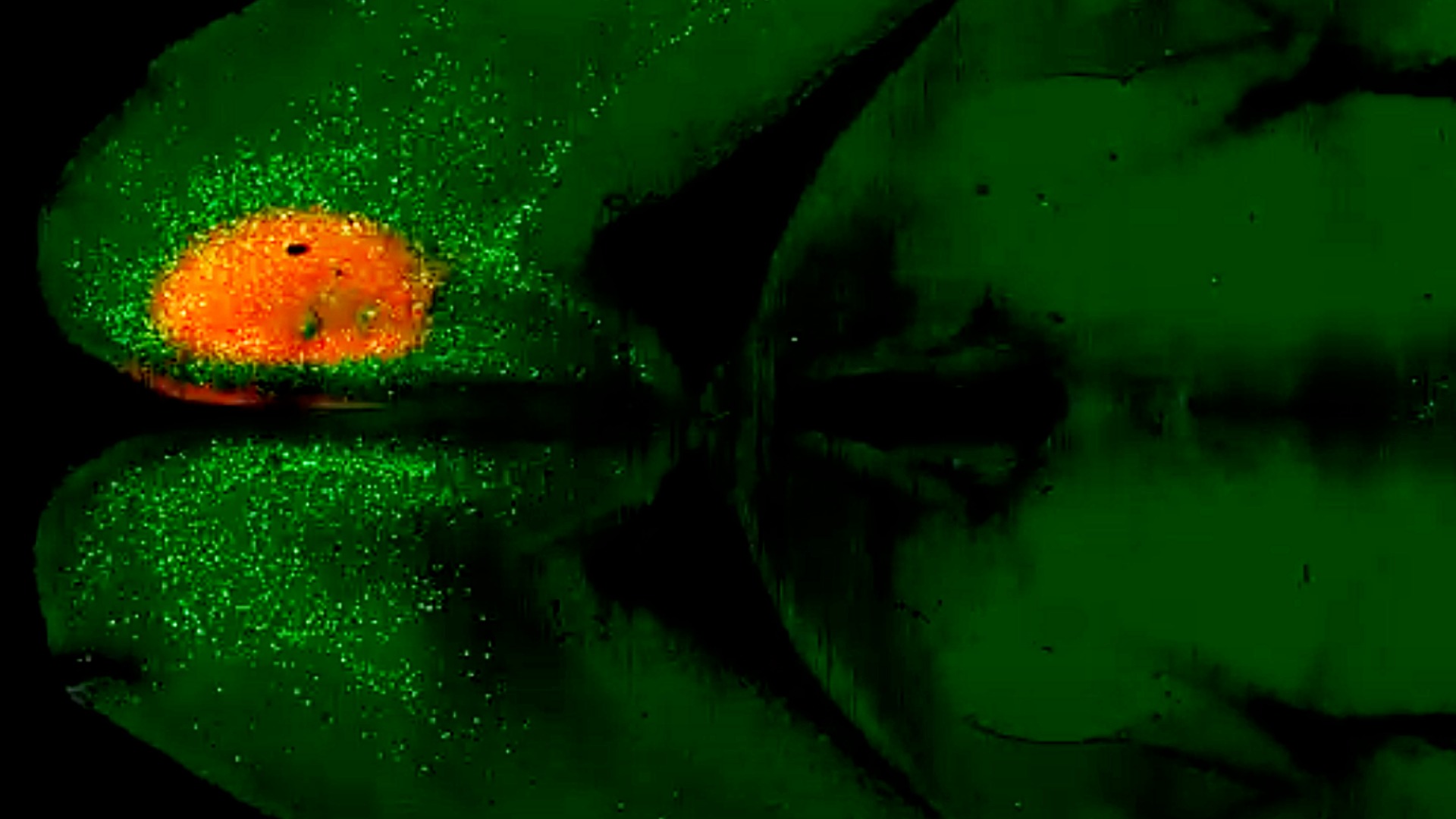
The brain circuit is an intricately interconnected network of a vast number of neurons with diverse molecular, anatomical and physiological properties. To understand the principles of information processing in the brain circuit, it is essential to have comprehensive knowledge about the common and unique properties of its components - the neuronal as well as non-neuronal cell types, to monitor their activities while the brain is processing information, and to have the ability to manipulate these cells to investigate their functions in the brain circuit. Combining genetic tools with large-scale imaging and single-cell analysis technologies presents us with the opportunity to gain systematic understanding of the properties, interconnections and functions of these cell types.

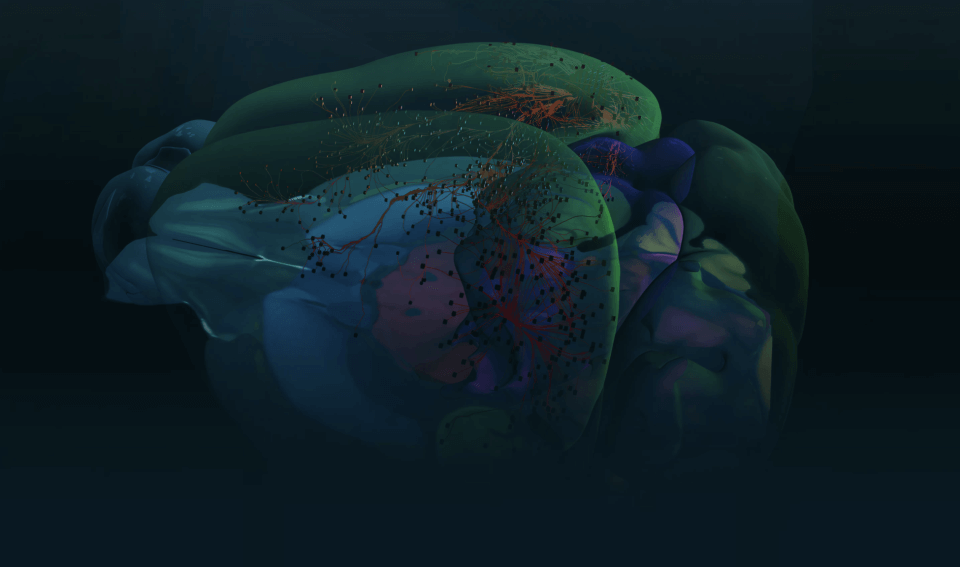
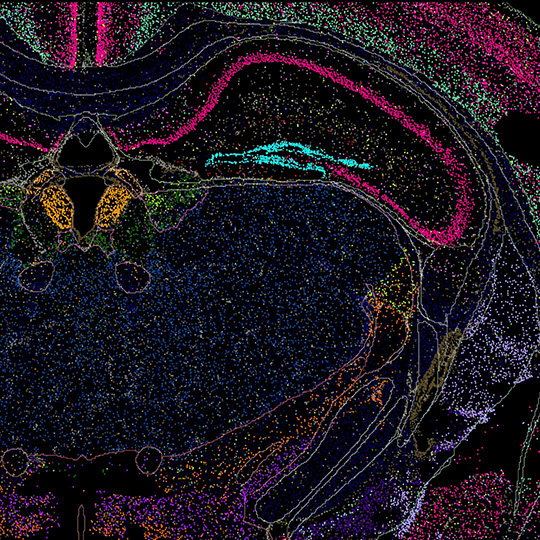
Zeng’s team at the Allen Institute has built multiple platforms, including single-cell transcriptomics, spatial transcriptomics, single and multi-patching electrophysiology, 3D reconstruction of neuronal morphology, high throughput brain-wide connectivity mapping, large-scale electron microscopy connectomics, and cell type-targeting transgenic and viral tools, to characterize the transcriptomic, physiological, morphological, and connectional properties of different types of mammalian brain cells in a standardized way. Zeng has been the principal investigator on several large National Institutes of Health-funded projects, including a BRAIN Initiative Cell Census Network (BICCN) project in which her team created a comprehensive whole-brain atlas of cell types in the mouse, and two BRAIN Initiative Cell Atlas Network (BICAN) projects with the goals of creating similarly comprehensive and high-resolution cell type atlases for human and non-human primate (NHP) brains and for the developmental mouse brain.

The Allen Institute team Zeng leads has utilized these platforms to define and classify the diverse cell types that constitute the mammalian brain and describe their wiring diagrams at different levels, uncovering principles of cell type and circuit organization including the hierarchical organization reflecting the varied similarities and differences among cell types, the coexistence of discrete and continuous transcriptional variations across cell types, the correspondence as well as nuanced heterogeneities at granular levels between transcriptomic profiles and other modalities of cellular properties, and the conservation and divergence of cell types across species. The Allen team has been building the online Brain Knowledge Platform to provide all the data, knowledge and tools as comprehensive foundational resources to the broader neuroscience community. Zeng’s research has also moved beyond cell atlasing, further into studies of cell type and cell state changes during developmental, aging, behavioral, pharmacological, and diseased processes, revealing new relationships between spatiotemporal transcriptomic dynamics and cell type-specific functions. Altogether, building such an integrated and dynamic cell type knowledge base lays the foundation for decoding the computational mechanisms of brain circuit function.
view publications
back to people and teams
featured contributions
featured media
featured stories
featured events
featured publications

featured events

event / October 25 - 29, 2026
2026 Lake Conference – Comparative and Evolutionary Neurobiology
Join the Allen Institute and Circuit Neuroscience Basel for the Lake Conference in Seattle, Washington this October.

featured stories

news
mind trip: how psilocybin changes the brain
New research may help improve psychedelic therapy for neuropsychiatric disorders
news
scientists unveil world's most comprehensive AI-powered tool for neuroscience: Brain Knowledge Platform
Massive, first-of-its-kind data resource aims to accelerate medical breakthroughs in brain diseases like Alzheimer’s and Parkinson's
news
scientists complete first drafts of developing mammalian brain cell atlases
New research reveals how early brains form and the critical periods that could help diagnose and treat brain disease.

featured media

media / Nature
🔒 Nature: The ‘silent’ brain cells that shape our behaviour, memory and health
A rush of studies from labs in many subfields are revealing just how important astrocytes are in shaping our behavior, mood and memory.
media / The Scientist
The Scientist: A New Cell Atlas Helps Researchers Navigate the Developing Brain
Researchers collaborating on a BRAIN Initiative project unveiled the most comprehensive map of developing mammalian brains to date.
media / Yahoo News
Yahoo News: Two-tiered atlas of the developing human brain offers new hope in Parkinson’s treatment
This work sits alongside the U.S. NIH BRAIN Initiative Cell Atlas Network to build a complete atlas of human brain cells.

featured publications

publication / 2026
Connecting single-cell transcriptomes to projectomes in the mouse visual cortex
nature
publication / 2026
Brain-wide topographic coordination of rotating waves
Science
publication / 2026
Genoarchitecture and input–output organization of the mouse basal ganglia and thalamic parafascicular nucleus
nature neuroscience
publication / 2026
Psilocybin triggers an activity-dependent rewiring of large-scale cortical networks
Cell
publication / 2025
Roadmap for direct and indirect translation of optogenetics into discoveries and therapies for humans
nature neuroscience
publication / 2025
Transcriptomic and spatial organization of telencephalic GABAergic neurons
nature
publication / 2025
Continuous cell-type diversification in mouse visual cortex development
nature
publication / 2025
The new frontier in understanding human and mammalian brain development
nature
publication / 2025
Data-driven fine-grained region discovery in the mouse brain with transformers
Nature Communications
publication / 2025
Imaging high-frequency voltage dynamics in multiple neuron classes of behaving mammals
Cell
publication / 2025
Cholinergic neuronal activity promotes diffuse midline glioma growth through muscarinic signaling
Cell
publication / 2025
Enhancer AAV toolbox for accessing and perturbing striatal cell types and circuits
Neuron
view all publications
we acceleratedevelopcatalyzeimpact

science done differently. shared openly.

explore our accelerators

brain science

Mapping every cell, connection, and circuit in the brain—openly shared with the world.

cell science

Decoding how cells become tissues, then programming that knowledge into powerful new research tools.

neural dynamics

Revealing the brain's hidden algorithms that transform neural activity into real-world behavior.

immunology

Creating the deepest open reference for the healthy human immune system ever built.

synthetic biology

Engineering cells to record their own histories, transforming how we understand disease over time.

ai biodesign

Advancing evolution to explore biology’s full design space and advance human health

Brain Health

Accelerating human brain research and new therapeutic strategies for neurological conditions

research

Big questions, open answers, and science built to be shared.

education

Inspiring the next generation of scientists through open science resources.

impact

Our science is empowering researchers and advancing health worldwide.
advancing science through open, collaborative research
Get the allen institute newsletter
Stay informed on the latest breakthroughs in neuroscience, bioscience, and AI-driven research.
allen institute
impactpeople & teamscareers & opportunitiesalumnihistory & founder
science resources
allencell.orgallenimmunology.orgallenneuraldynamics.orgbrain-bican.orgbrain-map.orgmicrons-explorer.org
research
brain sciencecell scienceneural dynamicsimmunologysynthetic biologyai biodesignbrain healthpublicationsscience resources
quick links
newseventsopen sciencepodcasthuman brain donationvisit uscontact
education
science educationfield tripsprofessional developmenteducation resources
follow us/

allen institute, 615 Westlake Ave North, Seattle, WA 98109 +12065487055

© 0000 allen institute. all rights reserved.
privacy policyterms of usecitation policyemployee portalpolicy & compliancecookie settings