news
stories from the front lines of discovery
From scientific breakthroughs to new open‑source tools, the Allen Institute’s work is reshaping how science is done—and who it’s for. Explore the latest news, stories, and highlights from across our research, partnerships, and open science efforts.


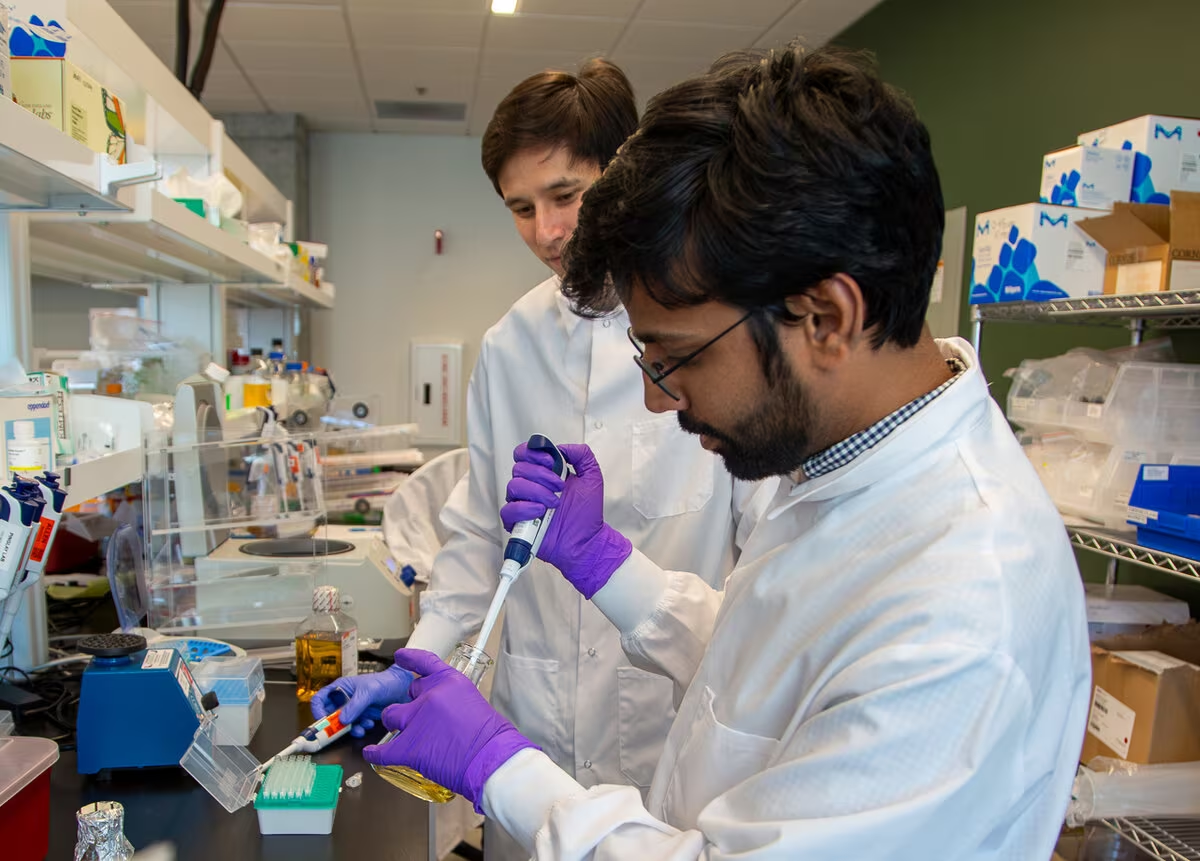
AI BioDesign accelerator combines experimental biology and artificial intelligence to learn nature’s design rules
Researchers from the Allen Institute, University of Washington, and Fred Hutch Cancer Center, supported by Fund for Science and Technology, will build open AI models, datasets, and tools to accelerate biological design for health, sustainability, and other global challenges
Thank you! Your submission has been received!
Oops! Something went wrong while submitting the form.
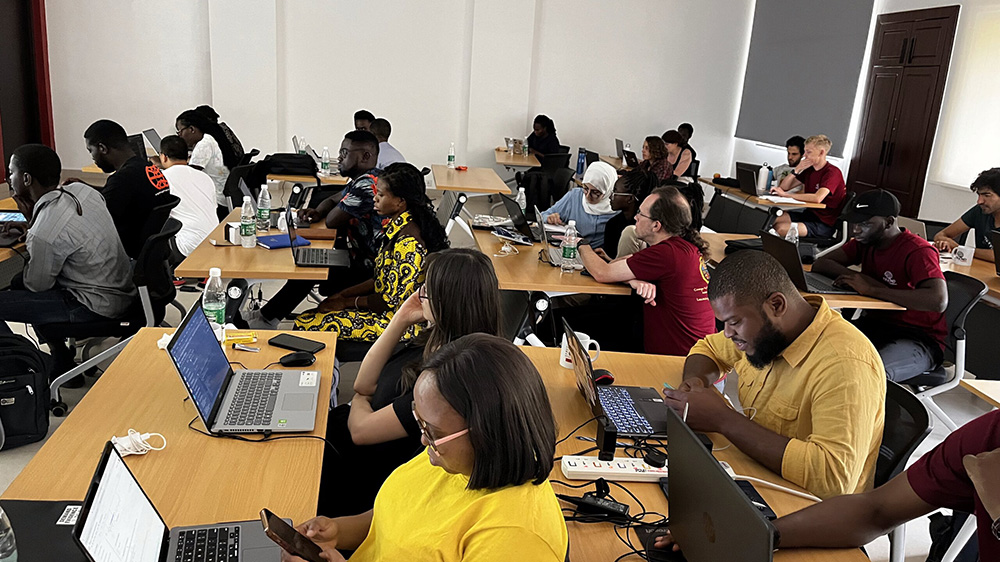

TReND CaMinA empowering the next generation of scientists in Africa
Register now for this year's TReND CaMinA at Lusaka, Zambia. Registration closes on January 31.
No items found.
news
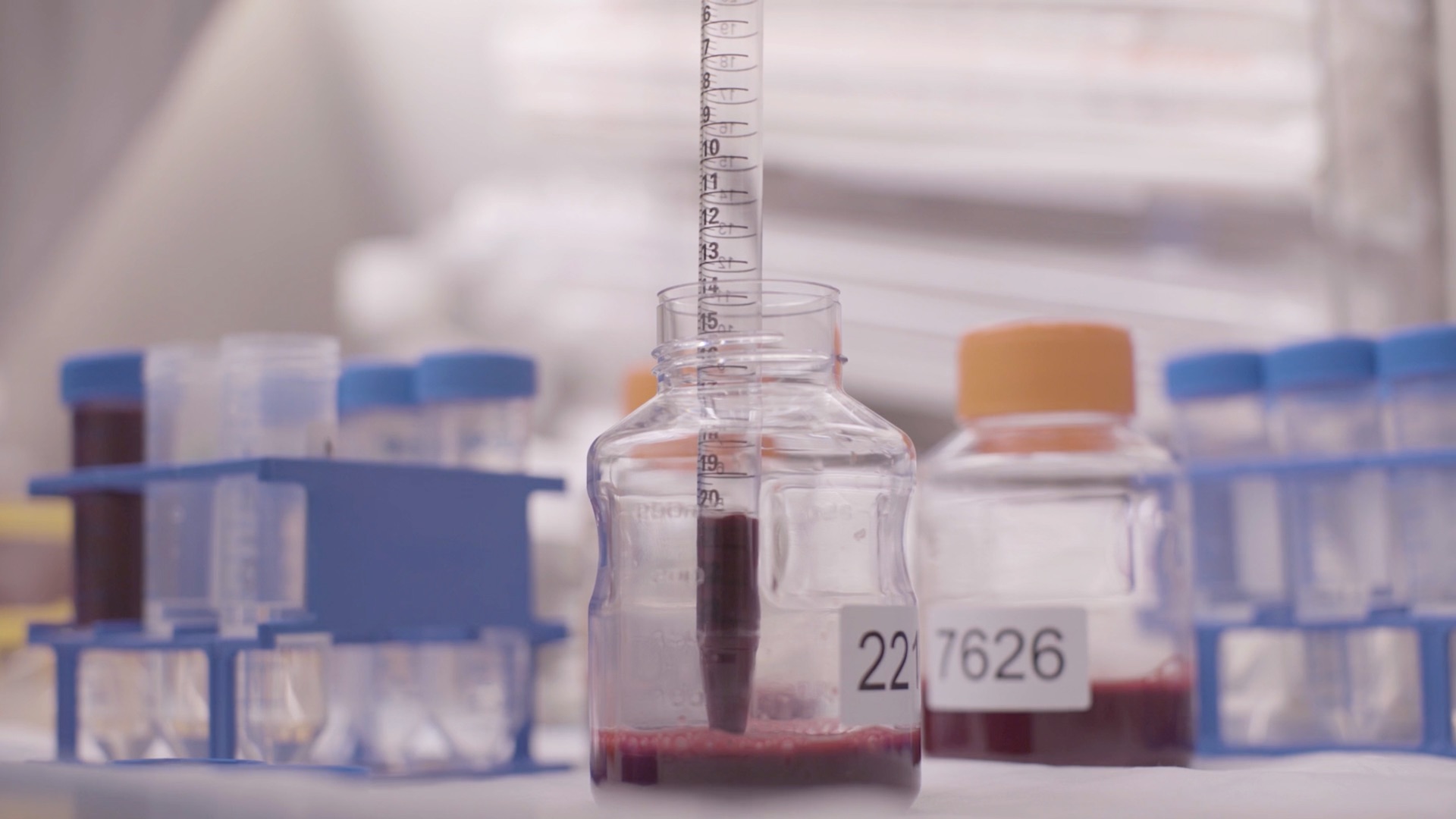
CryoSCAPE: Allen Institute scientists develop ‘suspended animation’ technique for blood draws that will aid research for underserved populations
A new approach that keeps blood cells alive in deep freeze promises to expand reach of cutting-edge single-cell technologies to underserved...
No items found.
news
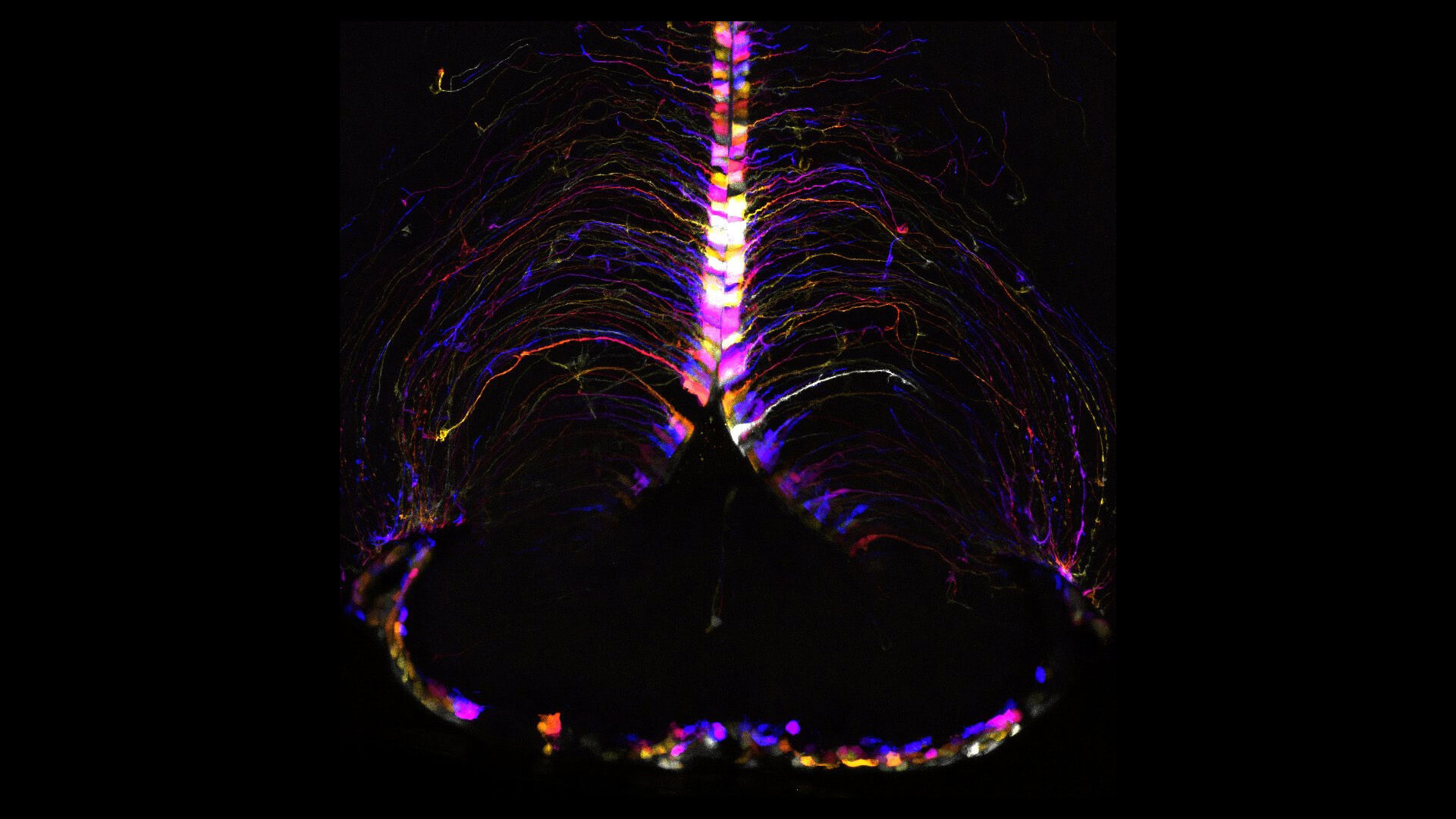

Key players in brain aging
New research identifies age-related damage on a cellular level.
No items found.
multimedia
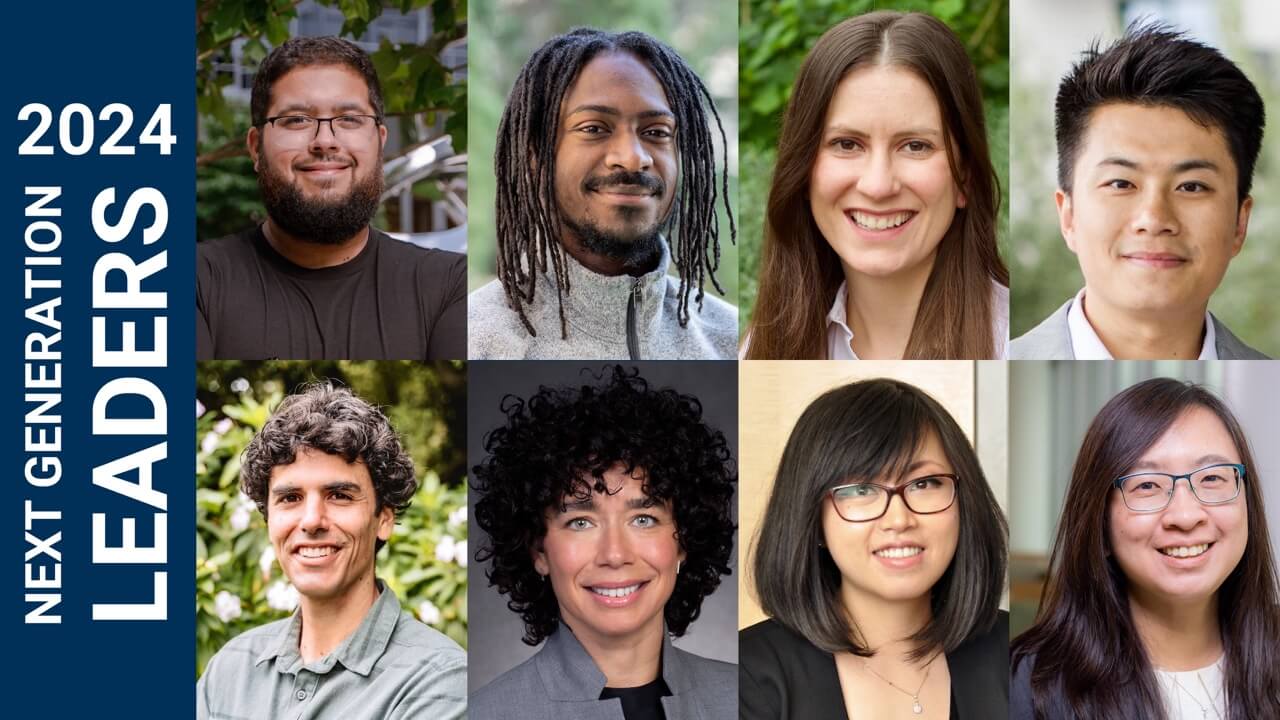
Allen Institute announces 2024 Next Generation Leaders
Fostering collaboration and innovation from emerging leaders in bioscience
No items found.
news

cell science
video
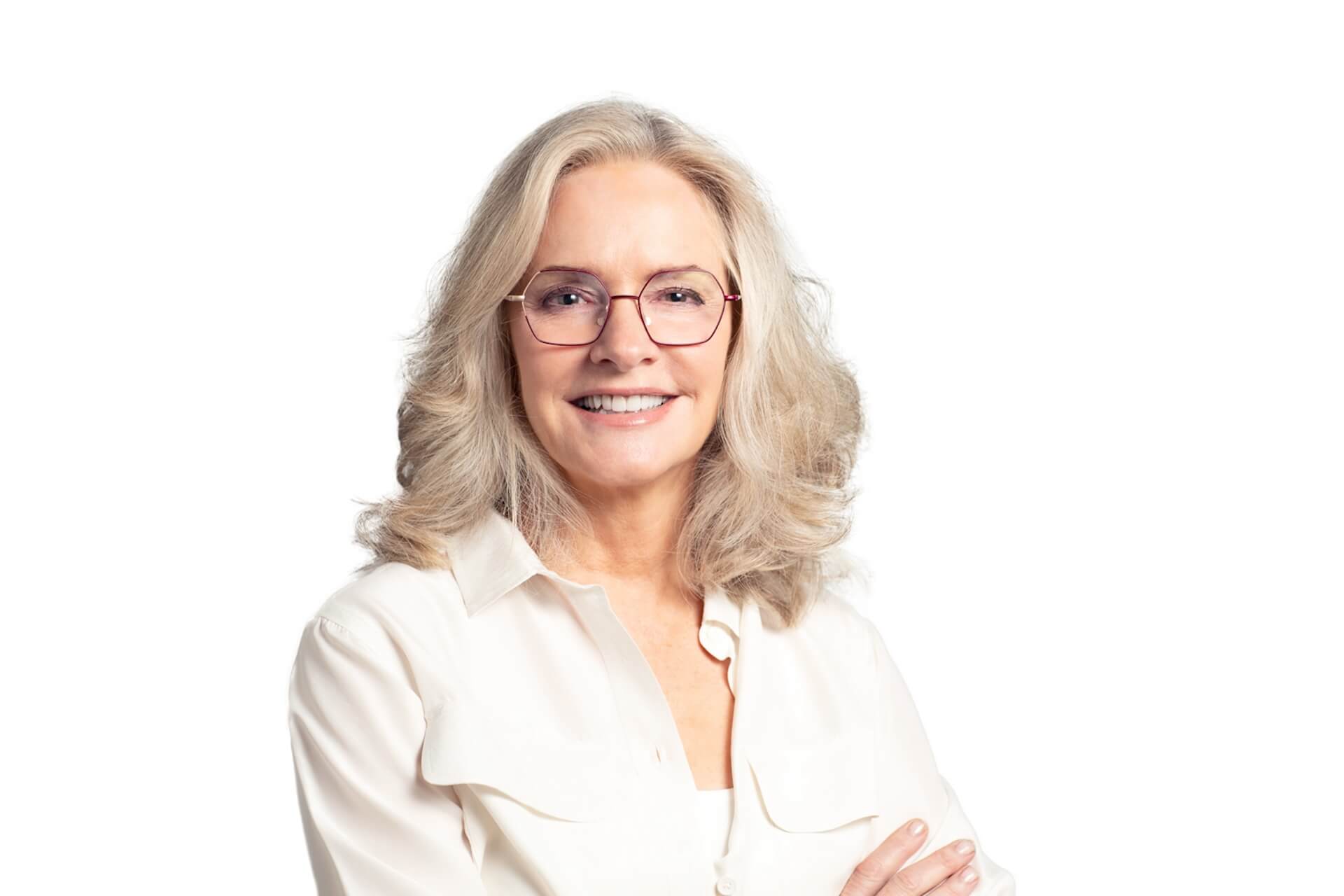
Allen Institute CFO Marjorie Thomas Announces Retirement
Thomas has served as the Institute’s CFO since May 2017
No items found.
news
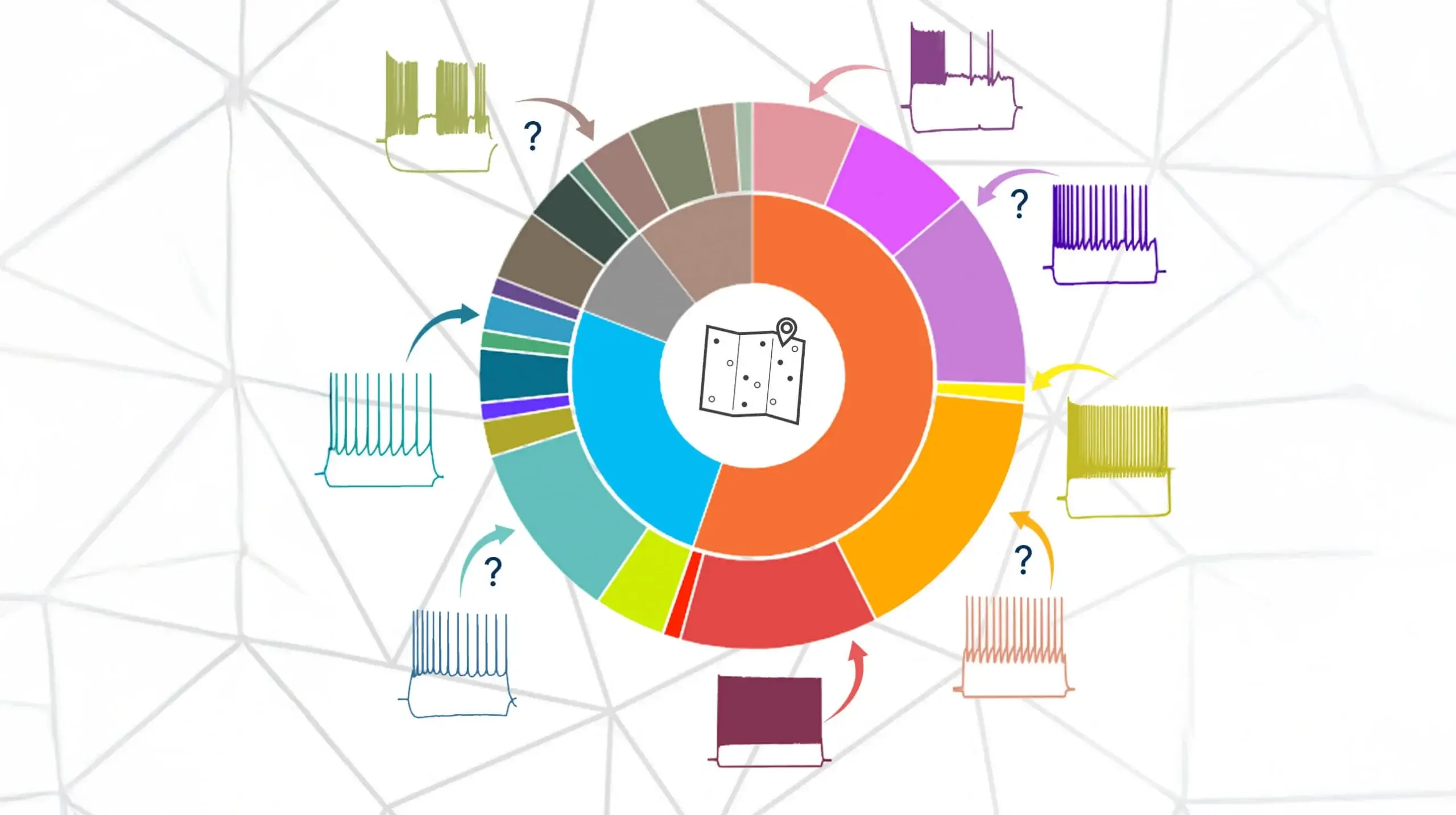
Canadian Ph.D. student, Sam Mestern, wins first MapMySpikes challenge
The Allen Institute for Brain Science's MapMySpikes challenge aimed to address a key challenge in neuroscience by making connections between...
brain science
news
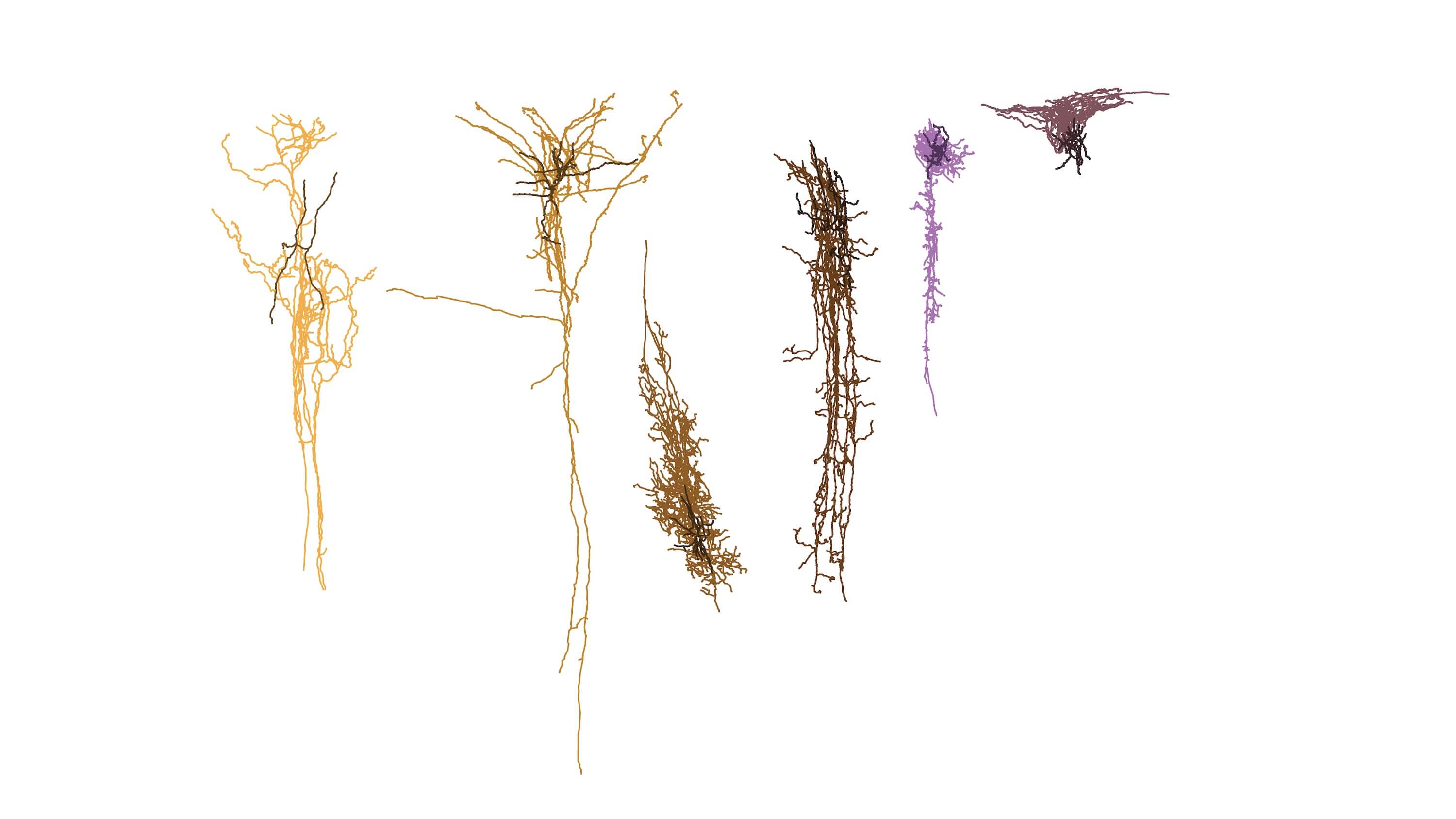
New study traces Alzheimer's 'pathology clock' at unprecedented cellular resolution
Scientists map Alzheimer’s advance at fine cellular level and identify some of the first neurons lost to disease, providing potential targets for...
No items found.
news
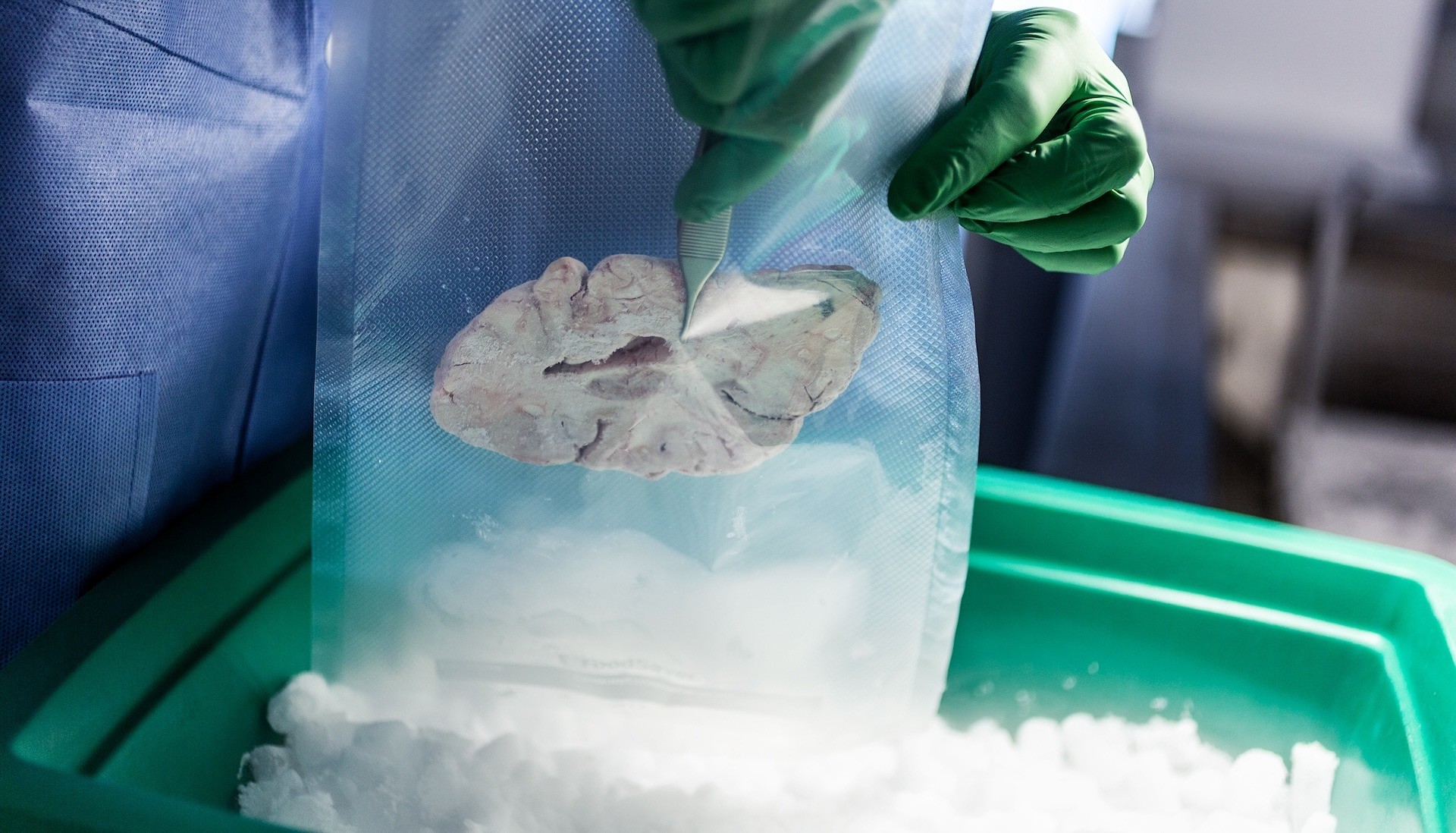
Global effort to map the human brain releases first data
The BICAN Rapid Release Inventory provides early access to comprehensive single-cell data, aiming to accelerate brain research.
brain science
news
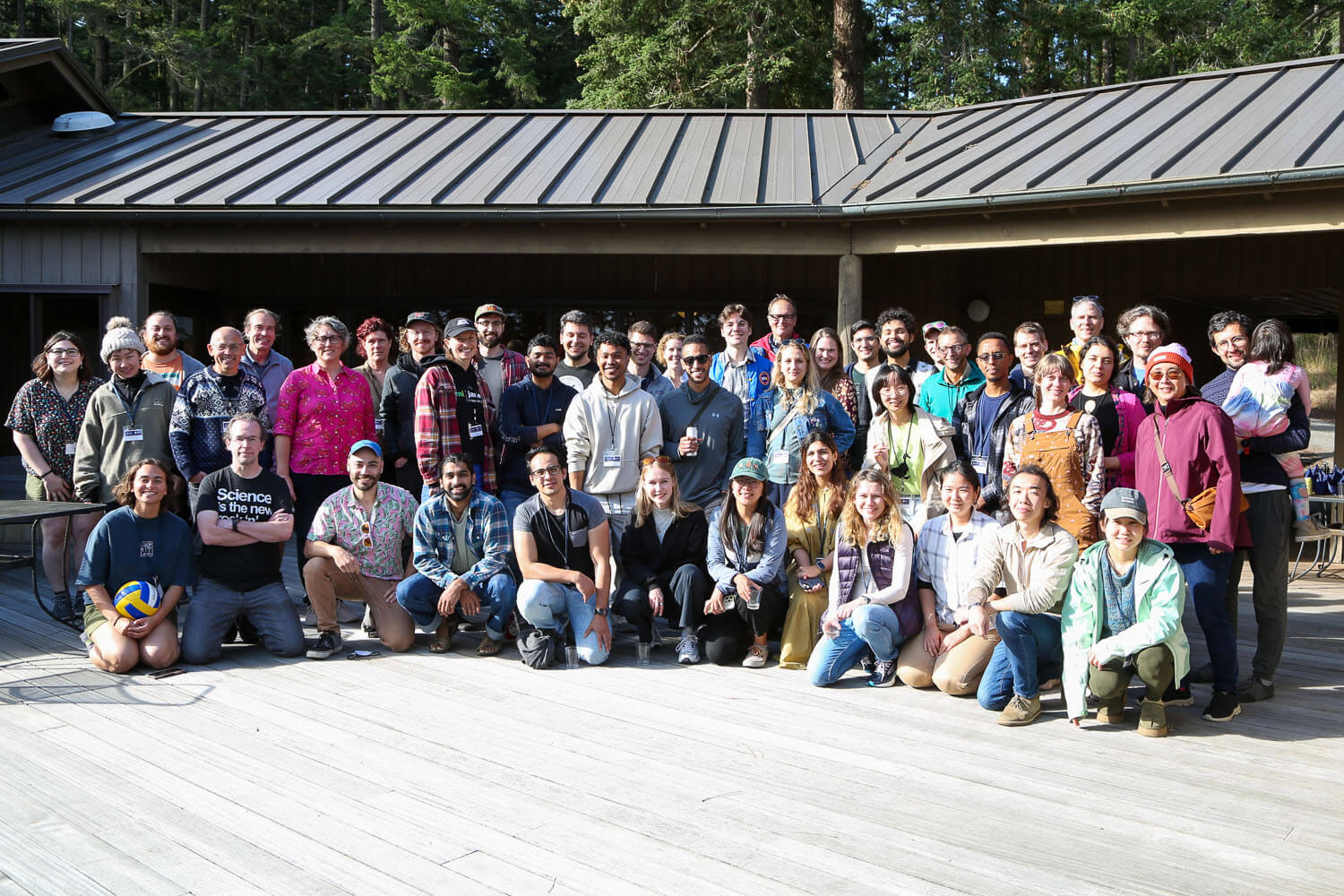
Summer Workshop on the Dynamic Brain: Ten years of collaboration and community
A two-week summer camp for neuroscience students building bridges, surfacing insights, and teaching cutting-edge computational methods
No items found.
news

No results found, try reducing your search parameters.
press & media contact
Get in touch for media inquiries and resources for covering science at the scale of greatest impact.
Thank you! Your submission has been received!
Oops! Something went wrong while submitting the form.


Scientific American: First Atlas of Every Mouse Brain Cell Could Improve Neuro Disease Treatments
Neuroscientists have unveiled their most comprehensive and detailed map of cell types across the entire mouse brain, delivering the latest results of a six-year-long scientific effort in which Seattle’s Allen Institute has played a leading role.
Quanta Magazine: New Cell Atlases Reveal Untold Variety in the Brain and Beyond
(Photo credit: Peter Greenwood for Quanta Magazine.) Recent efforts to map every cell in the human body have researchers floored by unfathomable diversity, with many thousands of subtly different types of cells in the human brain alone.

Seattle Times: Research that brings AI into human cells will soon expand in Seattle
The Seattle Hub for Synthetic Biology, set to open in January, is a result of collaboration between the Allen Institute, the Chan Zuckerberg Initiative and the University of Washington that aims to build new technologies to record the history of our bodies’ cells.


Yahoo News: Allen Frontiers Group awards $10M to set up research center for neuroimmunology
The neuroimmunology research center will be led by Brian Kim of Mount Sinai and David Artis of Weill Cornell Medicine. They’ll bring together a multidisciplinary team to trace interactions between the nervous system and the immune system that occur at sites distant from the brain.




No results found, try reducing your search parameters.