news
stories from the front lines of discovery
From scientific breakthroughs to new open‑source tools, the Allen Institute’s work is reshaping how science is done—and who it’s for. Explore the latest news, stories, and highlights from across our research, partnerships, and open science efforts.


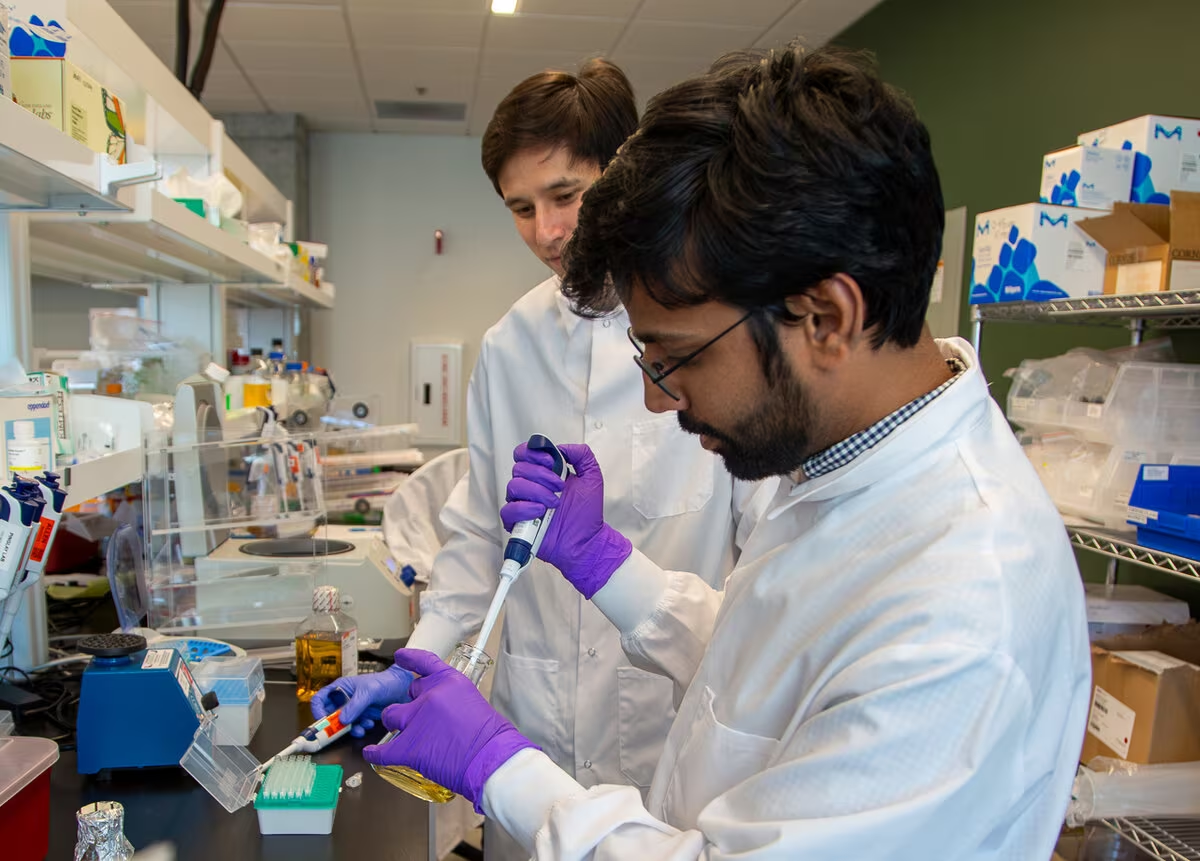
AI BioDesign accelerator combines experimental biology and artificial intelligence to learn nature’s design rules
Researchers from the Allen Institute, University of Washington, and Fred Hutch Cancer Center, supported by Fund for Science and Technology, will build open AI models, datasets, and tools to accelerate biological design for health, sustainability, and other global challenges
Thank you! Your submission has been received!
Oops! Something went wrong while submitting the form.
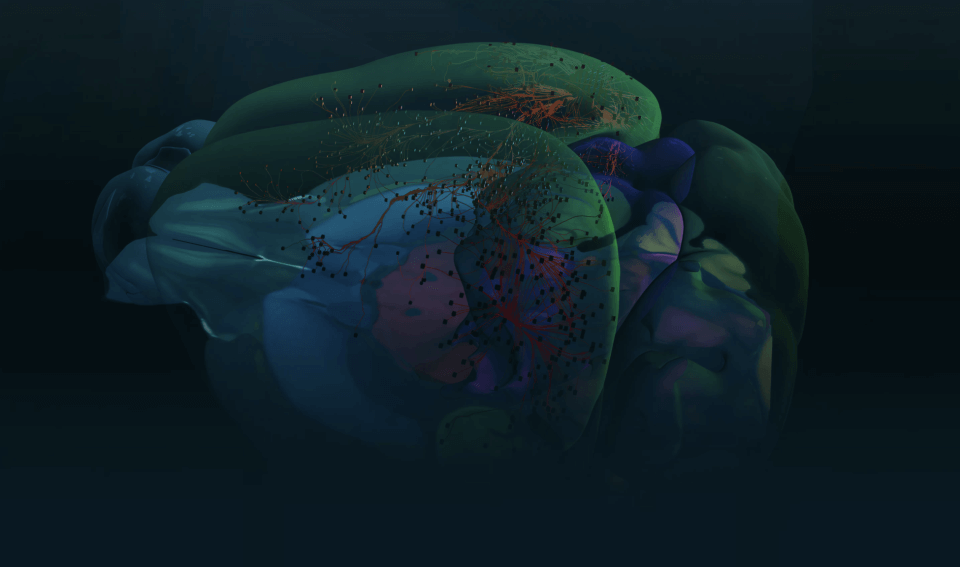

scientists unveil world's most comprehensive AI-powered tool for neuroscience: Brain Knowledge Platform
Massive, first-of-its-kind data resource aims to accelerate medical breakthroughs in brain diseases like Alzheimer’s and Parkinson's
brain science
news

scientists complete first drafts of developing mammalian brain cell atlases
New research reveals how early brains form and the critical periods that could help diagnose and treat brain disease.
brain science
news
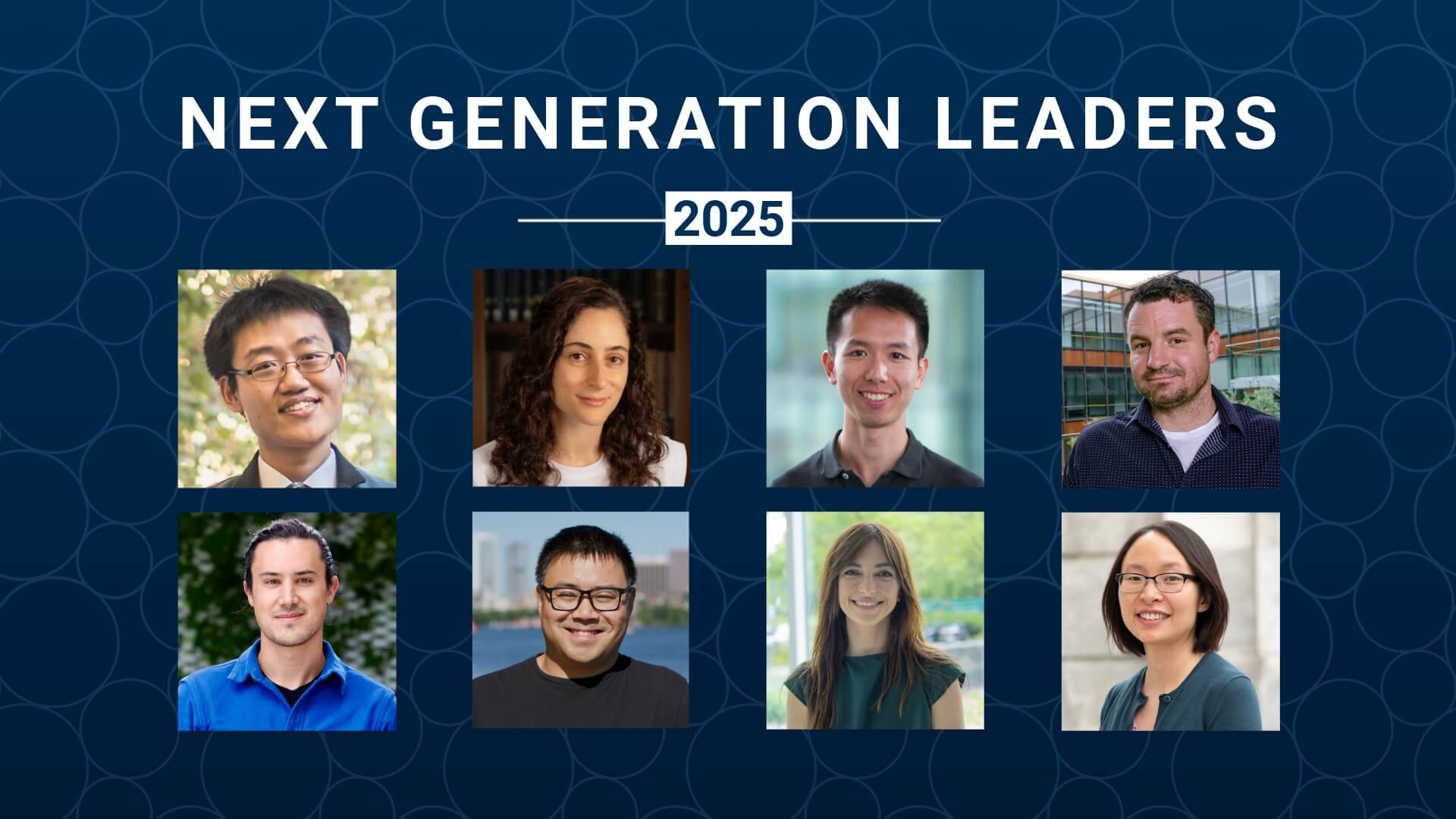
Allen Institute announces 2025 Next Generation Leaders
The program continues to expand beyond neuroscience. This year, researchers bring critical expertise in theory, immunology, and cell biology
No items found.
news

making connections
How Yiliu Wang's found her place in neuroscience during the Shanahan Fellowship.
No items found.
news
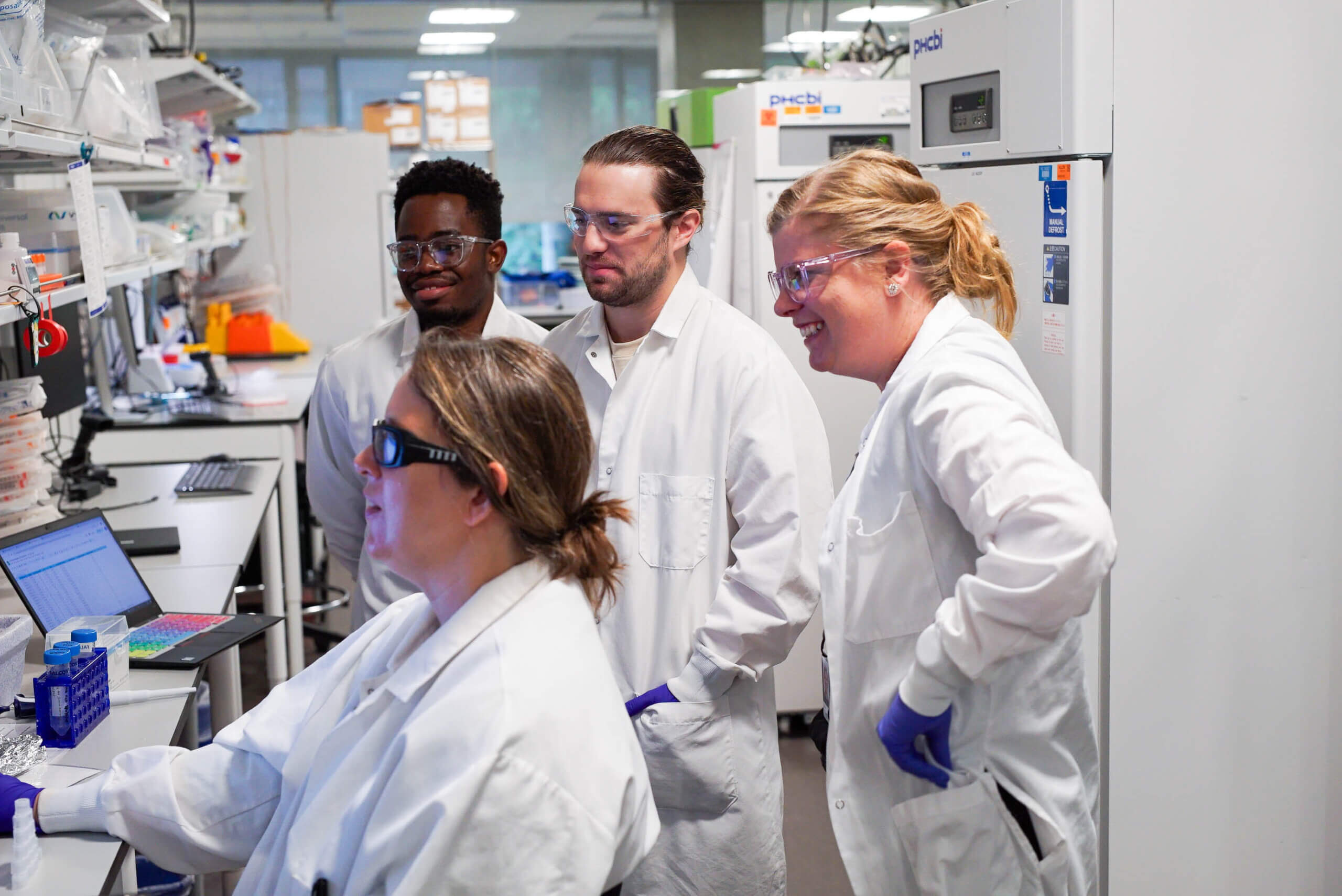
how age affects vaccine responses and how to make them better
Age-related shifts in T cells weaken vaccine response in older adults, but new findings pave the way for next generation of vaccines.
immunology
news
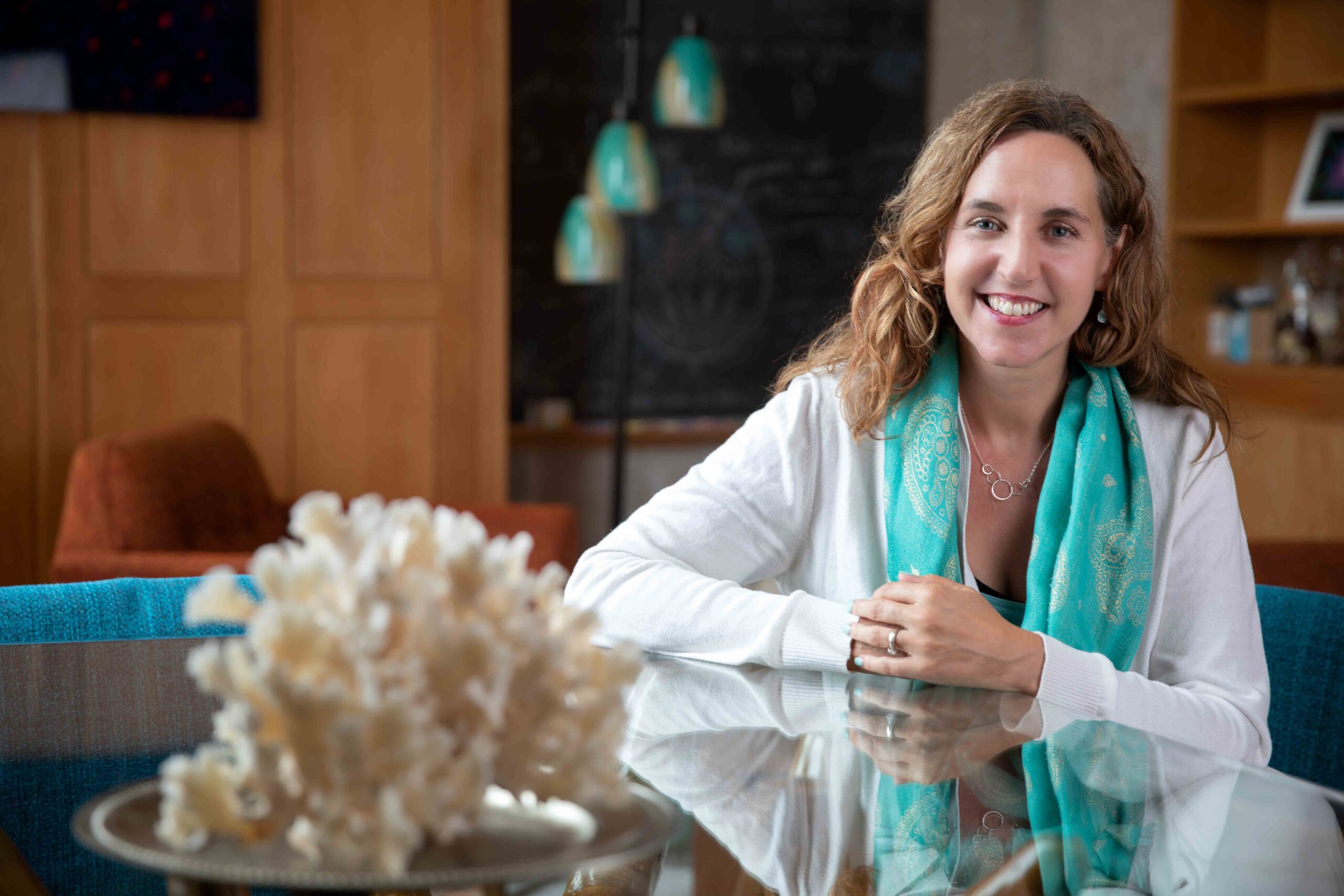
Susan Kaech, Ph.D., named next leader of Allen Institute’s Immunology accelerator
Leader in immunology to advance the Institute’s next frontier in understanding the immune system’s role across health and disease
immunology
news
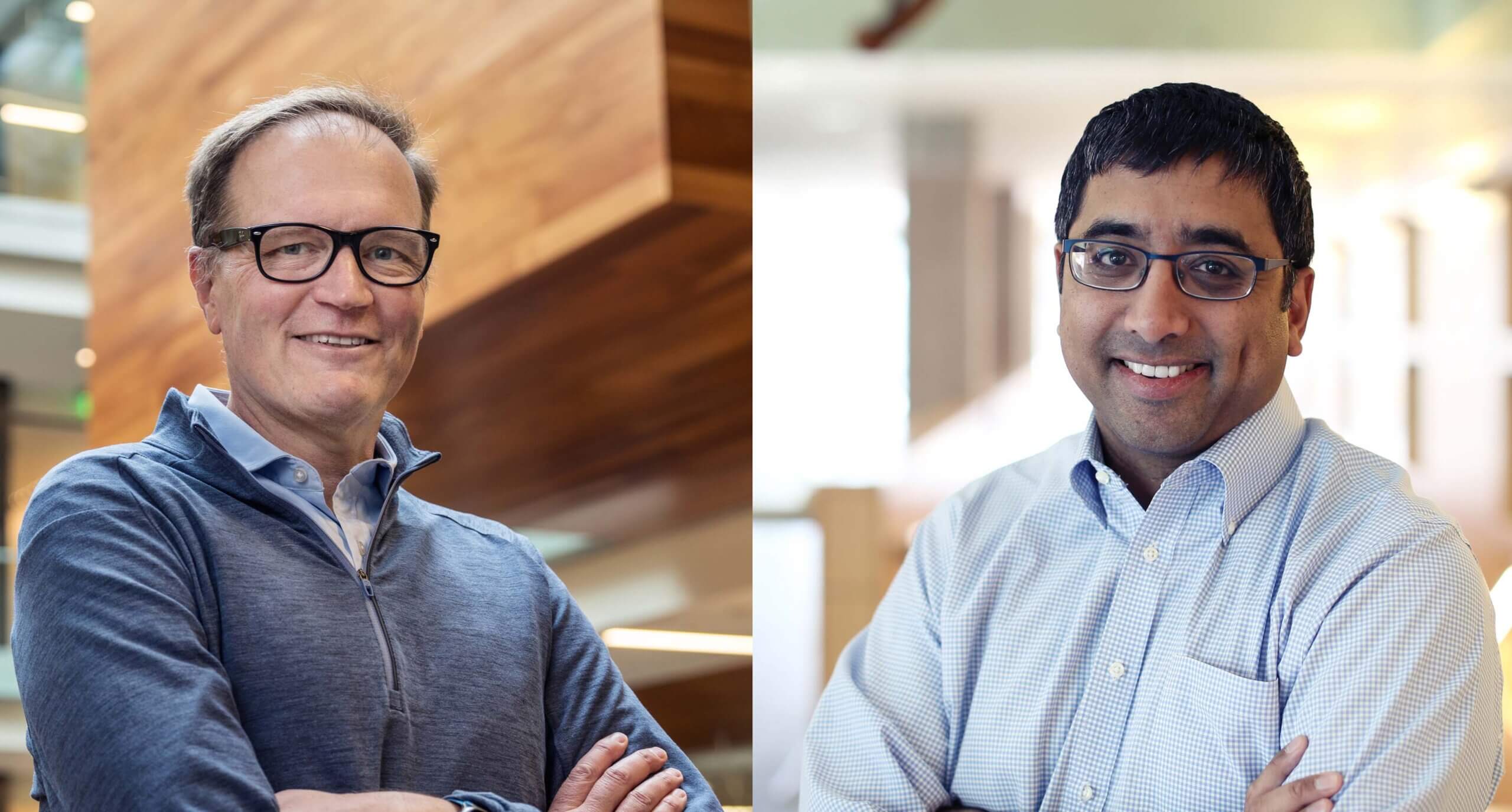
Karel Svoboda and Jay Shendure elected to National Academy of Medicine
The honor recognizes leaders who have demonstrated outstanding achievement and made lasting contributions to the advancement of the medical sciences,...
synthetic biology
neural dynamics
news
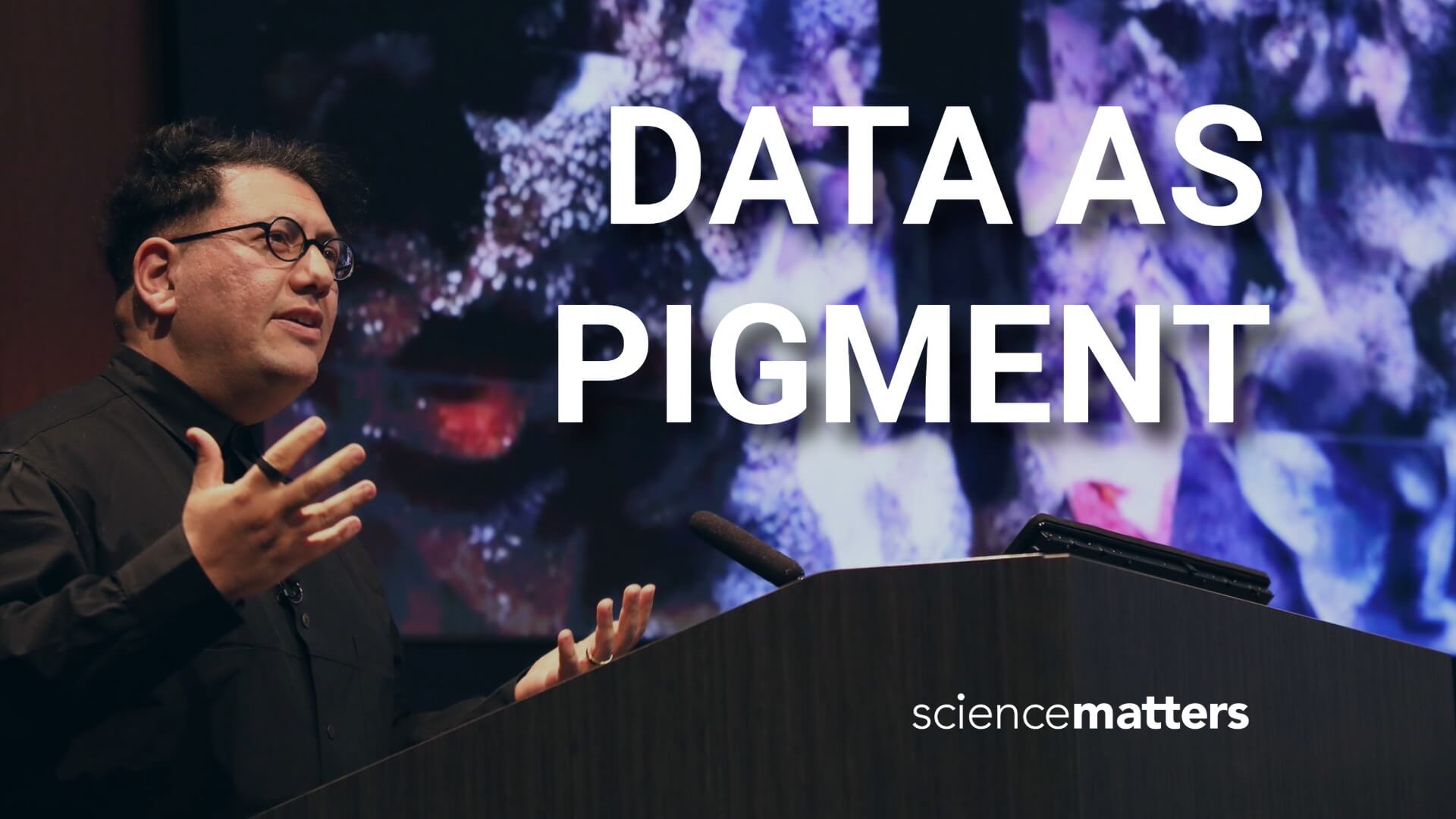

from Datasets to AI Data Dreams with Refik Anadol
Named to the TIME100 AI list, artist Refik Anadol explores how data becomes art and AI reshapes perception
No items found.
video
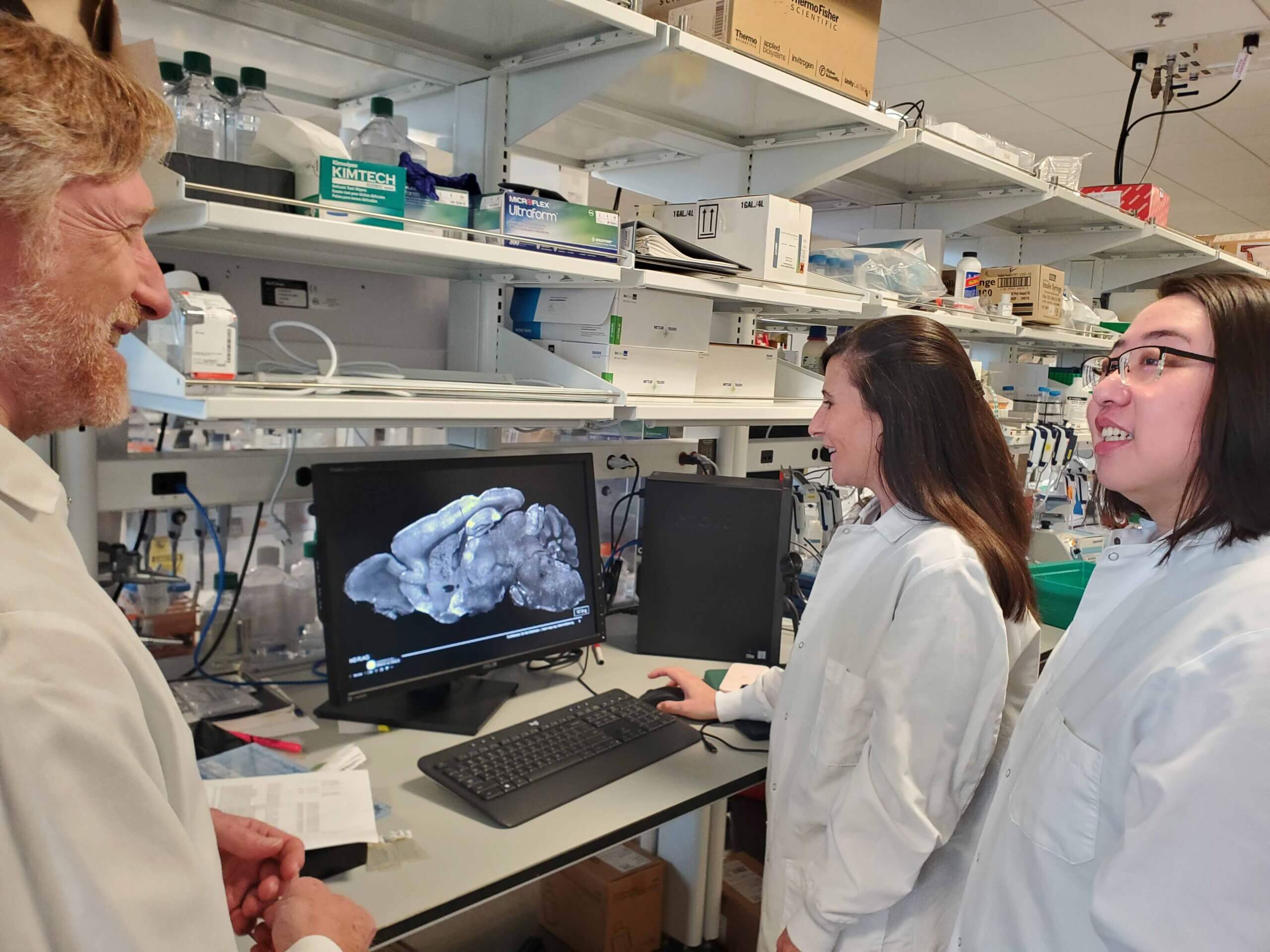
scientists fix genetic defect in mice tied to brain disorders that include autism and epilepsy
Gene therapy successfully reduced epileptic activity, hyperactivity and risk-taking behaviors tied to SYNGAP1-related disorders
No items found.
news
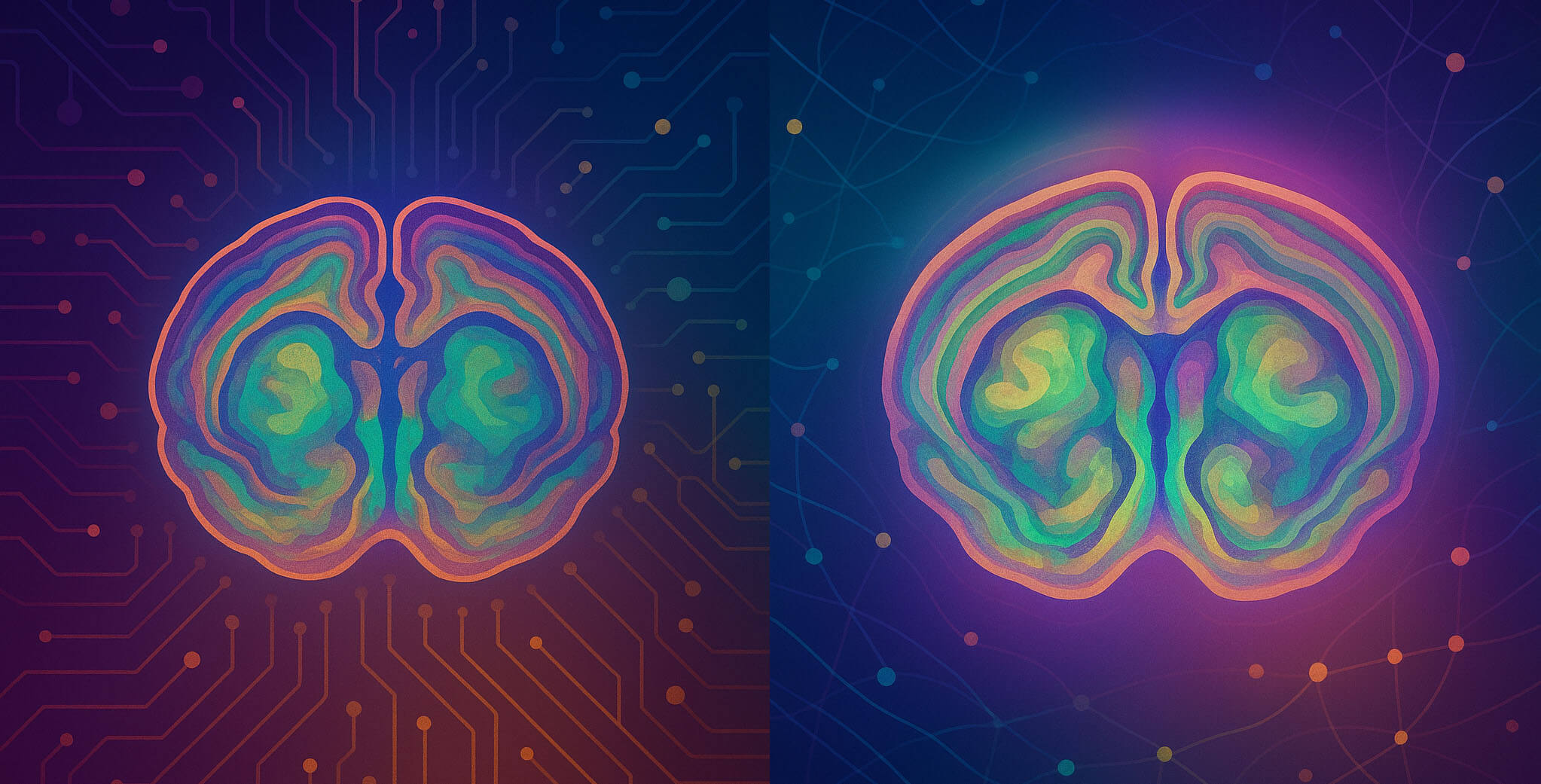
scientists create ChatGPT-like AI model for neuroscience to build detailed mouse brain map
Scientists create ChatGPT-like AI model for neuroscience to build one of the most detailed mouse brain maps to date.
No items found.
news

No results found, try reducing your search parameters.
press & media contact
Get in touch for media inquiries and resources for covering science at the scale of greatest impact.
Thank you! Your submission has been received!
Oops! Something went wrong while submitting the form.






Billionaire Paul Allen Donates $100 Million To Fund A 'Manhattan Project' For Human Disease
Paul Allen, the Microsoft cofounder turned billionaire philanthropist, will donate $100 million to create a research center tasked with investigating the inner workings of human cells. The ultimate goal is to deepen our understanding of how diseases emerge and how they can be treated and prevented.

Biologists Get $100 Million From Billionaire Paul Allen To Investigate Cells
With a gift of $100 million from billionaire philanthropist Paul G. Allen, scientists will embark on an effort to understand how cells work and how they malfunction in disease. Leaders of this new endeavor announced the launch of the Seattle-based Allen Institute for Cell Science today at the annual meeting of the American Society for Cell Biology in Philadelphia.



Billionaire Paul Allen donates $100m to new ‘industrial scale’ effort to understand human cells
Microsoft co-founder Paul G. Allen is donating $100 million of his fortune to launch what he calls an “industrial-scale” effort to understand the basic building block of all living things: the cell.
No results found, try reducing your search parameters.