news
stories from the front lines of discovery
From scientific breakthroughs to new open‑source tools, the Allen Institute’s work is reshaping how science is done—and who it’s for. Explore the latest news, stories, and highlights from across our research, partnerships, and open science efforts.


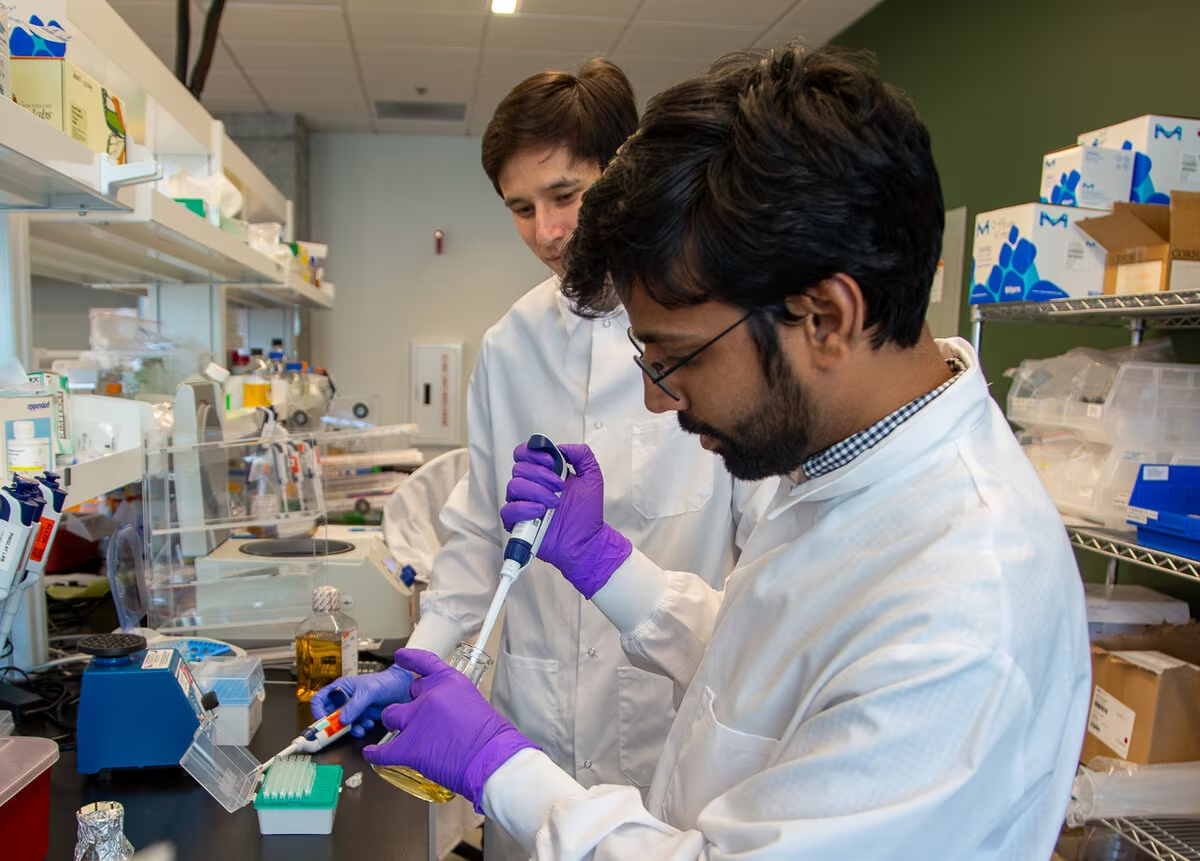
AI BioDesign accelerator combines experimental biology and artificial intelligence to learn nature’s design rules
Researchers from the Allen Institute, University of Washington, and Fred Hutch Cancer Center, supported by Fund for Science and Technology, will build open AI models, datasets, and tools to accelerate biological design for health, sustainability, and other global challenges
Thank you! Your submission has been received!
Oops! Something went wrong while submitting the form.

Open Science Week | Michael Stryker, Ph.D.
Science has the maximum benefit to society when results & discoveries are made as quickly as possible. Our Board member Michael Stryker explains...
No items found.
video
Open Science Week | Denise Cai, Ph.D.
"The Allen Institute has been a leader in spearheading the open science movement," explains Next Generation Leader Denise Cai, Ph.D. This movement is...
No items found.
video
Open Science Week | Neville Sanjana, Ph.D.
Equal access to scientific resources is enabled by open science. Next Generation Leader Neville Sanjana, Ph.D., describes how this is especially...
No items found.
video
Open Science Week | Jennifer Lippincott-Schwartz, Ph.D.
Saving scientists valuable time and resources - our commitment to open science is filling an important niche in the cell biology community...
No items found.
video
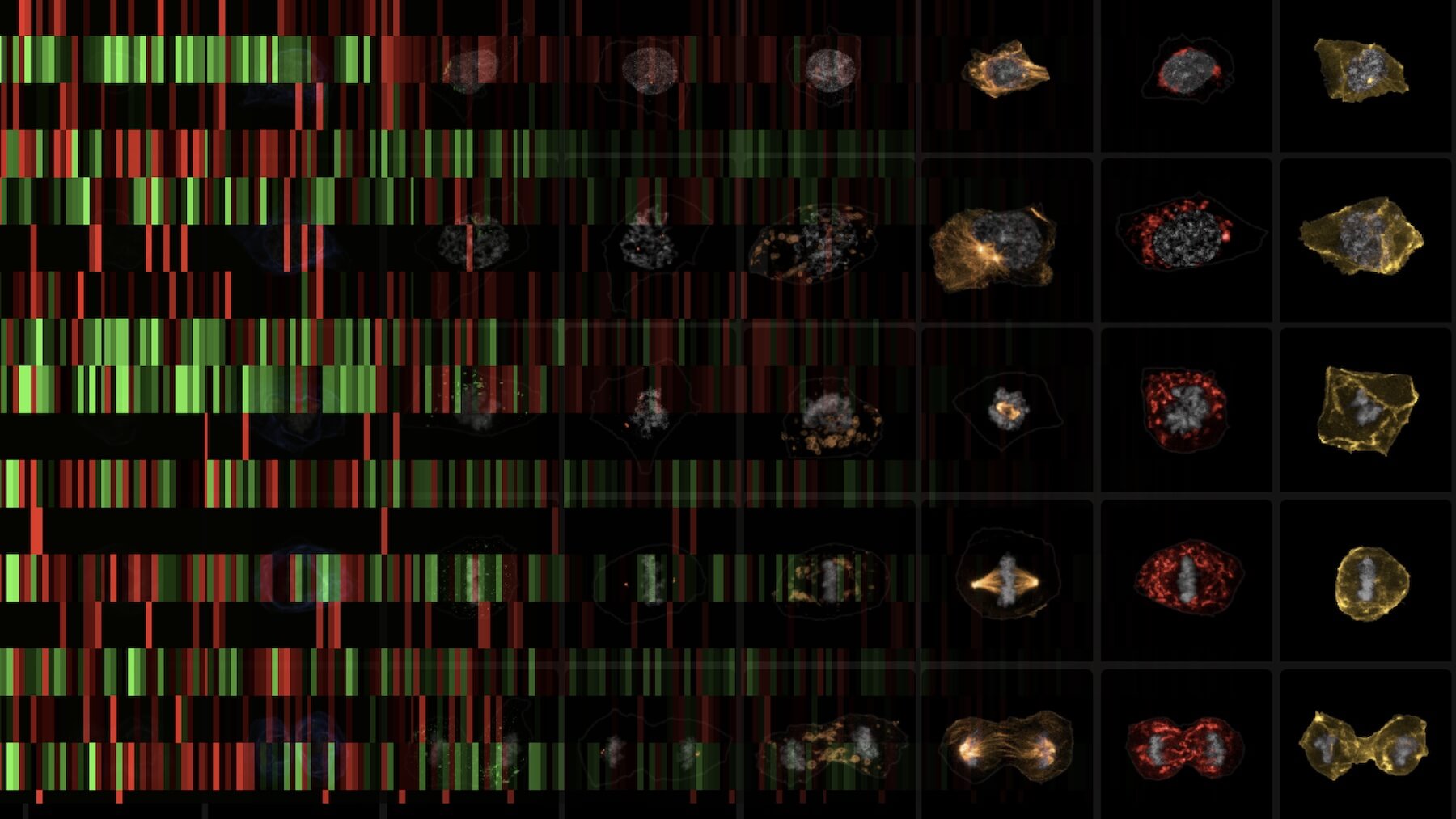

Open datasets can support virtual science education
As science classes move online, some teachers are turning to the Allen Institute’s public resources to build virtual experiments and prepare students for real-world research.
No items found.
news
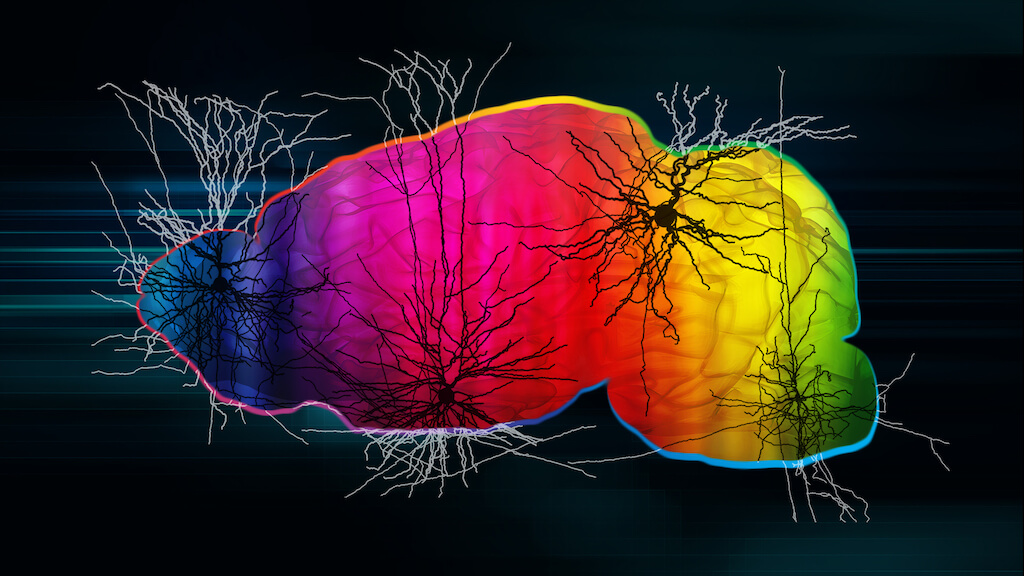
The future of brain cell types research: A Q&A with Hongkui Zeng
New efforts to understand the human brain, the ‘why’ behind the cell types, and how technology drives neuroscience
brain science
news
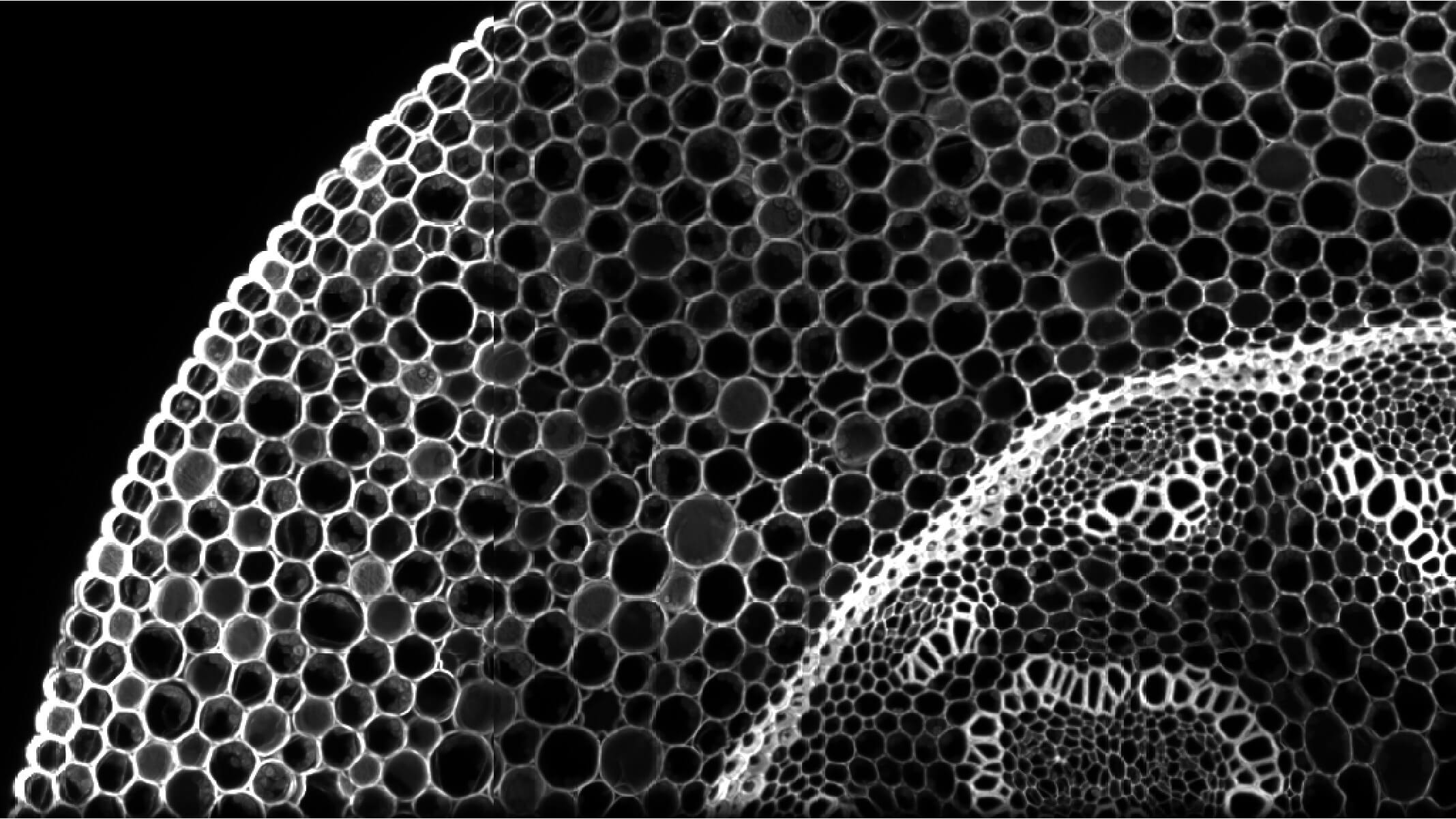
New image-reading software to level the microscopy image playfield
Open-source AICSImageIO library, developed for cell biologists, faithfully converts proprietary microscope image files into an open format
No items found.
news

Science is...
Science is everywhere. Science is all of us. See what science is to our Allen Institute team.
No items found.
video
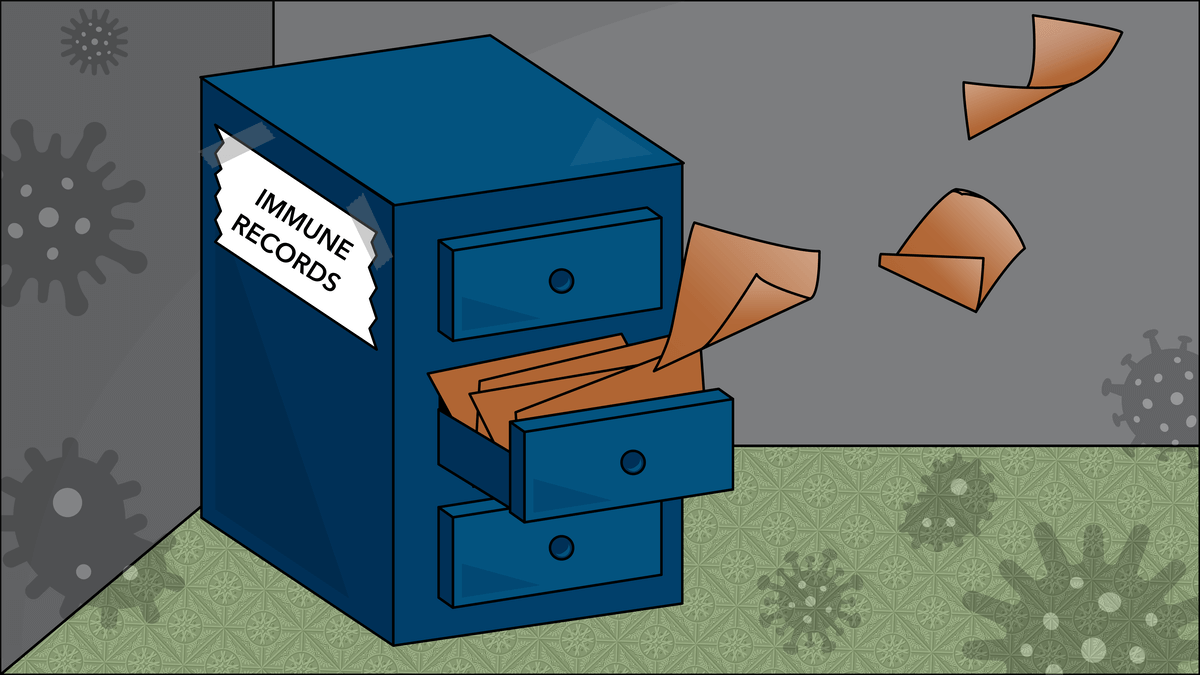
5 cool things your immune system can do
Hack evolution, keep lifelong exposure records and more - immunologists share some of the far-out cellular feats happening in your body on a regular...
No items found.
news
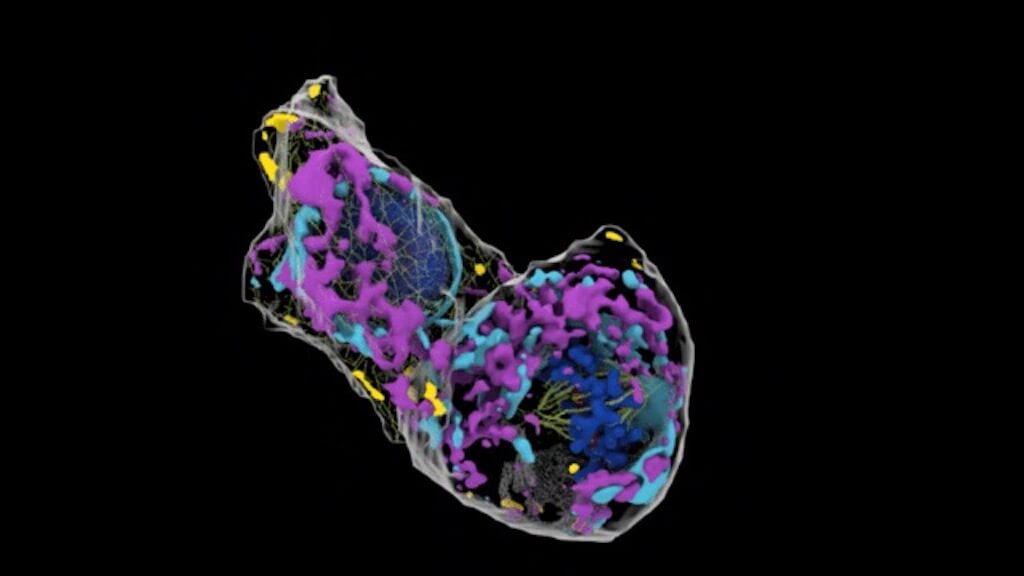
Cytiva licenses Allen Institute’s advanced machine learning technology to develop new cell imaging techniques
Strategic license to advance the field of 3D and live cell imaging
No items found.
news

No results found, try reducing your search parameters.
press & media contact
Get in touch for media inquiries and resources for covering science at the scale of greatest impact.
Thank you! Your submission has been received!
Oops! Something went wrong while submitting the form.








The Paul G. Allen Frontiers Group UC Berkeley's Jennifer Doudna a New Allen Distinguished Investigator
The Paul G. Allen Frontiers Group today named Jennifer Doudna, Ph.D., at the University of California, Berkeley an Allen Distinguished Investigator (ADI) with an award for “Antiviral Machinery and Cell Editing Platforms” at the frontier of RNA targeting and cell editing.

The Paul G. Allen Frontiers Group Names UC San Diego's Ethan Bier a New Allen Distinguished Investigator
The Paul G. Allen Frontiers Group today named Ethan Bier, Ph.D., at the University of California, San Diego, an Allen Distinguished Investigator (ADI) with an award for research at the frontier of evolutionary developmental biology titled “Biological Innovation and Active Genetics.”

The Paul G. Allen Frontiers Group Names MIT's James J. Collins a New Allen Distinguished Investigator
The Paul G. Allen Frontiers Group announced today the award of an Allen Distinguished Investigator (ADI) award for “Synthetic Biology Applications to Antimicrobial Resistance” to James J. Collins, Ph.D., at the Massachusetts Institute of Technology, for research at the frontier of antibiotic resistance.
No results found, try reducing your search parameters.