news
stories from the front lines of discovery
From scientific breakthroughs to new open‑source tools, the Allen Institute’s work is reshaping how science is done—and who it’s for. Explore the latest news, stories, and highlights from across our research, partnerships, and open science efforts.


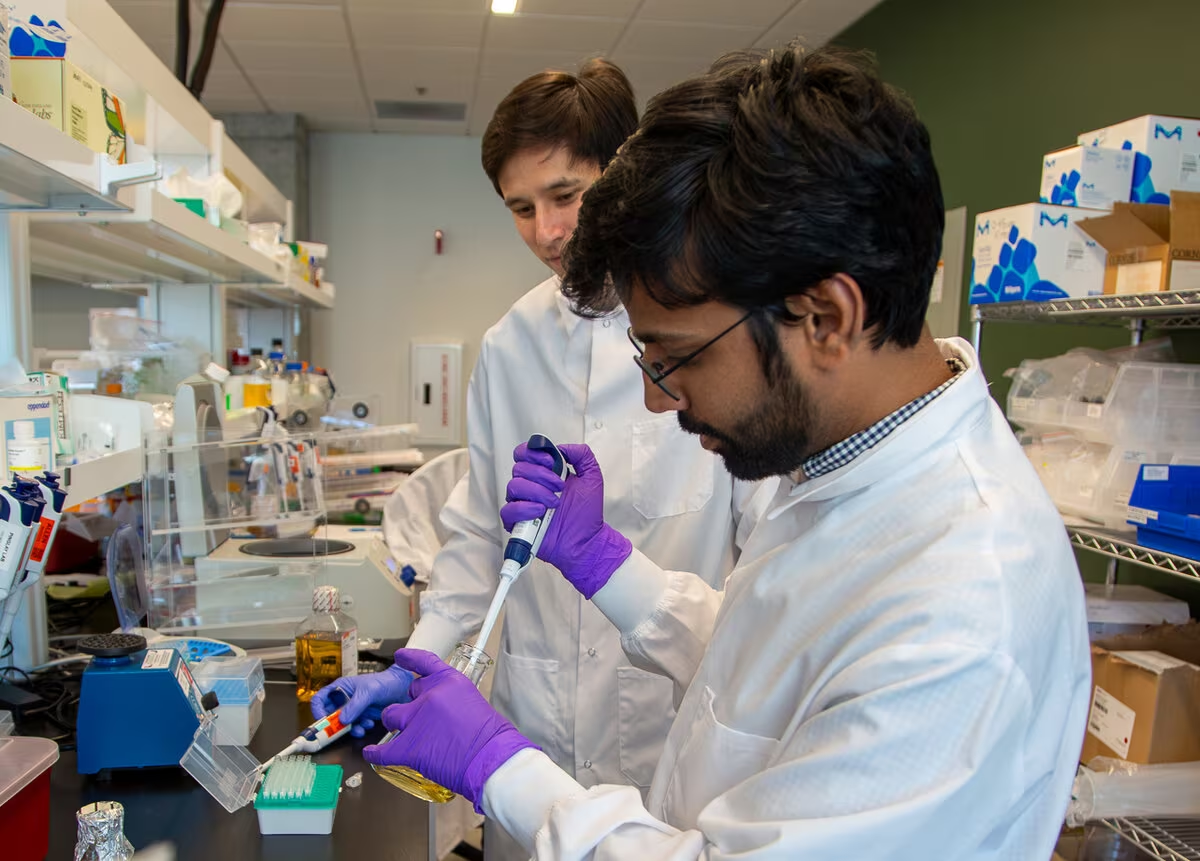
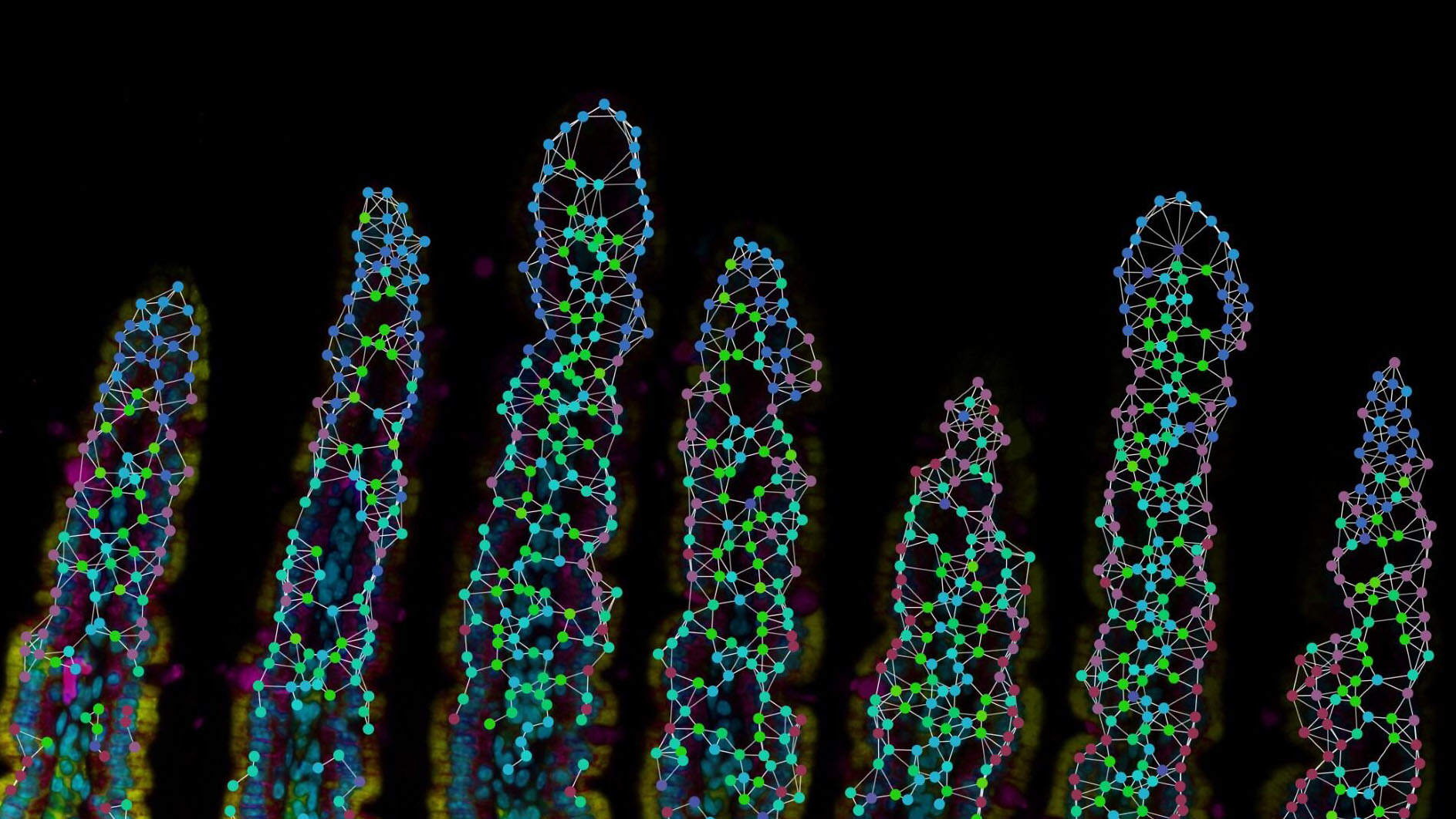
AI BioDesign accelerator combines experimental biology and artificial intelligence to learn nature’s design rules
Researchers from the Allen Institute, University of Washington, and Fred Hutch Cancer Center, supported by Fund for Science and Technology, will build open AI models, datasets, and tools to accelerate biological design for health, sustainability, and other global challenges
Thank you! Your submission has been received!
Oops! Something went wrong while submitting the form.
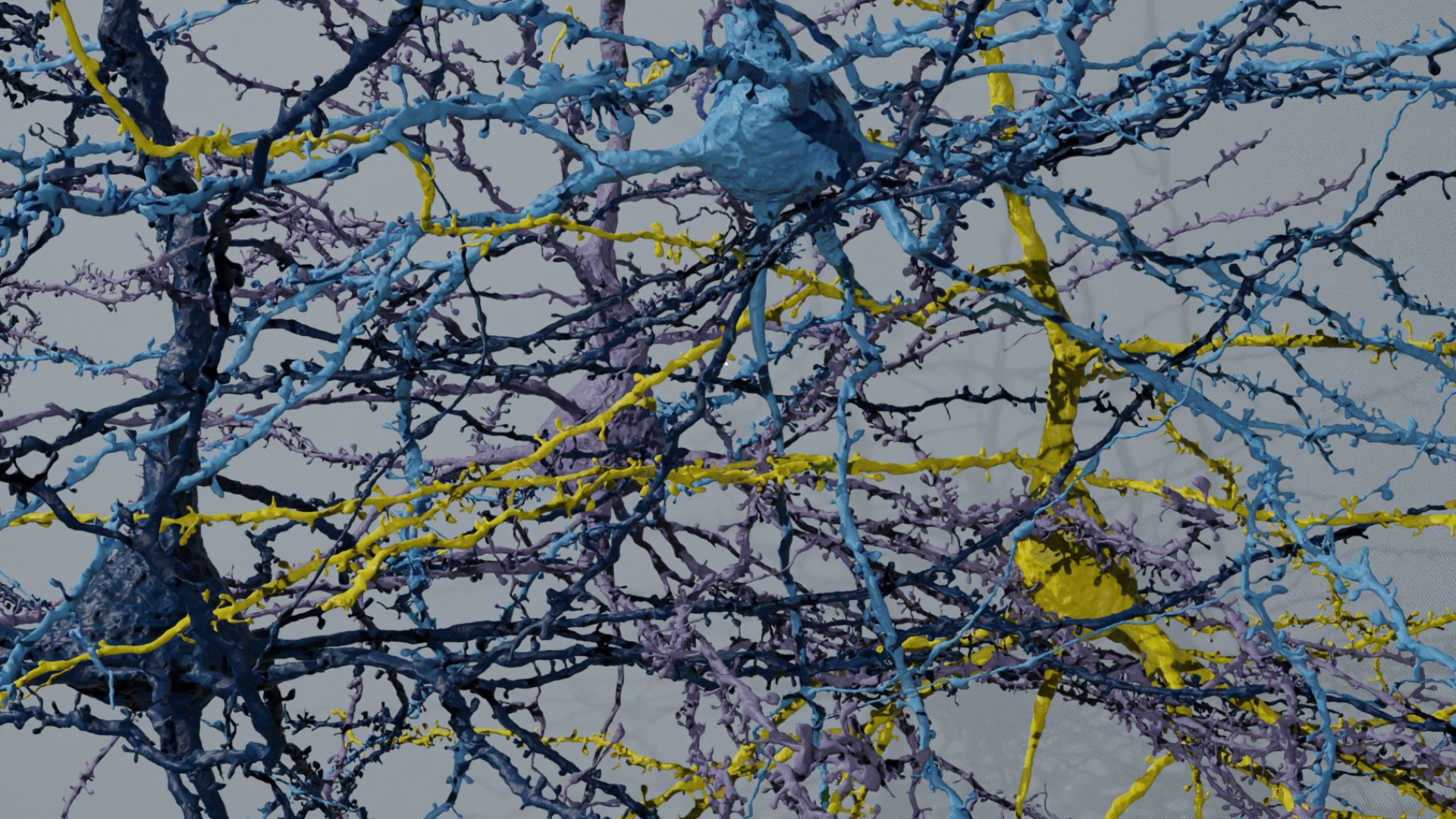

Revealing the largest wiring diagram and functional map of the brain through MICrONS
Scientists have created the largest wiring diagram and functional map of an animal brain
brain science
video
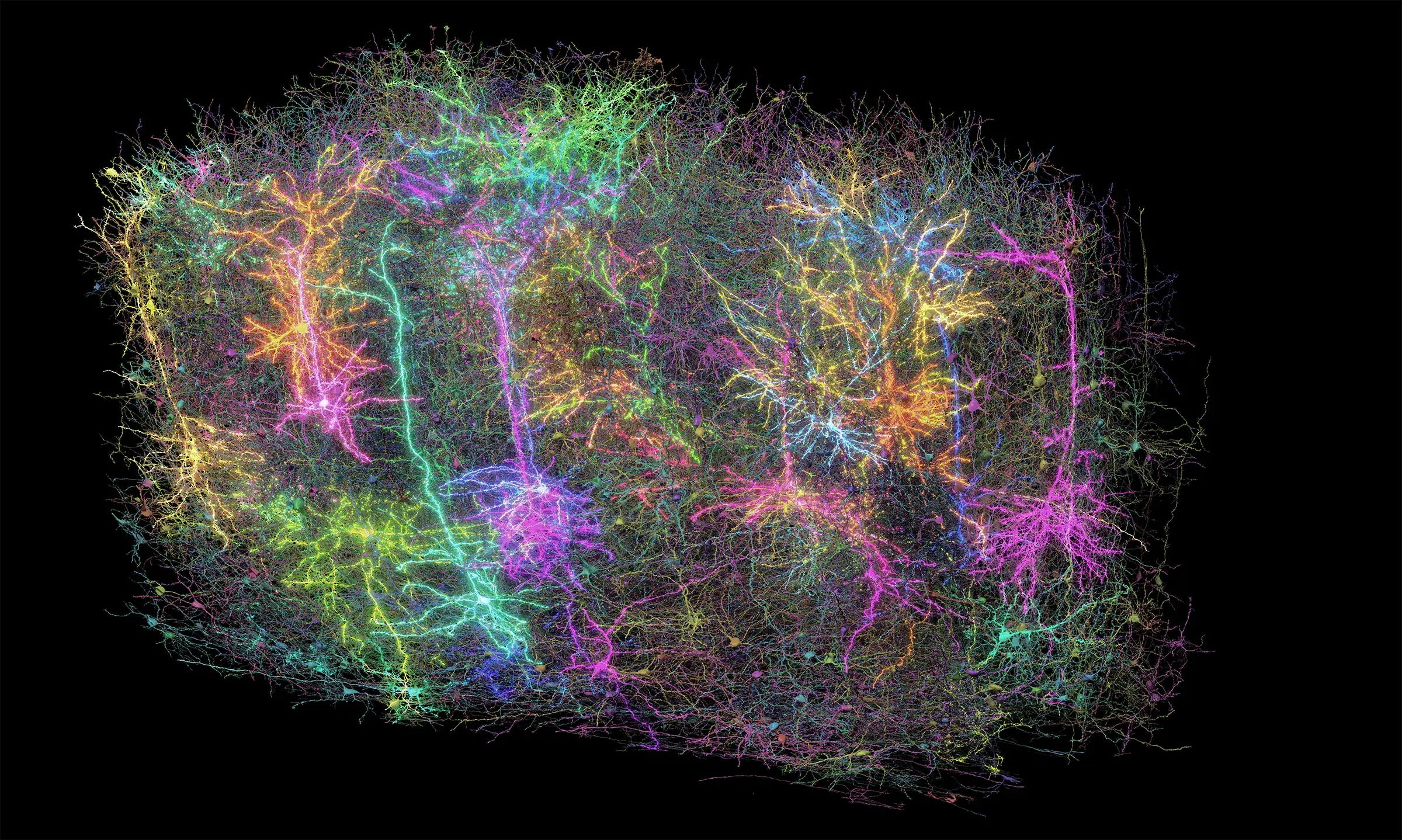

Attempting the impossible: A 20-year journey to learn the language of the brain
In what is considered the most complicated neuroscience experiment ever attempted, scientists from the Allen Institute and global collaborators have...
brain science
news

Explore the connections of the brain - MICrONS neuroscience data insights
This video showcases neuroscience data insights from the MICrONS project
No items found.
video
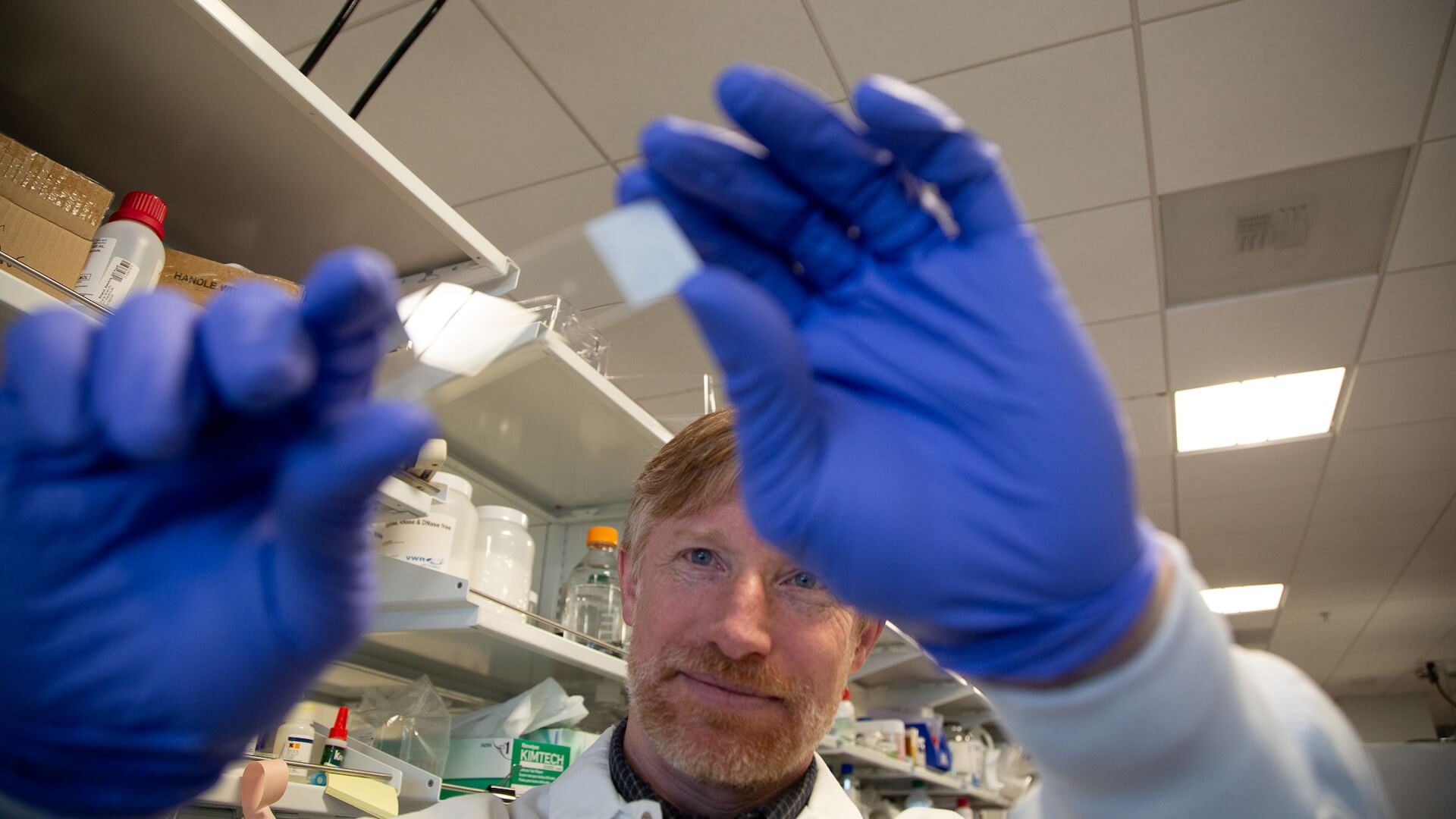

Breakthrough Dravet Syndrome gene therapy in mice brings new hope to families
In a groundbreaking advancement scientists have developed a new gene replacement therapy in mice that could lead to more effective treatments in...
brain science
multimedia
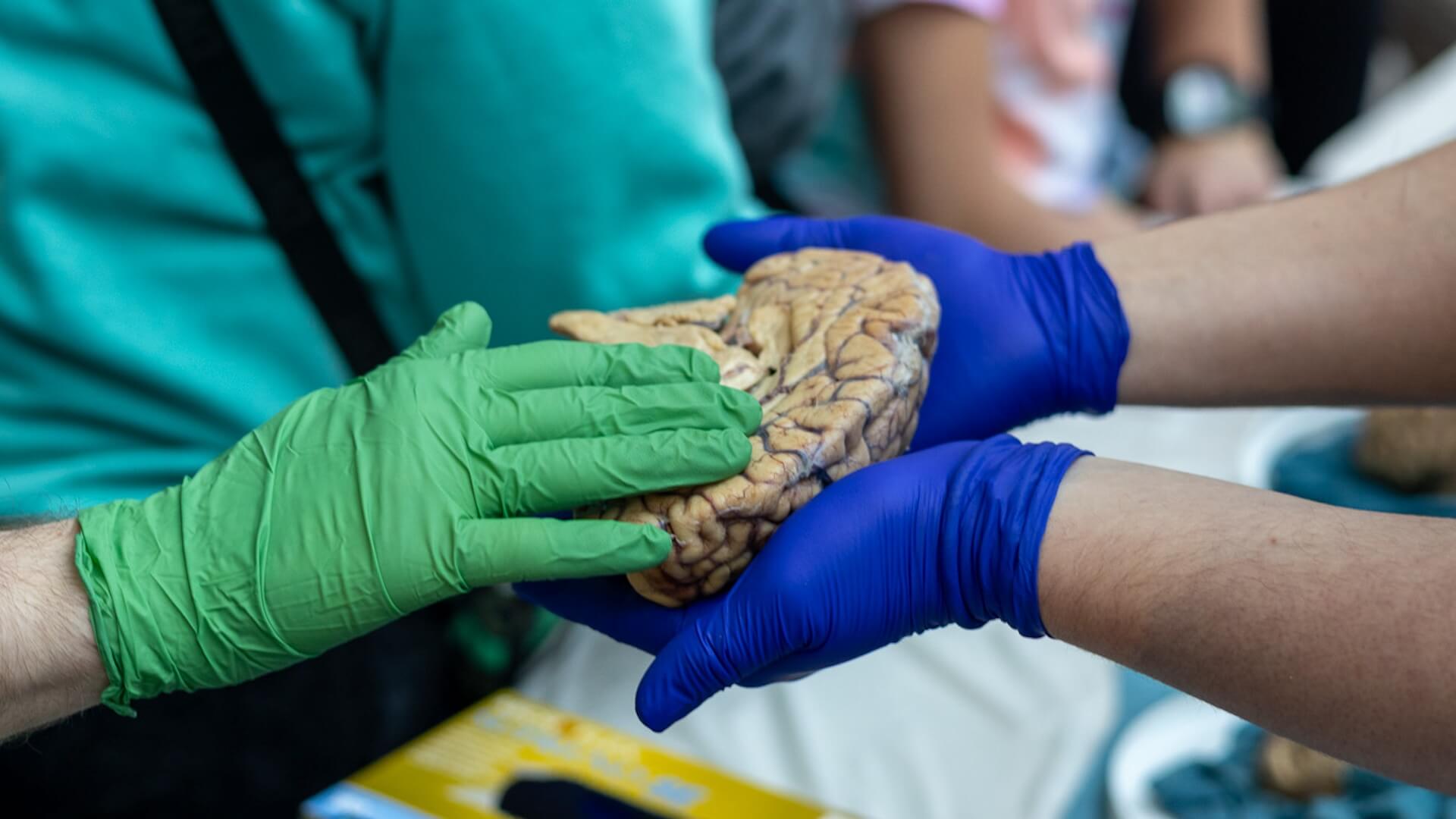
Brainy fun for all ages at BrainFest 2025
Thousands of visitors gathered to explore their amazing brains at the second annual BrainFest, a partnership of the Allen Institute and Pacific Science Center
No items found.
news
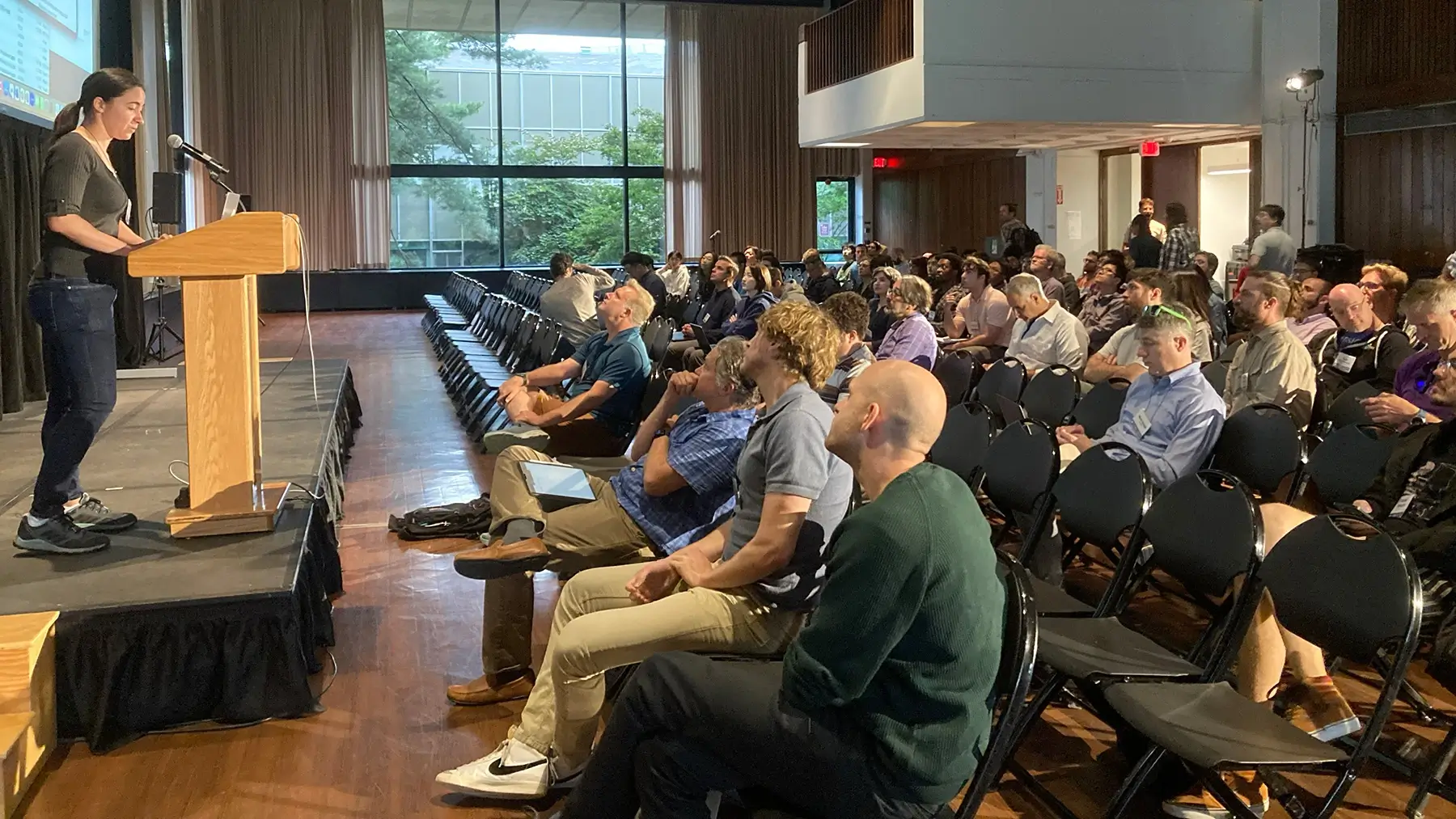
world’s first crowd-sourced neuroscience study aims to understand how our brains predict the future
Using the Allen Institute’s OpenScope platform, experiments will probe brain functions related to "predictive processing"
No items found.
news
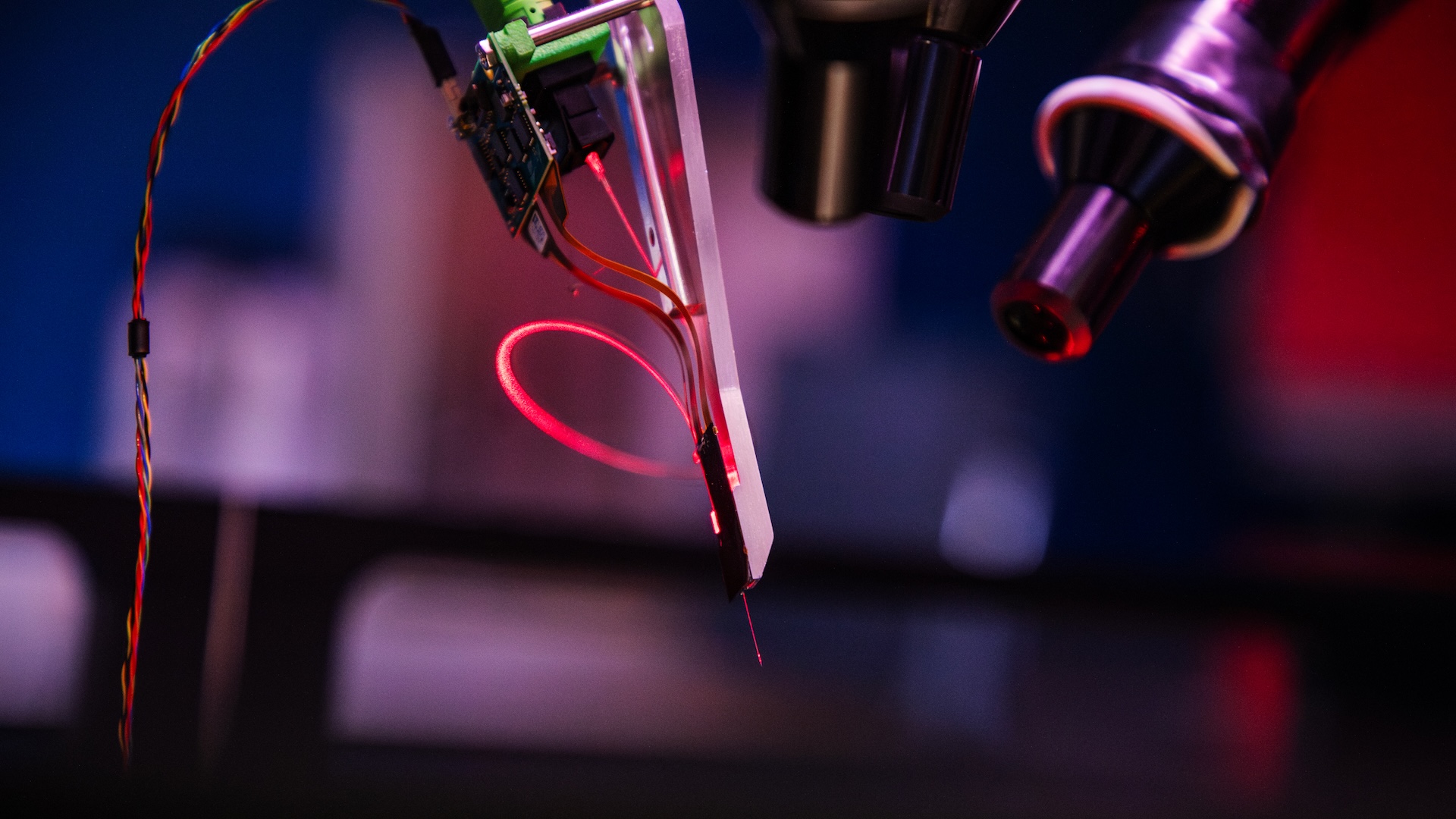
The World's Observatory of the Mind | OpenScope
Great questions can come from anywhere. OpenScope is an open platform for high-throughput and reproducible neurophysiology.
neural dynamics
video
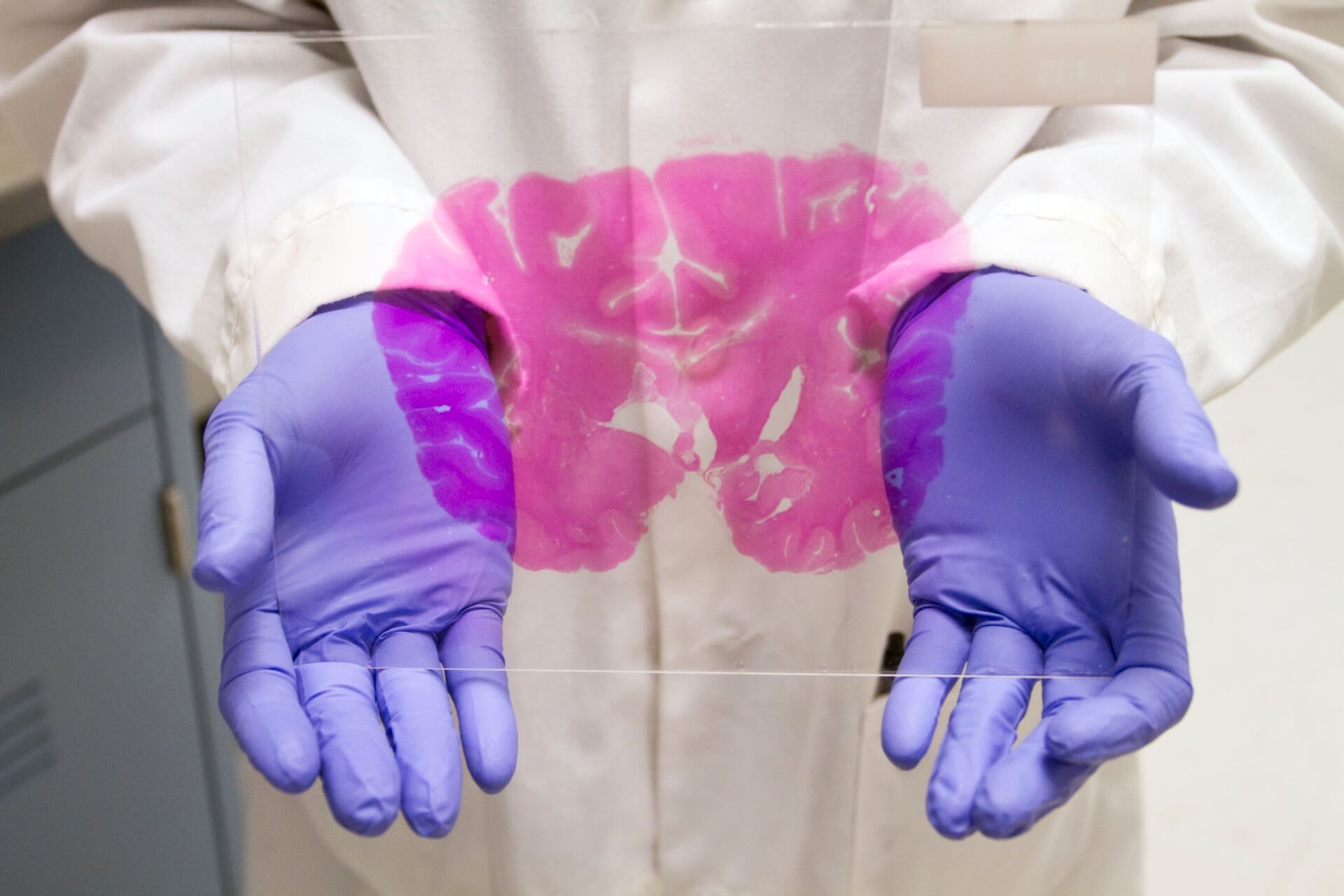
What are the parts of the brain?
Enjoy this visual and informative journey as we explore the brain’s many regions and parts. Scientists at the Allen Institute around the world are...
No items found.
news
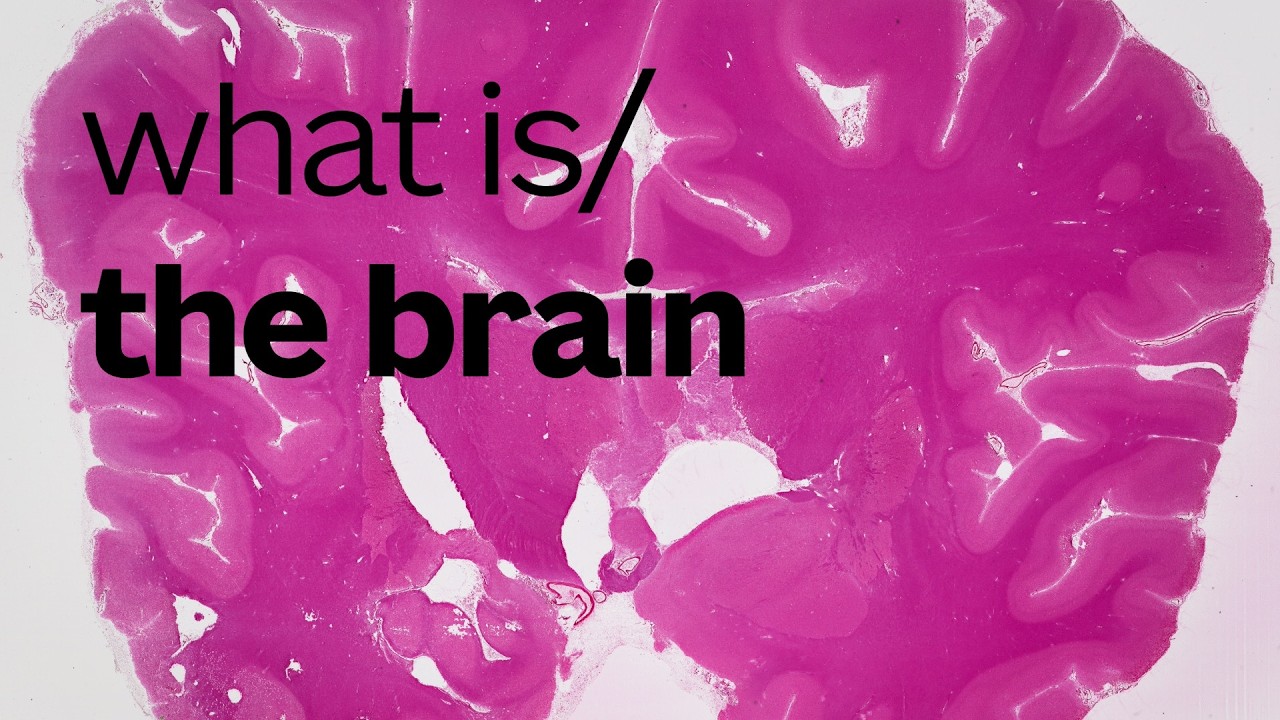
What is the brain?
The brain is one of the most mysterious organs in the human body. Dr. Kaitlyn Casimo, an education and engagement manager at Allen Institute, shares...
No items found.
video
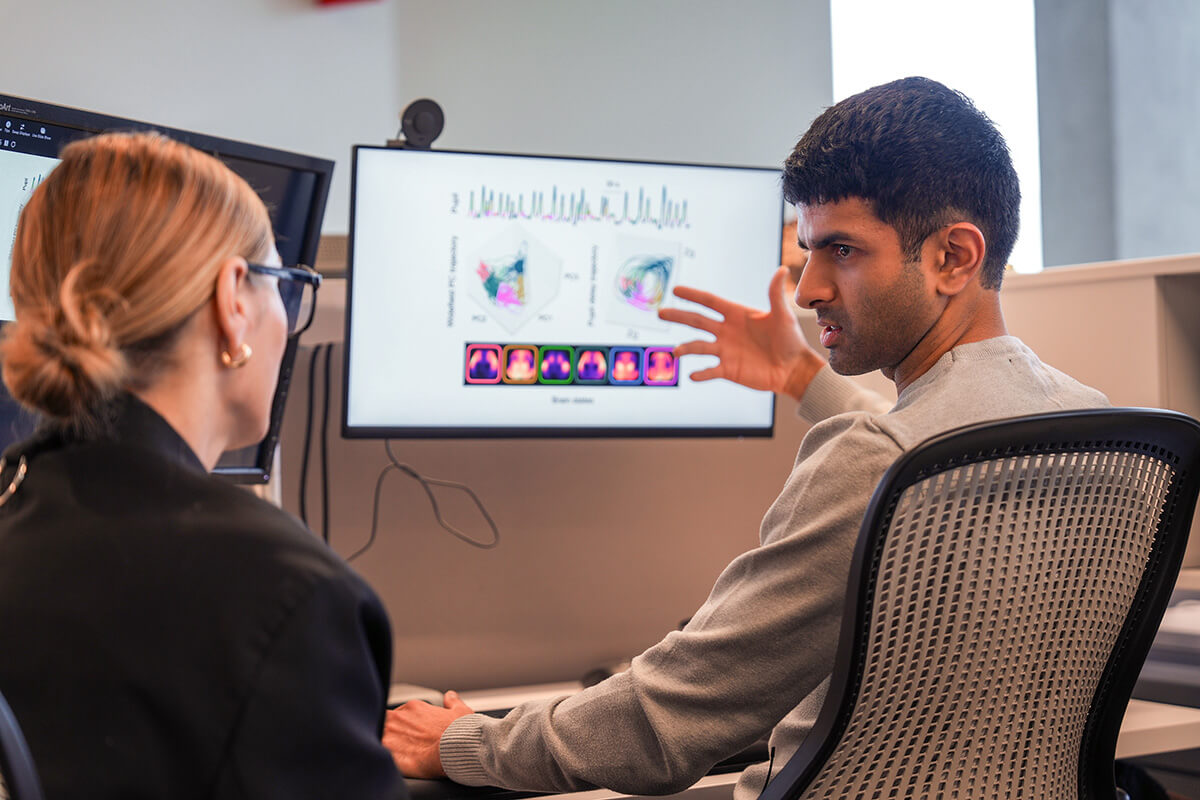
From Midwest to Mentorship: A Scientist’s Full-Circle Journey in Neuroscience
At the Allen Institute, Raut took full advantage of the opportunities and independence provided by the three-year-long Shanahan Foundation Fellowship...
No items found.
news

No results found, try reducing your search parameters.
press & media contact
Get in touch for media inquiries and resources for covering science at the scale of greatest impact.
Thank you! Your submission has been received!
Oops! Something went wrong while submitting the form.



Seattle researchers lead ambitious project to map the human brain
We could be on the cusp of breakthrough treatments for brain diseases, from Alzheimer's Disease to depression and ADHD. Local scientists from the Allen Institute for Brain Science are spearheading a five-year project to map the human brain.

NIH launches the next stage of its ‘human genome project’ for the brain
The National Institutes of Health on Thursday announced more than $600 million in fresh funding for an expansive and ongoing push to unravel the mysteries of the human brain, bankrolling efforts to create a detailed map of the whole brain, and devise new ways to target therapeutics and other molecules to specific brain cell populations.




Data Trove Released by Seattle Alzheimer’s Disease Brain Cell Atlas
Neuroscientists at the Allen Institute for Brain Science and their collaborators have released their first research data set on Alzheimer’s disease, in which they categorized cell types based on gene activity. The team hope this approach could ultimately identify new targets for better therapies.


No results found, try reducing your search parameters.