in this article
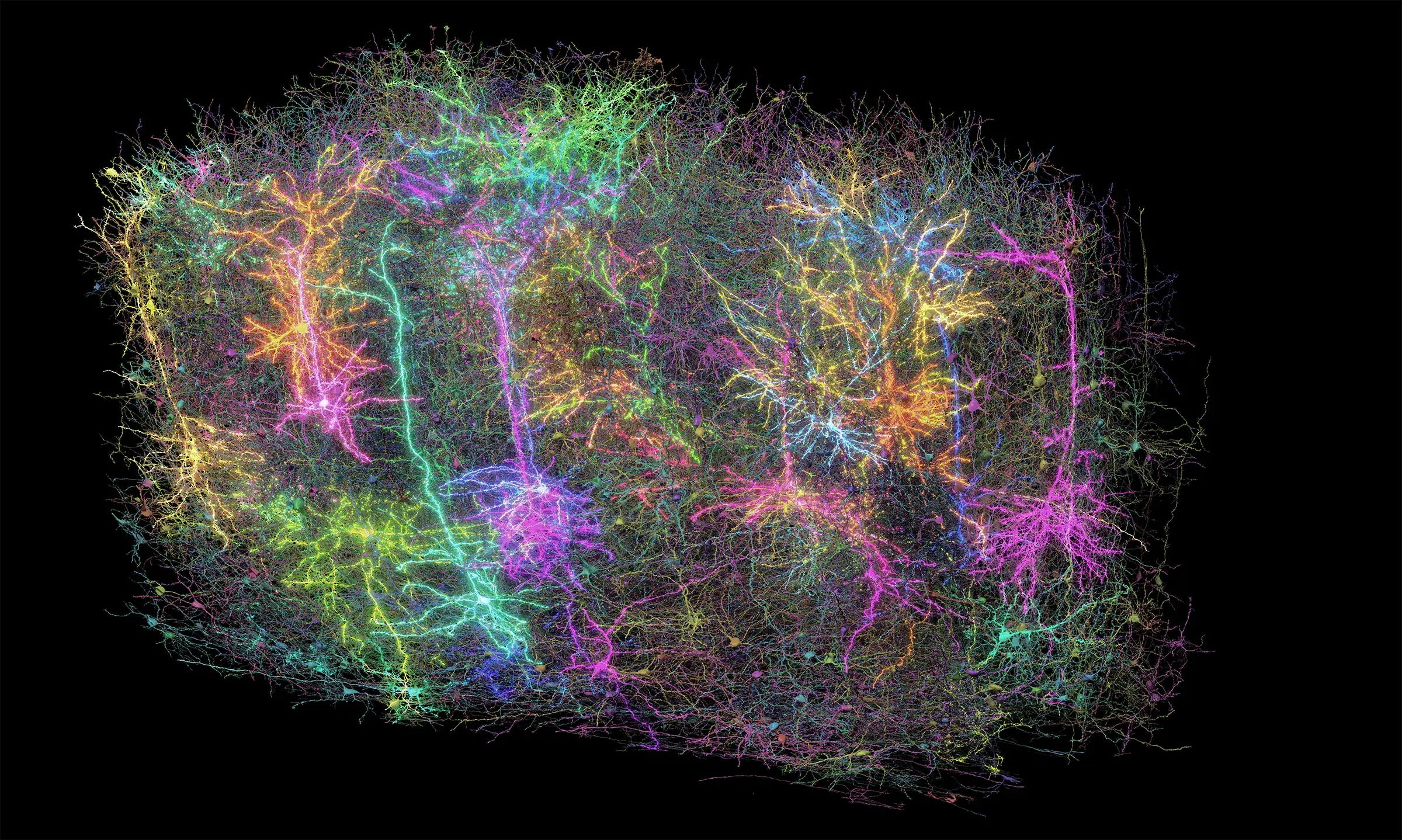
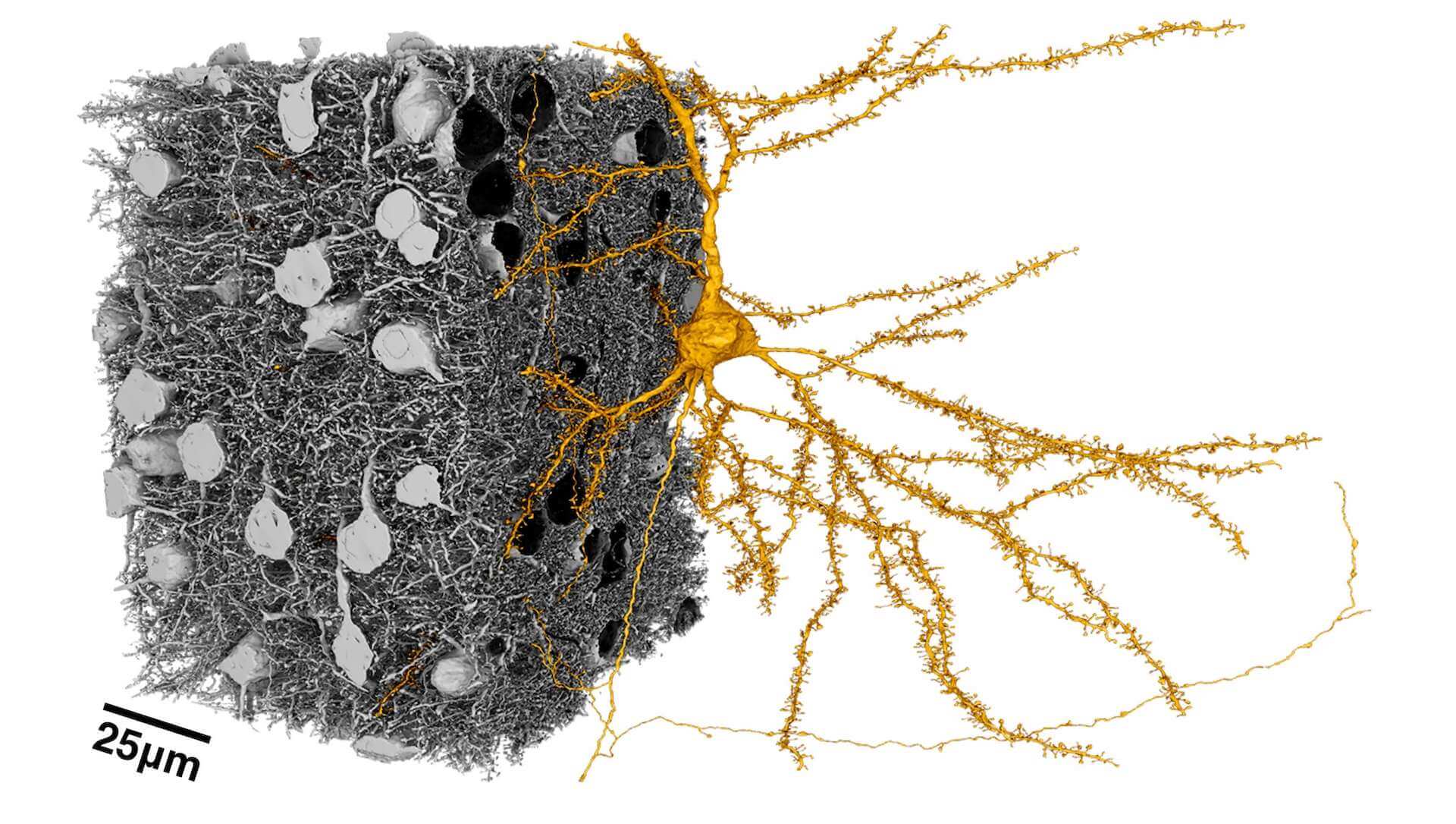
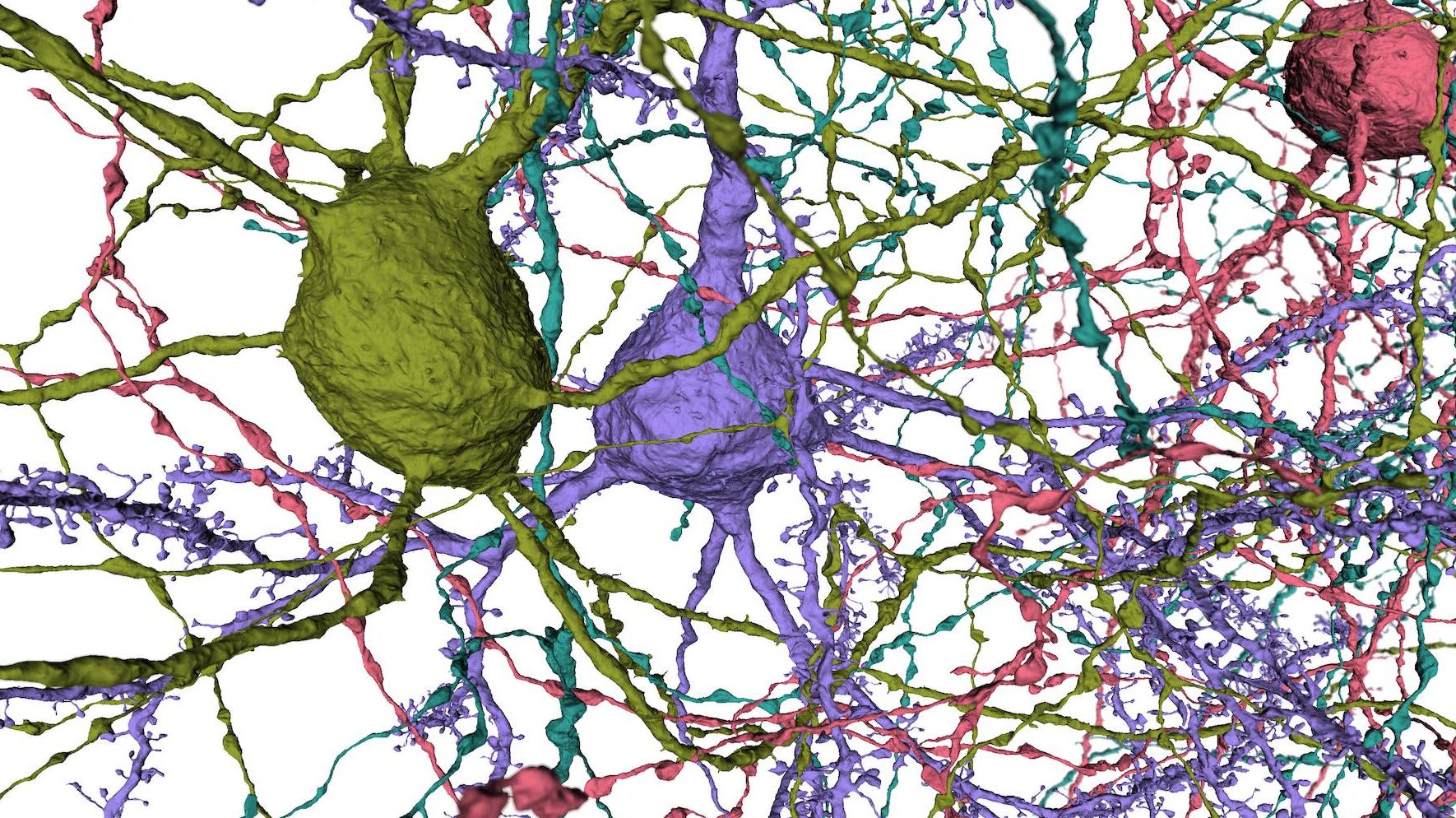
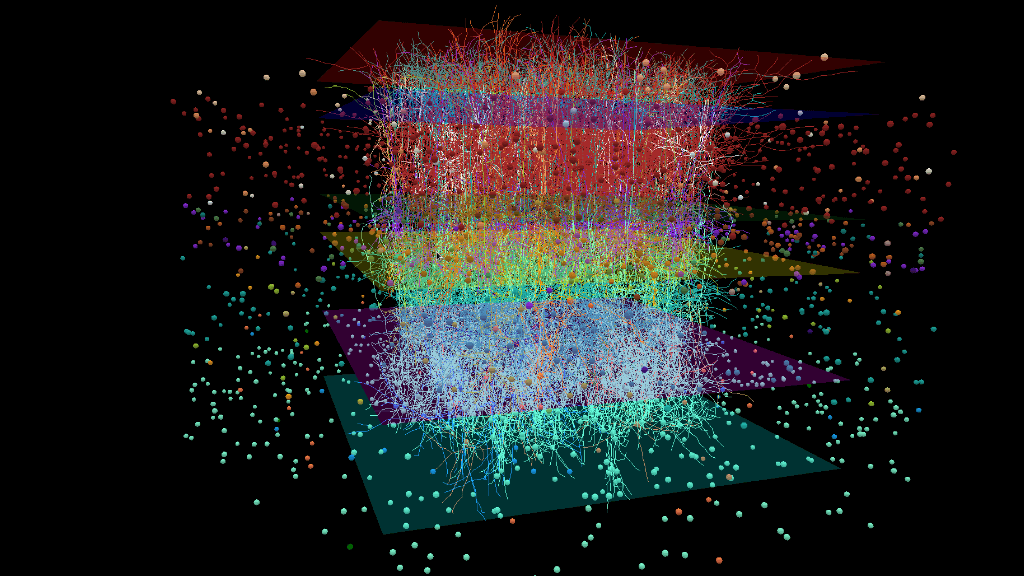

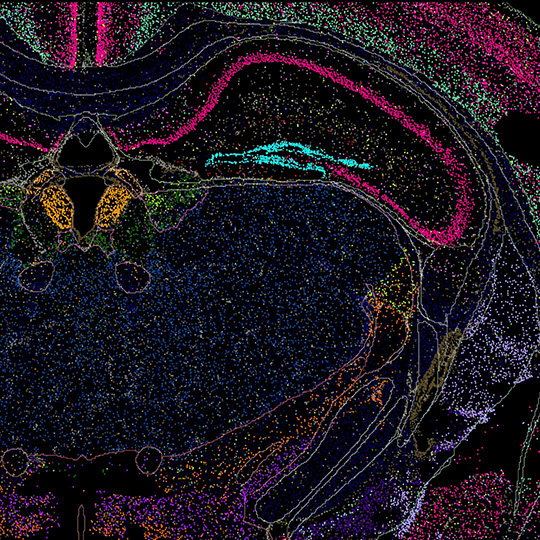
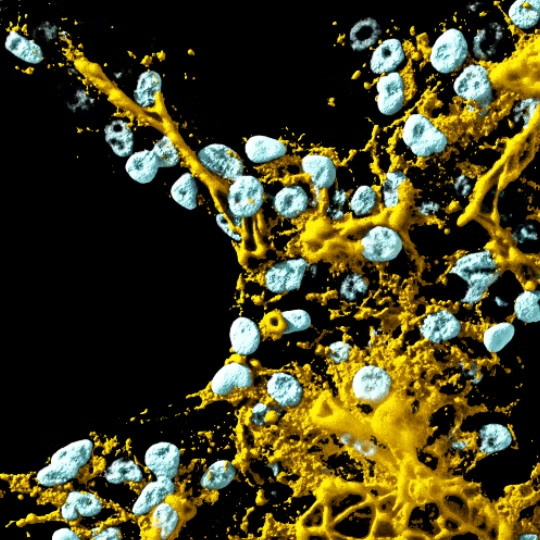
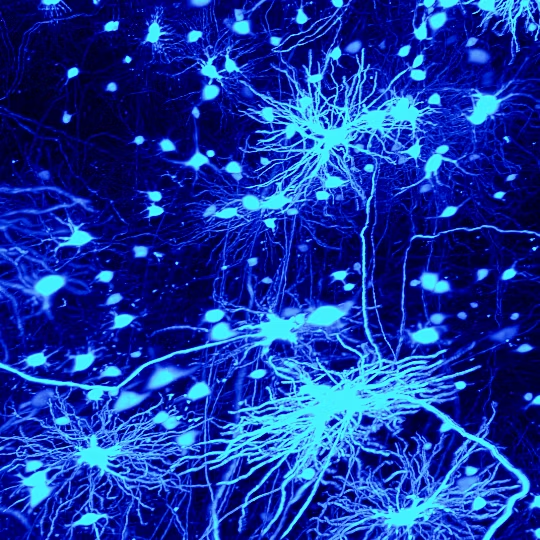
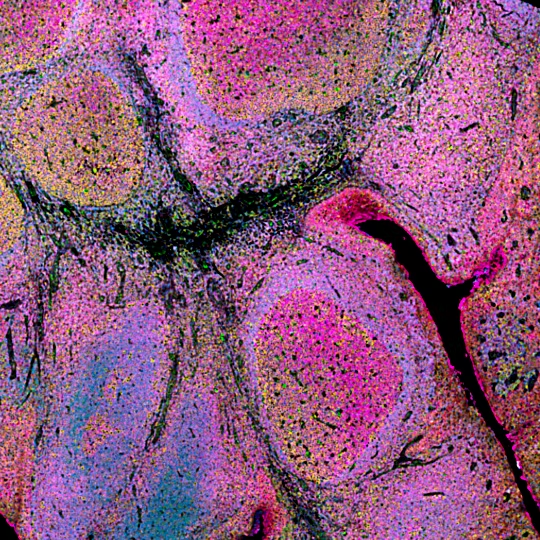
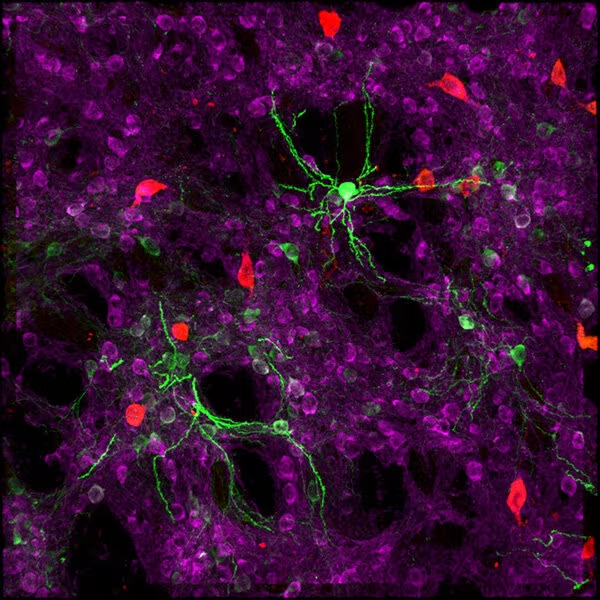
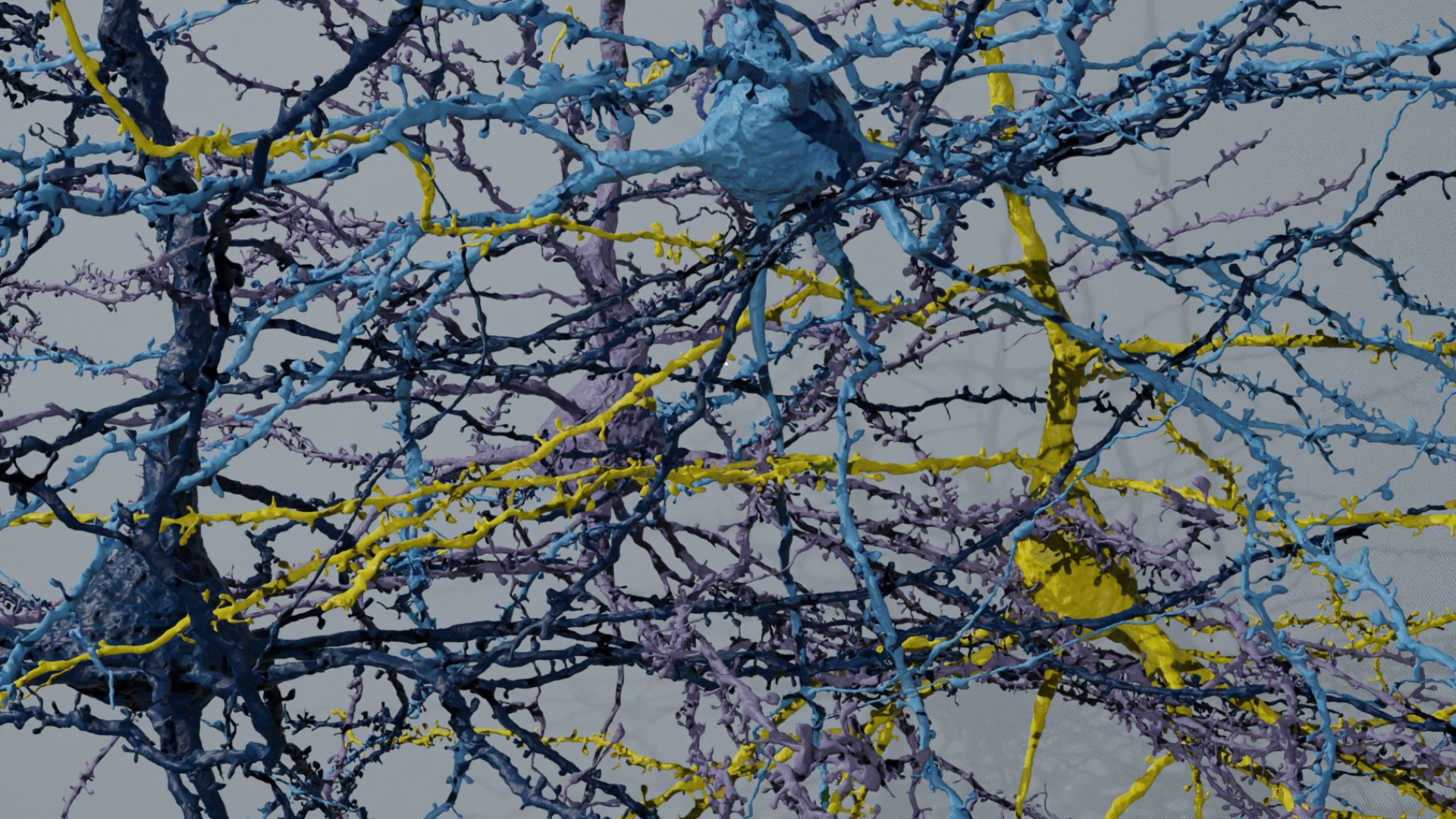
How does the brain work? Where, and when, and why do neurons connect and send their signals? Scientists have created the largest wiring diagram and functional map of an animal brain to date to learn more. Research teams at Allen Institute, Baylor College of Medicine and Princeton worked together to map half a billion synapses, over 200,000 cells, and 4km of axons from a cubic millimeter of mouse brain, providing unparalleled detail into its structure and functional properties. The project is part of the Machine Intelligence from Cortical Networks (MICrONS) program, which seeks to revolutionize machine learning by reverse-engineering the algorithms of the brain. Research findings reveal key insights into brain activity, connectivity, and structure—shedding light on both form and function—within a region of the mouse visual cortex that plays a critical role in brain health and is often disrupted in neurological conditions such as Alzheimer’s disease, autism, and addiction. These insights could revolutionize our ability to treat neuropsychiatric diseases or study the influence of drugs and other changes on the brain.
The findings are presented in a suite of ten papers published in the Nature family of journals.
Citations
about the allen institute
Allen Institute is a 501(c)(3) tax exempt organization dedicated to accelerating science for a healthier world. Through large-scale, multidisciplinary research initiatives, the Institute generates foundational knowledge, data, tools, and models that are shared openly with the world to advance our understanding of life and health. Founded by Jody Allen and the late Paul G. Allen, Allen Institute is supported primarily by Fund for Science and Technology.