news
stories from the front lines of discovery
From scientific breakthroughs to new open‑source tools, the Allen Institute’s work is reshaping how science is done—and who it’s for. Explore the latest news, stories, and highlights from across our research, partnerships, and open science efforts.


AI BioDesign accelerator combines experimental biology and artificial intelligence to learn nature’s design rules
Researchers from the Allen Institute, University of Washington, and Fred Hutch Cancer Center, supported by Fund for Science and Technology, will build open AI models, datasets, and tools to accelerate biological design for health, sustainability, and other global challenges
Thank you! Your submission has been received!
Oops! Something went wrong while submitting the form.
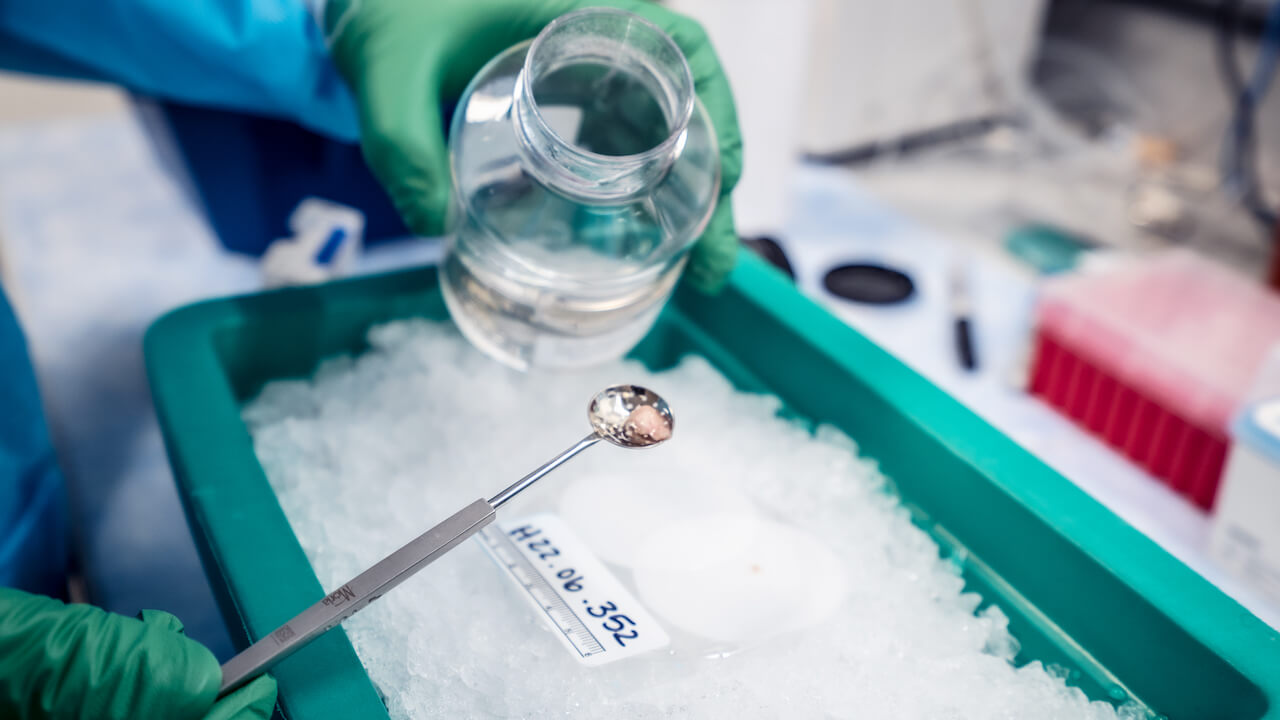

How do human neurons respond to psychedelics?
Neuroscientists send live human brain samples on a trip to glean insights into consciousness, therapy for depression and anxiety
No items found.
news



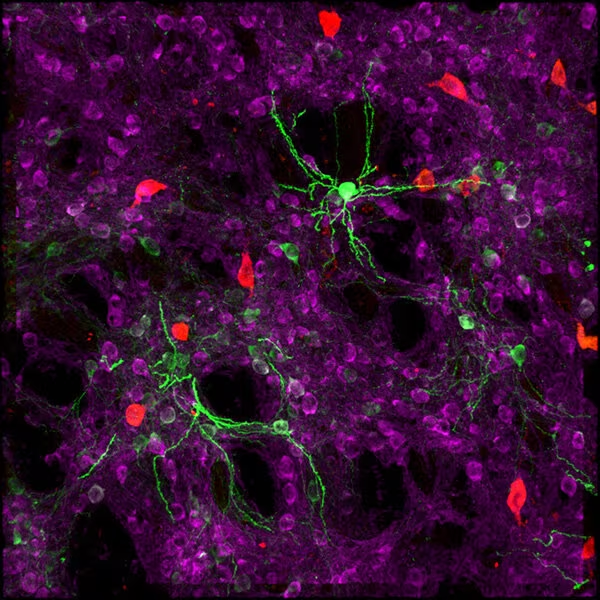
SciShots: illuminating a mysterious brain structure
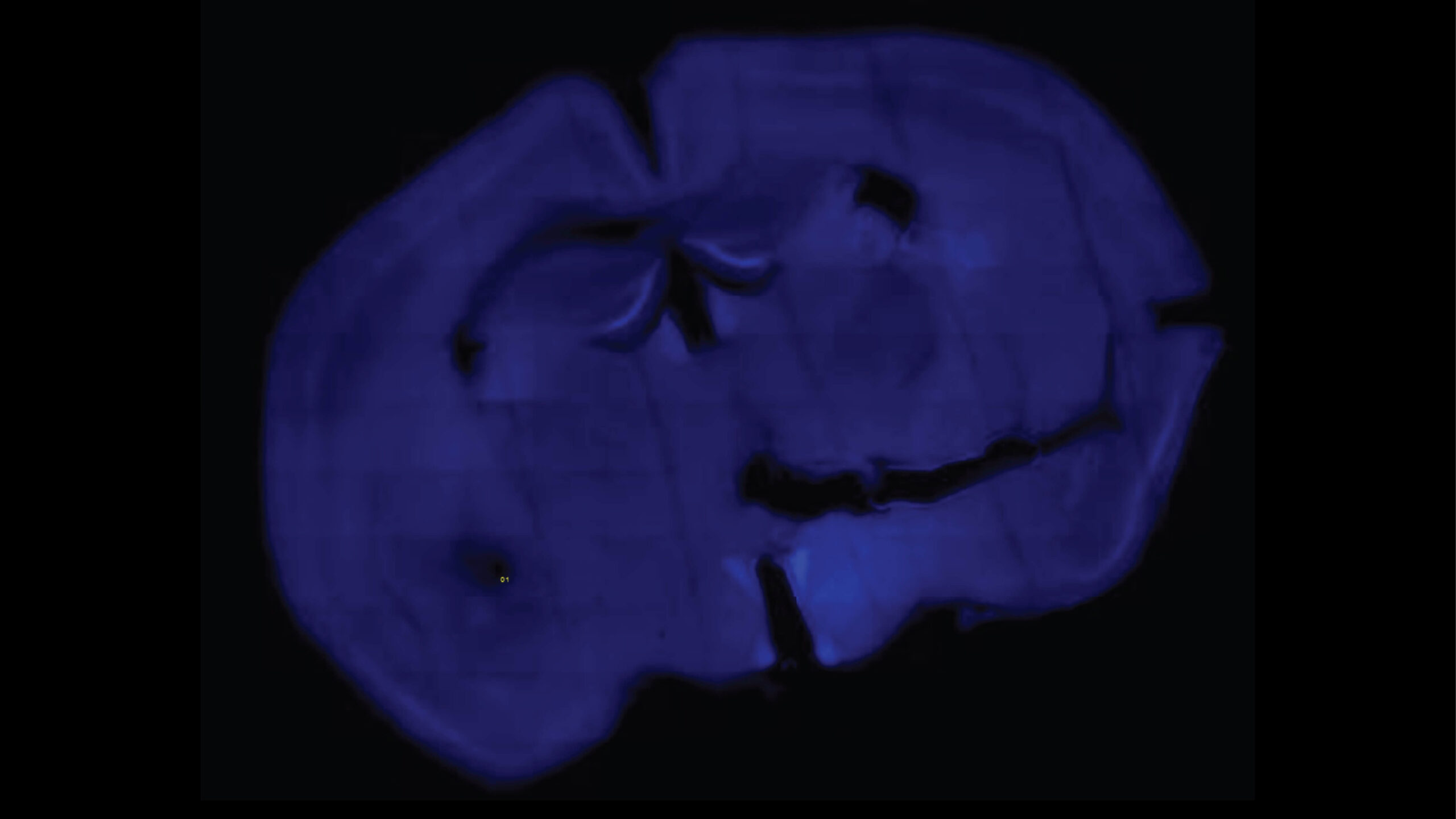
Neuroscientists are shedding literal light on the mouse claustrum, a tiny part of the brain with an outsized number of connections
No items found.
science images

Lake Conferences
The Lake Conferences are a new series of four biannual conferences aiming to provide stimulating forums to broad research communities in key developing areas of neuroscience.
brain science
cell science
news
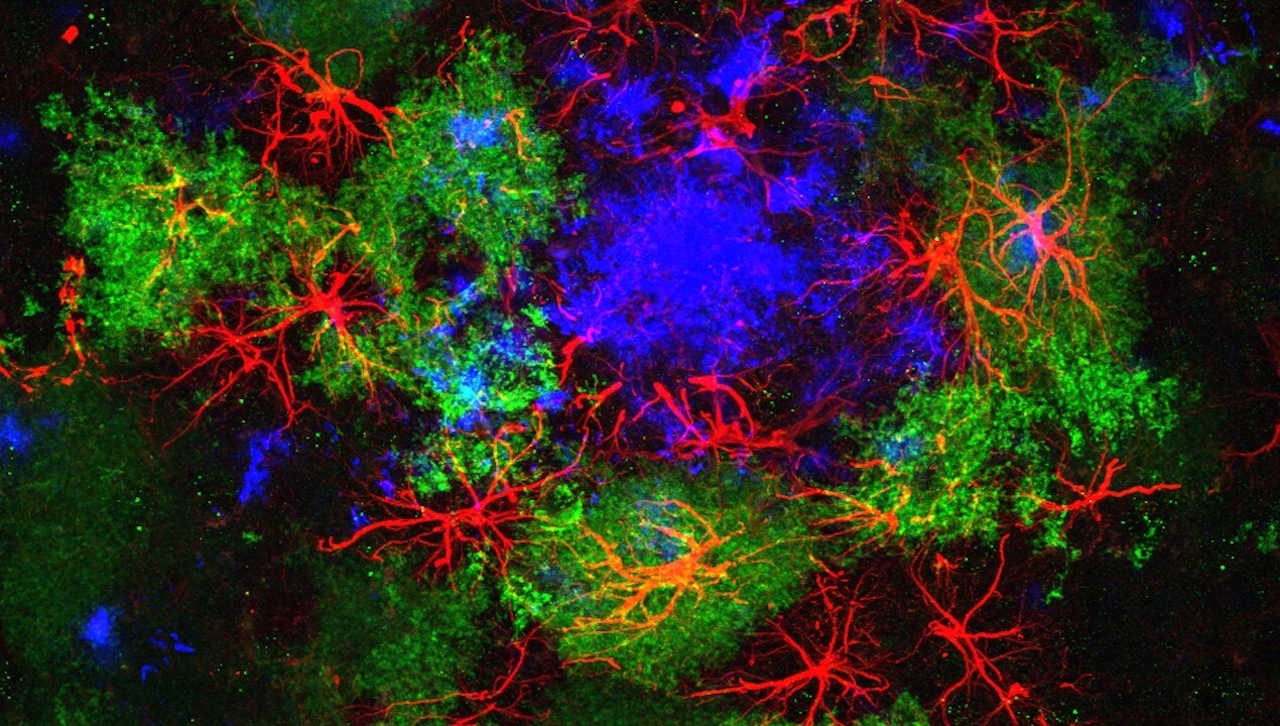
SciShots: brain cells named for stars contribute to Alzheimer’s
Mouse study reveals many new types of cells known as astrocytes and narrows their role in neurodegenerative disease
No items found.
science images
No items found.
science images

Allen Institute names Chris Beaudoin as Chief Operations Officer
Beaudoin brings more than two decades of leadership experience in the healthcare field to the Institute
No items found.
news
Allen Institute to become part of ShakeAlert® Earthquake early warning system along the west coast
Emergency alerts provide vital seconds for people to shelter in place or better secure their environment
No items found.
news
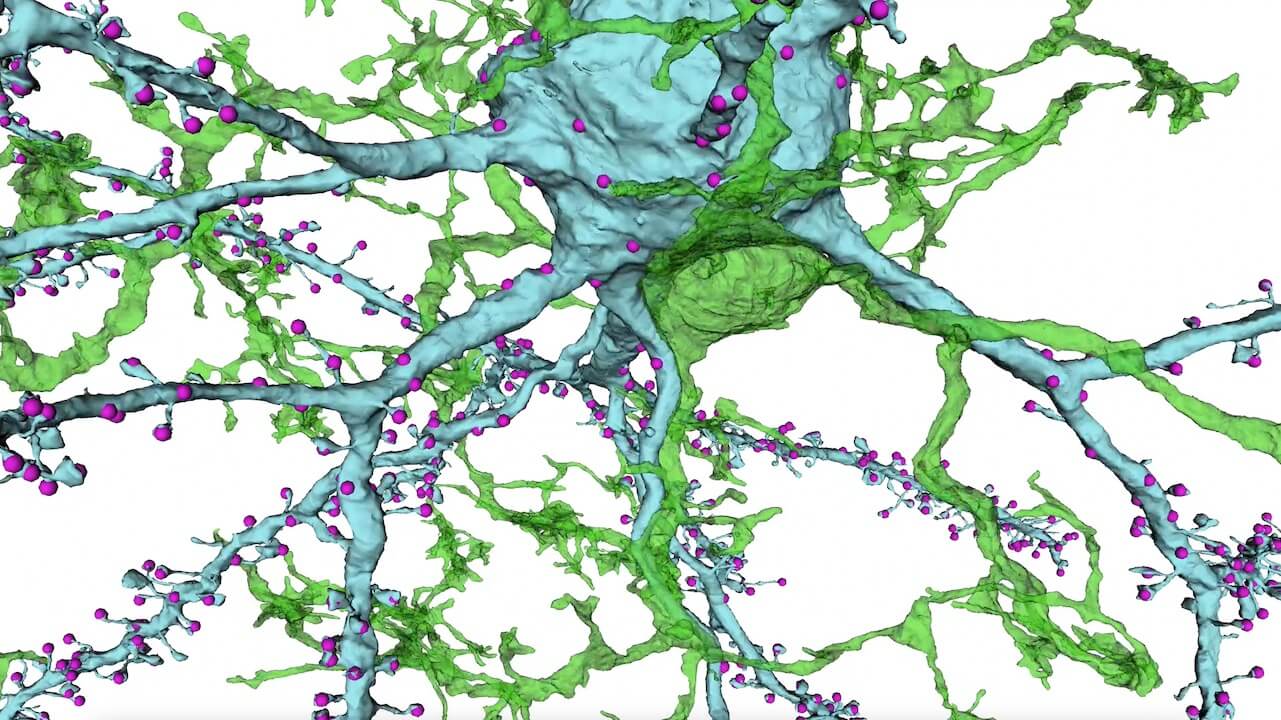
SciShots: the brain’s cleanup crew and paramedics
The shape-shifting microglia play a vital role in maintaining brain health
brain science
science images
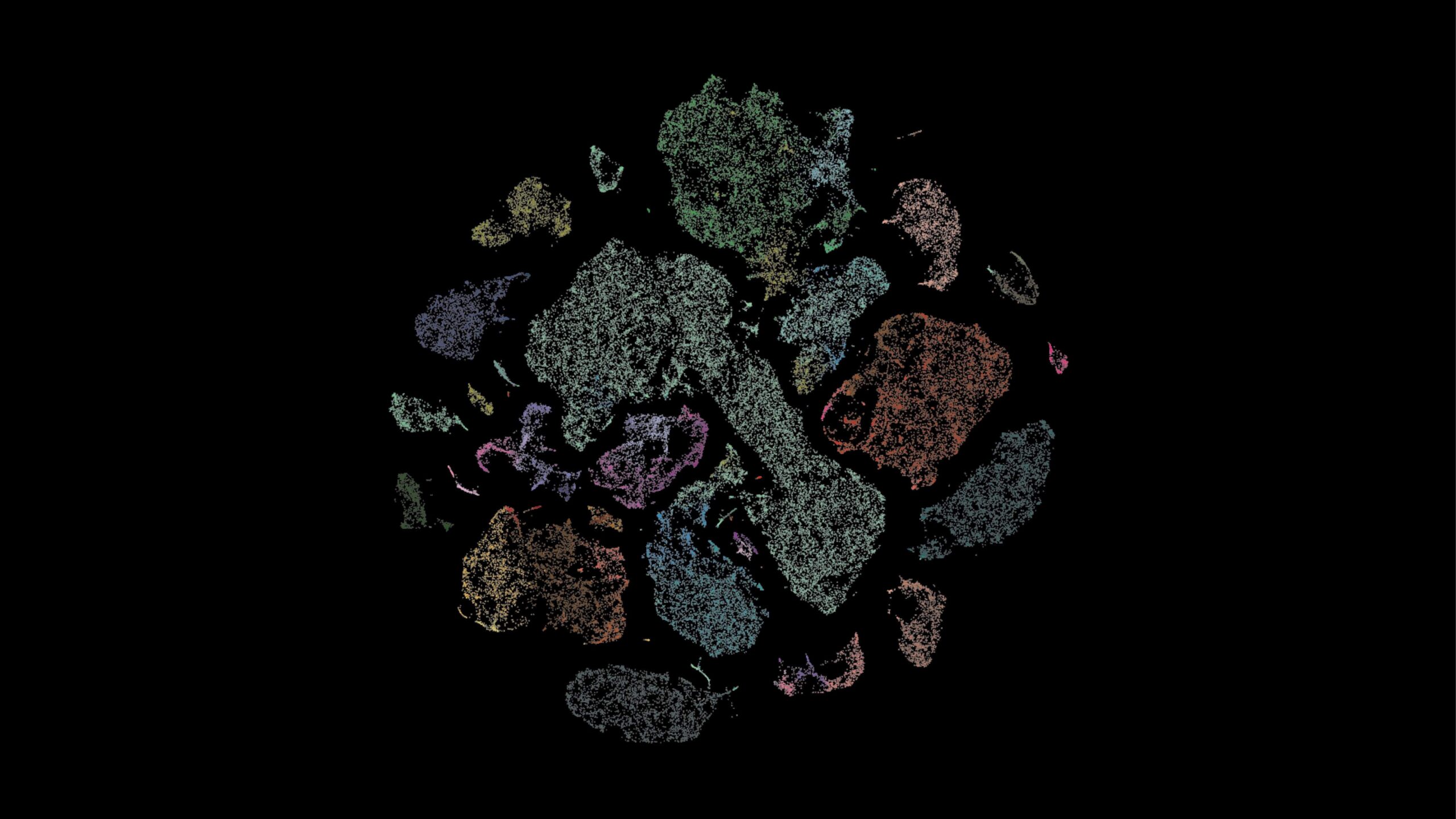
Mapping the whole human brain: Allen Institute to lead global collaboration
NIH BRAIN Initiative to fund primate brain atlases, maps of developing mouse brain, coordination and knowledge sharing, and brain function research
brain science
news

SciShots: the brain’s mysterious, multipurpose immune system
Microglial cells act as the brain’s waste disposal when healthy - can they be manipulated to protect against disease?
No items found.
science images



No results found, try reducing your search parameters.
press & media contact
Get in touch for media inquiries and resources for covering science at the scale of greatest impact.
Thank you! Your submission has been received!
Oops! Something went wrong while submitting the form.









What Causes Alzheimer’s? Scientists Are Rethinking the Answer
Scientists have long held onto the idea that sticky blobs of proteins sitting between brain cells are the cause of Alzheimer’s disease. Now, however, many are turning their attention to deeper dysfunctions happening within cells.
No results found, try reducing your search parameters.