news
stories from the front lines of discovery
From scientific breakthroughs to new open‑source tools, the Allen Institute’s work is reshaping how science is done—and who it’s for. Explore the latest news, stories, and highlights from across our research, partnerships, and open science efforts.


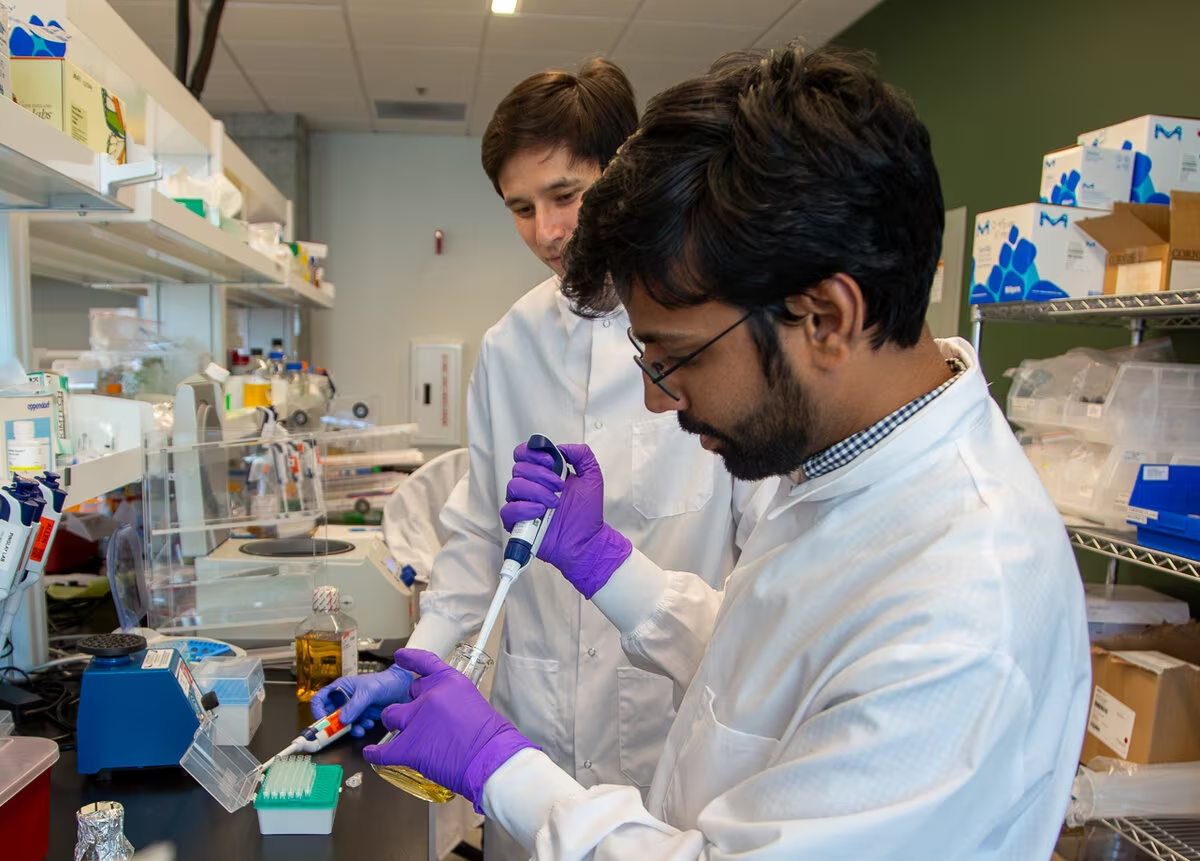
AI BioDesign accelerator combines experimental biology and artificial intelligence to learn nature’s design rules
Researchers from the Allen Institute, University of Washington, and Fred Hutch Cancer Center, supported by Fund for Science and Technology, will build open AI models, datasets, and tools to accelerate biological design for health, sustainability, and other global challenges
Thank you! Your submission has been received!
Oops! Something went wrong while submitting the form.
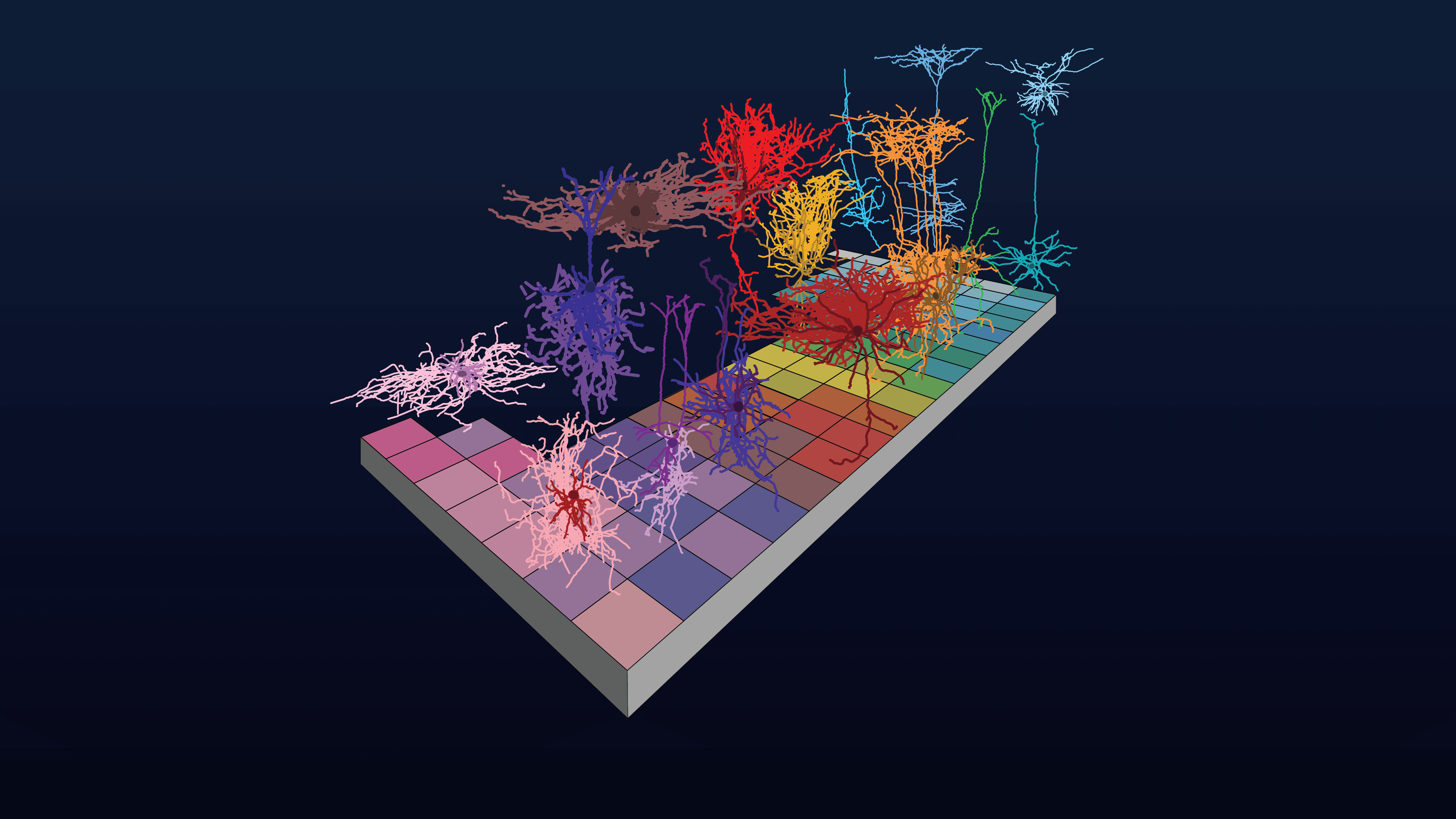

Sorting neurons by their shape and activity to understand the elements making up the brain
To understand our brains, scientists need to know their components. This theme underlies a growing effort in neuroscience to define the different building blocks of the brain — its cells.
No items found.
news
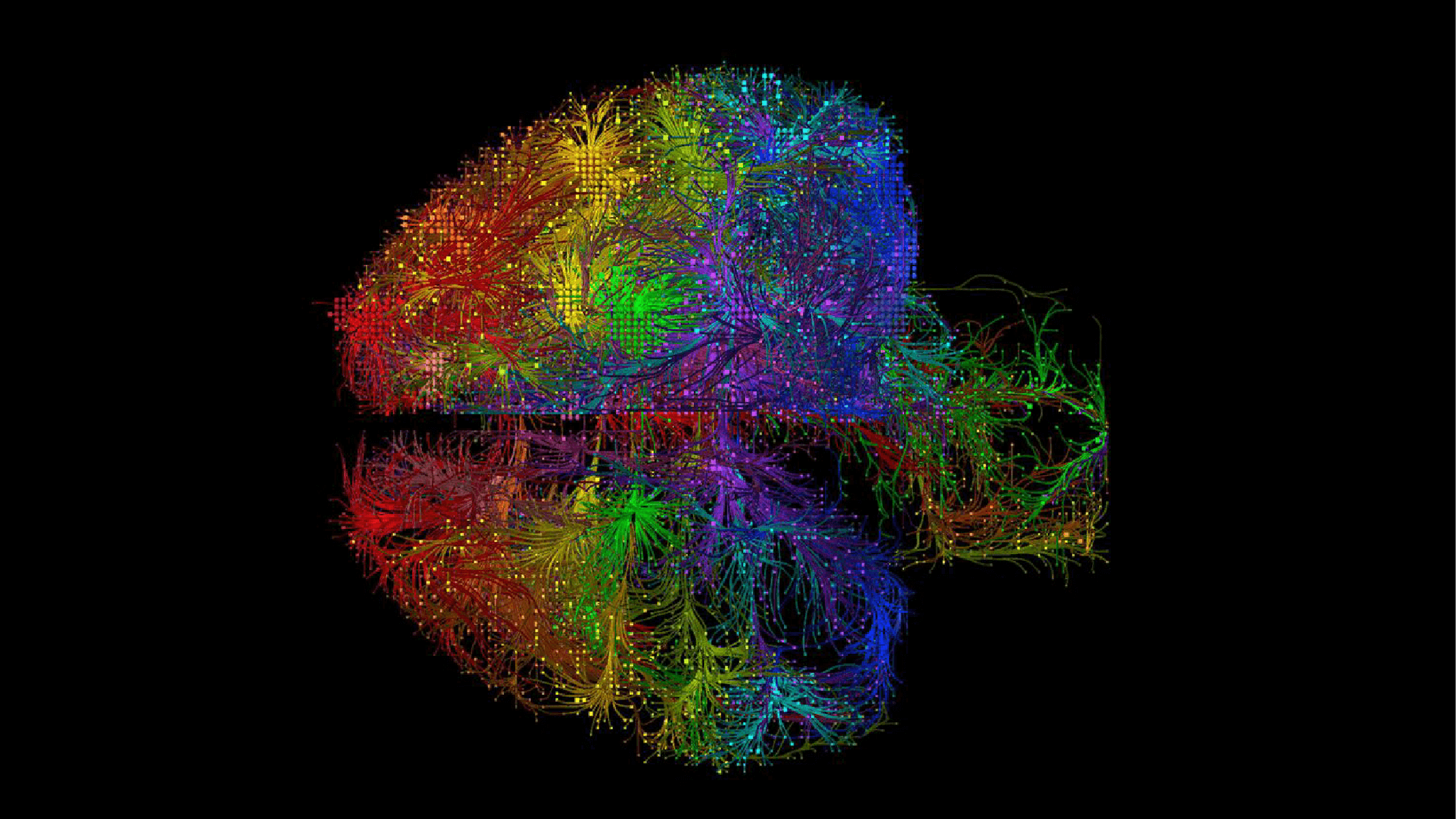
A model for how the brain stays in sync
In the brain, connections are key. A mouse brain contains around a billion synapses, or physical connections between neurons, and our own brains house approximately 100 trillion.
No items found.
news
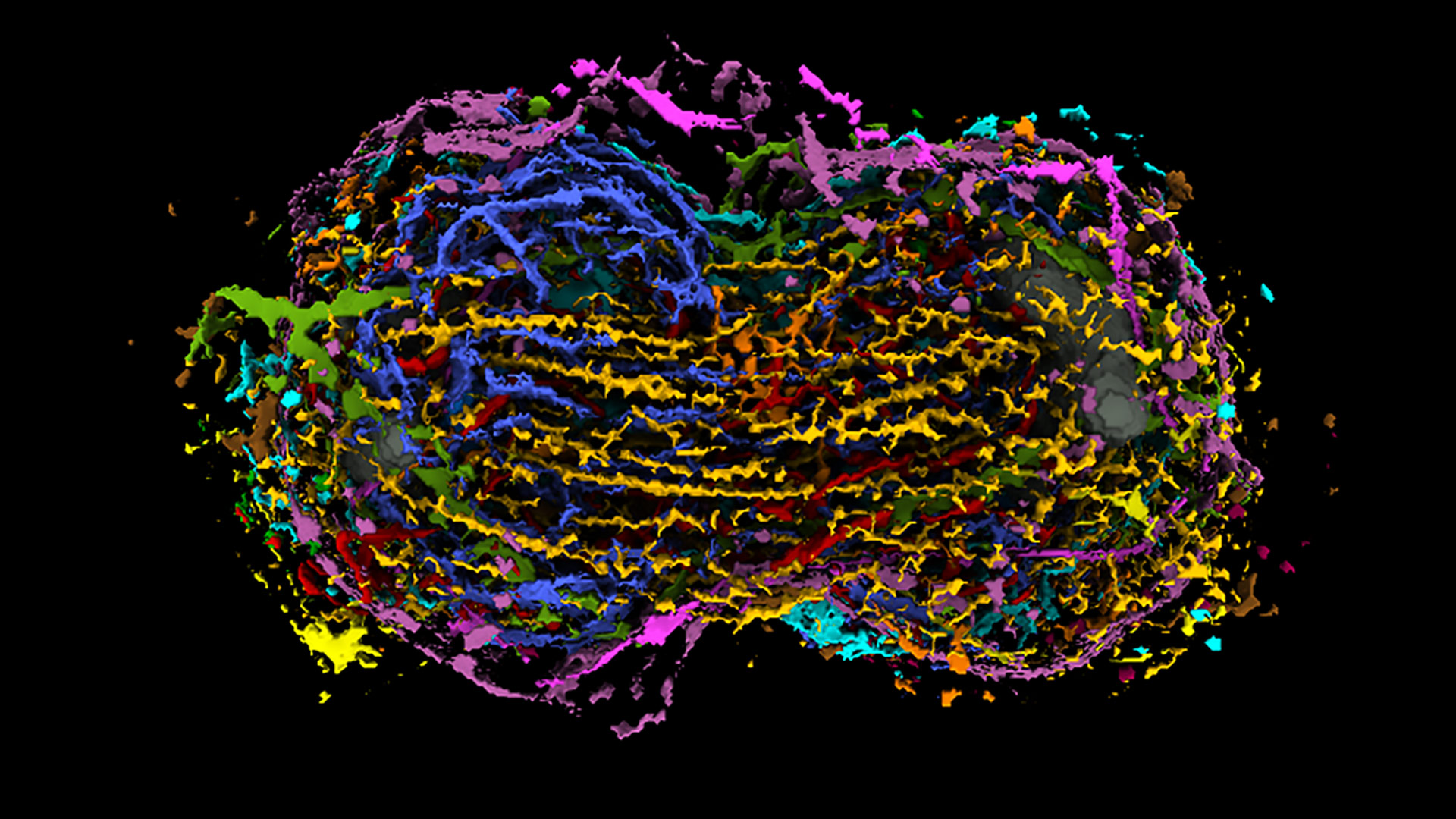
Allen Institute for Cell Science Debuts First Comprehensive View of Human Cell Division
The data-driven model sheds new light on mitosis, a critical process for human cells and a pivotal driver of cancer
No items found.
news
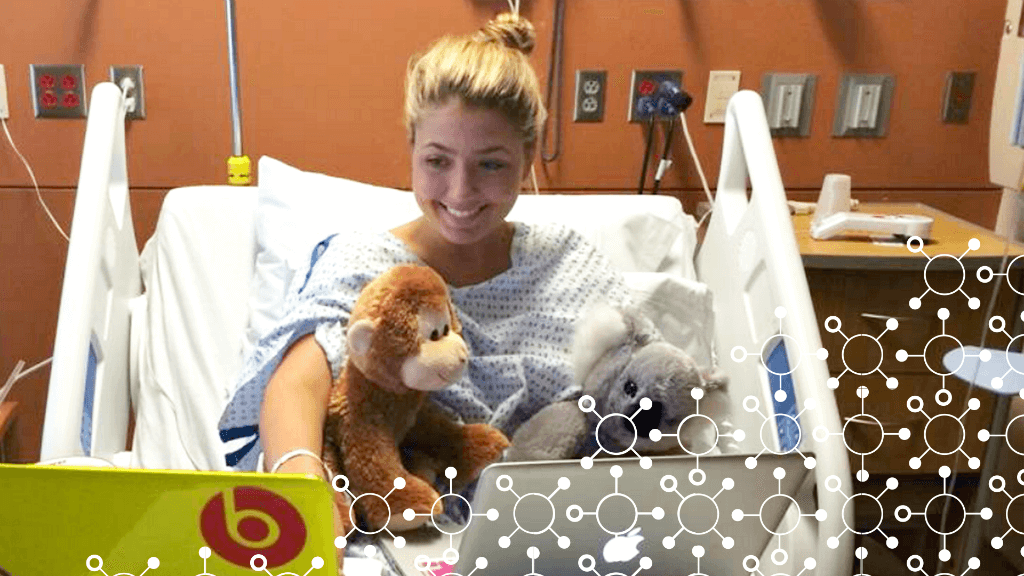
Out of Balance | Alyssa’s life with Crohn’s disease
Ever since Alyssa Clements can remember, she’s wanted to be a doctor. Her father is a chiropractor in south New Jersey, and his business partner was...
immunology
news
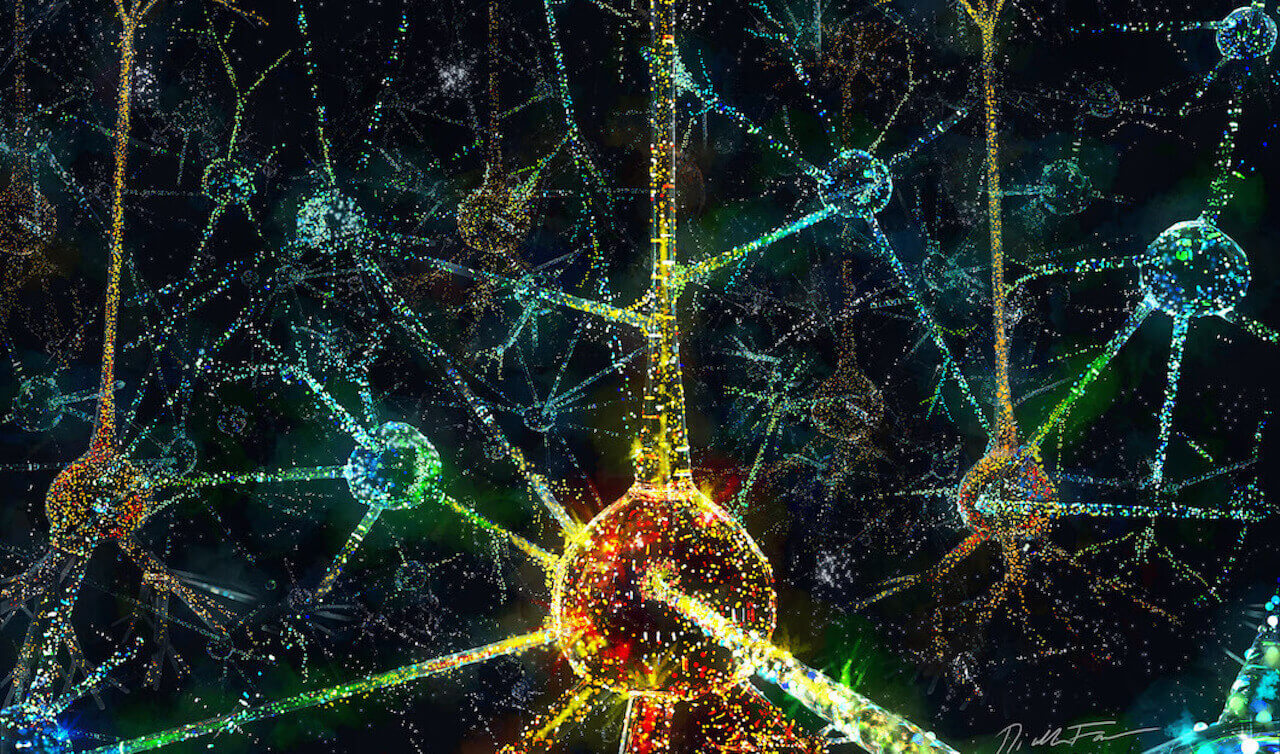
New Cell Registry enables exploration of multiple brain cell type datasets
The Allen Institute for Brain Science, a division of the Allen Institute, has debuted a new data exploration tool for brain cell type data.
No items found.
news

How do living creatures take shape?
Think of the shape of life. Living creatures have forms ranging from a tiny rod-shaped bacterium, to a wrinkled, tusked behemoth of an elephant, to a...
No items found.
news
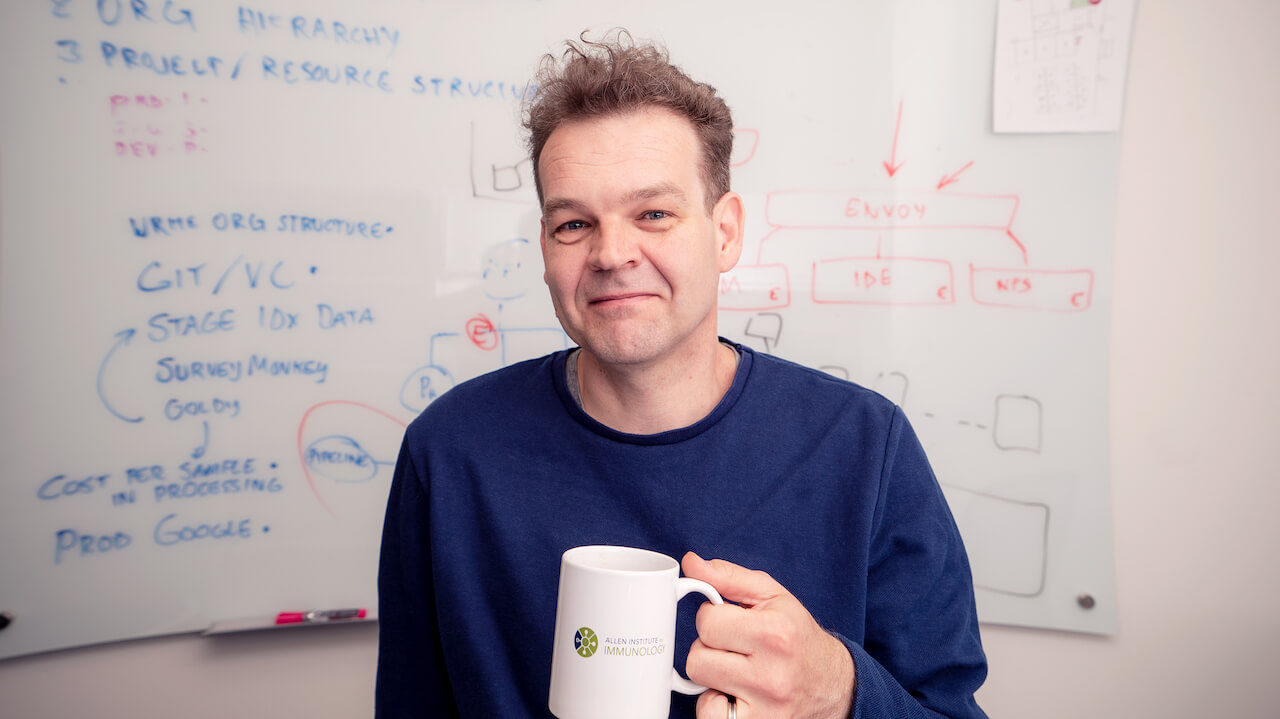
Q&A: A former experimental psychologist with a passion for data governance
Scientists everywhere are struggling with data. Paul Meijer, Ph.D., Director of Software Development at the newly launched Allen Institute for...
immunology
news
Gene drives get a precision upgrade
Gene drives, a method to “drive” a new gene through a population in a way that bypasses the natural order of inheritance, were first developed...
No items found.
news

A new technique to make beating human heart cells glow
Allen Institute for Cell Science researchers have developed a new technique that will enable better understanding of human heart muscle cells.
No items found.
news
Data Stories | Addiction & the visual system
Researcher Randy Ellis studies computational neuroscience and addiction. Ellis uses the Allen Brain Observatory dataset in his work to find new ways...
brain science
news

No results found, try reducing your search parameters.
press & media contact
Get in touch for media inquiries and resources for covering science at the scale of greatest impact.
Thank you! Your submission has been received!
Oops! Something went wrong while submitting the form.


Puget Sound Business Journal: Seattle biotech research hub launches with big goals for growth, scientific advances
The Seattle Hub for Synthetic Biology is developing technology to monitor genomic changes in cells in real time, in turn showing cells' whole histories and the genetic causes of disease.

Inside Precision Medicine: How Single-Cell Omics is Revolutionizing Our View Of Neurobiology
(Photo credit: miakievy / Getty Images) The adult human brain is made up of billions of neurons and glial cells. Understanding the diversity of these cells and their distinctive gene-regulatory mechanisms is crucial for determining how the brain works and, in turn, for developing treatments for neurologic disorders

GeekWire: Inside the new Seattle Hub for Synthetic Biology, which uses DNA to ‘record biology over time’
(Photo credit: Charlotte Schubert) Researchers opened the doors Monday to the new Seattle Hub for Synthetic Biology, a collaboration between the Allen Institute, the Chan Zuckerberg Initiative and the University of Washington.


Science Friday: 3,000 Types Of Brain Cells Categorized In Massive Brain Cell Atlas
In October 2023, an international group of scientists released an impressively detailed cell atlas of the human brain, published in 21 papers in the journals Science, Science Advances and Science Translational Medicine.

STAT: Allen Institute CEO Rui Costa on mapping the brain and paying early-career scientists decent salaries
Mapping the billions of cells that make up the brain is a task mammoth enough to keep hundreds of researchers across continents busy for years. But it’s just one of several ambitious projects the Allen Institute is helping tackle.

Scientific American: First Atlas of Every Mouse Brain Cell Could Improve Neuro Disease Treatments
Neuroscientists have unveiled their most comprehensive and detailed map of cell types across the entire mouse brain, delivering the latest results of a six-year-long scientific effort in which Seattle’s Allen Institute has played a leading role.
No results found, try reducing your search parameters.