in this article
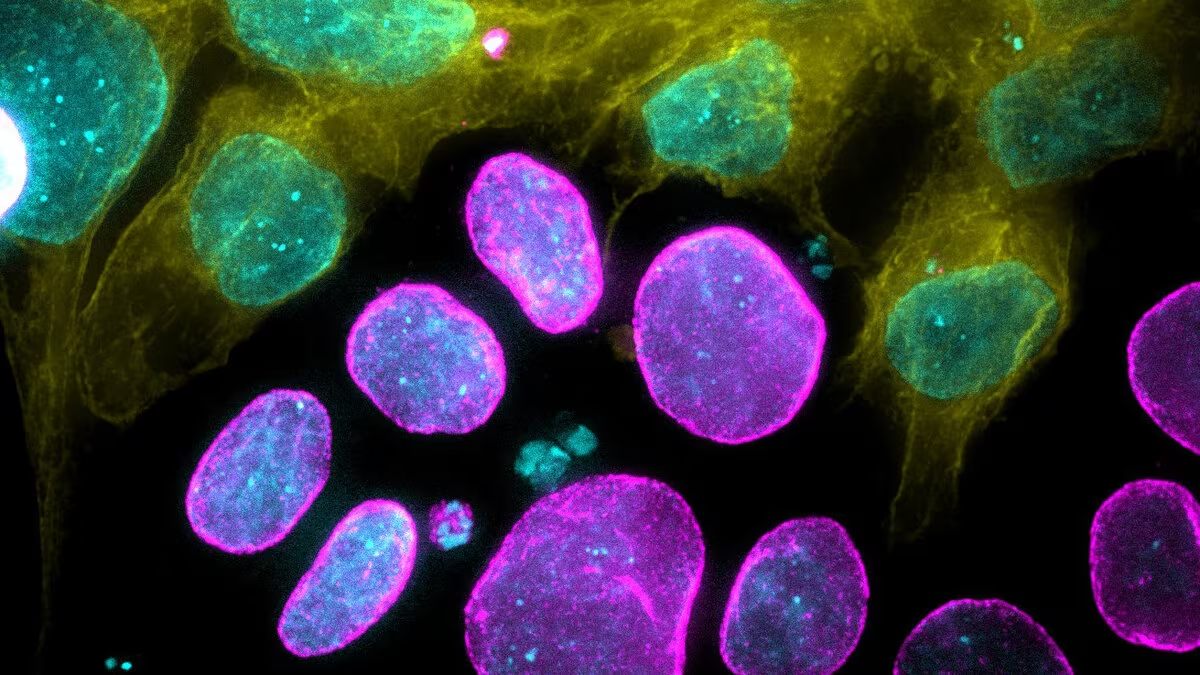
To date, all the cell lines have been gene edited to carry a fluorescent marker that is produced in undifferentiated cells, before they go on to become specific cell types, like cardiomyocytes, nerve cells or liver cells.
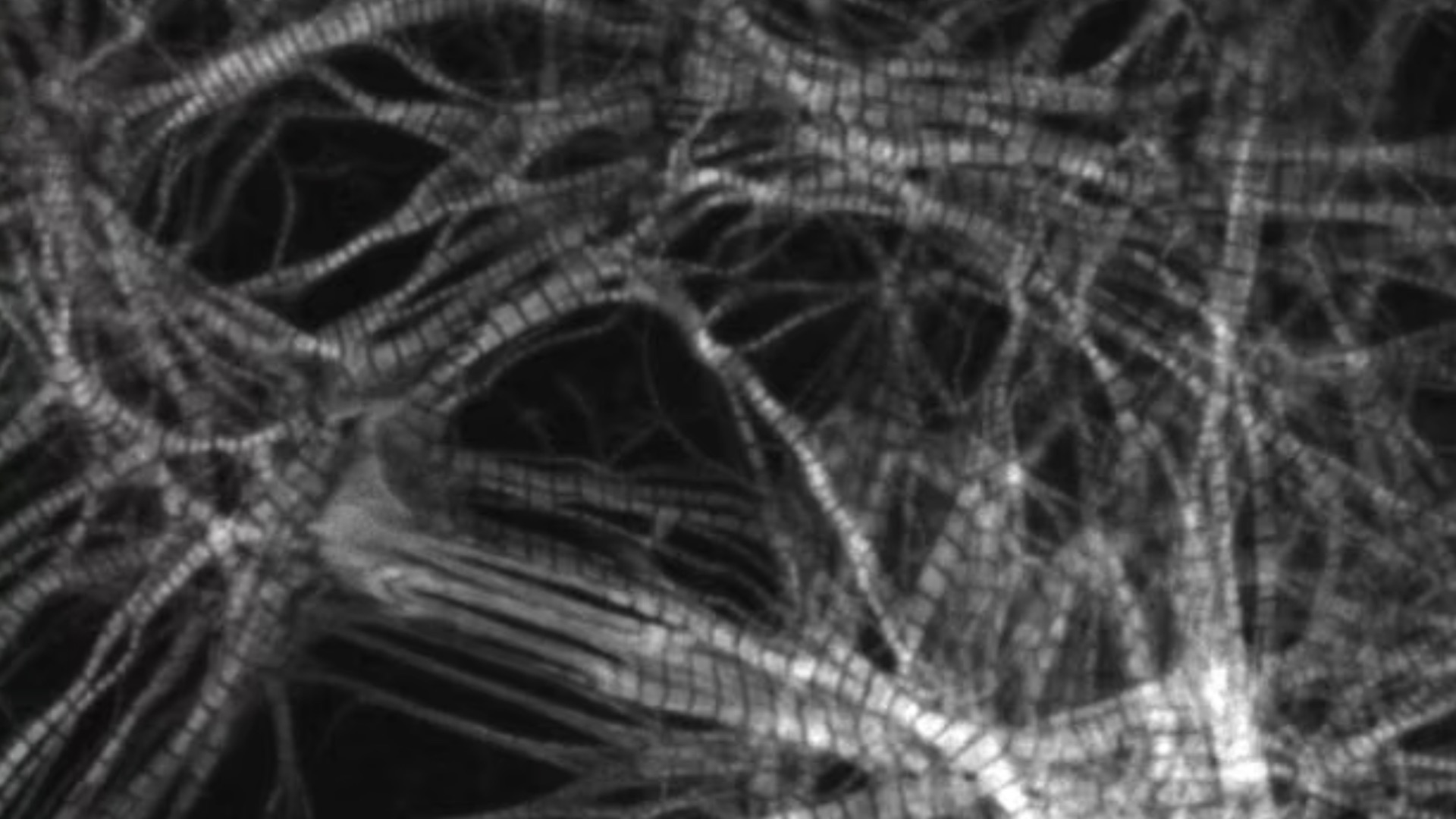
Tagging a structure that is not present in the cell’s nascent, undifferentiated state means tagging something you can’t see. The gene that is tagged in the new line in the collection is known as troponin I1, slow skeletal type (TNNI1); it only becomes active as the cells develop into cardiomyocytes. The troponin I, slow skeletal muscle protein is part of muscle cell structures known as sarcomeres, long fibers that help the cells do the work of contracting when muscles are active.
To achieve this silent gene editing, the cell science team stitches the fluorescent tag specific to the troponin gene to another tag that will light up in the undifferentiated stem cells, allowing researchers to identify the cells where the gene editing has worked. They then use a genetic trick to cut out the initial selection tag which is active in the undifferentiated stem cell, leaving only the cardiomyocyte-specific gene and its fluorescent tag.
The researchers have several more heart cell-specific tags in the works that will be available in the collection in the coming months.
The cell lines released in May and June bear tags marking the proteins:
- Troponin I, slow skeletal muscle (TNNI1), the cardiomyocyte-specific protein.
- Connexin-43 (GJA1), which is part of cells’ gap junctions, the channels between cells that allow them to exchange small molecules.
- Nucleophosmin (NPM1), a protein that sits in the nucleolus, a structure inside the cell’s nucleus.
- Beta-catenin (CTNNB1), a protein that is also involved in cell-cell adhesion and differentiation.
- CAAX, the membrane-targeting domain of K-Ras, tagged with mTagRFP-T under the control of a CAG promoter inserted at the safe harbor locus (AAVS1). mTagRFP-T-CAAX localizes to the plasma membrane that surrounds the periphery of the cell.
Citations
about the allen institute
Allen Institute is a 501(c)(3) tax exempt organization dedicated to accelerating science for a healthier world. Through large-scale, multidisciplinary research initiatives, the Institute generates foundational knowledge, data, tools, and models that are shared openly with the world to advance our understanding of life and health. Founded by Jody Allen and the late Paul G. Allen, Allen Institute is supported primarily by Fund for Science and Technology.