impact
about
our story
explore our impact
careers and opportunities
join us
open science
sharing science to speed discovery
open science week
celebrating open science
team science
people & teams
discovery is a team effort
allenites
the people who make our work possible
advisors
their input shapes our science
board of directors
they help us fulfill our mission
shanahan foundation fellowship
at the interface of data and neuroscience
next generation leaders
fostering emerging leaders in bioscience
research
overview
our approach
science at the scale of greatest impact
publications
explore our publications
open science
sharing science to speed discovery
science accelerators
brain science
building a blueprint of the brain
cell science
understanding how cells become organs
neural dynamics
revealing the brain’s hidden algorithms
immunology
creating the ultimate immune system reference
synthetic biology
seattle hub for synthetic biology
education
overview
science education
science is for everyone
open science
sharing science speeds discovery
engagement
education resources
real science. real skills.
field trips
experience science where it happens
educator development
empowering educators
news
overview
all news
explore the latest news
podcast
the human stories behind discovery
sign up for our newsletter
stay connected to our science
events
overview
all events
public engagement, workshops, seminars and more
conferences
connect with us
science resources
science resources
allencell.org
allenimmunology.org
allenneuraldynamics.org
brain-bican.org
brain-map.org
microns-explorer.org
impact
back to menu
team science
our story
explore our impact
careers and opportunities
join us
open science
sharing science to speed discovery
open science week
celebrating open science
team science
people & teams
discovery is a team effort
allenites
the people who make our work possible
advisors
their input shapes our science
board of directors
they help us fulfill our mission
shanahan foundation fellowship
at the interface of data and neuroscience
next generation leaders
fostering emerging leaders in bioscience
research
back to menu
overview
our approach
science at the scale of greatest impact
publications
explore our publications
open science
sharing science to speed discovery
science accelerators
brain science
building a blueprint of the brain
cell science
understanding how cells become organs
neural dynamics
revealing the brain’s hidden algorithms
immunology
creating the ultimate immune system reference
synthetic biology
seattle hub for synthetic biology
education
back to menu
overview
science education
science is for everyone
open science
sharing science speeds discovery
engagement
education resources
real science. real skills.
field trips
experience science where it happens
educator development
empowering educators
news
back to menu
overview
all news
explore the latest news
podcast
the human stories behind discovery
newsletter
stay connected to our science
events
back to menu
overview
all events
public engagement, workshops, seminars and more
conferences
connect with us
science resources
back to menu
science resources
allencell.org
allenimmunology.org
allenneuraldynamics.org
brain-bican.org
brain-map.org
microns-explorer.org
search
impact
people

Michael Buice

Investigator

teams /
Allenite

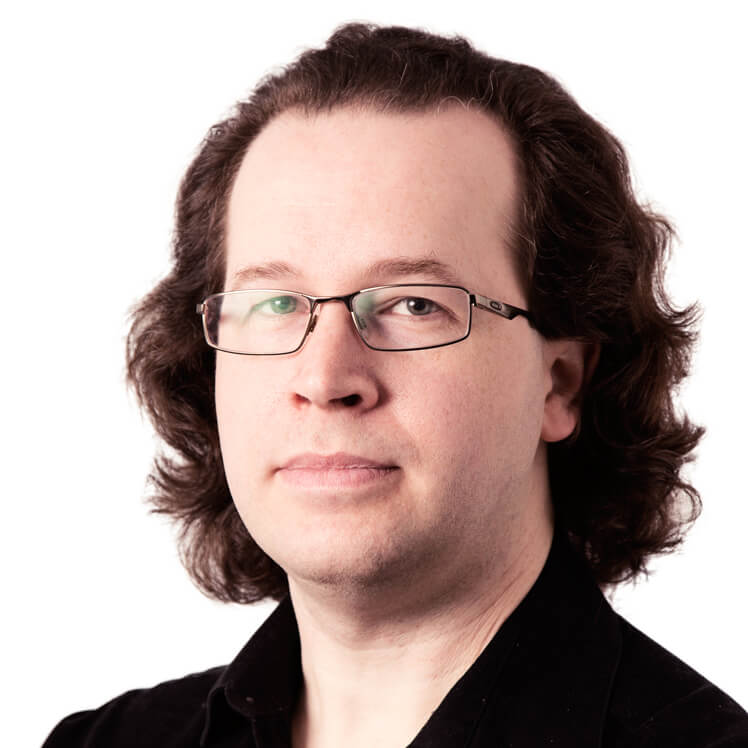
Michael Buice is a member of the modeling, analysis, and theory team at the Allen Institute, where he explores the implications of theories of neural processing and contributes to mathematical and data analysis. Before arriving at the Allen Institute, Buice worked in the lab of Ila Fiete at the University of Texas at Austin, where he helped derive a system size expansion for the Fisher Information for sensory and working memory systems, and developed analytic expressions for the fluctuations in attractor network models of neural networks. He held a postdoctoral research position in Carson Chow’s group at the Laboratory of Biological Modeling at the National Institutes of Health (NIH). There, Buice applied kinetic theory and density functional theory to oscillator models of neural networks, answering open questions regarding the stability of asynchronous firing states in networks of finite size, a dynamical phenomenon related to the information present in the network. In addition, Buice helped construct a method for deriving equivalent reduced stochastic equations for systems with “incomplete information”, such as an interacting network of neurons in which only a few neurons are actually recorded. Buice earned a Ph.D. in physics from the University of Chicago working with Jack Cowan to adapt techniques from the analysis of reaction-diffusion systems in physics to the statistics of simple models of neural networks.

research focus

Perception is an ill-posed problem. Many of the sights and sounds we perceive on a regular basis are ambiguous, yet we regularly identify objects consistently by sight from a variety of angles, in multiple contexts, and even when partially occluded or in poor lighting conditions. Because of this ambiguity, perception is necessarily an act of inference, as recognized by Helmholtz in the 19th century, which combines prior knowledge with data to produce estimates about characteristics of the physical world. The neural systems that govern perception must therefore encode this prior knowledge and provide a mechanism for incorporating data from low-level sensory systems. My research interests are in identifying and understanding the mechanisms and principles that the nervous system uses to perform the inferences which allow us to perceive the world. I am particularly interested in neural implementations of Bayesian inference and mechanisms by which prior knowledge is encoded as well as the implications that coding efficiency has on the structure of neural circuits. I also wish to understand how network structure relates to network activity and how that activity corresponds to the statistics of stimuli. An important component of this endeavor is understanding the characteristics of stimuli that perceptual systems evolved to efficiently interpret, how those characteristics are represented in cortex, and how (and to what extent) they can be decoded.
back to people and teams
featured contributions
featured media
featured stories
featured events
featured publications

featured events

No articles for the category

featured stories

news
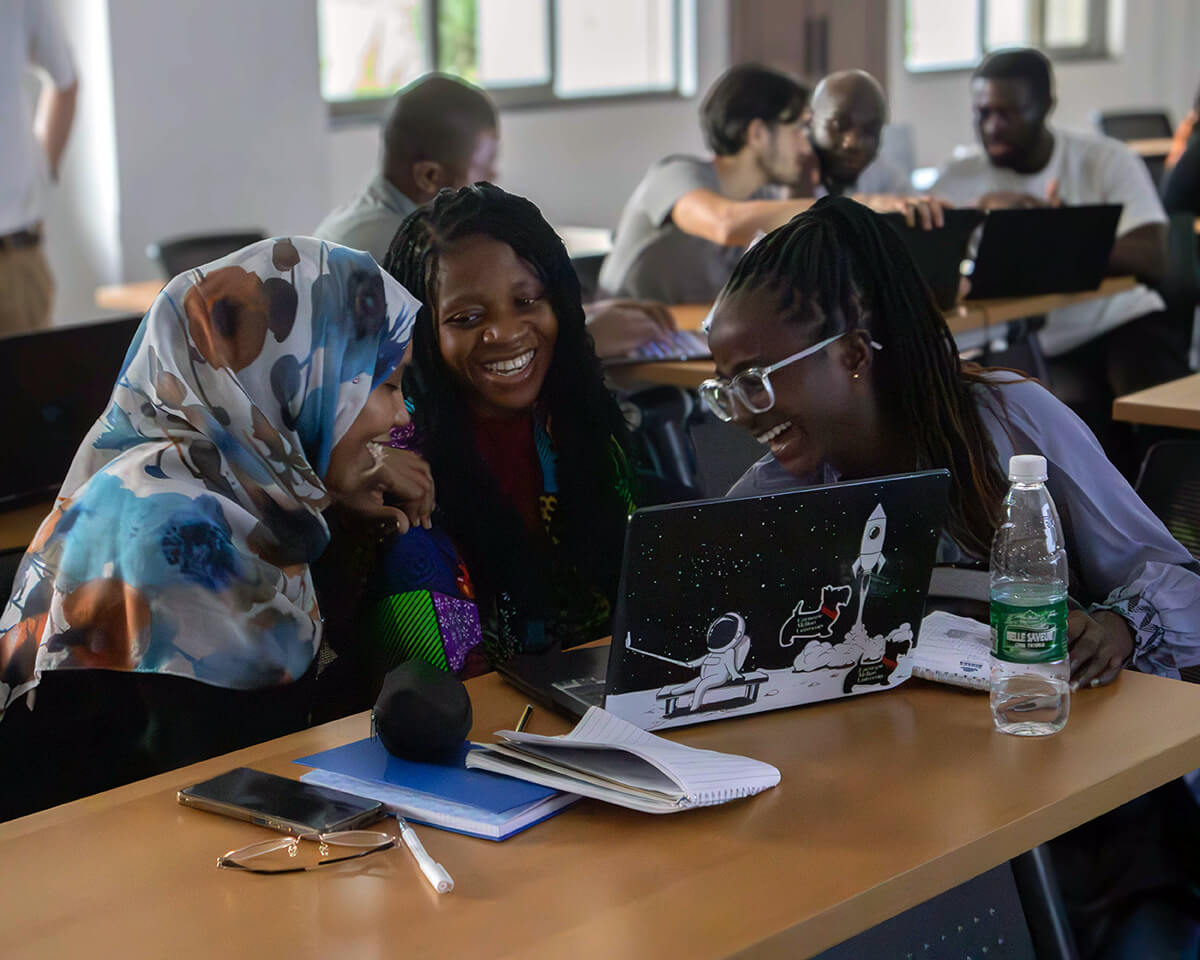
Jessica Oparebea is hoping to use science to heal and restore lives
Driven by a passion for neuroscience and optics, and inspired by the TReND-CaMinA workshop, Jessica hopes to develop breakthroughs in brain-machine interfaces
news
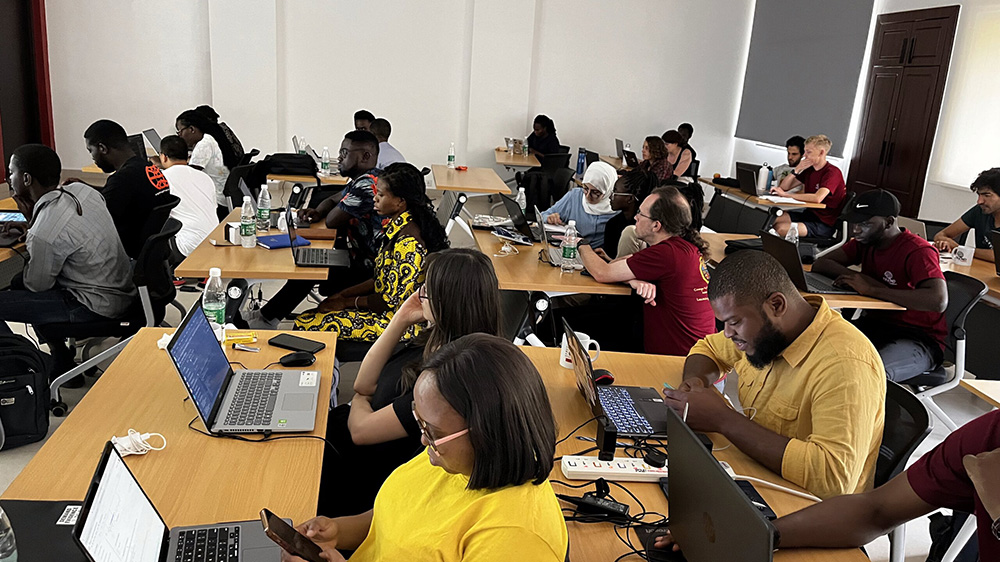
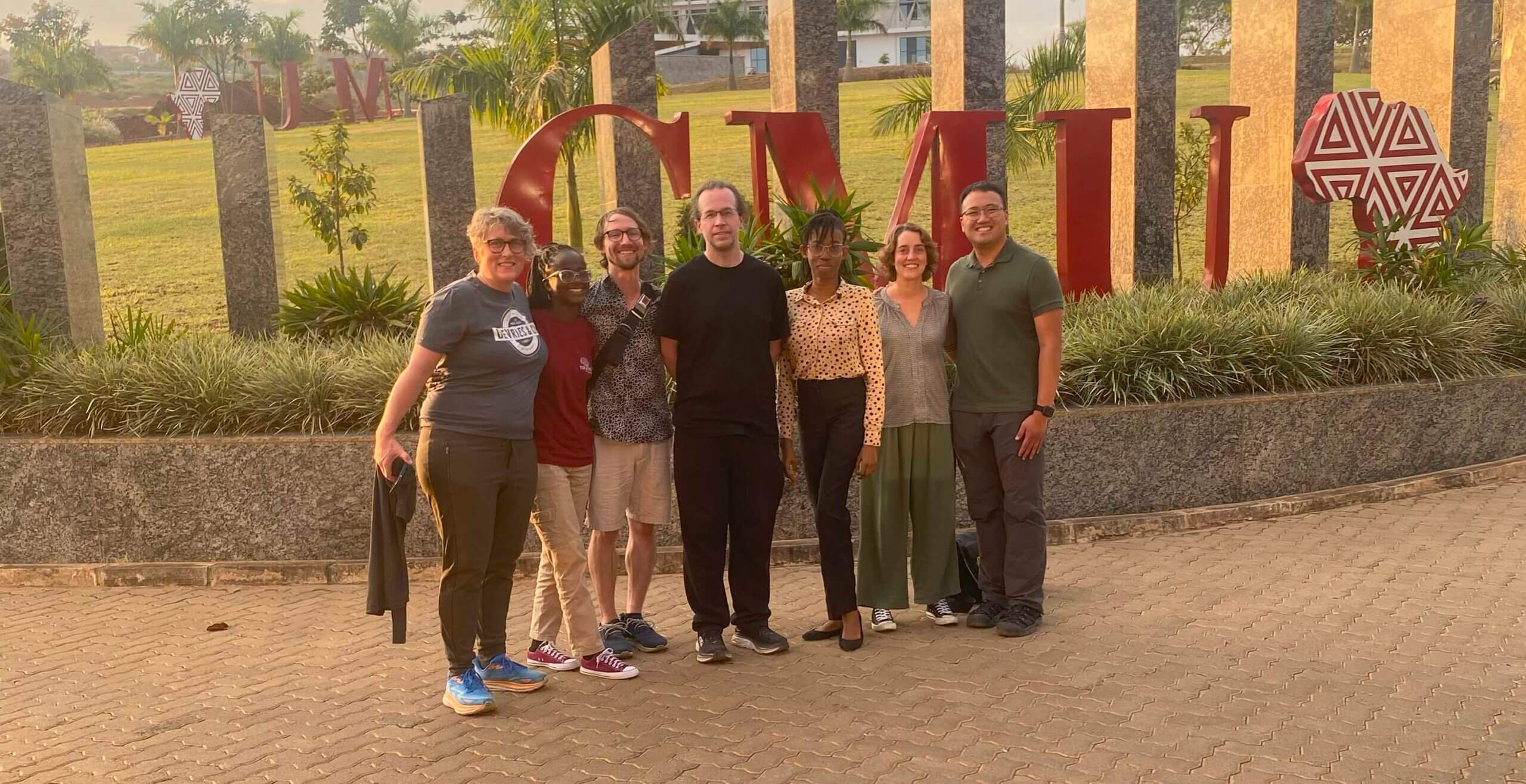
Allen Institute partners to bring open science to Africa
Computational neuroscience course, built on Allen Institute tools and data, aimed to empower next-gen researchers in Africa.

featured media

No articles for the category

featured publications

publication / 2025
Integrating multimodal data to understand cortical circuit architecture and function
Nature Neuroscience
publication / 2023
Saccade-Responsive Visual Cortical Neurons Do Not Exhibit Distinct Visual Response Properties
eNeuro
preprint / 2023
Stimulus novelty uncovers coding diversity in visual cortical circuits
publication / 2018
Visual physiology of the layer 4 cortical circuit in silico
PLoS computational biology
publication / 2016
Inferring cortical function in the mouse visual system through large-scale systems neuroscience
Proceedings of the National Academy of Sciences of the United States of America
publication / 2013
The influence of synaptic weight distribution on neuronal population dynamics
PLoS computational biology
we acceleratedevelopcatalyzeimpact

science done differently. shared openly.

explore our accelerators

brain science

Mapping every cell, connection, and circuit in the brain—openly shared with the world.

cell science

Decoding how cells become tissues, then programming that knowledge into powerful new research tools.

neural dynamics

Revealing the brain's hidden algorithms that transform neural activity into real-world behavior.

immunology

Creating the deepest open reference for the healthy human immune system ever built.

synthetic biology

Engineering cells to record their own histories, transforming how we understand disease over time.

research

Big questions, open answers, and science built to be shared.

education

Inspiring the next generation of scientists through open science resources.

impact

Our science is empowering researchers and advancing health worldwide.
advancing science through open, collaborative research
Get the allen institute newsletter
Stay informed on the latest breakthroughs in neuroscience, bioscience, and AI-driven research.
allen institute
impactpeople & teamscareers & opportunitiesalumnihistory & founder
science resources
allencell.orgallenimmunology.orgallenneuraldynamics.orgbrain-bican.orgbrain-map.orgmicrons-explorer.org
research
brain sciencecell scienceneural dynamicsimmunologysynthetic biologypublications
education
science educationfield tripsprofessional developmenteducation resources
quick links
newseventsopen sciencepodcastscience resourceshuman brain donationvisit uscontact
follow us/

allen institute, 615 Westlake Ave North, Seattle, WA 98109 +12065487055

© 0000 allen institute. all rights reserved.
privacy policyterms of usecitation policyemployee portalpolicy & compliancecookie settings