Hongkui Zeng
Executive Vice President and Director, Brain Science

biography
Hongkui Zeng joined the Allen Institute in 2006 and became Executive Vice President, Director for the Brain Science group in 2020. From 2016 to 2020, she led the Structured Science Division to develop and operate high-throughput pipelines to generate large-scale datasets and tools to accelerate neuroscience discovery. Since joining the Allen Institute, she has led several research programs, including the Transgenic Technology program, the Human Cortex Gene Survey project, the Allen Mouse Brain Connectivity Atlas project, the Cell Types and Connectivity program, the Human and Mammalian Brain Cell Atlas project, and the Developmental Mouse Brain Cell Atlas project.
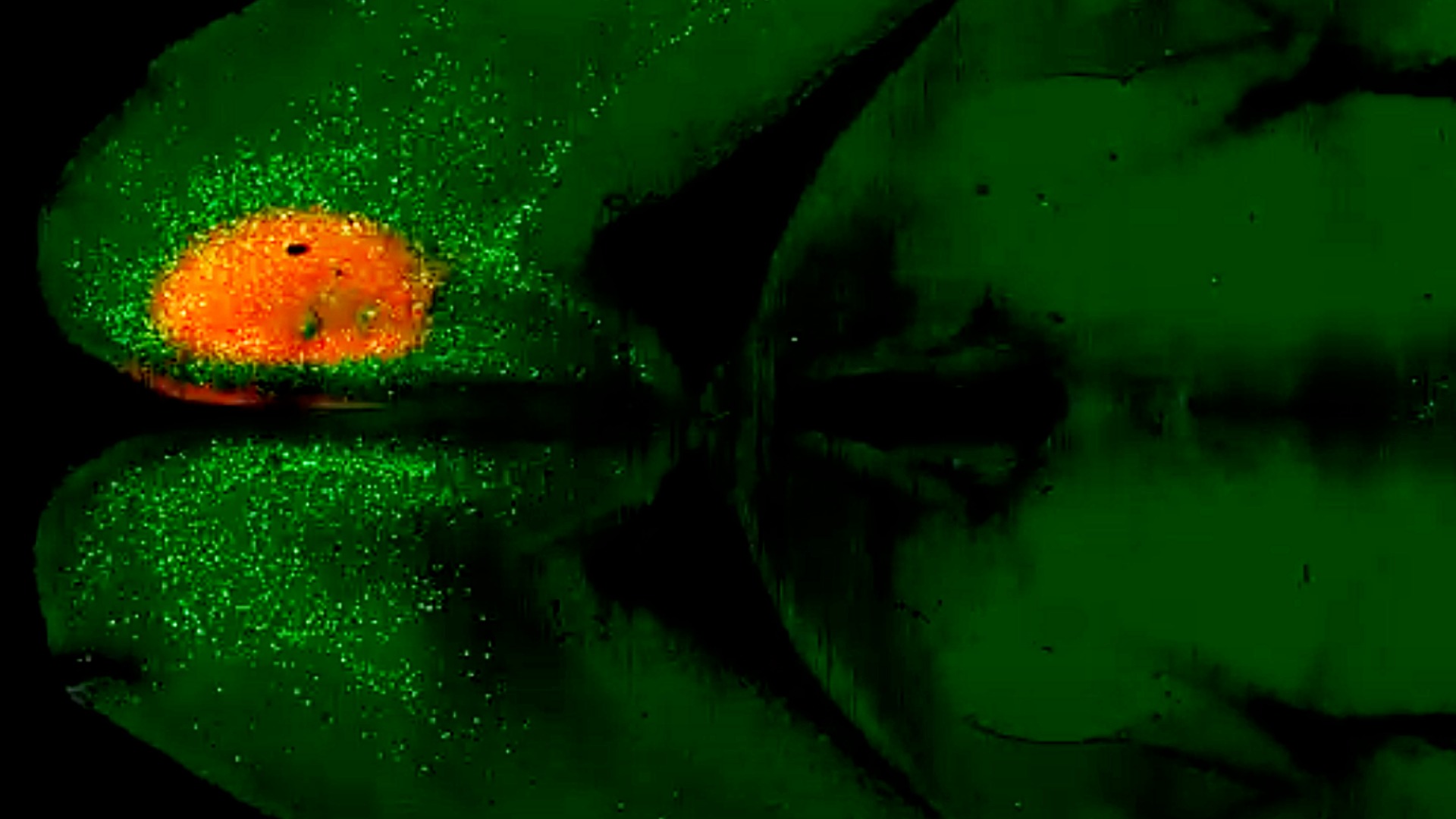
Zeng studies neuronal diversity and connectivity in the mammalian brain-wide circuits in the context of development, function and disease. Through her leadership of multidisciplinary teams, she has built research programs using transcriptomic, connectomic and multimodal approaches to characterize and classify the wide variety of cell types in the brain, laying the foundation for unraveling the cell type basis of brain function. Her work has led to many large-scale, open-access datasets and tools that have become widely adopted community resources and standards, including transgenic mouse lines, Allen Mouse Brain Connectivity Atlas, the Common Coordinate Framework (CCF), and the brain-wide transcriptomic cell type taxonomy and atlas.
Zeng received her Ph.D. in molecular and cell biology from Brandeis University, where she studied the molecular mechanisms of the circadian clock in fruit flies. As a postdoctoral fellow at Massachusetts Institute of Technology, she studied the molecular and synaptic mechanisms underlying hippocampus-dependent plasticity and learning. She has served on multiple advisory boards and councils, including the advisory board of journals Cell and Neuron and as a member of the National Advisory Mental Health Council. She has received many honors, including the 2016 AWIS Award for Scientific Advancement, the 2018 Gill Transformative Investigator Award, the 2023 Pradel Research Award from the National Academy of Sciences, and the 2024 Asian American Engineer of the Year (AAEOY) Award. She is an elected member of the National Academy of Sciences and the National Academy of Medicine.
research focus
The brain circuit is an intricately interconnected network of a vast number of neurons with diverse molecular, anatomical and physiological properties. To understand the principles of information processing in the brain circuit, it is essential to have comprehensive knowledge about the common and unique properties of its components - the neuronal as well as non-neuronal cell types, to monitor their activities while the brain is processing information, and to have the ability to manipulate these cells to investigate their functions in the brain circuit. Combining genetic tools with large-scale imaging and single-cell analysis technologies presents us with the opportunity to gain systematic understanding of the properties, interconnections and functions of these cell types.
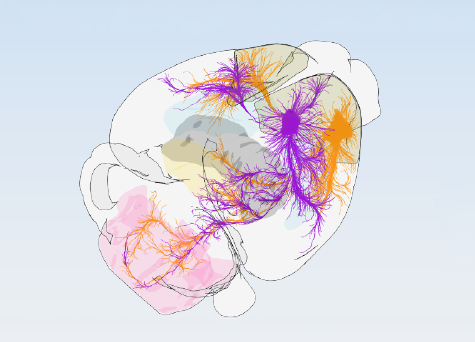
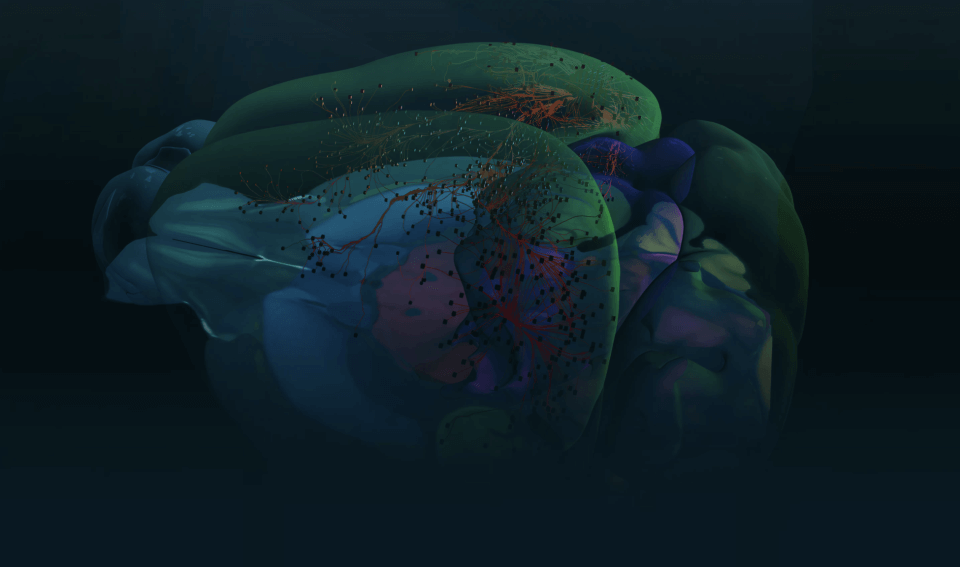
Zeng’s team at the Allen Institute has built multiple platforms, including single-cell transcriptomics, spatial transcriptomics, single and multi-patching electrophysiology, 3D reconstruction of neuronal morphology, high throughput brain-wide connectivity mapping, large-scale electron microscopy connectomics, and cell type-targeting transgenic and viral tools, to characterize the transcriptomic, physiological, morphological, and connectional properties of different types of mammalian brain cells in a standardized way. Zeng has been the principal investigator on several large National Institutes of Health-funded projects, including a BRAIN Initiative Cell Census Network (BICCN) project in which her team created a comprehensive whole-brain atlas of cell types in the mouse, and two BRAIN Initiative Cell Atlas Network (BICAN) projects with the goals of creating similarly comprehensive and high-resolution cell type atlases for human and non-human primate (NHP) brains and for the developmental mouse brain.
The Allen Institute team Zeng leads has utilized these platforms to define and classify the diverse cell types that constitute the mammalian brain and describe their wiring diagrams at different levels, uncovering principles of cell type and circuit organization including the hierarchical organization reflecting the varied similarities and differences among cell types, the coexistence of discrete and continuous transcriptional variations across cell types, the correspondence as well as nuanced heterogeneities at granular levels between transcriptomic profiles and other modalities of cellular properties, and the conservation and divergence of cell types across species. The Allen team has been building the online Brain Knowledge Platform to provide all the data, knowledge and tools as comprehensive foundational resources to the broader neuroscience community. Zeng’s research has also moved beyond cell atlasing, further into studies of cell type and cell state changes during developmental, aging, behavioral, pharmacological, and diseased processes, revealing new relationships between spatiotemporal transcriptomic dynamics and cell type-specific functions. Altogether, building such an integrated and dynamic cell type knowledge base lays the foundation for decoding the computational mechanisms of brain circuit function.