in this lesson


About this lesson:
Slide decks
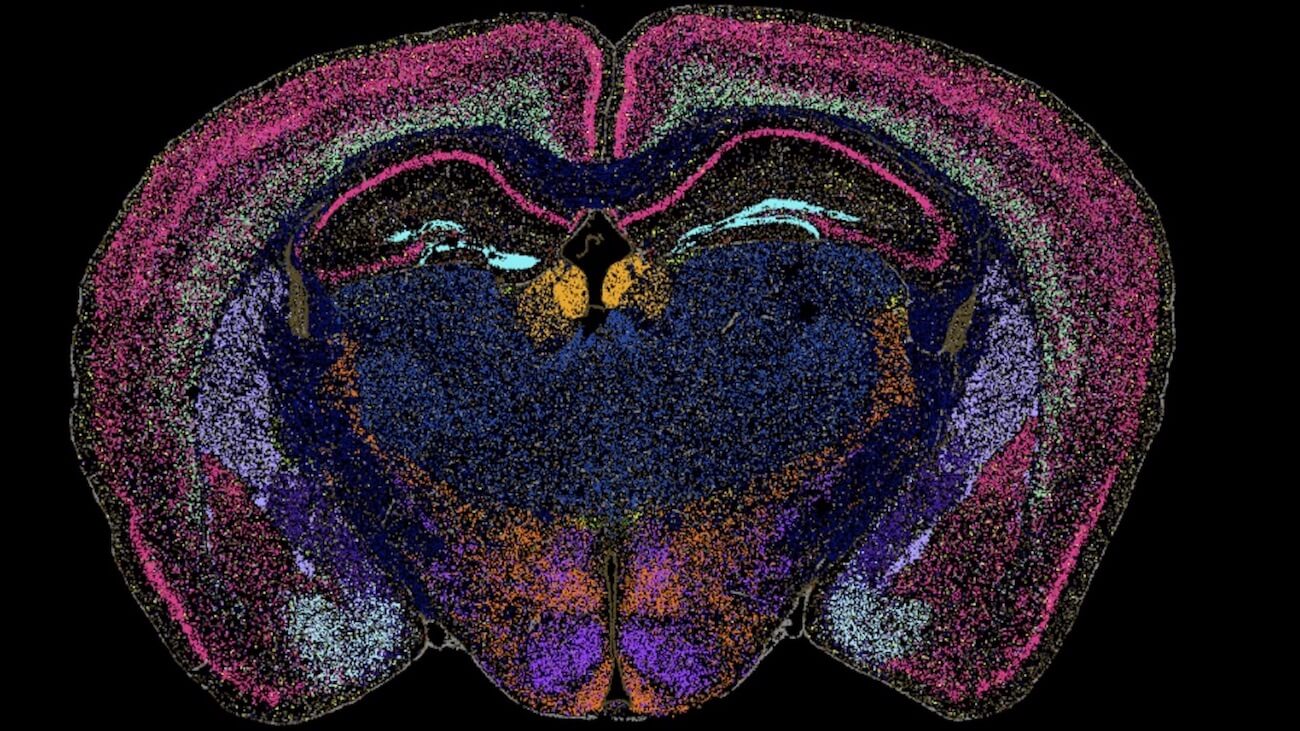
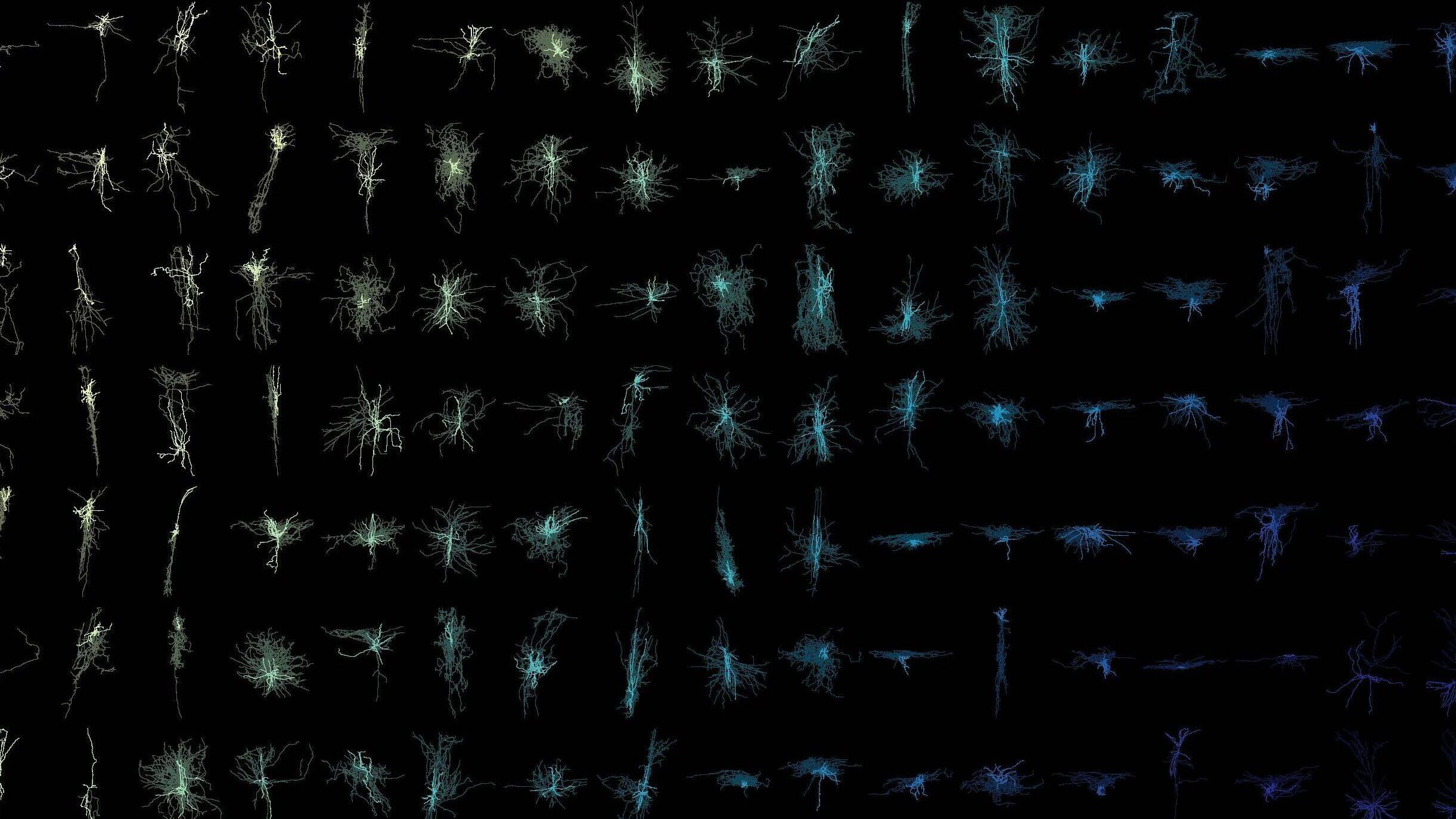
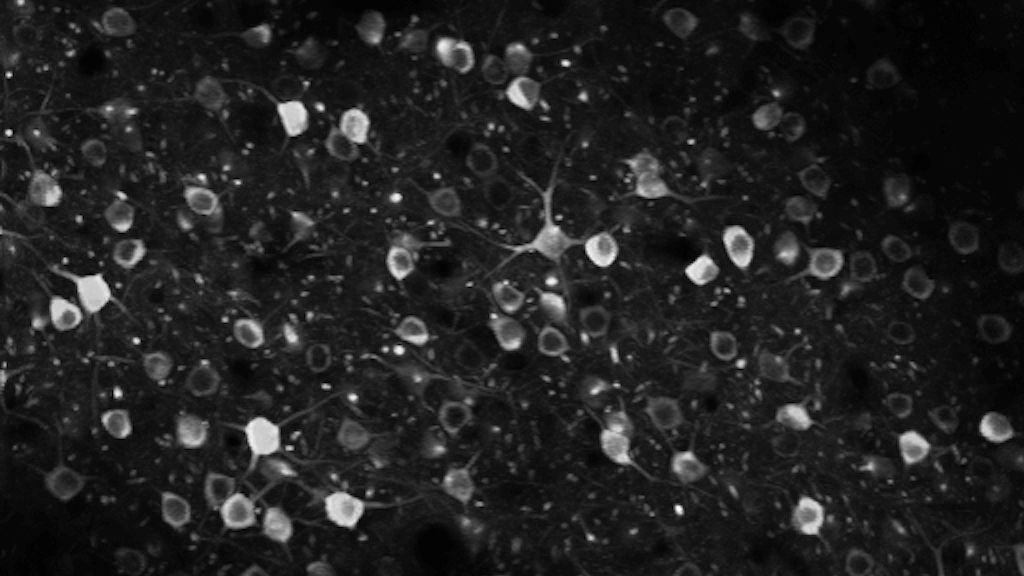
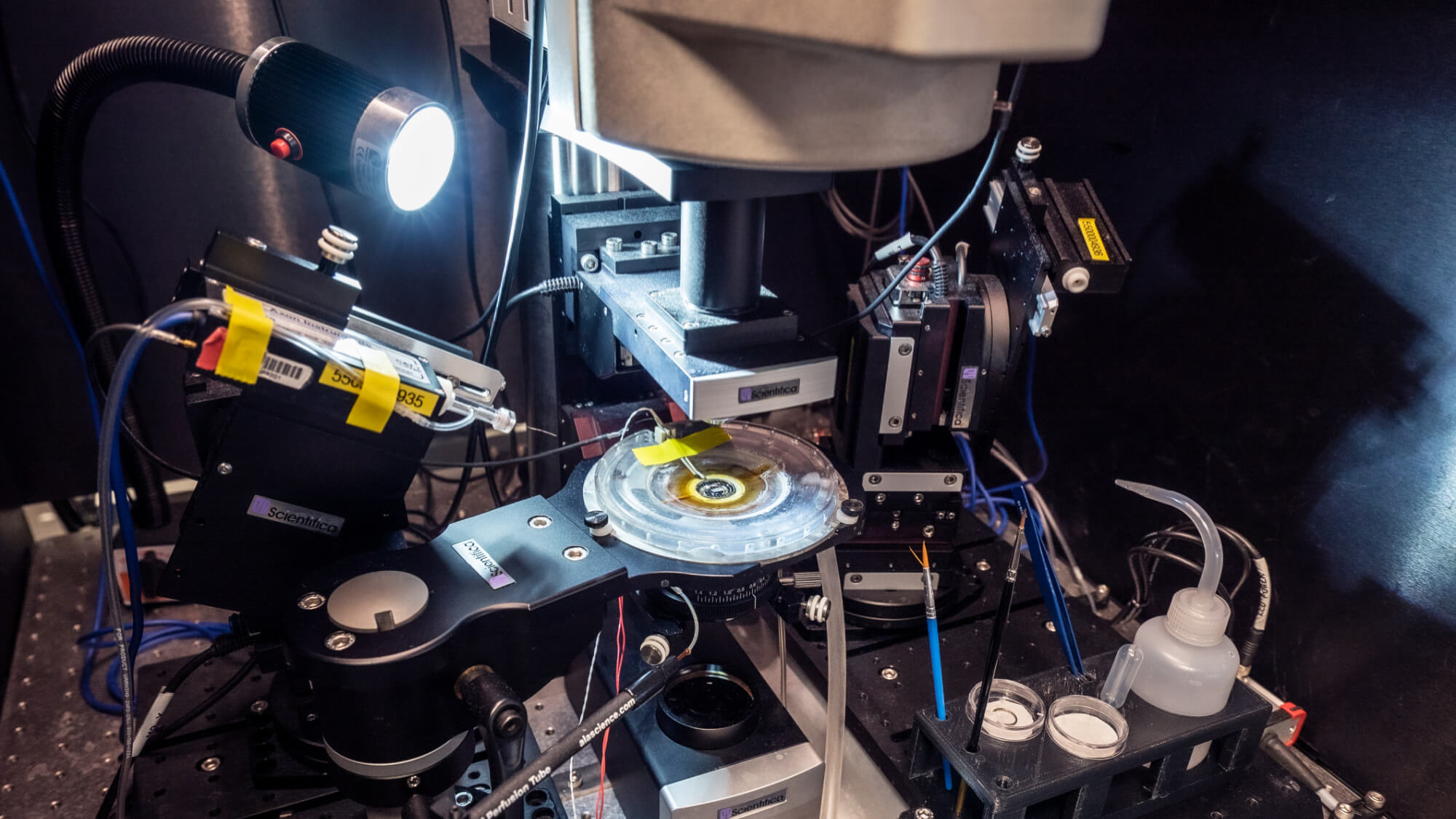
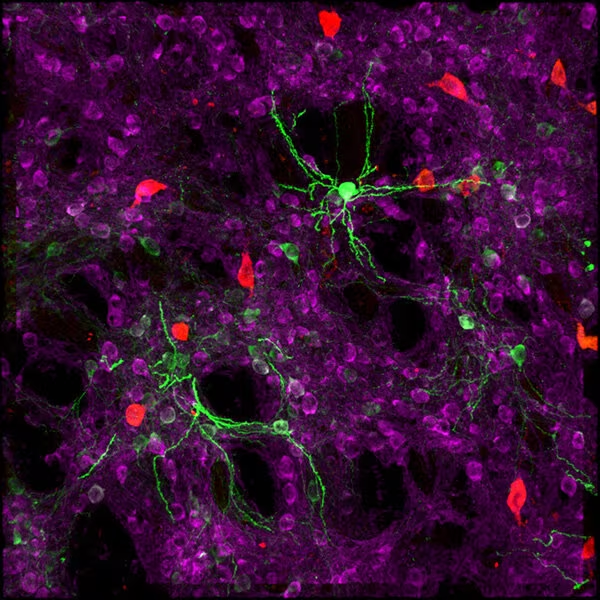
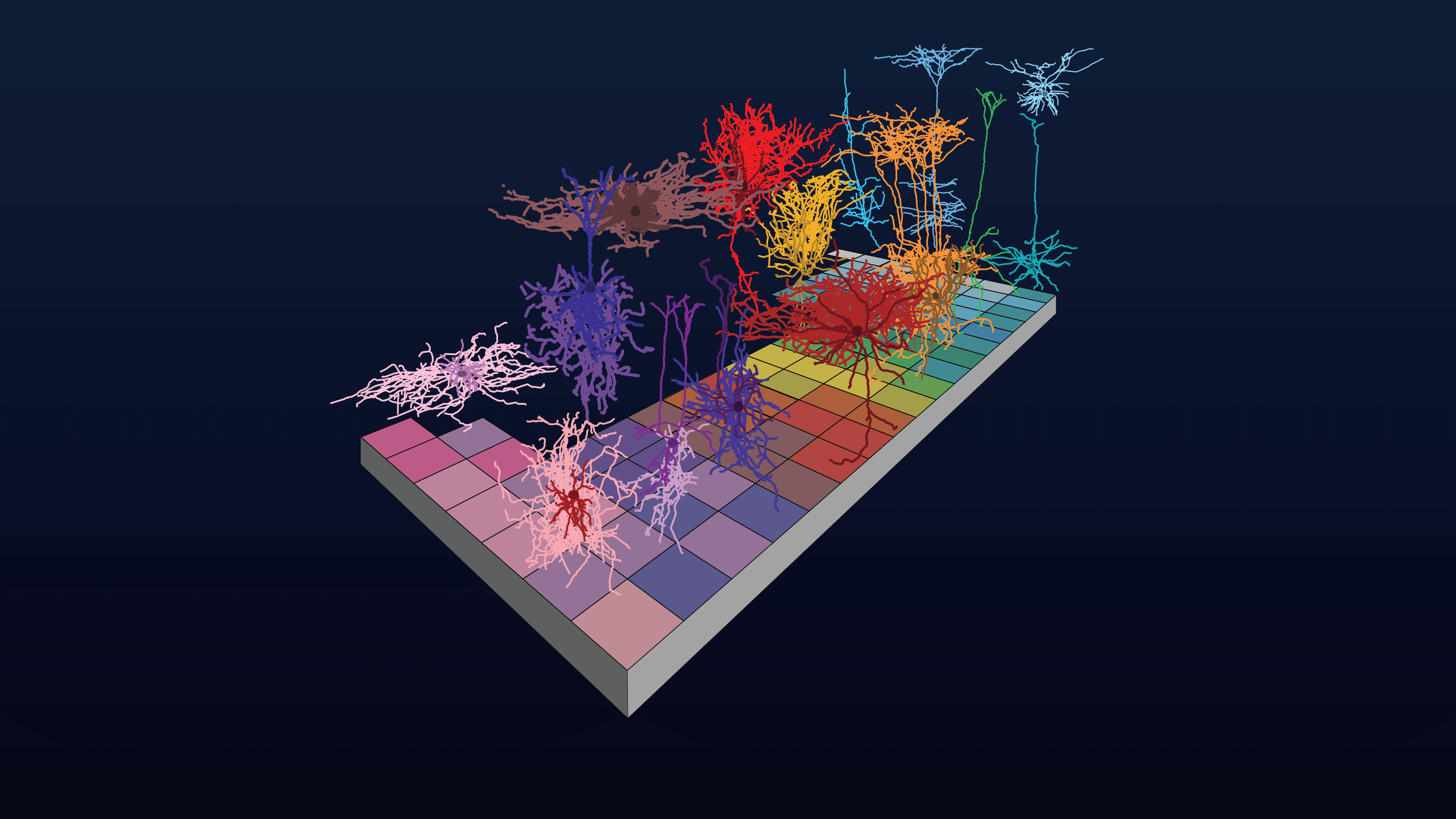
This lesson overviews how current research defines cell types in the brain by gathering transcriptomic, morphological, and electrophysiological data. We encourage instructors to customize this lesson to fit their specific needs. These slides provide an in-depth overview of the data collection process for each data type (transcriptomic, morphological, electrophysiological), so we encourage instructors to pick-and-choose which slides best align with your course content.
Lab activity
This resource also includes a student research guide and webinar, assisting students in their exploration of the Cell Type Knowledge Explorer. The student research guide walks students through selecting their cell type of interest, exploring gene expression markers, and comparing their work to previously published results.
This lesson was supported by the National Institute of Neurological Disorders and Stroke of the National Institutes of Health under Award Number U24NS133077. The content is solely the responsibility of the authors and does not necessarily represent the official views of the National Institutes of Health.
Additional Reading
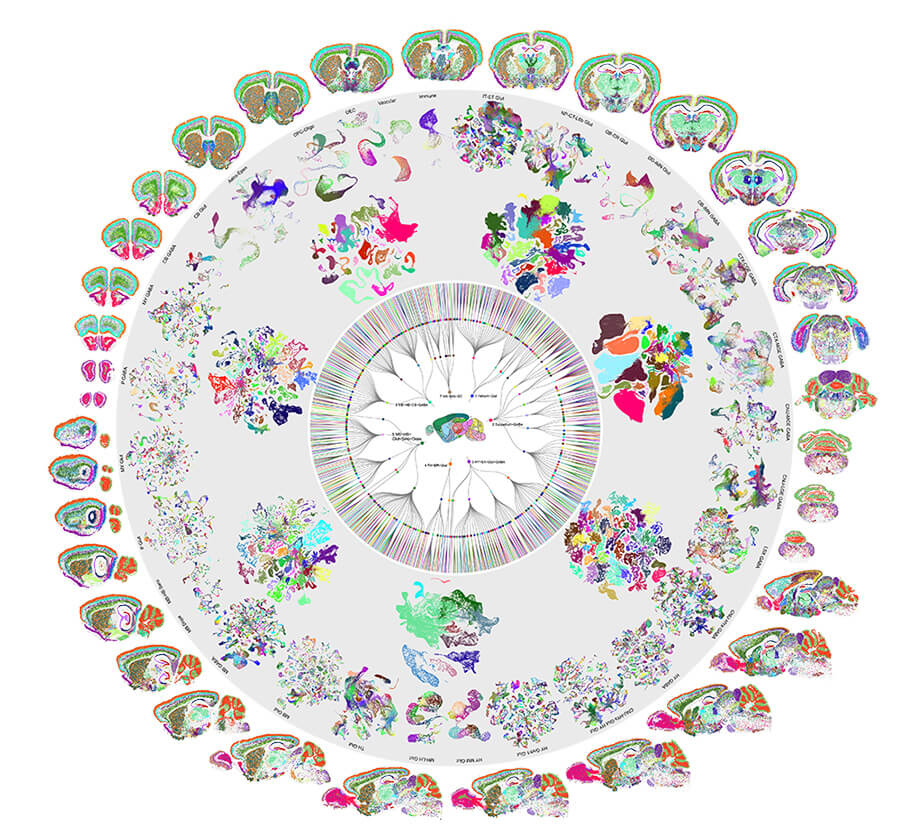
The first complete cell census of a mammalian brain
Explore this summary article in Nature about the work from the BRAIN Initiative Cell Census Network (BICCN)

Yao et al. (2023)
Read the full scientific article in Nature