news
stories from the front lines of discovery
From scientific breakthroughs to new open‑source tools, the Allen Institute’s work is reshaping how science is done—and who it’s for. Explore the latest news, stories, and highlights from across our research, partnerships, and open science efforts.


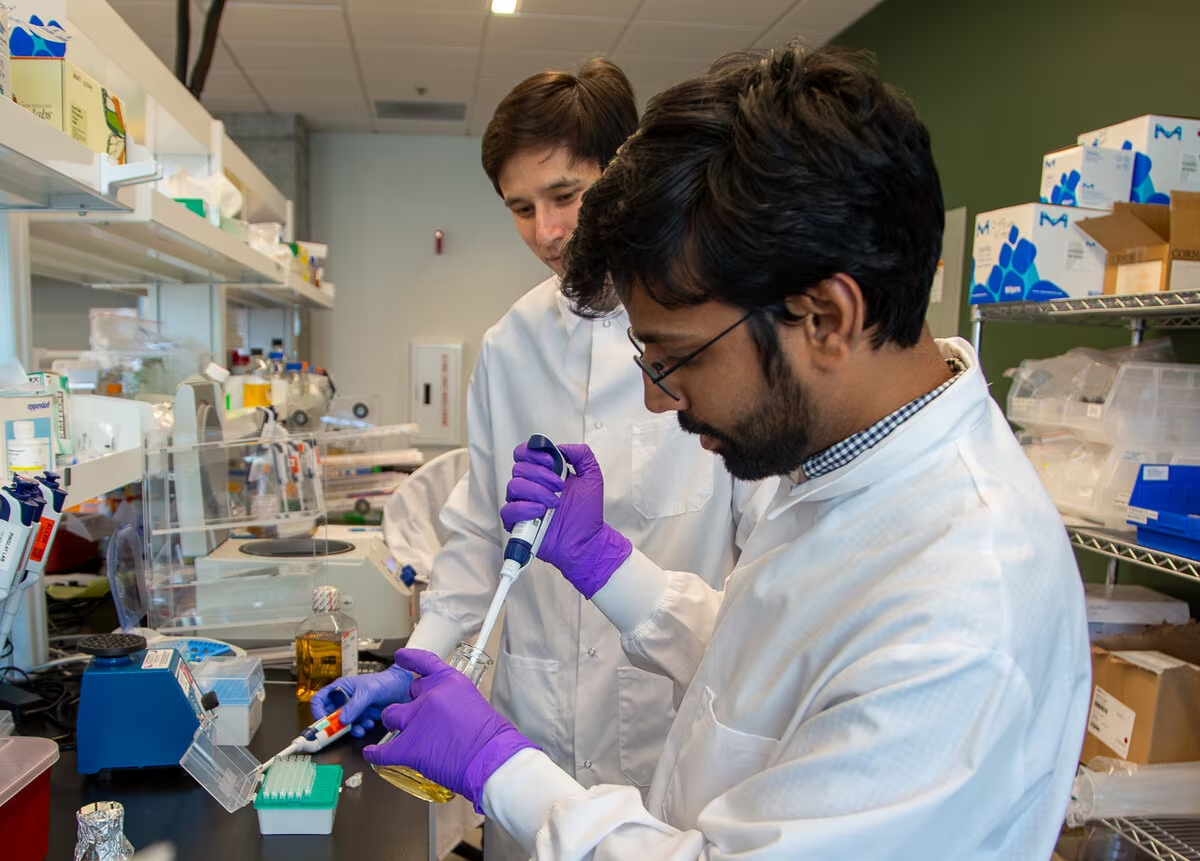
AI BioDesign accelerator combines experimental biology and artificial intelligence to learn nature’s design rules
Researchers from the Allen Institute, University of Washington, and Fred Hutch Cancer Center, supported by Fund for Science and Technology, will build open AI models, datasets, and tools to accelerate biological design for health, sustainability, and other global challenges
Thank you! Your submission has been received!
Oops! Something went wrong while submitting the form.
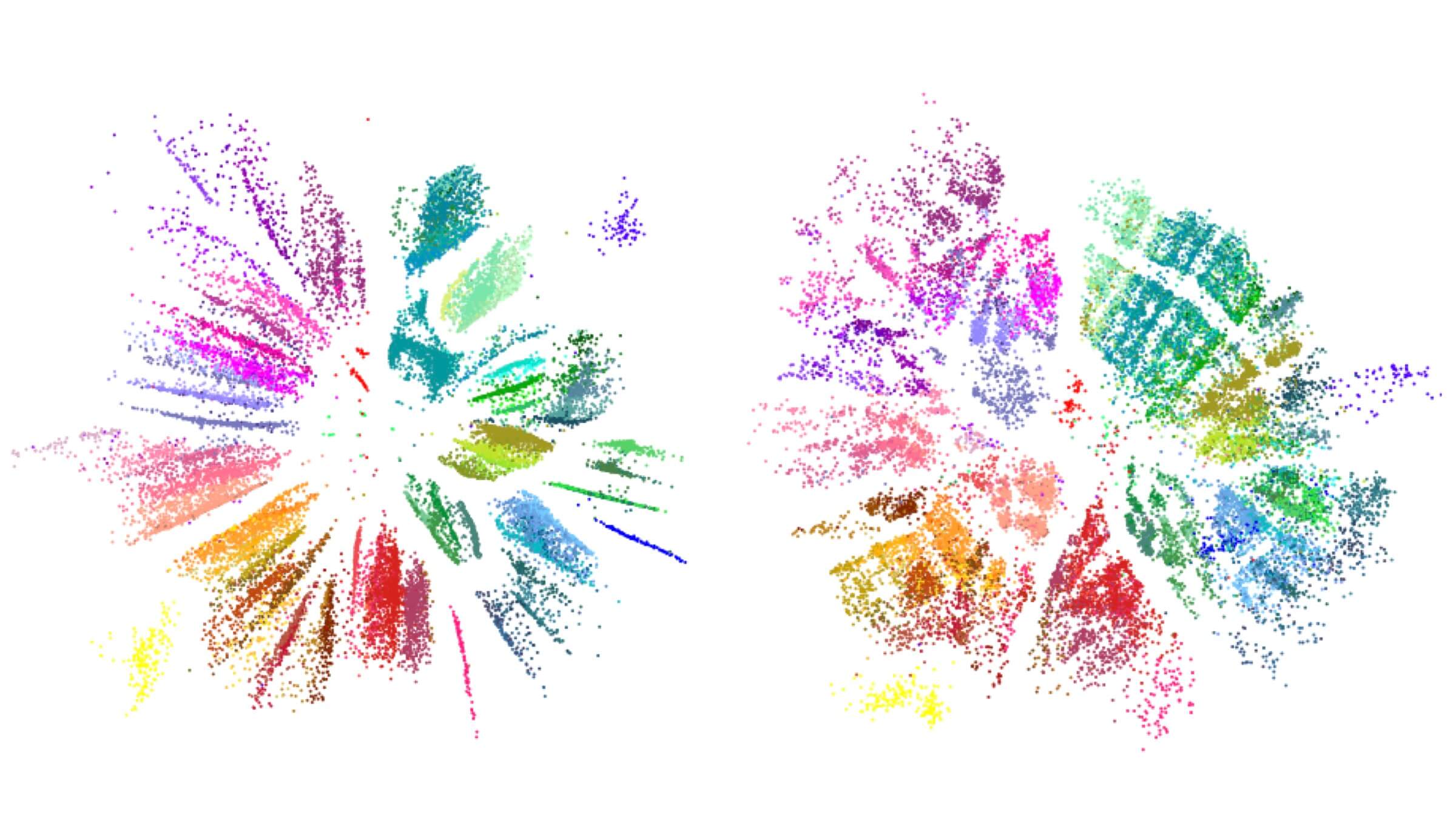


These small proteins reveal a new kind of brain diversity
Endorphins and other neuropeptides vary widely between brain cell types and point to new possible targets for psychiatric drugs, study finds
brain science
news
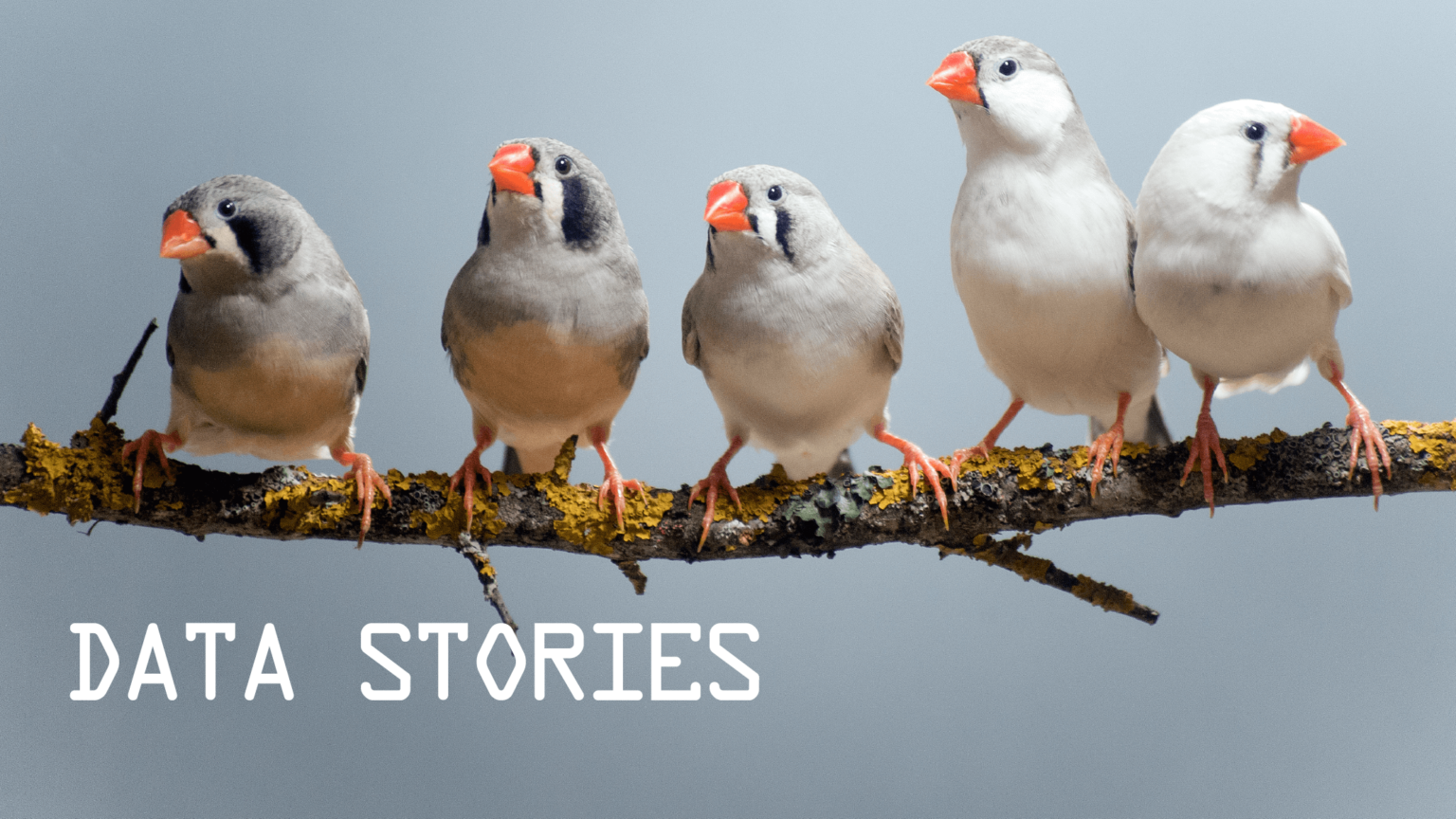
Data Stories | How bird brains help us understand our own
Erich Jarvis studies how vocal learning evolves. Allen Institute resources are helping him connect the dots from bird song to human speech.
No items found.
news

Out of Balance | Maria’s journey with melanoma
A fortuitous event led to an early diagnosis. Ten years later, her cancer journey is not over.
No items found.
news
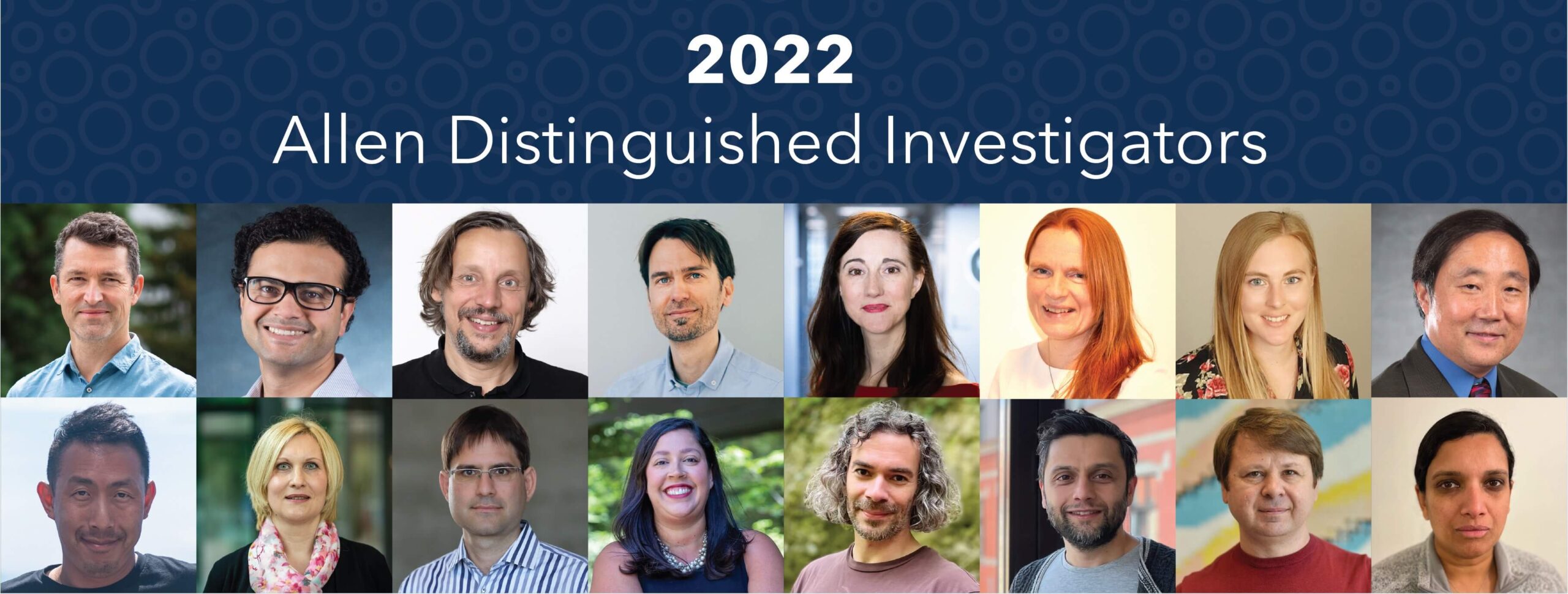
The Paul G. Allen Frontiers Group Names New Allen Distinguished Investigators
Five new awardees will embark on stem cell and tissue research with the potential to impact human health
No items found.
news
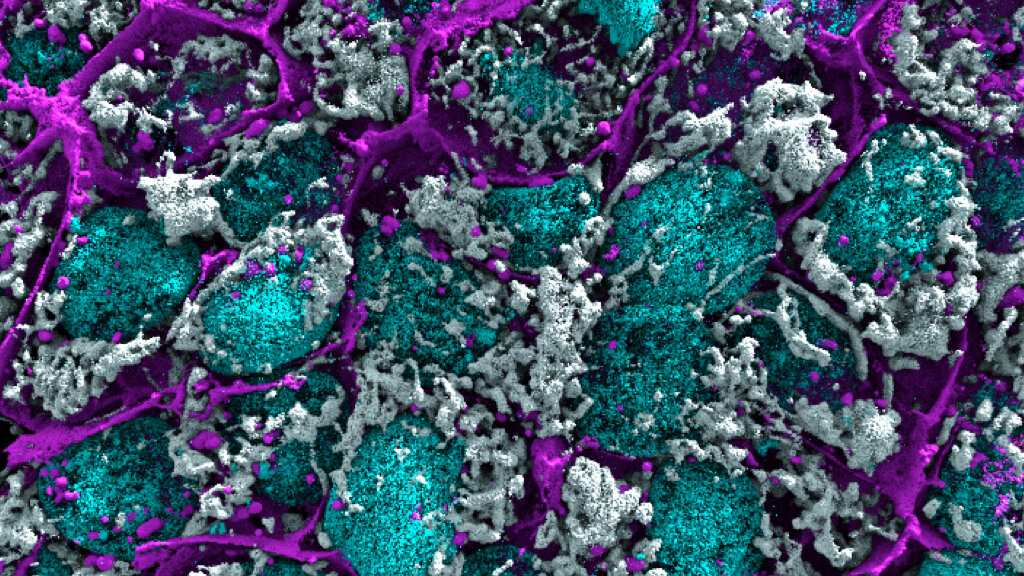
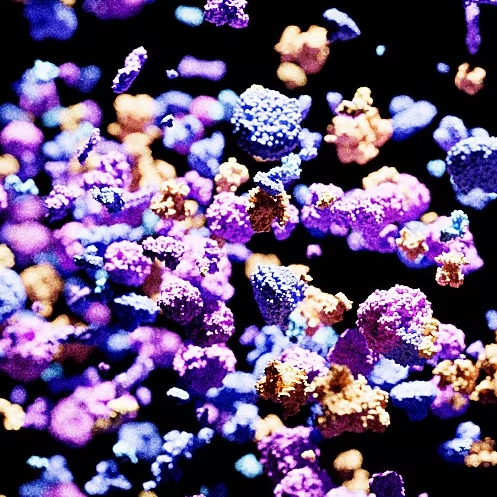
How Hollywood’s latest animation technique is shedding new light on cell biology
A method developed to make more realistic computer graphics now forms the backbone of new 3D cell visualization tool
No items found.
news
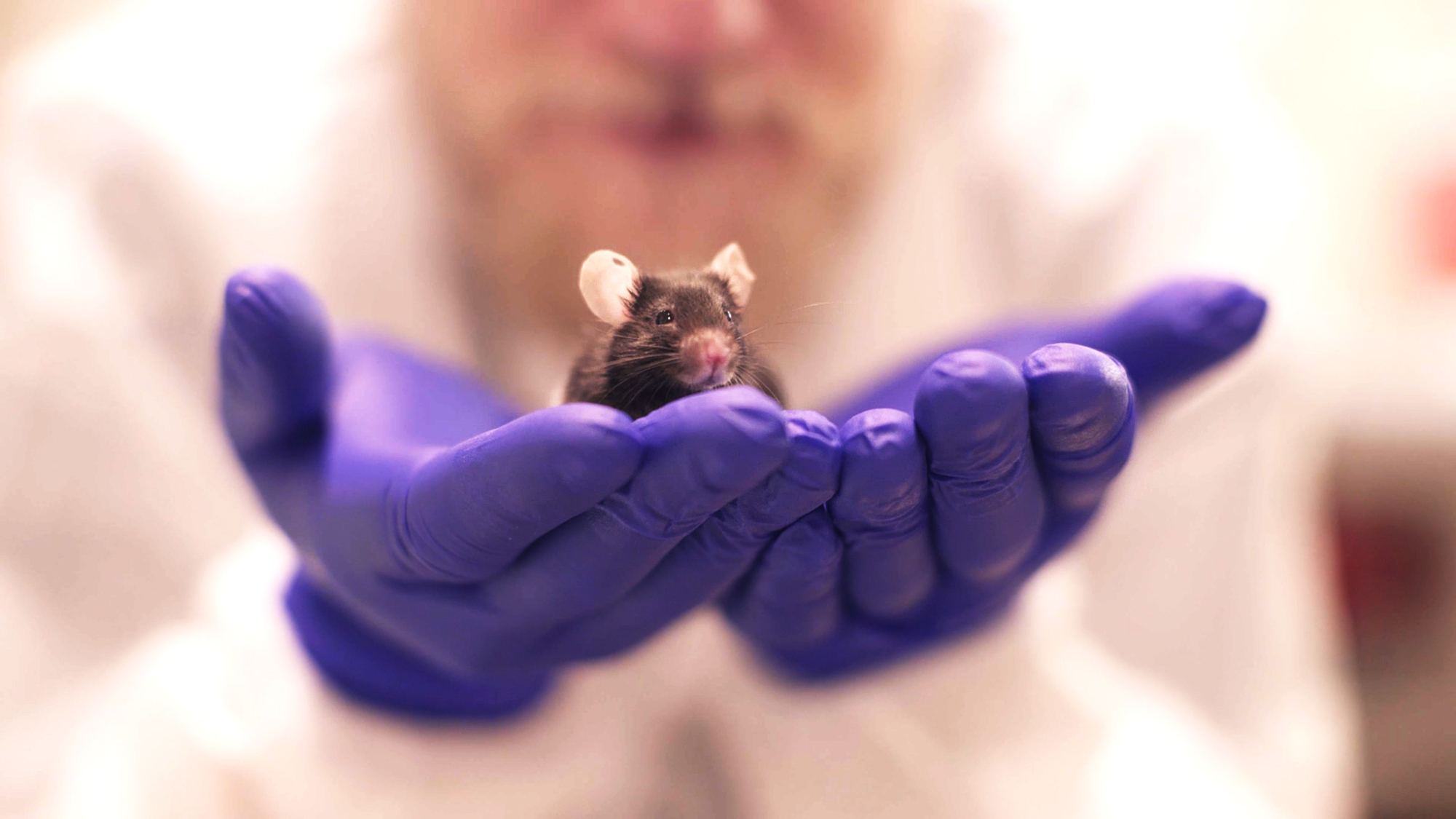
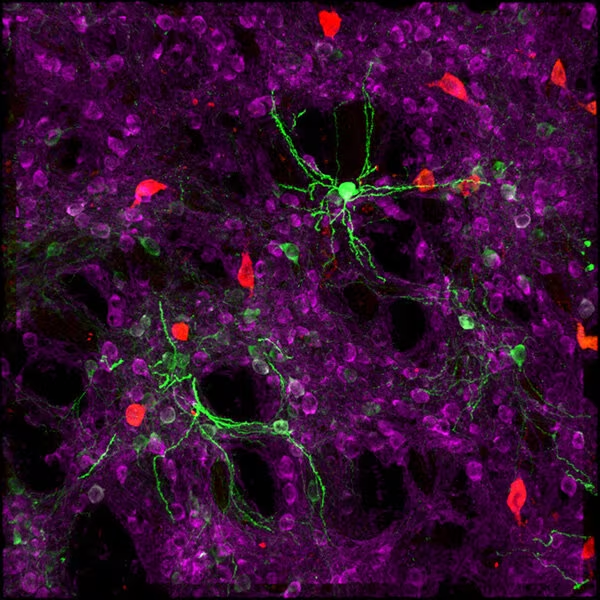
Scientists find mouse neurons that are unique to male or female brains
Study linking behaviors with cells in an ancient section of the brain also pinpointed a neuron tied to social fear
No items found.
news
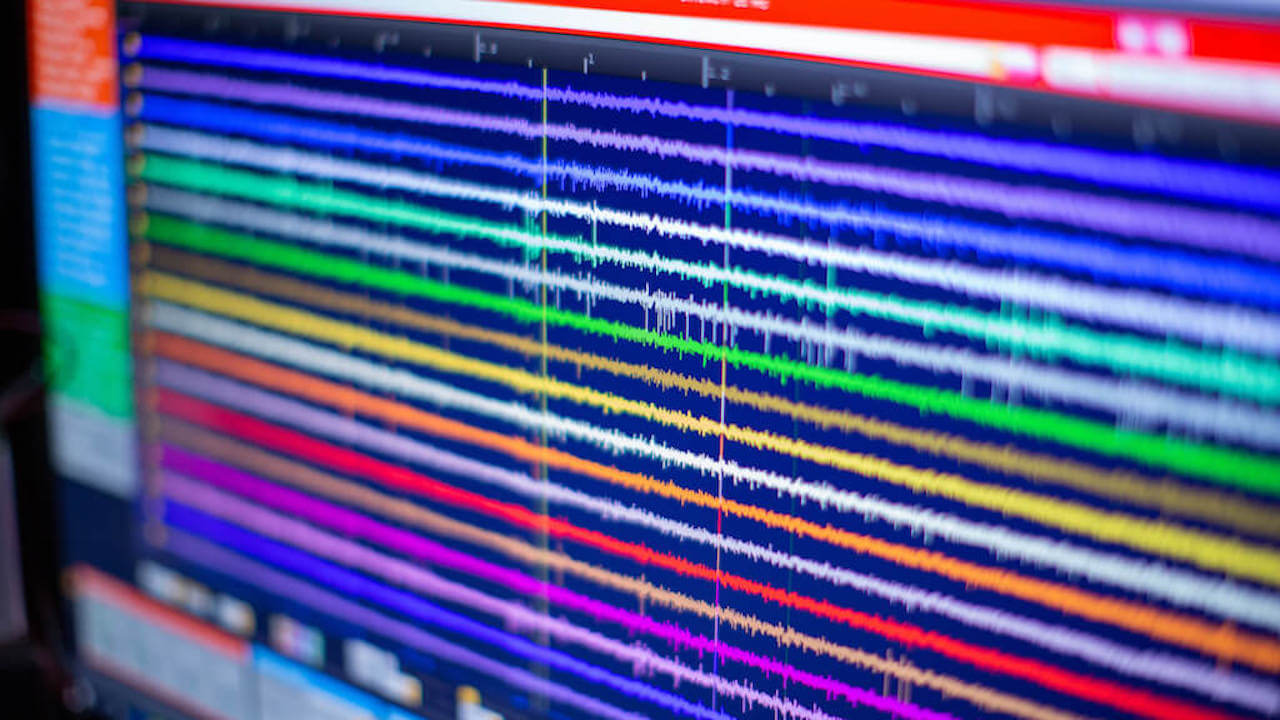
Allen Institute debuts new window into brain cell communication
The Allen Institute today released its first - and the world’s largest - dataset of electrical brain activity gathered using Neuropixels, a new...
No items found.
news

New grants to study the aging brain and build better tools to access brain cells
NIH funding will support an atlas of aging mouse brain cell types and a toolkit to light up specific brain cell types
No items found.
news
Data Stories | How a weight loss drug acts on the brain
Scientists at a pharmaceutical company want to know how the drug they developed for weight management affects the brain. Allen Institute resources are...
No items found.
news
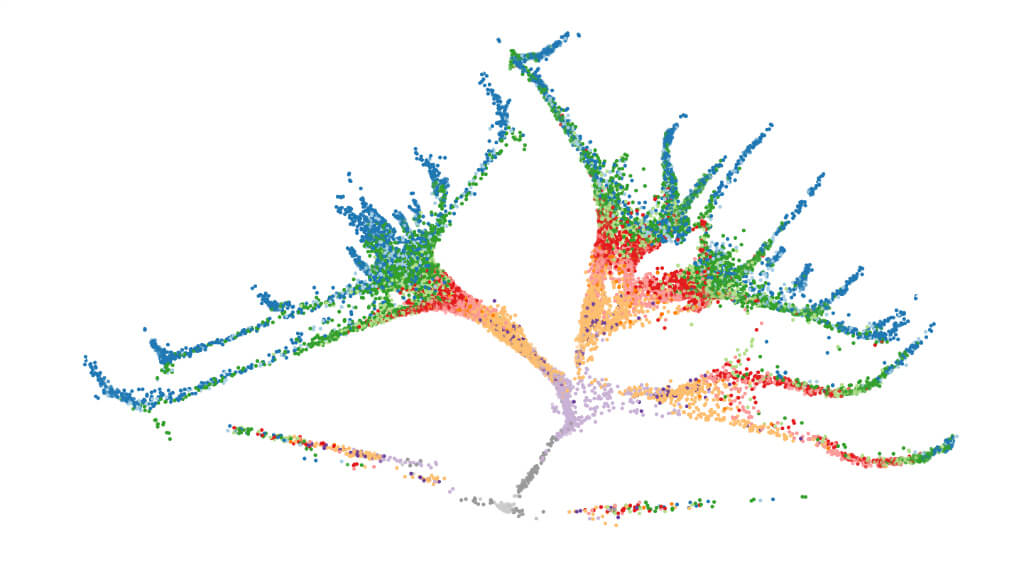
A computational challenge to help developmental biology
Q&A with the scientists and organizers behind a new competition to use machine learning to reconstruct an entire animal’s developmental lineage
synthetic biology
news
No results found, try reducing your search parameters.
press & media contact
Get in touch for media inquiries and resources for covering science at the scale of greatest impact.
Thank you! Your submission has been received!
Oops! Something went wrong while submitting the form.
.png)



Seattle scientists launch $95 million AI biology effort
The Allen Institute, University of Washington, and Fred Hutch Cancer Center are launching a $95 million effort to use AI to design biology that doesn’t exist in nature. Called AI BioDesign and led scientifically by Nobel laureate David Baker and genome scientist Jay Shendure, the initiative will use AI models to propose new DNA sequences and biological molecules.

AI learns nature’s code: Allen Institute, UW and Fred Hutch launch $95M open science initiative
Three of Seattle’s top scientific institutions are launching a nearly $95 million research initiative that will generate data and train AI models to design proteins and genes that don’t exist in nature — sharing the results freely to help others develop new medicines and materials.



‘It’s going to come quicker than we think’: Parkinson’s advocate shares hope for treatment as Allen Institute launches AI-powered initiative
The institute has launched the Brain Health Accelerator, an international collaboration involving about 30 research organizations that will use artificial intelligence, human brain tissue and advanced cellular mapping to better understand diseases including Parkinson’s, Alzheimer’s disease, ALS, Huntington’s disease and Lewy body dementia.



load more press & media
1 / 46
No results found, try reducing your search parameters.