news
stories from the front lines of discovery
From scientific breakthroughs to new open‑source tools, the Allen Institute’s work is reshaping how science is done—and who it’s for. Explore the latest news, stories, and highlights from across our research, partnerships, and open science efforts.


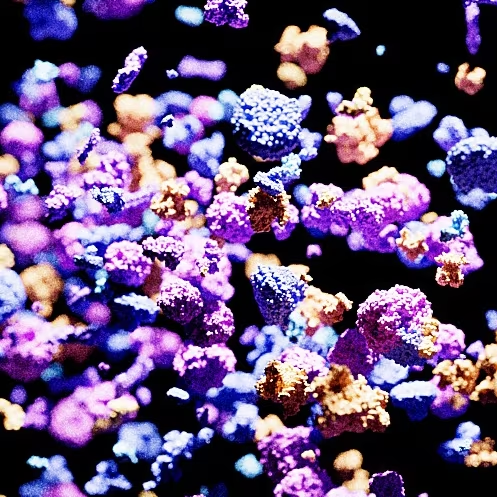
AI BioDesign accelerator combines experimental biology and artificial intelligence to learn nature’s design rules
Researchers from the Allen Institute, University of Washington, and Fred Hutch Cancer Center, supported by Fund for Science and Technology, will build open AI models, datasets, and tools to accelerate biological design for health, sustainability, and other global challenges
Thank you! Your submission has been received!
Oops! Something went wrong while submitting the form.
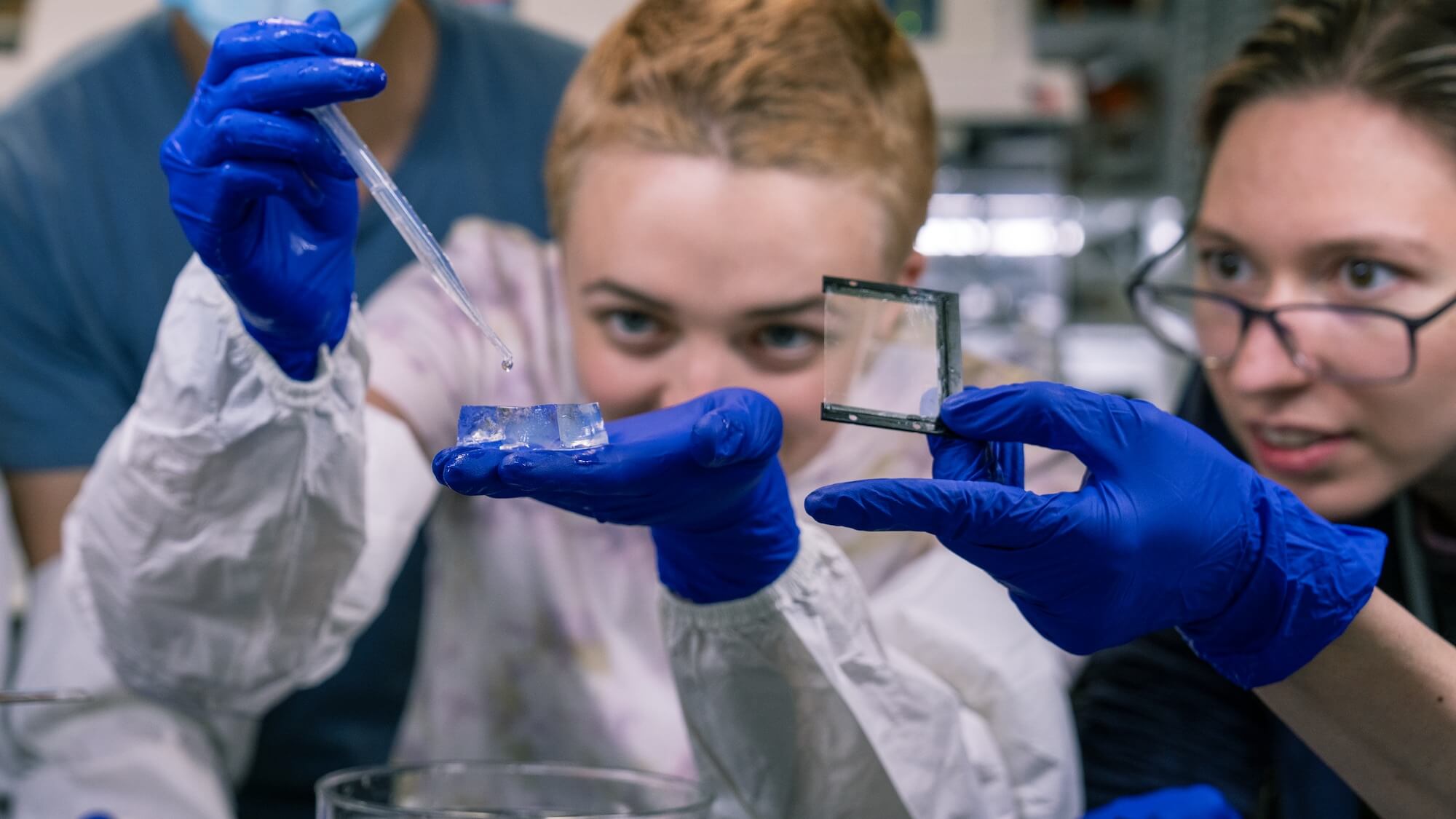

Brain expansion brings bigger brains and clearer images, with the help of a diaper chemical

Clear, jelly-like mouse brains are the new gamechangers in neuroscience
No items found.
news
Allen Institute for Immunology partners with Lilly to better understand autoimmune disease
The Institute will use cutting-edge molecular profiling techniques and advanced bioinformatics tools to enable precision medicine in clinical trials...
immunology
news
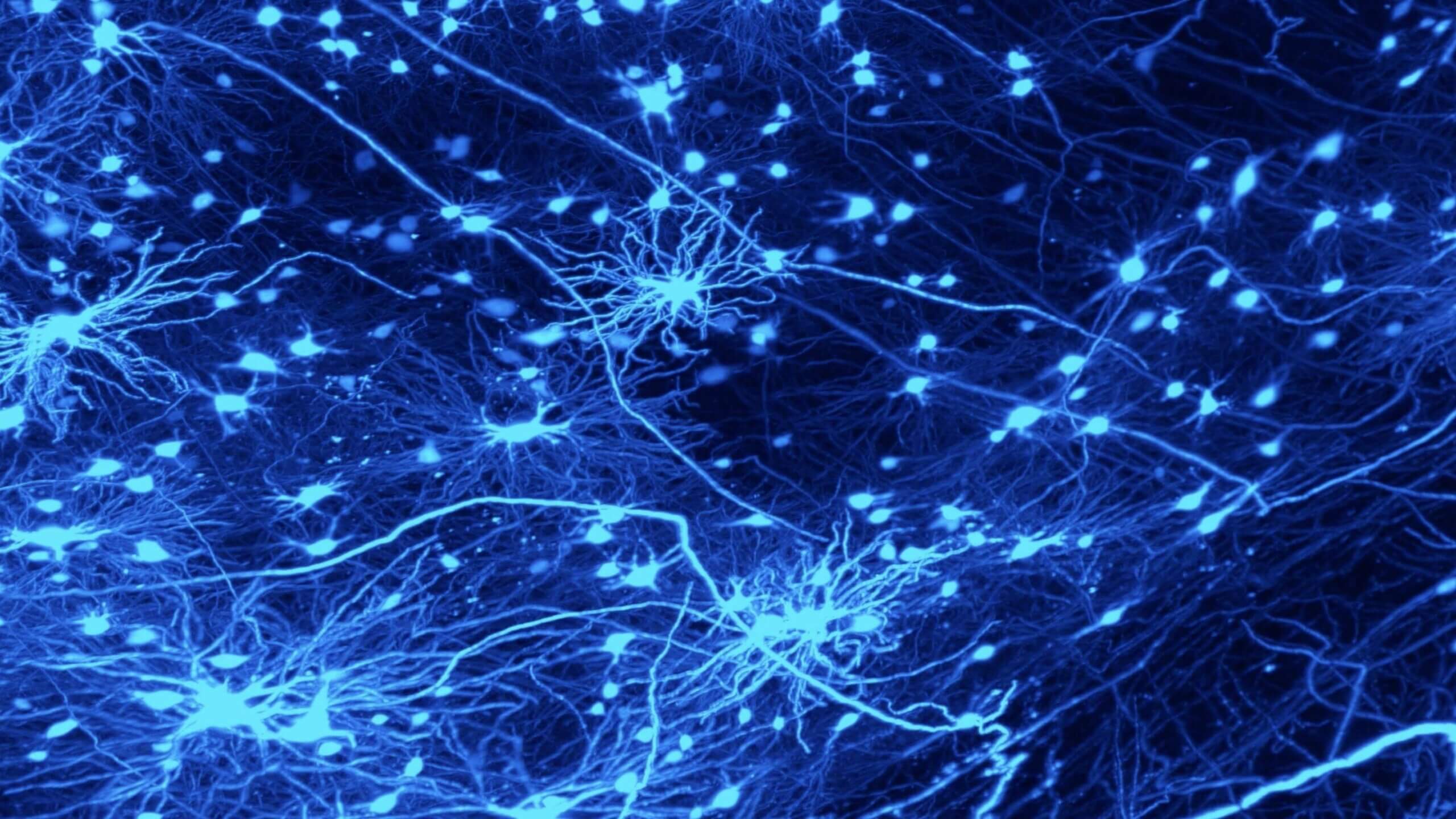

Scientific Overview | ExA-SPIM
A high-level explanation of the protocols necessary to implement the Expansion Selective Plane Illumination Microscopy (ExA–SPIM) pipeline
neural dynamics
video
New OpenScope projects aim to shed light on how we process our visual world
OpenScope is a shared neuroscience platform modeled after astronomy’s shared observatories
No items found.
news

Ananda Goldrath to Lead Allen Institute for Immunology
Dr. Ananda Goldrath will join as the Executive Vice President of the Allen Institute for Immunology in fall of 2023.
immunology
news
Andy Hickl joins Allen Institute as Chief Technology Officer
Throughout his career, Hickl has led teams that used natural language processing, machine learning, artificial intelligence, and computer vision to tackle some of the world’s most important problems—from climate change and clean energy to biodiversity and global health.
No items found.
news

Long COVID’s long fallout
Patients share their experiences of ongoing, debilitating symptoms nearly 3 years after initial infection
immunology
news
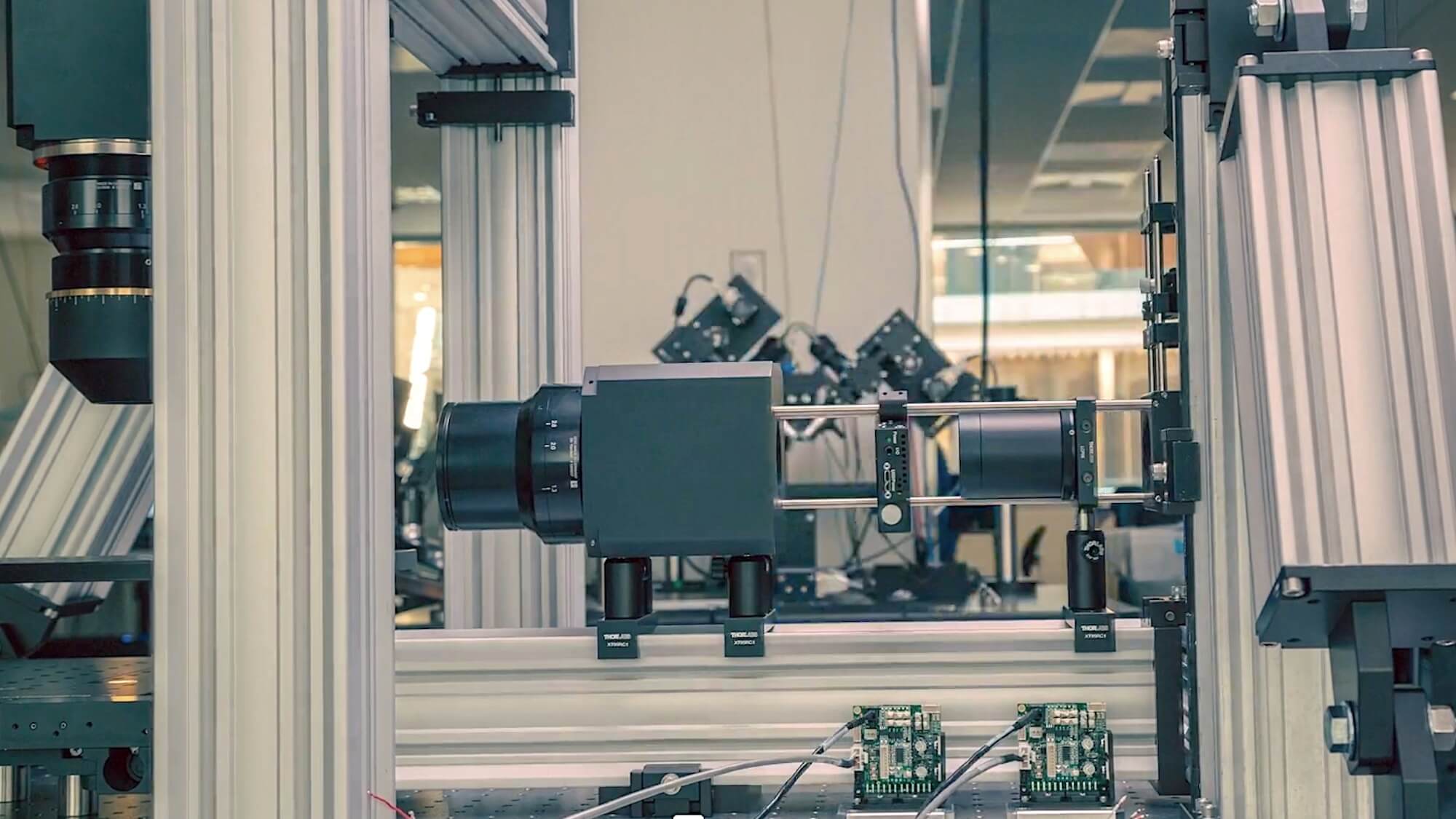
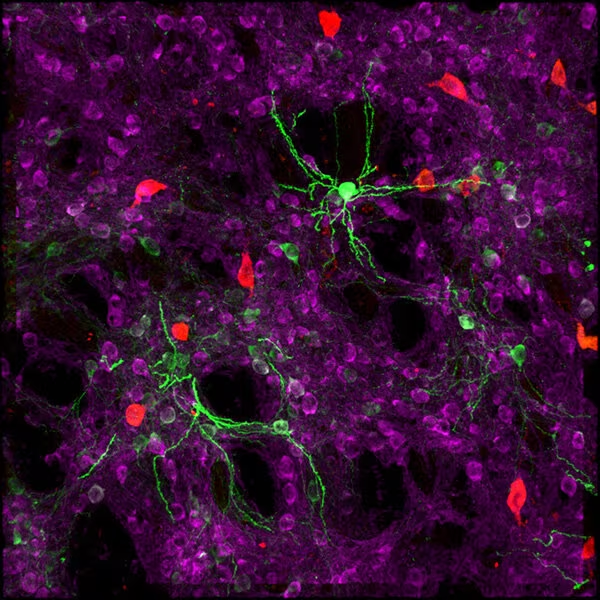
A new, custom-built microscope is capturing stunning views of the brain
‘ExA-SPIM’ microscope borrows from electronics industry to image incredible detail in an entire mouse brain
neural dynamics
video
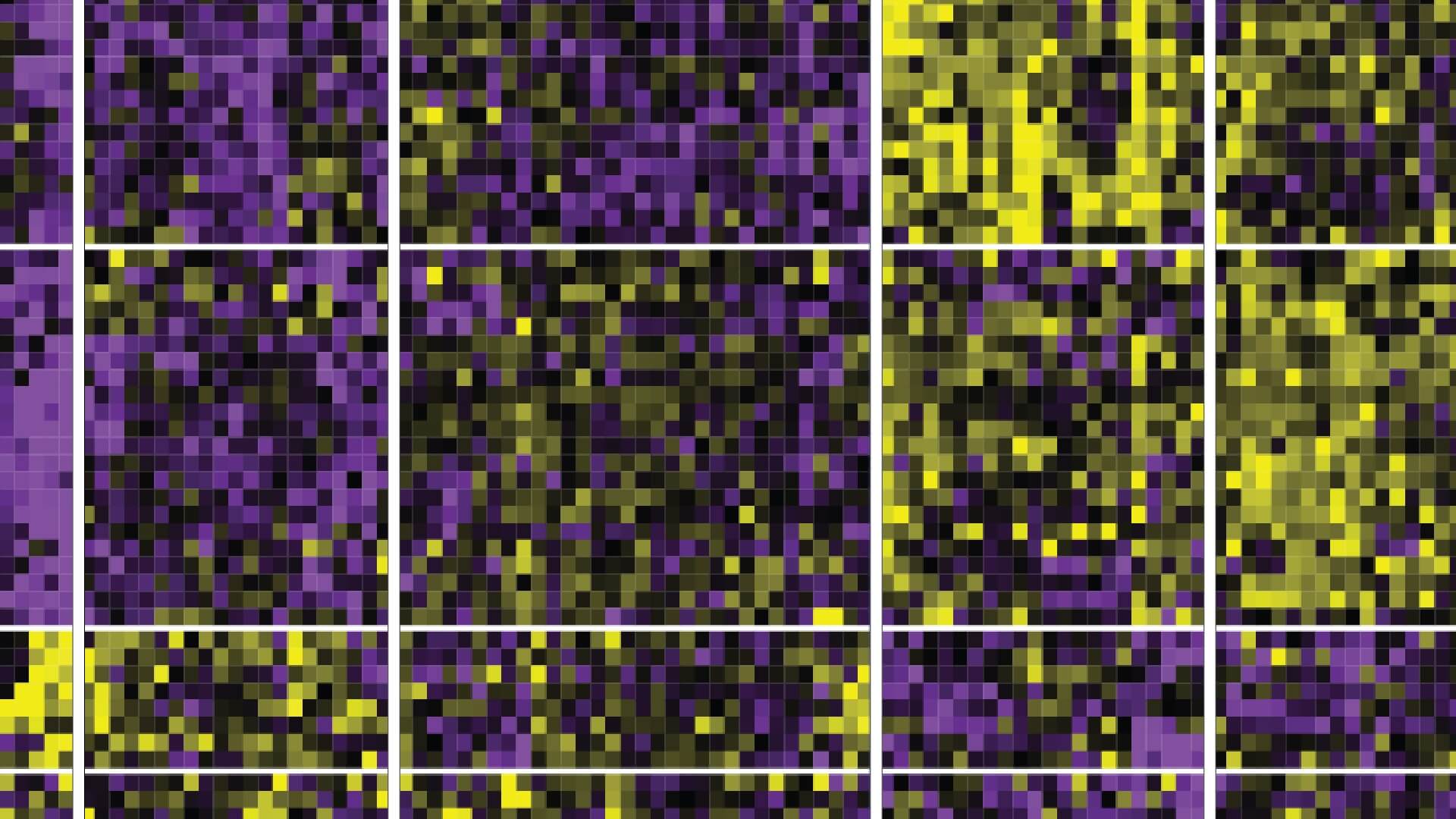
Many long COVID patients suffer from persistent inflammation, study finds
Molecular footprint of the chronic condition could help guide clinical trial and treatment decisions
No items found.
news
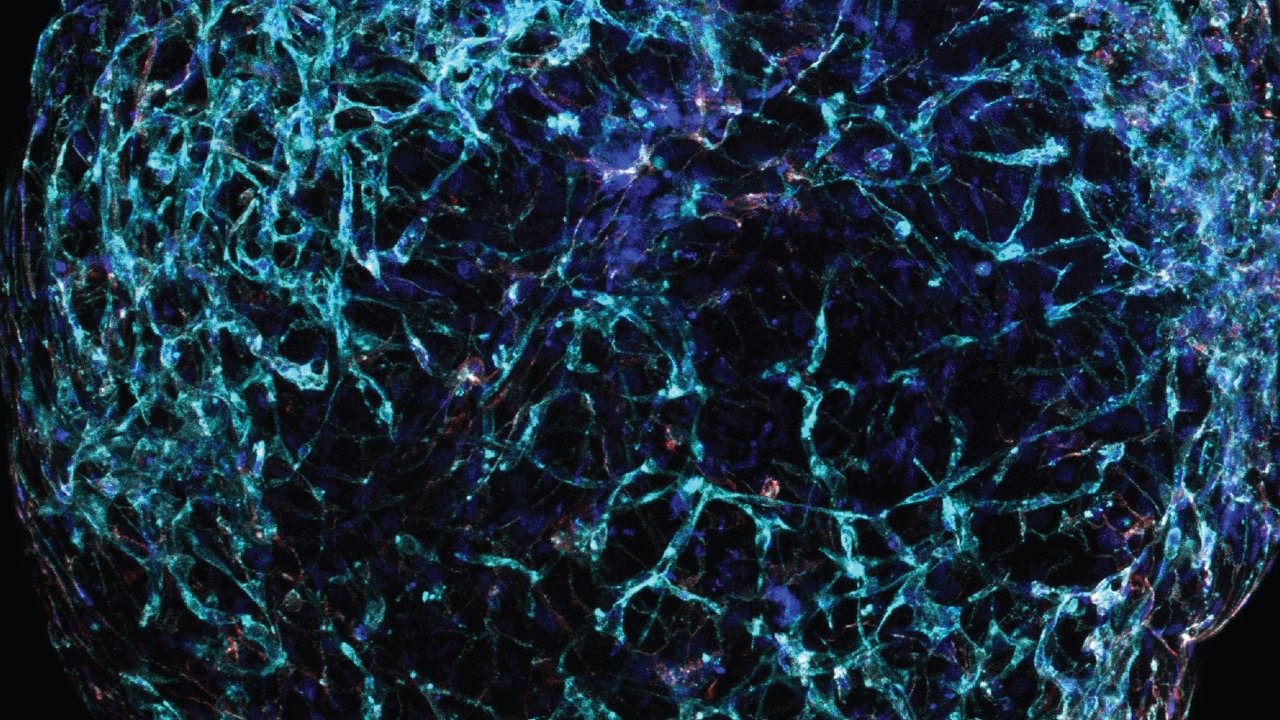

SciShots: how to feed mini-organs
Scientists are making lab-grown mini-organs more lifelike by adding blood vessels
No items found.
science images

No results found, try reducing your search parameters.
press & media contact
Get in touch for media inquiries and resources for covering science at the scale of greatest impact.
Thank you! Your submission has been received!
Oops! Something went wrong while submitting the form.






Billionaire Paul Allen Donates $100 Million To Fund A 'Manhattan Project' For Human Disease
Paul Allen, the Microsoft cofounder turned billionaire philanthropist, will donate $100 million to create a research center tasked with investigating the inner workings of human cells. The ultimate goal is to deepen our understanding of how diseases emerge and how they can be treated and prevented.

Biologists Get $100 Million From Billionaire Paul Allen To Investigate Cells
With a gift of $100 million from billionaire philanthropist Paul G. Allen, scientists will embark on an effort to understand how cells work and how they malfunction in disease. Leaders of this new endeavor announced the launch of the Seattle-based Allen Institute for Cell Science today at the annual meeting of the American Society for Cell Biology in Philadelphia.



Billionaire Paul Allen donates $100m to new ‘industrial scale’ effort to understand human cells
Microsoft co-founder Paul G. Allen is donating $100 million of his fortune to launch what he calls an “industrial-scale” effort to understand the basic building block of all living things: the cell.
No results found, try reducing your search parameters.