news
stories from the front lines of discovery
From scientific breakthroughs to new open‑source tools, the Allen Institute’s work is reshaping how science is done—and who it’s for. Explore the latest news, stories, and highlights from across our research, partnerships, and open science efforts.


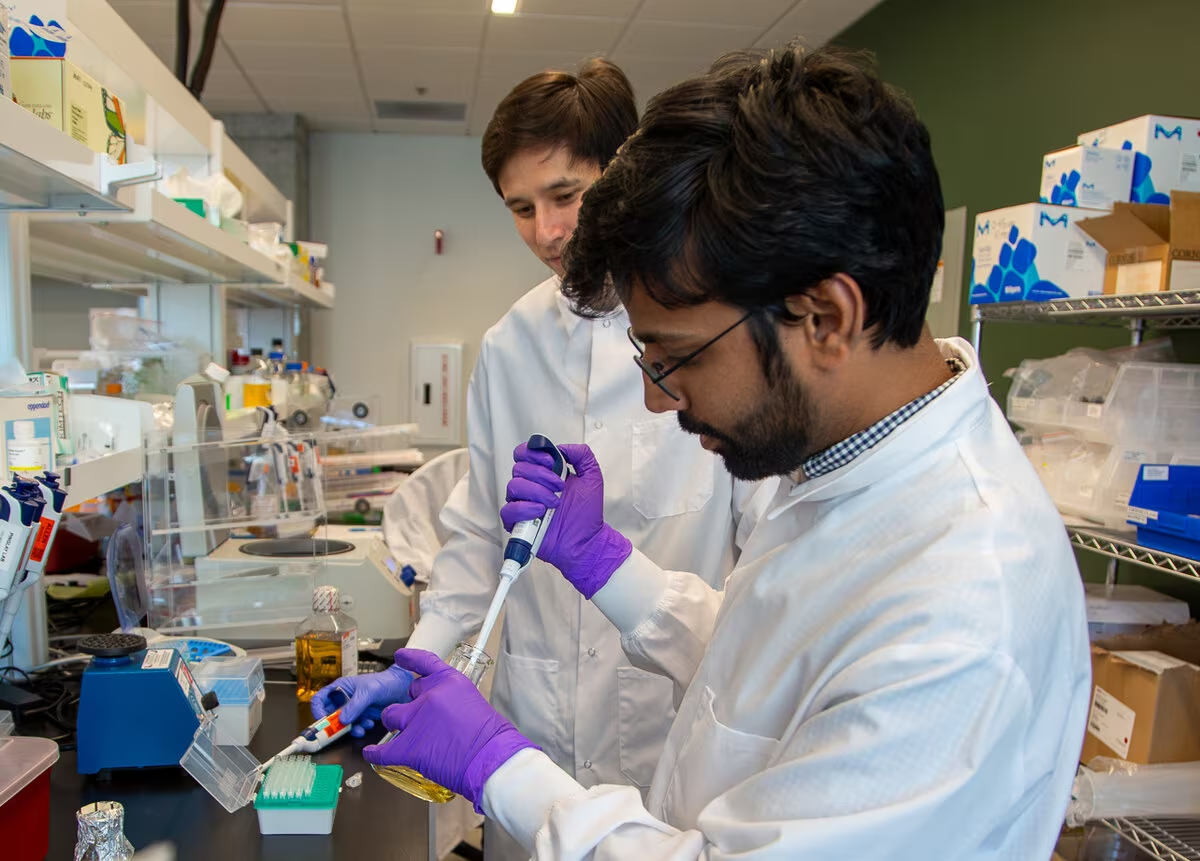
AI BioDesign accelerator combines experimental biology and artificial intelligence to learn nature’s design rules
Researchers from the Allen Institute, University of Washington, and Fred Hutch Cancer Center, supported by Fund for Science and Technology, will build open AI models, datasets, and tools to accelerate biological design for health, sustainability, and other global challenges
Thank you! Your submission has been received!
Oops! Something went wrong while submitting the form.
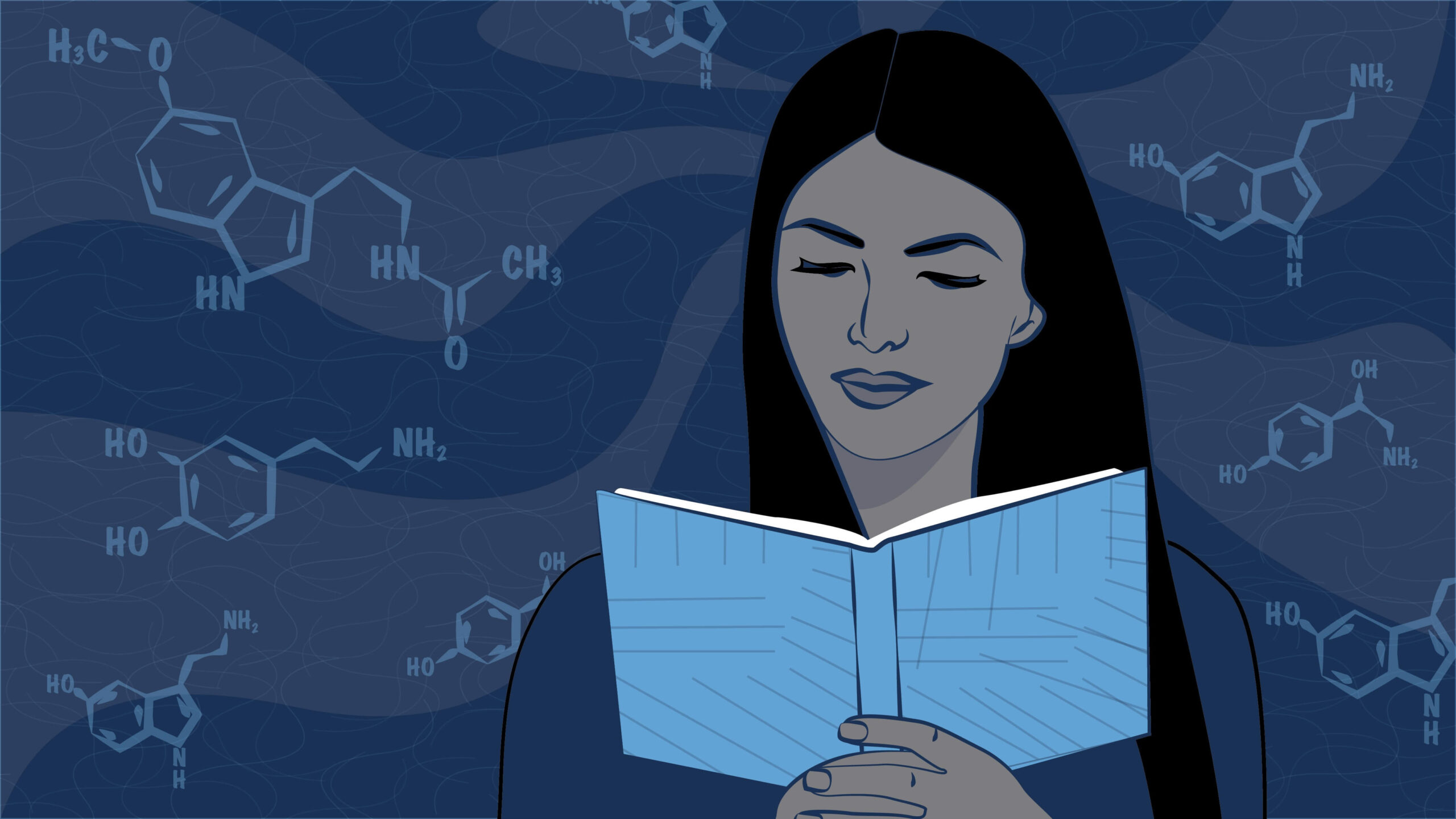

Hundreds of small molecules known as neuromodulators might influence how we learn
New models that capture how the brain retains information could also improve machine learning
No items found.
news

Allen Institute announces Rui Costa as next President and Chief Executive Officer
The Allen Institute today named Rui Costa, D.V.M., Ph.D., as its next president and chief executive officer.
No items found.
news


Allen Institute announces 2021 Next Generation Leaders
Six early-career neuroscientists will participate in unique advisory council for the Institute
No items found.
news
Announcing the Allen Institute for Neural Dynamics, a new neuroscience division of the Allen Institute
New Institute will study how the brain’s circuitry and activity give rise to complex behavior, decision making and memory
No items found.
news
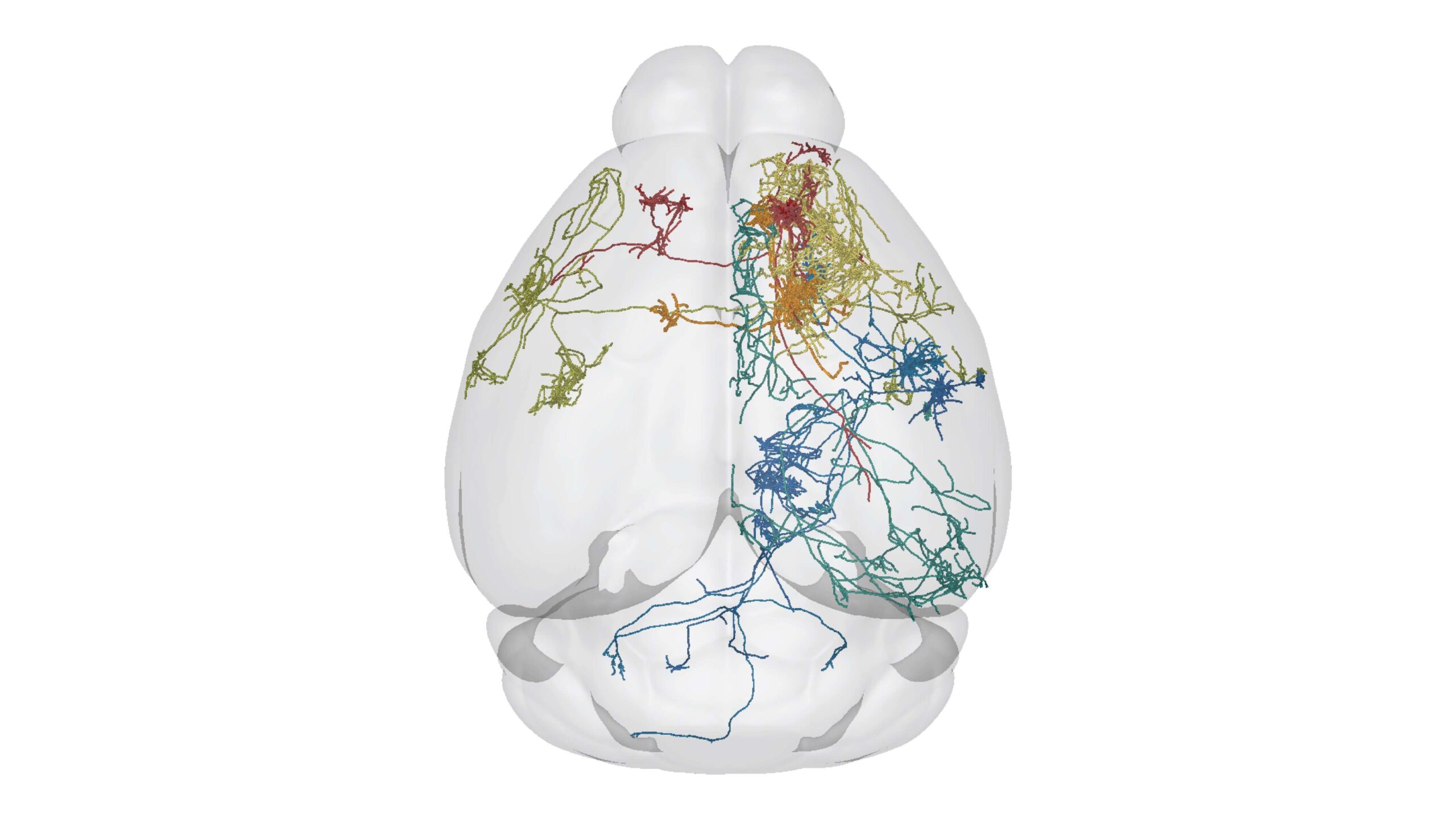
Now in stunning, whole-brain resolution: neurons
A new study traced the 3D shape of more than 1700 complete mouse neurons across the entire brain
No items found.
news
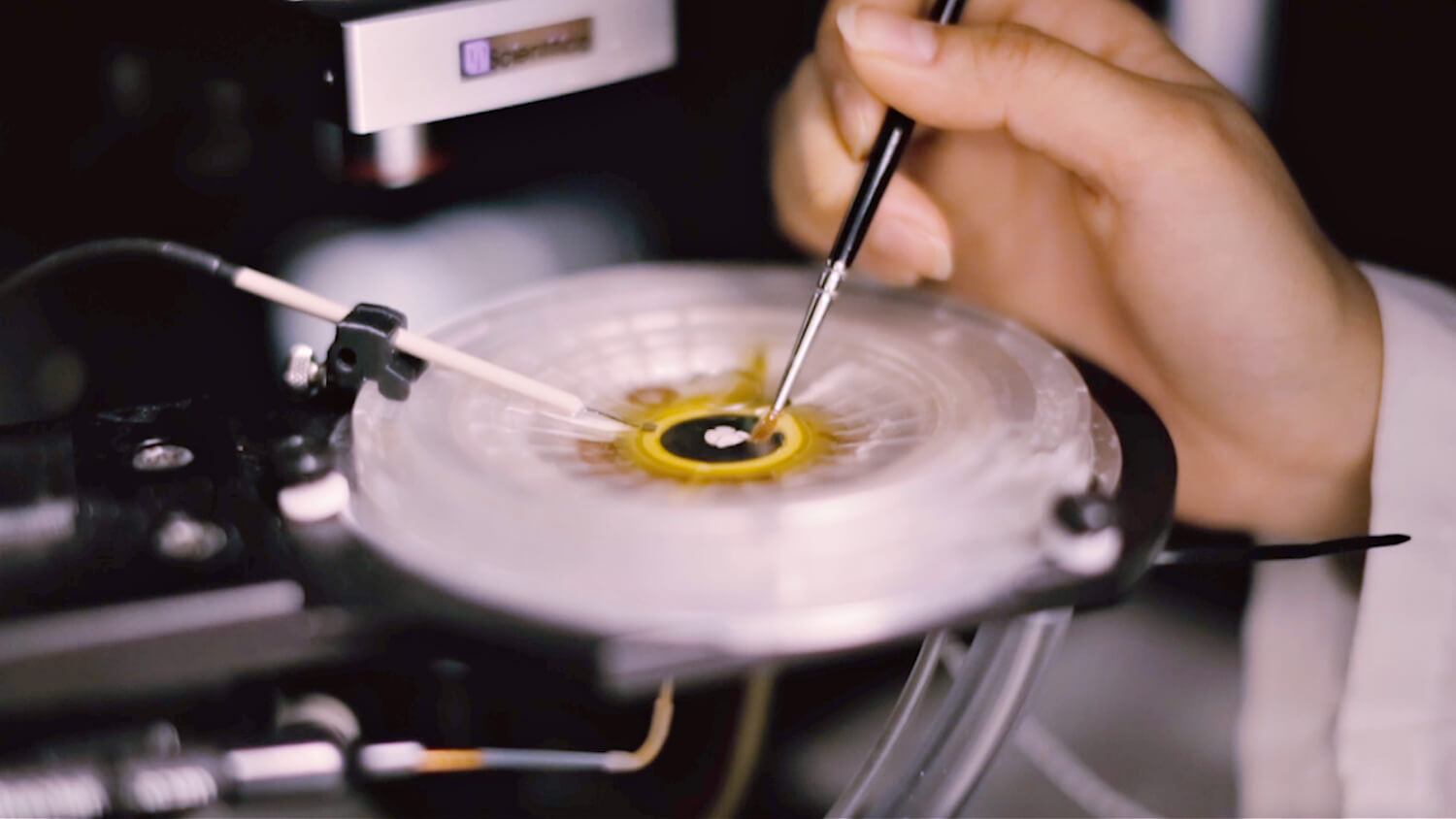
Living brain donors are helping us better understand our own neurons - including those potentially linked to Alzheimer’s disease
As part of an international effort to map cell types in the brain, scientists identified increased diversity of neurons in regions of the human brain that expanded during our evolution
No items found.
news
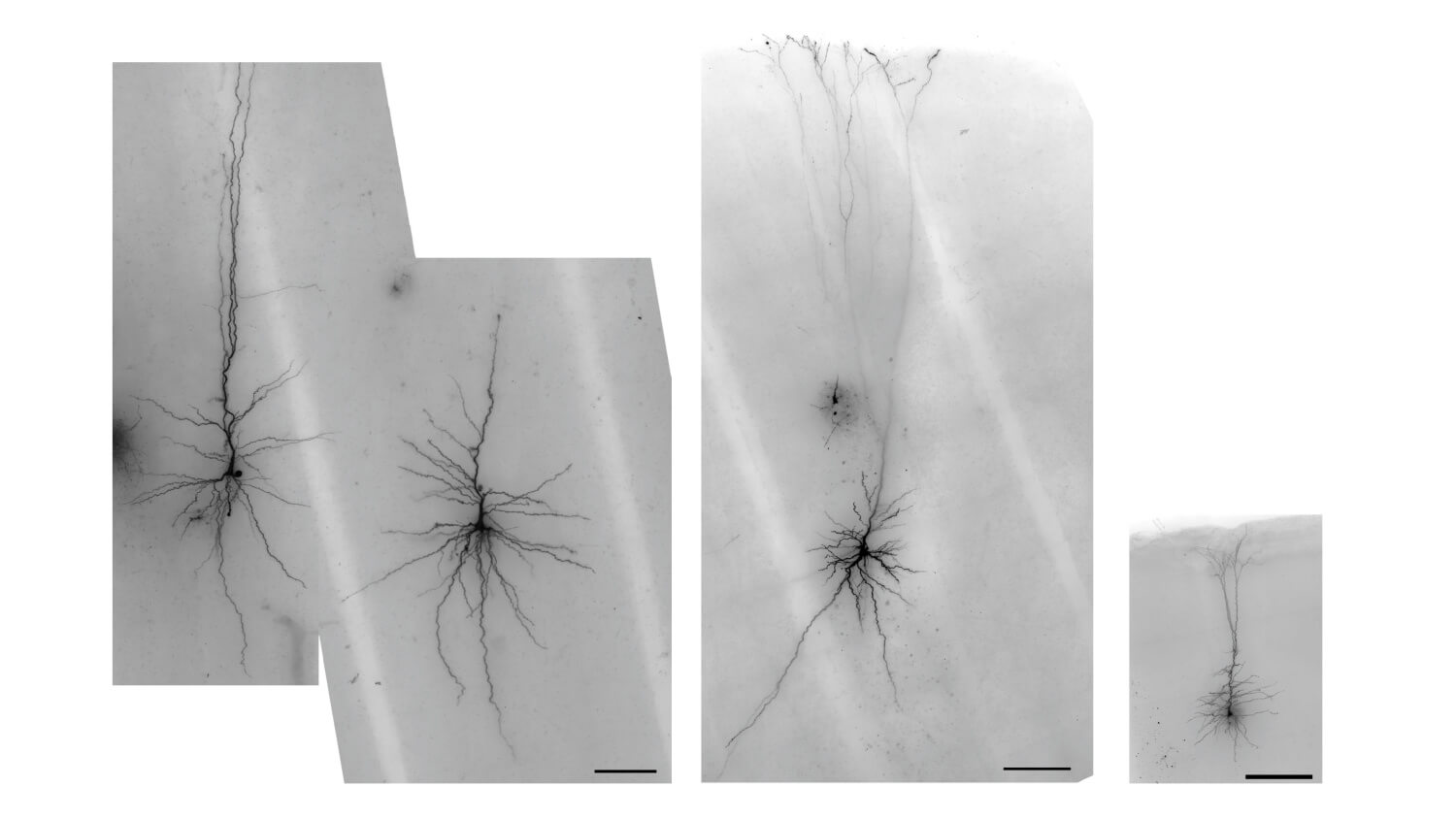
New insights about evolution of human brain region that controls voluntary movement, including rare, large neurons vulnerable in ALS
Is our brain like that of a mouse or a monkey? New study aims to find our cellular similarities - and key differences
No items found.
news

An ultra detailed map of the brain region that controls movement, from mice to monkeys to humans
Hundreds of neuroscientists built a ‘parts list’ of the motor cortex, laying groundwork to map the whole brain and better understand brain disease...
No items found.
news
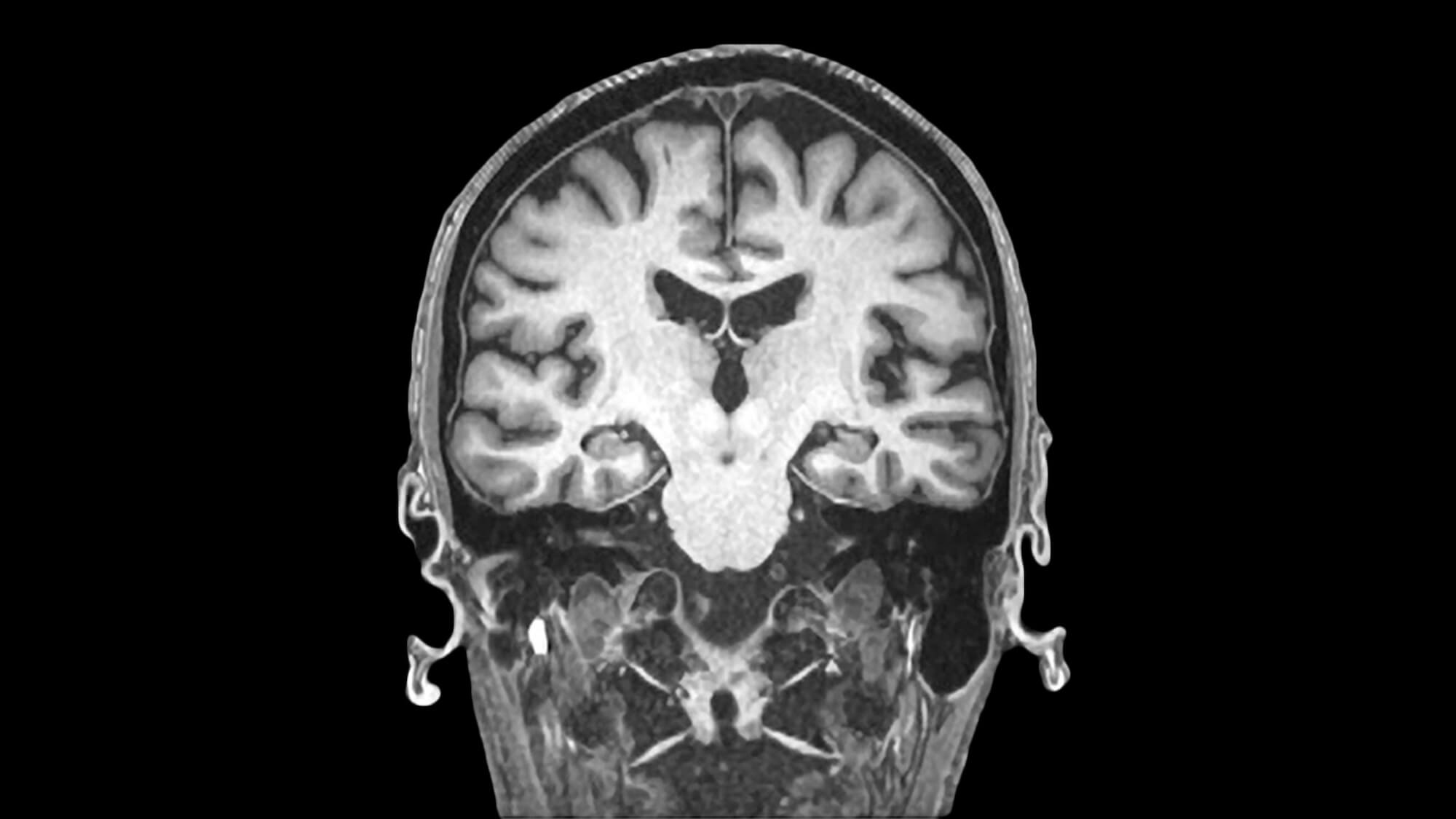
These rare human neurons generate electrical signals in two different cellular parts
With brain tissue samples donated by surgery patients come detailed descriptions of certain rare types of human cells - including new findings about...
No items found.
news

No results found, try reducing your search parameters.
press & media contact
Get in touch for media inquiries and resources for covering science at the scale of greatest impact.
Thank you! Your submission has been received!
Oops! Something went wrong while submitting the form.





Allen Institute for Brain Science awarded ~$100 million to lead global collaborations that will build comprehensive atlases of brain cell types
National Institutes of Health funding expands work to identify and catalog the building blocks of the brain, and creates global center for data sharing

Cool Jobs: Puzzling over proteins to study life and death
Ru Gunawardane's team is studying how proteins help our cells divide, move and communicate. These scientists also are making their maps of living cells and other information available to researchers elsewhere around the world.



No results found, try reducing your search parameters.