news
stories from the front lines of discovery
From scientific breakthroughs to new open‑source tools, the Allen Institute’s work is reshaping how science is done—and who it’s for. Explore the latest news, stories, and highlights from across our research, partnerships, and open science efforts.


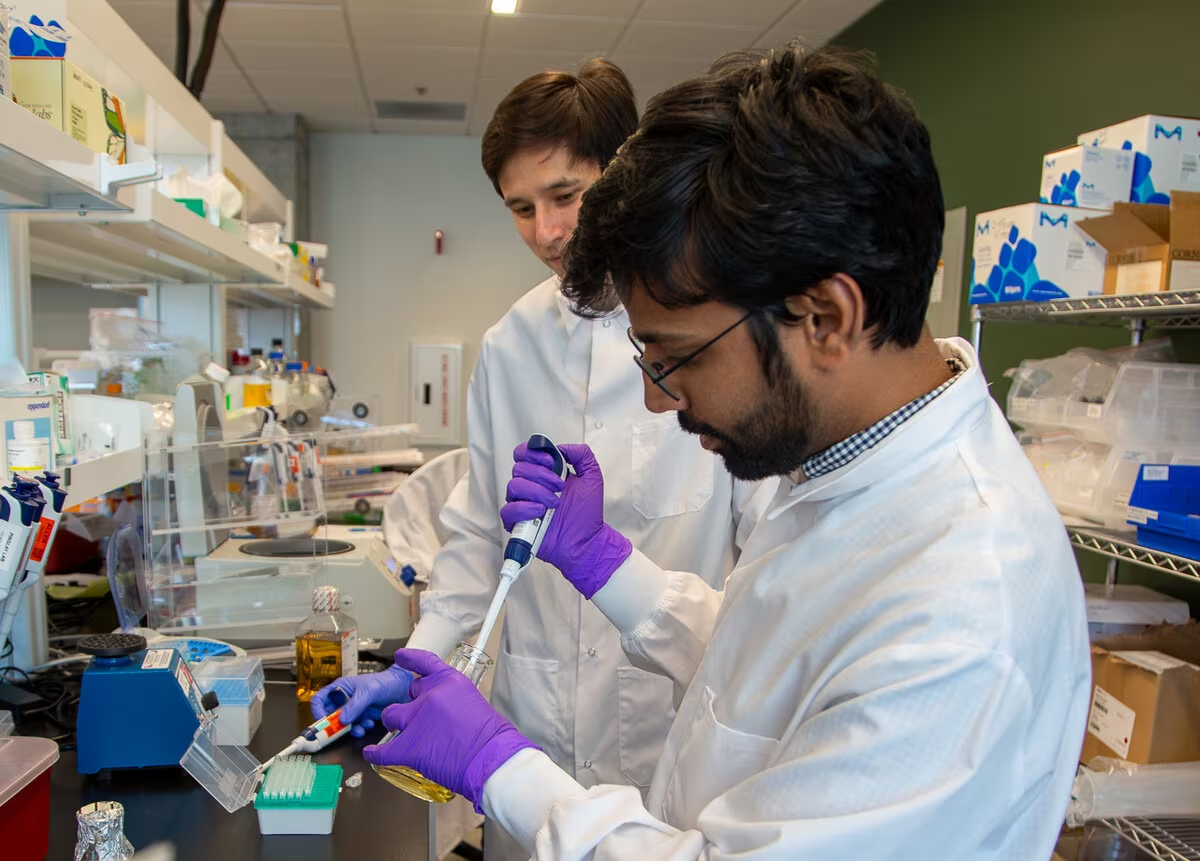
AI BioDesign accelerator combines experimental biology and artificial intelligence to learn nature’s design rules
Researchers from the Allen Institute, University of Washington, and Fred Hutch Cancer Center, supported by Fund for Science and Technology, will build open AI models, datasets, and tools to accelerate biological design for health, sustainability, and other global challenges
Thank you! Your submission has been received!
Oops! Something went wrong while submitting the form.
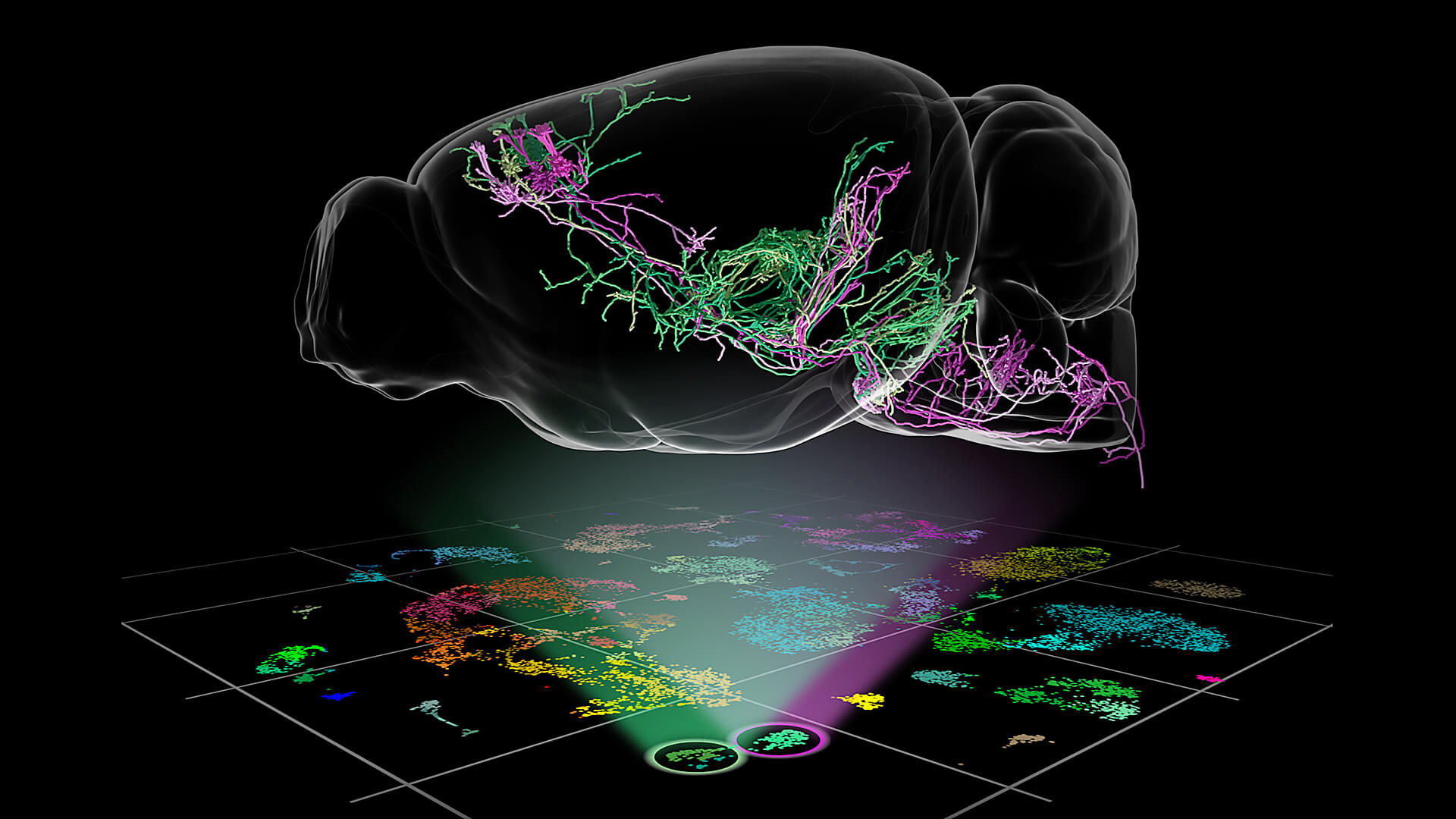

A comprehensive 'parts list' of the brain built from its components, the cells
In-depth analysis sorts cells from the cerebral cortex into 133 types, lays groundwork to explore function.
No items found.
news

Reflections on the beginnings of the Allen Institute
The Allen Institute houses some impressive statistics behind its glassy facade: more than 2.7 million high-resolution science images and nearly 1,400 hours of movies of brain activity shared with the global scientific community.
No items found.
news

In memoriam: Allen Institute founder Paul G. Allen
Allen Institute founder Paul G. Allen died on Monday afternoon, October 15, 2018, from complications of non-Hodgkin’s lymphoma in Seattle. He was 65...
No items found.
15 things you may not know about the Allen Institute
In September 2003, the Allen Institute - at the time, the Allen Institute for Brain Science - launched with just four employees, three-year job...
No items found.
news

Allen Institute Releases Data from 30,000 Brain Cells in Action
The Allen Institute for Brain Science today announced new data aimed at helping researchers understand the various types of cells in the brain and how cells compute visual information.
No items found.
news
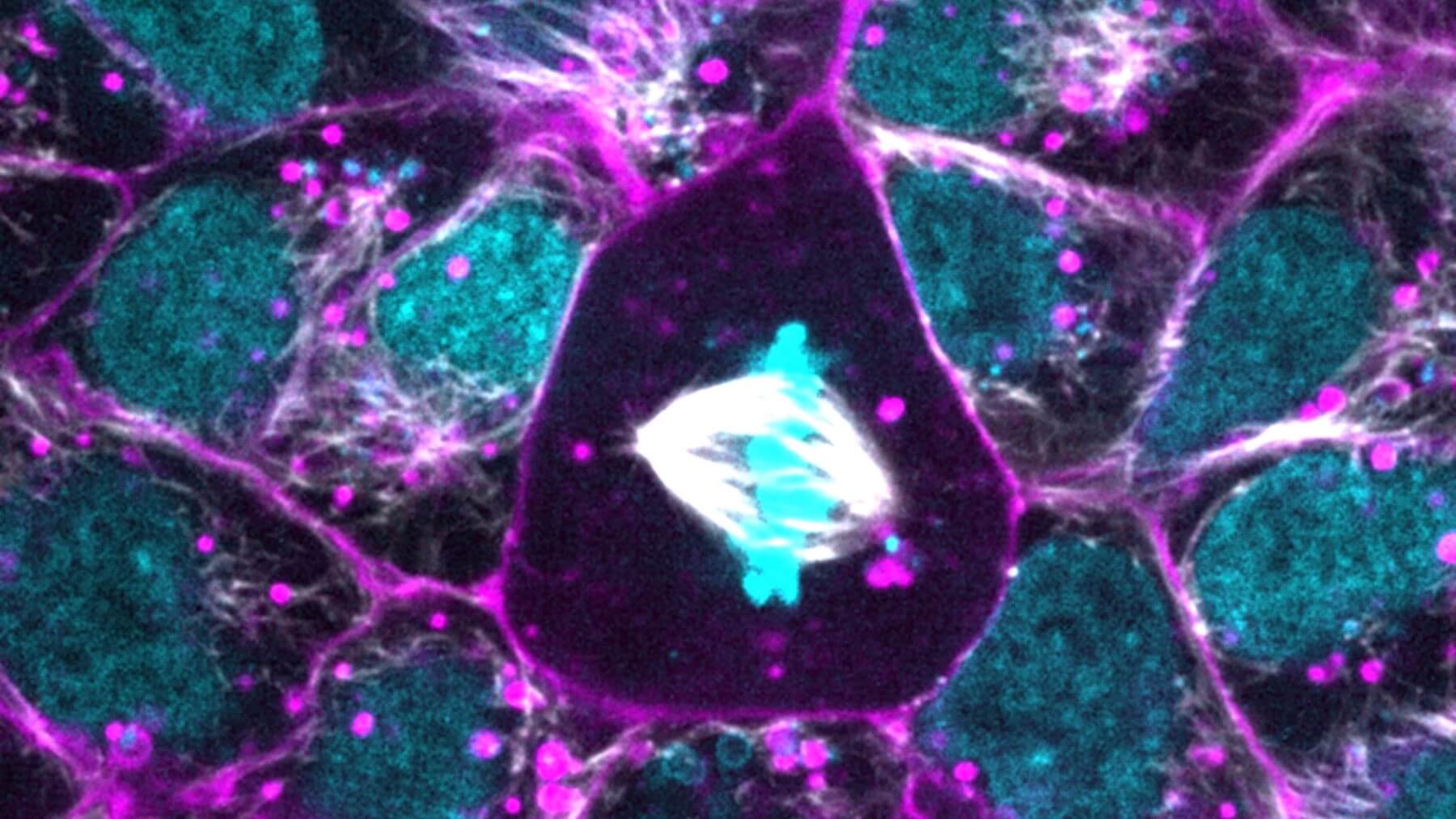
5 things we (still) don't know about cells
Picture one of your cells. If you’re not a biologist, chances are you’re thinking about the fried-egg-reminiscent illustration from your grade...
No items found.
news

Machine Learning Technique to Predict Human Cells' Organization Published in Nature Methods
Artificial intelligence approach could be used in cancer biology, regenerative medicine.
No items found.
news

A summer camp for computational neuroscience
On a small hill overlooking the Salish Sea, a group of students trickle into the dining hall of the University of Washington’s Friday Harbor Labs,...
No items found.
news
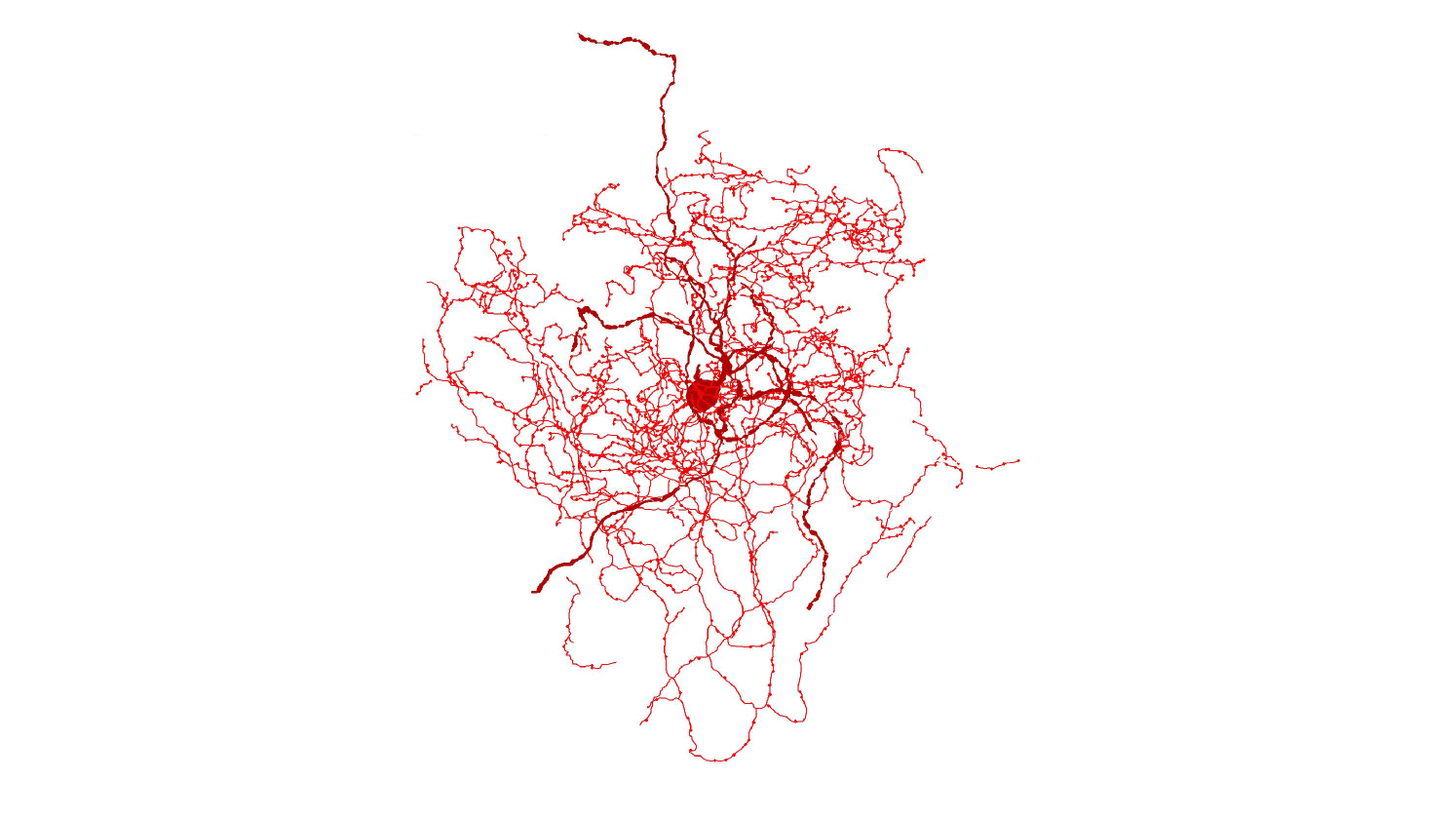
Scientists identify a new kind of human brain cell
One of the most intriguing questions about the human brain is also one of the most difficult for neuroscientists to answer: What sets our brains apart...
No items found.
news

Neuroscience data joins the cloud
Neuroscientists and open data experts have teamed up to make a new, and large set of mouse brain data publicly available and open for analysis on the...
No items found.
news



No results found, try reducing your search parameters.
press & media contact
Get in touch for media inquiries and resources for covering science at the scale of greatest impact.
Thank you! Your submission has been received!
Oops! Something went wrong while submitting the form.





Allen Institute for Brain Science Database Release Nearly Doubles Mouse Brain Cell Data
The Allen Institute for Brain Science today announced the release of new data, tools to analyze those data and a new web-based 3D viewer to explore anatomy and connections in the mouse brain, the Allen Brain Explorer.




Researchers reveal new details on aged brain, Alzheimer's and dementia
In a comprehensive analysis of samples from 107 aged human brains, researchers at the Allen Institute for Brain Science, UW Medicine and Kaiser Permanente Washington Health Research Institute have discovered details that will help researchers better understand the biological bases for Alzheimer’s disease and dementia in older populations.
No results found, try reducing your search parameters.