news
stories from the front lines of discovery
From scientific breakthroughs to new open‑source tools, the Allen Institute’s work is reshaping how science is done—and who it’s for. Explore the latest news, stories, and highlights from across our research, partnerships, and open science efforts.


AI BioDesign accelerator combines experimental biology and artificial intelligence to learn nature’s design rules
Researchers from the Allen Institute, University of Washington, and Fred Hutch Cancer Center, supported by Fund for Science and Technology, will build open AI models, datasets, and tools to accelerate biological design for health, sustainability, and other global challenges
Thank you! Your submission has been received!
Oops! Something went wrong while submitting the form.

New study aims to answer pressing COVID-19 question: Why do some die while others don’t even know they are sick?
Seattle-area research organizations team up for a deep dive into patients’ immune responses to the novel coronavirus; results could contribute to...
immunology
news
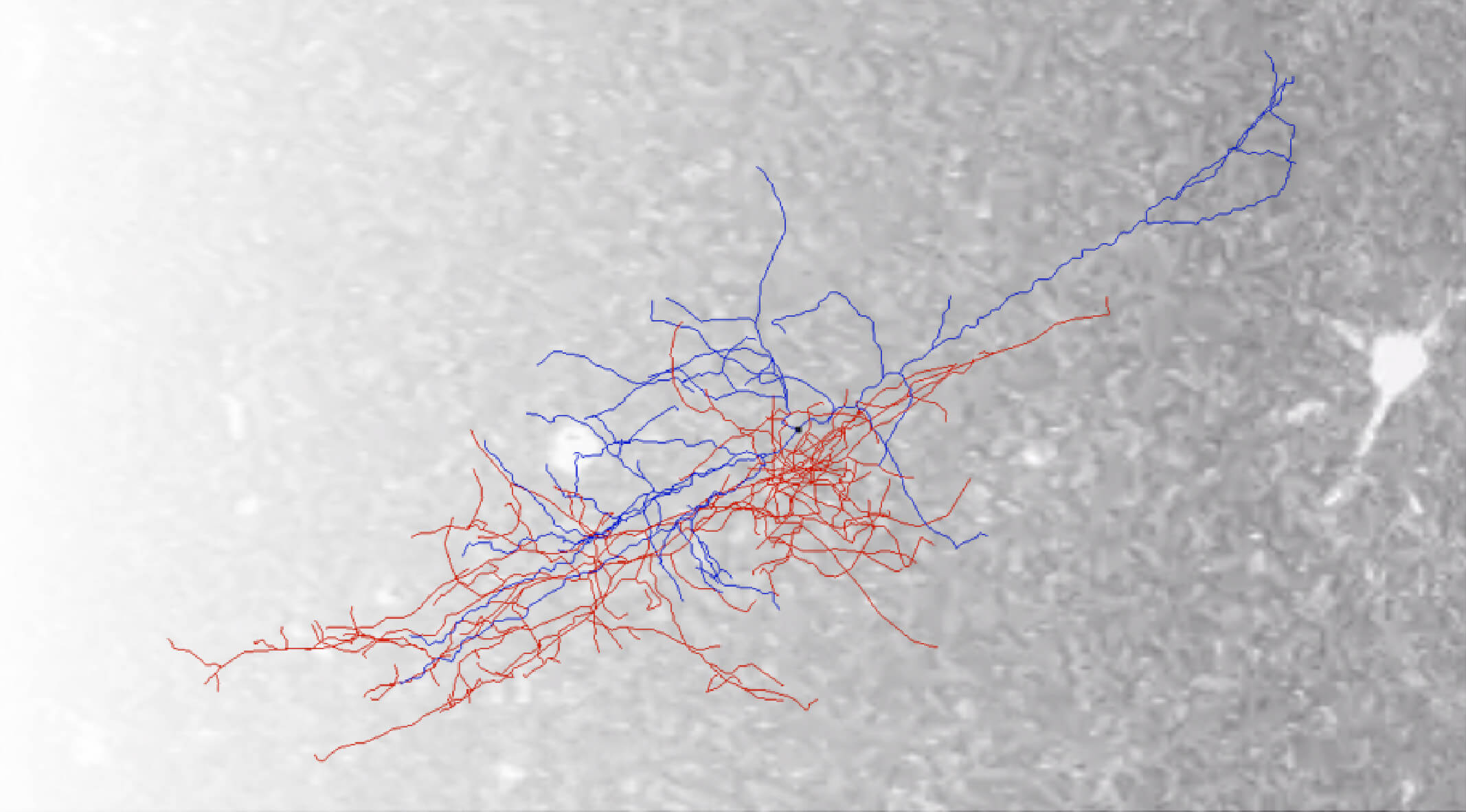
These visual neurons catch what we might miss
When mice see faint objects approaching head on, certain neurons kick into gear - possibly to warn them
brain science
news

Allen Institute for Cell Science announces leadership changes
Ruwanthi (Ru) Gunawardane, Ph.D., has been named Executive Director.
cell science
news

Allen Institute announces 2020 Next Generation Leaders
Six early-career neuroscientists will participate in unique advisory council for the Institute
No items found.
news
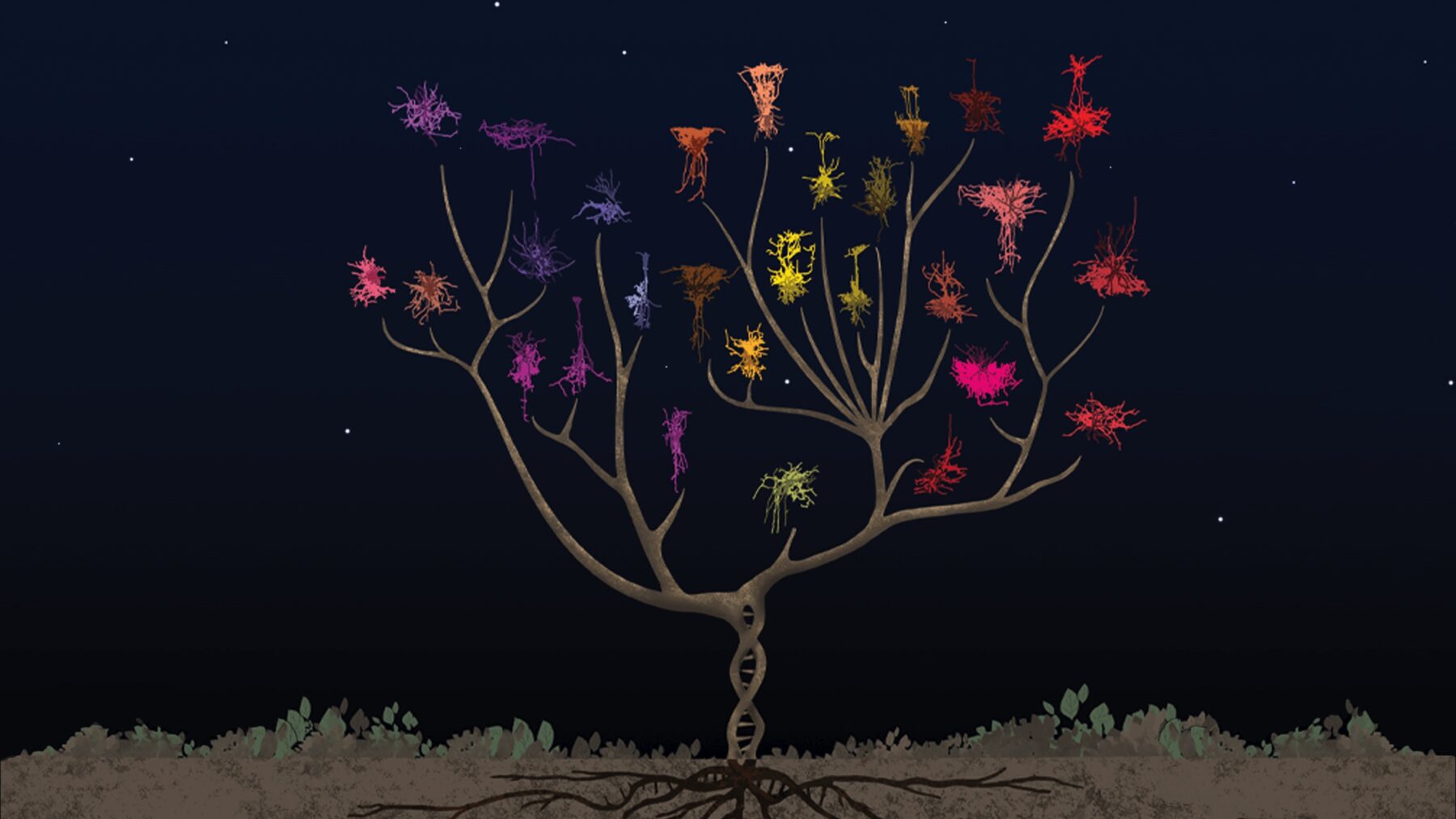
The mammalian brain is built from many kinds of neurons. A new study reveals a holistic way to look at them.
Using a technique that simultaneously captures different kinds of features from each cell, researchers lay groundwork for a “family tree” of the brain.
No items found.
news
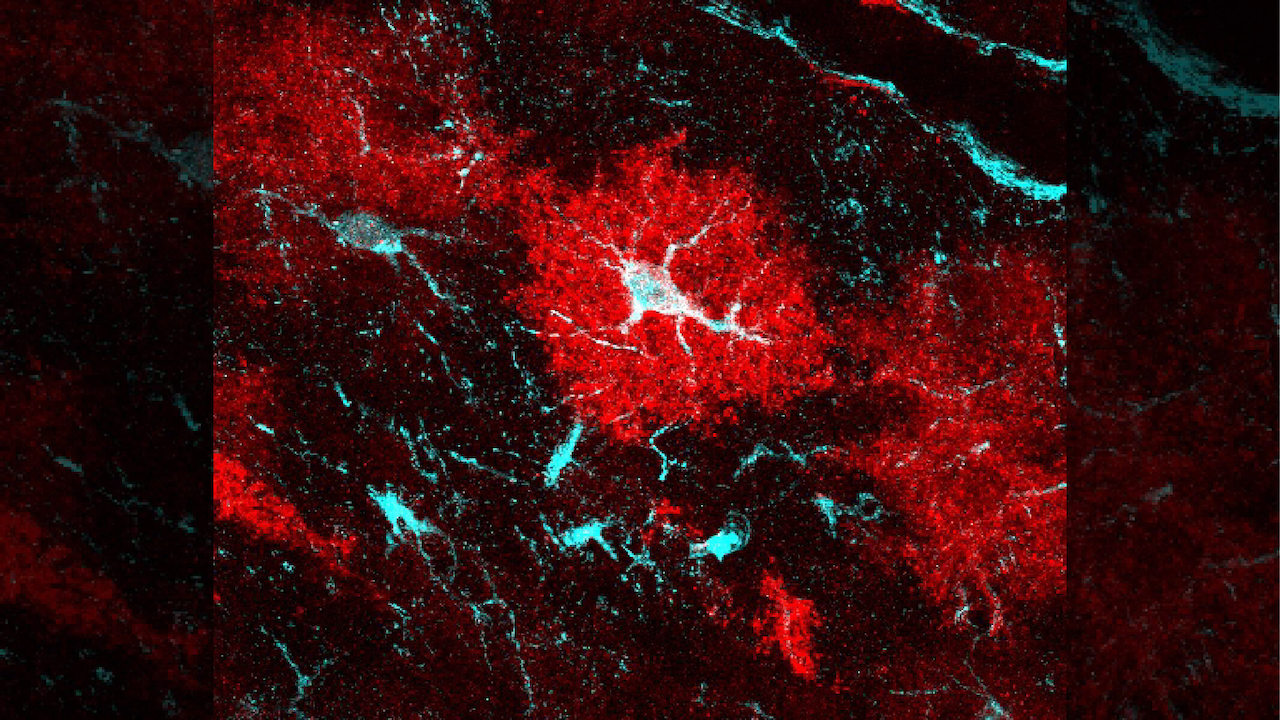
Mouse study uncovers links between unsung brain cells and Huntington’s disease - and possible path for human therapies
Astrocytes, once thought of as inert ‘brain glue,’ may turn out to be key players in Huntington’s and other neurodegenerative diseases
brain science
news
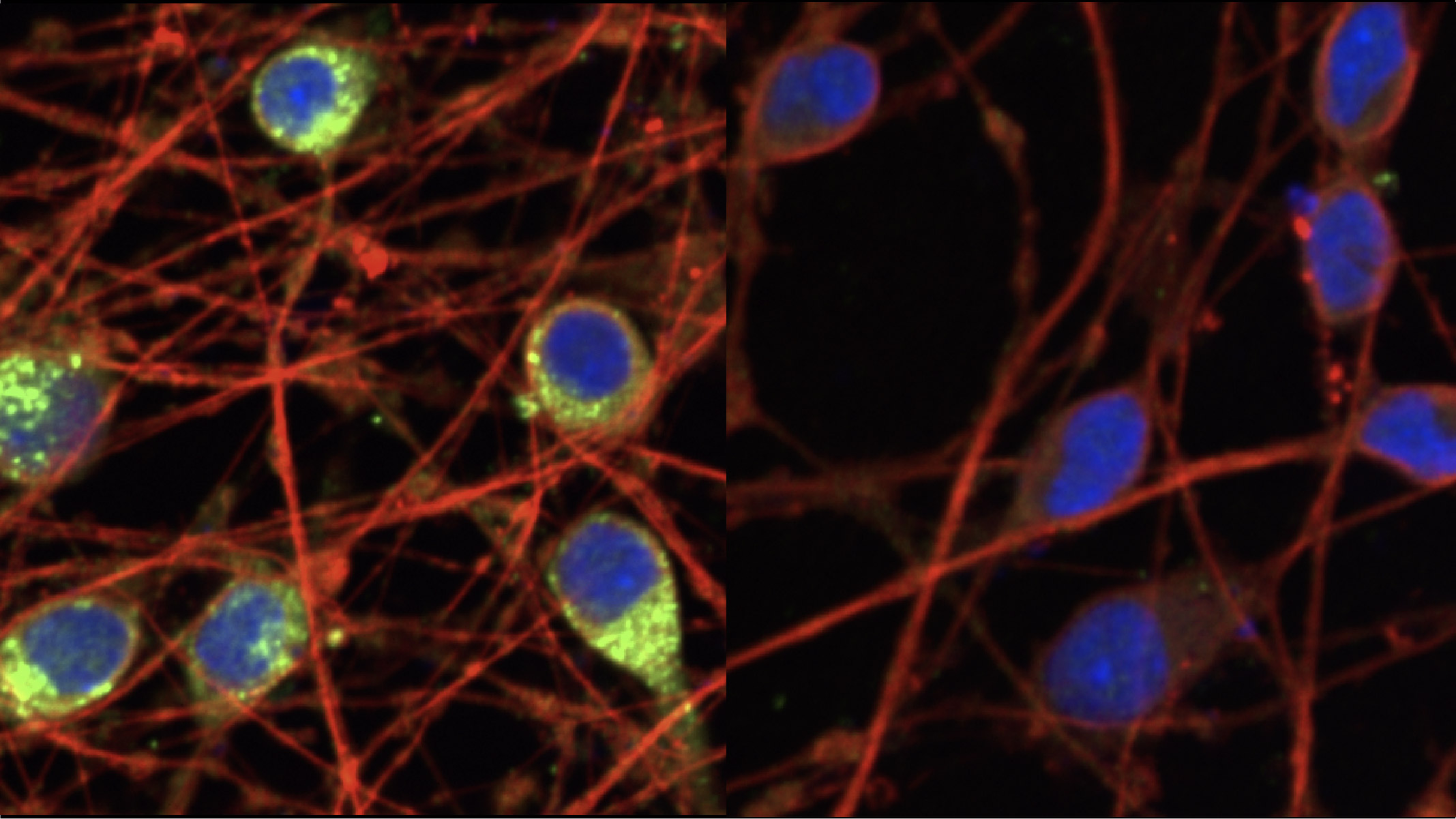
New cell line lets researchers use CRISPR to reversibly switch off genes
‘CRISPR interference’ technique enables study of basic cell biology and disease in human stem cells
No items found.
news
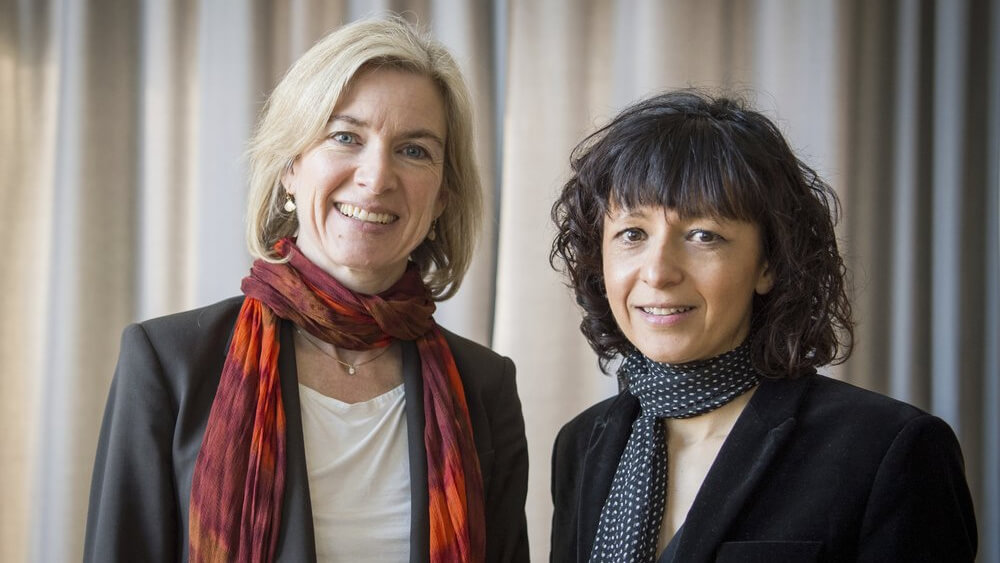
2 scientists win Nobel chemistry prize for gene-editing tool
Allen Distinguished Investigator Jennifer A. Doudna and her colleague Emmanuelle Charpentier won for developing CRISPR-cas9, a very simple technique for cutting a gene at a specific spot.
No items found.
news
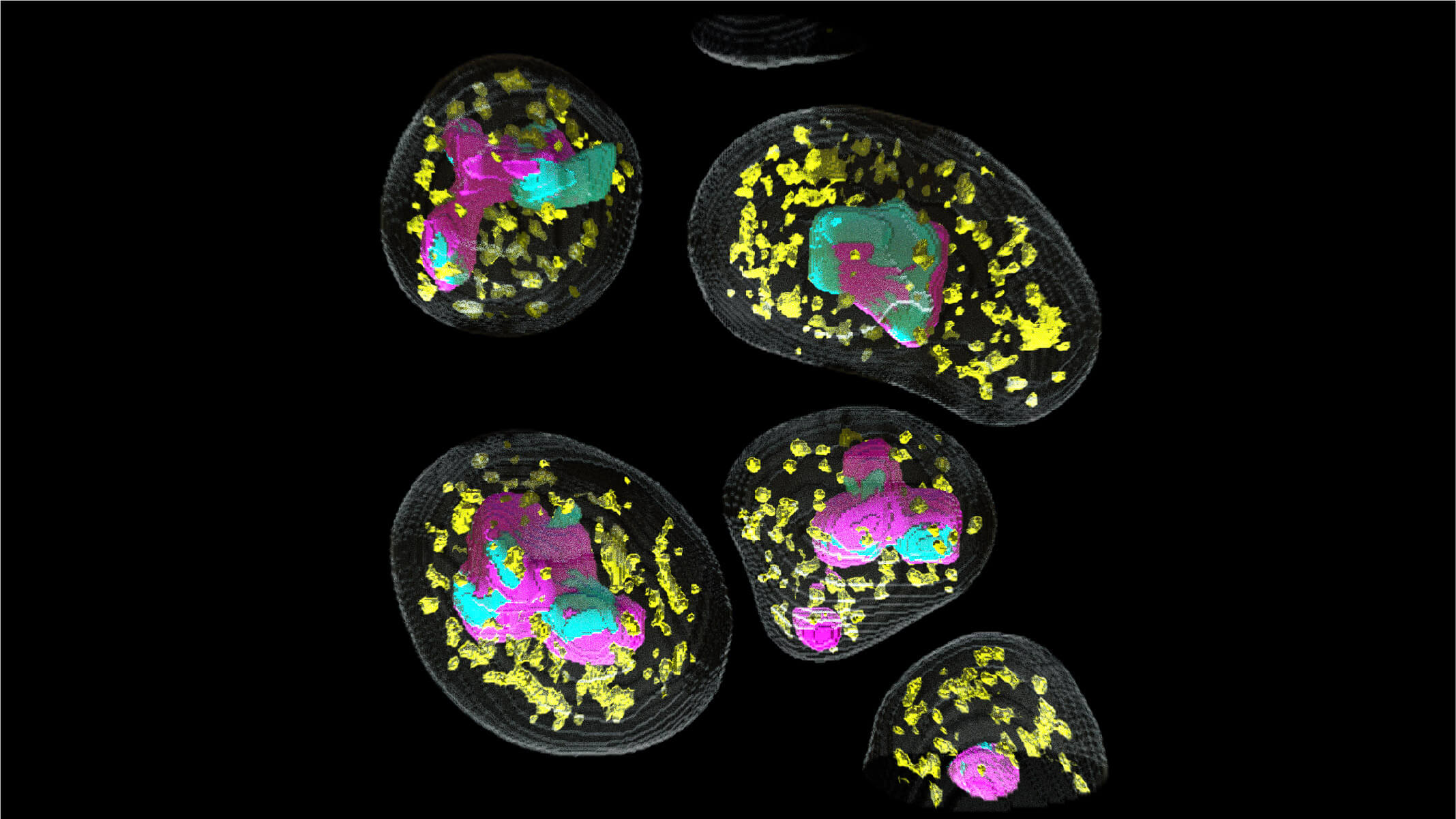
Projects launch to map the nucleus, the information center of our cells
Teams from two divisions of the Allen Institute, the Allen Institute for Cell Science and the Allen Institute for Brain Science, are participating in...
No items found.
news
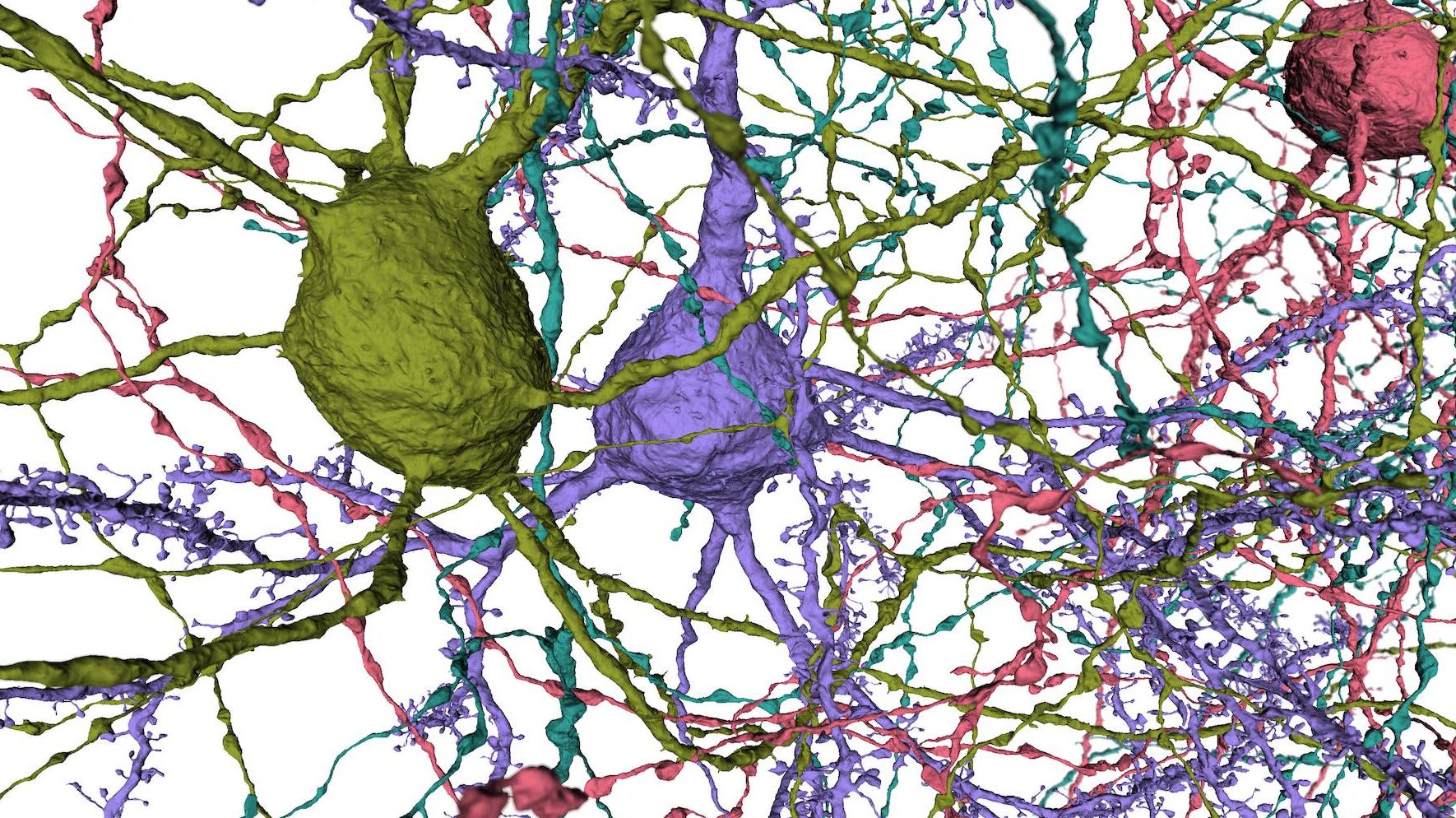
An automated pipeline for understanding how the brain is wired
To truly understand the brain, we need a roadmap of how it’s wired. The gold standard for studying the cellular architecture and the connectivity of...
brain science
news



No results found, try reducing your search parameters.
press & media contact
Get in touch for media inquiries and resources for covering science at the scale of greatest impact.
Thank you! Your submission has been received!
Oops! Something went wrong while submitting the form.






Fox News: New Alzheimer’s research reveals ‘quiet’ phase of the disease, before symptoms appear
Researchers led by the Allen Institute for Brain Science in Seattle and University of Washington Medicine have identified cellular changes in the brains of people with the disease — and a timeline of when they occur.

Newsweek: Alzheimer's Hidden 'Early' Brain Damage Phase Revealed by Neuroscientists
Alzheimer's disease damages the brain before any symptoms begin to appear, new research suggests. This is part of a new two-step model of Alzheimer's progression, which features an early "silent" stage of brain damage.



No results found, try reducing your search parameters.