impact
about
our story
explore our impact
careers and opportunities
join us
open science
sharing science to speed discovery
open science week
celebrating open science
team science
people & teams
discovery is a team effort
advisors
their input shapes our science
board of directors
they help us fulfill our mission
shanahan foundation fellowship
at the interface of data and neuroscience
studio d3 fellowship
contribute bold ideas to redefine discovery
next generation leaders
fostering emerging leaders in bioscience
research
overview
our approach
science at the scale of greatest impact
additional programs
studio d3
data driven discovery
neurobiology of action
revealing the mechanisms behind movement and learning
science accelerators
brain science
building a blueprint of the brain
cell science
understanding how cells become organs
neural dynamics
revealing the brain’s hidden algorithms
immunology
mapping the immune system
synthetic biology
designing biology to advance health
brain health
accelerating human brain research
ai biodesign
unlocking new frontiers of bioscience
education
overview
science education
science is for everyone
open science
sharing science speeds discovery
engagement
education resources
real science. real skills.
field trips
experience science where it happens
educator development
empowering educators
news
overview
all news
explore the latest news
podcast
the human stories behind discovery
sign up for our newsletter
stay connected to our science
events
overview
all events
public engagement, workshops, seminars and more
conferences
connect with us
science resources
explore
publications
explore our publications
open science
sharing science to speed discovery
science resources
allencell.org
allenimmunology.org
allenneuraldynamics.org
brain-bican.org
brain-map.org
microns-explorer.org
impact
back to menu
overview
our story
explore our impact
careers and opportunities
join us
open science
sharing science to speed discovery
open science week
celebrating open science
team science
people & teams
discovery is a team effort
advisors
their input shapes our science
board of directors
they help us fulfill our mission
shanahan foundation fellowship
at the interface of data and neuroscience
studio d3 fellowship
contributing bold ideas to redefine discovery
next generation leaders
fostering emerging leaders in bioscience
research
back to menu
overview
our approach
science at the scale of greatest impact
publications
explore our publications
open science
sharing science to speed discovery
science accelerators
brain science
building a blueprint of the brain
cell science
understanding how cells become organs
neural dynamics
revealing the brain’s hidden algorithms
immunology
creating the ultimate immune system reference
synthetic biology
seattle hub for synthetic biology
brain health
accelerating human brain research and disease therapeutics
ai biodesign
unlocking new frontiers of bioscience
additional programs
studio d3
data driven discovery
neurobiology of action
revealing the mechanisms behind movement and learning
education
back to menu
overview
science education
science is for everyone
open science
sharing science speeds discovery
engagement
education resources
real science. real skills.
field trips
experience science where it happens
educator development
empowering educators
news
back to menu
overview
all news
explore the latest news
podcast
the human stories behind discovery
newsletter
stay connected to our science
events
back to menu
overview
all events
public engagement, workshops, seminars and more
conferences
connect with us
science resources
back to menu
science resources
allencell.org
allenimmunology.org
allenneuraldynamics.org
brain-bican.org
brain-map.org
microns-explorer.org
explore
publications
explore our publications
open science
sharing science to speed discovery
search
events

2027 Computational Cell Types Workshop

In this hackathon-style workshop, attendees will be introduced to the Seattle Alzheimer’s Disease Brain Cell Atlas and work in teams for data analysis, tool creation, model development, and more. Python experience is required.

Attendees will work in groups on a project involving data from the Seattle Alzheimer’s Disease Brain Cell Atlas (SEA-AD).
share/
This is some text inside of a div block.
location/ 
Allen Institute
dates / April 26 - 29, 2027
audience/ 
Graduate
Postdocs
Scientists

details

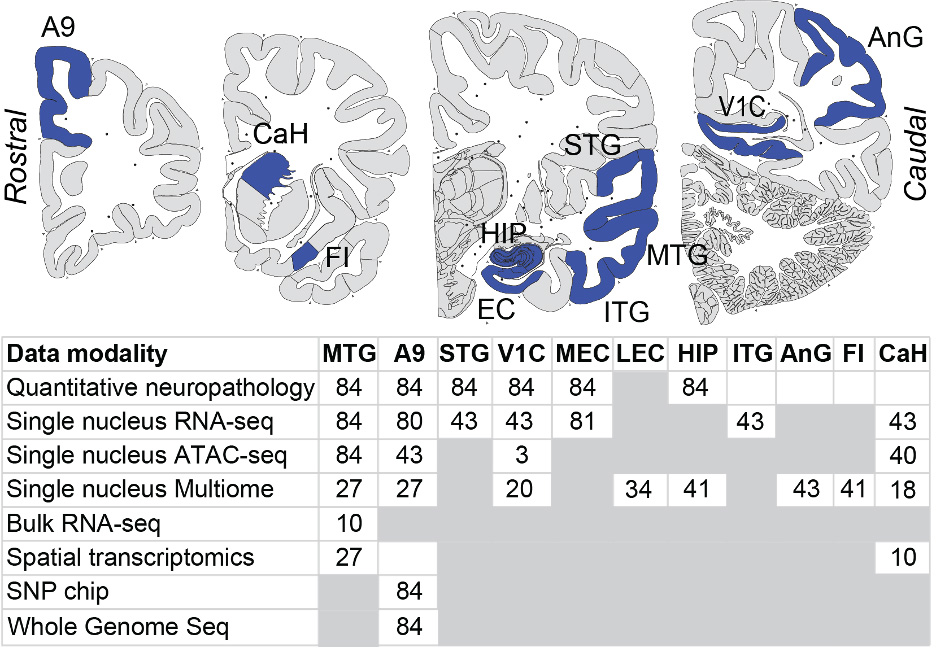
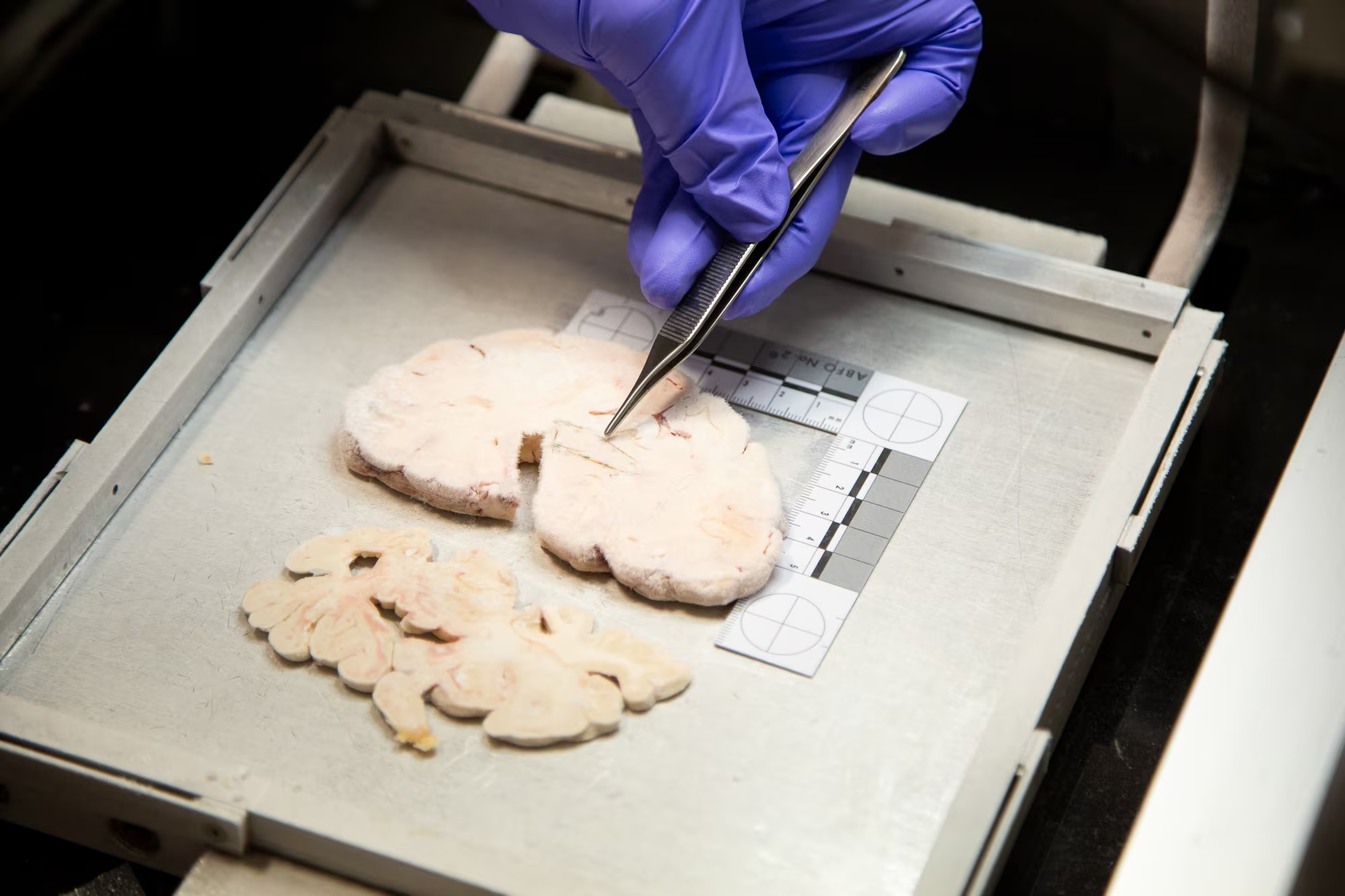
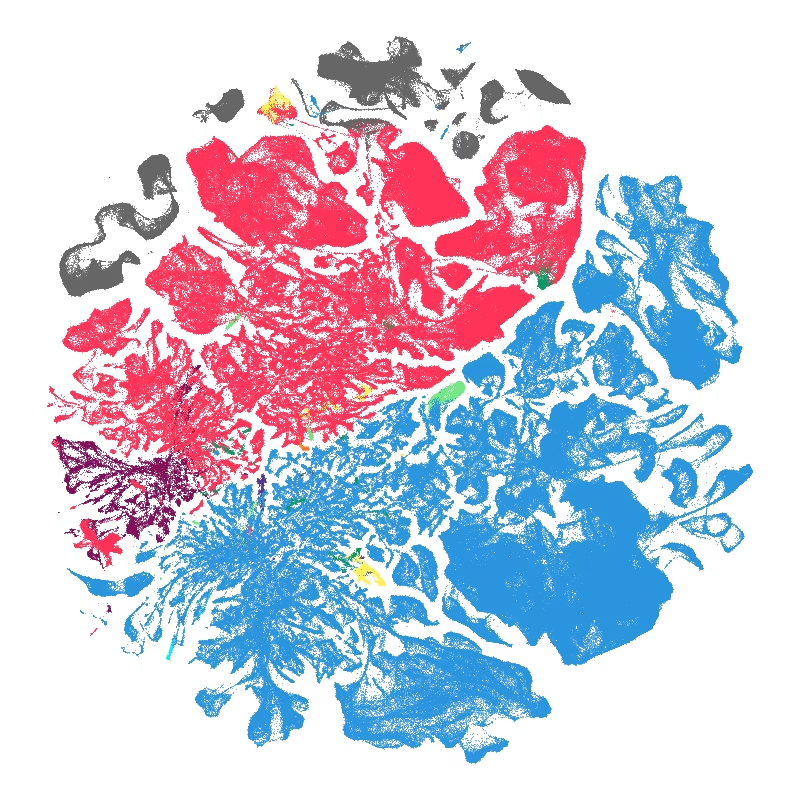
In this workshop, attendees will work in groups on a project involving data from the Seattle Alzheimer’s Disease Brain Cell Atlas (SEA-AD). The SEA-AD consortium uses single-cell molecular profiling (snRNAseq, multiome, and ATACseq), spatial transcriptomics, and quantitative neuropathology to characterize brain cell types across disease progression. The data types and brain regions currently included in the SEA-AD consortium are featured in the diagram below (SNP chip and whole genome data are restricted access and will not be used in the workshop).
resources/

  • Access all SEA-AD data files here
  • Explore SEA-AD data through interactive online browsers/tools here
  • Programmatically access snRNAseq data from the multi-regional and caudate projects here
  • Read core SEA-AD papers and related studies here

workshop highlights/

Learn how to leverage the power of cell types in your research:

  • Allen Institute single nucleus- and spatial transcriptomic datasets
  • Form collaborations to ideate, develop tools or models, and solve problems
  • Receive guidance on projects from Allen Institute scientists
  • Visit the Institute and learn about the laboratory techniques behind the datasets
  • Provide user feedback to Allen Institute scientists about existing tools and documentation

As part of the application process, applicants will be asked to propose an idea involving SEA-AD datasets for the workshop. Attendees can choose to work with any single dataset, with multiple datasets, or can choose to connect one of these datasets to an externally existing dataset (not part of the SEA-AD collection) as part of their project.

Once at the workshop, groups will work on a singular project— these group projects can be one of the proposed projects, a combination of proposed projects, or something completely new. Projects can range from data analysis, to model and/or tool development, or to something else entirely. The goals of this workshop are to foster collaboration and creativity among the participants.

After the conclusion of the workshop, participants are encouraged to continue working on their projects with their group members and write-up their results however they feel appropriate. In addition, some of the Allen Institute scientists from the workshop can continue to provide as needed guidance on projects.

eligibility/

This workshop is restricted to applicants at U.S. institutions; we cannot accommodate international flights or visa sponsorship. In addition, this workshop is fully-funded and we are unable to accept self-funded applicants, institutional sponsorships, or corporate-funded attendees.

cost/

Flight & hotel will be covered*, along with breakfast & lunch during the workshop duration, and dinner the first night of the workshop. There is no application fee.

*Flight & hotel cannot exceed $2000 USD.

Applications will open on November 6, 2026 and close on January 4, 2027 at 11:59 pm PST. Applicants will be notified on February 1, 2027 of their acceptance status.

Questions? Email spoctt@alleninstitute.org

acknowledgements

This workshop was supported by the National Institute of Neurological Disorders and Stroke of the National Institutes of Health under Award Number U24NS133077. The content is solely the responsibility of the authors and does not necessarily represent the official views of the National Institutes of Health.
overview

A fully funded, hackathon-style workshop at the Allen Institute. Python experience is required.

applications/

Applications open: November 6, 2026
Applications close: January 4, 2027, 11:59 pm PST
Applicants notified: February 1, 2027

apply now
previous event

explore related events

explore more events
event / february 17, 2027
Exploring Cell Types with the Allen Institute - University of Louisville 2027
This free, one-day workshop at the University of Louisville focuses on open access single-cell neuronal and non-neuronal transcriptomic data and tools from the Allen Institute.
event / february 18 - 19, 2027
Exploring Cell Types with the Allen Institute - University of Kentucky 2027
This free, two-day workshop at the University of Kentucky focuses on open access single-cell neuronal and non-neuronal transcriptomic data and tools from the Allen Institute.
event / march 31 - april 1, 2027
Exploring Cell Types with the Allen Institute - University of Nevada, Reno 2027
This free, two-day workshop at the University of Nevada, Reno focuses on open access single-cell neuronal and non-neuronal transcriptomic data and tools from the Allen Institute.
explore more events
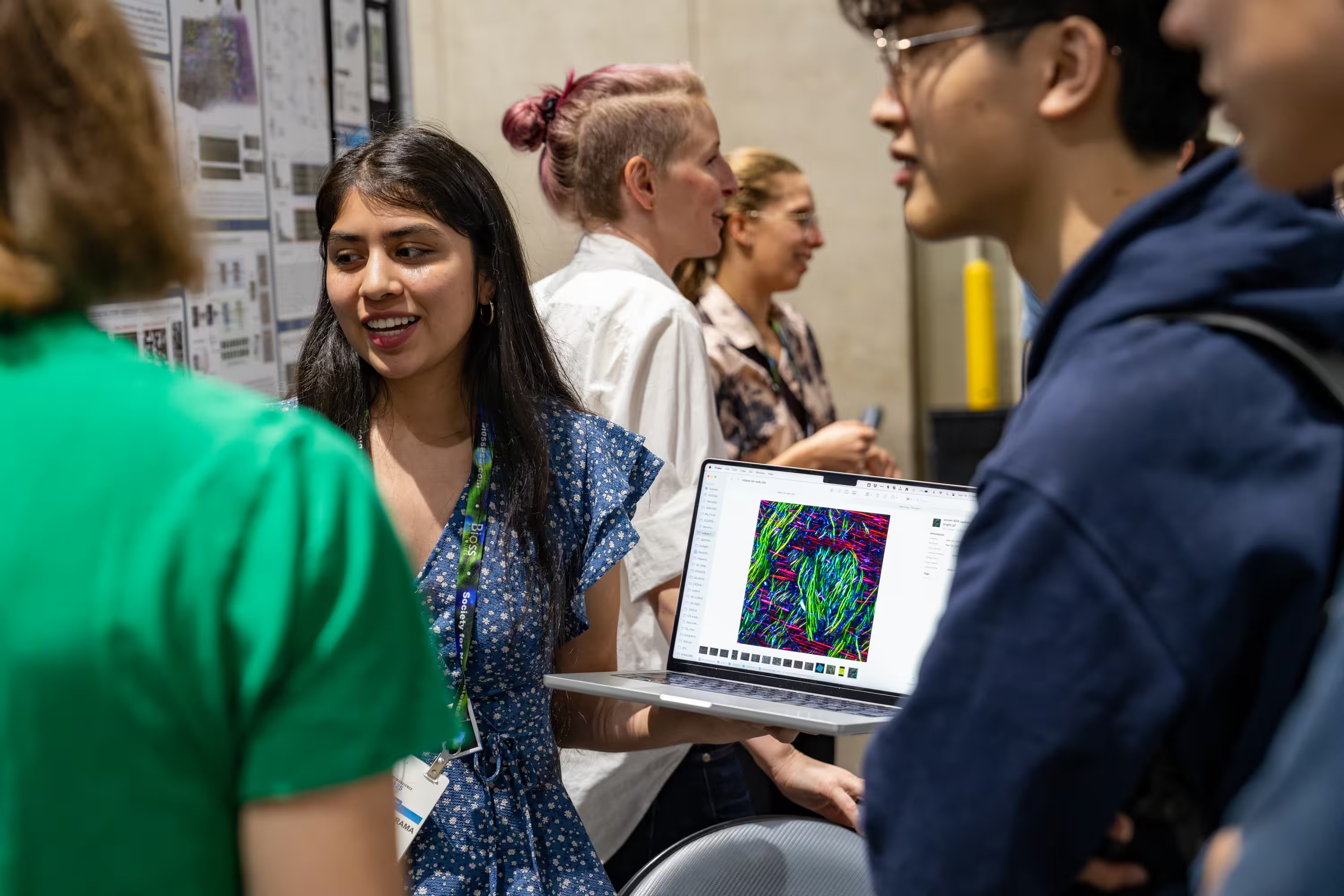
Scientists present colorful microscopy research data on laptop at academic conference poster session

safety, respect, inclusion: our event code of conduct

learn more
we acceleratedevelopcatalyzeimpact

science done differently. shared openly.

explore our accelerators

brain science

Mapping every cell, connection, and circuit in the brain—openly shared with the world.

cell science

Decoding how cells become tissues, then programming that knowledge into powerful new research tools.

neural dynamics

Revealing the brain's hidden algorithms that transform neural activity into real-world behavior.

immunology

Creating the deepest open reference for the healthy human immune system ever built.

synthetic biology

Engineering cells to record their own histories, transforming how we understand disease over time.

ai biodesign

Advancing evolution to explore biology’s full design space and advance human health

Brain Health

Accelerating human brain research and new therapeutic strategies for neurological conditions

research

Big questions, open answers, and science built to be shared.

education

Inspiring the next generation of scientists through open science resources.

impact

Our science is empowering researchers and advancing health worldwide.
advancing science through open, collaborative research
Get the allen institute newsletter
Stay informed on the latest breakthroughs in neuroscience, bioscience, and AI-driven research.
allen institute
impactpeople & teamscareers & opportunitiesalumnihistory & founder
science resources
allencell.orgallenimmunology.orgallenneuraldynamics.orgbrain-bican.orgbrain-map.orgmicrons-explorer.org
research
brain sciencecell scienceneural dynamicsimmunologysynthetic biologyai biodesignbrain healthpublicationsscience resources
quick links
newseventsopen sciencepodcasthuman brain donationvisit uscontact
education
science educationfield tripsprofessional developmenteducation resources
follow us/

allen institute, 615 Westlake Ave North, Seattle, WA 98109 +12065487055

© 0000 allen institute. all rights reserved.
privacy policyterms of usedmca policycitation policyemployee portalpolicy & compliancecookie settings