

The work of the Education & Engagement team encompasses four programming themes — educators, students, scientific, and public outreach — and each year we connect with hundreds of individuals across these focus areas. A key to our success is our network of dedicated partners who graciously provide their time, feedback, and expertise to help us continuously improve our programming.
From workshop attendees and those in our year long communities of practice to student visitors and community collaborators, our Education Partner Spotlight series celebrates the contributions of these community members.
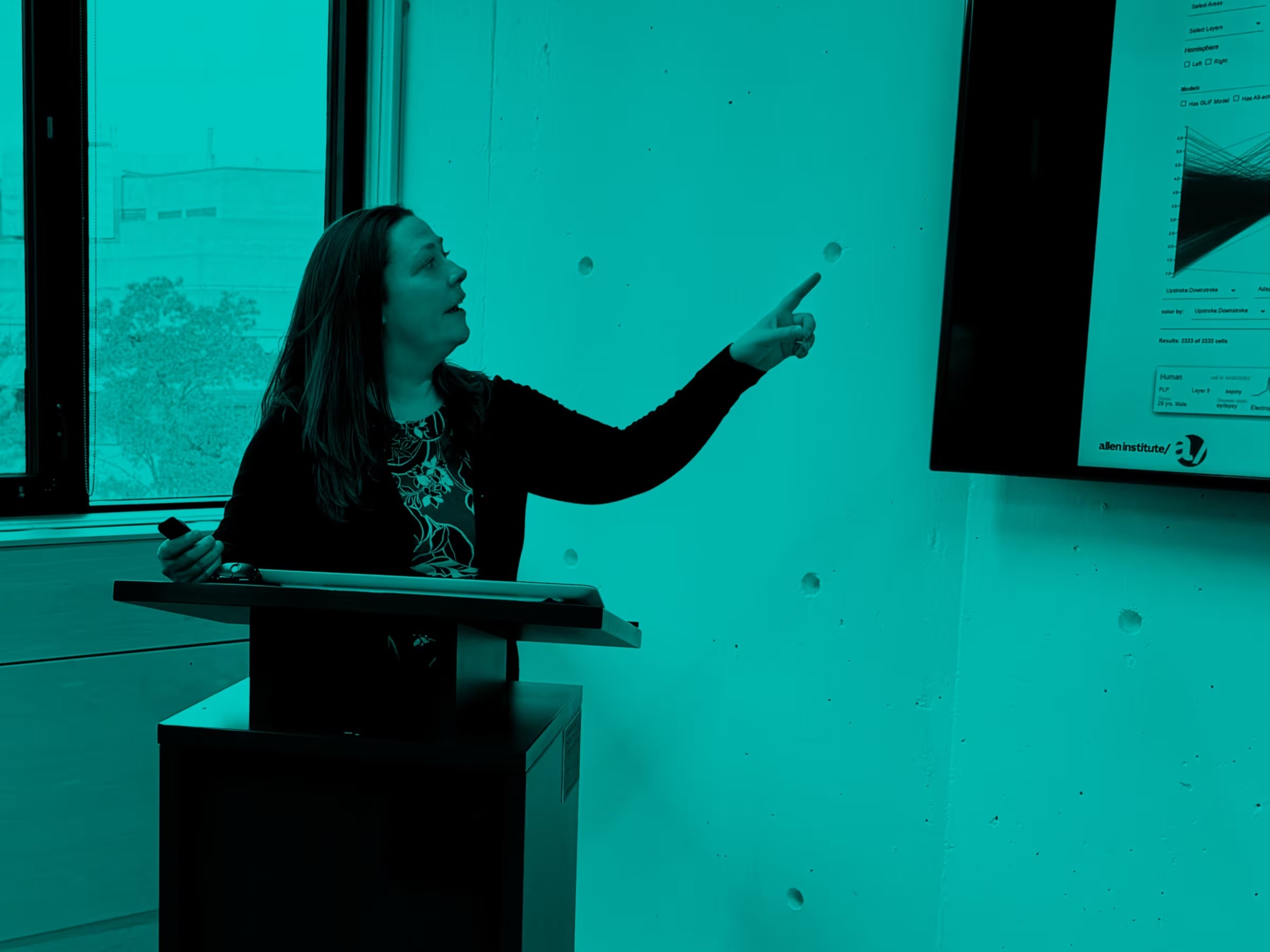
This month’s Education Spotlight is Marie Gadziola, a behavioral neuroscientist and neuroscience educator at the University of Toronto, Scarborough. Here’s more from Marie, in her own words:

about me/
I am a neuroscience educator who teaches courses that span our entire undergraduate curriculum, from introductory neuroanatomy and neurophysiology courses to upper-year seminars on advanced topics. I focus on inclusive, skills-based teaching and use large open datasets to give students hands-on experience with real research.
how I use Allen Institute resources in my teaching/
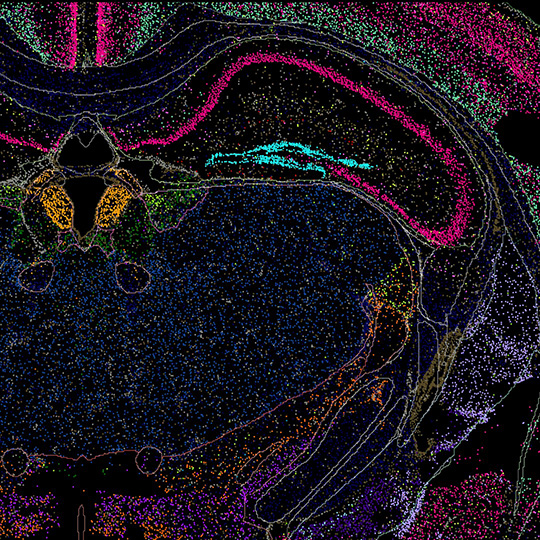
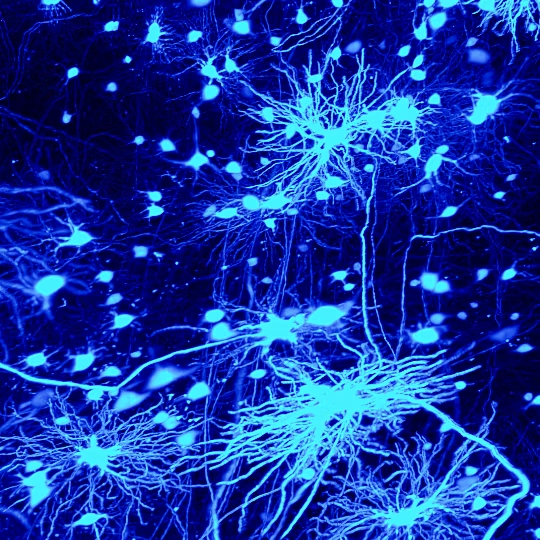
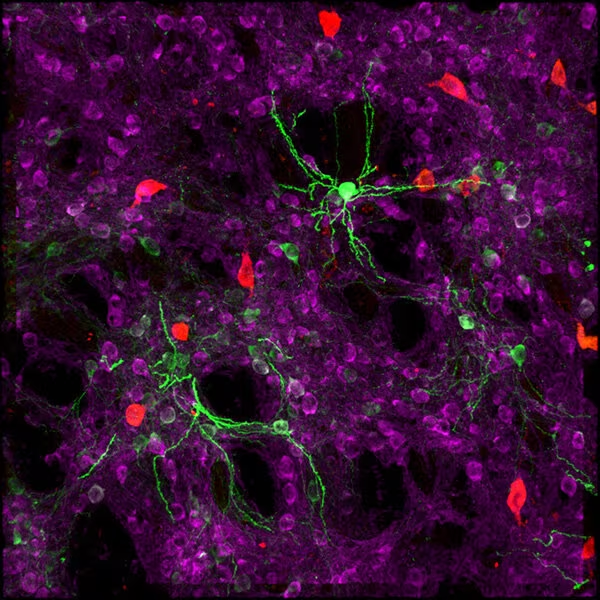
In my introductory neuroanatomy course, I dedicate two weeks of lab to working with the human and mouse reference atlases, the Mouse Connectivity Atlas, and the 3D Brain Explorer, with student assignments adapted from Ryan & Casimo (2021, JUNE). Alongside sheep brain dissections and gross anatomy, these labs help students relate brain regions to their cellular structure and gene expression, and provide hands-on experience tracing the axonal projections of pathways they are learning in lecture. In more advanced courses, I introduce students to the Allen Cell Types Database to analyze the morphology and electrophysiology of cortical neurons, comparing across cell types, cortical layers, and species. By adapting and remixing open resources from Neurons Beyond the Textbook and Juavinett (2020, JUNE), my students can dig into real single-cell data and discover for themselves how course concepts play out in actual neurons.
what excites me most about teaching right now/
I'm most excited about building course-based undergraduate research experiences (CUREs) around Allen Institute databases. Research lab positions at our institution are both limited and very competitive, but open datasets provide a way for me to bring an authentic research experience into the classroom, where many more students can benefit from asking their own questions and analyzing real data, while also learning coding skills along the way. I love watching students realize they can contribute to neuroscience, not just study it!
Citations
about the allen institute
Allen Institute is a 501(c)(3) tax exempt organization dedicated to accelerating science for a healthier world. Through large-scale, multidisciplinary research initiatives, the Institute generates foundational knowledge, data, tools, and models that are shared openly with the world to advance our understanding of life and health. Founded by Jody Allen and the late Paul G. Allen, Allen Institute is supported primarily by Fund for Science and Technology.