news
stories from the front lines of discovery
From scientific breakthroughs to new open‑source tools, the Allen Institute’s work is reshaping how science is done—and who it’s for. Explore the latest news, stories, and highlights from across our research, partnerships, and open science efforts.


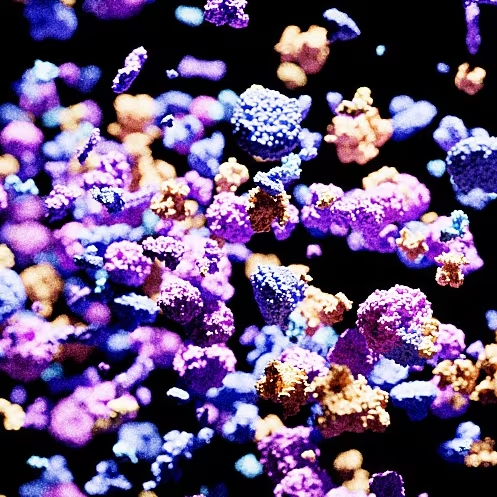
AI BioDesign accelerator combines experimental biology and artificial intelligence to learn nature’s design rules
Researchers from the Allen Institute, University of Washington, and Fred Hutch Cancer Center, supported by Fund for Science and Technology, will build open AI models, datasets, and tools to accelerate biological design for health, sustainability, and other global challenges
Thank you! Your submission has been received!
Oops! Something went wrong while submitting the form.


Allen Institute adds former Washington governor, executives from JPMorgan Chase and Deloitte to Board of Directors
The Allen Institute today announced the appointment of three new members to its Board of Directors: Margaret Anderson, Managing Director with Deloitte...
No items found.
news
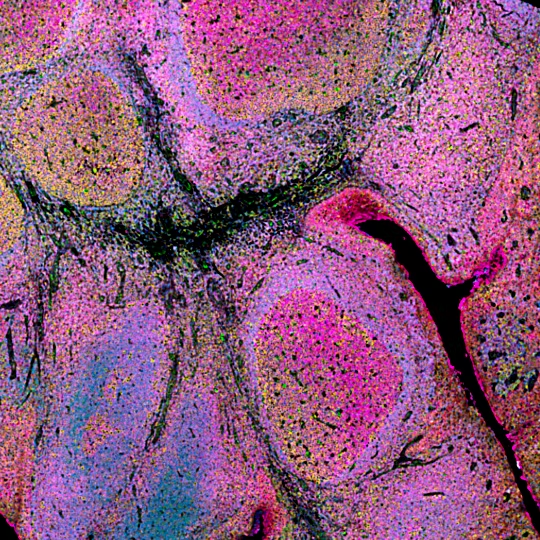
Data Stories | A tiny brain structure with an outsized role in neurological disorders
Emily Sylwestrak, Ph.D., has a hard time putting her finger on the exact moment her interest in science began. It’s always been there, for as long...
No items found.
news

Peter Skene | Transforming outcomes for patients
See how Peter Skene, director of Molecular Biology and Biochemistry at the Allen Institute for Immunology is working to answer this question and...
No items found.
news
New CRISPR-based technique in mice upends rules of genetic inheritance
The way we inherit genes is responsible for much of humanity’s incredible diversity.
No items found.
news
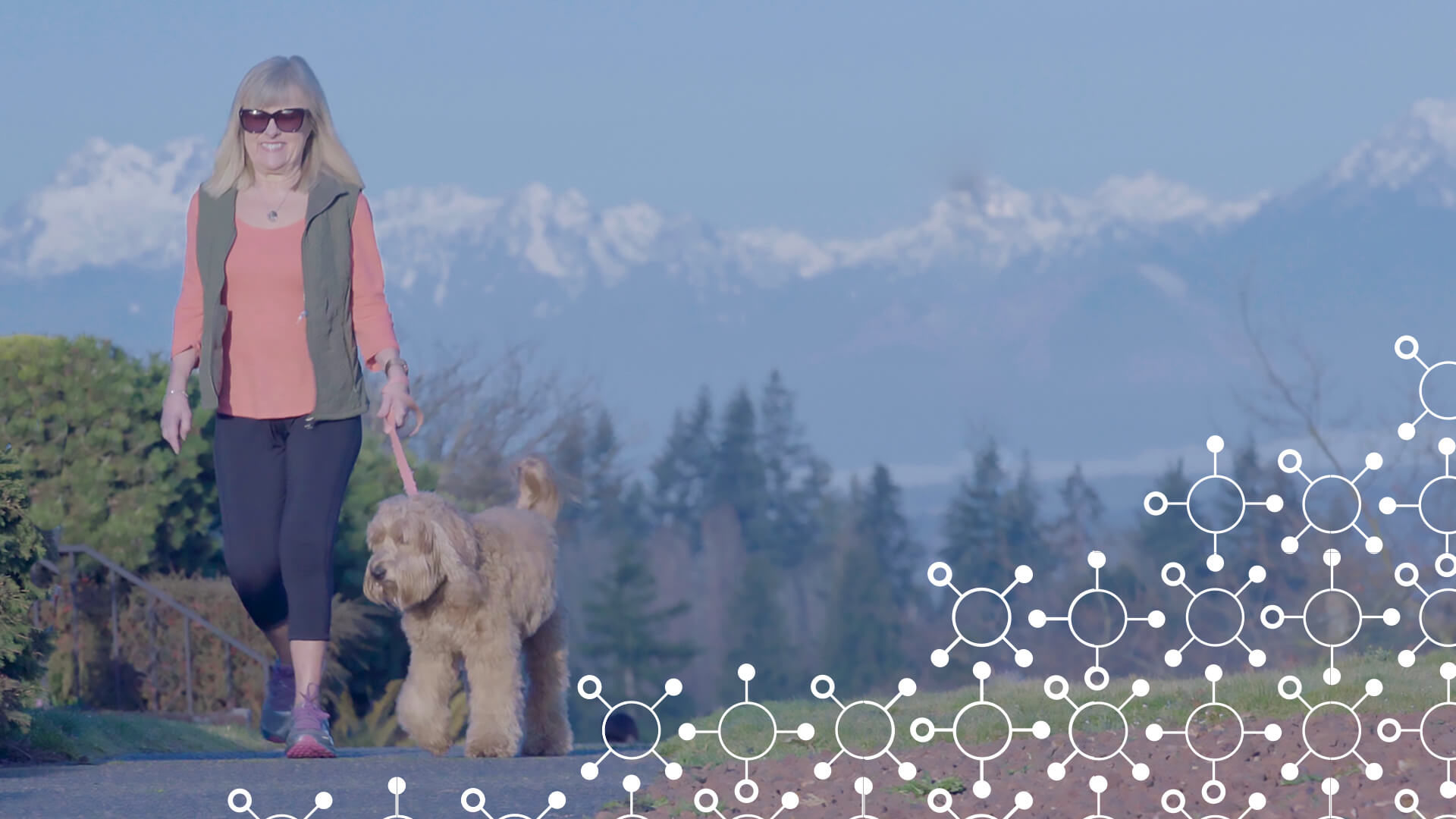
Out of Balance | Linda's life with RA
Linda Sloate is one of more than a million people in this country living with rheumatoid arthritis
cell science
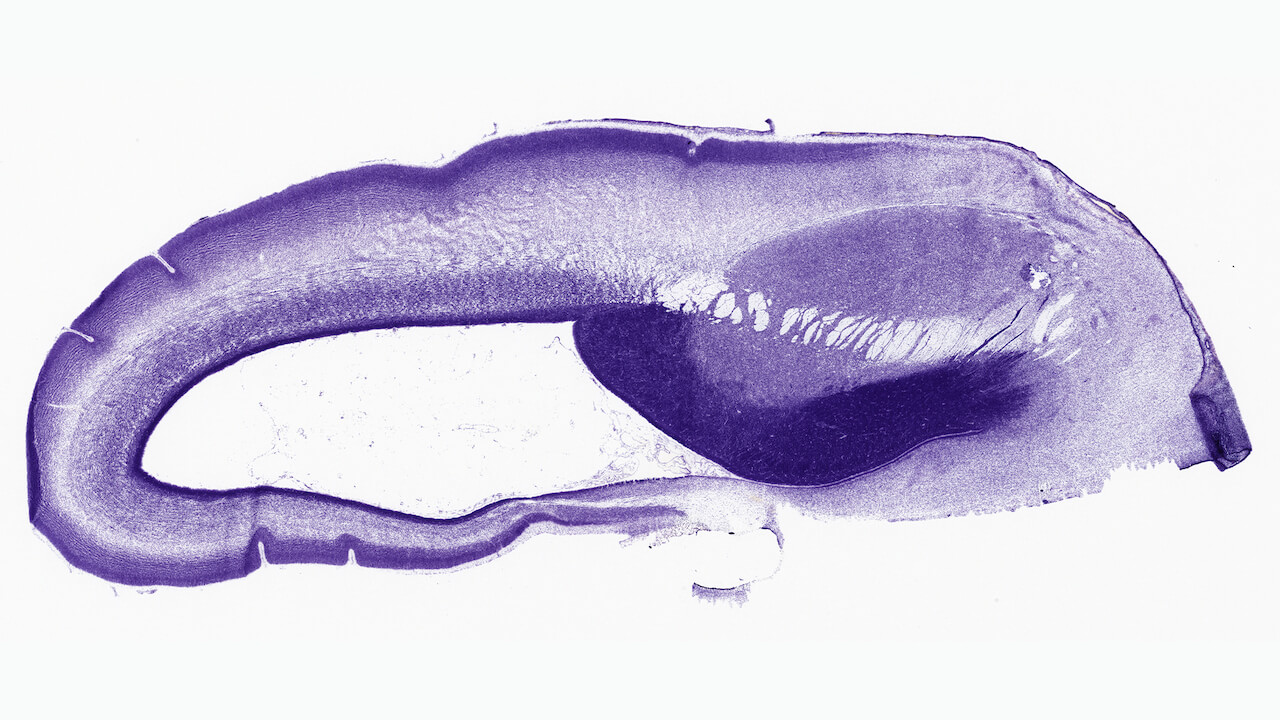
The genes that build our brains - and may drive neuropsychiatric diseases
One of the most complicated parts of your body - your brain - takes decades to come into its own. Human brain development begins before we are...
No items found.
news

Announcing the Allen Institute for Immunology, a new research endeavor focused on human immune health and disease
Seeded by $125 million donation by the late Paul G. Allen, the Allen Institute for Immunology will study human immune health, cancer, and autoimmune...
immunology
news

Two years of glowing cells for science
Cells that have been engineered to pinpoint specific parts with glowing molecular labels, part of the Allen Cell Collection.
cell science
news
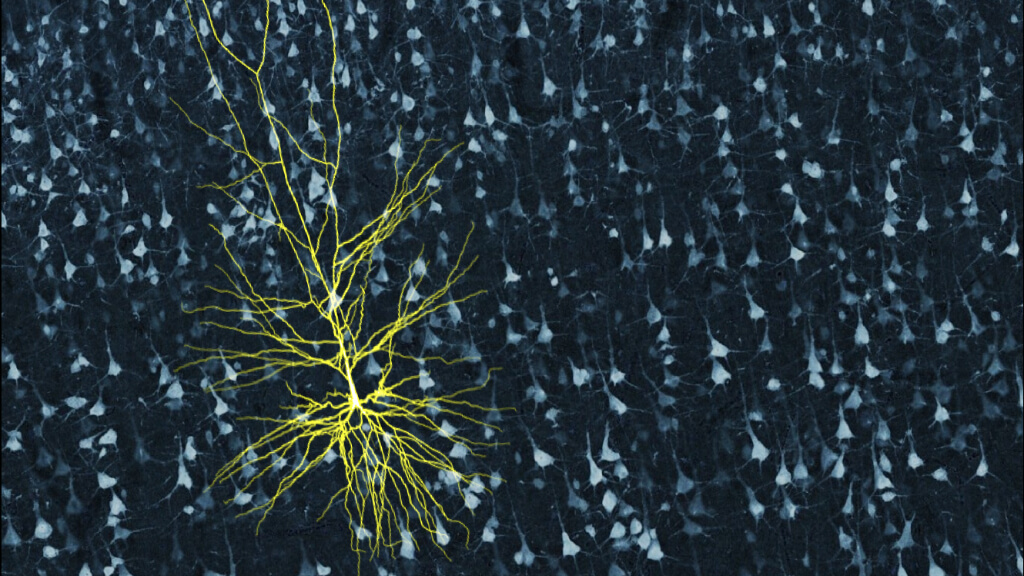
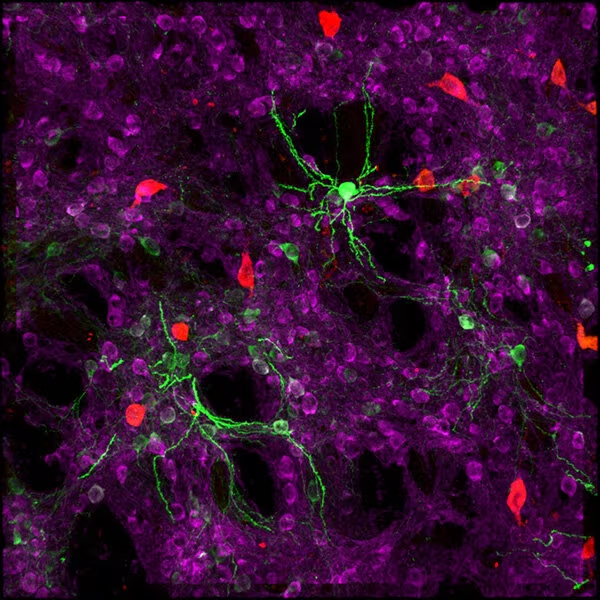
This human neuron is on a different wavelength than its mouse counterpart
Researchers at the Allen Institute have uncovered subtle but intriguing differences between a mouse and human neuron of the same kind. The differences...
brain science
news

What’s hot in neuroscience in 2018?
Given the vast array of tasks our brains and the rest of our nervous systems accomplish day in and day out - from movement to sensation to plain old...
brain science
cell science
neural dynamics
news


No results found, try reducing your search parameters.
press & media contact
Get in touch for media inquiries and resources for covering science at the scale of greatest impact.
Thank you! Your submission has been received!
Oops! Something went wrong while submitting the form.






No results found, try reducing your search parameters.