news
stories from the front lines of discovery
From scientific breakthroughs to new open‑source tools, the Allen Institute’s work is reshaping how science is done—and who it’s for. Explore the latest news, stories, and highlights from across our research, partnerships, and open science efforts.


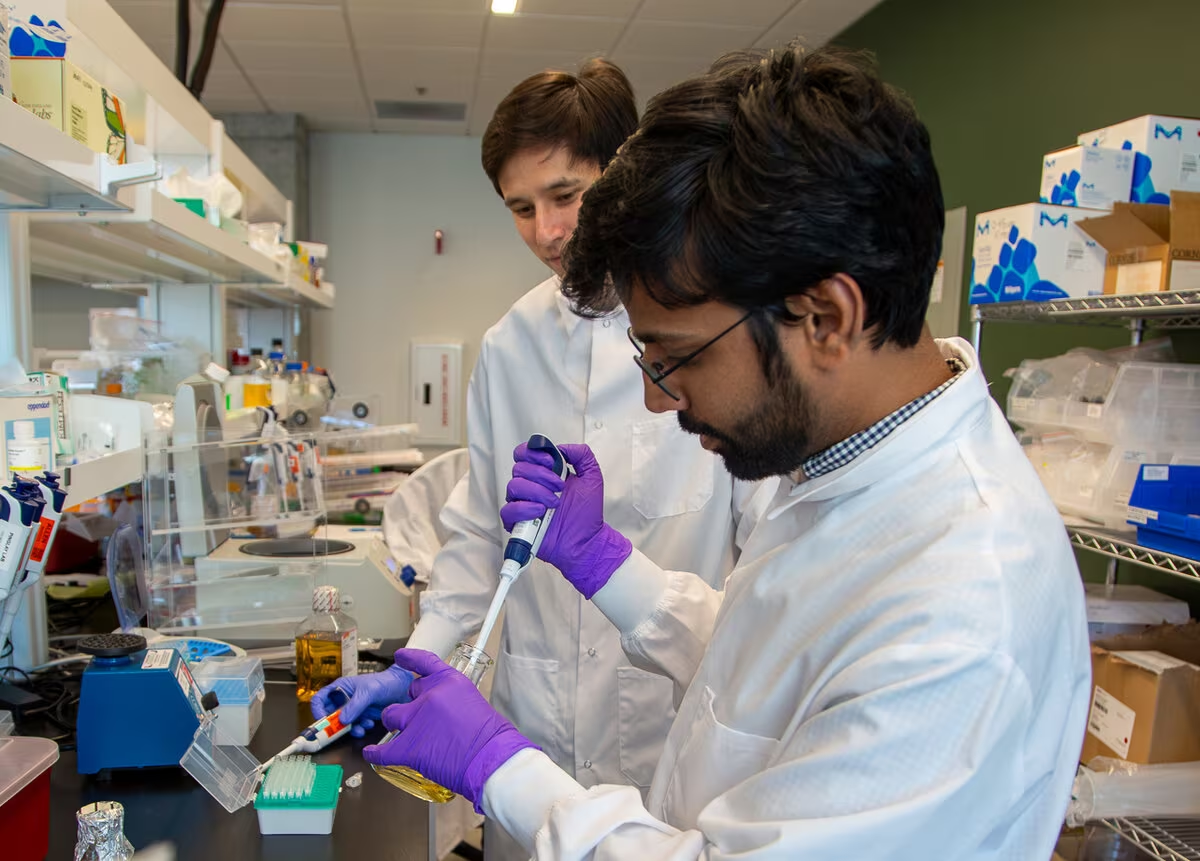
AI BioDesign accelerator combines experimental biology and artificial intelligence to learn nature’s design rules
Researchers from the Allen Institute, University of Washington, and Fred Hutch Cancer Center, supported by Fund for Science and Technology, will build open AI models, datasets, and tools to accelerate biological design for health, sustainability, and other global challenges
Thank you! Your submission has been received!
Oops! Something went wrong while submitting the form.
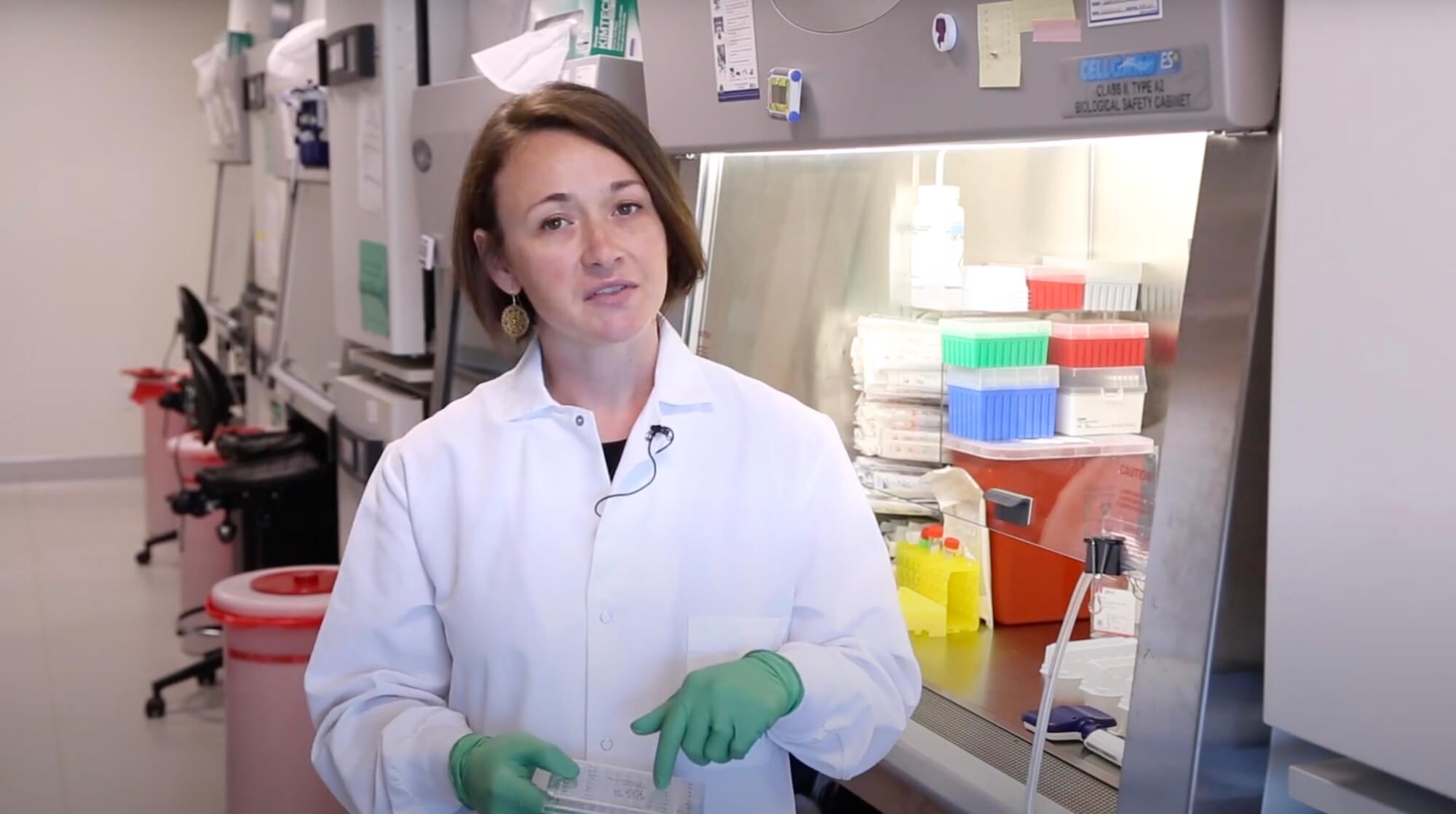

Allen Cell Methods: Cryopreservation of clonal human iPS cell lines in 96-well plates
To ensure researchers have success working with human induced pluripotent stem cell lines from the Allen Cell Catalog, Amanda Haupt, a research...
No items found.
news

How the gut keeps time - and keeps us healthy
New study identifies brain-intestine circadian signals that could underlie health problems related to night shift work and poor sleep
No items found.
news
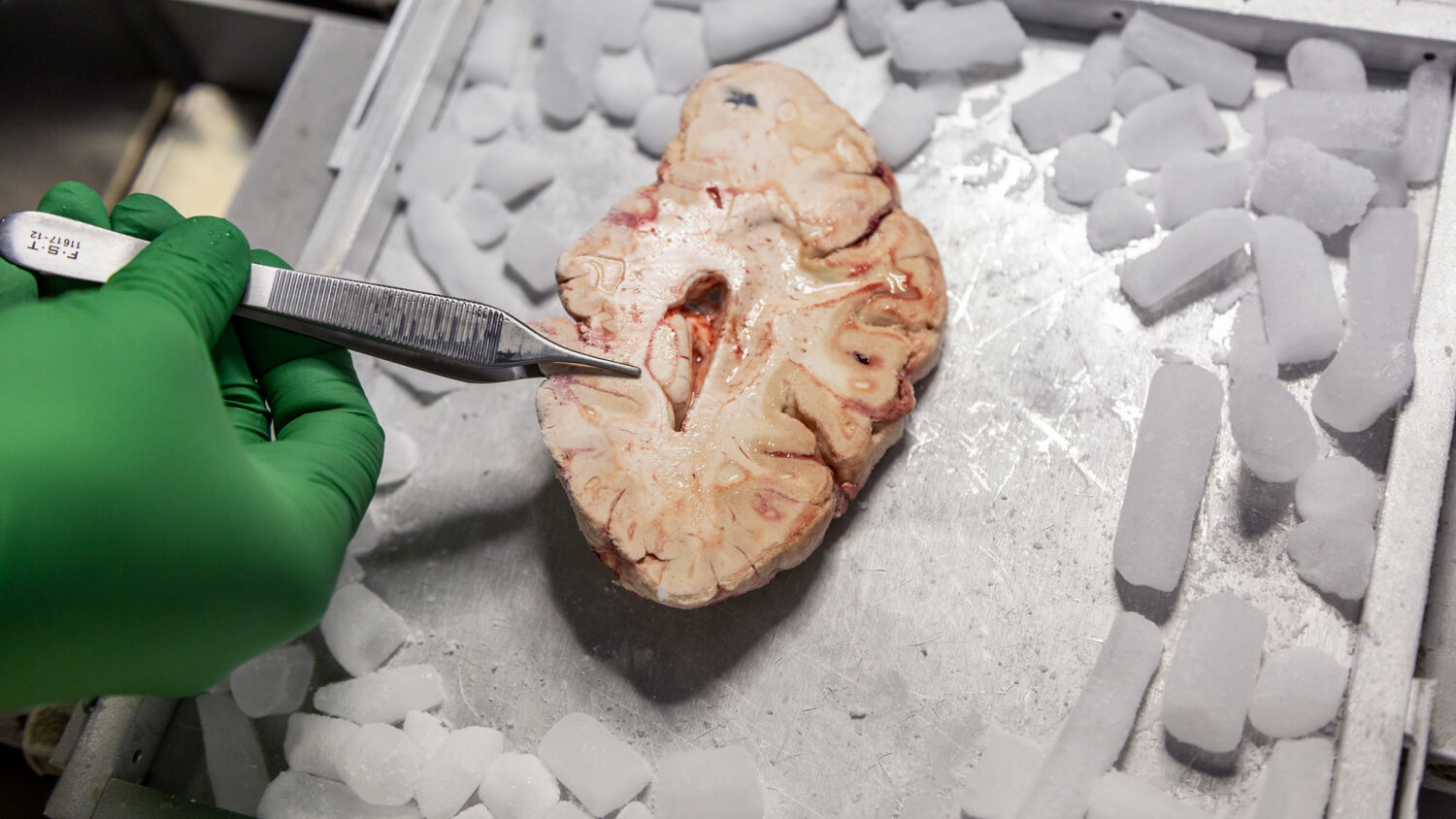
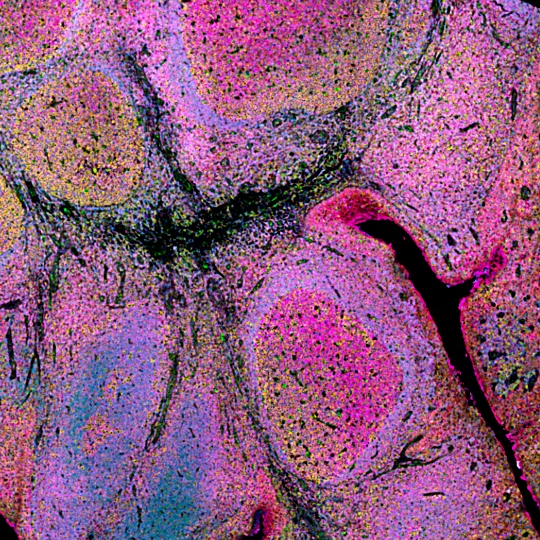
Highest-Resolution Human Brain 'Parts List' To Date Lays Road Map to Better Treatments for Neurological and Psychiatric Disorders
Crucial differences discovered in human and mice brain cells could explain why many drugs that work in the lab don’t work in us
No items found.
news
This is what it’s like to donate your brain to science
Casey Schorr underwent invasive surgery to quell the epileptic seizures that were taking over his life. Now, a small piece of his brain tissue is...
No items found.
news
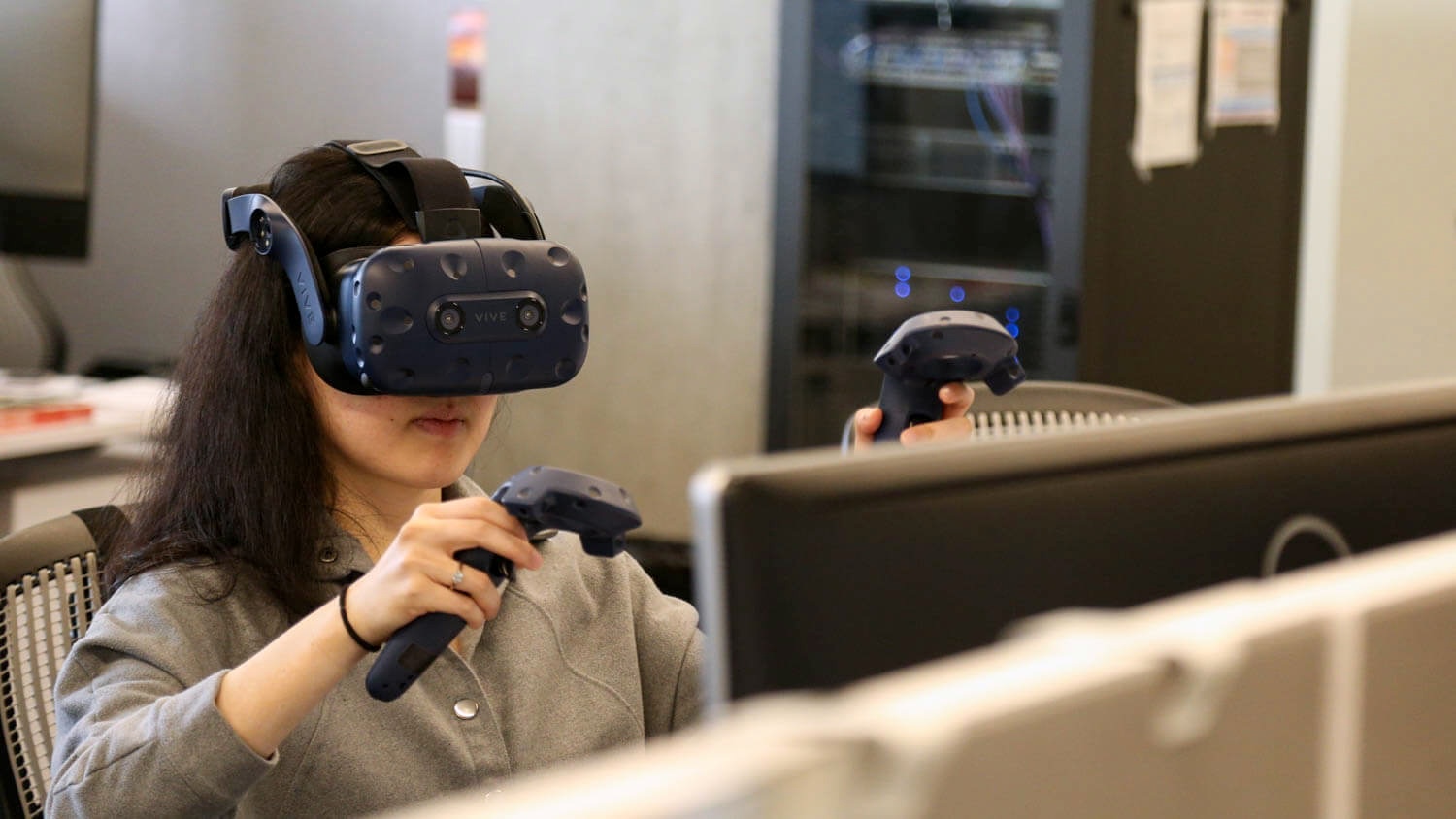
Virtual reality is helping neuroscientists better understand the brain
When Elise Shen goes to work, her morning starts much like that of anyone else with a desk job. She greets her coworkers. She fetches a cup of coffee....
brain science
news

Simulations of life - in health and disease
Across many areas of biology, researchers are turning to virtual simulations to help ask and answer important questions.
brain science
news
Machine learning toolkit lets biologists navigate their way through a 3D cell
In the world of computer vision, engineers need to build software that can recognize parts of an image or 3D visual field. Think, for example, a...
No items found.
news

These neurons are tied to one of multiple sclerosis’ most dramatic effects: Brain shrinkage
Multiple sclerosis begins with a maddening back and forth.
No items found.
news
Advancing Leading Edge Cancer Research in a $4.5 Million Collaboration
LLS, The Mark Foundation for Cancer Research and The Paul G. Allen Frontiers Group Join Forces to Advance Leading Edge Cancer Research
No items found.
news
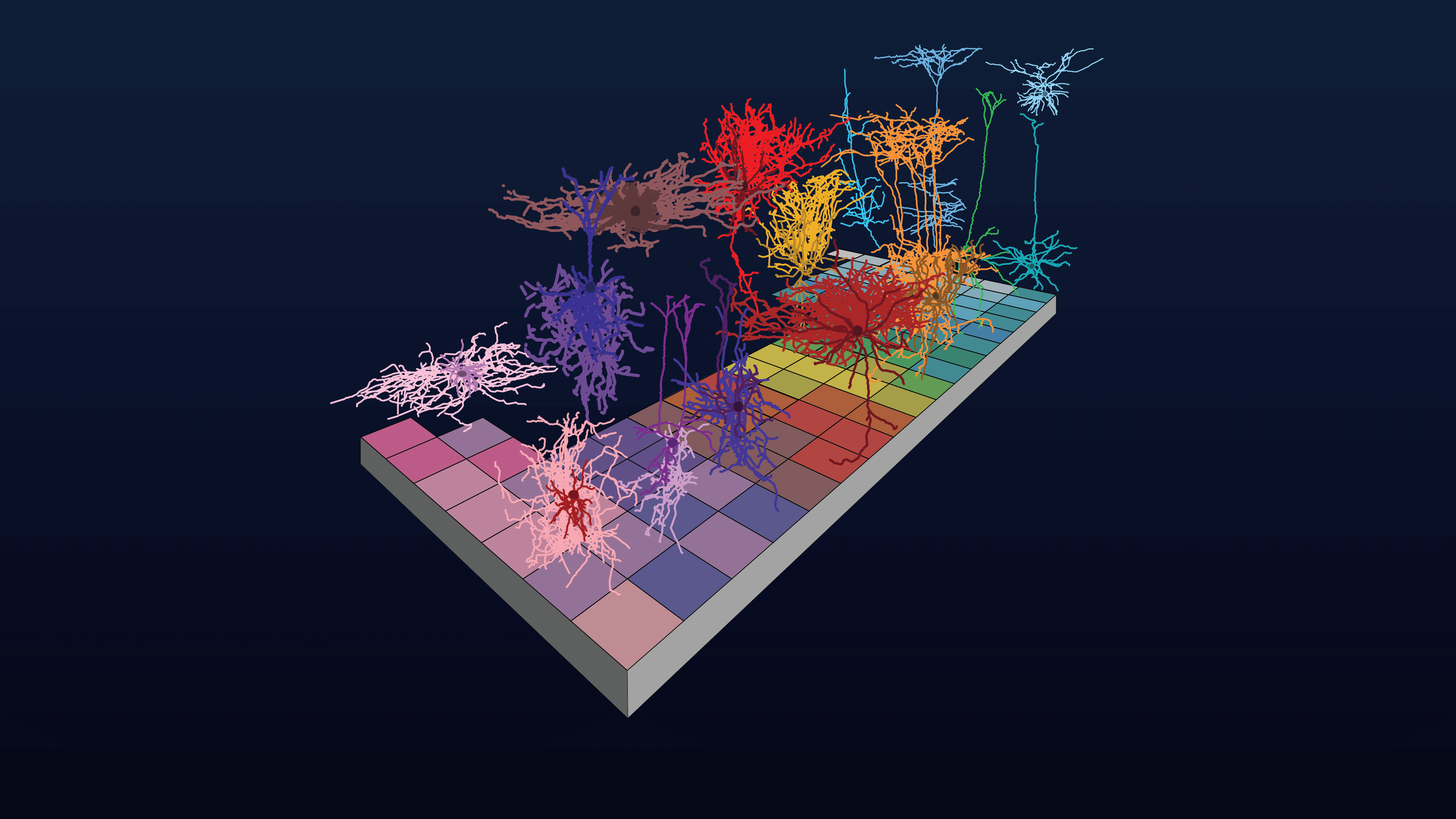
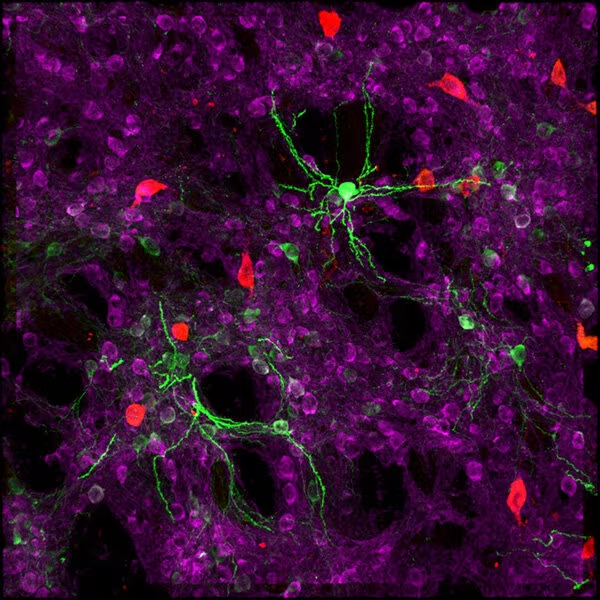
Sorting neurons by their shape and activity to understand the elements making up the brain
To understand our brains, scientists need to know their components. This theme underlies a growing effort in neuroscience to define the different building blocks of the brain — its cells.
No items found.
news

No results found, try reducing your search parameters.
press & media contact
Get in touch for media inquiries and resources for covering science at the scale of greatest impact.
Thank you! Your submission has been received!
Oops! Something went wrong while submitting the form.









No results found, try reducing your search parameters.