MICrONS
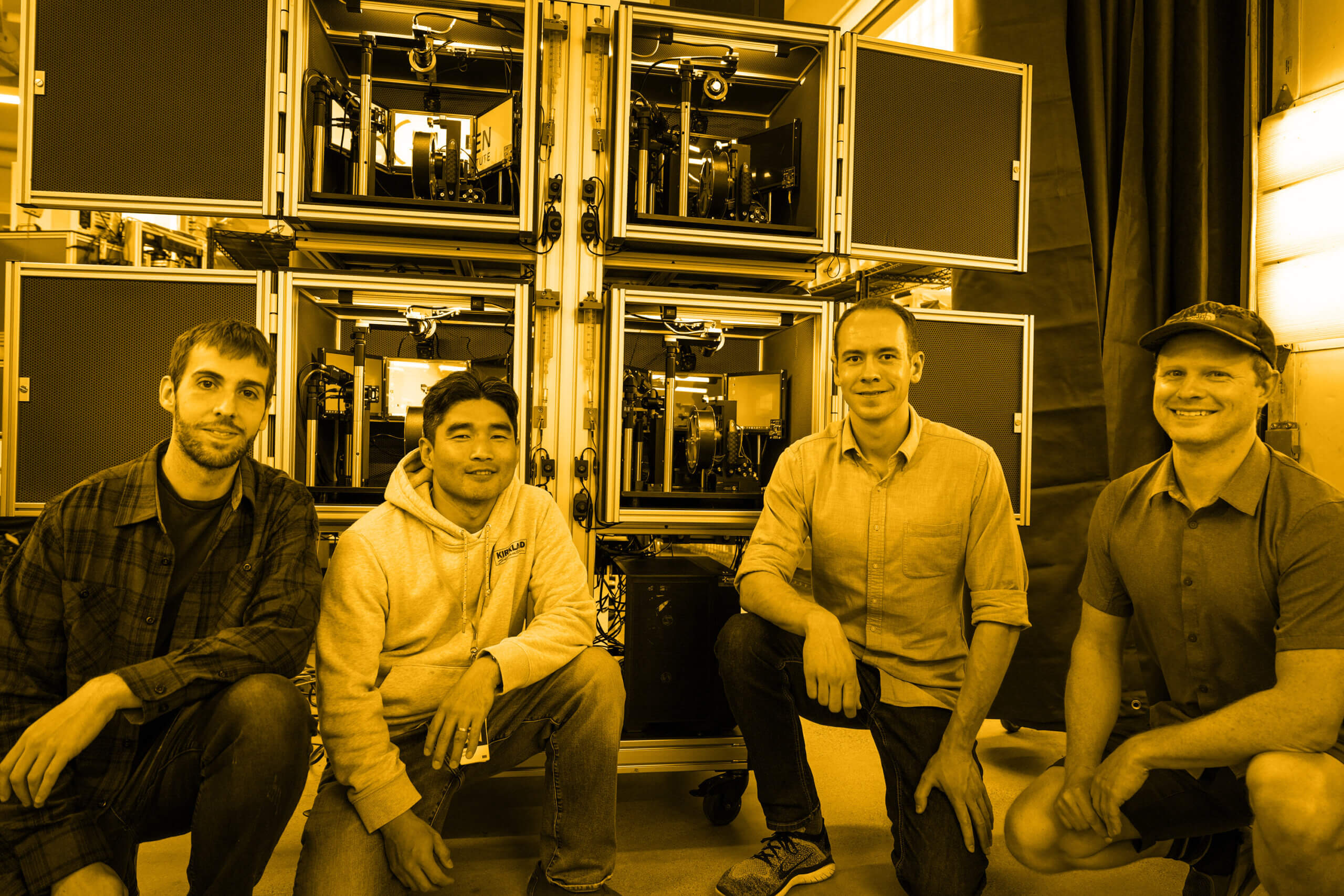
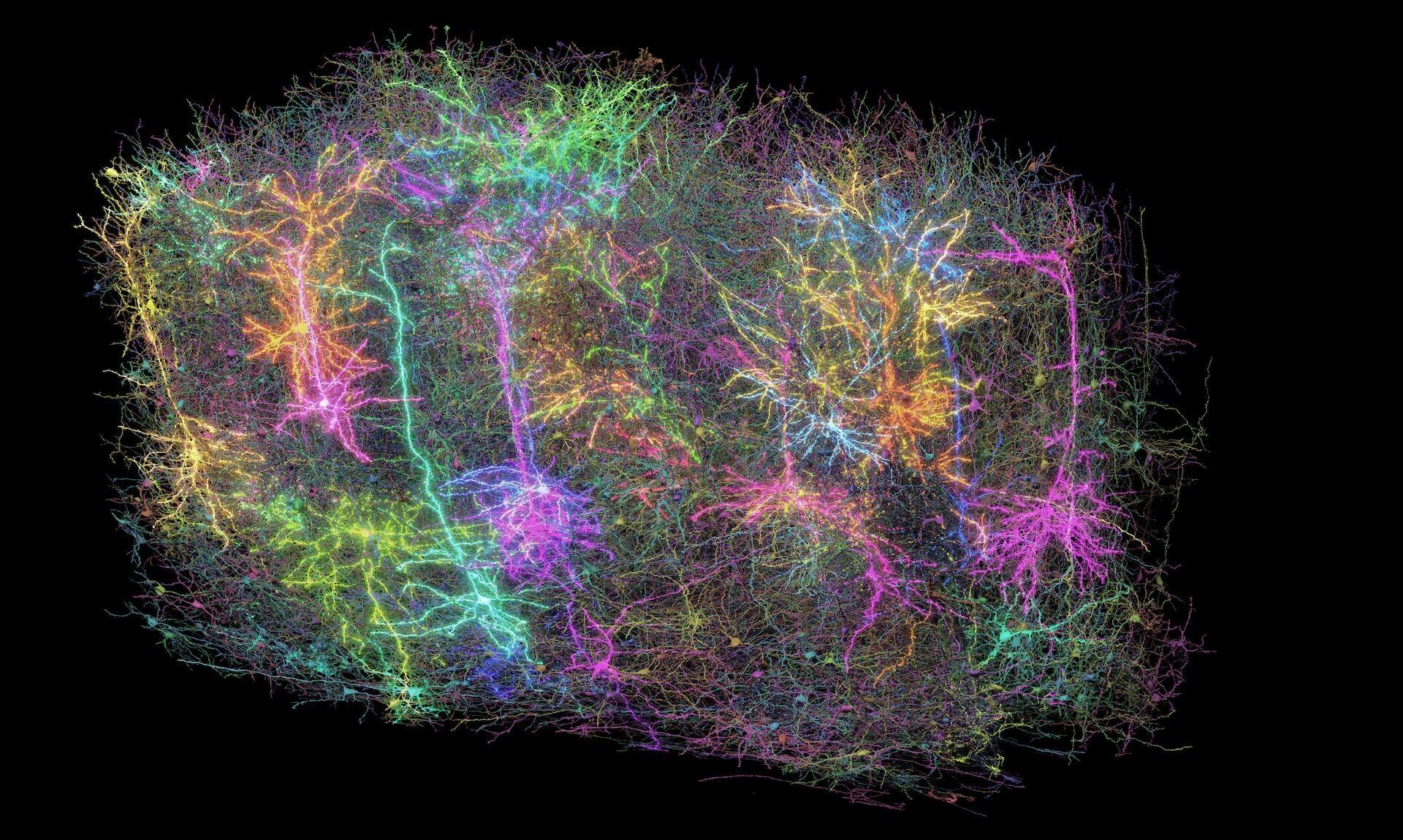
The MICrONS Project is considered the most complicated neuroscience experiment ever attempted.
Learn More
All-in for accelerating discovery
Technology and innovation are fueling discovery in science like never before, and we’re proud to be leading the way. 2025 was a year of tremendous impact for our science, our communities, and our quest to understand life for a healthier world.
Understanding the whole requires understanding its parts. From brain regions to cell types, and the gene expression of our immune cells, mapping and defining the astounding complexity of biology and its vast molecular landscape is a critical step to understanding health and disease.
This year marked a watershed moment: Our researchers—along with a team of global collaborators—completed an eight-year, monumental effort to create a complete functional wiring diagram for a portion of the mouse brain. The MICrONS project maps half a billion synapses, over 200,000 cells, and some four kilometers of axons. It is a spectacular achievement once thought impossible that sheds light on the critical connections between form and function in the brain—fundamental knowledge that fuels understanding into diseases such as Alzheimer’s and neuropsychiatric conditions, leading us closer to answers that can change and save lives. Our researchers also completed detailed brain cell maps of aging in the mouse brain, and mammalian brain development that reveal the critical phases where the normal path can stray into disease. The fundamental insights contained in these cellular atlases and maps, along with the staggering detail and scale inherent to them, will empower researchers around the world to chart new research paths towards new treatments and therapies for disease.
The MICrONS Project is considered the most complicated neuroscience experiment ever attempted.
Learn More
Scientists complete first drafts of developing mammalian brain cell atlases.
Learn More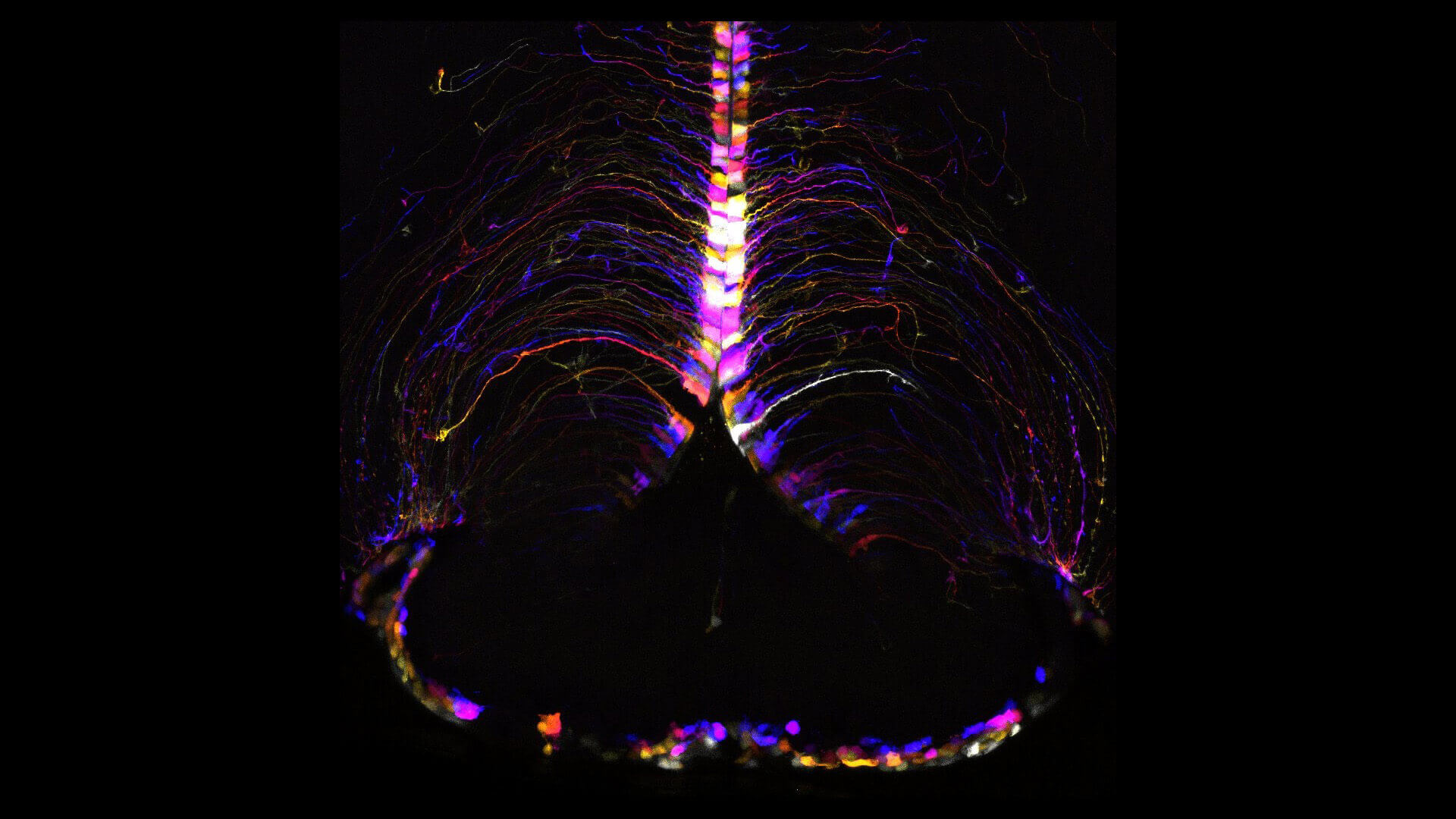
New research identifies age-related damage on a cellular level.
Learn More
Comprehensive dataset maps the landscape of healthy immune cells across the human lifespan.
Learn MoreOur researchers have made exciting progress in disease research, more specifically, around a condition that robs the body of motor control and the mind of hope: ALS. But now, there is hope for new treatments and therapies for those who suffer from this terrifying condition as our scientists have discovered a way to target the precise cells that perish during the cruel progression of this disease. This opens the door to new drugs and therapeutics that can be designed and delivered directly to the affected cells, delivering treatment where it’s needed most.
Our scientists have also unearthed critical insights into rheumatoid arthritis, revealing the early warning signs that signal your body is fighting a silent battle. This foundational knowledge has the potential to lead to earlier diagnosis and new treatments that could stop the painful symptoms before they even begin. Our researchers also developed a successful gene replacement therapy for Dravet syndrome that was remarkably effective at halting the disease’s debilitating seizures in mice without side effects. This promising breakthrough could lead to successful treatments for this rare form of epilepsy in humans.
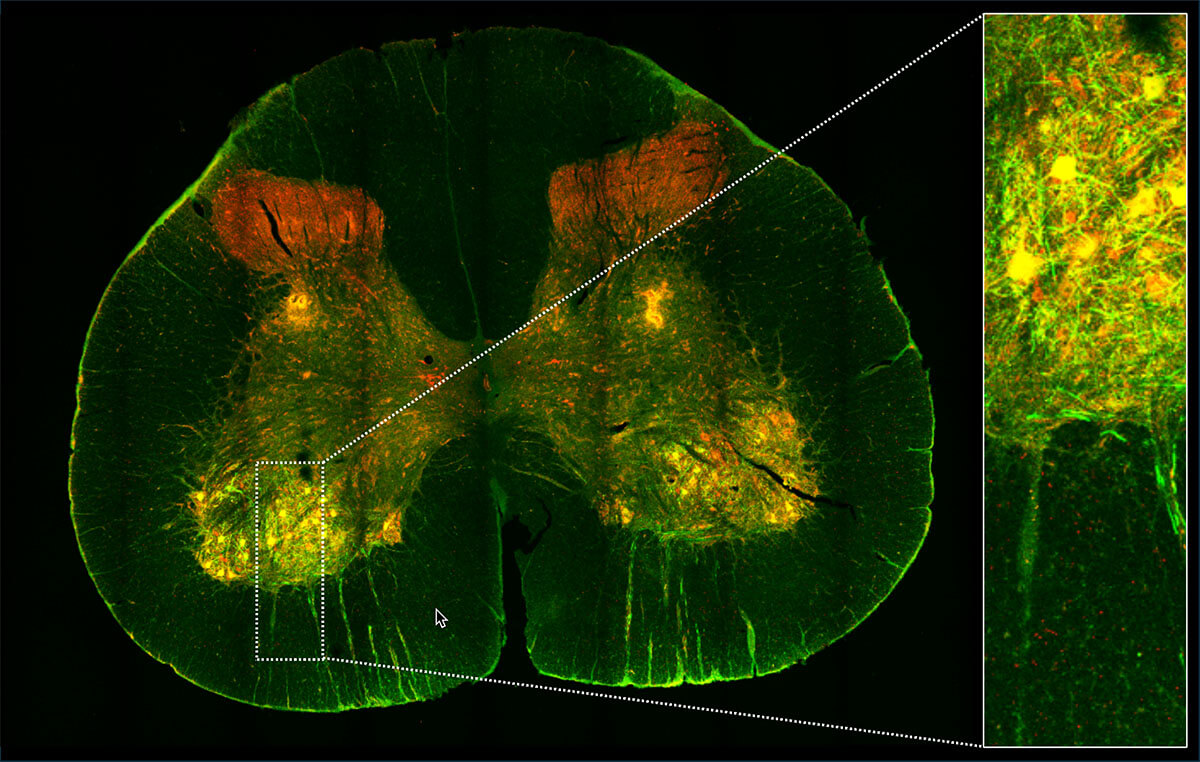
The major scientific discovery opens the door to new treatments for the devastating disease.
Learn More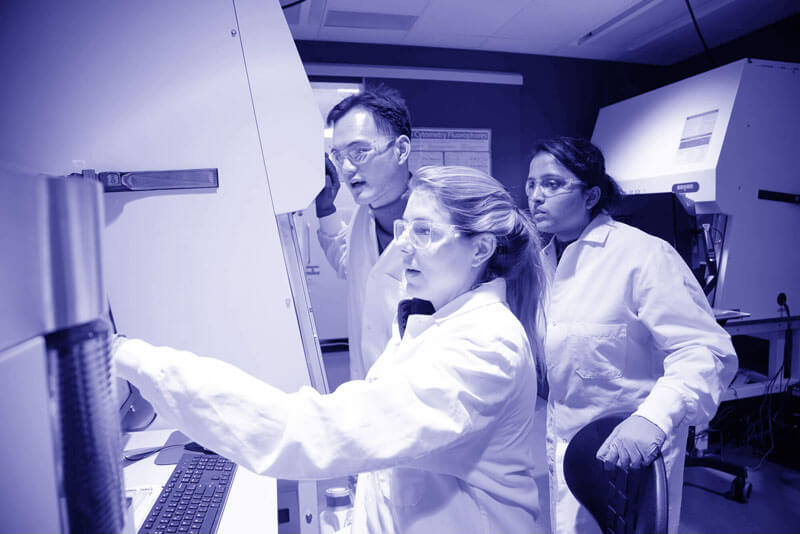
New study reveals rheumatoid arthritis begins long before symptoms, opening door to prevention.
Learn More
Scientists successfully replace defective gene to alleviate symptoms without side effects.
Learn MoreWhere does health end and disease begin? This is the question driving our teams as they probe the mysteries of biology. With every new discovery, we lay the foundation for the treatments of tomorrow. The insights that our teams are uncovering, along with the related tools, resources, and datasets are advancing human health research for all.
Tools and technology fuel discovery, exponentially increasing our capacity to unearth critical insights into life and find breakthroughs that advance health. Better tools solve problems, shatter barriers to progress, increase capacity to decode life’s mysteries, and pave shorter paths to new treatments for disease. To support its moonshot science and catalyze discovery for researchers around the world, the Allen Institute has developed innovative biological, scientific, and digital tools that empower science for all.
New innovations such as CryoSCAPE have the potential to expand how fundamental research is done. CryoSCAPE is a tool that freezes blood samples into a state of suspended animation, allowing them to be transported over vast distances and over greater periods of time without degradation. This innovation offers “ground truth” insight into biology that will enable communities far from centers of science—those in rural and remote areas—to take part in clinical trials and benefit from the discoveries that result. Too often these communities are left out with little recourse.
This, along with the many other tools designed by our teams, help researchers solve problems that seem unsolvable, peer into worlds that appear unreachable, and turn data into knowledge and insight that leads to breakthroughs.
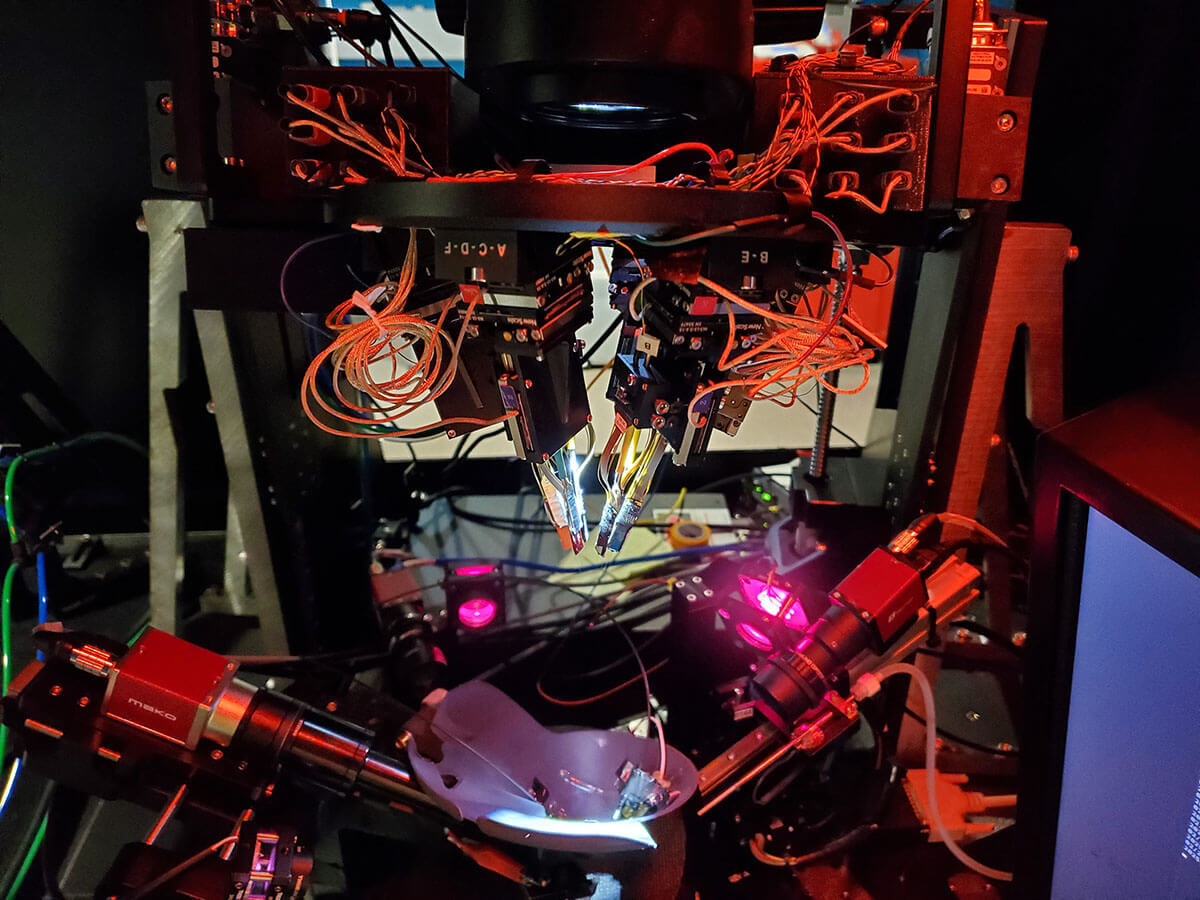
Software co-created by the Allen Institute is helping scientists better understand psilocybin, which could lead to new treatments for neuropsychiatric disorders like depression.
Learn More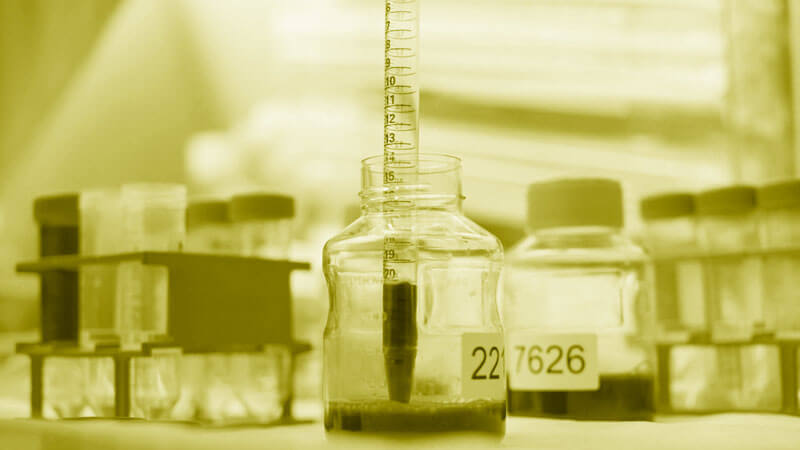
Allen Institute scientists develop ‘suspended animation’ technique for blood draws that will aid research for underserved populations.
Learn More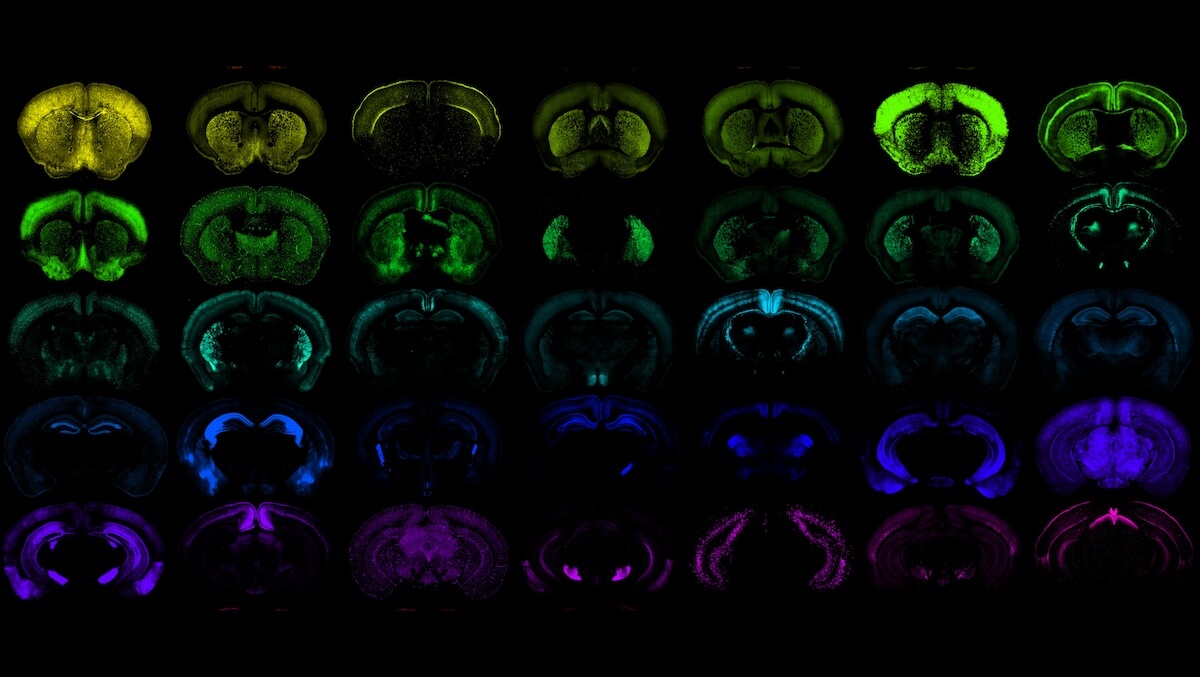
Scientists create next generation of tools in battle against brain disease: The Armamentarium.
Learn More
Massive, first-of-its-kind data resource aims to accelerate medical breakthroughs in brain diseases like Alzheimer’s and Parkinson’s.
Learn MoreCellScapes is an ambitious, paradigm-shifting endeavor that could reshape our understanding of cellular biology. Its goal is to discover the universal principles and rules of cellular state change and behavior. Using theory, imaging, computation, and experimentation, CellScapes aims to understand and predict the behavior of human cells—understanding why they change as they do—as they orchestrate together to form tissues and organs. This foundational knowledge could illuminate exactly when and how cellular development goes catastrophically wrong in conditions like cancer, potentially unlocking life-saving interventions.
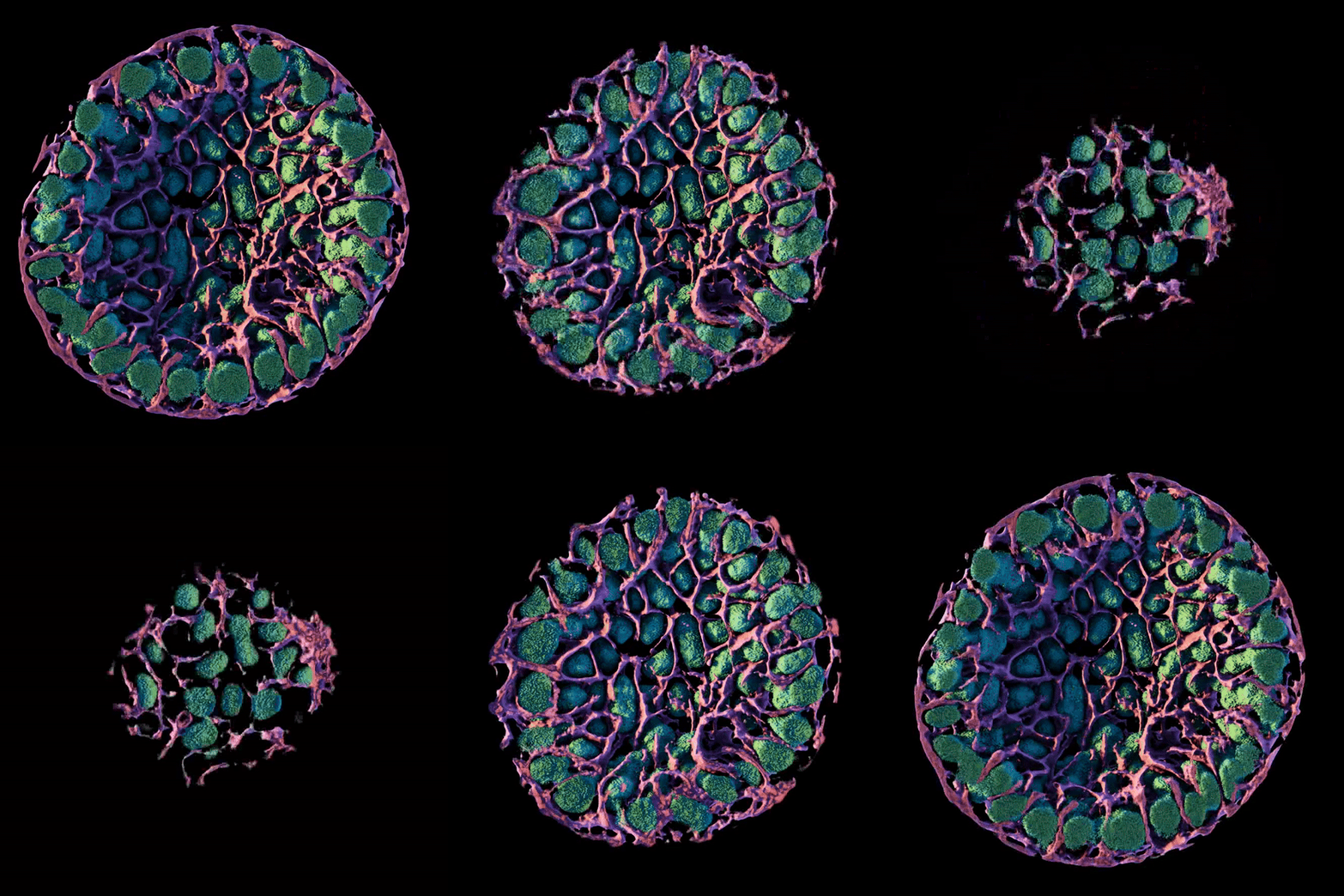
Transforming our understanding of how human cells build tissues and organs.
Learn More
Researchers from Cedars-Sinai are using Allen Institute cell lines to grow organoids in space, which could help design better drugs for disease
Learn More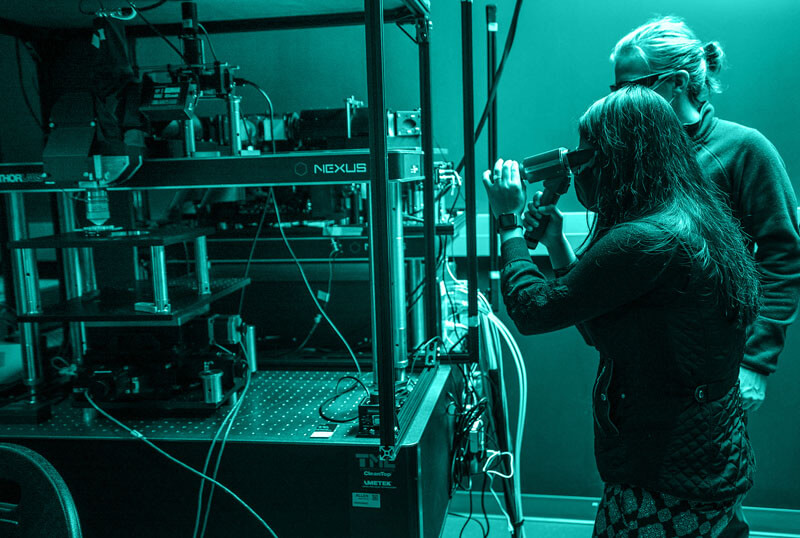
Scientists develop a new way to measure brain communications, providing a more complete picture of how neurons talk to each other.
Learn MoreThe pace of change and technological advancements in bioscience are moving at a frenzied pace. Never before in history has change been so alive and vigorous. In this exciting frontier of discovery, our collaborative, open scientific approaches to tackling the toughest challenges in biology are meeting this moment head on. We move faster and farther together. The foundational knowledge, data, and resources we are producing and sharing openly with the global scientific community is helping to answer the questions of tomorrow while changing how science is done today.
Science touches every life on Earth. From vaccines that shield us from disease to antibiotics that fight them, scientific inquiry leads to innovations that keep us and our families healthy. This core message—that science matters—drives our public engagement efforts aimed at building a broad base of support for science and scientific inquiry.
At the Allen Institute, we not only do science, we champion it. We bring science directly into communities and to people in spaces where it has been absent with the goal of energizing and exciting new audiences. This work helps not only our researchers, but also the global scientific community, allowing us to move faster and farther together.
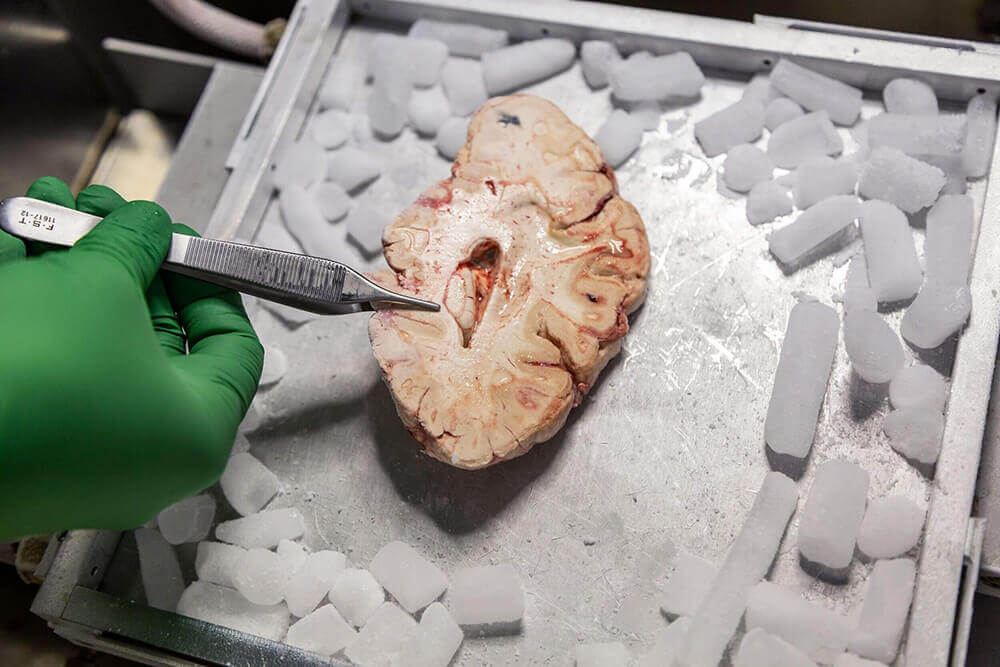
Discovering the science of the aging brain with the American Association of Retired Persons (AARP) and University of Washington.
Learn More
From Datasets to AI Data Dreams with Refik Anadol.
Learn More
A celebration of open science in all its forms – Open Science Week calls attention to scientists and organizations who share their tools, resources and data openly to accelerate research and discovery.
Learn MoreIn 2025, we opened our state-of-the-art Education Lab, a 1,300-foot learning center where advanced equipment converges with the Allen Institute’s massive data resources to provide an unparalleled experience designed to ignite curiosity and empower students and scientists alike. But we didn’t just build it—we brought the lab to them. Our scientists ventured into communities hungry for scientific insight, delivering engaging lectures and hands-on training in university to inspire students to chase their STEM dreams with renewed fervor.
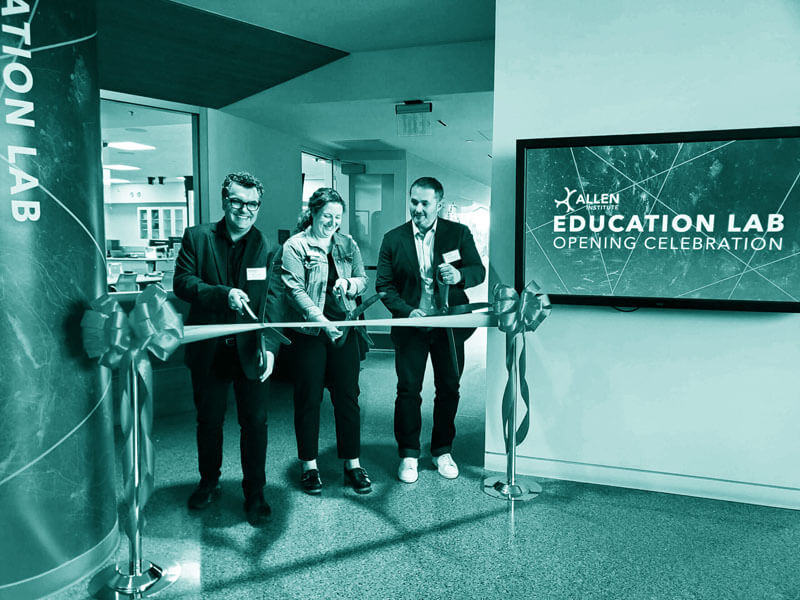
The 13-hundred-square-foot lab integrates advanced equipment with the Allen Institute’s massive data resources to provide an unparalleled learning experience.
Learn More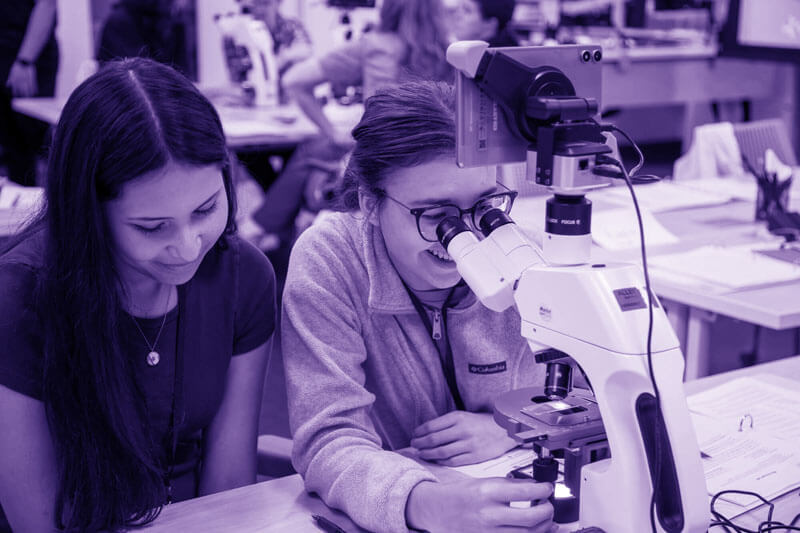
18 high school students from across Seattle learned and experienced cutting-edge, hands-on science at the Allen Institute.
Learn MoreThis year, we took major strides in engaging the broader public to build support for science and train the next generation of scientific pioneers. These future researchers will carry our foundational discoveries from the lab to communities where they will have real-world impact through new drugs and therapies for disease.
To accelerate the innovation and ideas that propel science forward, this year we launched the inaugural Allen Institute Innovation Awards. This bold initiative channels support to internal projects and collaborations poised to change the face of science and advance human health. Out of dozens of thoughtful submissions, four projects were selected to move forward, investigating and advancing new tools and technologies that could enhance our understanding of the brain and lead to more precise and effective therapies for disease, including new treatments for addiction and mental illness. From a competitive field of 40 ambitious proposals, these awards represent an exciting first—the beginning of what’s possible when visionary minds push the boundaries of human health.