
impact
about
our story
explore our impact
careers and opportunities
join us
open science
sharing science to speed discovery
open science week
celebrating open science
team science
people & teams
discovery is a team effort
allenites
the people who make our work possible
advisors
their input shapes our science
board of directors
they help us fulfill our mission
shanahan foundation fellowship
at the interface of data and neuroscience
next generation leaders
fostering emerging leaders in bioscience
research
overview
our approach
science at the scale of greatest impact
publications
explore our publications
open science
sharing science to speed discovery
science accelerators
brain science
building a blueprint of the brain
cell science
understanding how cells become organs
neural dynamics
revealing the brain’s hidden algorithms
immunology
creating the ultimate immune system reference
synthetic biology
seattle hub for synthetic biology
education
overview
science education
science is for everyone
open science
sharing science speeds discovery
engagement
education resources
real science. real skills.
field trips
experience science where it happens
educator development
empowering educators
news
overview
all news
explore the latest news
podcast
the human stories behind discovery
sign up for our newsletter
stay connected to our science
events
overview
all events
public engagement, workshops, seminars and more
conferences
connect with us
science resources
science resources
allencell.org
allenimmunology.org
allenneuraldynamics.org
brain-bican.org
brain-map.org
microns-explorer.org
impact
back to menu
team science
our story
explore our impact
careers and opportunities
join us
open science
sharing science to speed discovery
open science week
celebrating open science
team science
people & teams
discovery is a team effort
allenites
the people who make our work possible
advisors
their input shapes our science
board of directors
they help us fulfill our mission
shanahan foundation fellowship
at the interface of data and neuroscience
next generation leaders
fostering emerging leaders in bioscience
research
back to menu
overview
our approach
science at the scale of greatest impact
publications
explore our publications
open science
sharing science to speed discovery
science accelerators
brain science
building a blueprint of the brain
cell science
understanding how cells become organs
neural dynamics
revealing the brain’s hidden algorithms
immunology
creating the ultimate immune system reference
synthetic biology
seattle hub for synthetic biology
education
back to menu
overview
science education
science is for everyone
open science
sharing science speeds discovery
engagement
education resources
real science. real skills.
field trips
experience science where it happens
educator development
empowering educators
news
back to menu
overview
all news
explore the latest news
podcast
the human stories behind discovery
newsletter
stay connected to our science
events
back to menu
overview
all events
public engagement, workshops, seminars and more
conferences
connect with us
science resources
back to menu
science resources
allencell.org
allenimmunology.org
allenneuraldynamics.org
brain-bican.org
brain-map.org
microns-explorer.org
search
education

Brain donation & bioethics

Learn about the process of brain donation and the importance of bioethics in neuroscience research

resource type / 
Lesson Plan
topic / 
neuroscience
published / February 13, 2026
audience / 
High School
Undergraduate
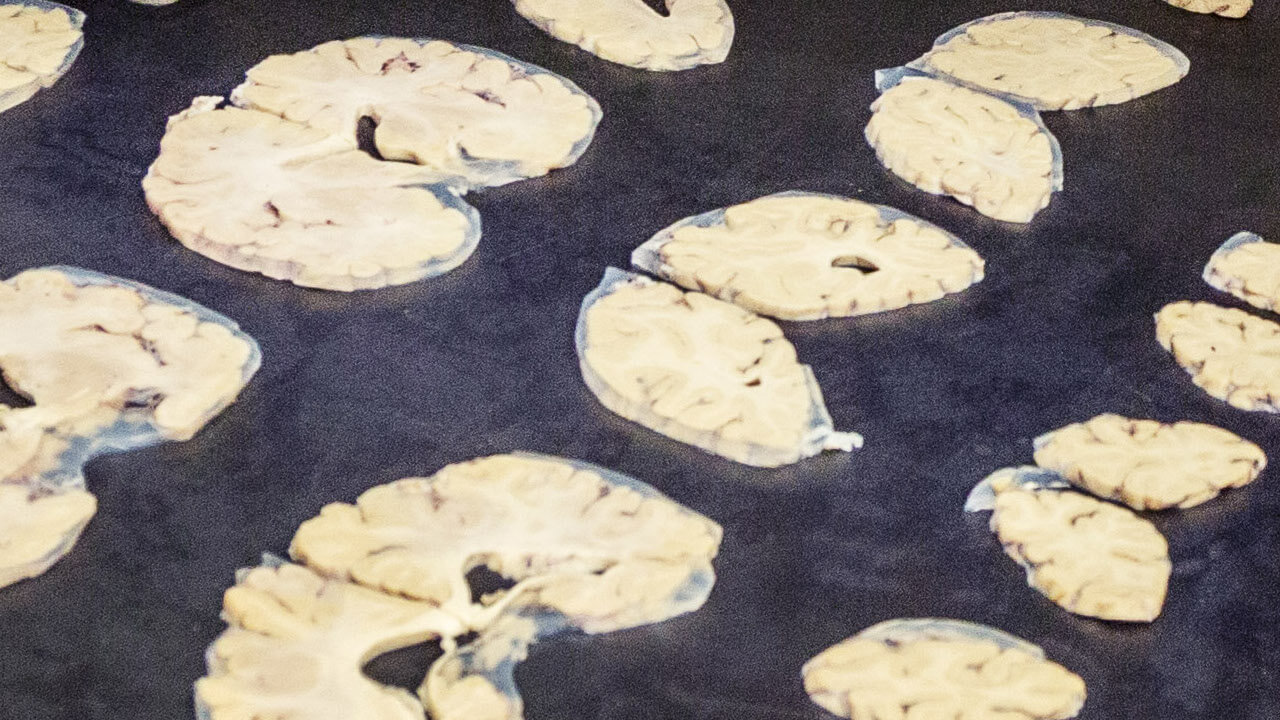
Chocolate chip cookies baking on dark baking sheet or parchment paper.
share/
This is some text inside of a div block.

in this lesson

table of contents will display on published page only
set h2 to populate the table of contents here
lesson
related downloads

contributors

Madison Meuler
Education and Engagement Specialist II
Kaitlyn Casimo
Manager, Education & Engagement

About this resource:

Ever wonder how scientists study the human brain? To learn more about the processes of living and post-mortem brain donation and the role of bioethics in scientific research, check out our lesson plan featured below!
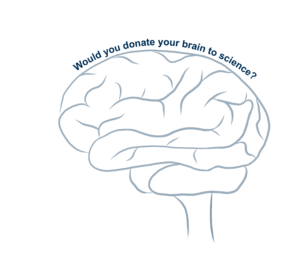
hand drawn sketch of a human brain with text that says "would you donate your brain to science?" by Maddy Meuler/ Allen Institute

‍

Audience level: high school or first/second year undergraduate  

Mode of instruction: suitable for remote, hybrid, or in-person instruction  

Estimated lesson timeline: 55 minutes total + 20 minute optional debate activity  

Prior knowledge needed: This lesson does not require a background in biology in order to complete it. This lesson is suitable for students from a variety of disciplinary backgrounds including philosophy, psychology, science and technology studies, and any of the life sciences.

Learning Objectives:  

  • Students will reflect on the importance of bioethics within biomedical research
  • Students will describe the process of both living and post-mortem brain donation, and how these types of donations provide different biological data  
  • Students will appreciate and be able to articulate why some people may choose to not donate their brain to science  
  • Students will articulate the importance of neurodiversity within brain science
  • Students will reflect on the ethical implications of policies of expressed vs. presumed consent  
  • Students will articulate the importance of consent within biomedical research

Note: This lesson plan is also the first of a four-part lesson featured on our Understanding Alzheimer’s Disease page
lesson materials

check out the instructor guide
check out the student worksheet

featured education resources

explore more resources
brain science
cell science
immunology
neural dynamics
synthetic biology
Early Career Scientists
Health Care Providers
Students
Doctors
Teachers
Postdocs
Scientists
Educators
General Public
Middle School
High School
Undergraduate
Graduate
Thank you! Your submission has been received!
Oops! Something went wrong while submitting the form.
Microscopic view of cells with fibrous cytoplasm and dark nuclei
Lesson Plan
A virtual laboratory on cell division
Explore the process of mitosis by analyzing real cell images
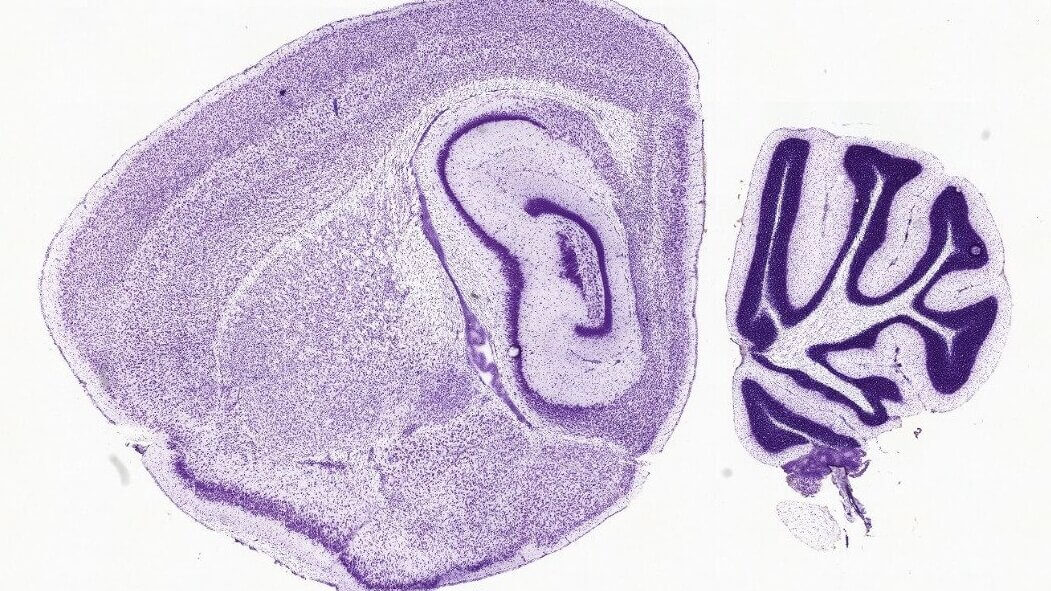
Histological cross-section of human ear and cerebellum tissue stained with purple dye
Lesson Plan
Exploring pathways in the brain
Explore open access datasets on neuroanatomy, gene expression, and brain connectivity
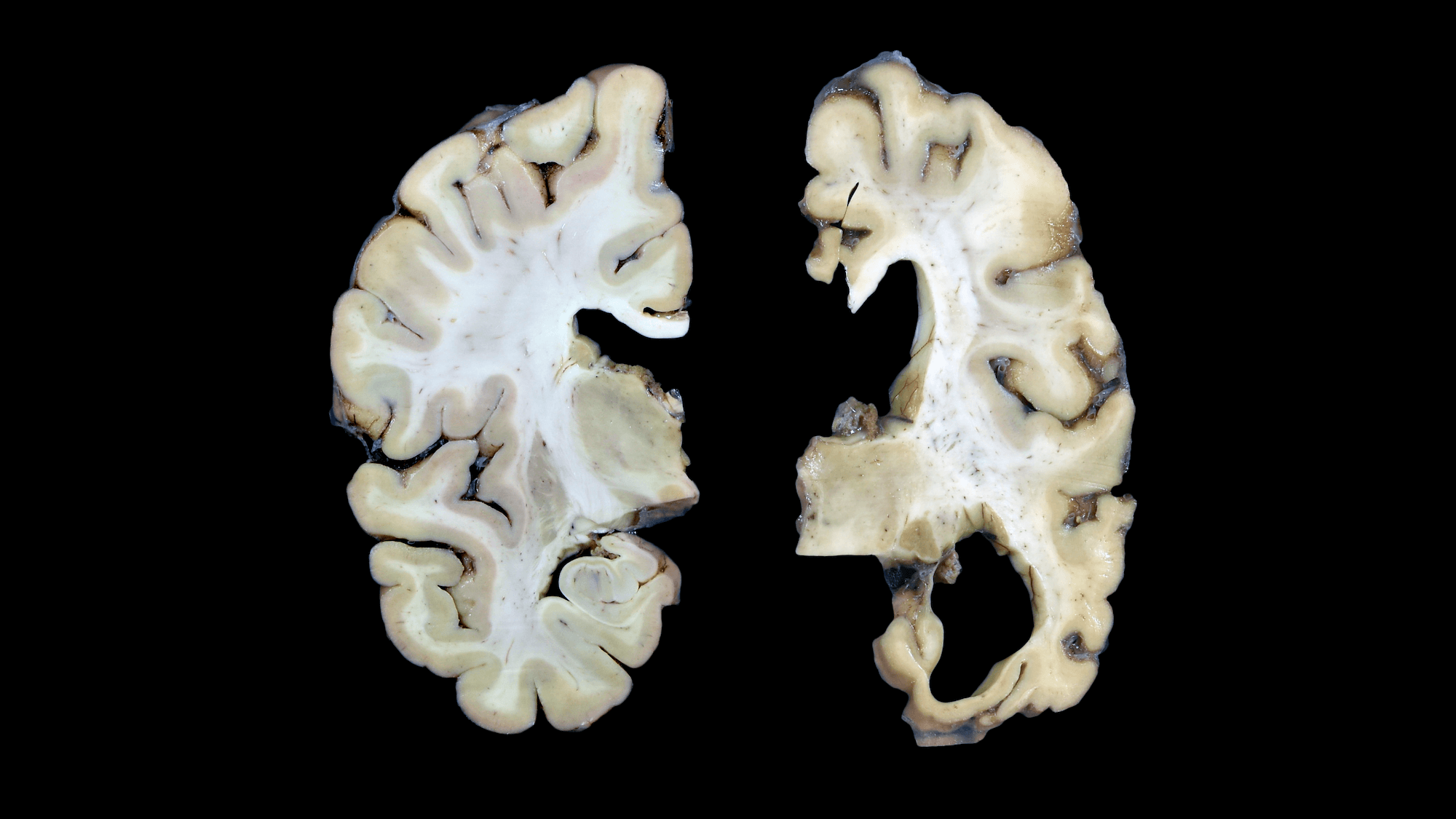
Cross-section of human brain showing cerebral hemispheres and internal structures on black background
Lesson(s)
Understanding Alzheimer’s disease
Explore how scientists study Alzheimer’s disease using transcriptomics and immunolabeling
Scientific microscopy setup with illuminated optical equipment and sample preparation components
Publication
A case study in the search for epilepsy therapeutics
Read about how undergraduate educators used the Allen Cell Types Database to create an in-class case study
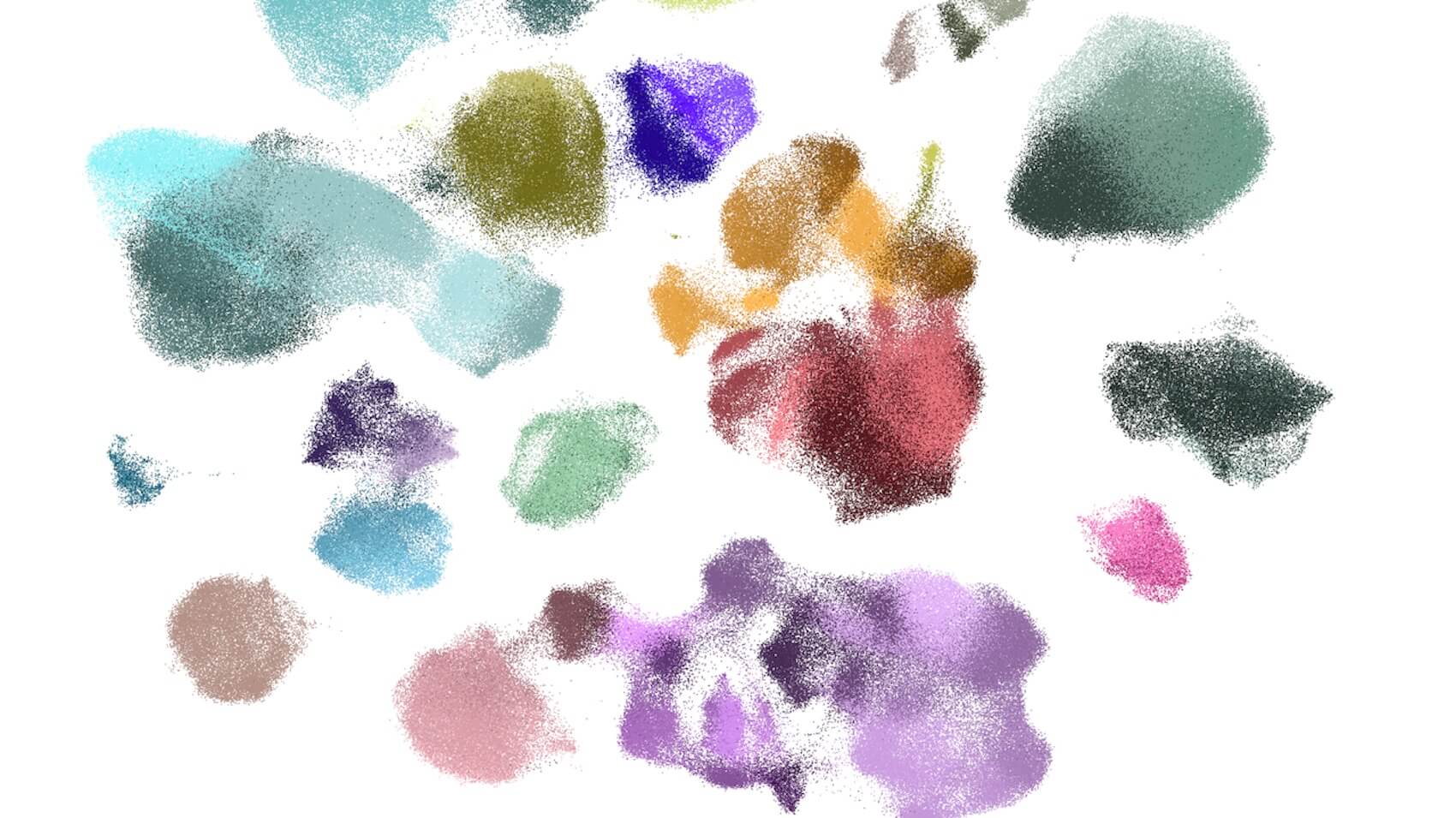
Colorful scattered paint splatters and brush strokes in various colors on white background.
Explainer
What is a UMAP?
Learn how to interpret and analyze these colorful 2-dimensional graphs
Chocolate chip cookies baking on dark baking sheet or parchment paper.
Lesson Plan
Brain donation & bioethics
Learn about the process of brain donation and the importance of bioethics in neuroscience research
Previous
load more resources
2 / 5
we acceleratedevelopcatalyzeimpact

science done differently. shared openly.

explore our accelerators

brain science

Mapping every cell, connection, and circuit in the brain—openly shared with the world.

cell science

Decoding how cells become tissues, then programming that knowledge into powerful new research tools.

neural dynamics

Revealing the brain's hidden algorithms that transform neural activity into real-world behavior.

immunology

Creating the deepest open reference for the healthy human immune system ever built.

synthetic biology

Engineering cells to record their own histories, transforming how we understand disease over time.

research

Big questions, open answers, and science built to be shared.

education

Inspiring the next generation of scientists through open science resources.

impact

Our science is empowering researchers and advancing health worldwide.
advancing science through open, collaborative research
Get the allen institute newsletter
Stay informed on the latest breakthroughs in neuroscience, bioscience, and AI-driven research.
allen institute
impactpeople & teamscareers & opportunitiesalumnihistory & founder
science resources
allencell.orgallenimmunology.orgallenneuraldynamics.orgbrain-bican.orgbrain-map.orgmicrons-explorer.org
research
brain sciencecell scienceneural dynamicsimmunologysynthetic biologypublications
education
science educationfield tripsprofessional developmenteducation resources
quick links
newseventsopen sciencepodcastscience resourceshuman brain donationvisit uscontact
follow us/

allen institute, 615 Westlake Ave North, Seattle, WA 98109 +12065487055

© 0000 allen institute. all rights reserved.
privacy policyterms of usecitation policyemployee portalpolicy & compliancecookie settings