news
stories from the front lines of discovery
From scientific breakthroughs to new open‑source tools, the Allen Institute’s work is reshaping how science is done—and who it’s for. Explore the latest news, stories, and highlights from across our research, partnerships, and open science efforts.


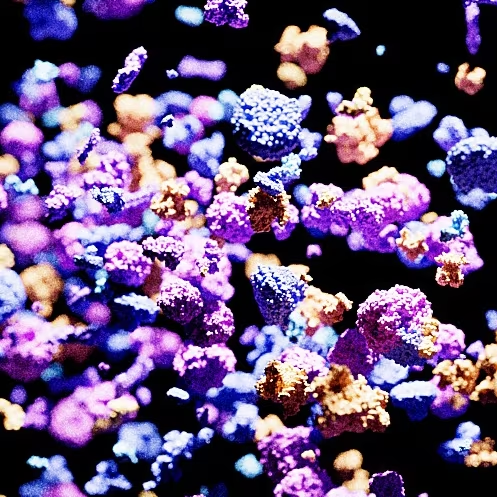
AI BioDesign accelerator combines experimental biology and artificial intelligence to learn nature’s design rules
Researchers from the Allen Institute, University of Washington, and Fred Hutch Cancer Center, supported by Fund for Science and Technology, will build open AI models, datasets, and tools to accelerate biological design for health, sustainability, and other global challenges
Thank you! Your submission has been received!
Oops! Something went wrong while submitting the form.


Allen Cell Explorer Tutorial: Navigating the 3D Cell Viewer
The 3D Cell Viewer is a tool in the Allen Cell Explorer for viewing thousands of 3D images of cellular structures and organelles.
No items found.
news
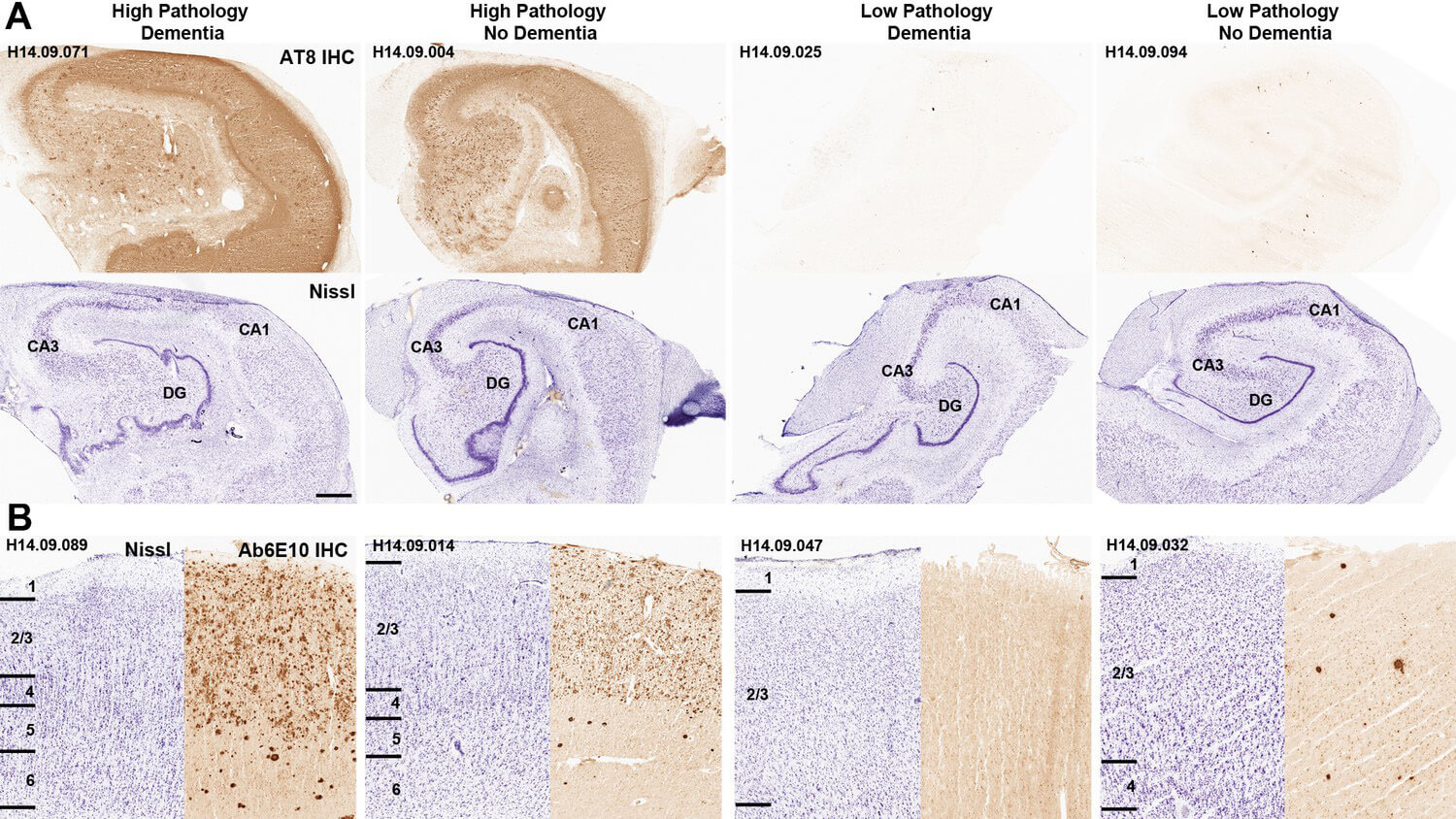
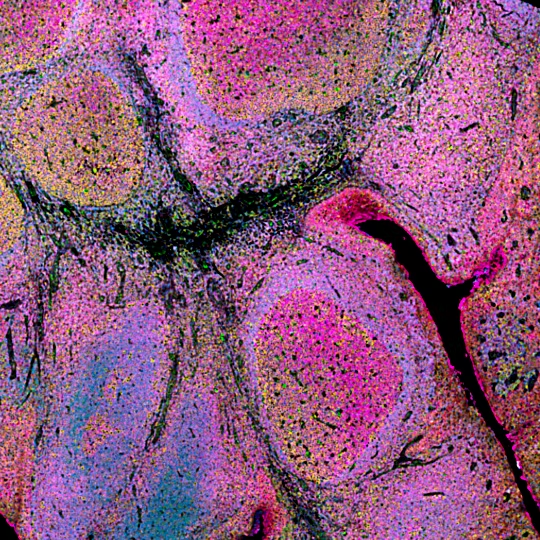
Researchers reveal new details on aged brain, Alzheimer's and dementia
In a comprehensive analysis of samples from 107 aged human brains, researchers at the Allen Institute for Brain Science, UW Medicine and Kaiser...
No items found.
news
Allen Institute for Brain Science announces 2017 Next Generation Leaders
The Allen Institute for Brain Science announces the newest cohort of Next Generation Leaders: a group of six distinguished early-career researchers...
No items found.
news

new silicon probes record activity of hundreds of neurons simultaneously
neuroscientists who want to follow the nervous system’s cellular conversations will soon have access to easy-to-use technology that simultaneously...
No items found.
news
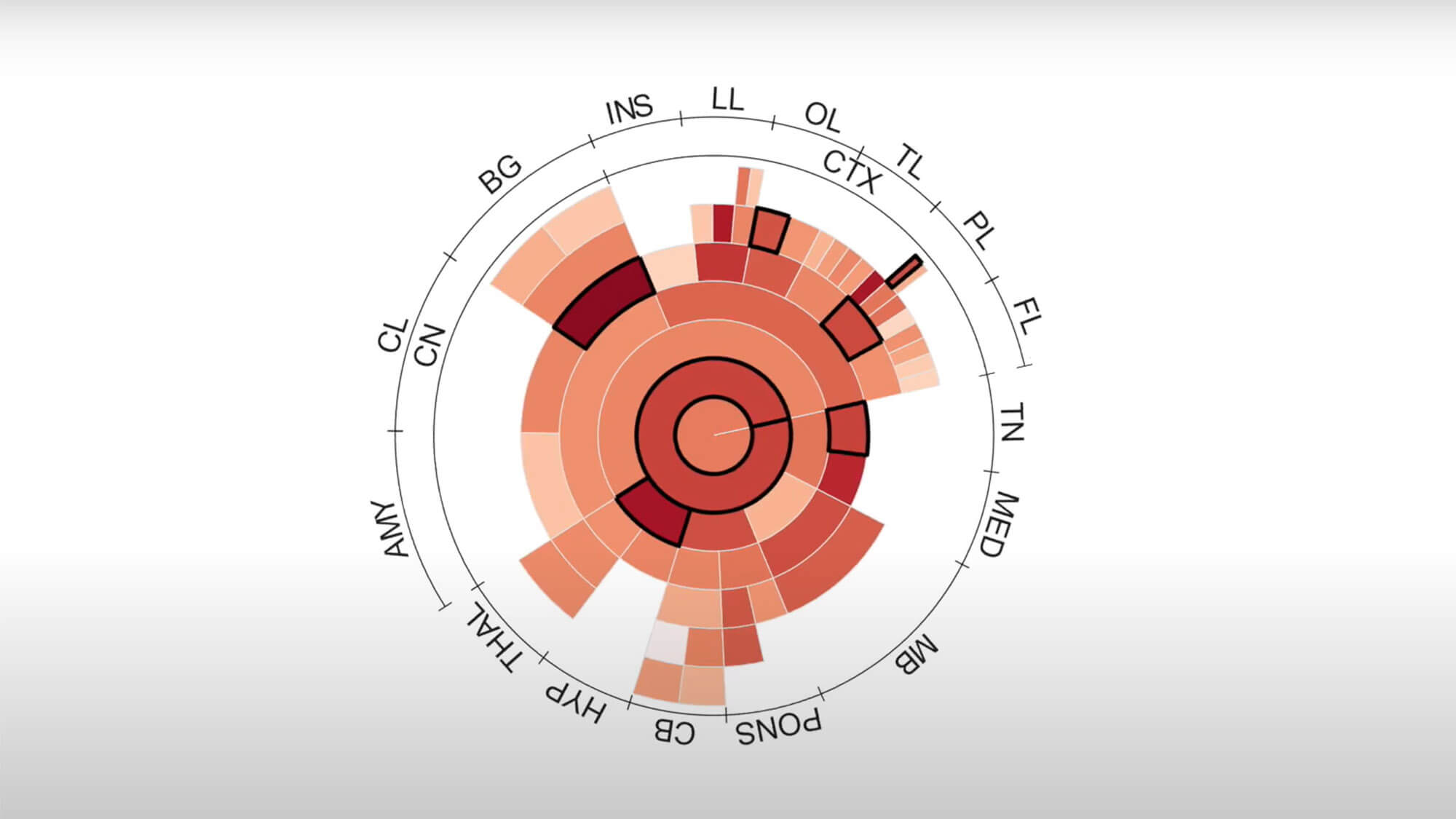
Data Stories | Molecular roots of language disorders
See how computational scientist Emma Myers used the Allen Human Brain Atlas to explore the molecular roots of speech and language disorders.
No items found.
news
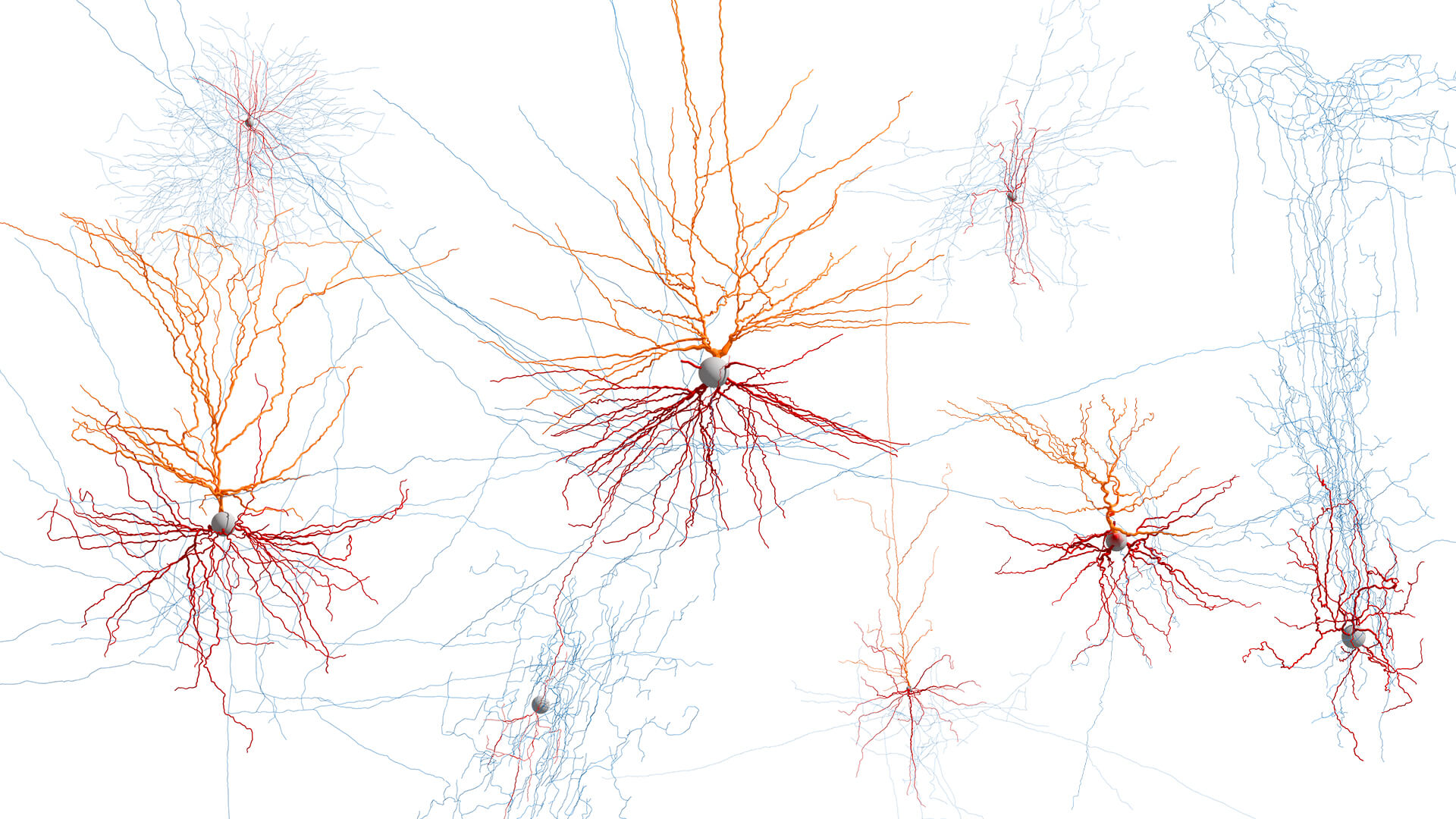
Allen Institute shares first open database of live human brain cells
Brain samples from neurosurgery patients reveal uniqueness and complexity of the human brain
No items found.
news
Allen Institute for Brain Science awarded ~$100 million to lead global collaborations that will build comprehensive atlases of brain cell types
National Institutes of Health funding expands work to identify and catalog the building blocks of the brain, and creates global center for data sharin...
No items found.
news

First open database of live human brain cells
The Allen Institute for Brain Science has added the first data from human nerve cells to the Allen Cell Types Database: a publicly available tool for...
No items found.


Allen Institute for Brain Science to lead pilot project supported by Chan Zuckerberg Initiative
Allen Institute researchers have been awarded a grant from the Chan Zuckerberg Initiative to lead a collaborative project to benchmark, evaluate and...
brain science
video

Researchers receive $1.5 million each to study extracellular matrix for cardiovascular research
Two researchers have been awarded grants that could help uncover the next breakthrough in heart-health research, the American Heart Association and...
cell science
news


No results found, try reducing your search parameters.
press & media contact
Get in touch for media inquiries and resources for covering science at the scale of greatest impact.
Thank you! Your submission has been received!
Oops! Something went wrong while submitting the form.









No results found, try reducing your search parameters.