news
stories from the front lines of discovery
From scientific breakthroughs to new open‑source tools, the Allen Institute’s work is reshaping how science is done—and who it’s for. Explore the latest news, stories, and highlights from across our research, partnerships, and open science efforts.


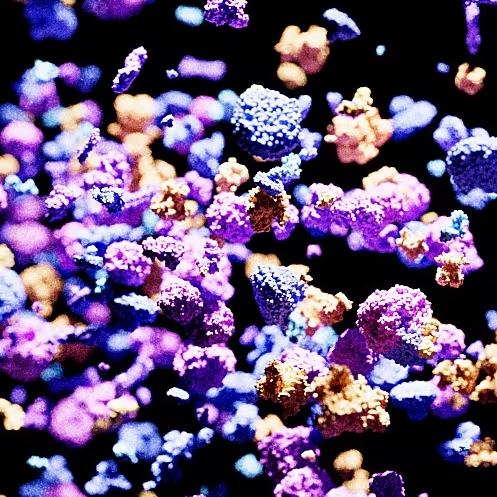
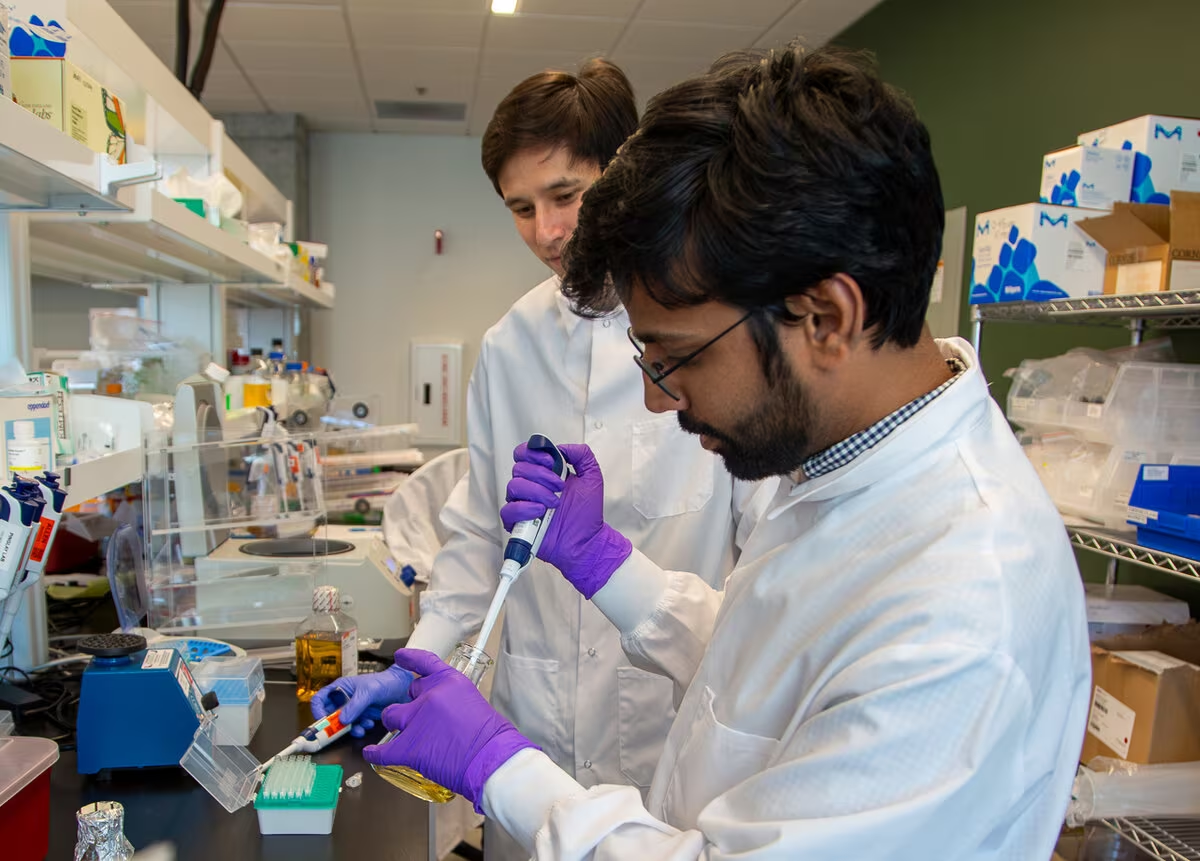
AI BioDesign accelerator combines experimental biology and artificial intelligence to learn nature’s design rules
Researchers from the Allen Institute, University of Washington, and Fred Hutch Cancer Center, supported by Fund for Science and Technology, will build open AI models, datasets, and tools to accelerate biological design for health, sustainability, and other global challenges
Thank you! Your submission has been received!
Oops! Something went wrong while submitting the form.
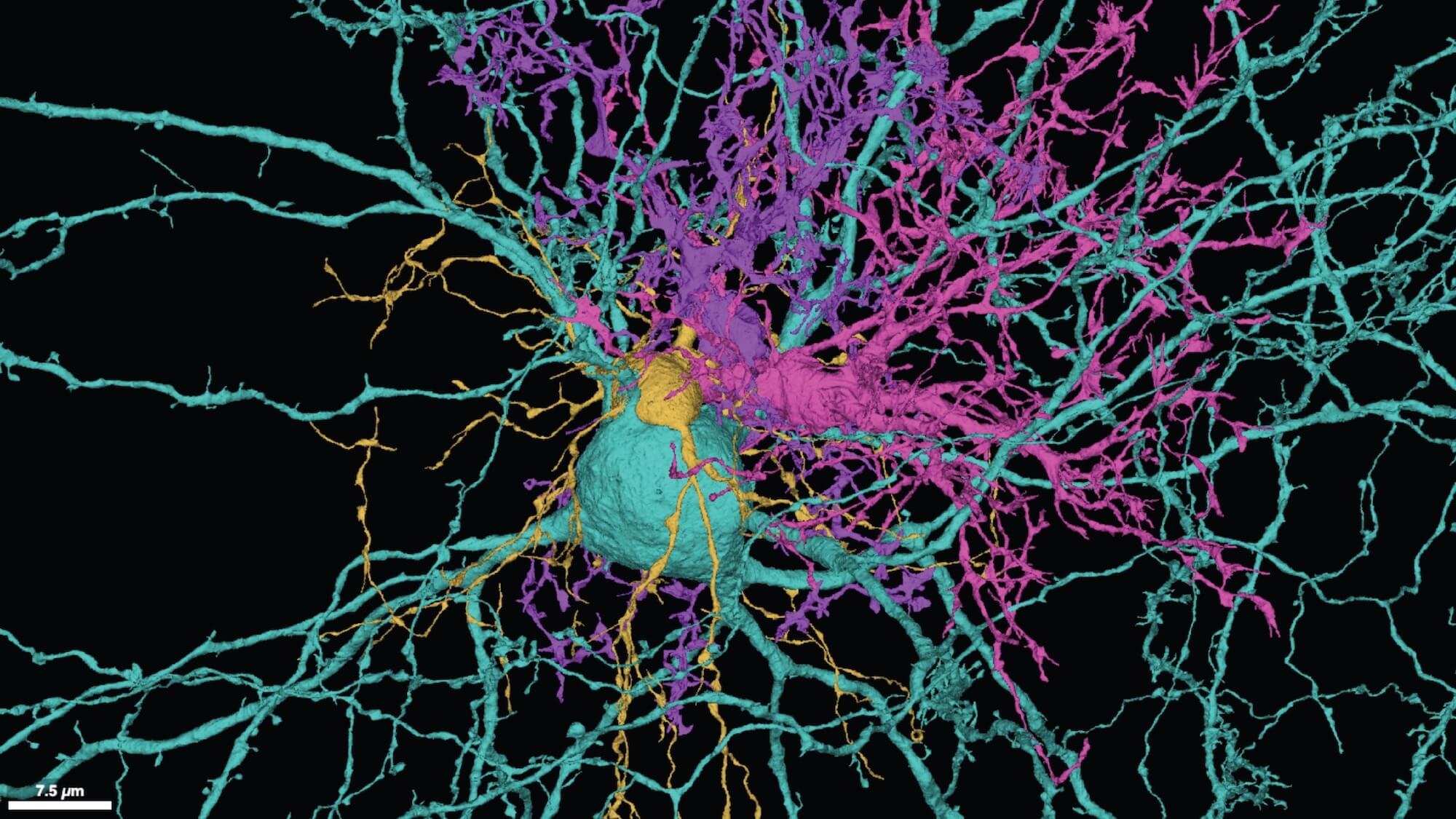

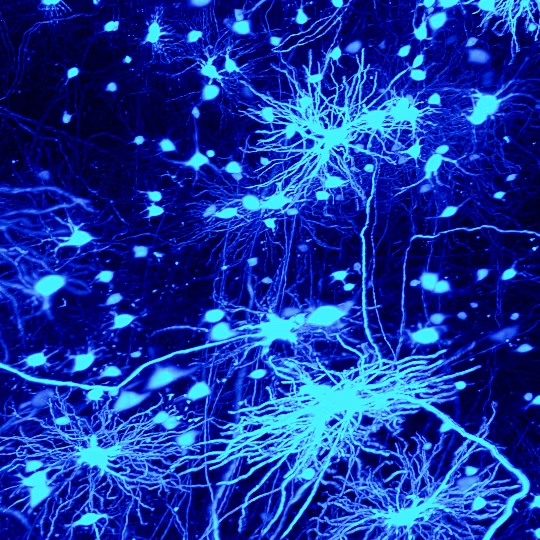
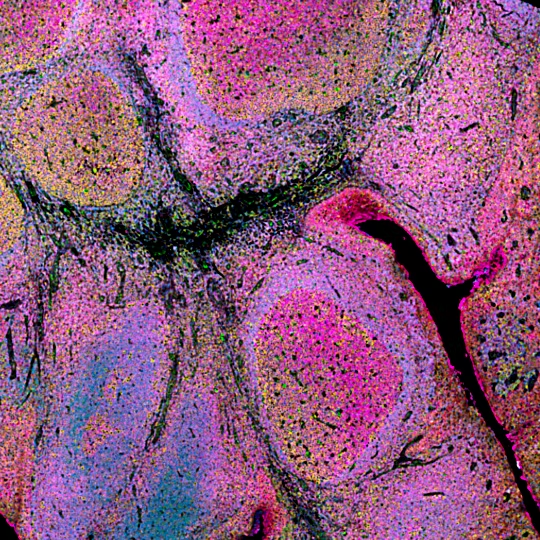
Brain scientists unveil wiring diagram containing 200,000 cells and nearly half billion connections in tiny piece of a mouse's brain
Detailed map captures 3D shapes of neurons and their synapses in stunning detail and is open to community for neuroscience and machine learning...
brain science
news
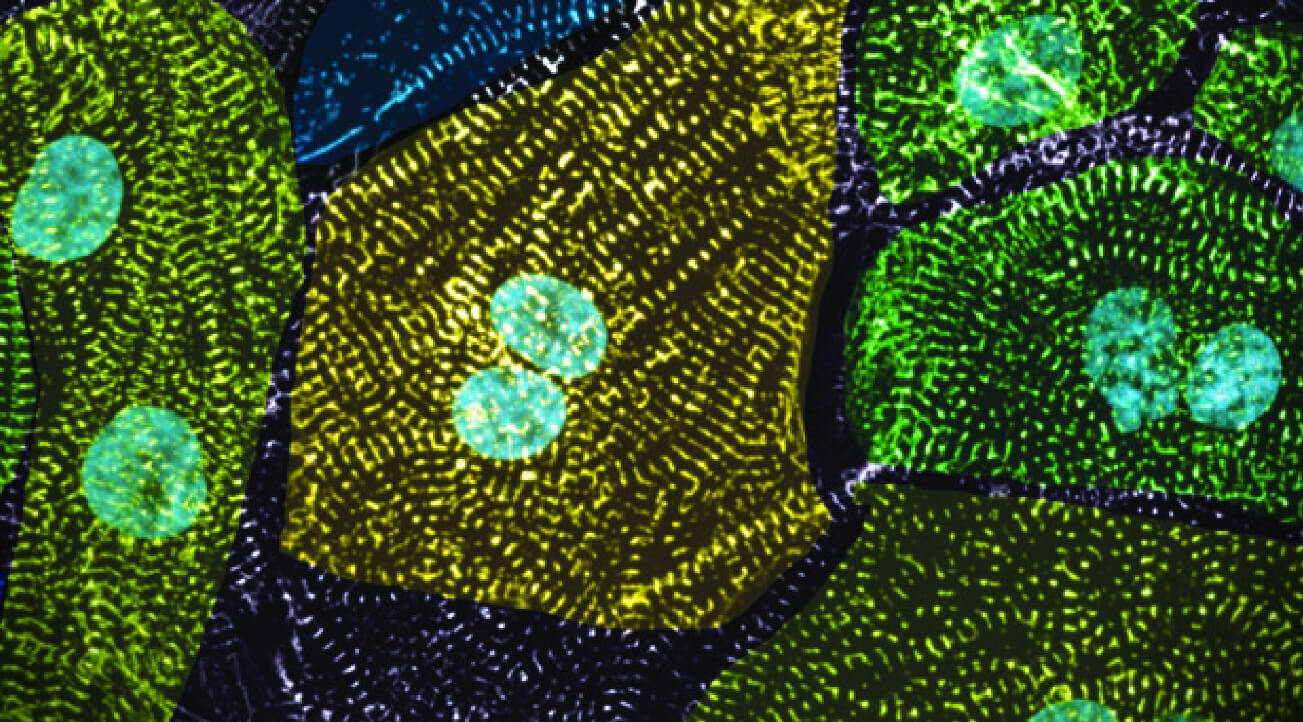
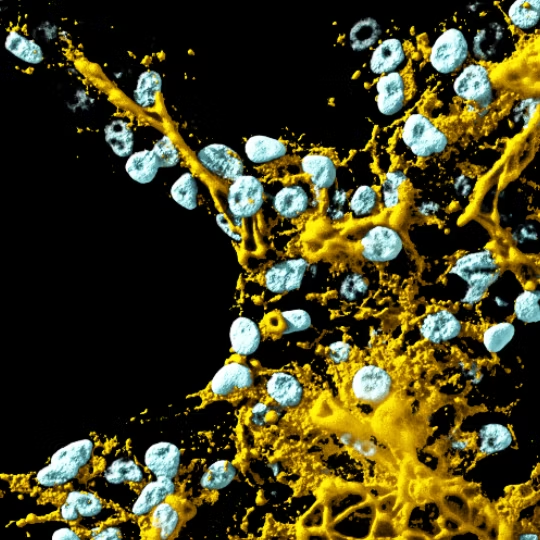
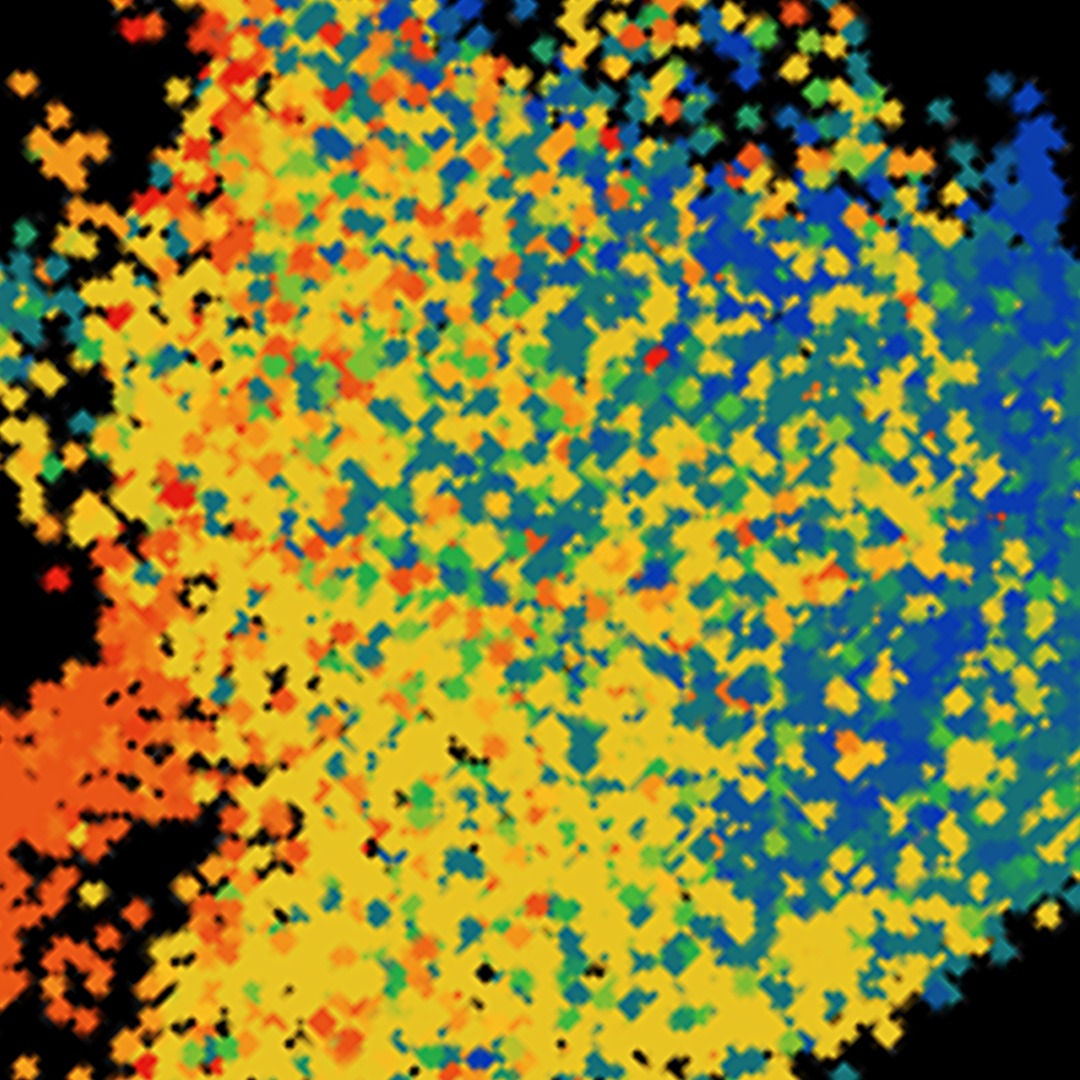
To understand human cells, scientists look beyond genes
Deep dive into detailed images of human heart cells uncovers a disconnect between gene expression and cell structure
cell science
news

Science in Sixty | Shannon Reynolds
Figuring out how to transport live brain tissue from the operating room to the lab is challenging to say the least. In our latest Science in Sixty,...
No items found.
video
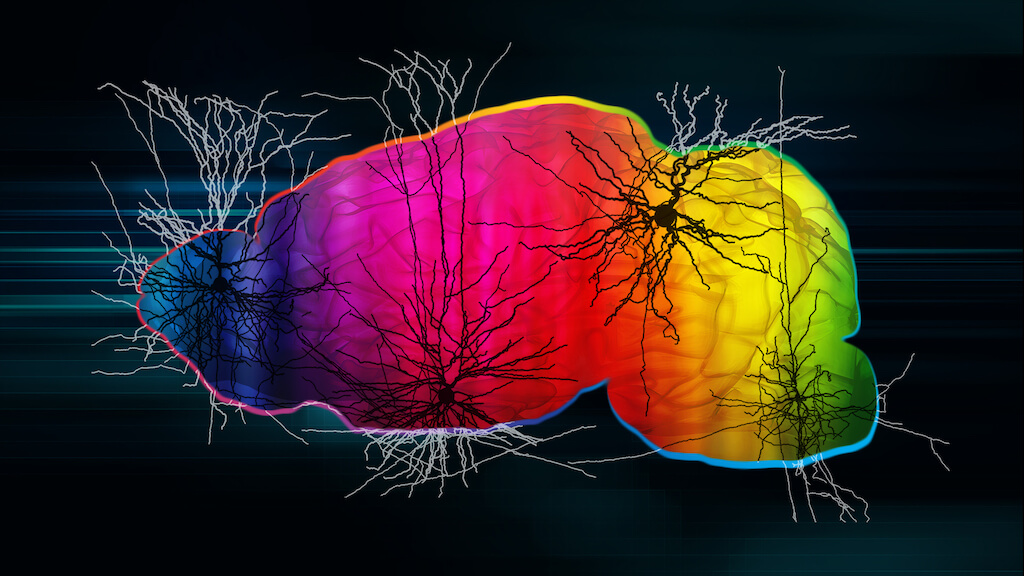
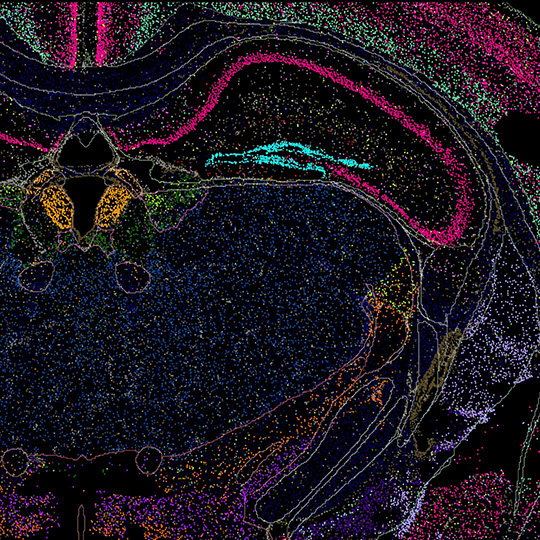
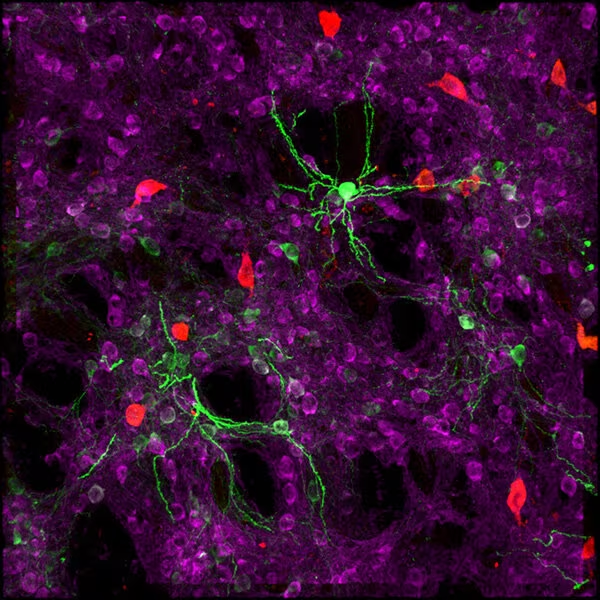
Study maps all the types of neurons across two major structures of the mouse brain
Cell-type parts list of the mouse neocortex and the hippocampal formation yields new information about how the mammalian brain evolved and develops
brain science
news
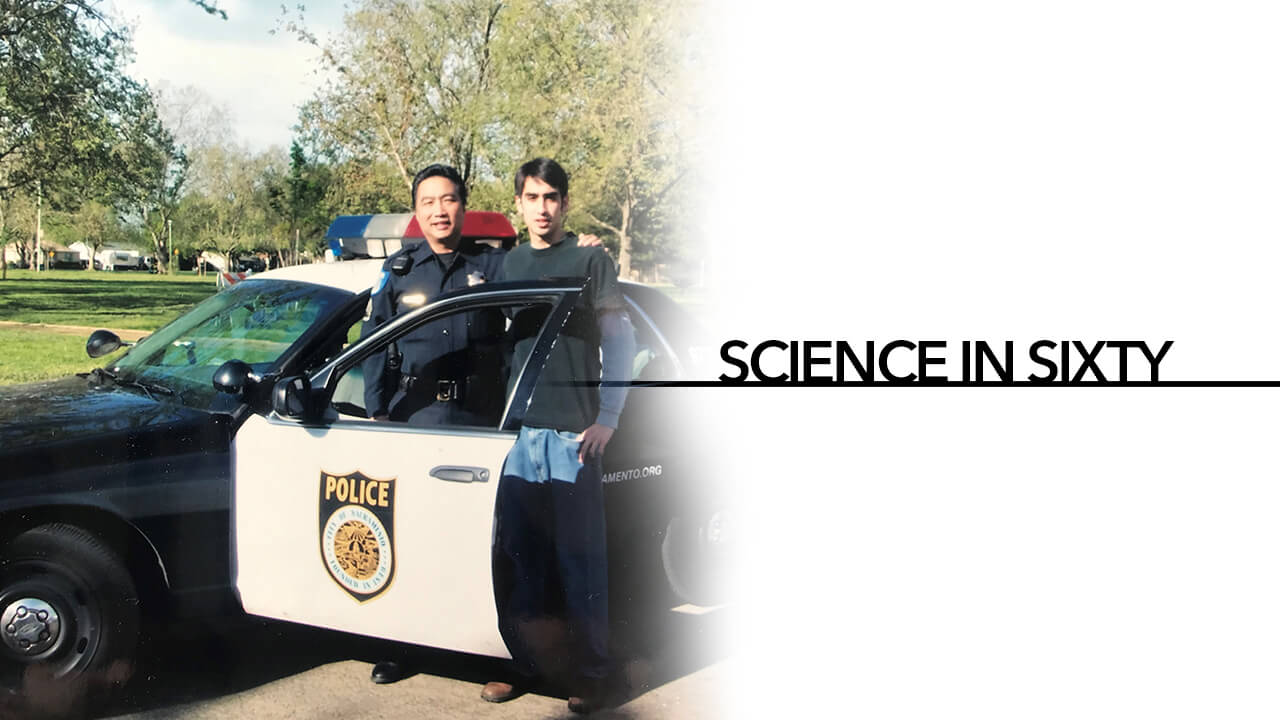
Science in Sixty | Brian Lee
Brian Lee, Ph.D., Senior Scientist at the Allen Institute for Brain Science, shares his journey from rebellious teen to crisis counselor to neuroscientist.
No items found.
video
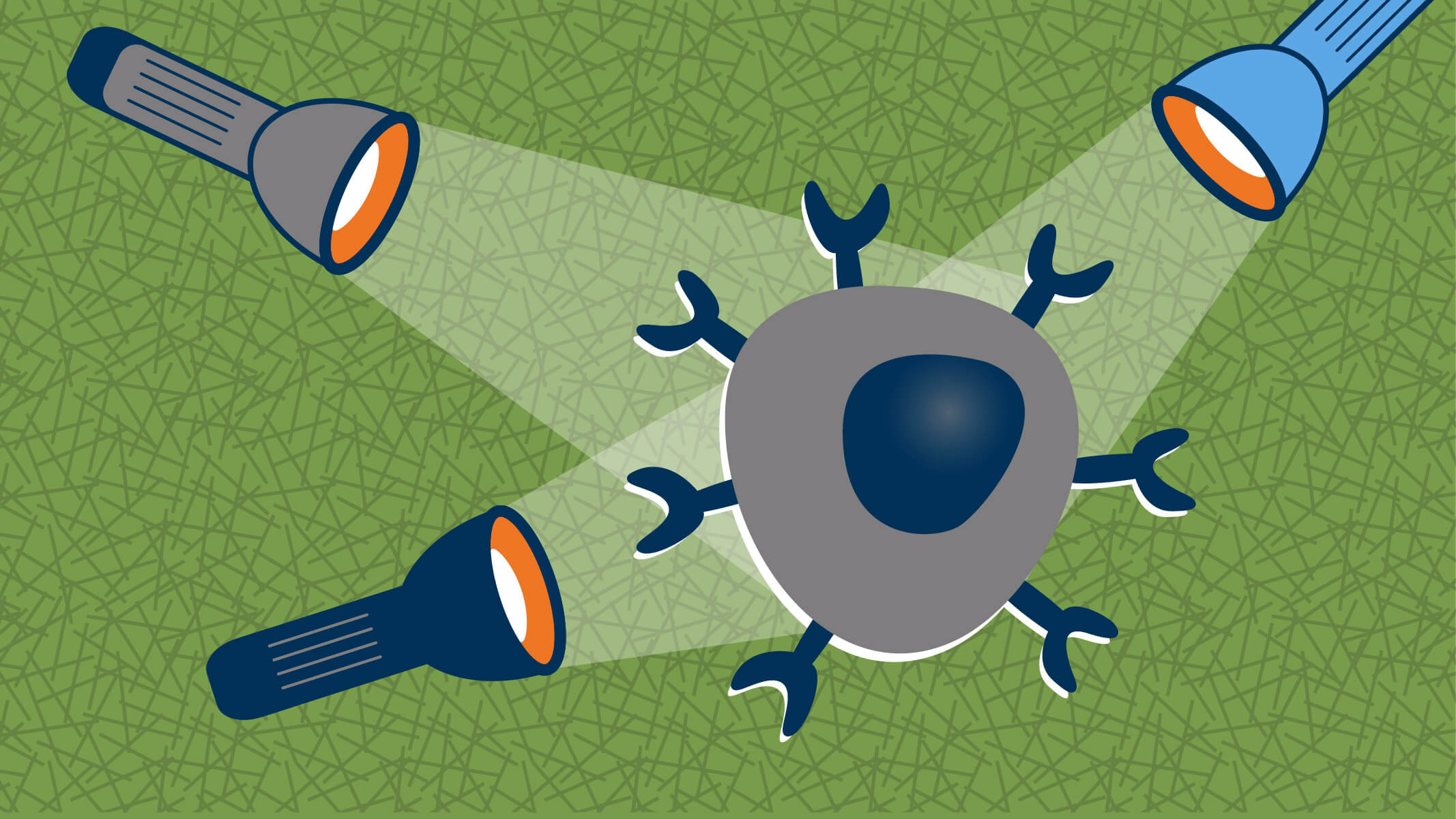
New technique explores the ins and outs of our immune cells
Method that captures 3 different characteristics of individual human cells at once can shed light on aging and disease.
immunology
news
Allen Institute and BioMarin team up to develop gene therapies for rare brain diseases.
The collaboration leverages technologies intended to target gene expression to specific cells within the central nervous system
No items found.
news

your life history is written in your cells' mutations
New study traces developmental history of the human body using small differences in DNA between each of our cells
No items found.
news
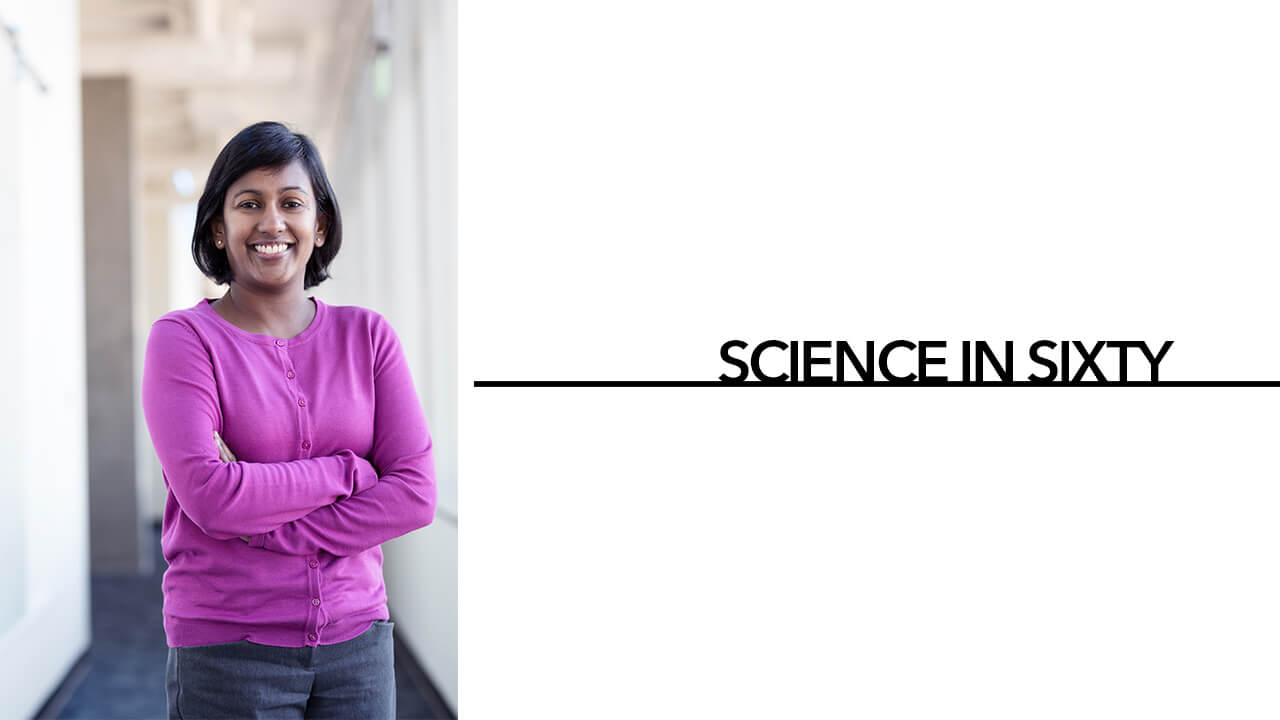
Science in Sixty | Ru Gunawardane
Ru Gunawardane, Ph.D., is the Executive Director of the Allen Institute for Cell Science, where she leads a team of scientists, engineers, artists and other experts, all working together to understand how our cells function.
No items found.
video

Allen Institute adds leading health care attorney to board of directors
Carla DewBerry brings expertise in health care law and background in nonprofit philanthropic boards to the research organization’s governing board
No items found.
news

No results found, try reducing your search parameters.
press & media contact
Get in touch for media inquiries and resources for covering science at the scale of greatest impact.
Thank you! Your submission has been received!
Oops! Something went wrong while submitting the form.








No results found, try reducing your search parameters.