impact
about
our story
explore our impact
careers and opportunities
join us
open science
sharing science to speed discovery
open science week
celebrating open science
team science
people & teams
discovery is a team effort
allenites
the people who make our work possible
advisors
their input shapes our science
board of directors
they help us fulfill our mission
shanahan foundation fellowship
at the interface of data and neuroscience
next generation leaders
fostering emerging leaders in bioscience
research
overview
our approach
science at the scale of greatest impact
publications
explore our publications
open science
sharing science to speed discovery
science accelerators
brain science
building a blueprint of the brain
cell science
understanding how cells become organs
neural dynamics
revealing the brain’s hidden algorithms
immunology
creating the ultimate immune system reference
synthetic biology
seattle hub for synthetic biology
education
overview
science education
science is for everyone
open science
sharing science speeds discovery
engagement
education resources
real science. real skills.
field trips
experience science where it happens
educator development
empowering educators
news
overview
all news
explore the latest news
podcast
the human stories behind discovery
sign up for our newsletter
stay connected to our science
events
overview
all events
public engagement, workshops, seminars and more
conferences
connect with us
science resources
science resources
allencell.org
allenimmunology.org
allenneuraldynamics.org
brain-bican.org
brain-map.org
microns-explorer.org
impact
back to menu
team science
our story
explore our impact
careers and opportunities
join us
open science
sharing science to speed discovery
open science week
celebrating open science
team science
people & teams
discovery is a team effort
allenites
the people who make our work possible
advisors
their input shapes our science
board of directors
they help us fulfill our mission
shanahan foundation fellowship
at the interface of data and neuroscience
next generation leaders
fostering emerging leaders in bioscience
research
back to menu
overview
our approach
science at the scale of greatest impact
publications
explore our publications
open science
sharing science to speed discovery
science accelerators
brain science
building a blueprint of the brain
cell science
understanding how cells become organs
neural dynamics
revealing the brain’s hidden algorithms
immunology
creating the ultimate immune system reference
synthetic biology
seattle hub for synthetic biology
education
back to menu
overview
science education
science is for everyone
open science
sharing science speeds discovery
engagement
education resources
real science. real skills.
field trips
experience science where it happens
educator development
empowering educators
news
back to menu
overview
all news
explore the latest news
podcast
the human stories behind discovery
newsletter
stay connected to our science
events
back to menu
overview
all events
public engagement, workshops, seminars and more
conferences
connect with us
science resources
back to menu
science resources
allencell.org
allenimmunology.org
allenneuraldynamics.org
brain-bican.org
brain-map.org
microns-explorer.org
search
research
seattle hub for synthetic biology

pepper lab

investigating antigen-specific adaptive immune cells to better design vaccines and therapeutics

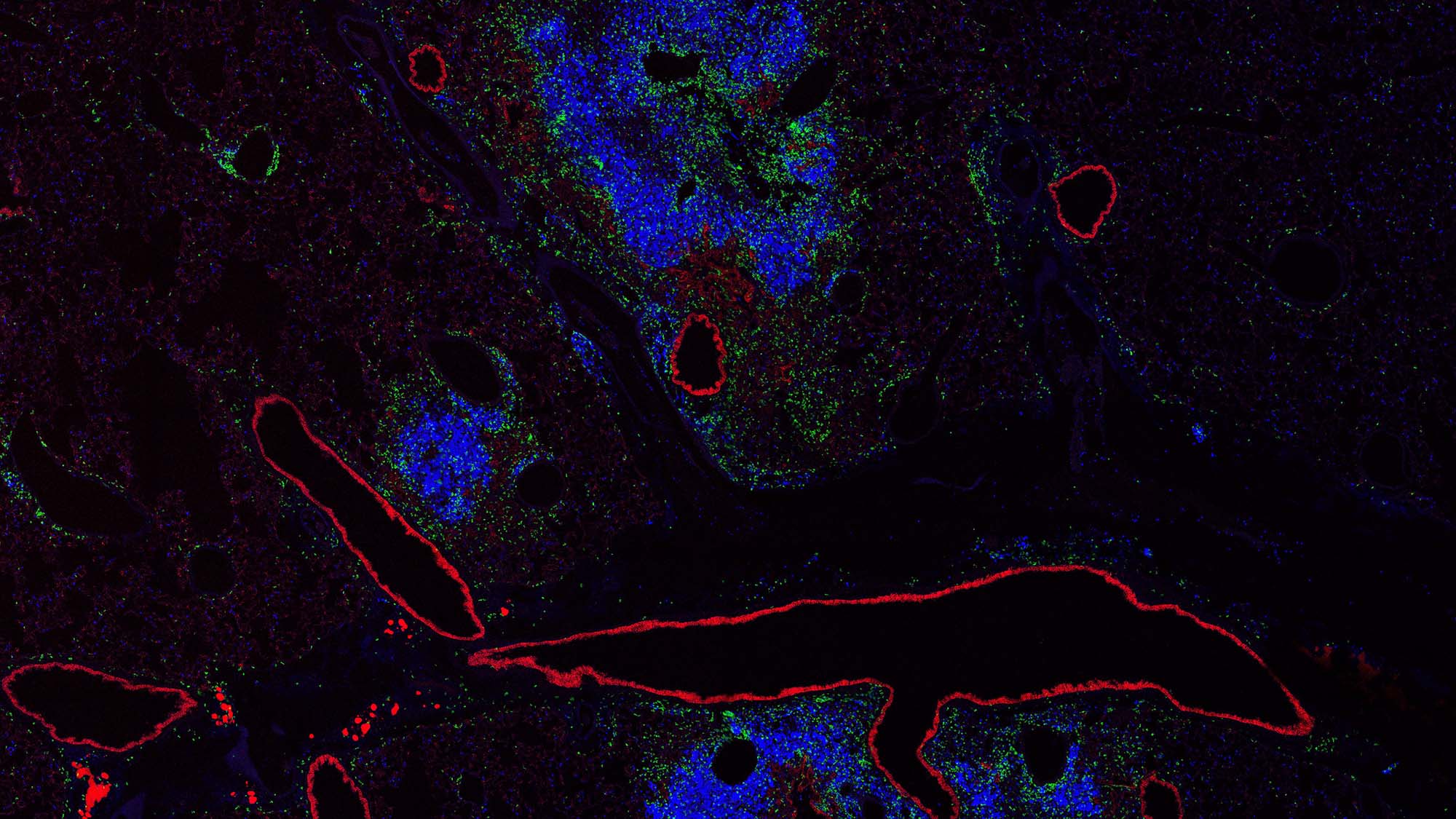
Fluorescent microscopy image showing cells with red outlines and blue-green interior staining.
The Seattle Hub for Synthetic Biology is a collaboration between Allen Institute, Chan Zuckerberg Initiative and the University of Washington.

‍goals and approach

In the Pepper Lab, researchers study how cells of the adaptive immune system, called CD4+ T cells and B cells, form immunological memory by visualizing their differentiation, retention, and function in both mice and humans. They accomplish this by using novel tetramer-based enrichment strategies to study small populations of antigen specific CD4+ T and B cells in both complex infectious diseases, such as malaria as well as during allergic asthma using a house dust mite model. They additionally use transgenic mice with various genetic ablations to interrogate the underlying molecular mechanisms involved in memory cell development and function.

‍
Lead Investigator:
Dr. Marion Pepper

Dr. Marion Pepper earned her Ph.D. in Immunology in 2006 from the University of Pennsylvania School of Medicine. Her work there focused on the development of the CD4+ T cell response to the eukaryotic parasite, Toxoplasma gondii in the laboratory of Dr. Christopher A. Hunter. She continued to study the adaptive immune response as a postdoctoral scholar, specifically focusing on memory lymphocyte differentiation and function in Dr. Marc K. Jenkins’ lab at the University of Minnesota.

In 2011, she joined the faculty of the Department of Immunology at the University of Washington in Seattle as an Assistant Professor. The overarching goals of her laboratory are to understand how to regulate immune cell differentiation such that memory responses against infections can be optimized, while those against allergy can be suppressed. Her studies have revealed key differentiation programs and functions of both memory CD4+ T cells and B cells in response to pathogens and allergens. In 2017, she was awarded the Burroughs Wellcome Fund Investigator in the Pathogenesis of Infectious Diseases Award and was promoted to Associate Professor. In 2021, she was awarded the International Cytokine and Interferon Society ICIS-Luminex John R. Kettman Award for Excellence in Interferon & Cytokine Research. In 2022, she was named Chair of the University of Washington School of Medicine Department of Immunology, and in 2023, she was promoted to Professor.
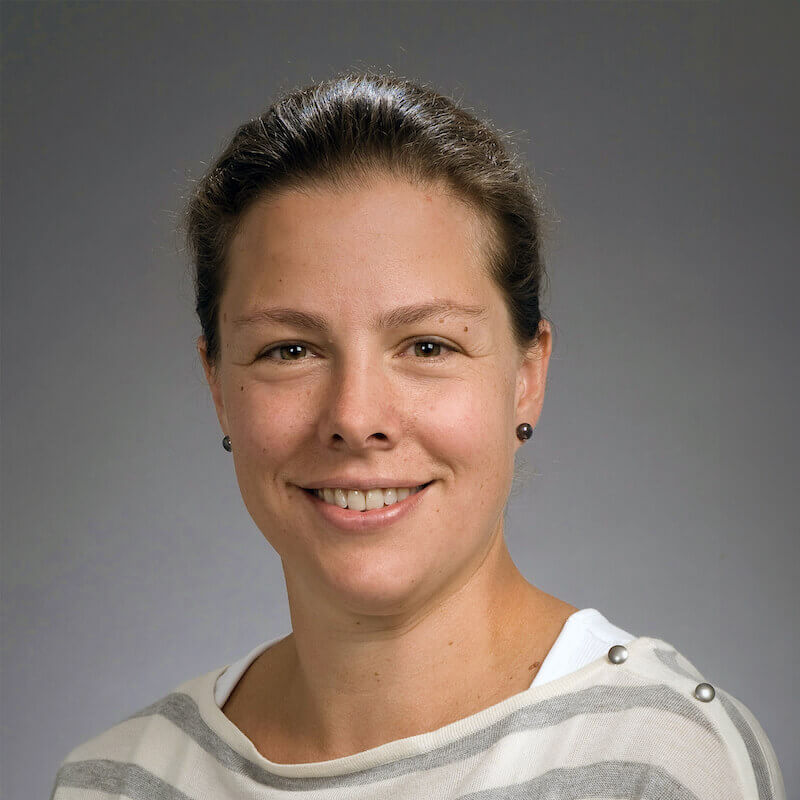
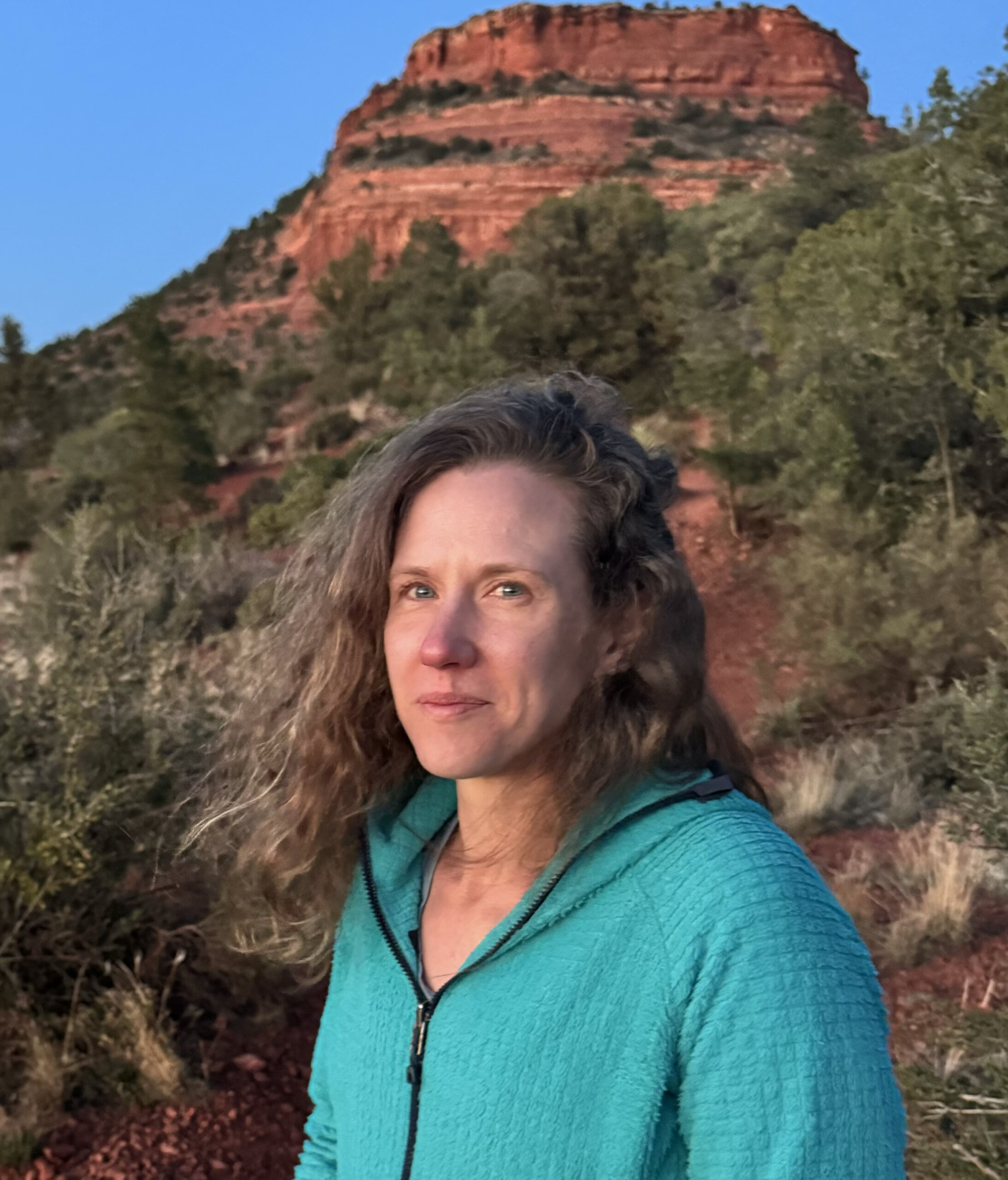
Portrait of a smiling woman with dark hair wearing a striped shirt
Co-Director, Seattle Hub for Synthetic Biology; Professor & Chair of Immunology, University of Washington

research details/

enhancing immune memory

The Pepper Lab studies the adaptive immune system with the goal of generating protective T and B cells in response to a variety of infectious diseases including those caused by parasites, viruses and bacteria. Research in the Pepper Lab during the COVID pandemic found that “certain ‘memory’ cells that were produced following infection with the coronavirus [were functional and could] persist for at least three months in the body,” (New York Times, 2021).

dampening immune memory

The Pepper lab also is working on understanding how to dampen immune memory responses in allergic diseases. Research on dust mite allergy in the Pepper Lab has shown that “lung-resident cells were sufficient to induce airway hyper-responsiveness, which depended upon CD4(+) T cells,” (Immunity, 2016).  Her lab is now focused on understanding the persistence and function of these cells in an effort to create novel therapeutic targets for allergic disease.

overarching goals

The SeaHub project draws on the Pepper Lab’s expertise in immune memory and creating novel tools and techniques to enhance scientists’ understanding of the cells that determine health or disease. They will focus on developing immune cells that can record signals sequentially and longitudinally. This will allow researchers to better understand how T cells that are pathological or optimally protective are generated such that they can be eventually targeted by novel therapeutics.

Dr. Pepper also leads the SeaBridge Fellowship Program, whose goal is to train future scientists and boost commercialization of technology by expanding the application of technologies from the Seattle Hub for Synthetic Biology. SeaBridge Fellows apply SeaHub science to their own postdoc research.

pepper lab team

Derek Bangs
University of Washington / Pepper Lab
Dan Carr
University of Washington / Pepper Lab
Gretchen Harms Pritchard
Kira Hoffman
University of Washington / Pepper Lab
Brian Hondowicz
University of Washington / Pepper Lab
Geoff Hutchinson
University of Washington / Pepper Lab
Courtney McDougal
University of Washington / Pepper Lab
Jason Netland
University of Washington / Pepper Lab
Natasha Olson
University of Washington / Pepper Lab
Oscar Raysman
University of Washington / Pepper Lab
Remi Savard
University of Washington / Pepper Lab
Max Schupp
University of Washington / Pepper Lab
Marcus Wong
University of Washington / Pepper Lab
we acceleratedevelopcatalyzeimpact

science done differently. shared openly.

explore our accelerators

brain science

Mapping every cell, connection, and circuit in the brain—openly shared with the world.

cell science

Decoding how cells become tissues, then programming that knowledge into powerful new research tools.

neural dynamics

Revealing the brain's hidden algorithms that transform neural activity into real-world behavior.

immunology

Creating the deepest open reference for the healthy human immune system ever built.

synthetic biology

Engineering cells to record their own histories, transforming how we understand disease over time.

research

Big questions, open answers, and science built to be shared.

education

Inspiring the next generation of scientists through open science resources.

impact

Our science is empowering researchers and advancing health worldwide.
advancing science through open, collaborative research
Get the allen institute newsletter
Stay informed on the latest breakthroughs in neuroscience, bioscience, and AI-driven research.
allen institute
impactpeople & teamscareers & opportunitiesalumnihistory & founder
science resources
allencell.orgallenimmunology.orgallenneuraldynamics.orgbrain-bican.orgbrain-map.orgmicrons-explorer.org
research
brain sciencecell scienceneural dynamicsimmunologysynthetic biologypublications
education
science educationfield tripsprofessional developmenteducation resources
quick links
newseventsopen sciencepodcastscience resourceshuman brain donationvisit uscontact
follow us/

allen institute, 615 Westlake Ave North, Seattle, WA 98109 +12065487055

© 0000 allen institute. all rights reserved.
privacy policyterms of usecitation policyemployee portalpolicy & compliancecookie settings