impact
about
our story
explore our impact
careers and opportunities
join us
open science
sharing science to speed discovery
open science week
celebrating open science
team science
people & teams
discovery is a team effort
allenites
the people who make our work possible
advisors
their input shapes our science
board of directors
they help us fulfill our mission
shanahan foundation fellowship
at the interface of data and neuroscience
next generation leaders
fostering emerging leaders in bioscience
research
overview
our approach
science at the scale of greatest impact
publications
explore our publications
open science
sharing science to speed discovery
science accelerators
brain science
building a blueprint of the brain
cell science
understanding how cells become organs
neural dynamics
revealing the brain’s hidden algorithms
immunology
creating the ultimate immune system reference
synthetic biology
seattle hub for synthetic biology
education
overview
science education
science is for everyone
open science
sharing science speeds discovery
engagement
education resources
real science. real skills.
field trips
experience science where it happens
educator development
empowering educators
news
overview
all news
explore the latest news
podcast
the human stories behind discovery
sign up for our newsletter
stay connected to our science
events
overview
all events
public engagement, workshops, seminars and more
conferences
connect with us
science resources
science resources
allencell.org
allenimmunology.org
allenneuraldynamics.org
brain-bican.org
brain-map.org
microns-explorer.org
impact
back to menu
team science
our story
explore our impact
careers and opportunities
join us
open science
sharing science to speed discovery
open science week
celebrating open science
team science
people & teams
discovery is a team effort
allenites
the people who make our work possible
advisors
their input shapes our science
board of directors
they help us fulfill our mission
shanahan foundation fellowship
at the interface of data and neuroscience
next generation leaders
fostering emerging leaders in bioscience
research
back to menu
overview
our approach
science at the scale of greatest impact
publications
explore our publications
open science
sharing science to speed discovery
science accelerators
brain science
building a blueprint of the brain
cell science
understanding how cells become organs
neural dynamics
revealing the brain’s hidden algorithms
immunology
creating the ultimate immune system reference
synthetic biology
seattle hub for synthetic biology
education
back to menu
overview
science education
science is for everyone
open science
sharing science speeds discovery
engagement
education resources
real science. real skills.
field trips
experience science where it happens
educator development
empowering educators
news
back to menu
overview
all news
explore the latest news
podcast
the human stories behind discovery
newsletter
stay connected to our science
events
back to menu
overview
all events
public engagement, workshops, seminars and more
conferences
connect with us
science resources
back to menu
science resources
allencell.org
allenimmunology.org
allenneuraldynamics.org
brain-bican.org
brain-map.org
microns-explorer.org
search
research
immunology

inflammation

investigating chronic immune dysfunction
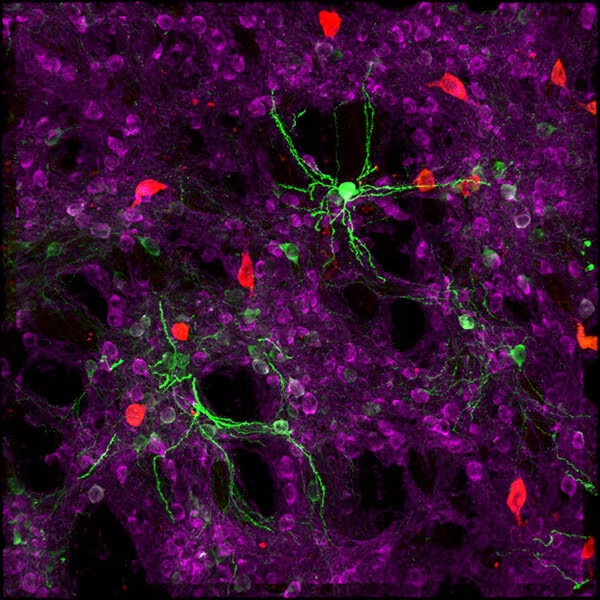
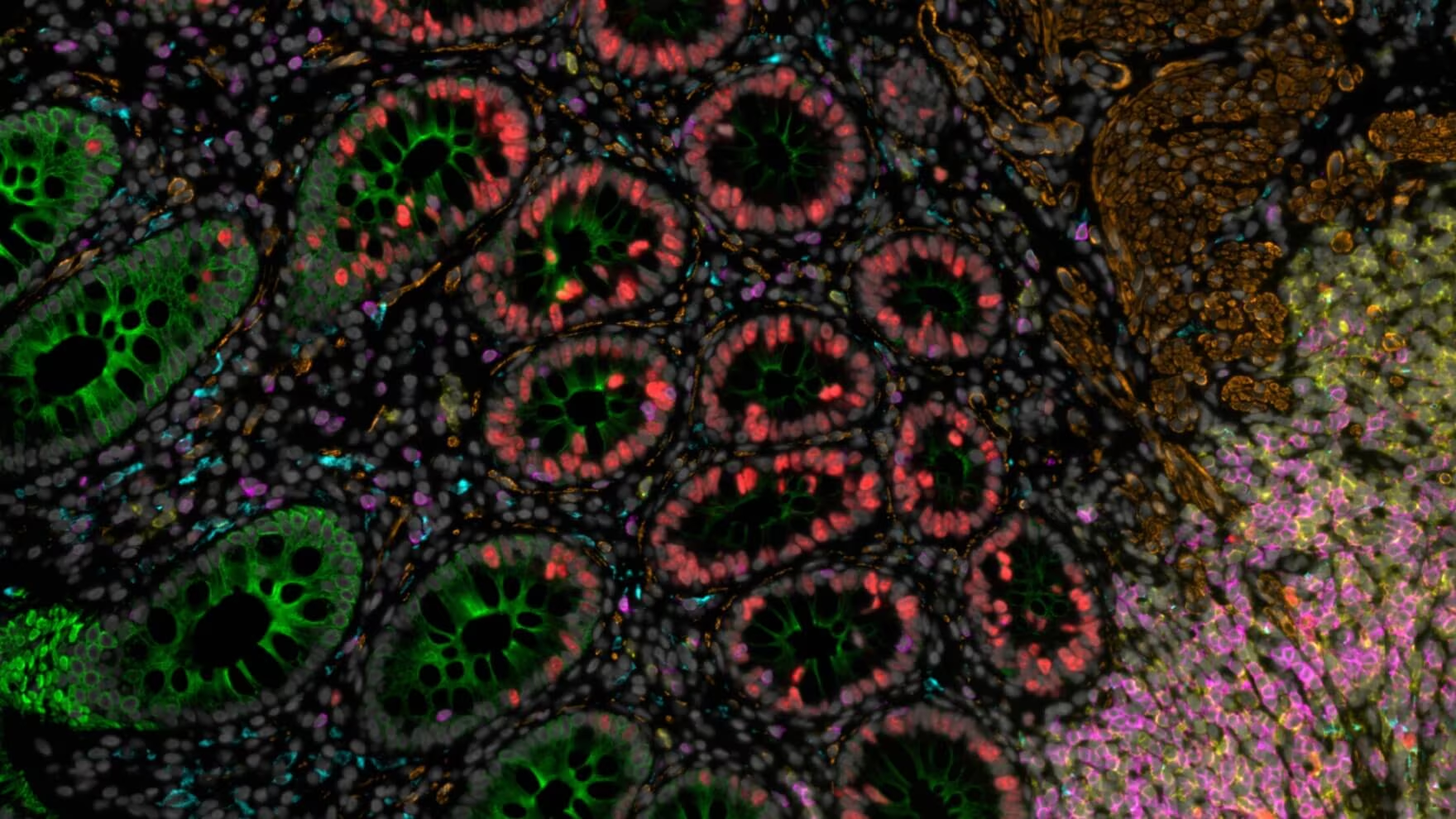
Fluorescent microscopy image of colorful cells with green nuclei and red staining

understanding inflammatory immune responses to improve patient lives

Our body’s barrier surfaces – including the intestines, skin, and lungs – have a surface area larger than a pickleball court. These surfaces mediate the interactions between the immune system and billions of harmless microbes, pathogens, foods and other substances. The Inflammation programat the Allen Institute's Immunology accelerator seeks to decipher the normal and pathologic mechanisms that govern chronic immune dysfunction at barrier surfaces and to uncover new opportunities to reverse or prevent these debilitating conditions. This collaborative team of basic, clinical, and translational scientists, computational biologists, and computing engineers is using integrated omics tools to study immune responses in the barrier and barrier-related tissues. This is combined with a simultaneous investigation of immune events occurring in peripheral blood to generate a systems-level understanding of inflammatory diseases over time.
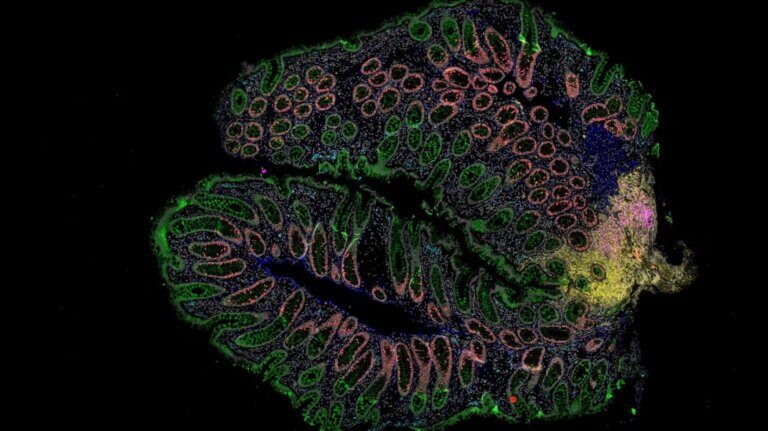
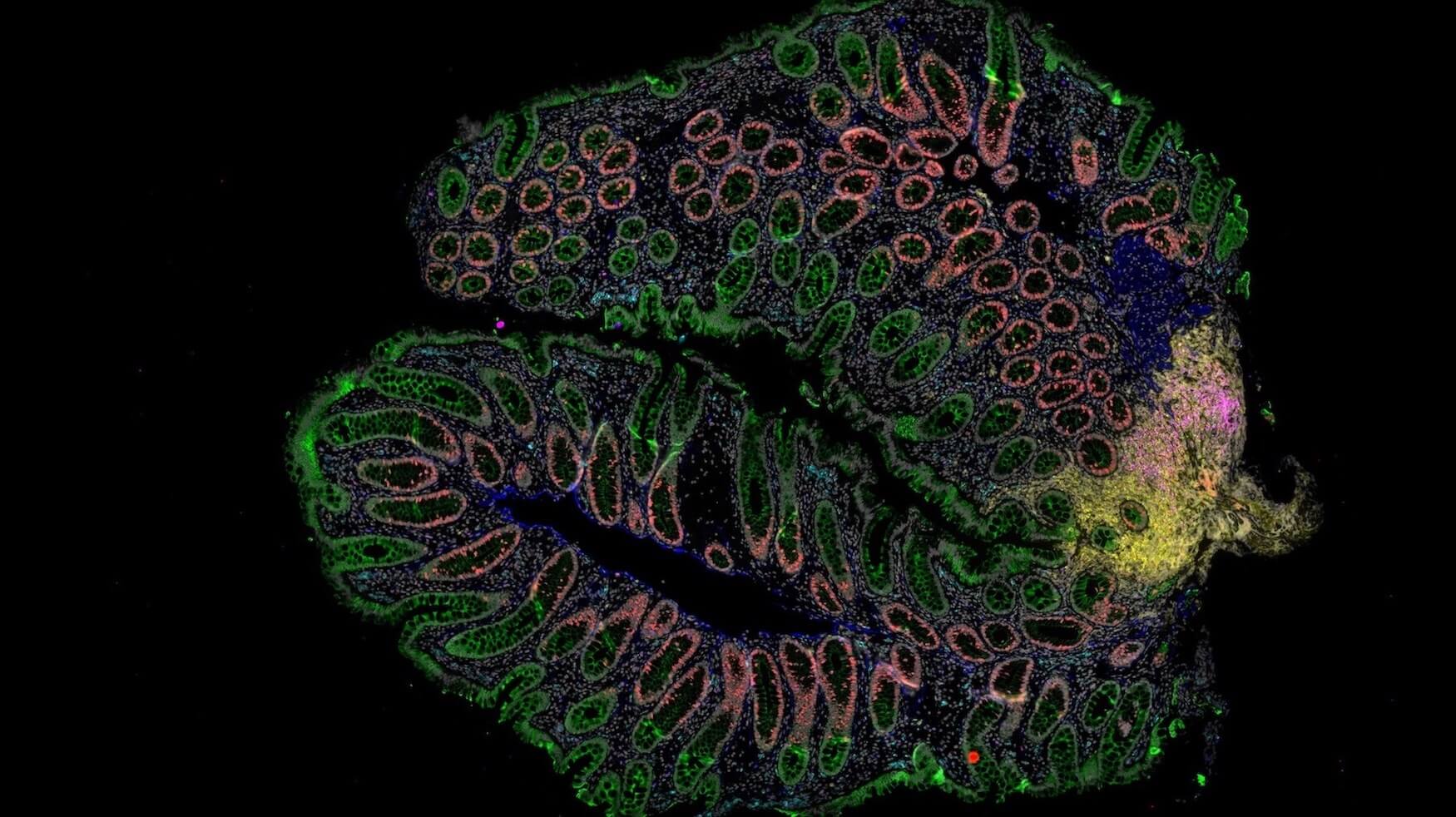
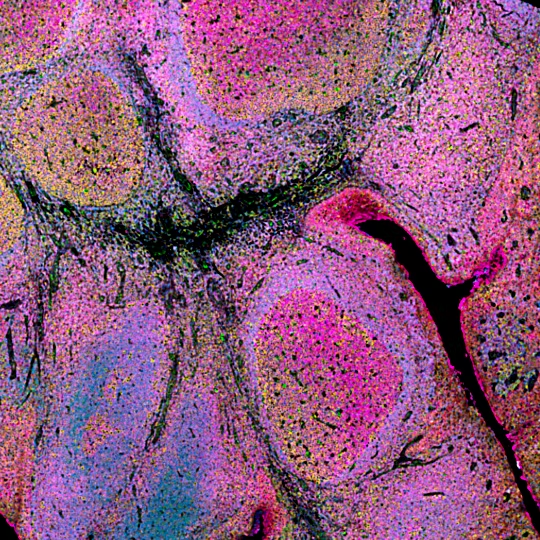
Fluorescent microscopy image of biological tissue cells with green, blue, and pink staining
This piece of large intestine, biopsied from a pediatric IBD patient, has been processed to reveal cellular and molecular features we can use to understand disease activity. These include epithelial cells (green), muscle (dark blue), T cells (lavender and purple), B cells (yellow), monocytes and macrophages (cyan), and cells that are actively dividing (red).

project: advancing research in inflammatory diseases

This team primarily focuses on the gut, where they investigate inflammatory bowel disease (IBD). By studying samples from patients with untreated, treated, and treatment-resistant IBD, alongside conditions where gut disease is prominent, the team aims to reveal new insights into how these diseases develop and progress. Research is geared towards IBD, which includes Crohn’s disease and ulcerative colitis, and does not include irritable bowel syndrome (IBS).

Through collaborations with researchers, clinicians, and pharmaceutical companies, this group is committed to accelerating discoveries that could lead to innovative treatments. Their research brings hope to patients whose lives are deeply affected by these chronic conditions, ultimately aiming to improve outcomes and quality of life. Together, these efforts contribute to a broader mission of understanding and addressing immune dysfunction at the body’s barrier surfaces.

project: exploring the lingering effects of viral infections including Long COVID

Post-infectious inflammation, particularly following viral infections, typically resolves within a few weeks. However, for some individuals, inflammation can persist for months, leading to extended periods of symptoms and health complications. Researchers at the Allen Institute are deeply engaged in studying the lingering effects of post-infectious inflammation, with a focus on Cytomegalovirus (CMV) and COVID-19 and their long-term impacts.

In their investigation of long COVID, Allen Institute scientists have been profiling the immune systems of patients who continue to experience symptoms months after infection, as well as those who have fully recovered from mild COVID cases. Their work has uncovered a distinct set of molecules linked to inflammation that is present in only a subset of patients with long COVID. These inflammatory markers were not observed in patients who fully recovered, shedding light on potential pathways that contribute to prolonged symptoms. These insights open new opportunities for understanding the underlying mechanisms of post-infectious inflammation and developing targeted therapies to address long COVID and other similar conditions.
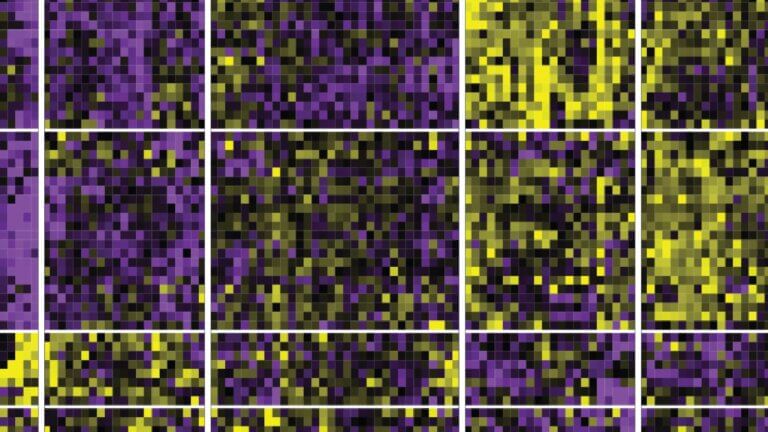
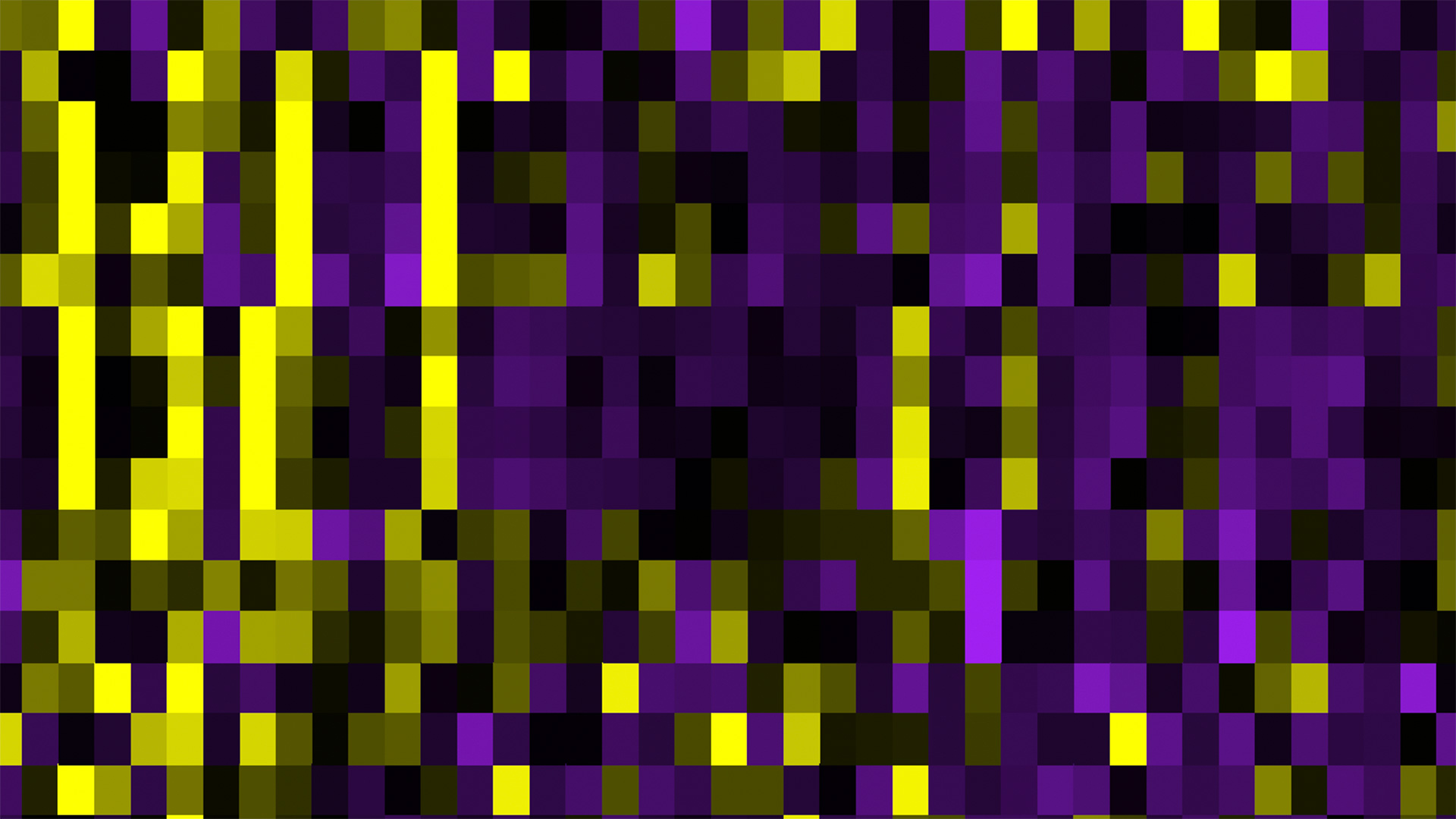
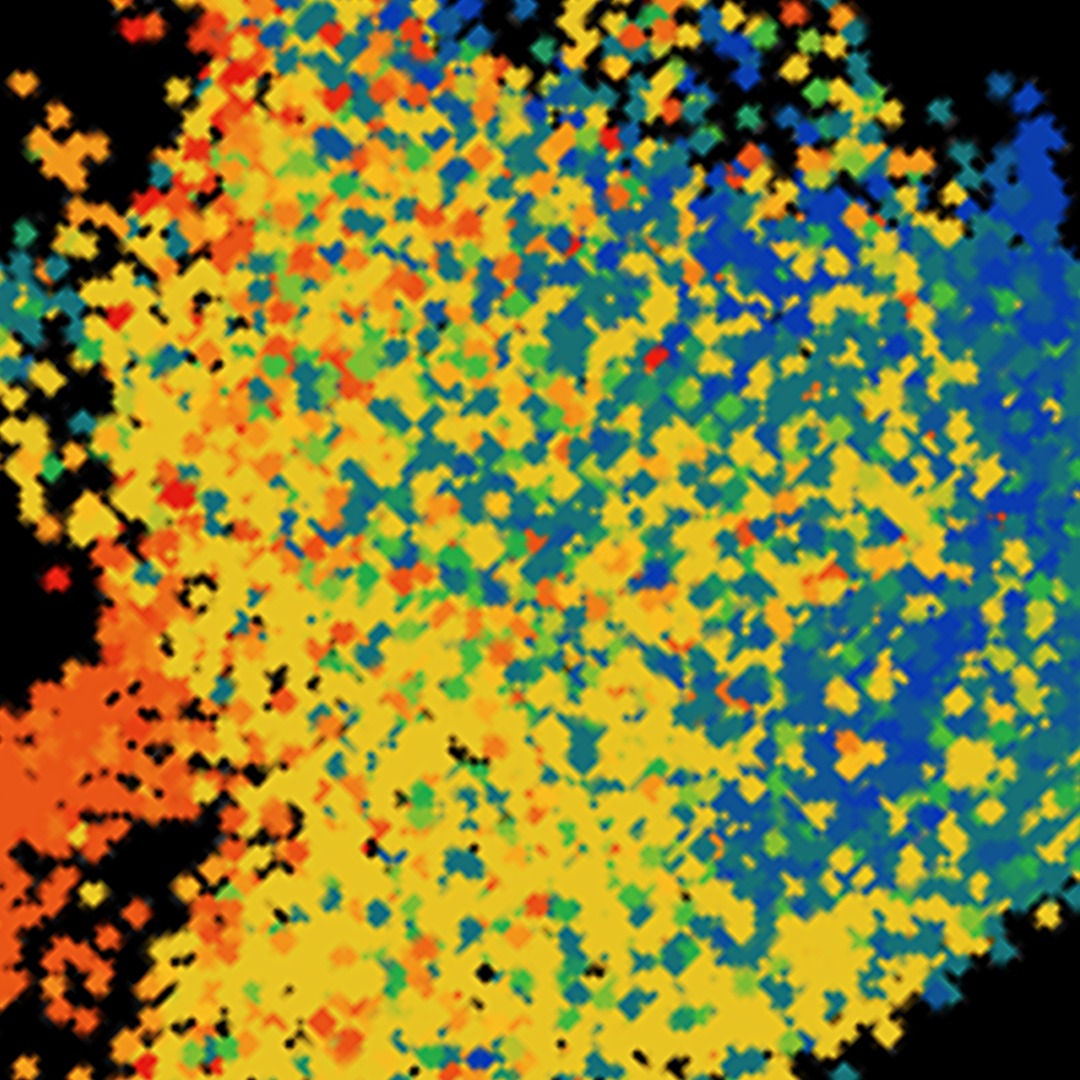
Pixelated grid pattern with purple, yellow, and black square tiles
Heatmap data showing heightened inflammatory signatures in patients with long-COVID.

related news

all news
news
New study reveals rheumatoid arthritis begins long before symptoms, opening door to prevention
The seven-year study reveals early-warning signs that could help doctors catch the disease before it starts, potentially saving patients years of pain and disability.
news
Hope for kids with IBD: New trial aims to improve treatment
Allen Institute for Immunology and Seattle Children's Research Institute launch study to unravel the molecular mysteries of pediatric IBD.
news
New study aims to answer pressing COVID-19 question: Why do some die while others don’t even know they are sick?
Seattle-area research organizations team up for a deep dive into patients’ immune responses to the novel coronavirus; results could contribute to...

inflammation team

Christy Adams
Senior Scientific Program Manager
Jappreet Singh Gill
Bioinformatics Scientist
Yudong He
Principal Scientist
Xiaojun Li
Director, Informatics & Computational Biology
Sue Ludmann
Senior Research Associate
Jocelin Malone
Research Associate, Sr.
Adam Savage
Assistant Investigator
Troy Torgerson
Director, Experimental Immunology
we acceleratedevelopcatalyzeimpact

science done differently. shared openly.

explore our accelerators

brain science

Mapping every cell, connection, and circuit in the brain—openly shared with the world.

cell science

Decoding how cells become tissues, then programming that knowledge into powerful new research tools.

neural dynamics

Revealing the brain's hidden algorithms that transform neural activity into real-world behavior.

immunology

Creating the deepest open reference for the healthy human immune system ever built.

synthetic biology

Engineering cells to record their own histories, transforming how we understand disease over time.

research

Big questions, open answers, and science built to be shared.

education

Inspiring the next generation of scientists through open science resources.

impact

Our science is empowering researchers and advancing health worldwide.
advancing science through open, collaborative research
Get the allen institute newsletter
Stay informed on the latest breakthroughs in neuroscience, bioscience, and AI-driven research.
allen institute
impactpeople & teamscareers & opportunitiesalumnihistory & founder
science resources
allencell.orgallenimmunology.orgallenneuraldynamics.orgbrain-bican.orgbrain-map.orgmicrons-explorer.org
research
brain sciencecell scienceneural dynamicsimmunologysynthetic biologypublications
education
science educationfield tripsprofessional developmenteducation resources
quick links
newseventsopen sciencepodcastscience resourceshuman brain donationvisit uscontact
follow us/

allen institute, 615 Westlake Ave North, Seattle, WA 98109 +12065487055

© 0000 allen institute. all rights reserved.
privacy policyterms of usecitation policyemployee portalpolicy & compliancecookie settings