

impact
about
our story
explore our impact
careers and opportunities
join us
open science
sharing science to speed discovery
open science week
celebrating open science
team science
people & teams
discovery is a team effort
allenites
the people who make our work possible
advisors
their input shapes our science
board of directors
they help us fulfill our mission
shanahan foundation fellowship
at the interface of data and neuroscience
next generation leaders
fostering emerging leaders in bioscience
research
overview
our approach
science at the scale of greatest impact
publications
explore our publications
open science
sharing science to speed discovery
science accelerators
brain science
building a blueprint of the brain
cell science
understanding how cells become organs
neural dynamics
revealing the brain’s hidden algorithms
immunology
creating the ultimate immune system reference
synthetic biology
seattle hub for synthetic biology
education
overview
science education
science is for everyone
open science
sharing science speeds discovery
engagement
education resources
real science. real skills.
field trips
experience science where it happens
educator development
empowering educators
news
overview
all news
explore the latest news
podcast
the human stories behind discovery
sign up for our newsletter
stay connected to our science
events
overview
all events
public engagement, workshops, seminars and more
conferences
connect with us
science resources
science resources
allencell.org
allenimmunology.org
allenneuraldynamics.org
brain-bican.org
brain-map.org
microns-explorer.org
impact
back to menu
team science
our story
explore our impact
careers and opportunities
join us
open science
sharing science to speed discovery
open science week
celebrating open science
team science
people & teams
discovery is a team effort
allenites
the people who make our work possible
advisors
their input shapes our science
board of directors
they help us fulfill our mission
shanahan foundation fellowship
at the interface of data and neuroscience
next generation leaders
fostering emerging leaders in bioscience
research
back to menu
overview
our approach
science at the scale of greatest impact
publications
explore our publications
open science
sharing science to speed discovery
science accelerators
brain science
building a blueprint of the brain
cell science
understanding how cells become organs
neural dynamics
revealing the brain’s hidden algorithms
immunology
creating the ultimate immune system reference
synthetic biology
seattle hub for synthetic biology
education
back to menu
overview
science education
science is for everyone
open science
sharing science speeds discovery
engagement
education resources
real science. real skills.
field trips
experience science where it happens
educator development
empowering educators
news
back to menu
overview
all news
explore the latest news
podcast
the human stories behind discovery
newsletter
stay connected to our science
events
back to menu
overview
all events
public engagement, workshops, seminars and more
conferences
connect with us
science resources
back to menu
science resources
allencell.org
allenimmunology.org
allenneuraldynamics.org
brain-bican.org
brain-map.org
microns-explorer.org
search
education

Defining cell types using transcriptomics, morphology, and electrophysiology

Overview of how multi-modal data is gathered to define cell types in the brain

resource type / 
Lesson(s)
topic / 
neuroscience
published / March 2, 2026
audience / 
Graduate
Undergraduate
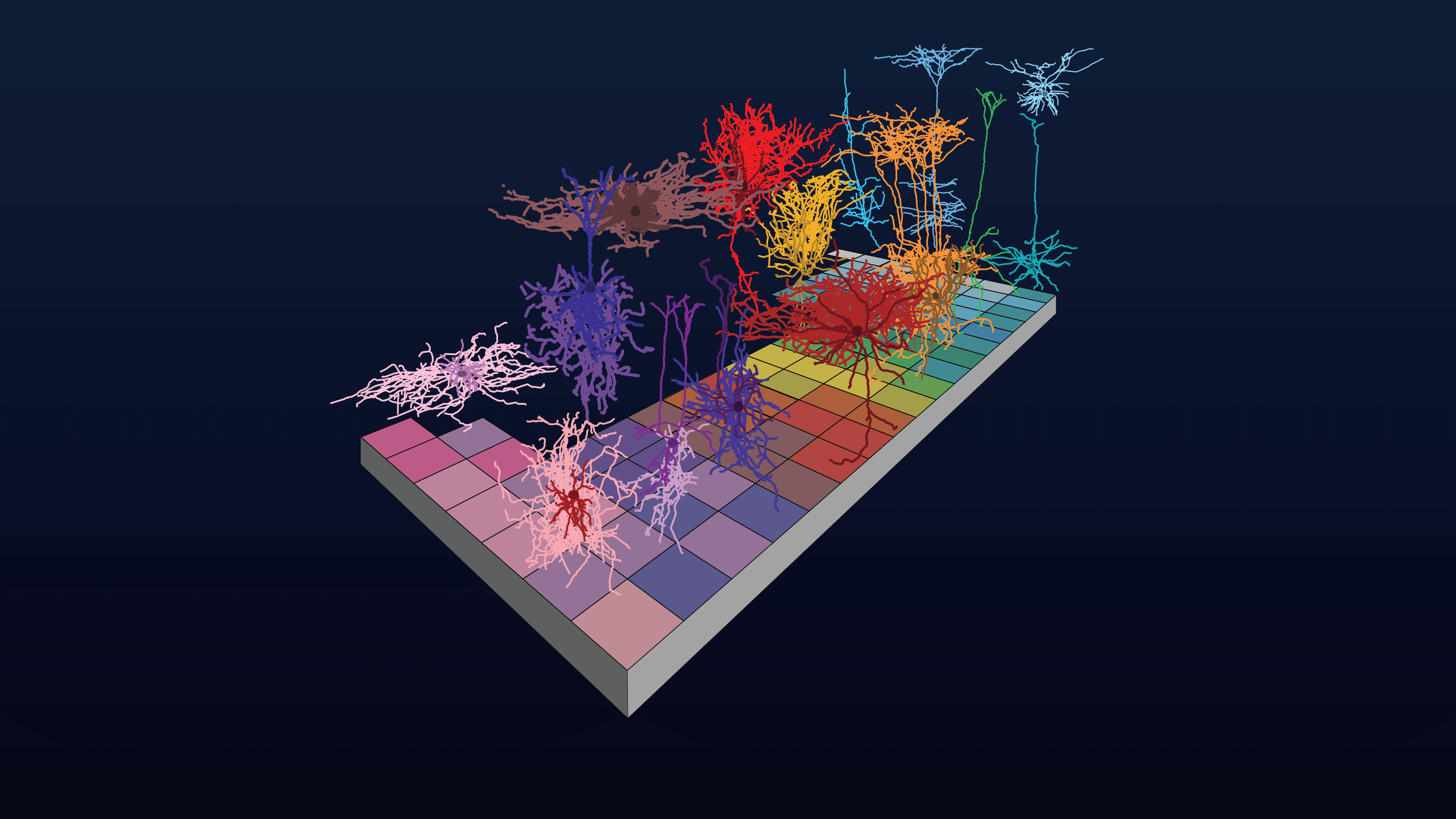
Colorful neural network visualization with branching patterns on gradient grid surface.
share/
This is some text inside of a div block.

in this lesson

table of contents will display on published page only
set h2 to populate the table of contents here
lesson
additional links

contributors

Lauren Alfiler
Education and Engagement Specialist III
Kaitlyn Casimo
Manager, Education & Engagement

About this lesson:

Slide decks

This lesson overviews how current research defines cell types in the brain by gathering transcriptomic, morphological, and electrophysiological data. We encourage instructors to customize this lesson to fit their specific needs. These slides provide an in-depth overview of the data collection process for each data type (transcriptomic, morphological, electrophysiological), so we encourage instructors to pick-and-choose which slides best align with your course content.  

Lab activity

This resource also includes a student research guide and webinar, assisting students in their exploration of the Cell Type Knowledge Explorer. The student research guide walks students through selecting their cell type of interest, exploring gene expression markers, and comparing their work to previously published results.  

This lesson was supported by the National Institute of Neurological Disorders and Stroke of the National Institutes of Health under Award Number U24NS133077. The content is solely the responsibility of the authors and does not necessarily represent the official views of the National Institutes of Health.

‍

Additional Reading

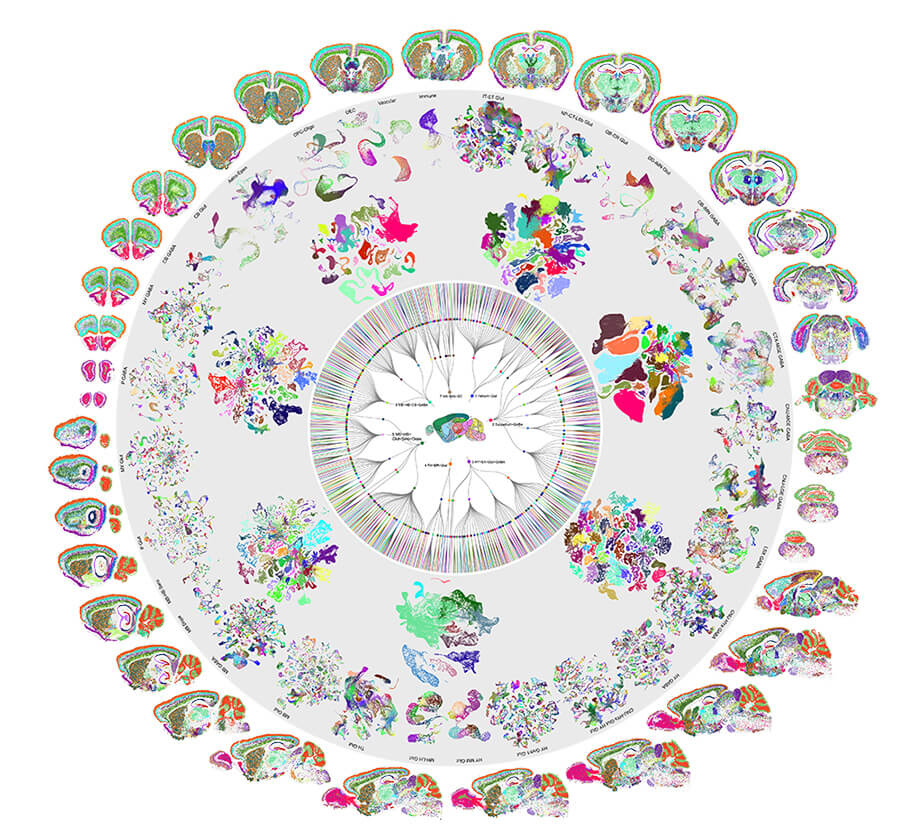
Figure displaying mappings of the mouse brain arranged in a circle

The first complete cell census of a mammalian brain

Explore this summary article in Nature about the work from the BRAIN Initiative Cell Census Network (BICCN)

Read the article

‍

Colorful abstract 3D molecular or protein structure visualization with clustered shapes

Yao et al. (2023)

Read the full scientific article in Nature
Read the article

Materials

download all materials

  • Instructor guide
  • Instructor webinar
  • Independent student research guide
  • Independent student research webinar  
  • Slide deck: Transcriptomics
  • Slide deck: Morphology
  • Slide deck: Electrophysiology

featured education resources

explore more resources
brain science
cell science
immunology
neural dynamics
synthetic biology
Early Career Scientists
Health Care Providers
Students
Doctors
Teachers
Postdocs
Scientists
Educators
General Public
Middle School
High School
Undergraduate
Graduate
Thank you! Your submission has been received!
Oops! Something went wrong while submitting the form.
Lesson 3: Investigate a 3D Model of a Human Cell
Explore an interactive 3D model of a human cell undergoing cell division.
Lesson 2: Studying Mitosis with Human Induced Pluripotent Stem Cells
Explore mitosis through browsing the Deep Cell Zoom gallery with over 200,000 cell images.
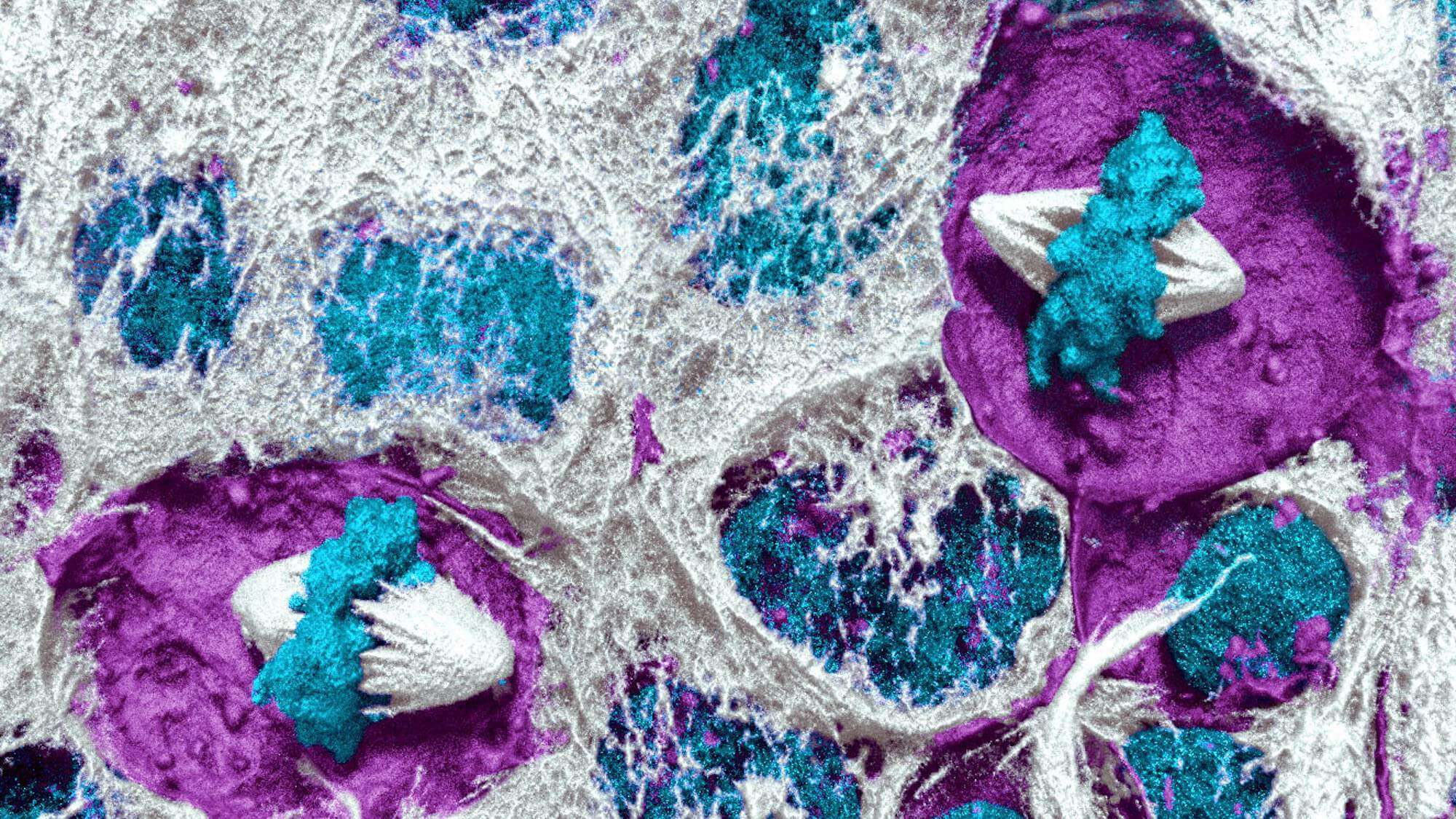
Colorful microscopic cells with magenta, cyan, and white structures in detailed scientific imagery.
Exploring Mitosis with the Allen Institute (B)
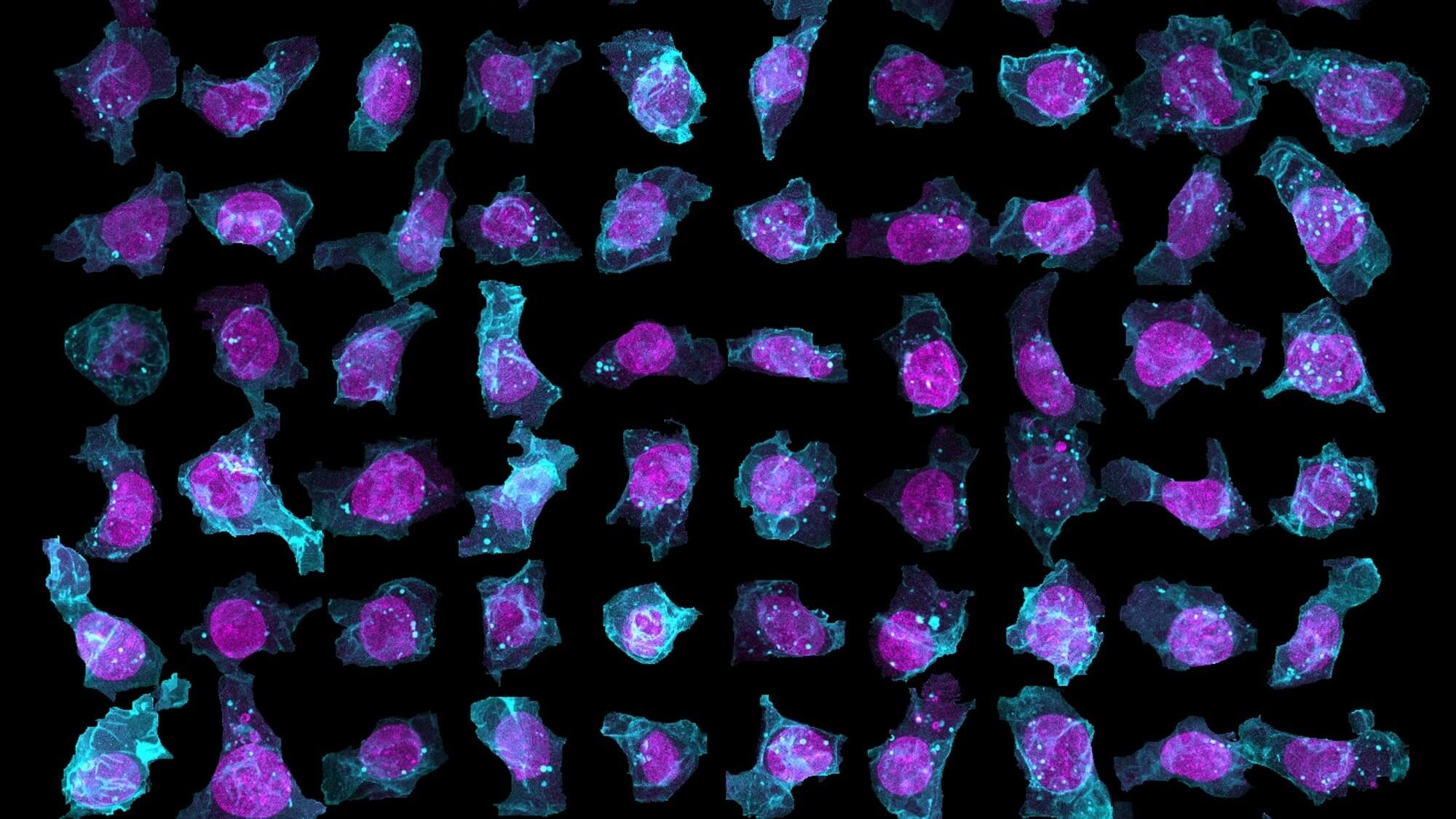
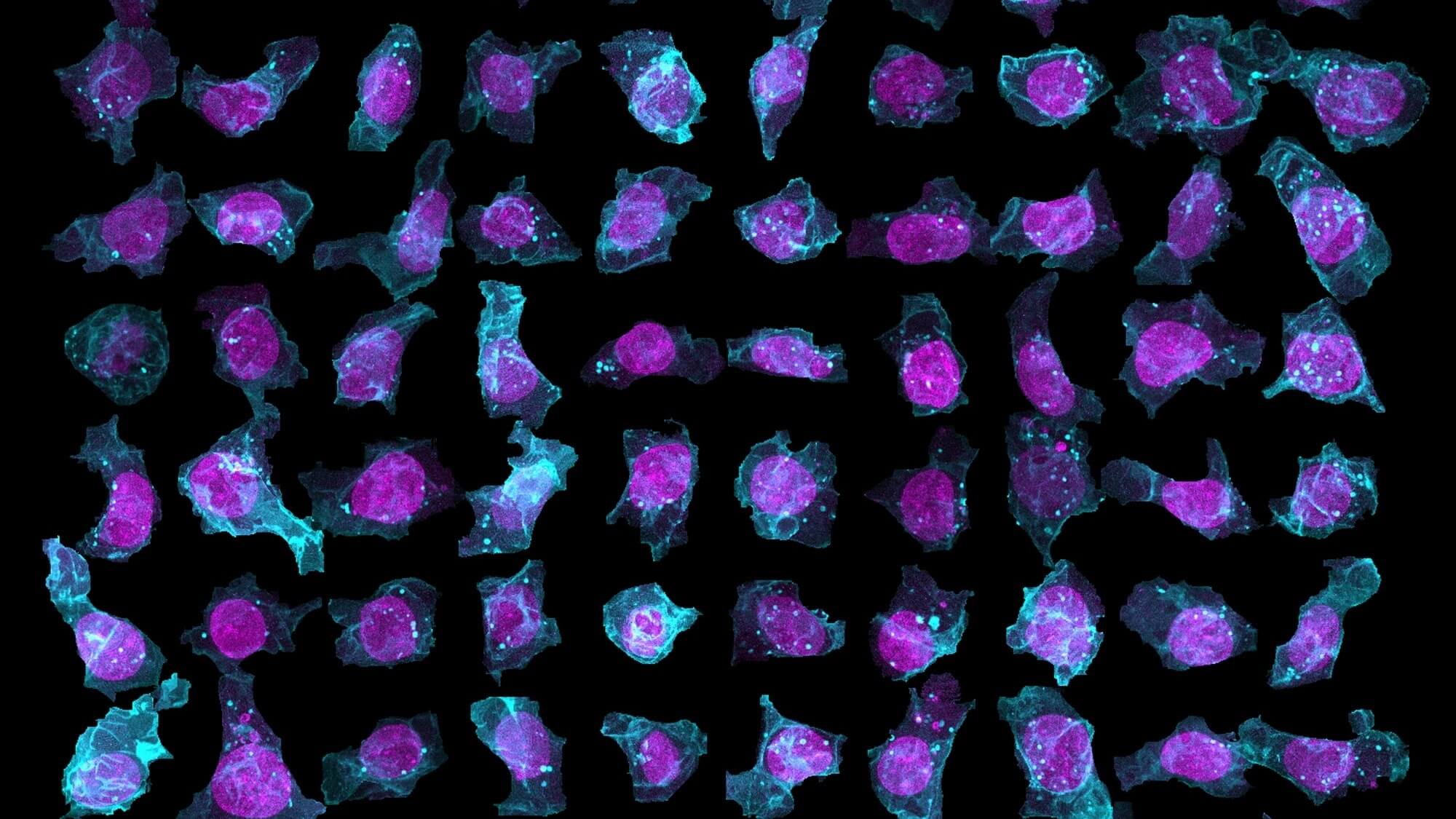
Microscopic fluorescent cells with magenta nuclei and cyan cytoplasm on black background
Lesson Plan
Exploring Mitosis with the Allen Institute (A)
Learn about mitosis with the Allen Institute for Cell Science!
Previous
5 / 5
we acceleratedevelopcatalyzeimpact

science done differently. shared openly.

explore our accelerators

brain science

Mapping every cell, connection, and circuit in the brain—openly shared with the world.

cell science

Decoding how cells become tissues, then programming that knowledge into powerful new research tools.

neural dynamics

Revealing the brain's hidden algorithms that transform neural activity into real-world behavior.

immunology

Creating the deepest open reference for the healthy human immune system ever built.

synthetic biology

Engineering cells to record their own histories, transforming how we understand disease over time.

research

Big questions, open answers, and science built to be shared.

education

Inspiring the next generation of scientists through open science resources.

impact

Our science is empowering researchers and advancing health worldwide.
advancing science through open, collaborative research
Get the allen institute newsletter
Stay informed on the latest breakthroughs in neuroscience, bioscience, and AI-driven research.
allen institute
impactpeople & teamscareers & opportunitiesalumnihistory & founder
science resources
allencell.orgallenimmunology.orgallenneuraldynamics.orgbrain-bican.orgbrain-map.orgmicrons-explorer.org
research
brain sciencecell scienceneural dynamicsimmunologysynthetic biologypublications
education
science educationfield tripsprofessional developmenteducation resources
quick links
newseventsopen sciencepodcastscience resourceshuman brain donationvisit uscontact
follow us/

allen institute, 615 Westlake Ave North, Seattle, WA 98109 +12065487055

© 0000 allen institute. all rights reserved.
privacy policyterms of usecitation policyemployee portalpolicy & compliancecookie settings